Running Shoes
Are Carbon Plate Super Shoes Worth It? What the Evidence Says
A practical look at carbon plate racing shoes: real performance gains, integration tips, durability concerns, and which models justify their price.
Introduction
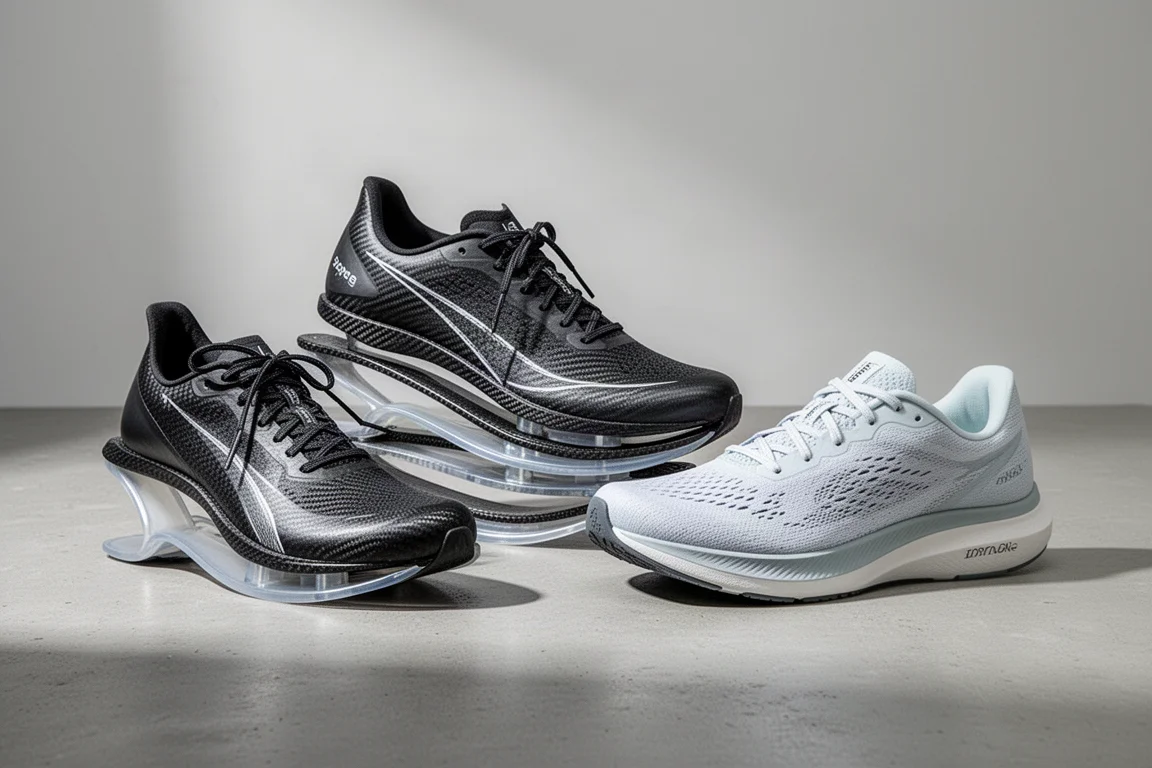
Carbon plate super shoes have become the most debated topic in running gear. Do they genuinely make you faster, or is it all placebo? Are they safe for everyday runners, and are they really worth the money? After plenty of time in a wide range of these shoes, the short answer is: yes, they do make a difference in a wide range of ways. But the fuller answer depends a lot on which shoe you buy and how you integrate it into your training.
Do Carbon Plate Shoes Actually Help?
Despite the hype, these are not some wildly alien category of shoe. They are running shoes with a few bells and whistles added in: very soft foam paired with a stiff carbon plate. The practical benefits are threefold. First, they can limit the fatigue you feel across a race or hard training run. Second, they lower both perceived and recorded effort. Third, they can aid recovery, letting you get back to training a little sooner than you would in a standard shoe. Run an intense session in them and the next day you may simply feel that little bit better.
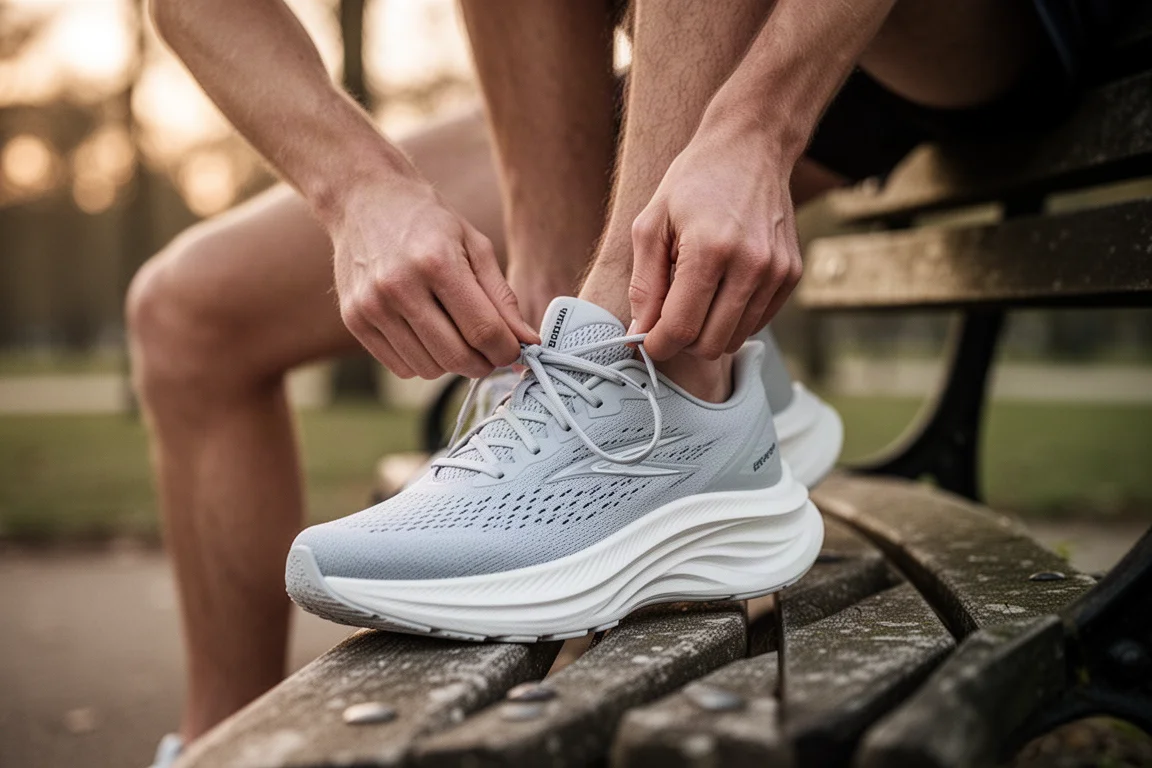
The key caveat is integration. These shoes should be brought into your routine carefully, perhaps once or twice a week at first, rather than taken out of the box and used for every run. If your base fitness is not there, the shoes will not get the best out of you. Think of them as lifting your threshold level: it may take longer to hit the red zone, but when you do hit it, it hits hard.
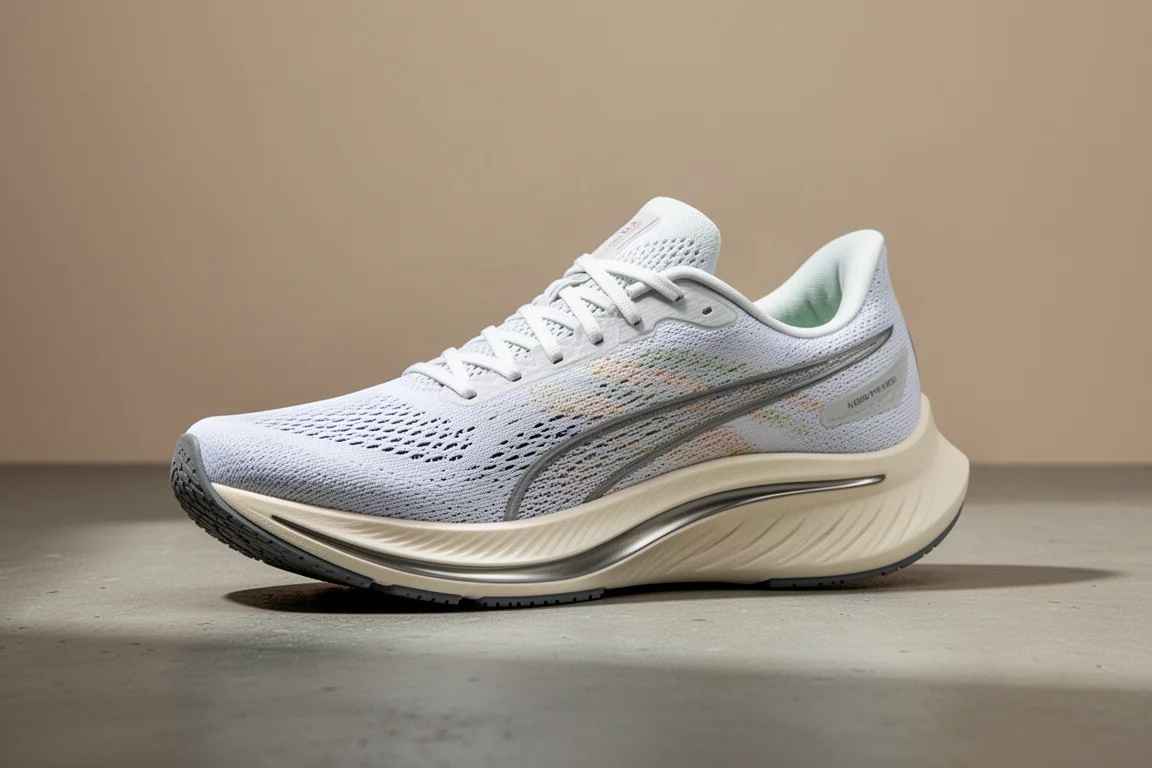
Testing the Nike Vaporfly Next% 3
The raw numbers make a compelling case. Over three runs in the Vaporfly Next% 3, a 13-minute effort at 7:54 per mile with an average heart rate around 132 bpm in a very warm 27°C and 52% humidity was followed by a 5-mile effort at 7:52 per mile and 129 bpm in 15°C. Both were easy-effort runs, and the heart rate difference was marginal despite wildly different conditions.

Then came the benchmark: a 6-mile run in the Nike Air Zoom Pegasus 40 at 8:12 per mile in cooler 12°C conditions, with an average heart rate of 128 bpm, almost identical to the second Vaporfly run, but a clear 20 seconds per mile slower. Rounding it off, that is roughly a 4% efficiency difference at the same heart rate. And that benefit showed up at around 8-minute-mile pace, not just at elite speeds, which challenges the idea that slower runners get nothing from super shoes. The shoe has a very soft heel and a wide forefoot, and it seems to work particularly well around marathon pace, with the legs feeling notably less fatigued.
Is it placebo? Possibly, but all the external factors in that faster run were working against it: it came after a demanding day at work, while the cooler-weather Pegasus run was fresh in the morning. The legs still felt fantastic.
Nike Alphafly Next% 2
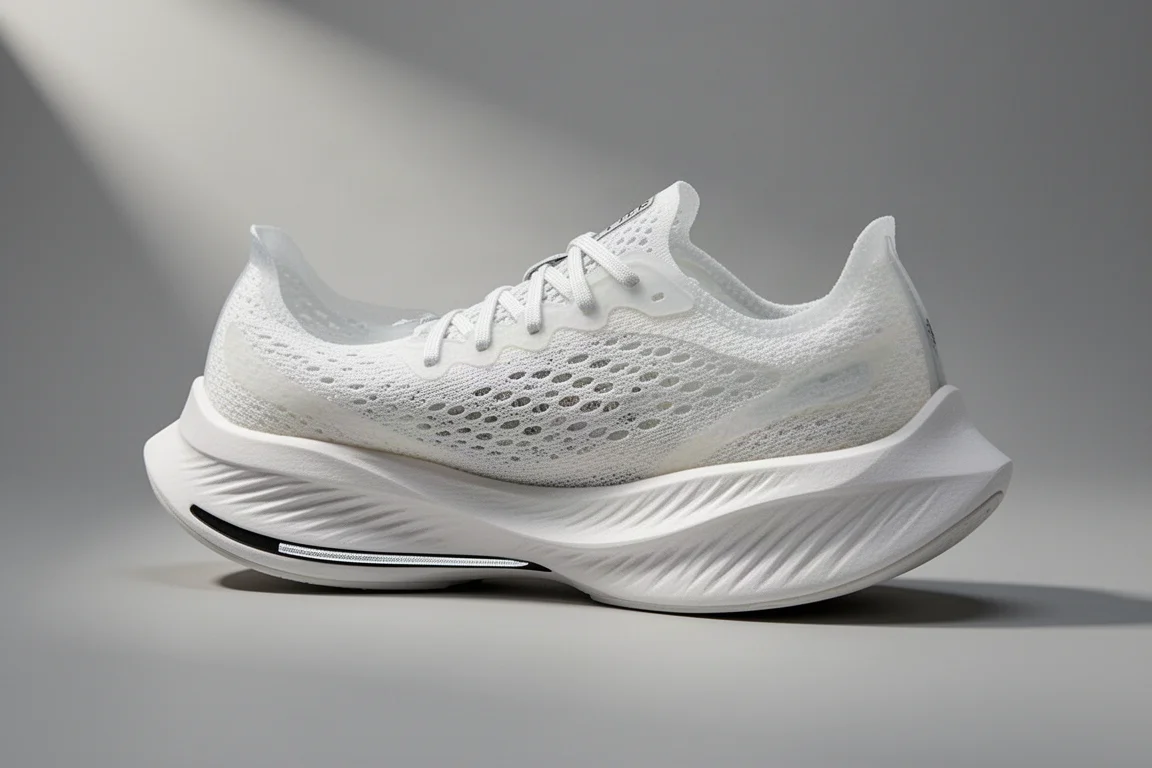
The Alphafly Next% 2 is the cautionary tale in this lineup. Some buyers pick it up expecting it to magically lower their times, only to end up with shin splints because the shoe is so compressive in the heel. It is vastly different from a lot of other shoes and rewards runners who ease into it. On top of the integration demands, the verdict on value is blunt: at its extremely expensive price point, it is hard to argue it is worth the money.
Adidas Adios Pro 3 and Adios Pro 2
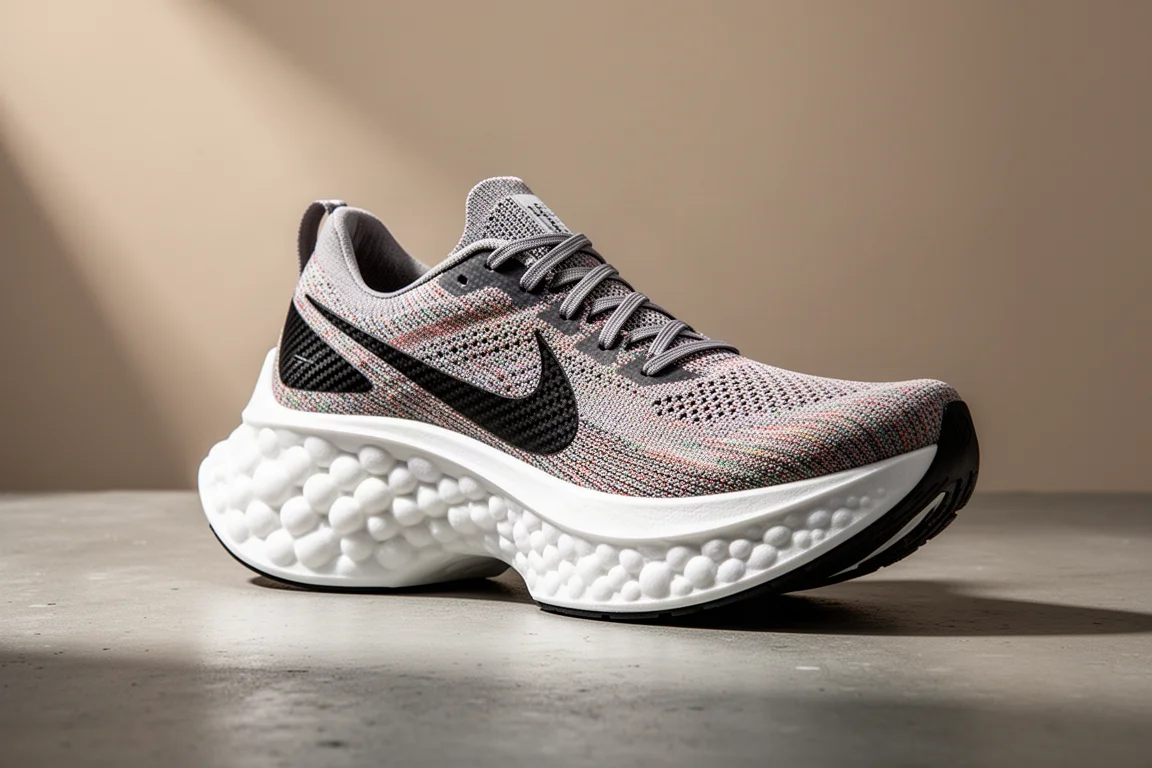
The Adios Pro 2 was a genuinely niche shoe. Few people would want it for daily use, and many found it insanely unstable, applying different pressures to the legs and muscles than other shoes, with a few runners picking up problems as a result. The same niche-market lesson applies elsewhere: the Saucony Sinister sold in small numbers and was already discounted, and the SC Pacer sits in similar territory.
The Adios Pro 3 represents the broader shift in the super shoe market. Recent releases from both major brands have widened the heel and the mid-to-forefoot sections, tailoring these shoes to appeal to a much wider range of runners rather than only forefoot-striking elites. Some see the newer generation as watered-down versions of what came before, and they are certainly more bulky, but they remain fantastic in terms of performance and are simply more usable by more people.
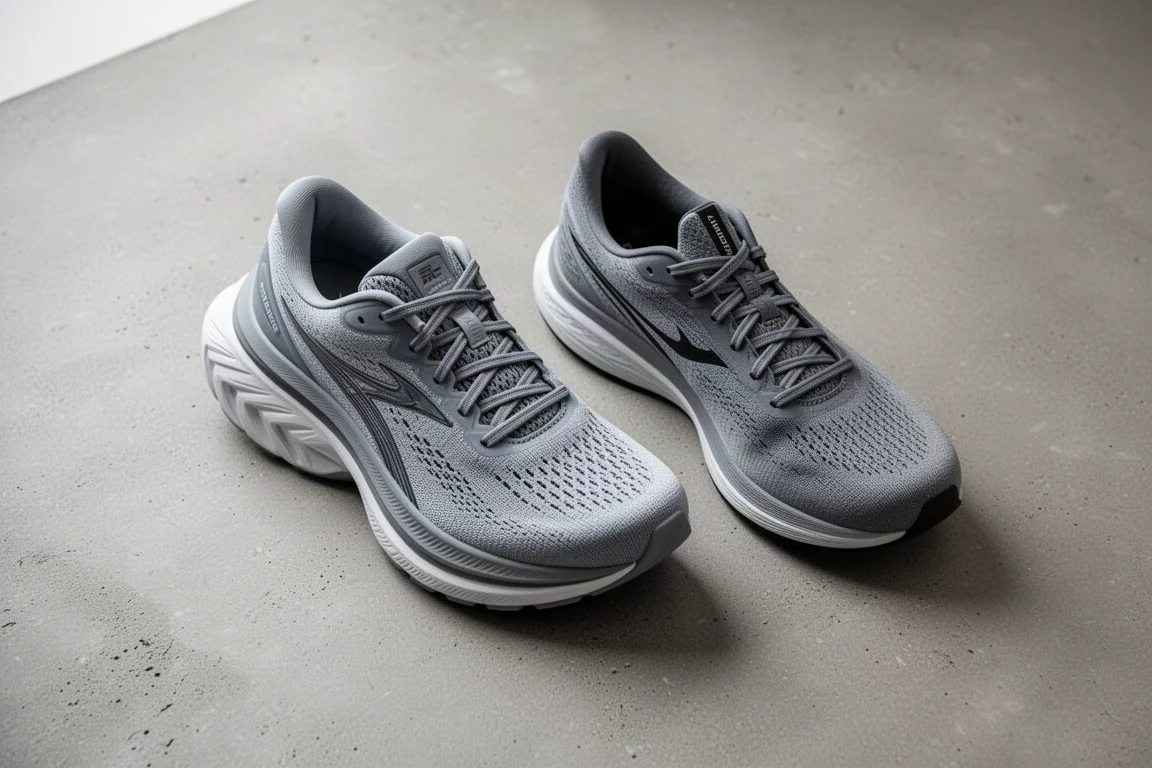
The Nike Air Zoom Pegasus 40 Benchmark
It is worth noting what the comparison shoe actually is. The Pegasus 40 uses React foam with no plate at all, just a couple of thinner Zoom Air units encapsulated in the midsole. It is a conventional daily trainer, and against it the carbon plate Vaporfly delivered the same heart rate at roughly 0.2 to 0.3 mph faster. That gap is what the entire super shoe price premium is buying.
Durability and Value
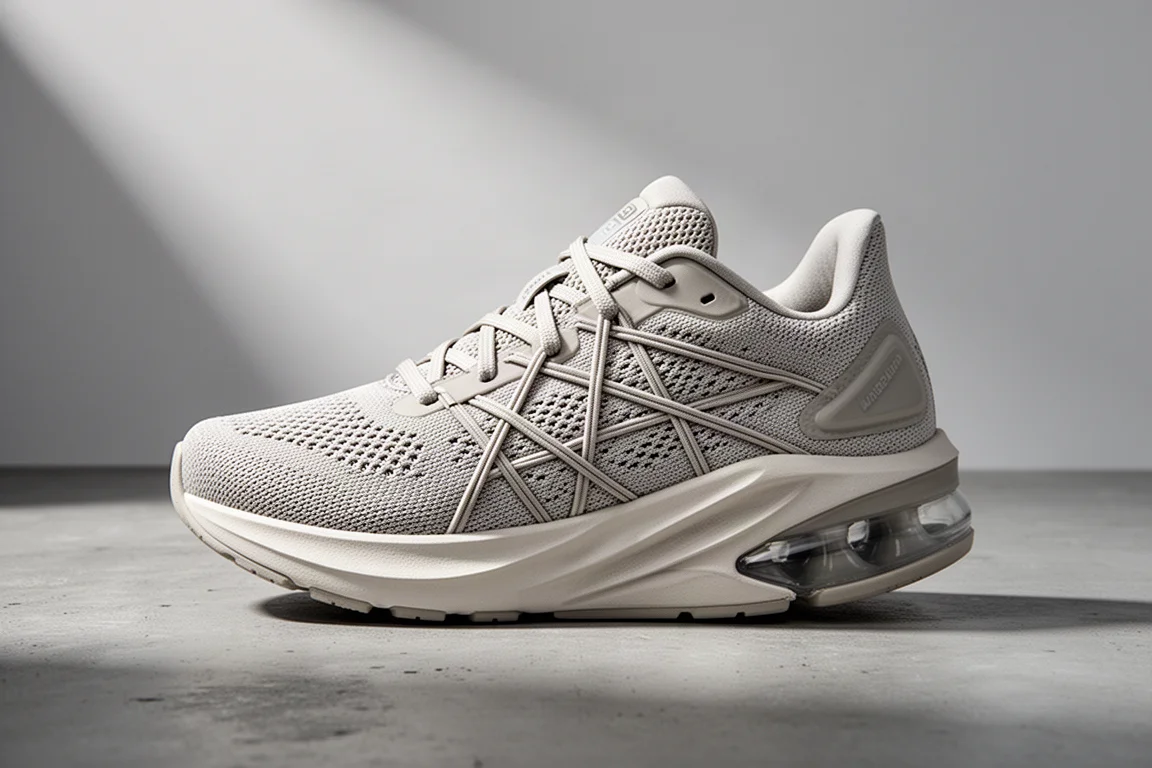
Not all super shoes survive the real world gracefully. Some of these shoes are incredibly fragile: catch the exposed foam on a nail or an abrasive rock and it can start to tear and fall apart. The original Vaporfly 4% was less durable than current versions, though the exposed foam on newer models has held up reasonably well. The rubber in the forefoot is the weak point on the Nike side.
Adidas, by contrast, appears to use more durable rubber formulas that give their shoes a little extra longevity. It is easy to wish Nike would fit Vibram rubber outsoles to the Alphafly and Vaporfly, which would help them stand up to light trails and boost their lifespan considerably.
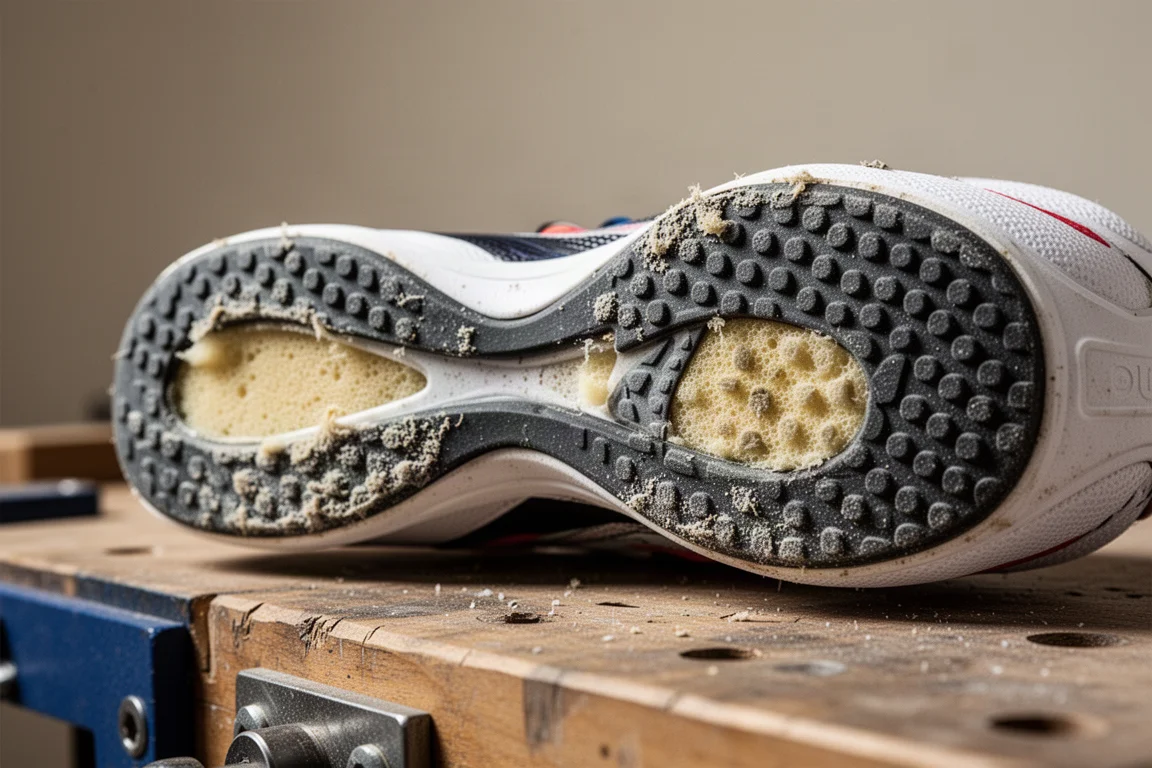
On value, the picture is nuanced. The Alphafly Next% 2 is extremely expensive and hard to recommend at full price. The Vaporfly Next% 3 makes a reasonable case for itself. The best value play for anyone entering the carbon super shoe game is the Vaporfly Next% 2, which delivers much of the experience at a lower price. Of course, some will argue no super shoe is worth it and you can simply train harder. But for a runner training consistently, they genuinely seem to provide a boost for hard sessions and races.
Buying Advice
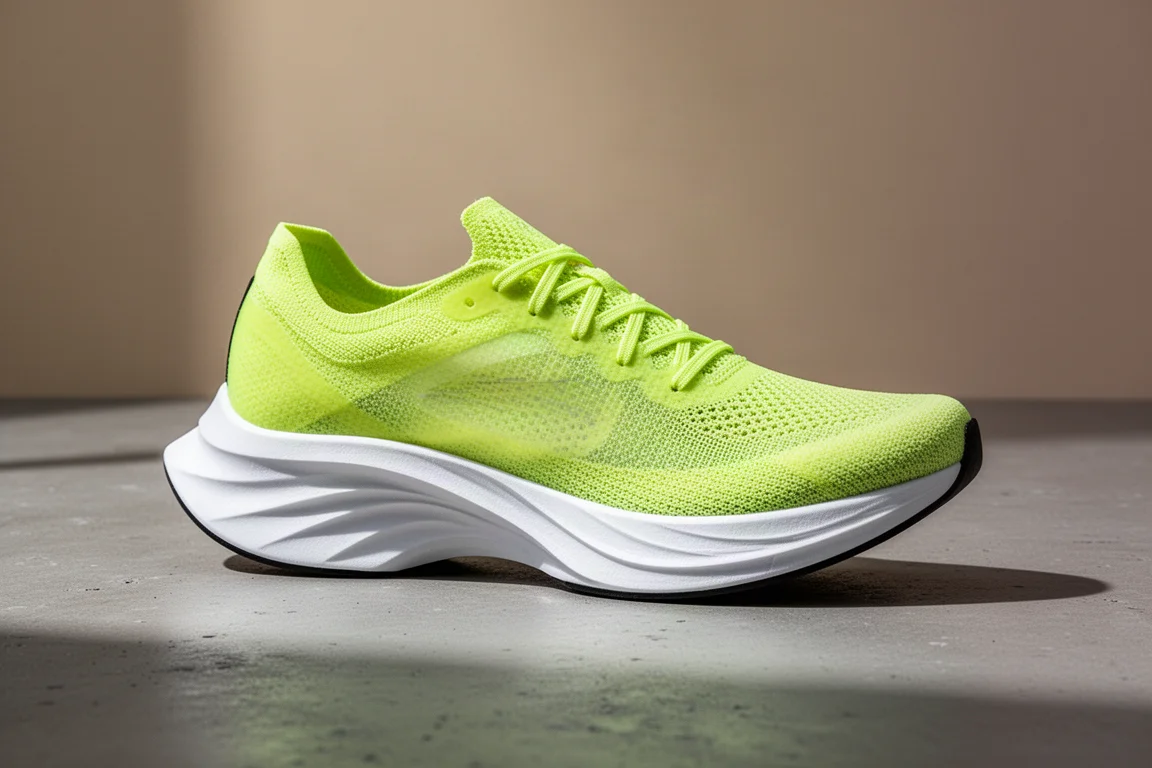
If you are considering your first pair, start with a more forgiving, wider-platform model rather than a narrow elite-oriented design. Integrate them gradually into your schedule and reserve them for harder sessions and races. Expect fragile outsoles on most Nike models, factor in Adidas’s better rubber durability if longevity matters to you, and remember that a good conventional trainer like the Pegasus 40 remains the right tool for the bulk of your easy mileage.
Conclusion
Carbon plate super shoes are not magic, but the measured evidence, around 4% better efficiency at the same heart rate, and real recovery benefits, is hard to dismiss. Buy them for your fast days, not your everyday miles, choose a model that matches your stability needs, and pick the version that fits your budget rather than chasing the most expensive option on the shelf.
Further reading
Related Reviews

Running Shoes
Best Road-to-Trail Running Shoes: Three Versatile Options for Mixed Terrain
A practical guide to three road-to-trail running shoes that handle both pavement and mild trails, with clear strengths and trade-offs for different runner types.

Running Shoes
Best Running Shoes for Achilles Tendonitis: Three Options Explained
Three running shoes with different heel drops and support features designed to help reduce Achilles tendon pain during walking and running.

Running Shoes
Best Running Shoes for Women: Five Top Choices Ranked
A ranked guide to five women's running shoes, from versatile daily trainers to high-performance racing options, with real strengths and trade-offs for each.