Running Shoes
Carbon Plate Running Shoes: Six Models That Embrace the Plate Trend
Carbon plates are being added to shoes that never had them before. We look at six recently released and upcoming models to see where the plate actually makes sense.
Introduction
Carbon plates are everywhere in running shoes right now. Those familiar curved inserts placed inside the midsole foam have become a favorite with fitness-focused runners and casual buyers alike, but it is getting harder to tell whether the plate is there for performance or simply as a selling point.
Plenty of former plateless models are now being equipped with some kind of insert in the foam, and in some cases there is more carbon in the shoe than you might ever expect. Below we look at six recently released or upcoming models and consider whether they actually need a carbon plate, or whether the plate is being used more like a sound bite to shift shoes.
Nike Zoom Fly Flyknit
The Nike Zoom Fly Flyknit was a genuinely useful counterpoint to the racing models in Nike’s line-up. It worked well as a training-oriented alternative: a bit more durable, slightly wider in the heel so you get a bigger platform to land on, and built with React foam, which is somewhat more durable than ZoomX.
With dimensions and stack height similar to its racing sibling, it gave a good account of itself as a daily-use iteration of a racing model, just with slightly more weight. Great for speed work with a squishy yet stable, fairly rigid feel and a smooth ride through the gait cycle, it made a strong case for the plate in a training shoe.
Nike Zoom Fly 4
Much has changed with Nike’s current Zoom Fly 4, and it comes across as a somewhat confused shoe that lacks direction, especially when paired up against the Vaporfly Next% or the Alphafly Next%. The upper feel and the underfoot experience are now vastly different from the earlier Flyknit version.
It no longer has the same clear use case that made the original Zoom Fly Flyknit so easy to recommend. If you liked the older formula, this is one to try carefully before committing, because the character of the shoe has shifted considerably.
Adidas Boston 10
The Adidas Boston series was a firm favorite among marathon runners. It never offered huge amounts of cushioning, just sensible protection and a reliable pair for anybody venturing up towards 26.2 miles. This generation changed a lot: a much higher midsole stack, a plate in the heel of the shoe, and the famous energy rods, multiple carbon or glass fiber rods, in the mid to forefoot.
That overhaul sent many athletes, both elite and non-elite, running to other models. People simply did not get on with the redesign, and plenty moved away from the tried and trusted formula. The shoe is warming on easier, more pedestrian paces, but it feels overly clunky and cushioned for speed work.
It is also a lot of shoe: well above 340 grams in a UK size 11.5, with a generous upper that may not suit very wet winter weather. For bigger runners or those who want plush protection at easy efforts it can still work, but it is a lot of shoe for a lighter frame.
Hoka Bondi X
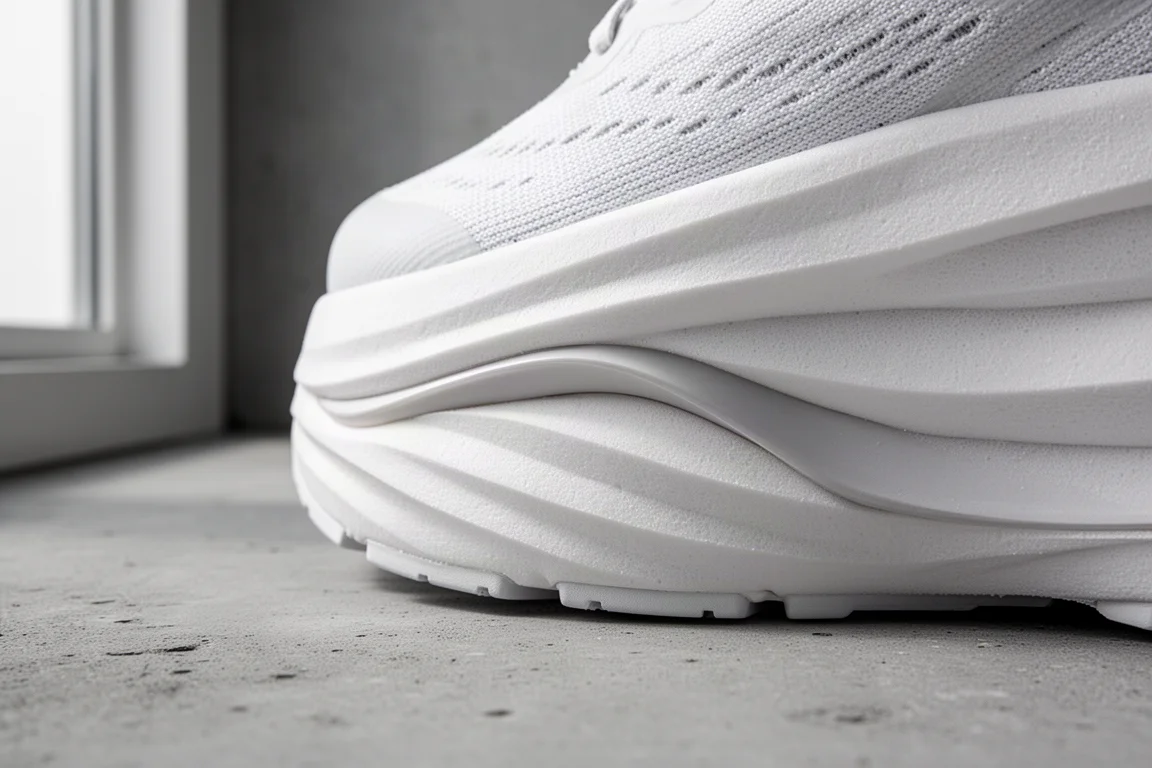
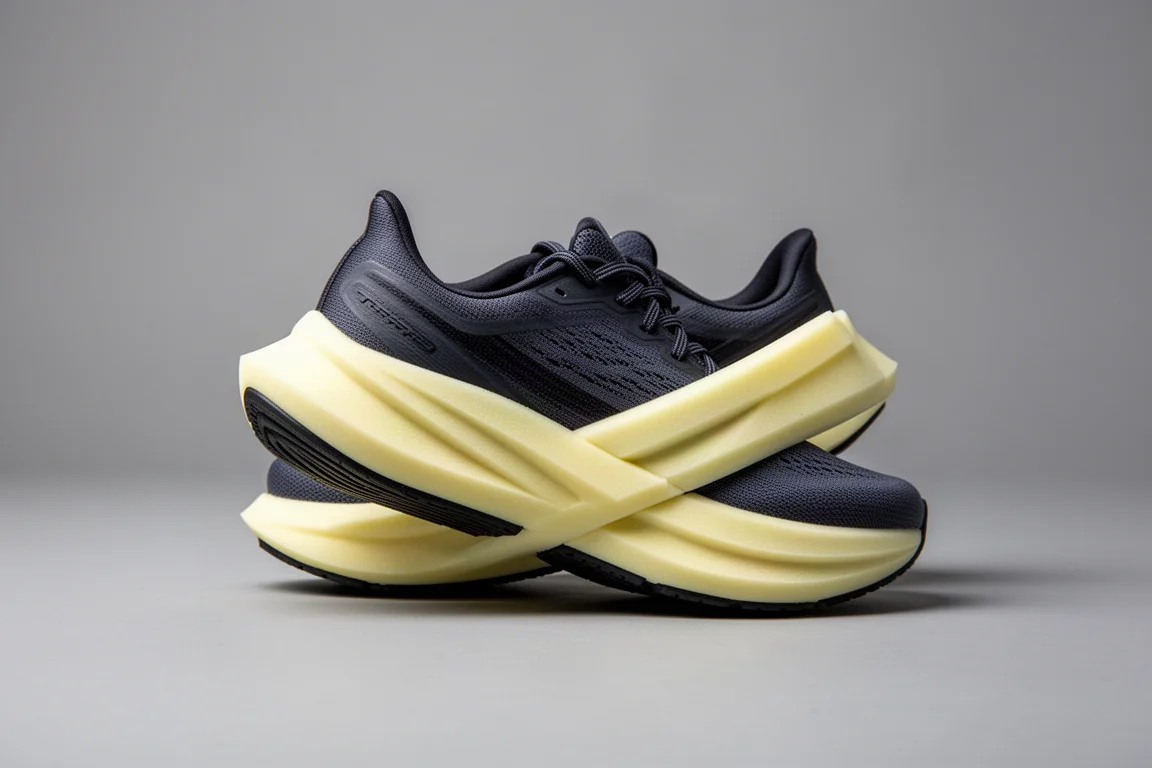
Hoka joined the carbon trend with the Bondi X. The standard Bondi was a max cushion shoe many people enjoyed for longer runs; this version adds forests of foam plus a plate, presumably to provide some stability given how much foam sits underfoot, although the heel stack is reportedly only 33 millimeters, which seems modest compared to something like the Alphafly.
The appeal is clear: a max cushion shoe you can take out on longer runs during marathon training, or just a big pillow to settle into for easy Sunday miles. There are two serious catches, though. The price sits at around £180 in the UK, a super-shoe-level figure that will be a big turn-off for budget-conscious runners. And weight is a real consideration: a US men’s size 9 comes in around 300 grams, so bigger sizes will be hefty indeed.

Adidas Takumi Sen 8
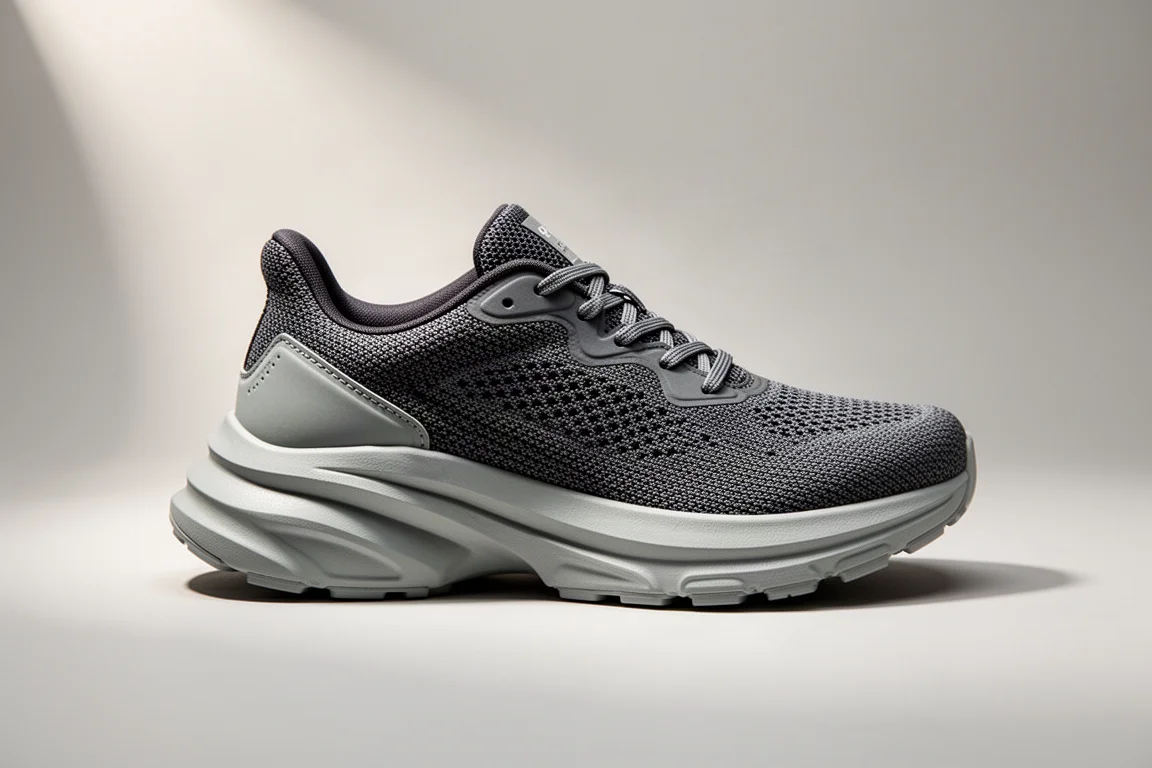
The Adidas Takumi Sen 8 is another shoe getting the full plate treatment. Adidas has traditionally used a torsion system in the midsole of this series, which was very popular among serious runners, but the Takumi Sen 8 bears little similarity to its predecessor, with a drastically redesigned upper and the torsion system removed in favor of incoming energy rods.
It is not entirely clear whether a more conventional plate sits in the heel to add stability, as with the Boston 10, though something may be hidden directly underneath the insole. What is obvious is the increased stack height compared to the Takumi Sen 7, which had only 25.5 millimeters in the heel. Light Strike Pro foam likely needs a certain amount of height to house the energy rods, which probably explains the taller midsole, and the rods may grant the forefoot rigidity that everybody is looking for in a higher-paced shoe.
Adidas Adizero Adios Pro 2
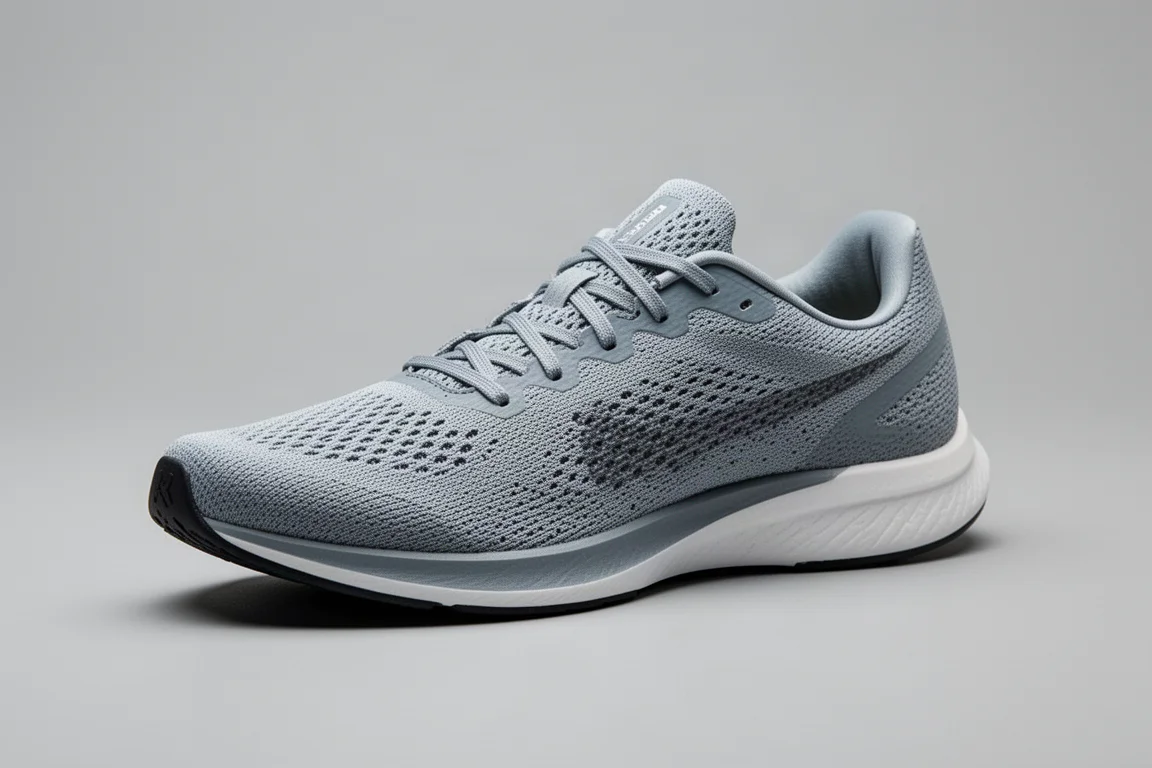
Adidas has been slowly coming back into the elite racing conversation, with strong performances from athletes using the Adizero Adios Pro 2. It is one of the clearest examples of energy rods proving themselves at the top level, alongside impressive showings at the Berlin Marathon and the Olympic Marathon.
The competitive picture helps explain why the plate-and-rod arms race is not slowing down. Looking back to 2018, a varied list of shoes appeared in the top three podium positions of the various World Marathon Majors; by 2019, one racing model had come to dominate. Rivals have responded, and the Adios Pro 2 is a big part of how Adidas has fought back.
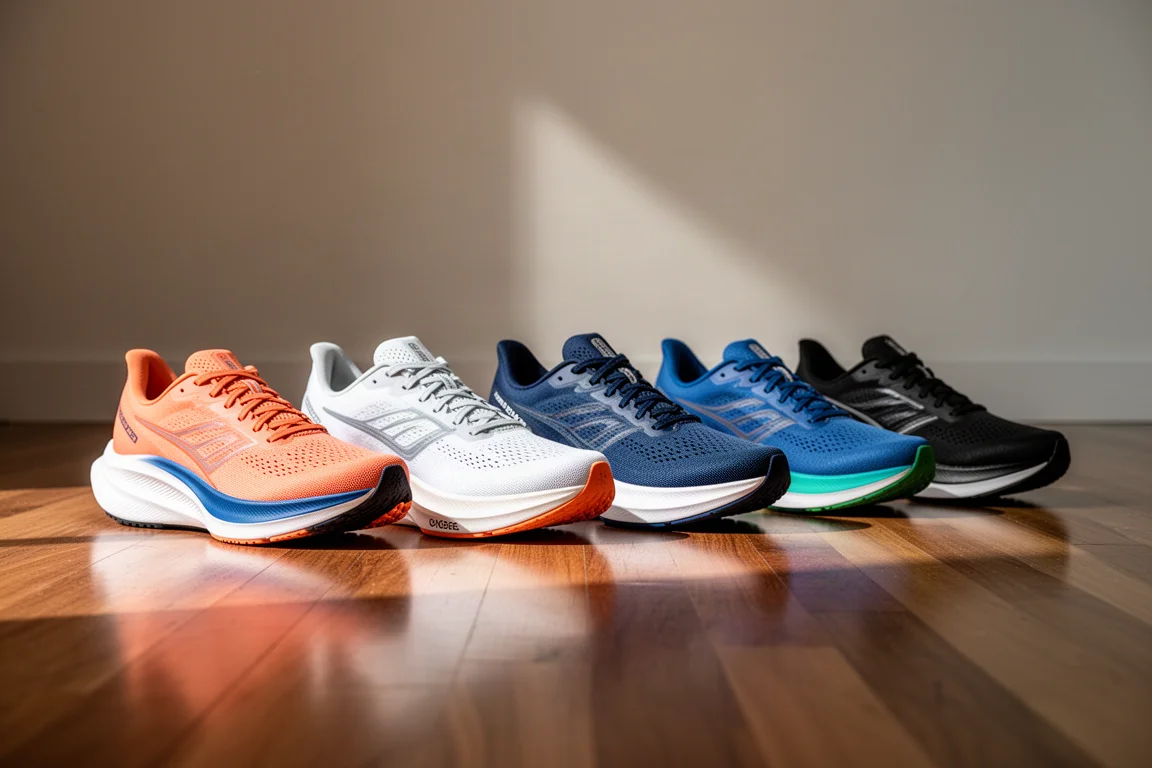
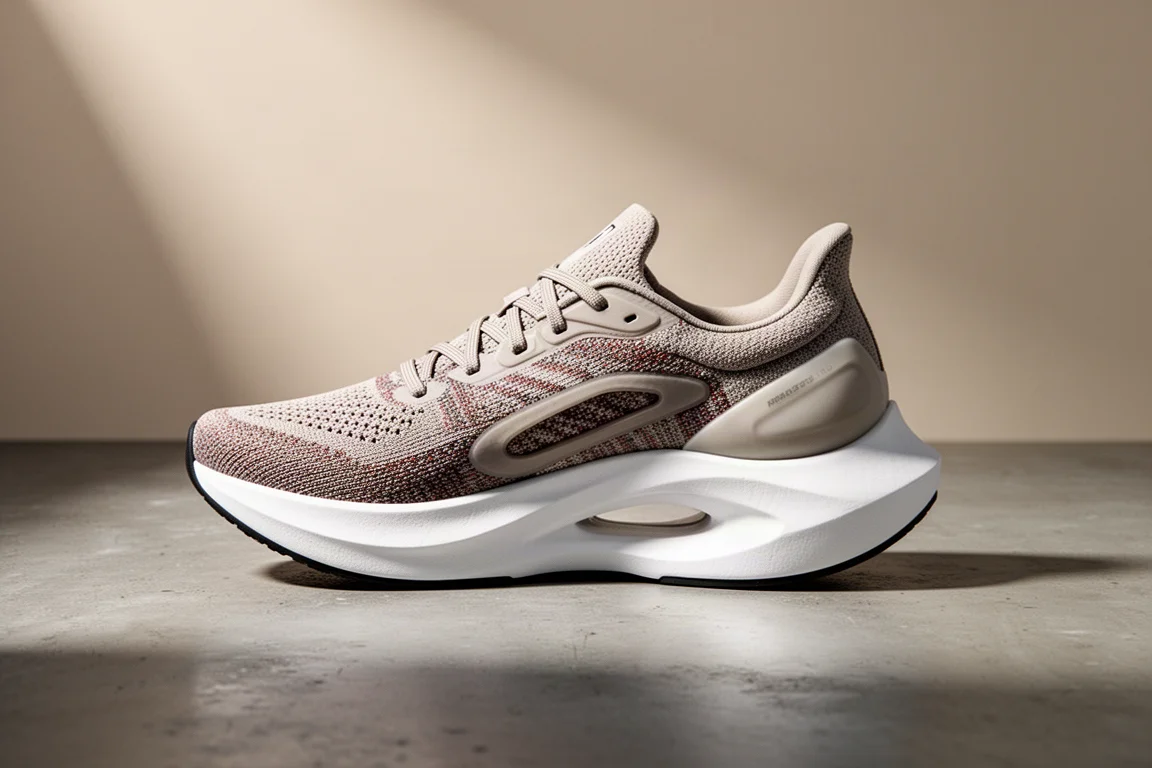
Overall Buying Advice
The common thread across these six shoes is that the plate itself is no longer a guarantee of anything. In the Zoom Fly Flyknit it supported a genuinely useful daily training role. In the Zoom Fly 4, the identity of the shoe has drifted. In the Boston 10 and Bondi X, plates and rods have been added to shoes built around different priorities, and both come with weight and, in the Bondi X’s case, price trade-offs worth taking seriously.
If you want a plate shoe for daily training, the lighter and more durable-style option generally makes more sense. If you want a cushioned long-run shoe, check the weight and the price carefully before assuming a plate adds value. If you are chasing race performance, the elite-tier models with proven results are the safest bet. And it is worth remembering that we still do not know exactly how advantageous energy rods are for everyday runners; impressive elite performances do not automatically translate to easy Sunday miles.
Conclusion
The plate is here to stay for now, but that does not mean every shoe needs one. Match the shoe to the run you actually do, check stack heights and weights against your size, and treat “carbon plate” as a feature to evaluate rather than a reason to buy.
Further reading
Related Reviews

Running Shoes
Best Road-to-Trail Running Shoes: Three Versatile Options for Mixed Terrain
A practical guide to three road-to-trail running shoes that handle both pavement and mild trails, with clear strengths and trade-offs for different runner types.

Running Shoes
Best Running Shoes for Achilles Tendonitis: Three Options Explained
Three running shoes with different heel drops and support features designed to help reduce Achilles tendon pain during walking and running.

Running Shoes
Best Running Shoes for Women: Five Top Choices Ranked
A ranked guide to five women's running shoes, from versatile daily trainers to high-performance racing options, with real strengths and trade-offs for each.