Cookware
Caraway Enameled Cast Iron Cookware: Tested Performance, Maintenance, and Durability
We cooked dozens of meals in bare and enameled cast iron to find out what actually matters. Here's how Caraway's new enameled cast iron line stacks up.
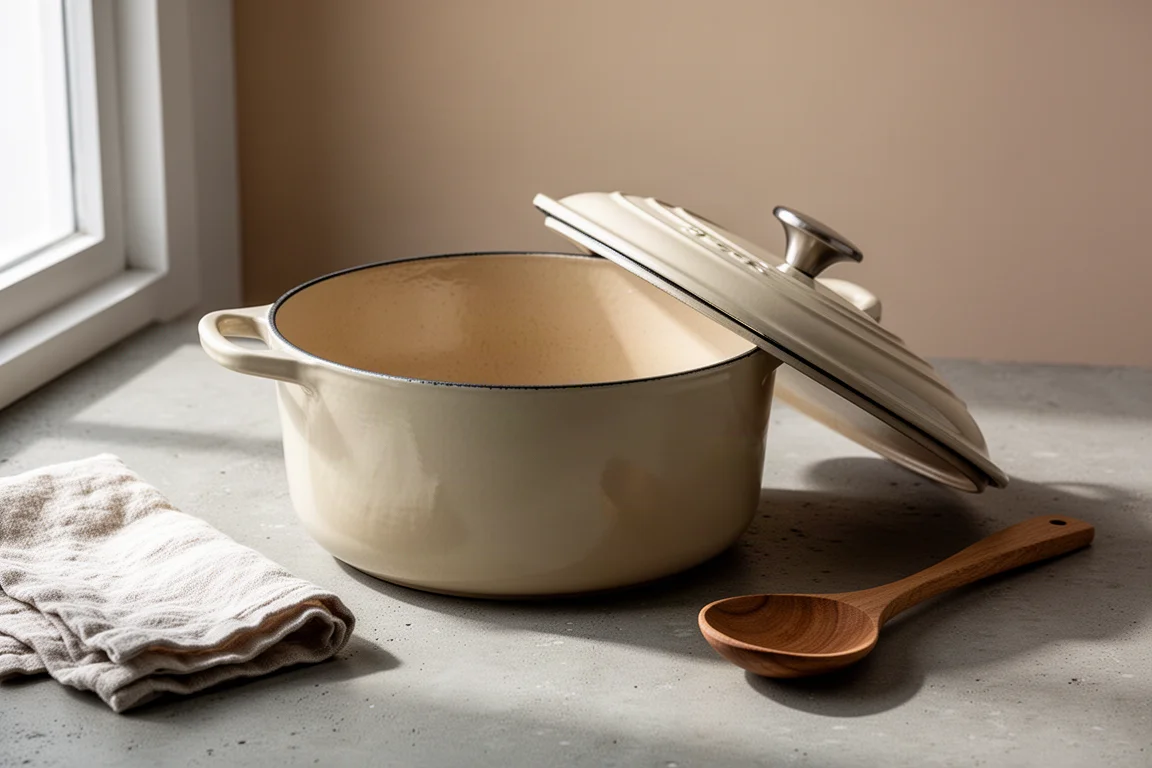
Introduction
Bare cast iron and enameled cast iron share the same thick cast iron base, but after cooking dozens of meals in both and running a series of hands-on tests, it is clear the differences that matter are not the ones most people assume. Myths about seasoning, soap, and sticking turned out to be largely false, while real gaps appeared in areas like liquid cooking, acidity, and rust resistance.
If you are considering Caraway’s enameled cast iron cookware line, this breakdown covers how it performs where it counts, and where enameled cast iron wins or loses against bare cast iron.
Cooking Performance: Nearly Identical Where It Counts
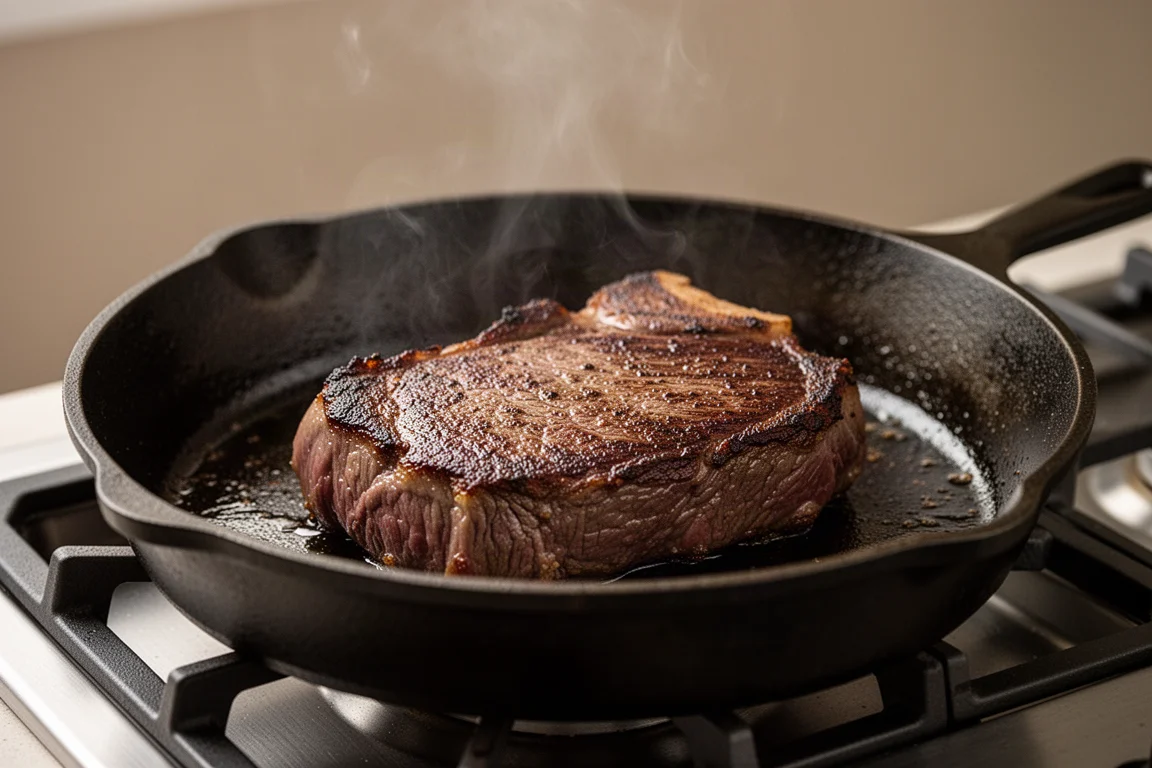
Both types of cookware are built with a thick cast iron base, so both retain heat extremely well. That makes them equally suited to searing, browning, roasting, frying, and any cooking that benefits from a steady temperature. If you want a good crust on steak, chicken, pork, or other meats, either option does the job well.
After cooking dozens of meals in each type of pan, there was virtually no difference in cooking ability. For high-heat, dry cooking, you are not giving anything up by choosing enameled.
Acidic Foods and Liquid-Heavy Meals
This is where the two diverge sharply. Bare cast iron is not suitable for boiling water or simmering liquid-heavy meals like pasta or soup. Its surface is coated with seasoning, which is oil baked into the iron. When hot liquid sits in the pan for extended periods, that seasoning releases into the liquid. In a simple test, clean water boiled in a bare cast iron skillet came out cloudy and dirty, while the same test in an enameled pan left the water clean before and after.
The same applies to acidity. A splash of wine, vinegar, or lemon juice will not cause problems in bare cast iron, but simmering tomato sauce or braising short ribs in red wine for extended periods damages the seasoning and can make food taste metallic. In a 30-minute crushed tomato simmer test, the enamel showed no change, while the seasoning on the bare skillet was visibly lighter afterward.
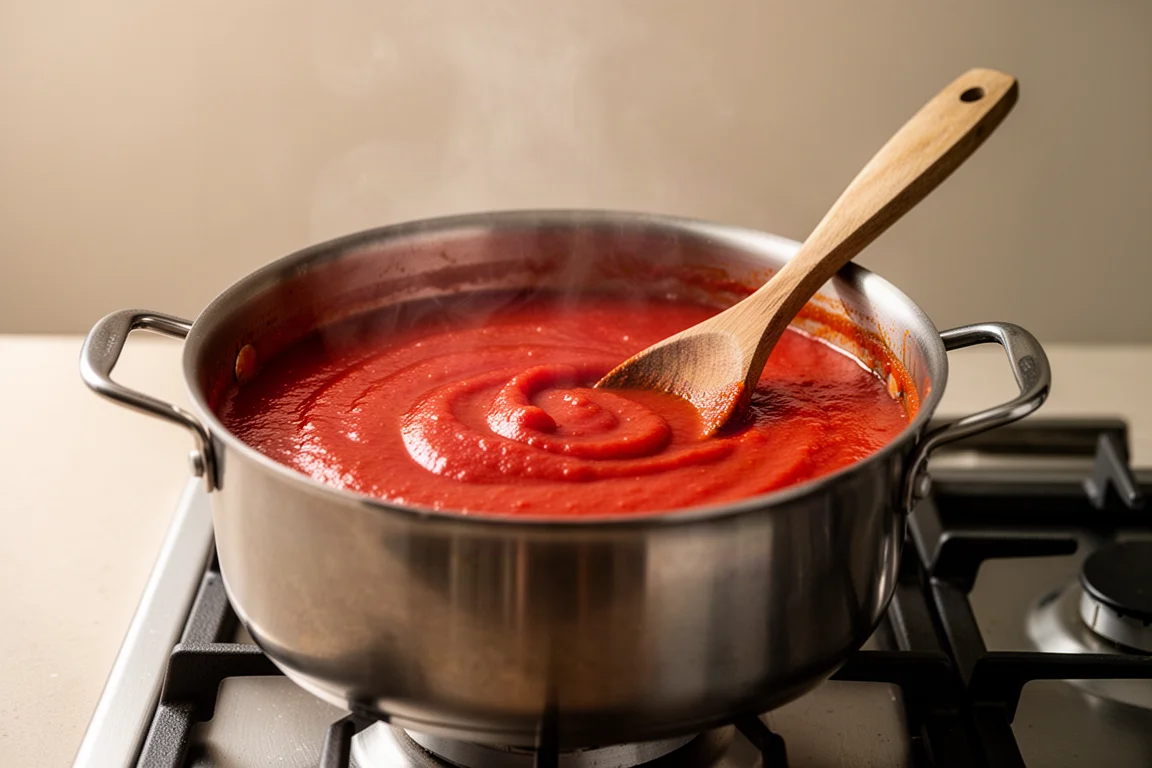
Because the enamel is a thin layer of hardened glass that is non-porous, it will not leach into liquids the way seasoning can. For soups, sauces, braises, and anything acidic, enameled cast iron is clearly the better tool.
Egg Test: A Small Edge for Bare Cast Iron
A common belief is that eggs stick more to enameled cast iron than to well-seasoned bare cast iron, so it was put to the test. After a two-minute preheat, one teaspoon of oil, and a third of a tablespoon of butter, the egg slid freely in both the bare skillet and the Caraway enameled skillet, with no sticking at all.
With no butter and only a light wipe of oil on a paper towel, eggs stuck in both pans. With exactly 3 grams of butter, the egg moved effortlessly in the bare skillet, while the enameled version needed a nudge from a spatula before releasing.
The takeaway: both can handle eggs with the right amount of fat, but bare cast iron may hold a slight edge in food release. It is not a dramatic difference in practice.
Maintenance and Rust Resistance
Bare cast iron needs to be seasoned: coating the cookware in oil and heating it so the fat bonds to the surface as a protective layer. Most pans come pre-seasoned from the factory, but occasional re-seasoning is still needed, especially early on. Skip it, and moisture causes rust. Even well-seasoned pans rust if not dried thoroughly. Water left sitting in two seasoned bare cast iron skillets overnight produced orange rust that wiped off onto a paper towel.
Two enameled pans filled with water at the same time showed no rust at all the next day. The hard, non-porous enamel coating does the job of seasoning permanently, without wearing down.
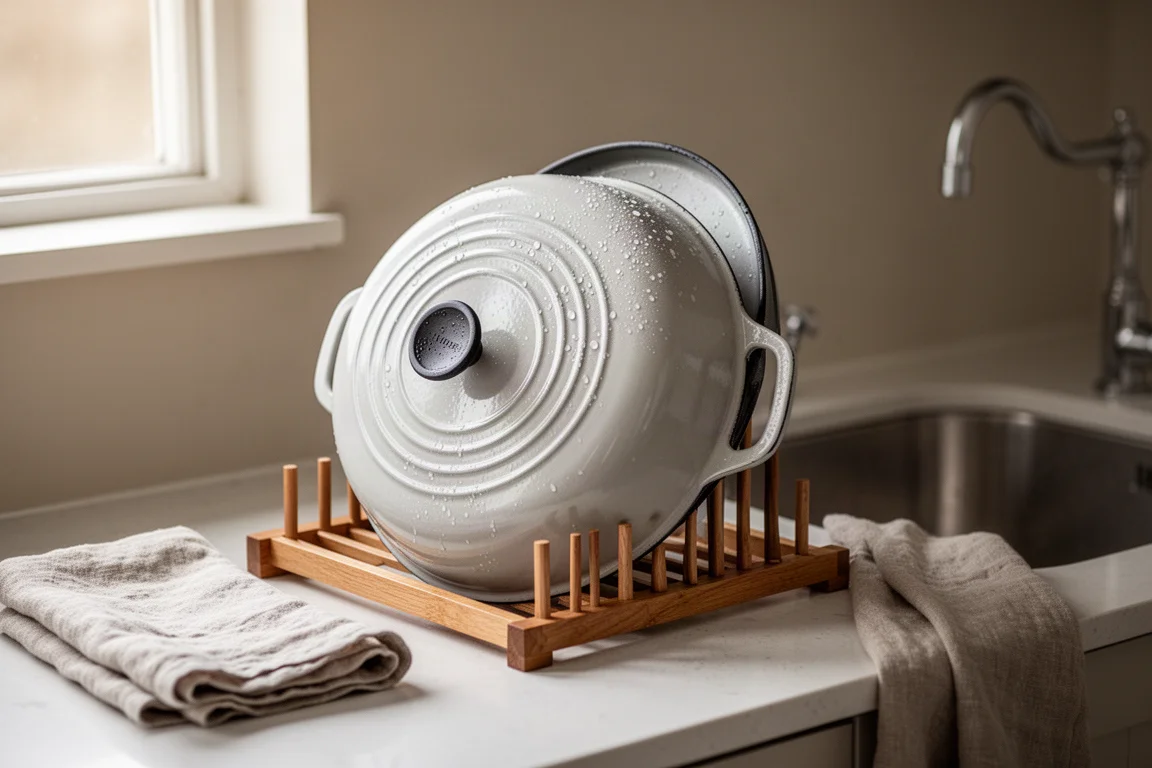
As for the soap myth: dish soap will not ruin a well-seasoned pan. Seasoning is polymerized oil bonded to the iron, hard and tough, and a few drops of mild dish soap without lye or sodium hydroxide will not hurt it. Still, enameled cast iron wins on maintenance. It never needs seasoning, and a little leftover moisture will not cause rust.
Durability: Bare Iron’s Strongest Card
Bare cast iron’s main advantage is toughness. With no coating to damage, you can use metal utensils, cook over a campfire, or drop it on the driveway without breaking it. It is not indestructible, though; a direct hit on a pointed rock can crack it.
Enameled cast iron has the same durable base, but the enamel coating can scratch and chip, and one small chip often leads to more chipping. It is still far more durable than a non-stick coating and can last for decades, but it asks for a bit more care: avoid slamming it against hard surfaces, avoid sharp utensils, and keep it away from direct campfire flames.
Appearance and Design
Bare cast iron starts as a silvery gray and darkens toward almost black as seasoning develops, though most brands are sold pre-seasoned in a dark gray or black finish.
Enameled cast iron, by contrast, comes in almost any color. Caraway’s new collection is available in cream, midnight blue, gray, light mist, rust, and charcoal. Interiors are typically a white sandy color or black. Lighter interiors make it easier to monitor how your food is browning, while dark interiors do a better job of hiding scratches and discoloration over time.
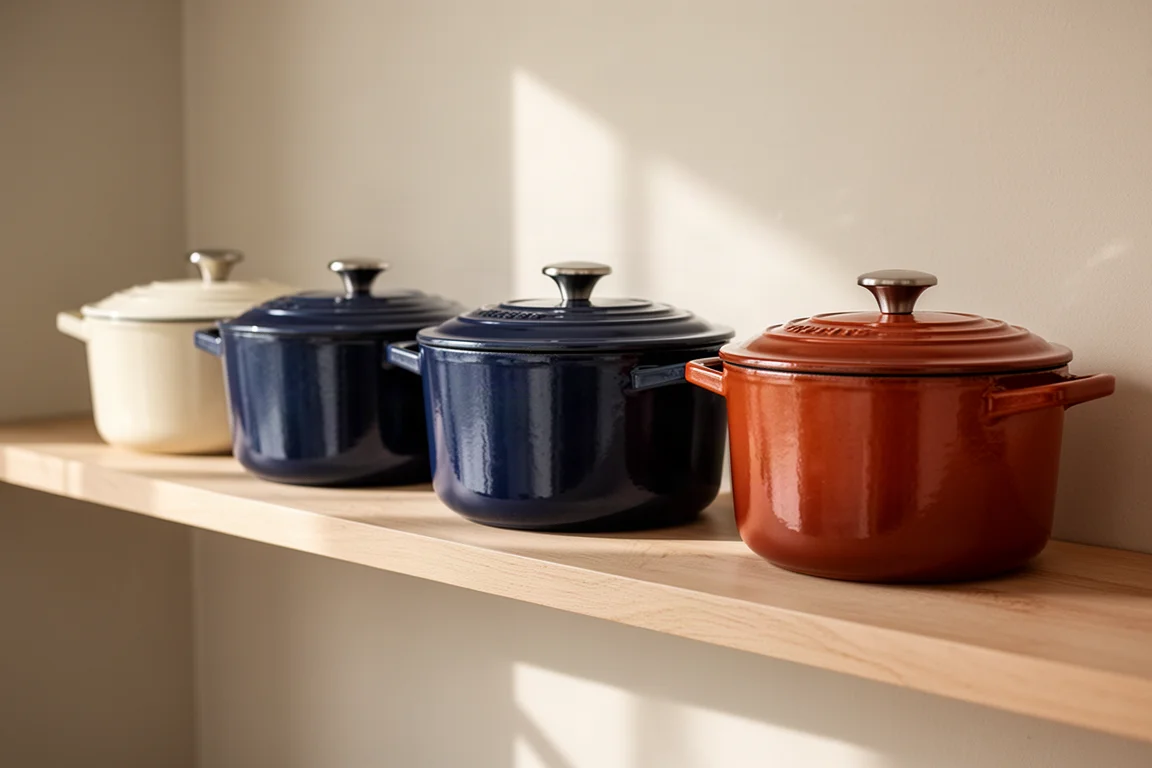
Buying Advice
Choosing between the two comes down to what you value most. If maximum durability is the priority, bare cast iron is the way to go. But if you want cookware that never needs seasoning, handles acidic ingredients, and cooks liquid-heavy meals without issue, enameled cast iron is the better fit.
For anyone leaning toward enameled, Caraway’s new collection has performed excellently through several weeks of testing. Pieces can be bought individually, or you can save 20% by buying the whole set.
Conclusion
The real differences between bare and enameled cast iron are narrower than the myths suggest. Both sear and brown beautifully, both handle eggs with a little fat, and both are far more forgiving than their reputations imply. The practical decision hinges on three things: bare cast iron wins on toughness and slightly better food release, while enameled cast iron wins on liquid cooking, acidity, and effortless maintenance. For most home cooks who want one versatile pot for sauces, braises, and everyday meals, Caraway’s enameled cast iron line is an easy recommendation.
Product link
View more details for Caraway Enameled Cast Iron Cookware
This product is mentioned in the review. Check the specifications, options, and compatibility before buying.
View more details for Caraway Enameled Cast Iron CookwareFurther reading
Related Reviews
Cookware
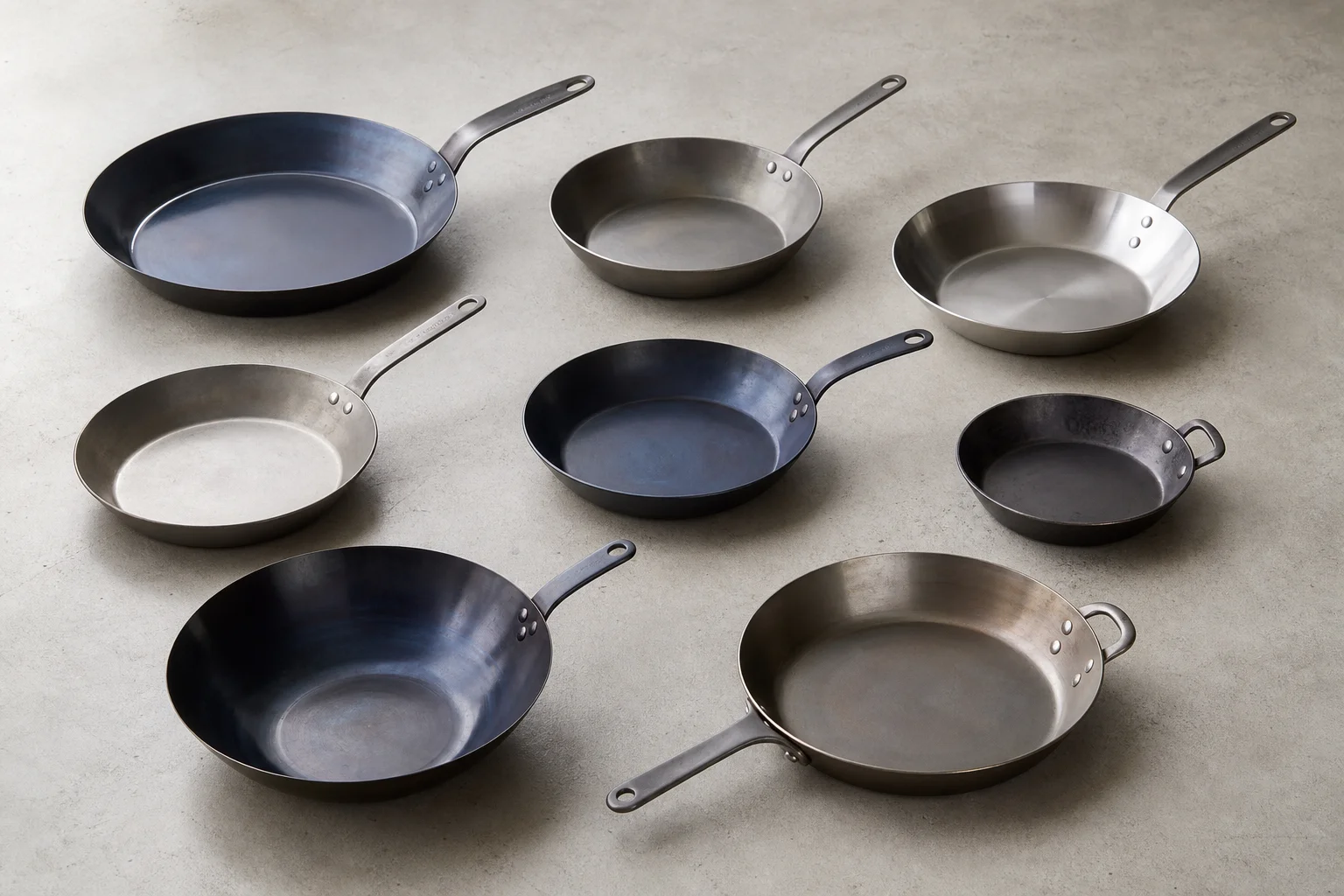
Best Carbon Steel Pans Tested: Which Brands Deliver Real Value
We tested eight popular carbon steel pans with controlled durability, heat, and cooking tests. Here's which ones perform best and which to avoid.
Cookware
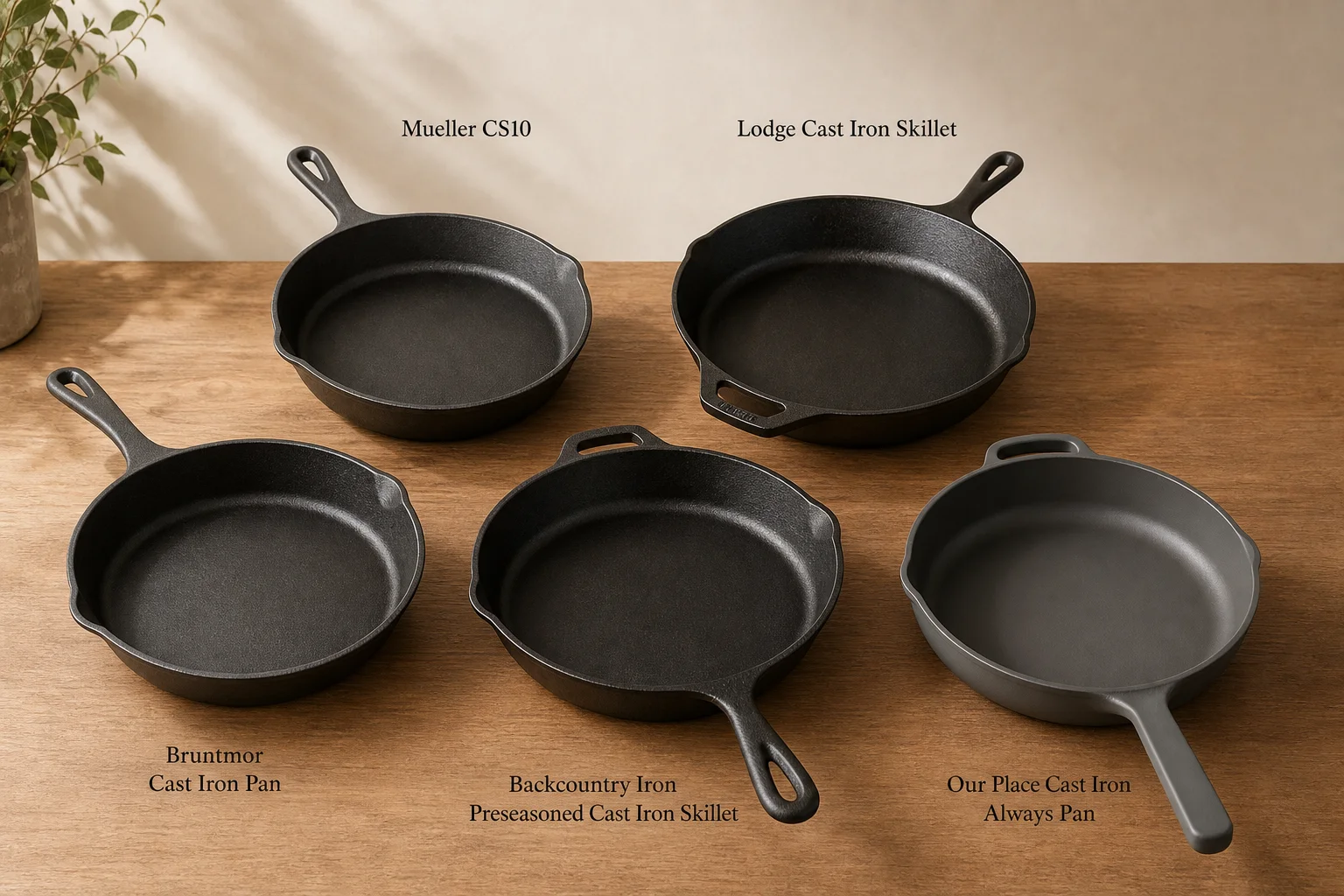
Best Cast Iron Pans 2026: Five Options from Budget to Premium
A practical breakdown of five cast iron skillets, from affordable Mueller to premium Our Place, with clear strengths and trade-offs for different cooking needs.
Cookware
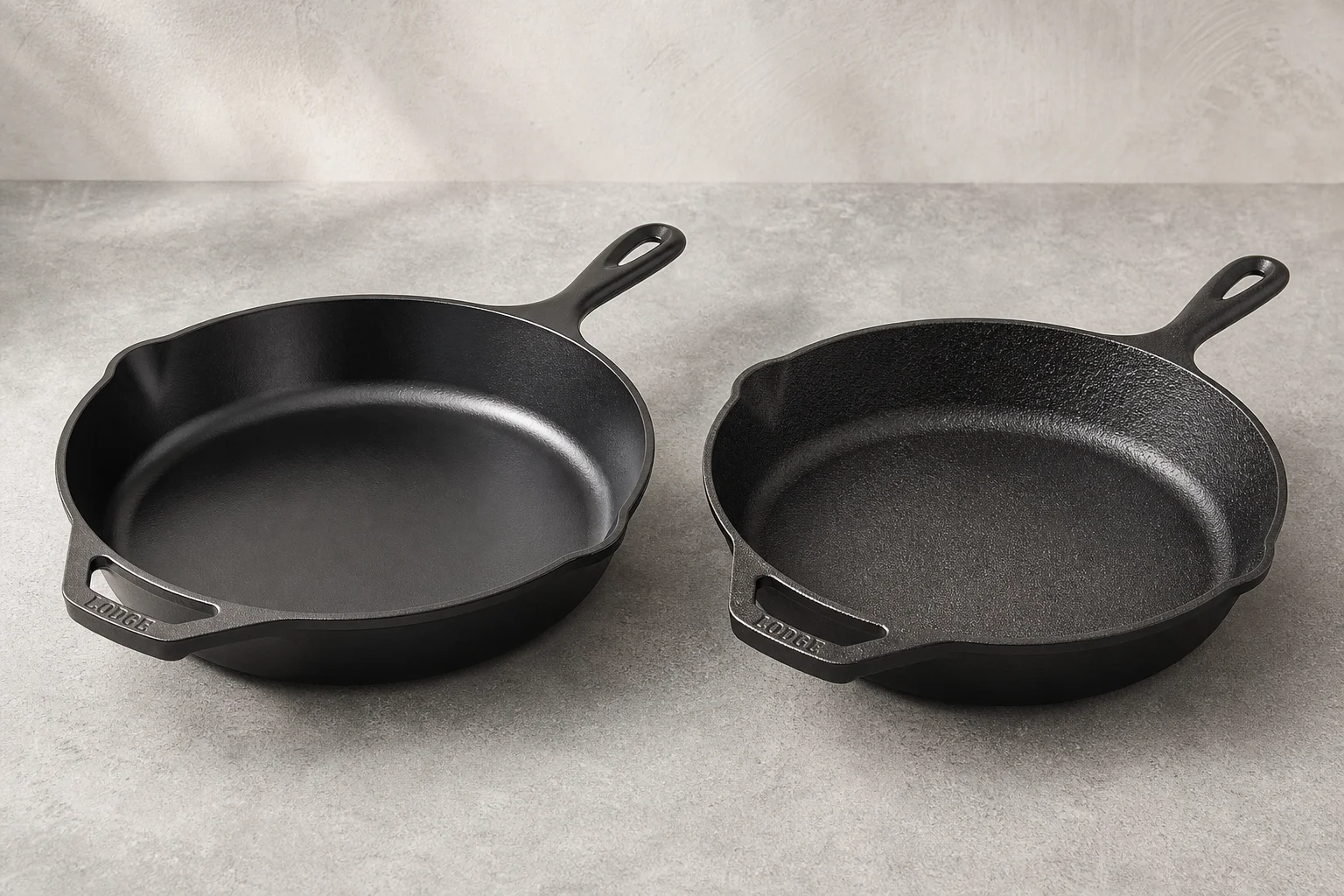
Best 12-Inch Cast Iron Skillets: Premium Craftsmanship vs. Reliable Budget Option
Two standout 12-inch cast iron skillets tested for heat retention, surface finish, and durability. One premium choice and one budget-friendly alternative that both deliver.