Cookware
Caraway Cookware Review: Two Years of Real-World Use
A long-term look at Caraway's ceramic non-stick cookware, covering design, cooking performance, durability, and whether the safety claims hold up.
Introduction
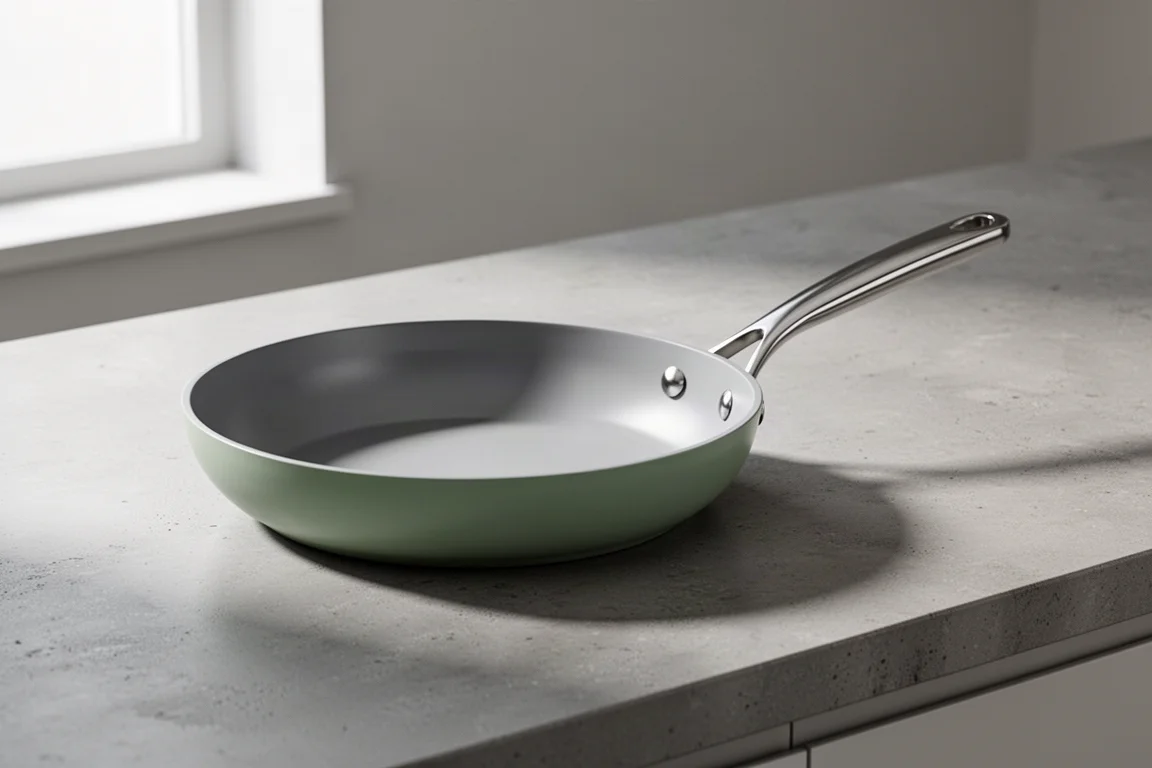
Caraway has built its reputation on cookware that is better for you and better for the planet. But after two years of regular use, the picture is more nuanced than the marketing suggests. This review covers how the cookware looks and feels, how it performs in the kitchen, what holds up over time, and whether the safety claims are actually justified.
The Safety Question: Is Caraway Actually Safer?
Caraway cookware is made with a heavy gauge aluminum base free of lead, cadmium, and other toxic metals. Instead of a traditional PTFE (Teflon) coating, both the interior and exterior use a proprietary mineral-based ceramic coating.
The key context: fears about toxic chemicals in traditional non-stick coatings date back to the early 2000s, when PFOA was used in manufacturing. That concern is outdated. By 2013, the EPA and major coating manufacturers had eliminated those chemicals, so all non-stick cookware made since then is PFOA-free and considered safe. The main real-world risk with Teflon pans is overheating: above 500 degrees Fahrenheit for several minutes, the coating can release fumes causing temporary flu-like symptoms. Authorities like the American Cancer Society state there are no proven risks to humans from using Teflon-coated cookware.
So Caraway’s safety claim is valid, but only in a narrow scenario: if you habitually overheat traditional non-stick pans. If that is the sole reason you are considering Caraway, know that standard modern non-stick cookware is just as safe when used normally.
What We Like About Caraway
There is no doubt this cookware is attractive. The design is modern, and it comes in several colors including navy, sage, red, gold, gray, and cream. The steel plate contrasts nicely with the colorful exterior, and the light gray interior makes it easier to monitor browning than typical dark non-stick coatings.
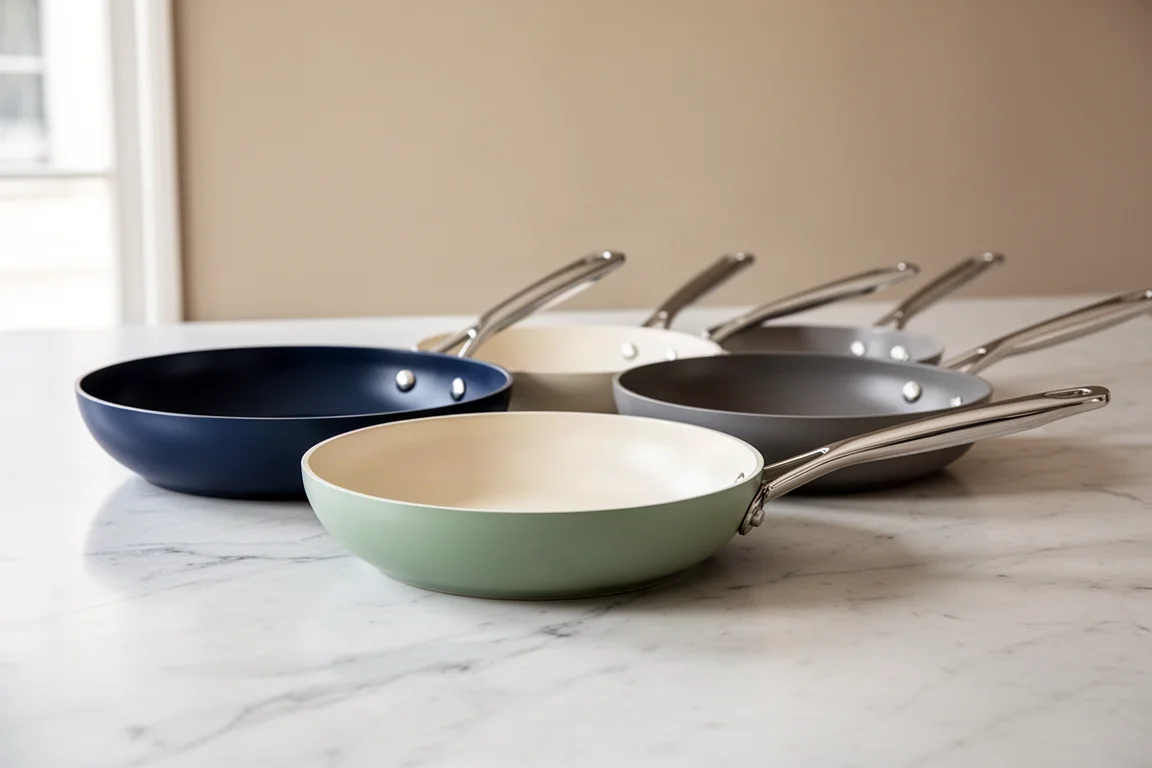
The rounded handle is comfortable without being slippery, made from mirrored stainless steel with a hollow middle that helps it stay cool. It does get warmer near the pan itself, but a small bump on the underside warns you to keep your hand back.
Unlike many non-stick pans, Caraway feels heavy and sturdy. The 10-inch frying pan weighs almost 3 pounds, compared to around 2 pounds for most aluminum pans of the same size. The thick aluminum base helps prevent warping and distributes heat evenly. It is also oven-safe up to 550 degrees Fahrenheit, so accidental overheating will not degrade the coating or release fumes, and a bonded magnetic steel plate makes it compatible with all cooktops, including induction.
Heating Speed and Evenness
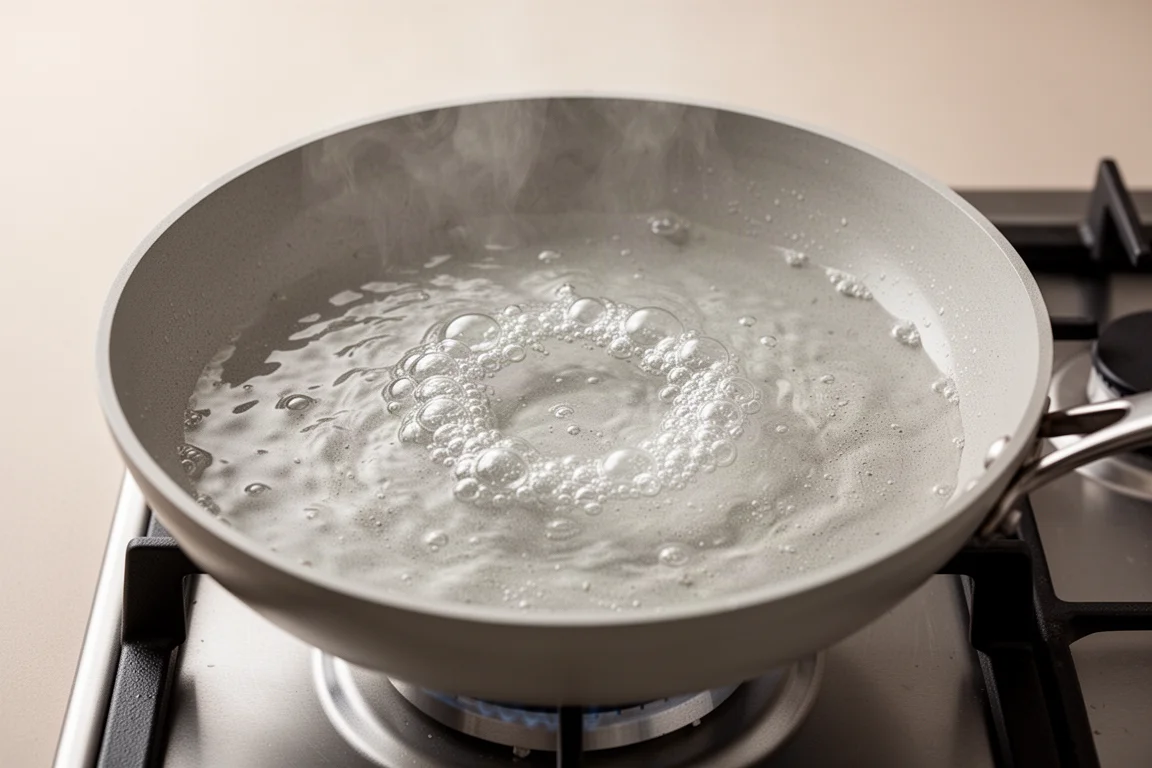
In a direct comparison against several other non-stick pans of equal size, two cups of cold water boiled in 2 minutes and 26 seconds, making it one of the fastest pans tested. The bubbles dispersed completely evenly across the cooking surface with no visible hot or cold spots.
In everyday cooking, it performs well too. Food cooks evenly, the pan maintains its temperature when cold ingredients go in, and when new, food releases with ease and cleanup is simple.
What to Consider Before Buying
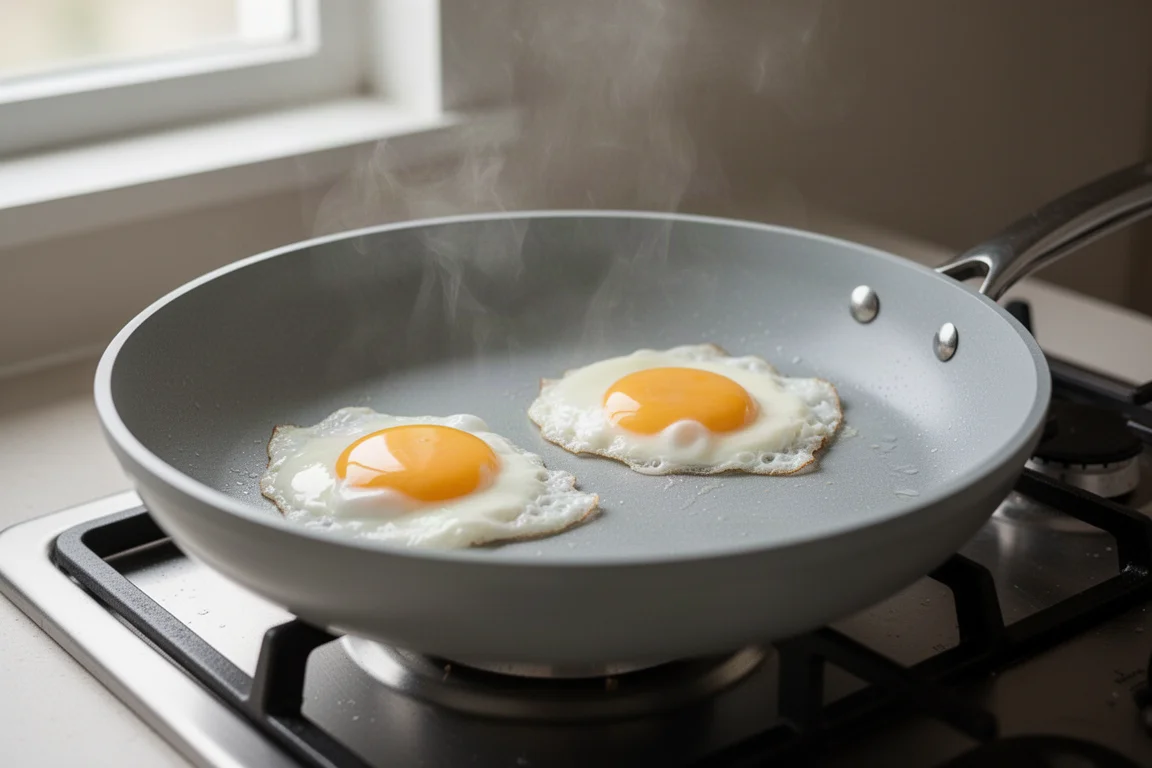
The biggest drawback is longevity. Ceramic-coated cookware like this loses its non-stick properties much sooner than traditional non-stick. After about five months, eggs and other delicate foods started to stick, and the problem has steadily worsened.
The exterior paint also chips easily. Small chips appeared after about a month, caused by utensils, contact with cast iron stove grates, or spills that stick to the sides and pull paint off during cleaning. The interior scratches relatively easily too, so you need to avoid overheating, metal utensils, and the dishwasher. There is a reason you will not see this type of cookware in commercial kitchens.
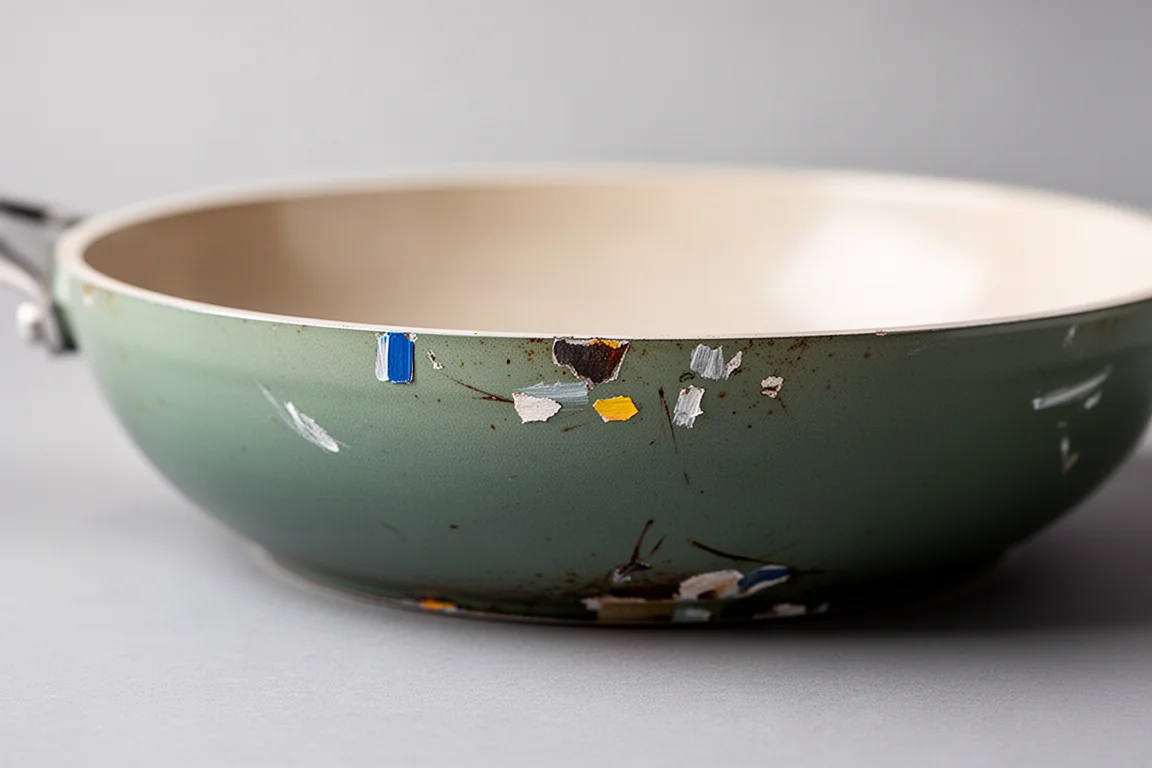
The straight sides contain ingredients well, but without flared rims, pouring liquids or sliding food onto a plate is harder. Caraway also offers no broiler-safe cookware, so broiling requires a different pan.
On the environmental and sourcing side: the manufacturing process releases up to 60% less CO2 than traditional non-stick pans, but because the coating degrades faster and the pans need replacing more often, that advantage is partly offset by extra production and waste. The cookware is made in China, which is not inherently a problem, but buyers seeking locally made cookware will need another brand. Finally, it is expensive for cookware expected to last only a couple of years; similar construction is available for about half the price from brands like GreenPan and GreenLife.
Buying Advice
If you are set on ceramic non-stick cookware, Caraway is one of the best brands available: modern design, a thick and sturdy aluminum base, high heat tolerance, and quick, even heating. However, the claims that it is safer and more environmentally friendly are only partially true, despite how prominently they appear in the brand’s advertising.
Traditional Teflon-coated non-stick cookware lasts longer, performs better over time, is just as safe, and is usually cheaper. If you prefer that route, brands like Made In, Misen, and All-Clad HA1 are strong alternatives worth comparing.
Conclusion
Caraway delivers on looks, even heating, and induction compatibility, but its coating degrades noticeably within months and the finish chips easily. It makes sense for buyers who prioritize design and ceramic coating specifically, and who accept a shorter lifespan. For everyone else, traditional non-stick cookware offers better durability and value at a lower price.
Product link
View more details for Caraway Cookware
This product is mentioned in the review. Check the specifications, options, and compatibility before buying.
View more details for Caraway CookwareFurther reading
Related Reviews
Cookware
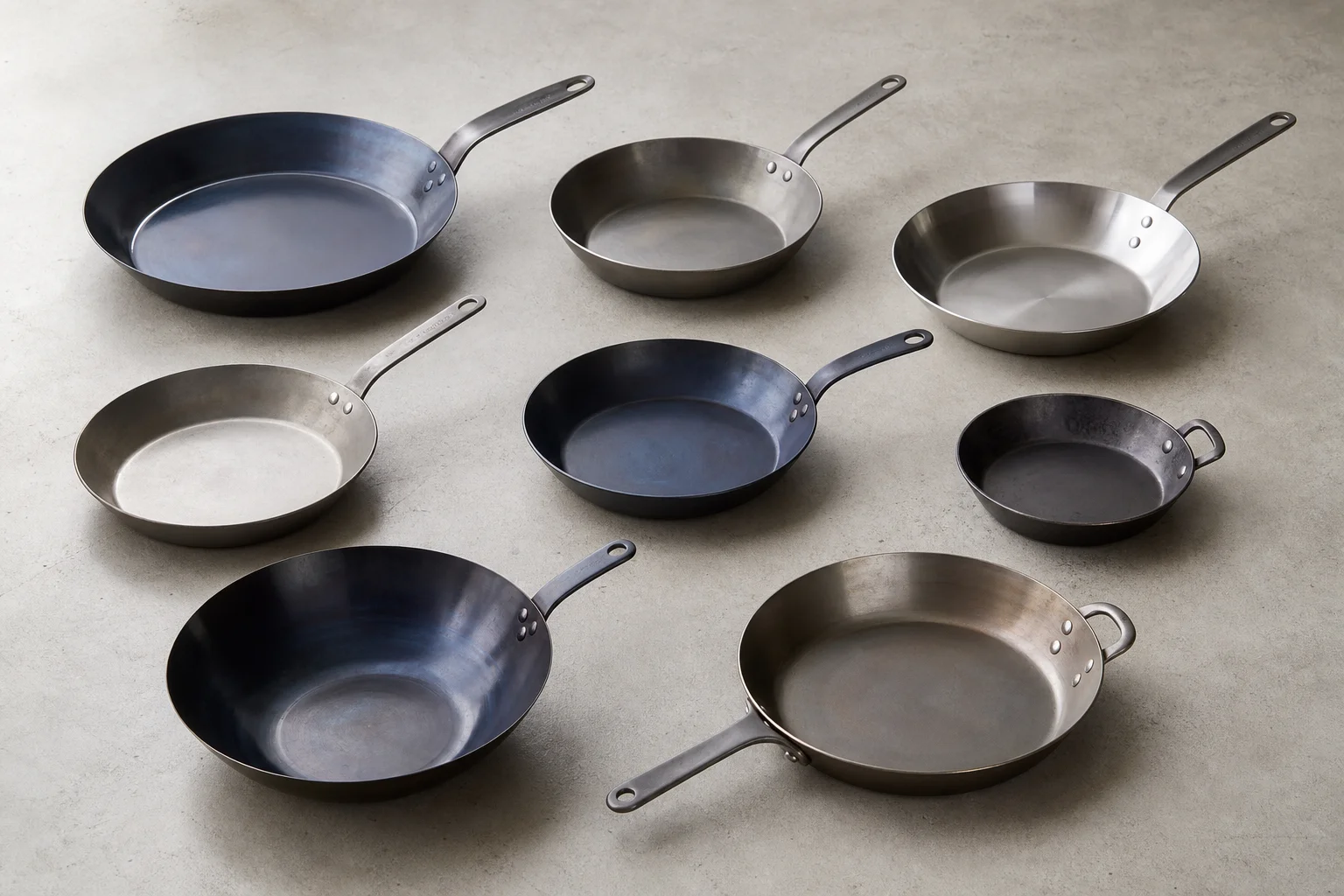
Best Carbon Steel Pans Tested: Which Brands Deliver Real Value
We tested eight popular carbon steel pans with controlled durability, heat, and cooking tests. Here's which ones perform best and which to avoid.
Cookware
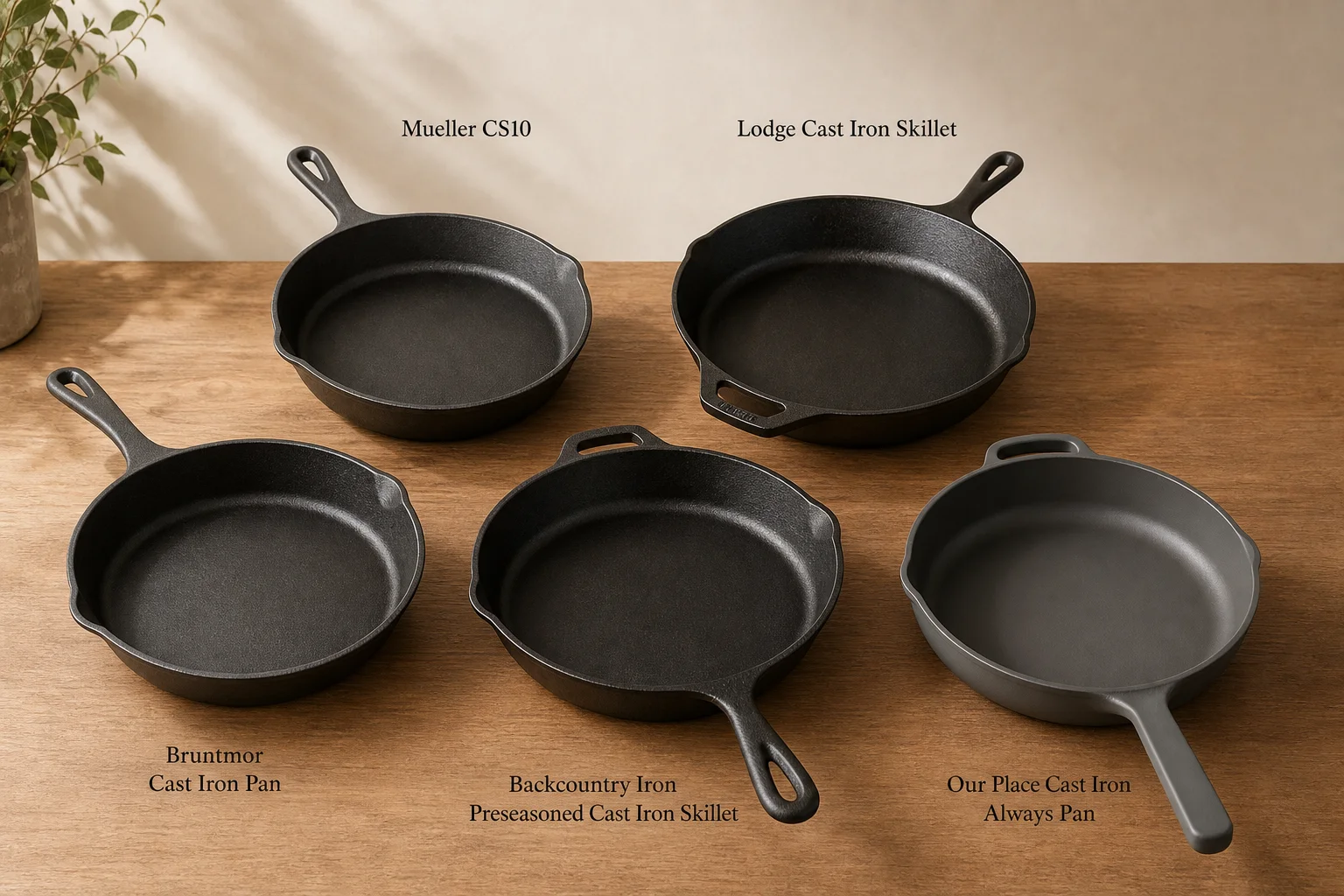
Best Cast Iron Pans 2026: Five Options from Budget to Premium
A practical breakdown of five cast iron skillets, from affordable Mueller to premium Our Place, with clear strengths and trade-offs for different cooking needs.
Cookware
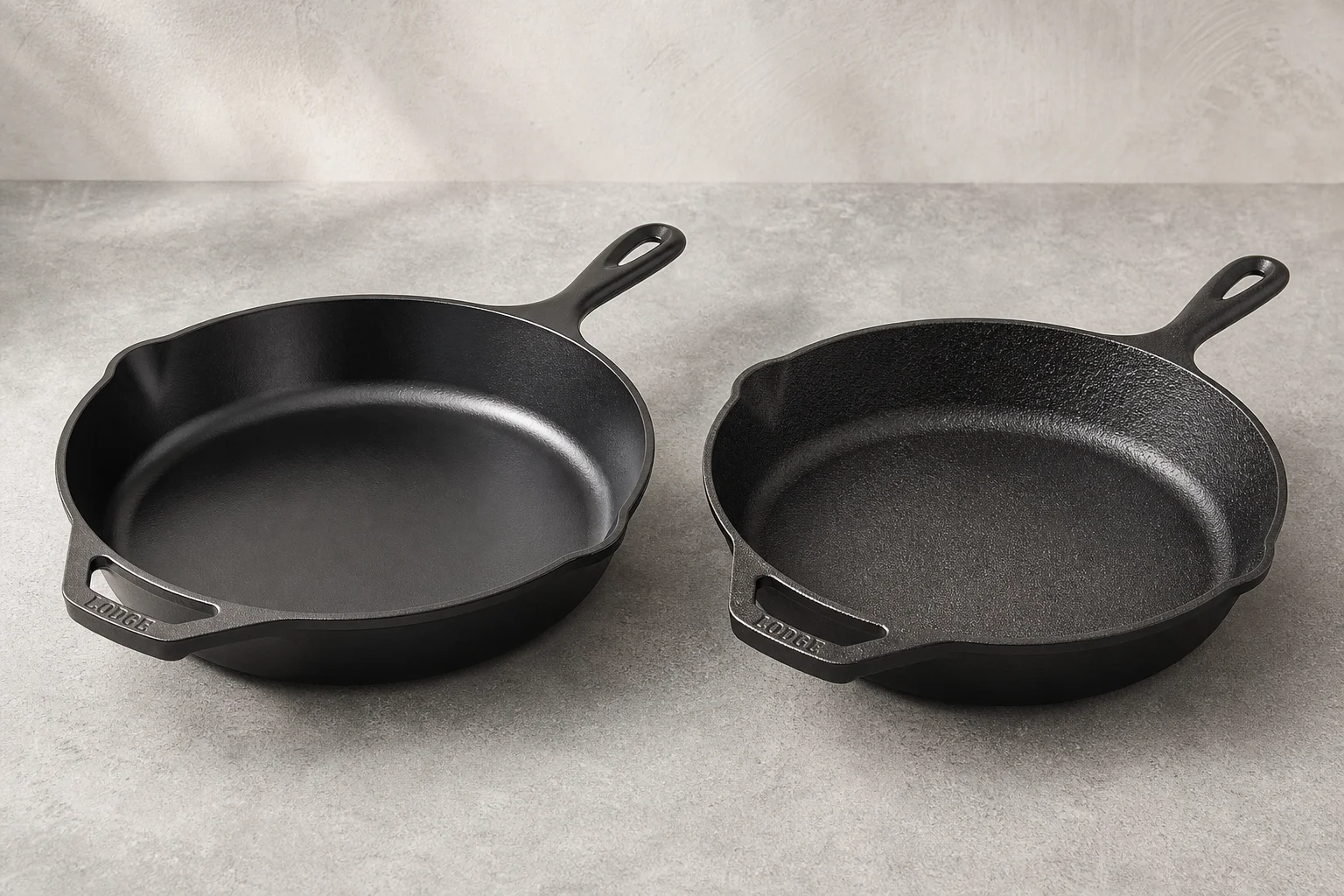
Best 12-Inch Cast Iron Skillets: Premium Craftsmanship vs. Reliable Budget Option
Two standout 12-inch cast iron skillets tested for heat retention, surface finish, and durability. One premium choice and one budget-friendly alternative that both deliver.