Art Supplies
Caran d'Ache Water-Soluble Products Compared: Six Sets Ranked From Kids' Grade to Artist Grade
A side-by-side look at six Caran d'Ache water-soluble products, from the kids-focused FanColor to the artist-grade Museum Aquarelle, plus the Neocolor crayons that sit outside the pencil line.
Introduction
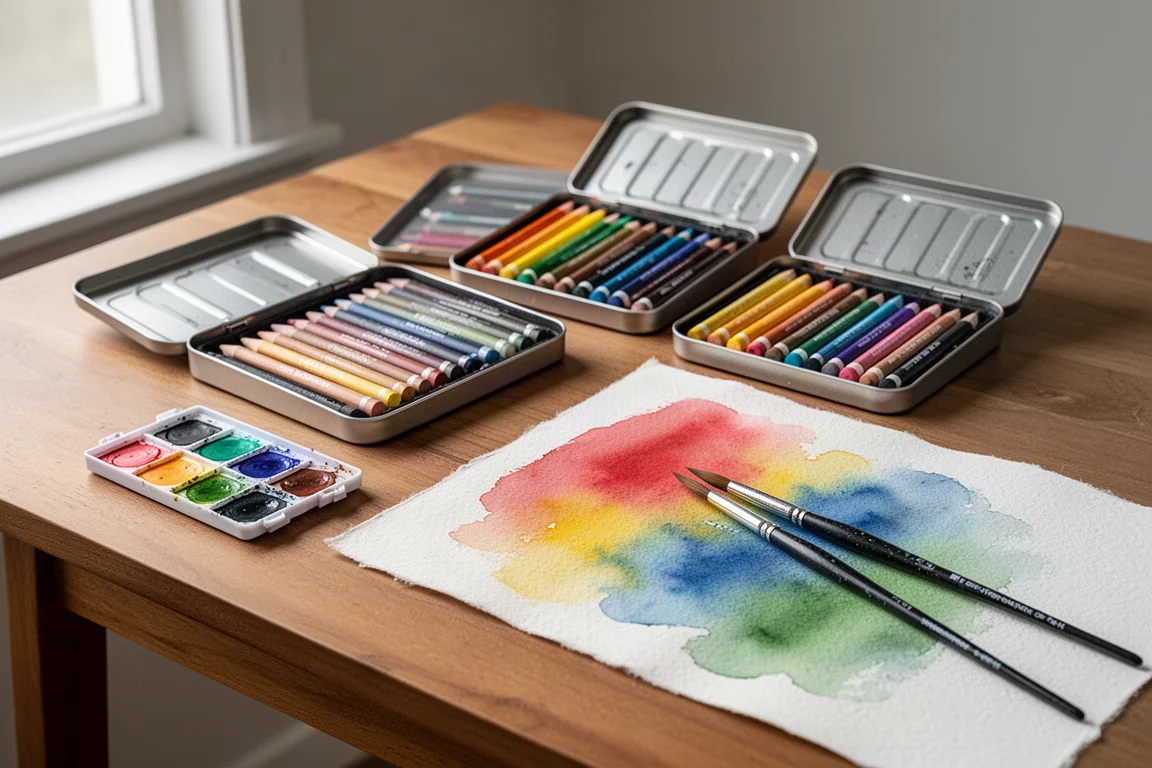
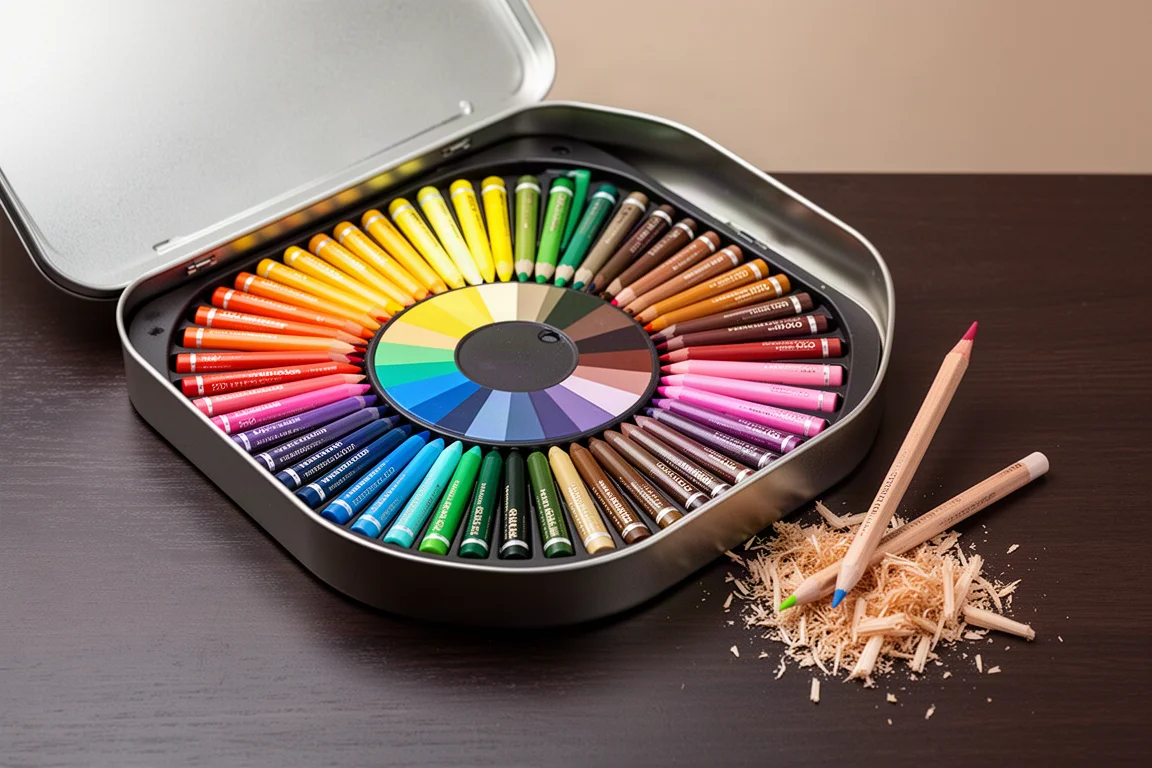
Caran d’Ache makes one of the broadest water-soluble ranges of any art brand, and choosing between the sets can be confusing because the packaging looks similar and the naming does not always telegraph the differences. This comparison lines up six of them in rough order of quality: FanColor, Swisscolor, Prismalo, Neocolor, Supracolor Soft and Museum Aquarelle. Five are watercolor pencils; Neocolor is a wax crayon, but it earns its place because it is water-soluble too and comes up constantly in the same conversations.
The short version: every product in the range benefits from Caran d’Ache’s unusually generous pigment loading, so even the kids’-marketed options behave better than many competitors’ student-grade pencils. The trade-offs higher up the range come down to pigment density, core feel, set sizes and lightfastness documentation.
How the Comparison Was Set Up
Each product was worked on Saunders Waterford rough, a 100% cotton paper. Three layers of color were applied dry at moderate pressure, then activated with water. Swatches used red, yellow, blue and green shades matched as closely as possible across sets. Only the Supracolor Soft set prints the color name on the barrel; the other sets include a pamphlet listing color names instead.
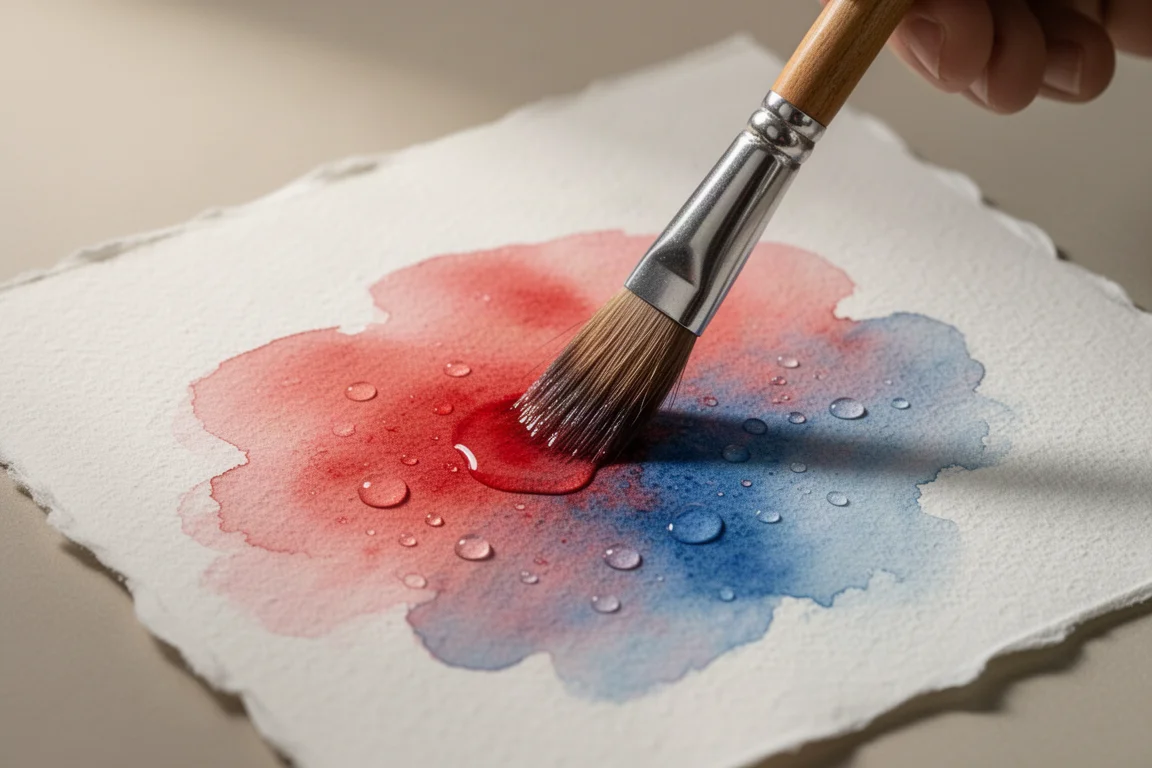
One general rule worth learning: when pencil strokes remain visible under a watercolor wash, the pencil contains more binder than pigment. That was clearly visible in the red and green swatches of the lowest-priced set, and far less visible further up the range.
Best Kids’ Option: Caran d’Ache FanColor
FanColor is marketed toward children, but it should not be dismissed the way most kids’ ranges should. The pigment quality sits around where many brands position their student-grade watercolor pencils, and the pigment loading is generous for the tier.
The main limitation shows in activation behavior: the red swatch barely lifted at all once wet, which is partly expected at this grade and partly because red pigments tend to stain. Yellow and blue lifted considerably better. In both the red and green swatches, visible pencil strokes remained under the wash, indicating a heavier binder ratio. The largest set is 40 colors.
For parents buying for a child around 11 or 12 who is starting to take art seriously, this is a far better starting point than a generic low-grade pencil, and artists can still get pleasant results from it in a traditional layered approach.
Best Entry-Level Pick: Caran d’Ache Swisscolor
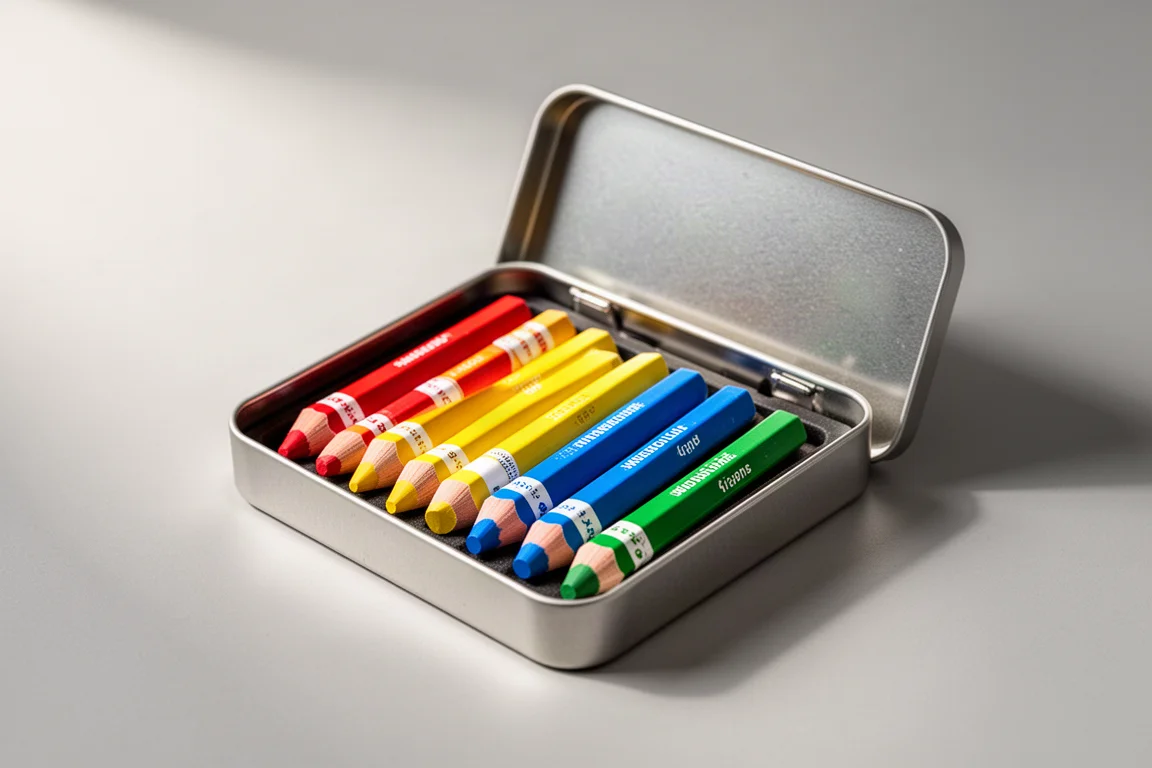
Swisscolor is positioned as entry-level student grade, aimed at slightly older kids and early teens. The swatches showed a clear step up in pigment strength over FanColor, with noticeably richer color after activation and better lifting.
One practical note: Swisscolor exists in both water-soluble and non-water-soluble versions with near-identical packaging, so double-check which set you are buying. The largest water-soluble set is 30 colors.
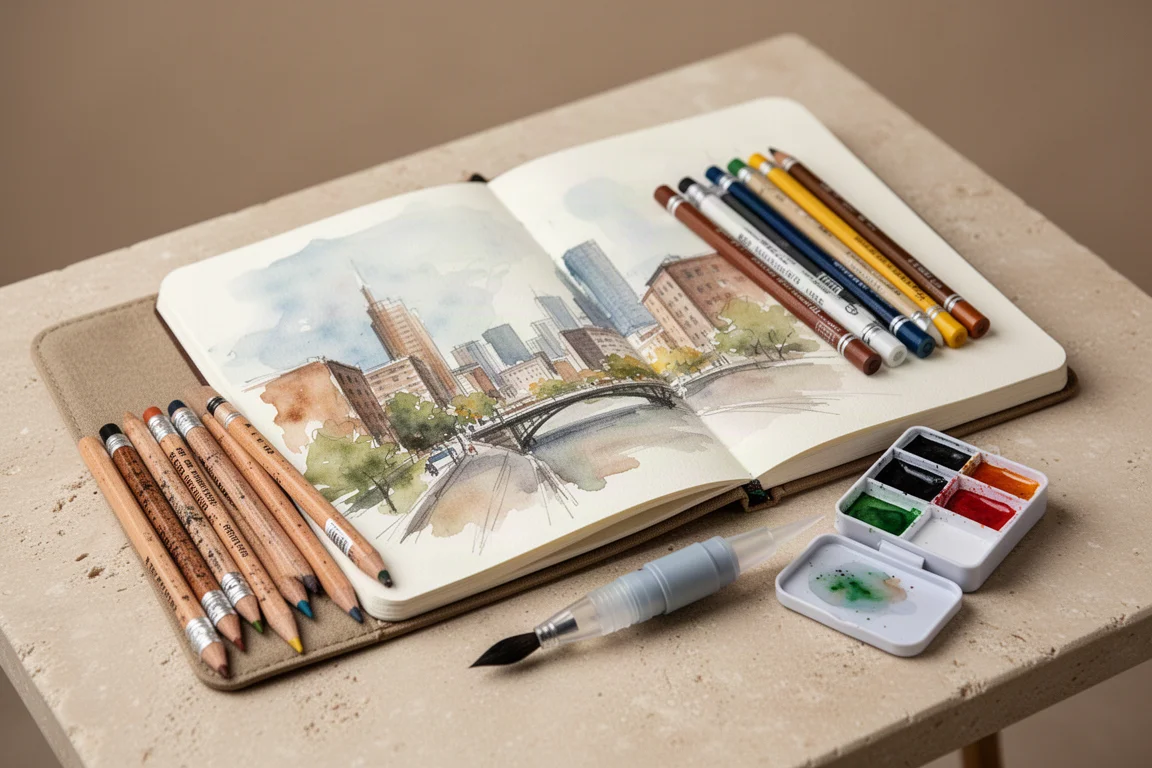
For urban sketchers and anyone who likes to work quickly outdoors, a watercolor pencil like this is genuinely useful: lay down fast dry strokes, then activate on the spot with a water brush. Swisscolor is a good fit for that workflow at a friendly tier, and adults can absolutely still get good results from it.
A Slight Step Up: Caran d’Ache Prismalo
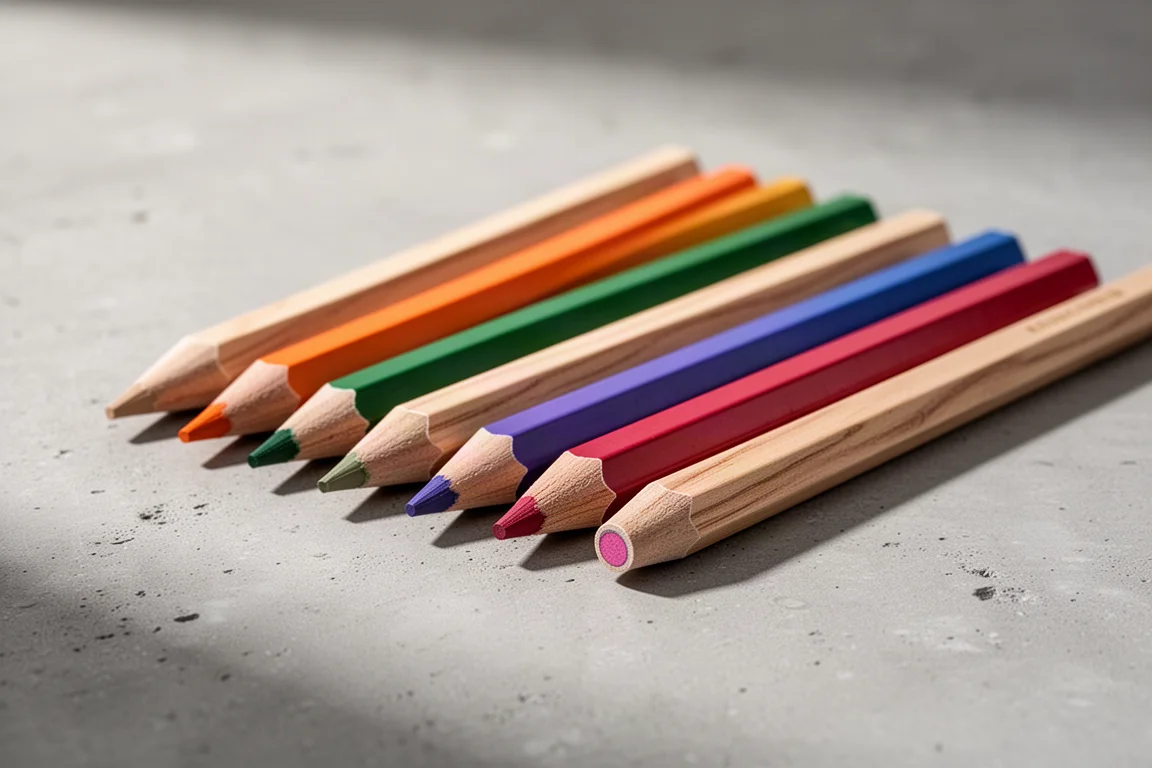
Prismalo sits just above Swisscolor, aimed at high-school students or entry-level college students dipping a toe into art. Swatch behavior was similar to Swisscolor with only a subtle difference in pigment strength, and a faint trace of pencil stroke remained under the red wash.
The core is thinner than Swisscolor’s and feels a touch harder in use. The range tops out at an 80-color set, which gives it a wider palette than Swisscolor.
If you are choosing between Prismalo and Swisscolor, the honest answer is that they are very similar pencils. Prismalo makes sense if you want the larger set sizes or the slightly firmer core; otherwise either will serve a beginner well.
The Wildcard: Caran d’Ache Neocolor Crayons
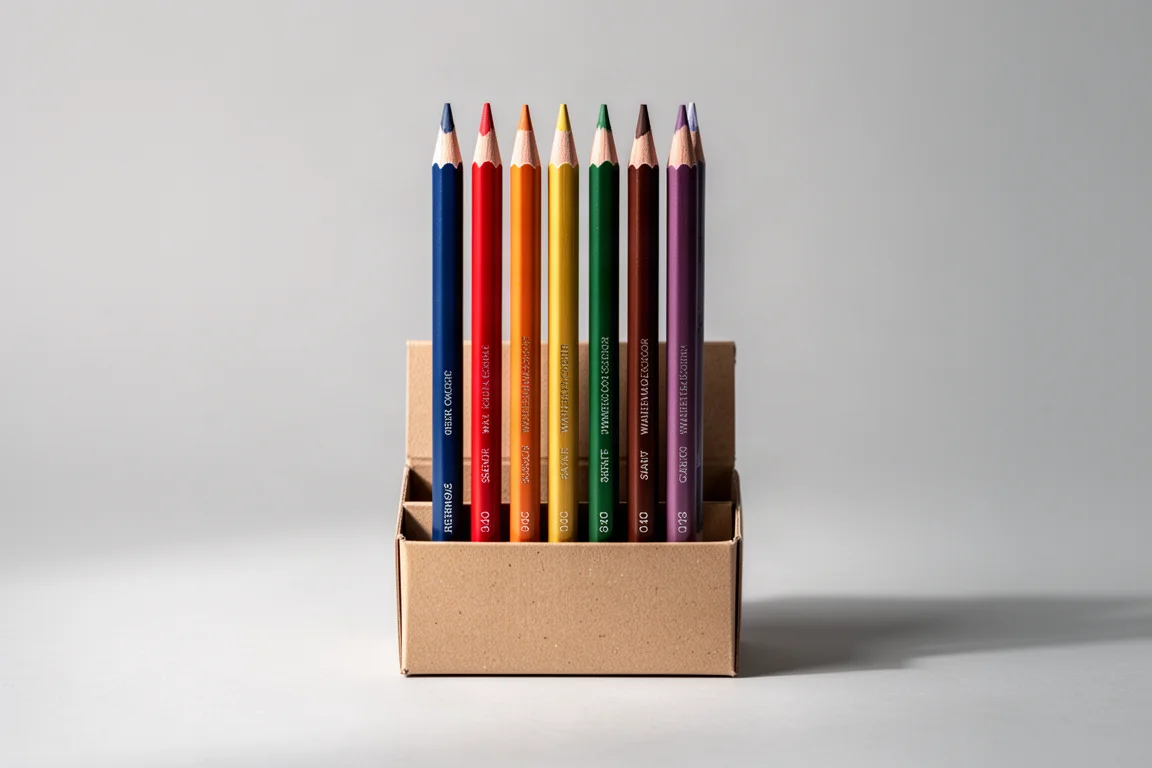
Neocolor is a completely different medium: a wax-type crayon rather than a pencil. It is included here because it is water-soluble and buyers routinely ask how it compares. In use, the pigment is rich and vibrant both dry and once activated with water, and the product sits up near artist-grade territory.
For the swatch comparison, Neocolor behaved differently under the water because of its wax base, so it is best judged on its own terms rather than against the pencils directly. The sets used here were the 30-color set, which is smaller than the full Neocolor range, so the palette options are narrower than the pencil ranges’ biggest sets.
Neocolor suits artists who want bold, cover-heavy color that can still be dissolved and blended with a wet brush, and it pairs nicely with the same mixing workflow as the pencils.
High-End Student Grade: Caran d’Ache Supracolor Soft
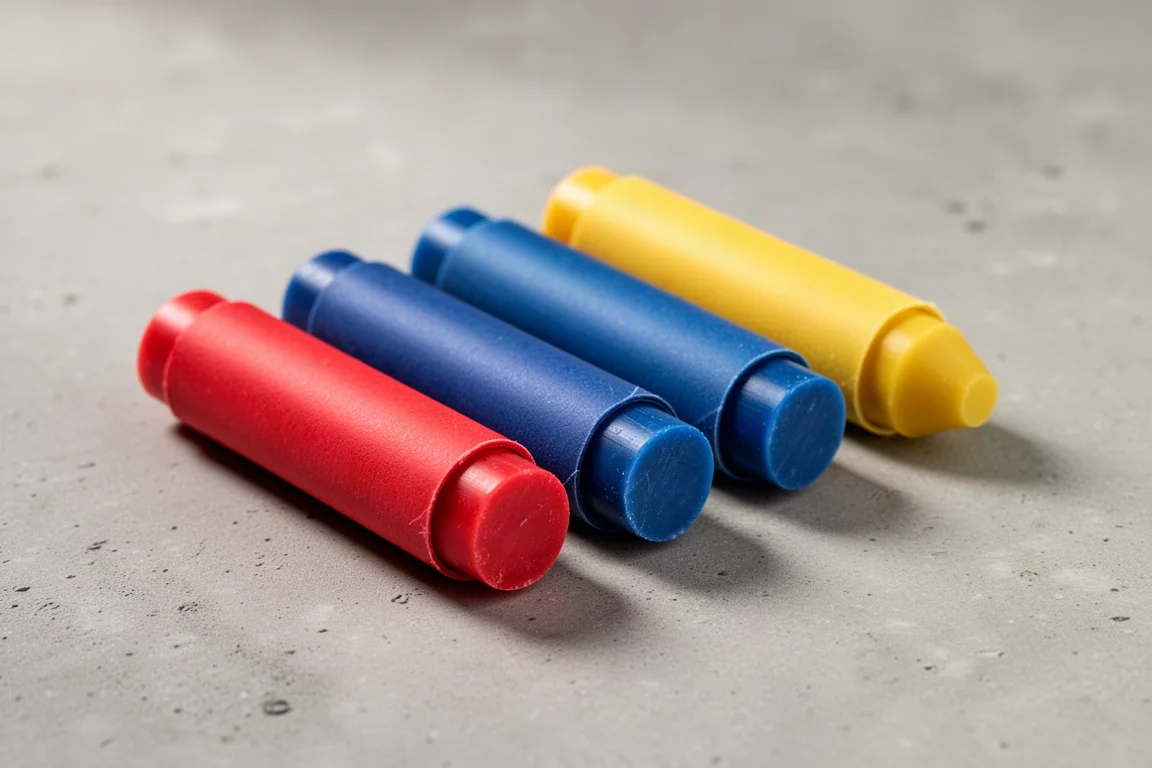
Supracolor Soft is positioned at high-end student grade and is frequently compared to Faber-Castell’s Albrecht Durer line, which occupies a similar tier and set count. The swatches showed a definite increase in pigment quality over FanColor, Swisscolor and Prismalo, with rich, vibrant color after activation and strong lifting behavior.
The largest set is 120 colors, which gives it one of the widest palettes in the Caran d’Ache water-soluble range. That breadth is a real advantage for botanical subjects in particular, where nuanced greens matter.
This is the set to look at if you have outgrown student-grade pencils but are not ready to step into the artist tier, or if maximum color choice at a student-grade price matters more than flagship lightfastness documentation.
Best Artist-Grade Pick: Caran d’Ache Museum Aquarelle
Museum Aquarelle is Caran d’Ache’s flagship water-soluble pencil and its artist-grade option. Lightfastness is one of the key factors behind that status, and the pigment quantity is spectacular: the activated swatches were the richest of the entire comparison, with clean, saturated color and minimal pencil residue.
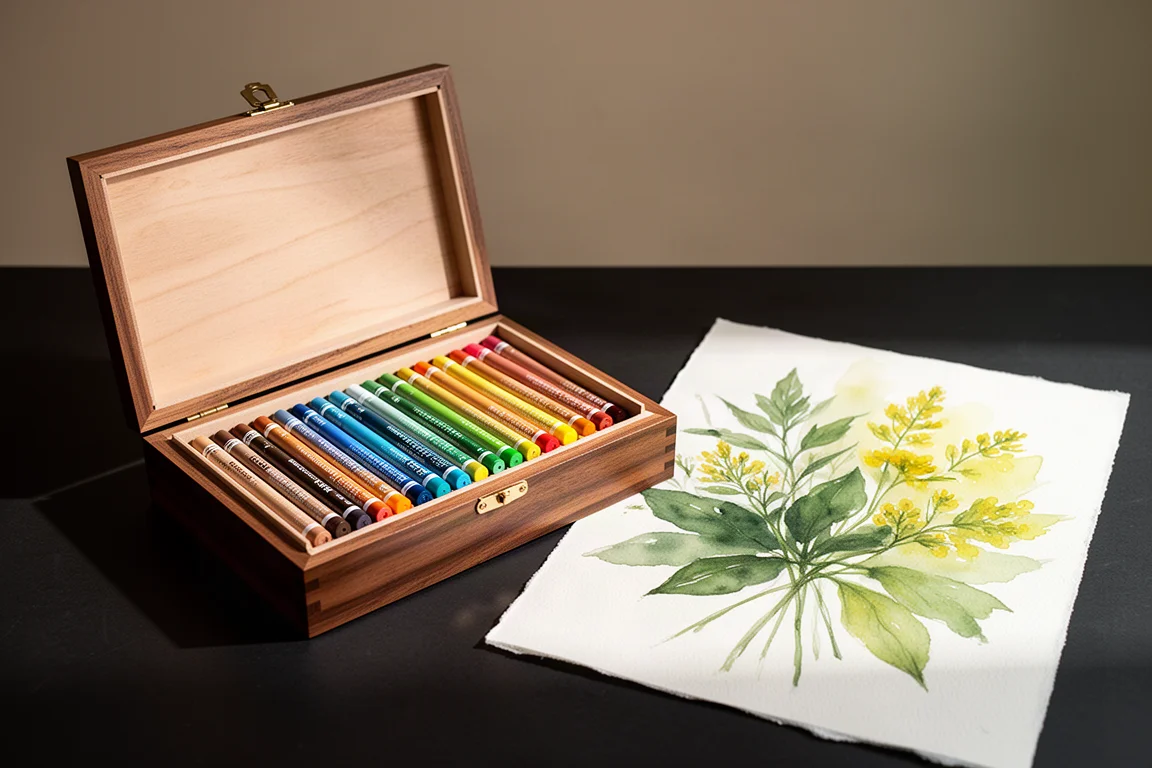
The artwork demonstration showed the most refined blending and layering of the six products, building cleanly from a first activated layer through subsequent washes. The largest set is around 76 colors, and it is available in a wooden box presentation set that is genuinely attractive on a studio shelf.
This is the pick for finished artwork, commissioned pieces and anything where permanence matters. It costs more, but the quality jump over Supracolor Soft is noticeable rather than hypothetical.
Overall Buying Advice
A useful way to frame the range: FanColor for younger children, Swisscolor and Prismalo for teens and beginners, Supracolor Soft for serious students who want a huge palette, and Museum Aquarelle for artist-grade work. Neocolor sits alongside all of them as a water-soluble crayon for bolder, more expressive color.
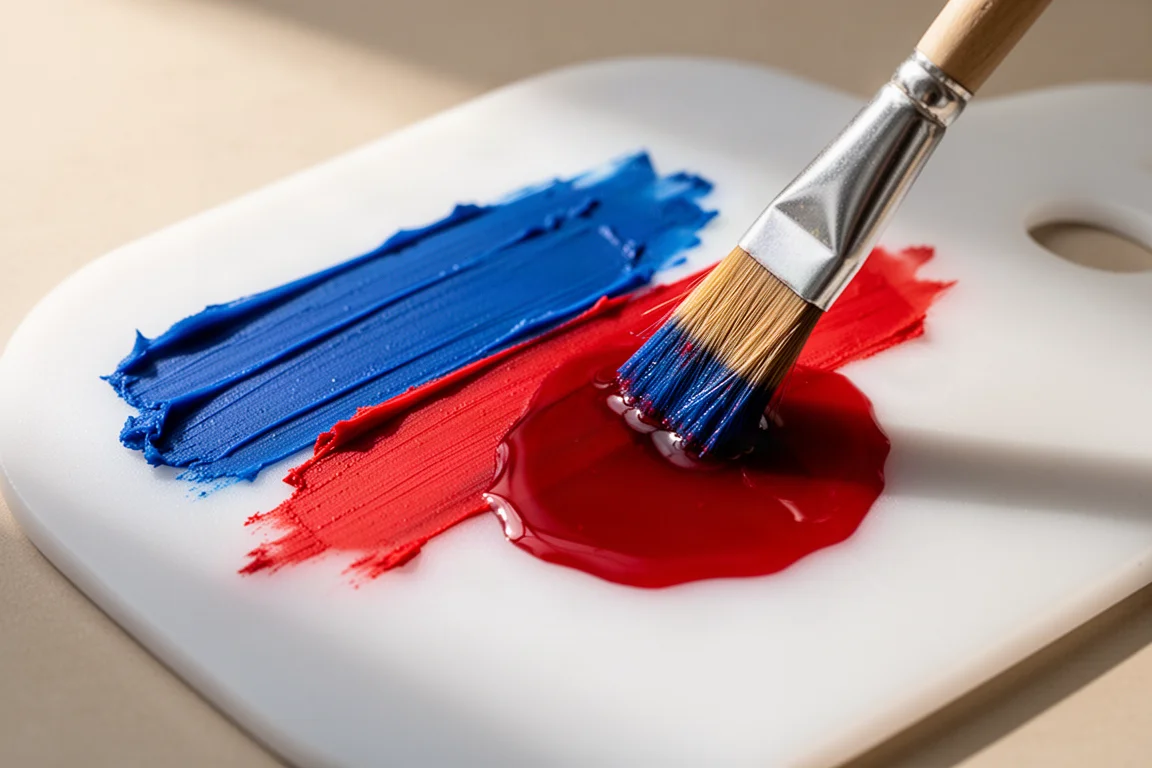
One accessory ties the whole range together: a smooth-surfaced mixing palette designed for water-soluble products lets you shave pigment from any of these pencils, mix colors, and even work water-soluble markers on its reverse. Every set in this comparison worked well with that approach: first layer dry on paper, activated with a watercolor brush, then subsequent layers mixed on the palette.
If lightfastness data matters for your work, check the individual product documentation before committing, since that information was not part of this comparison. And remember the Swisscolor packaging caveat: confirm you are buying the water-soluble version.
Conclusion
The consistent theme across the Caran d’Ache water-soluble range is that quality rises steadily from FanColor through to Museum Aquarelle, but nothing in the line feels cheap. Pick by stage and budget: FanColor for kids, Swisscolor or Prismalo for beginners, Supracolor Soft for advancing students, Museum Aquarelle for artist-grade permanence, and Neocolor if you want a crayon that dissolves like a watercolor.
Further reading
Related Reviews
Art Supplies
Art Pop Watercolor Pencils 48-Color Set: A Thoughtfully Designed Student-Grade Option
The Art Pop 48-color watercolor pencil set blends well, dissolves smoothly, and includes artist-friendly details like barrel-printed color names, all at an affordable price.
Art Supplies
Artics Acrylic Markers 3mm Review: Versatile Paint Markers With a Few Caveats
A 48-color set of water-based acrylic paint markers that blend while wet, dry permanent, and keep the price low, though safety transparency remains a question.
Art Supplies
Best Art Supplies Worth Your Money: Pencils, Pens, Paints, and Paper That Earned Their Spot
After years of daily use and testing, these are the pencils, pens, watercolors, gouache, brushes, sketchbooks, and erasers that stand above the rest.