Automotive EDC
Car EDC Essentials 2026: What to Keep in Your Vehicle Before Winter Hits
A practical guide to the tools, lights, and emergency gear worth keeping in your car, truck, or SUV, plus a few items you can safely skip.
Introduction
If you spend real time on the road, especially outside big cities, what you keep in your vehicle matters. Winter arrives early in some places, cell coverage can be spotty, and the nearest tire shop might be an hour away. This list covers the basics every vehicle should carry, the upgrades that pay off if you drive big rigs or back roads, and one category you can stop buying entirely. Prices and coupons mentioned here change often, so treat them as a snapshot rather than a promise.
The Bare Essentials
Start with a multi-tool. This is not everyday-carry territory; it is something that lives in the car for emergency and random use. A $20-ish option with a bit driver, pliers, wire cutters, and a knife is more than good enough for that role.
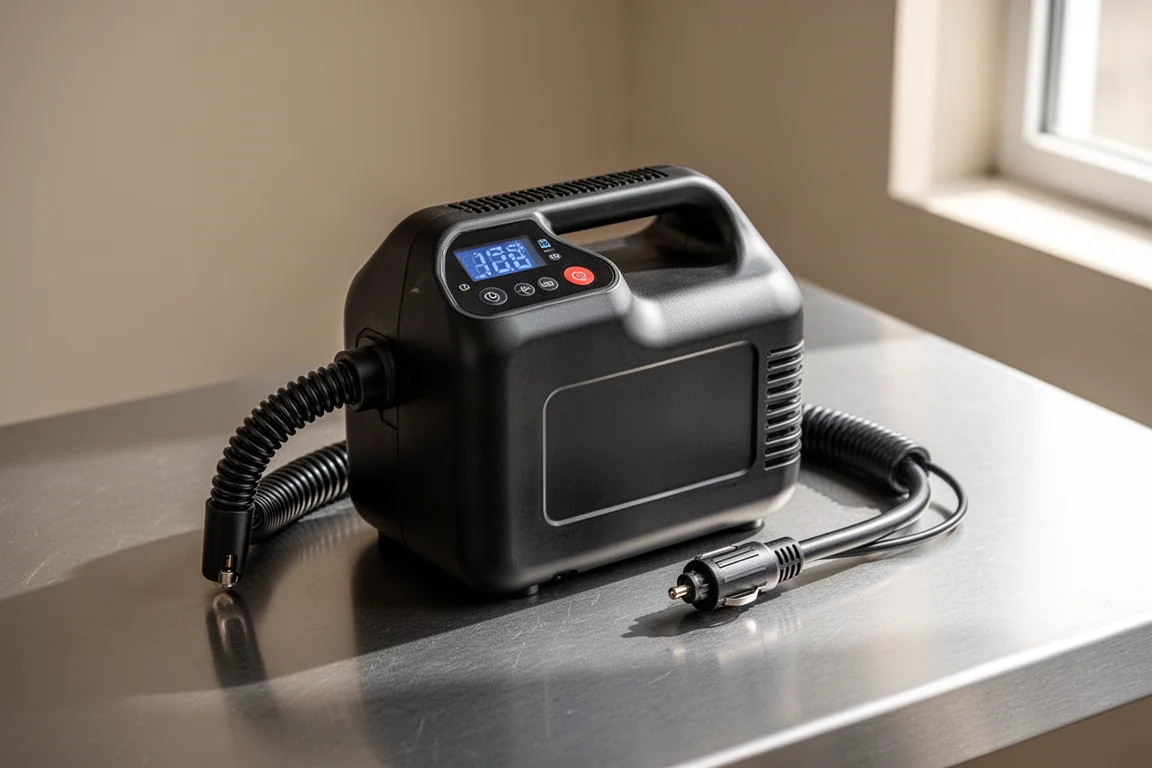
The most common vehicle emergency is a flat tire, and a basic tire plug kit around $22 covers most of it: pull the nail or screw, insert a plug, get rolling again. What it does not do is add air, which brings us to the AstroAI tire inflator. It is plasticky and far from high-end, but at $28 with a nearly constant 20% coupon it just works. It will get a tire inflated enough to reach a gas station or tire shop, which is exactly what an emergency inflator needs to do.
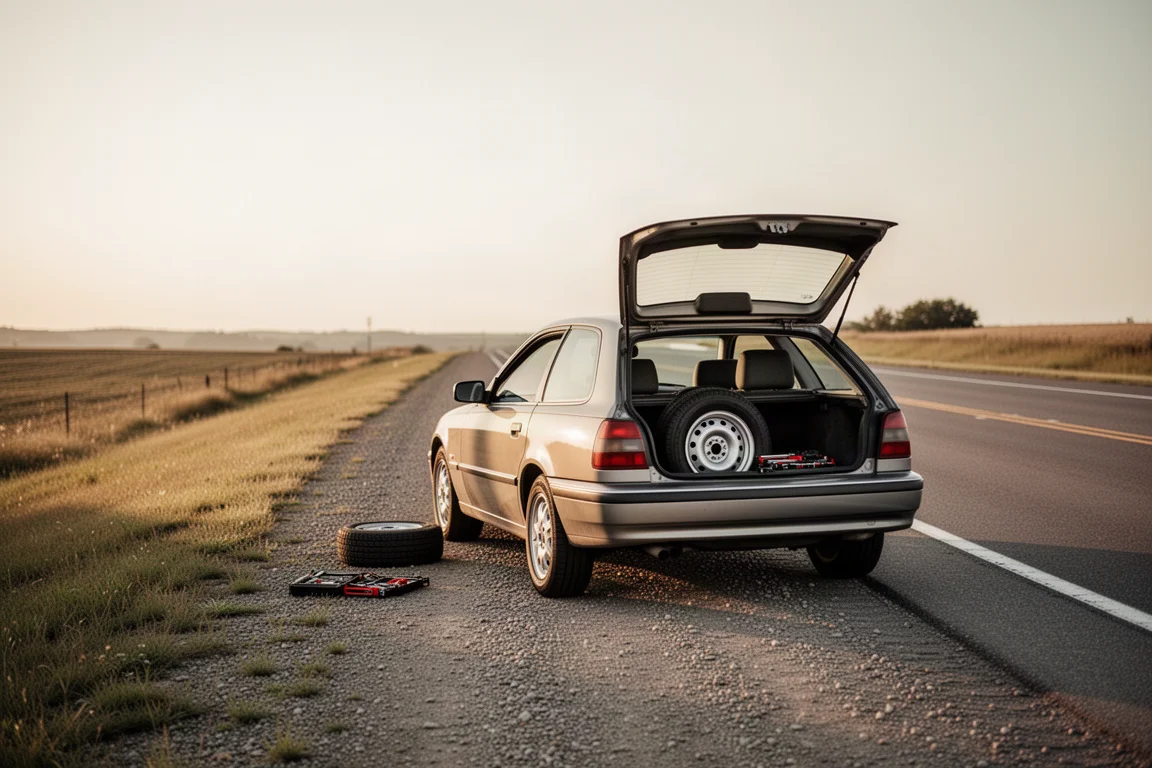
If you are stopped on the shoulder, visibility is the other half of the problem. A set of reflective warning triangles, around $28 with its own carrying case, is a smarter bet than flares, which can be hard to light, produce smoke, and burn out. Triangles never run out of runtime, and there is a reason they are mandated for commercial use.
Tool Sets Worth Keeping in the Car
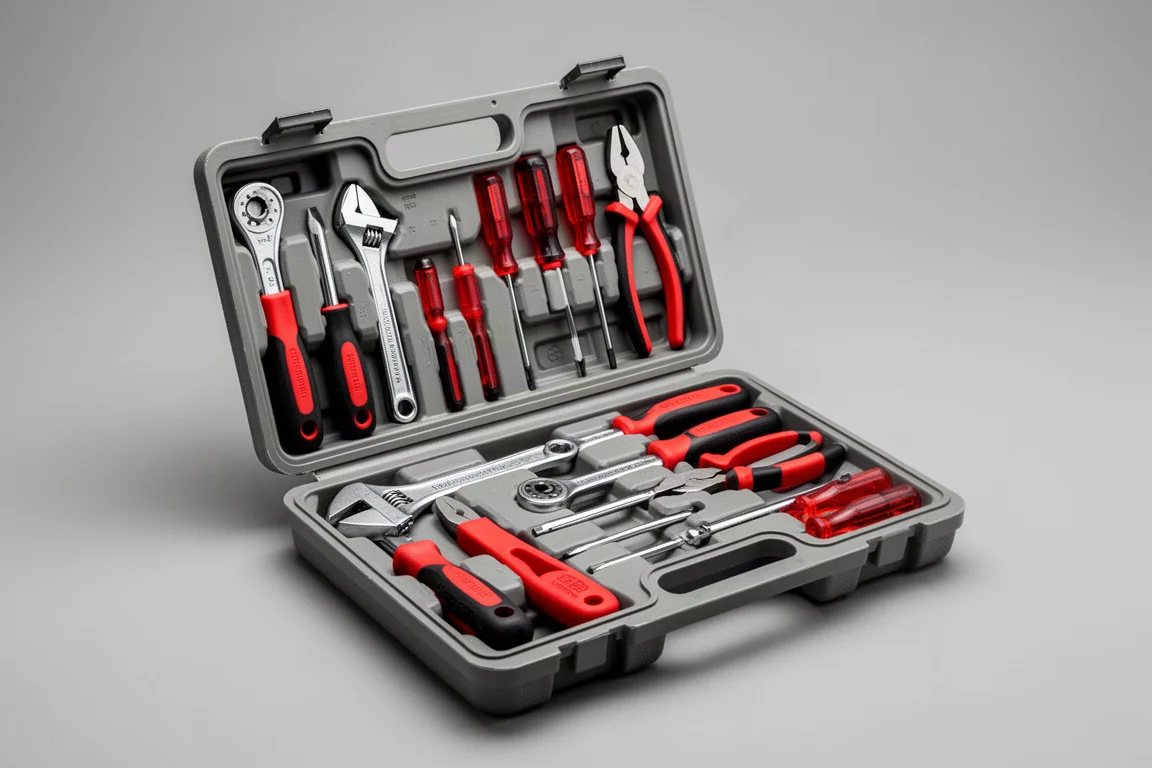
Every vehicle should carry a tool set, and not only for the car itself. The most common use case is helping someone else: a loose bolt at a friend’s place, a quick fix on the trailhead, a battery terminal. You do not need $1,000 worth of tools, just a sensible emergency assortment.
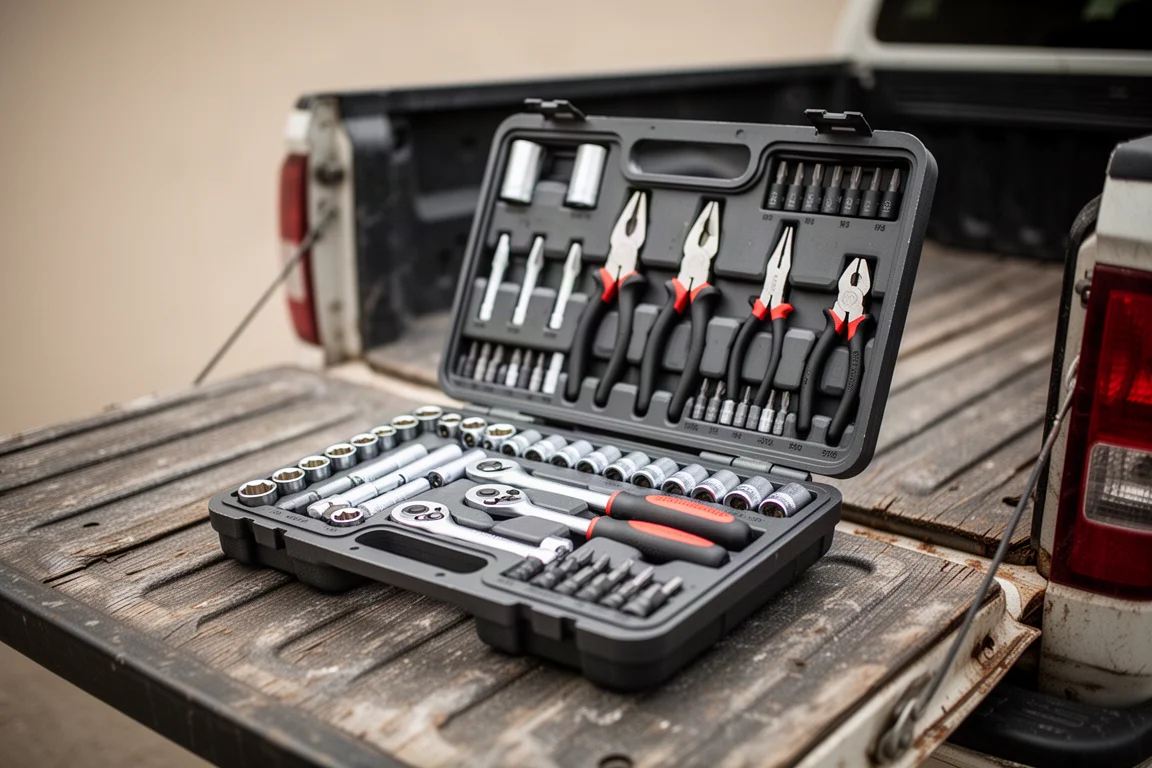
The Apollo set is a good truck-carry choice because it includes tongue-and-groove pliers (channel locks, for the unfamiliar) plus long-nose pliers with built-in wire cutters. That combination covers most cutting and gripping needs without redundancy.
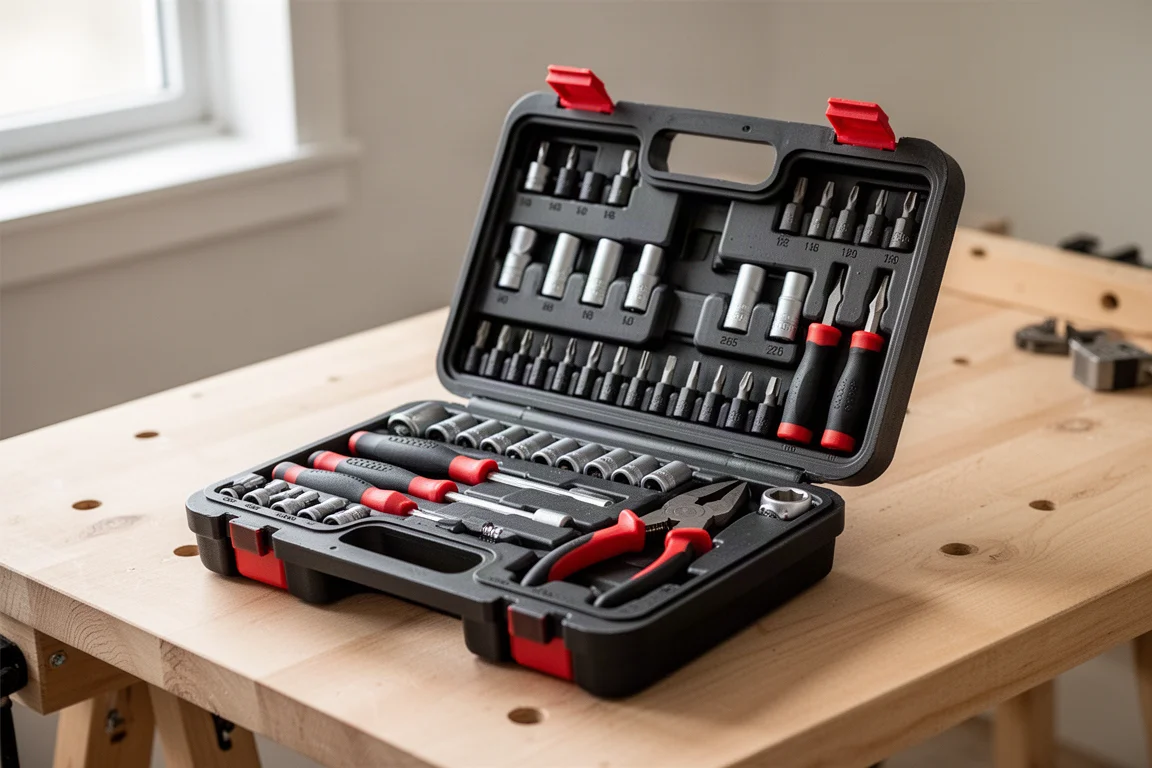
The Crescent set is a solid alternative at $138, though it swaps the tongue-and-groove pliers for side cutters, which many drivers will not miss given how many other cutting tools end up in a car kit. It goes on sale periodically.
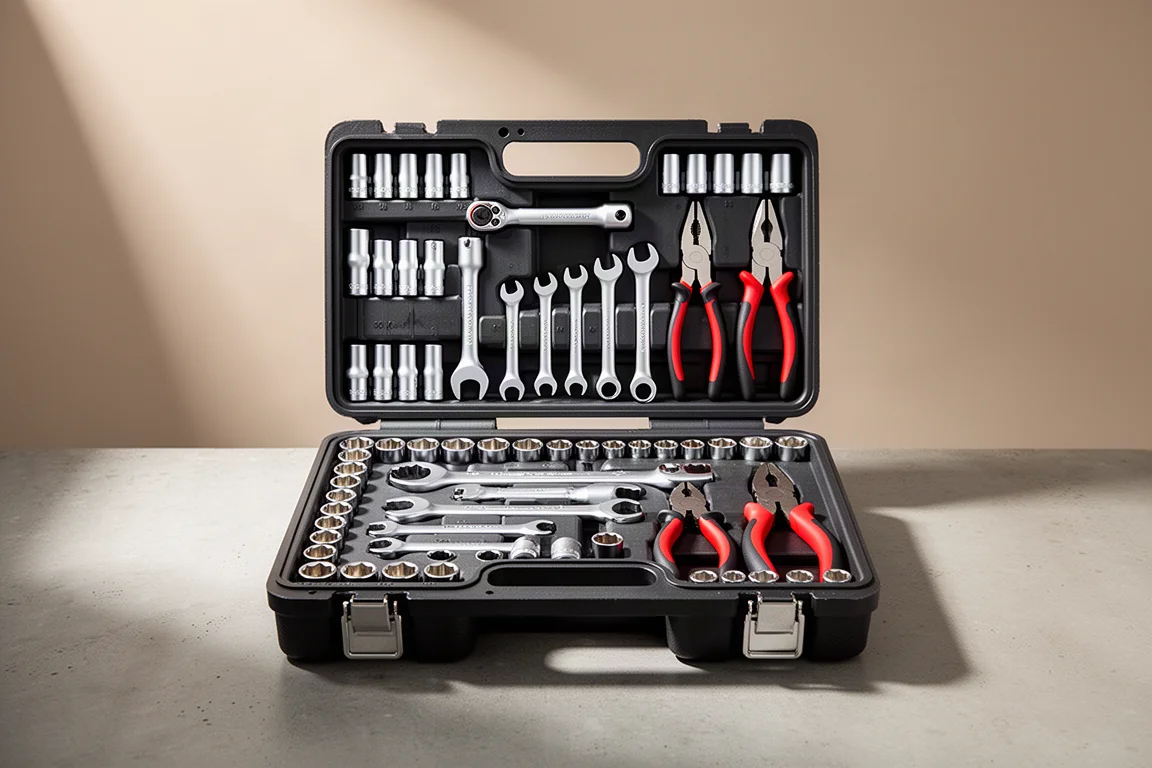
On a tighter budget, the ProStormer set runs about $85. It is not the most polished set available, but for the price it puts a complete tool collection within reach whenever you need it.
Jumper Cables and Jump Starters
Good jumper cables can solve a dead battery or let you help someone else. A 16-foot, six-gauge set runs around $20, which handles most situations. The key detail is length versus gauge: the longer the cables, the thicker (lower number) the gauge you need. A 25-foot set means stepping up to two gauge at roughly $50.
The reason many drivers skip cables entirely is a jump starter. A mid-range unit like the JS2000 handles most vehicles for about $90 with a frequent 15% coupon. For big-engine trucks and SUVs, the JS3000 offers more than enough reserve power, and nine times out of ten you end up using it to rescue someone else. Whichever route you choose, remember that coupons on this category rotate constantly, so waiting a week or two usually saves money.
Lighting: Olight Baton 3 and Seeker 4
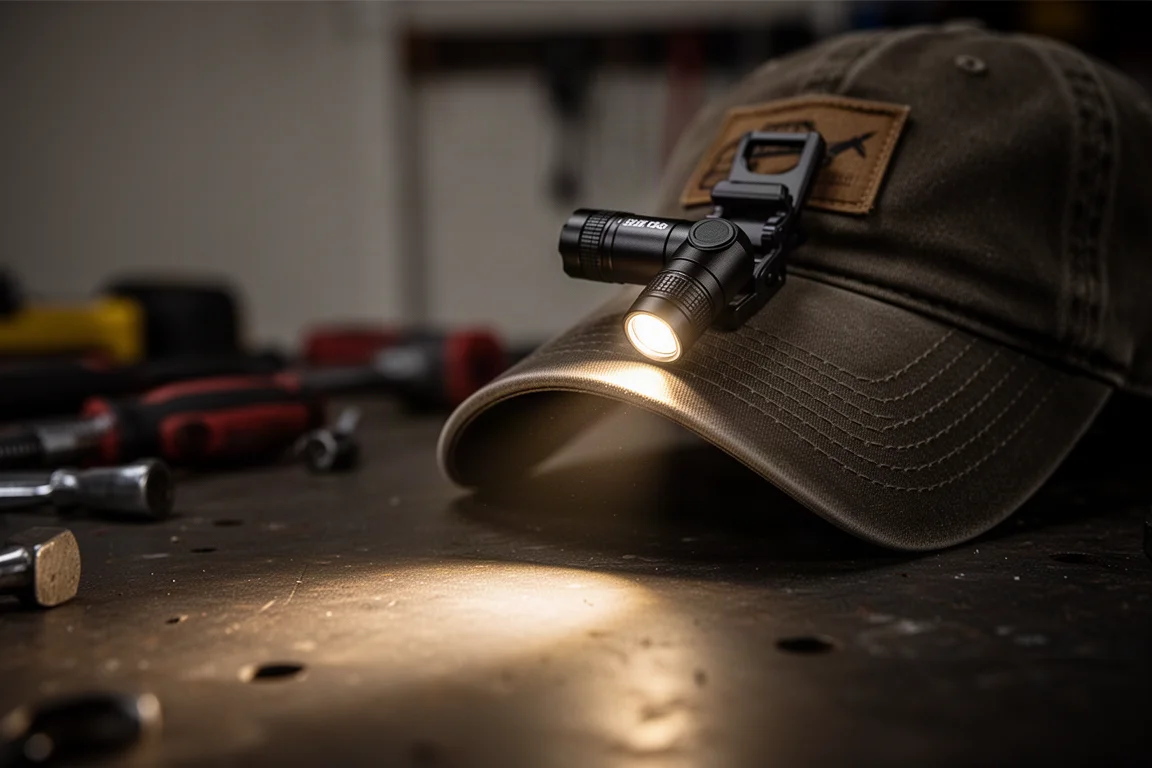
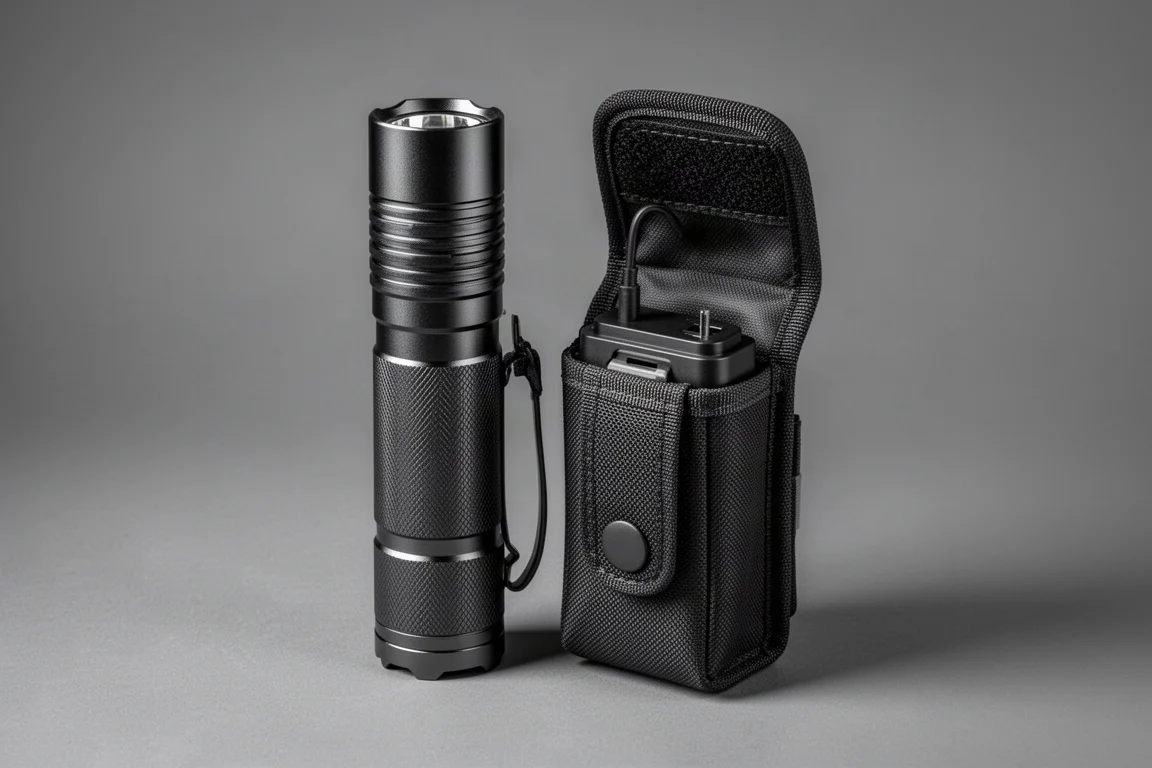
Emergency lighting is non-negotiable, and a compact right-angle flashlight is one of the most versatile formats. The Olight Baton 3 is a standout thanks to its double-curved pocket clip: clip it to a belt, a shirt pocket, or the brim of a cap and it instantly becomes a hands-free headlamp. It runs about $90, and Olight runs sales roughly monthly, so waiting for one is a reasonable strategy.
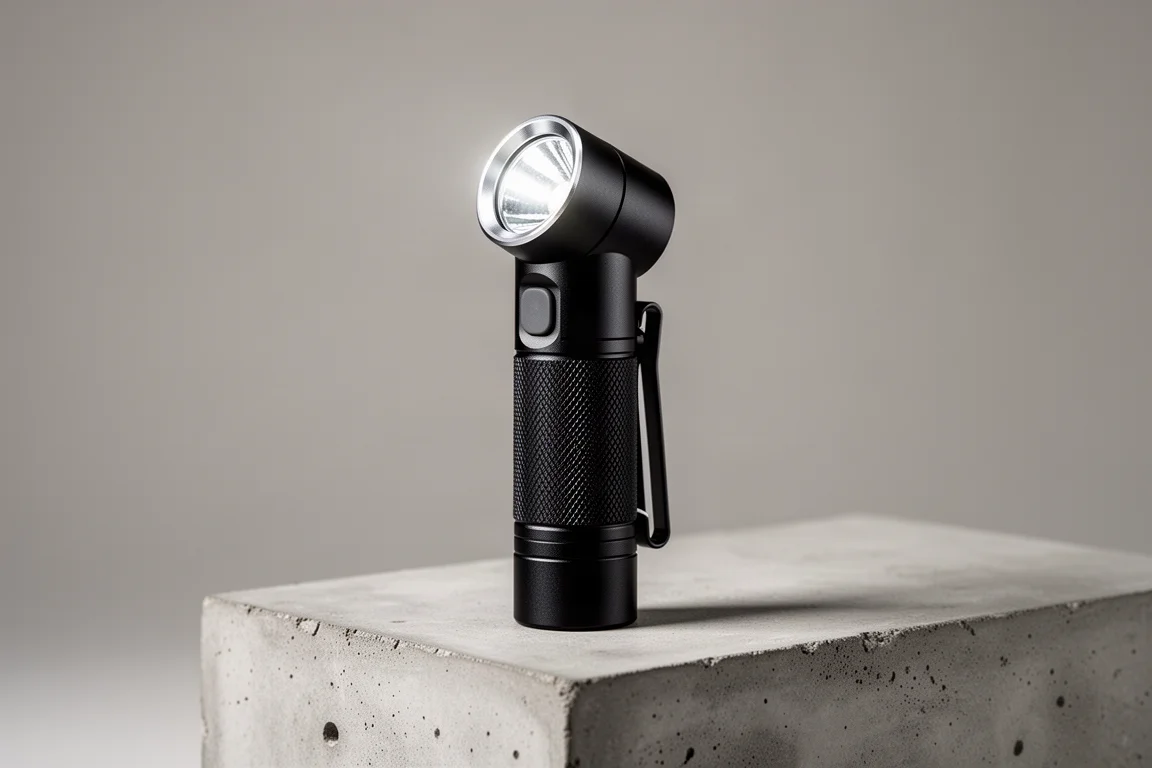
The Olight Seeker 4 is the broader, brighter alternative. Four LEDs and a control wheel make it a more powerful wall of light, and many people prefer its output profile. It is a subjective call between the two formats, but either one earns its place in a glove box or door pocket.
Small but Mighty Extras
A few low-cost items punch far above their weight:
- Fire extinguisher. Around $22, and worth every cent. Car fires on long rural stretches are sadly common, and an early response can make the difference.
- Duct tape. Always. Pro tip: squish the roll into an oblong shape to save space.
- Electrical tape. Not just for wiring. It makes most things water-resistant, which matters in a vehicle.
- Fuses. A $10 assortment box is a no-brainer.
- Multimeter. For the more technically inclined, a $12 option earns its spot.
- OBD2 scanner. Nothing is worse than a check engine light with 400 miles to go. A basic $50 reader (often 20% off) will tell you the code and usually clear it. It is not a professional tool, but it answers the only question that matters on the roadside.
Impact Wrenches and Tire Changing
The controversial one: should you carry an impact wrench? The cheap cigarette-lighter-powered ones are a mixed bag. They can sometimes break lug nuts loose on lighter vehicles, but performance is inconsistent and hard to recommend.
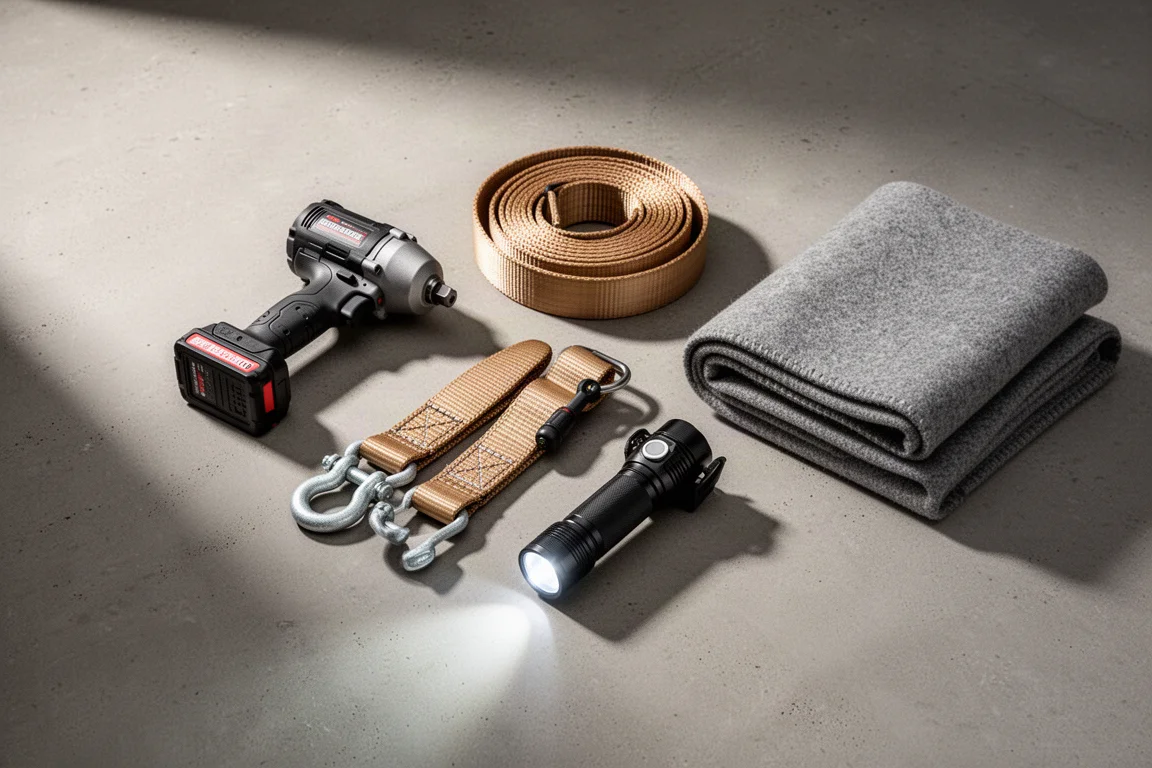
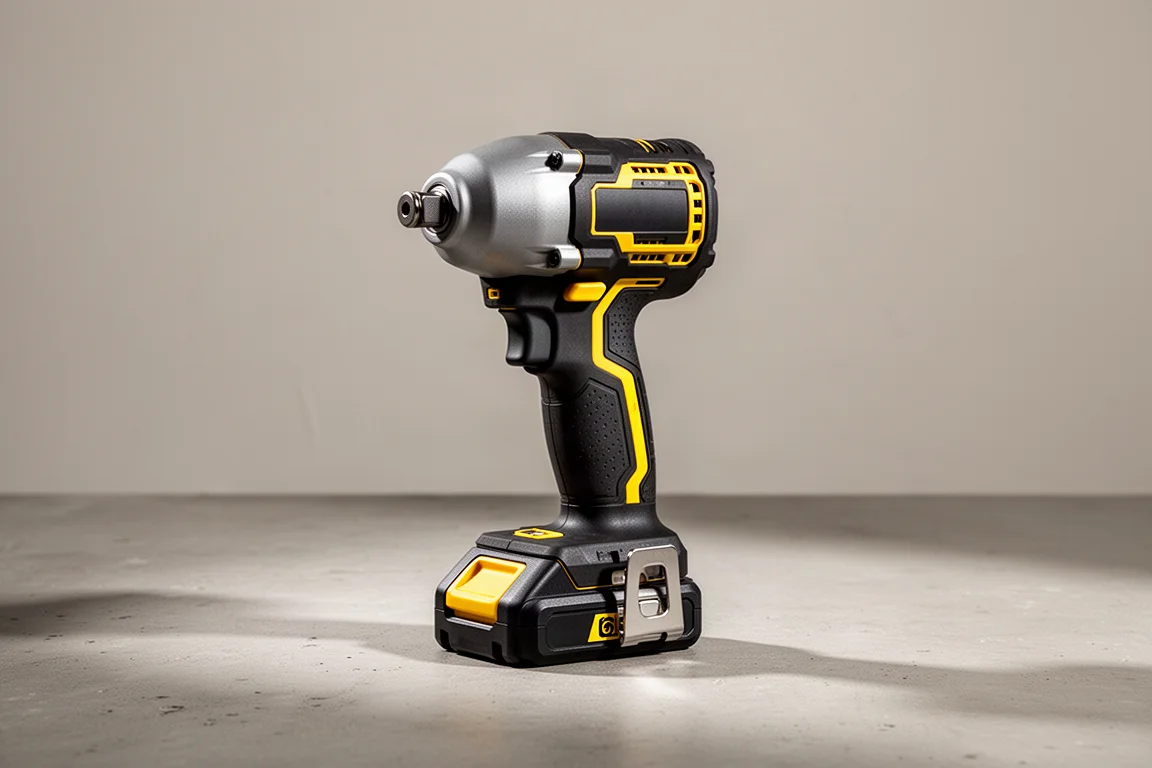
A better option is the DeWalt 12V Max brushless half-inch cordless impact wrench at $87 tool-only. It has more than enough torque for lug nuts on nearly any passenger vehicle or truck. Pair it with a 5Ah battery charged every six months to a year, and either a $50 12V car charger or a two-battery rotation with a phone reminder. A $30 flip socket set covering eight common lug nut sizes completes the kit, and a $22 breaker bar remains the simpler, more foolproof option for most people.
Jacks and Recovery Gear
Jacks are the genuinely unsolved problem. Scissor jacks mostly work and a replacement runs about $27. Floor jacks lift trucks easily but weigh around 110 pounds and are miserable to move. Bottle jacks are fine in the driveway but worry many drivers on soft or uneven road shoulders, and they lack reach. The honest answer is that no option is perfect.
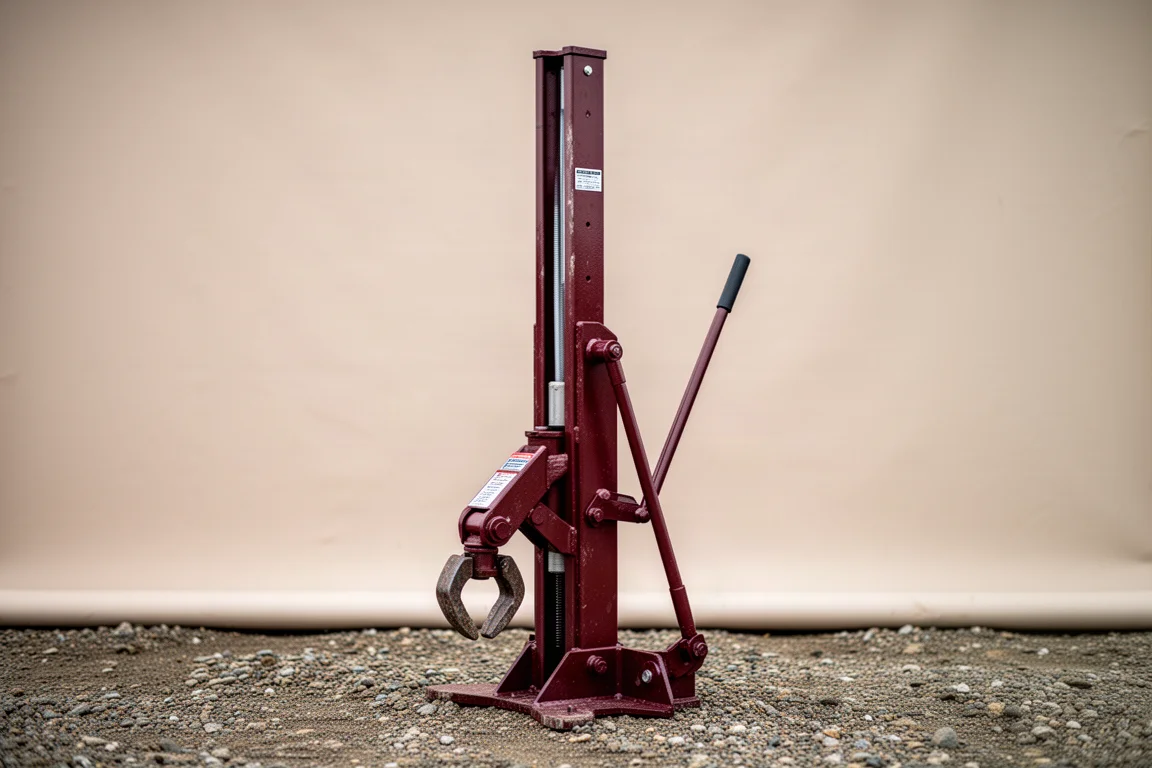
For serious overlanders and extreme 4x4 users, the Badlands 3-ton off-road jack is a legitimate solution. It offers long reach, extension accessories, and a lighter build for $320. It is a niche pick, but it does the job the others cannot.
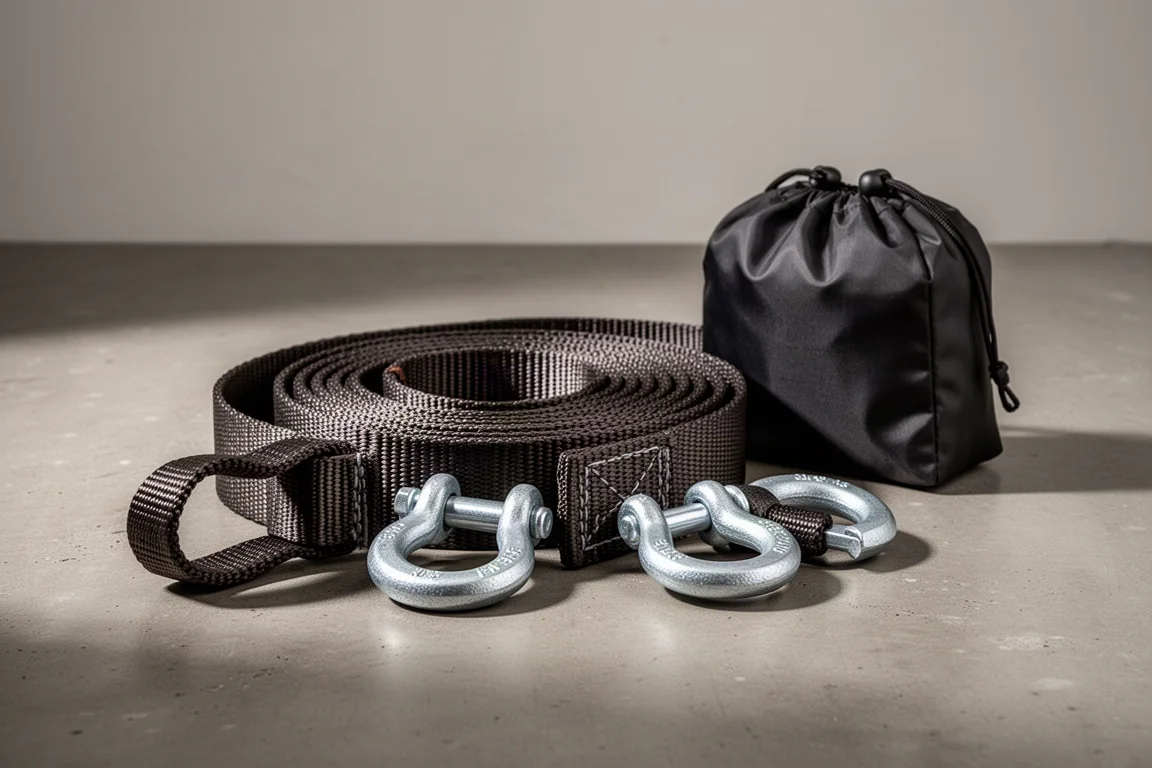
For recovery, tow straps are essential outside urban areas. A basic setup costs around $17, but the Rhino tow strap kit at $110 is the better buy if you actually pull people out of ditches: shackles clip easily to front and rear hitches, and the carry bag keeps everything organized. Rhino also makes a $35 pack of molded tie-down straps with extensions, which will save the mattress or ladder on your roof from setting itself free on the highway.
Winter and Comfort Items
Anyone who drives in snow country should carry a wool blanket. The Articus military wool blanket comes in muted earth tones and is exactly what you want if you are stuck in a snowstorm for hours. The author of this kind of scenario is not hypothetical: a November snowstorm on a mountain pass once left hundreds of vehicles stranded for four hours, and a blanket in the car turned a potentially miserable night into an inconvenience.


Two more winter additions: a serious extendable ice scraper with an angled brush head, the kind sold in every Montana gas station, and a collapsible sport-utility snow shovel for around $30. Skip the cute military folding shovels; if your problem is snow rather than dirt, the real shovel is the one that might save your life or someone else’s.
What You Can Skip
Glass breaker and seatbelt cutter tools are the one category to stop buying. Emergency responders who have carried them for years report never once using them. In a crash, a tool stored in the glove box is nearly impossible to reach while restrained, and breaking automotive glass from the inside is far easier than people think because the glass is concave from that side. A pocket knife in your pocket handles both jobs better than a gadget bolted to the dashboard.
Conclusion
A well-thought-out car kit is cheap insurance. Start with the essentials: a multi-tool, tire plug kit, inflator, and warning triangles. Add a tool set, jump starter, and good lighting. If you drive trucks, tow, or travel rural roads, the impact wrench, off-road jack, tow straps, and wool blanket turn an emergency into an inconvenience. And skip the gadgets that promise rescues they rarely deliver. Prepare once, and you will never have to suffer through the alternative.
Further reading
Related Reviews

Tools
Best Stud Finders 2026: Five Popular Models Put to the Test
We tested five popular stud finders on drywall, firewall, and lath and plaster surfaces to see which ones really find studs and avoid false readings.

Woodworking Tools
Cool Tools for Woodworking: Seven Upgrades That Earn Their Place in the Shop
A practical roundup of seven woodworking tools and accessories that improve accuracy, safety, and everyday shop efficiency.

Tools
Fantic E1 Max Electric Screwdriver Review: A Compact Kit With Real Limitations
The Fantic E1 Max packs a wide bit selection into a sleek electric screwdriver, but torque and ergonomics hold it back. Here is what to know before buying.