Camping & Travel
Car Camping Kitchen Pantry Essentials: What to Pack for Full-Time Road Travel
A practical guide to organizing a minimalist car camping pantry with essential spices, condiments, and staples for healthy cooking on the road.
Introduction
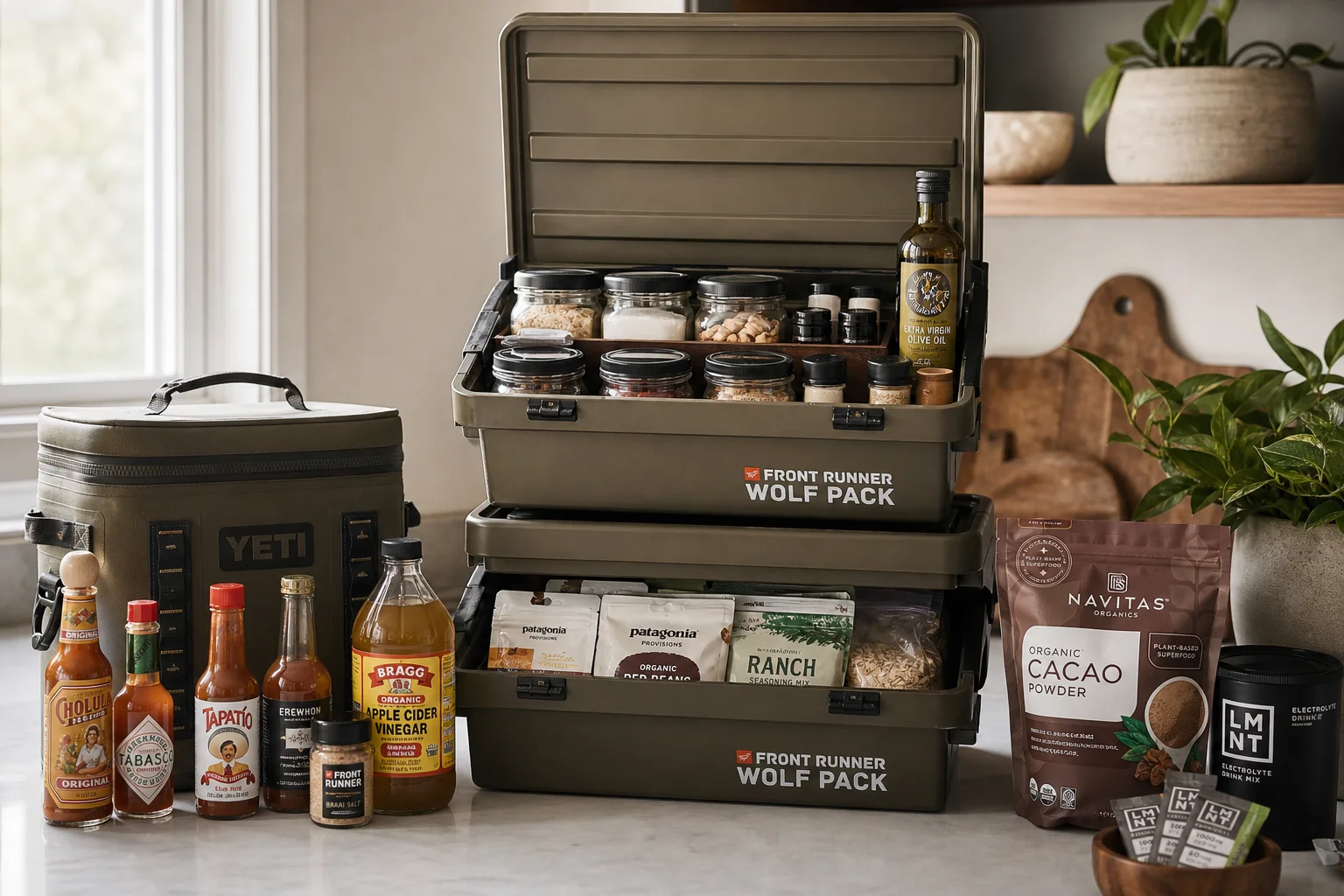
When traveling full-time in a vehicle, kitchen space is precious. A minimalist approach to pantry organization means choosing staples that deliver maximum nutrition and flavor while fitting into minimal storage. This guide walks through a practical car camping pantry setup designed around two storage boxes, with an emphasis on whole foods, spices, and condiments that transform simple meals into nourishing, delicious food on the road.
Storage and Organization Strategy
The foundation of an efficient car camping pantry is smart storage. Two Front Runner Wolf Pack boxes serve as the primary pantry containers, chosen because they stack securely, can double as seats or step stools, and enforce a natural boundary: if it does not fit, it is not essential.
Beyond the pantry boxes, a separate cooler (used as a storage container rather than for ice) holds fresh produce, proteins, and perishables. This dual-system approach keeps dry goods organized and accessible while maintaining a clear separation between shelf-stable items and temperature-sensitive foods.

Flavor Foundations: Spices and Seasonings
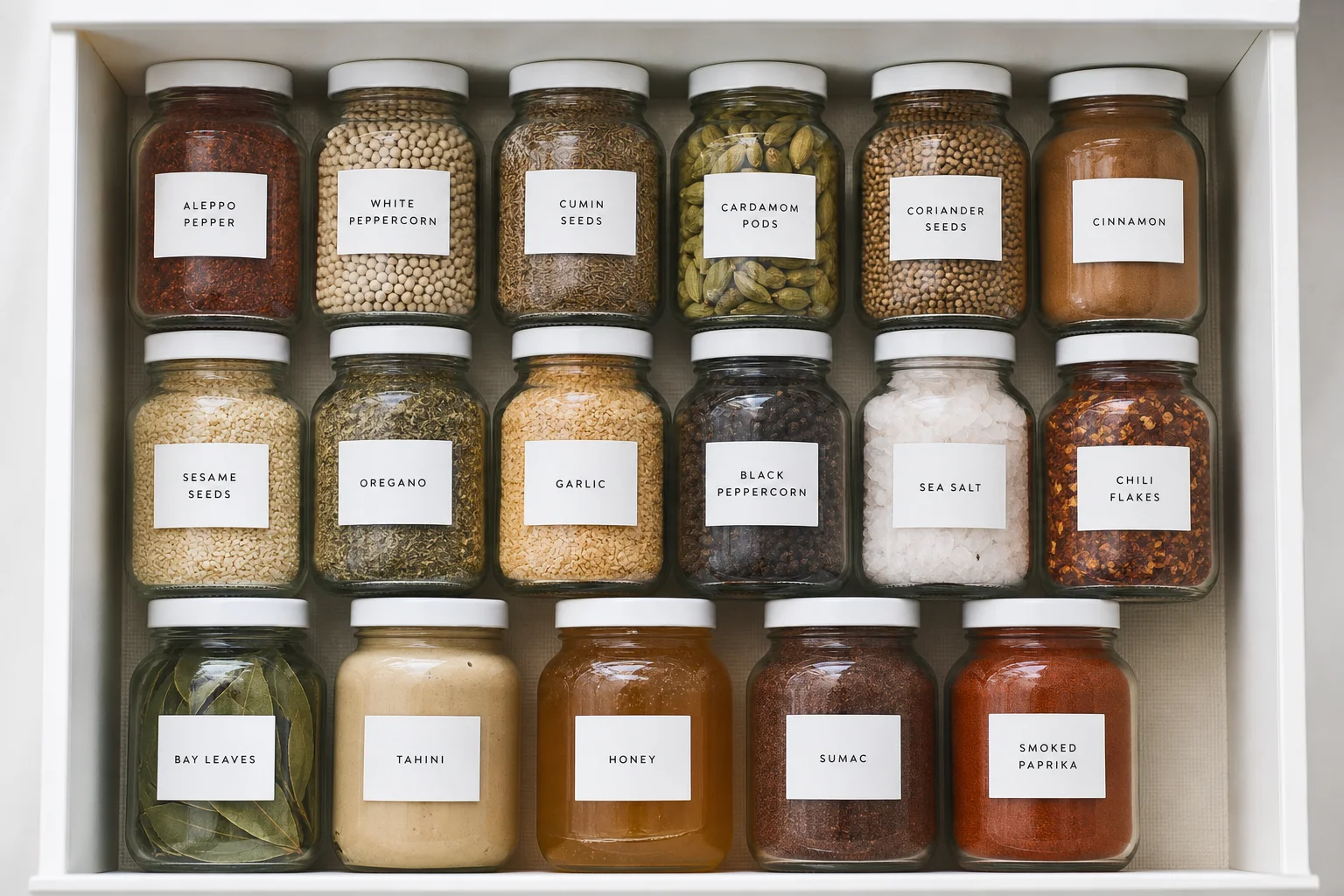
A well-stocked spice collection transforms basic rice, oatmeal, or noodles into memorable meals. The core spice lineup includes Himalayan or Celtic salt (especially useful for fasting), black pepper, tahini, black sesame seeds, turmeric, cardamom, cinnamon, and cayenne. Tahini deserves special mention: its peppery-sweet profile works equally well on fresh fruit with lime or stirred into savory dishes. Cayenne adds warmth to noodles, cacao, and chai.
Keeping spices in small, labeled containers maximizes space and prevents duplication. A mini grinder for salt and pepper ensures freshness without excess bulk.
Spices and Flavor Essentials
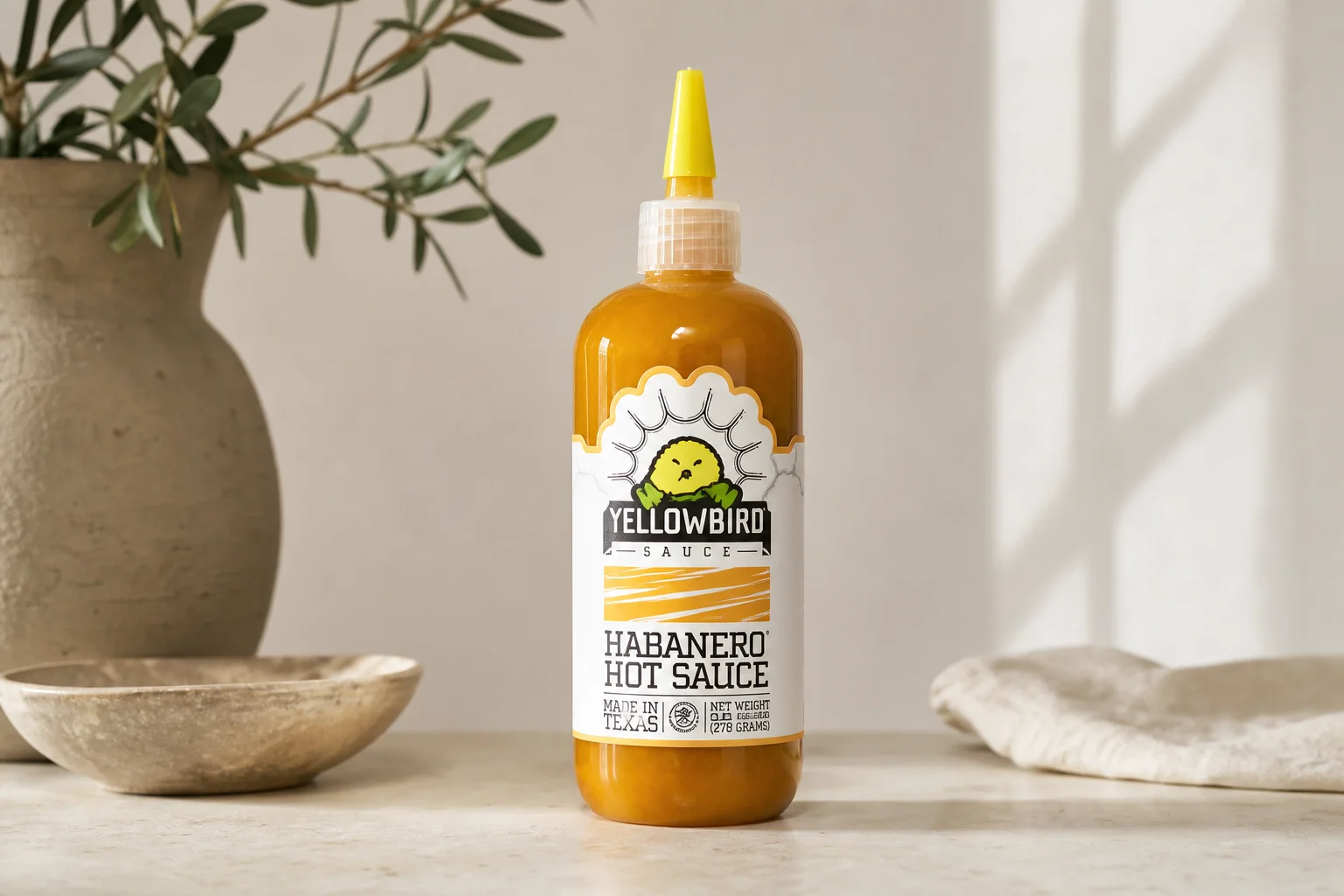
Hot sauce is a non-negotiable pantry staple for adding depth to simple meals. Yellow Bird Hot Sauce stands out because it avoids excess sugar while delivering genuine heat and flavor. The brand uses dates or agave as sweeteners, keeping the ingredient list clean and the taste profile balanced.
Oils, Vinegars, and Cooking Essentials
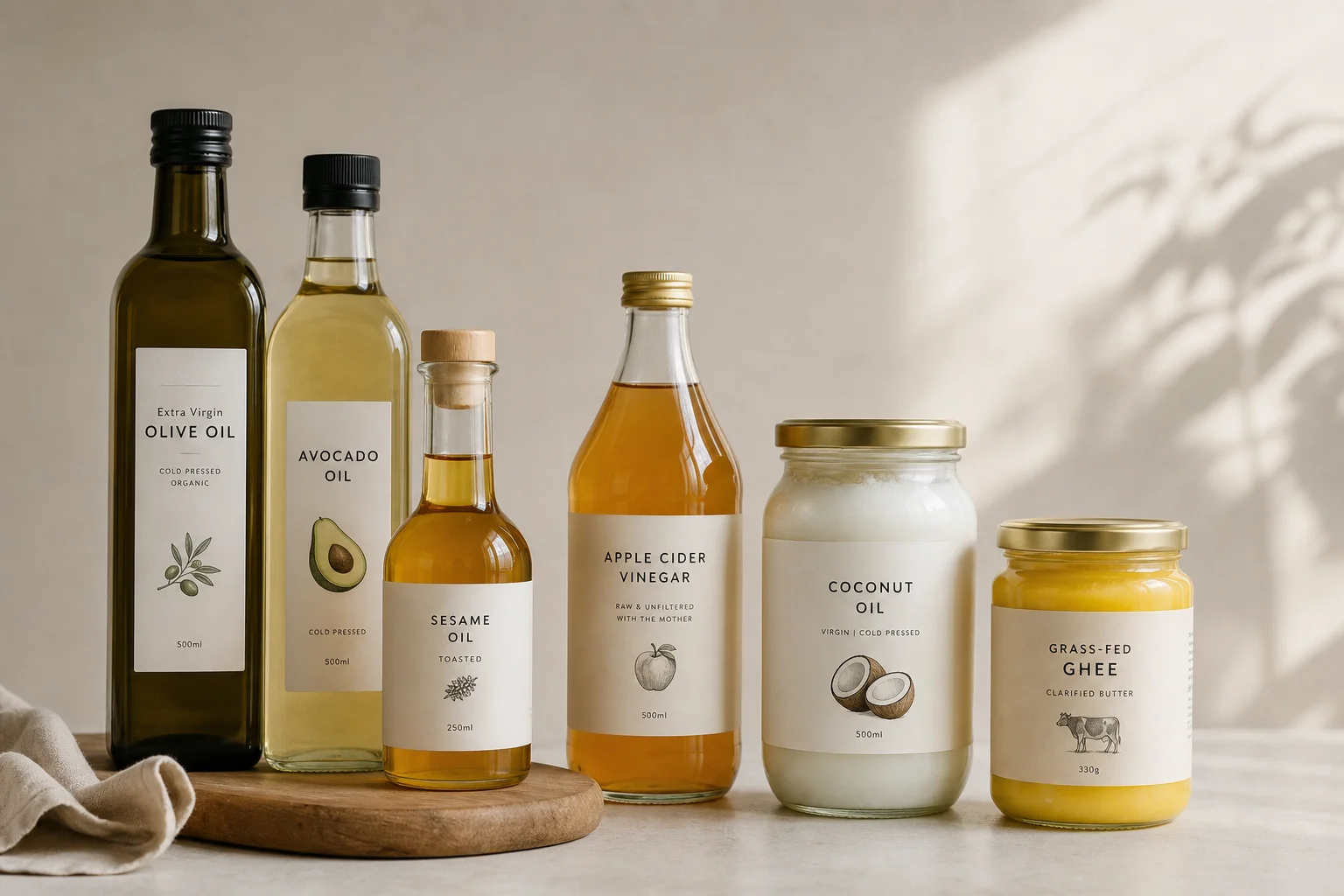
Cooking oils deserve careful curation. Coconut oil serves triple duty: cooking, lip balm, and shaving. Ghee offers a shelf-stable butter alternative with a higher smoke point. A single quality olive oil rounds out the collection, though it can solidify in winter vehicles, making it less practical for year-round travel.
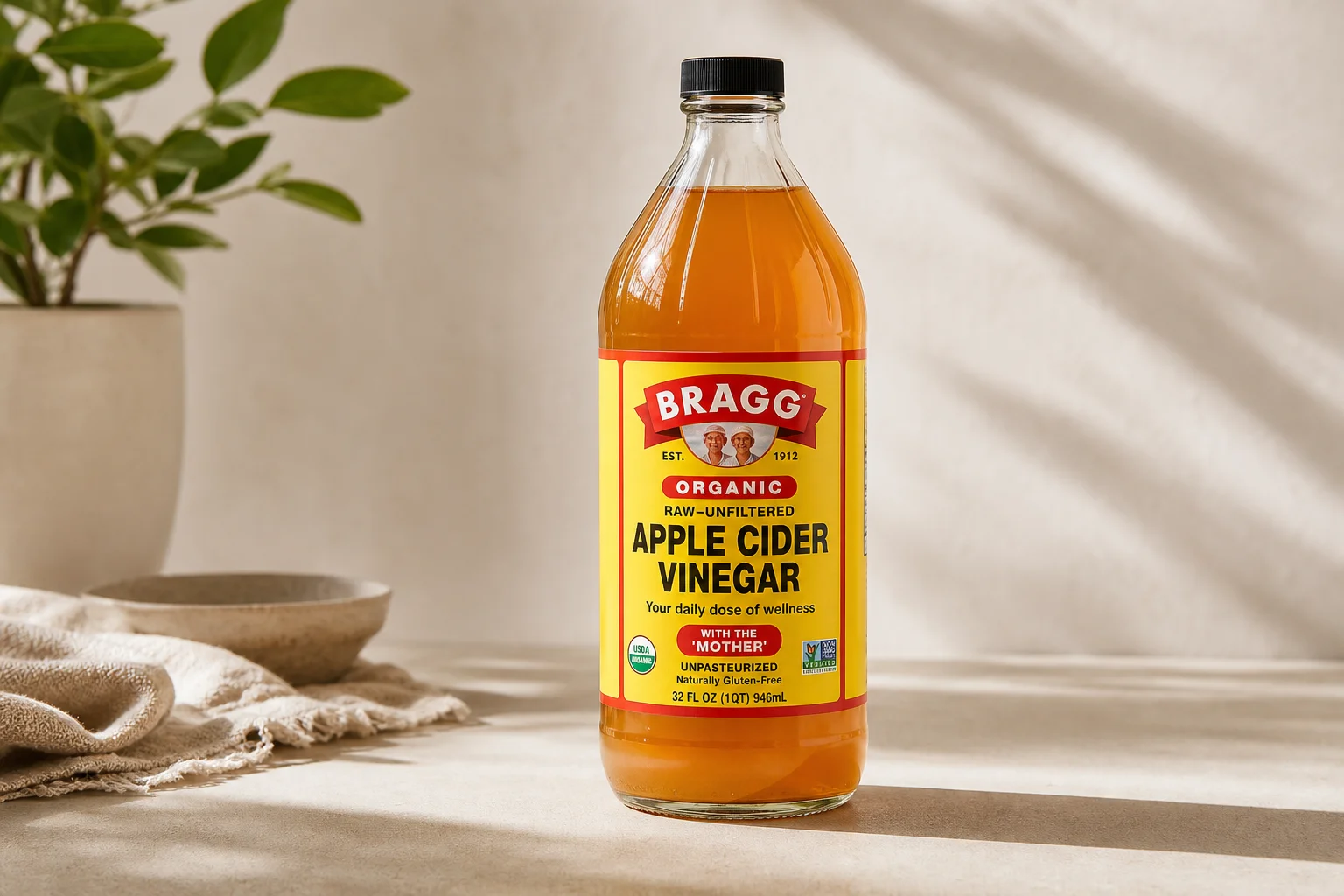
Apple cider vinegar is a versatile staple. Braggs Apple Cider Vinegar supports immune function and digestion when mixed with lemon and honey in warm water each morning. It also works as a natural dish cleaner, reducing the need for packaged soaps.
White vinegar serves similar cleaning purposes and takes up less space than commercial cleaners. Castor oil, while unconventional, supports digestion, reduces under-eye circles, and bolsters immune health when taken regularly.
Dried Fruits and Nuts
A rotating selection of dried fruits and nuts provides quick nutrition and texture. Goji berries, dried blueberries, and dried cherries pair beautifully with oatmeal, honey or maple syrup, apples, walnuts, and ghee. Goji berries are particularly nutrient-dense and pair well with cinnamon and warming spices.
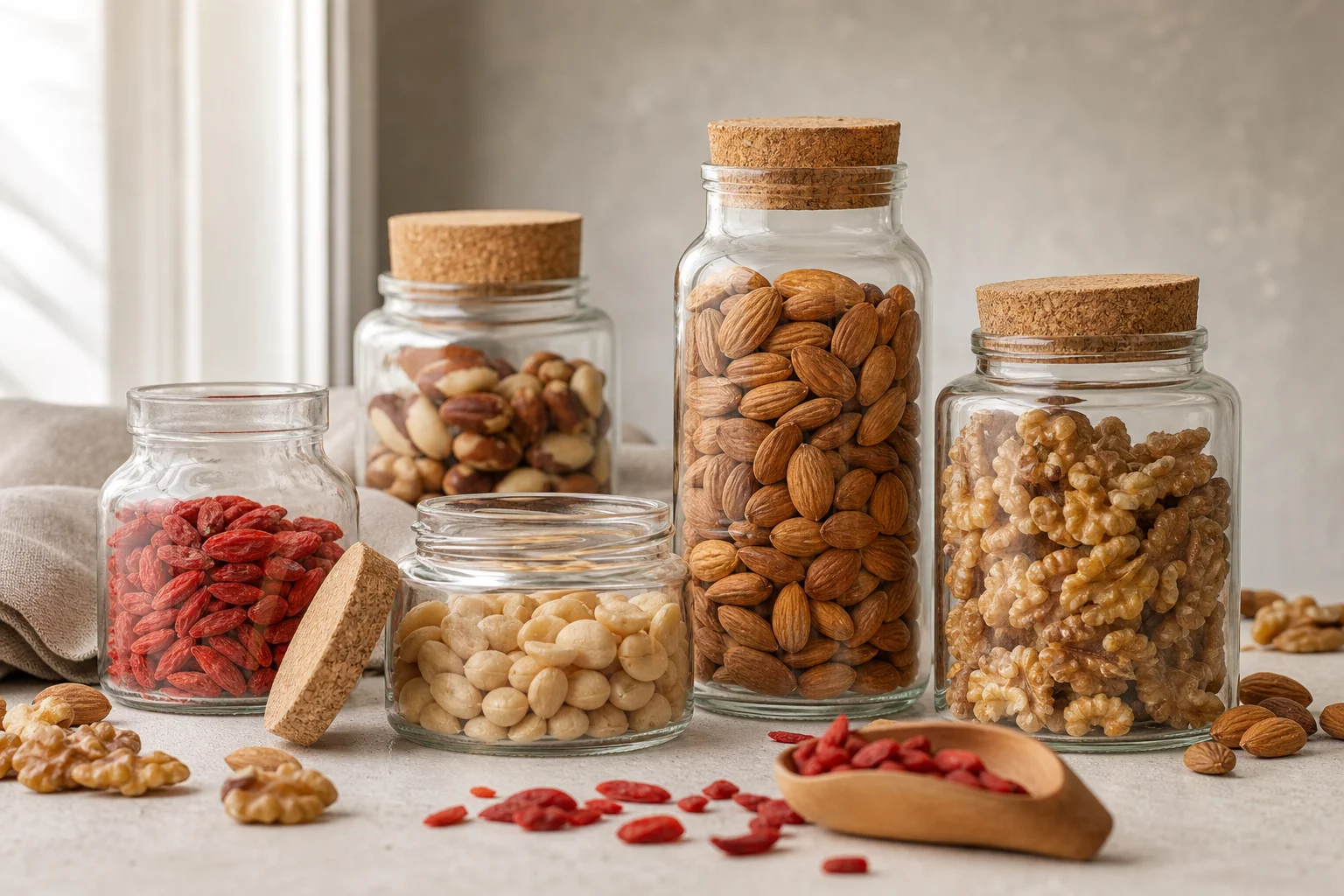
Almonds, walnuts, and pecans can be combined into a single jar to save space. They work as oatmeal toppings, rice additions, or standalone snacks. Storing nuts together simplifies inventory and reduces container clutter.
Superfoods and Specialty Items
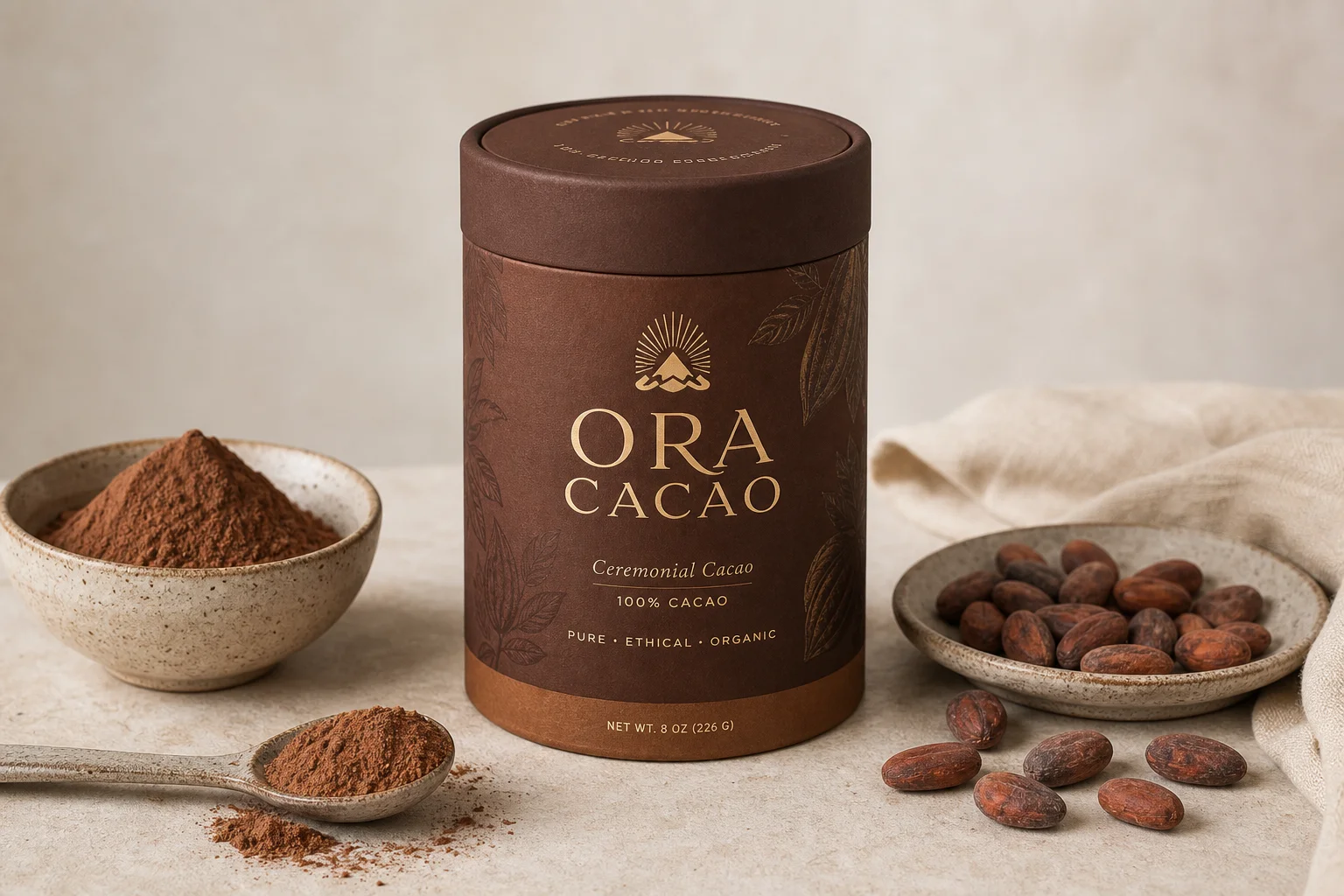
Cacao has become a central pantry staple, especially as a coffee replacement. Ora Cacao offers pure, ceremonial-grade cacao that can be prepared as a warm morning beverage or added to oatmeal and smoothies. Unlike coffee, pure cacao provides sustained energy without the sharp spikes and crashes. It is also nutrient-dense, offering a genuine superfood benefit.
Nutritional yeast adds B vitamins and umami depth to any meal. Liquid aminos (a gluten-free soy sauce alternative) brings savory complexity. Coconut milk powder extends the versatility of morning cacao or oatmeal. Chamomile tea, homegrown and dried, provides a calming evening option.
Miso soup, vegetable broth, or chicken broth packets offer quick, warming meals when energy is low or adventure time has left little room for cooking. A single packet of broth plus hot water delivers immediate nourishment while other food is being prepared.
Hydration and Supplements
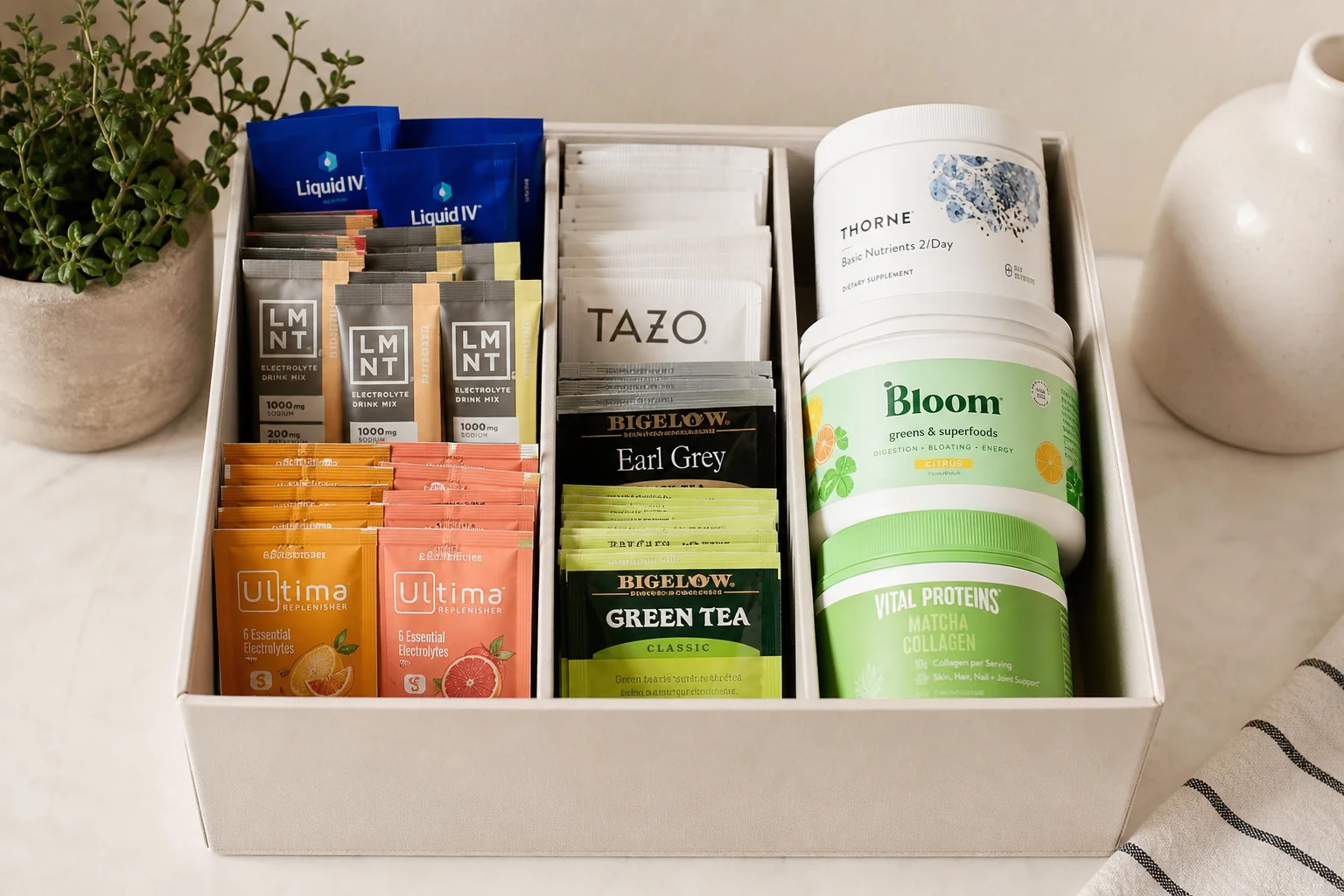
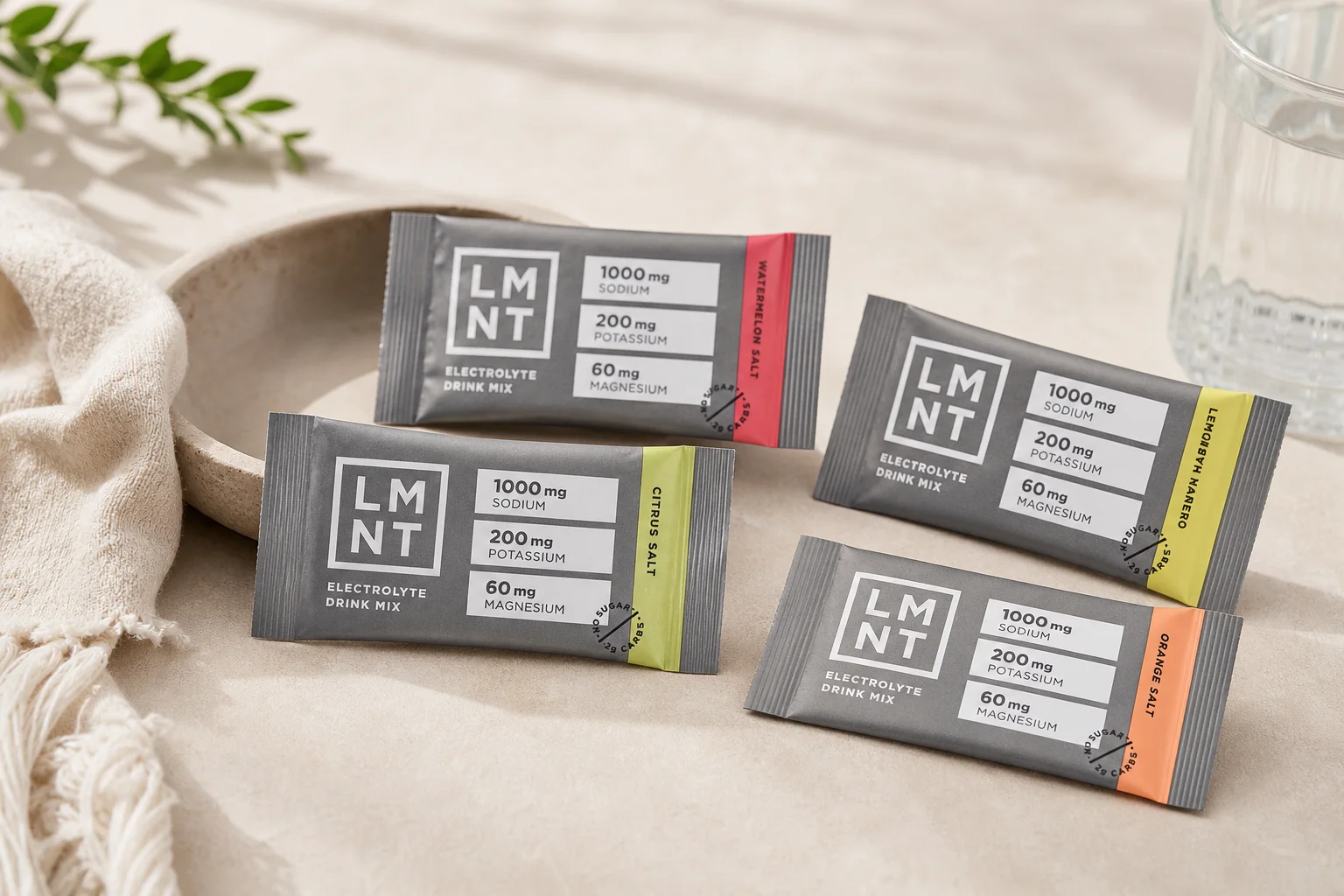
Electrolyte supplementation becomes essential during extended travel, especially in hot climates or during active adventures like backcountry snowboarding or backpacking. LMNT Electrolytes contain no sugar and support daily hydration without artificial sweeteners. The packets are compact and store easily in bulk.
Mushroom capsules from a Colorado-based women-owned small business provide immune and cognitive support on a rotating schedule (four days on, three days off). A simple preparation of hot water and lemon activates the blend each morning.
Additional Storage Considerations
A Yeti cooler serves as the secondary food storage container, used year-round as an insulated storage box rather than for ice. In summer, it sits low in the vehicle to keep produce and proteins cool. In winter, it functions as an anti-freeze container, protecting sensitive items from freezing temperatures.

An apron prevents cooking stains on outerwear when preparing meals in the back of a vehicle, a small but practical addition to the pantry setup.
Conclusion
A minimalist car camping pantry prioritizes nutrient-dense staples, versatile spices, and quality condiments that transform simple base foods into nourishing, delicious meals. By constraining storage to two dedicated boxes and a cooler, the system enforces intentional choices and prevents unnecessary accumulation. The result is a pantry that supports healthy, energizing cooking on the road while maintaining the simplicity and flexibility that full-time travel demands.