Camping Gear
Car Camping Gear That Rivals an RV: 10 Essentials Worth Packing
Ten car camping essentials covering shelter, cooking, cooling, drinks, and sleep, so a tent trip feels closer to an RV without the cost.
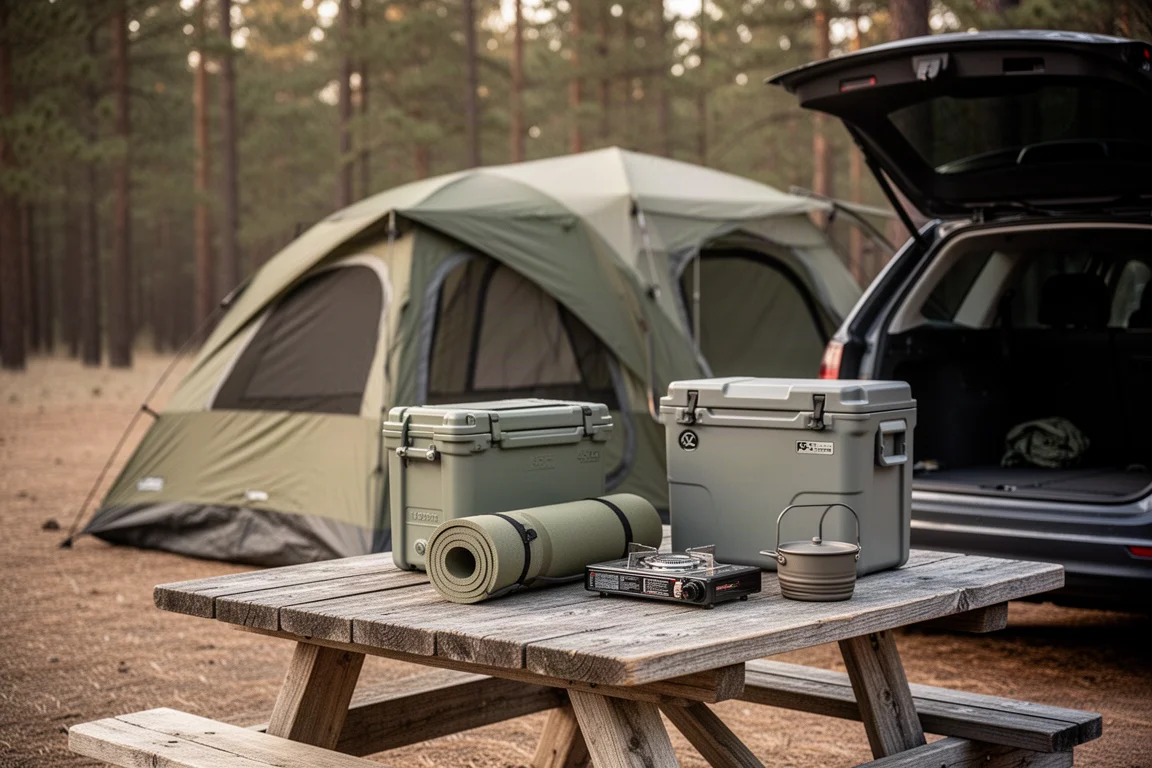
Introduction
A fully equipped RV solves a lot of camping problems. It gives you a real bed, a place to cook, and somewhere to sit when it rains. It also costs about as much as a second car and needs somewhere to park.
A carefully chosen car camping kit covers most of the same ground for far less, and it still fits in the trunk of an ordinary car. This guide covers ten pieces of gear that turn a weekend in a tent into something closer to a comfortable basecamp: a tall tent with standing room, a cooler that holds a group’s food and drinks, a compact cooking setup, non-alcoholic drinks for the evening, bug protection, and a sleep system that is genuinely close to the one at home.
What to Look For in Car Camping Gear
Car camping rewards different priorities than backpacking. Weight matters far less than packed volume and comfort, because everything travels in the car rather than on your back.
Start with the tent. Standing height changes how a trip feels, since you can change clothes and move around without crawling. Ventilation matters just as much, and two opposing windows plus two doors will move far more air than a single vent.
Then think about the sleep system. It is the single biggest factor in whether you come home rested, so it is worth spending more there than anywhere else.
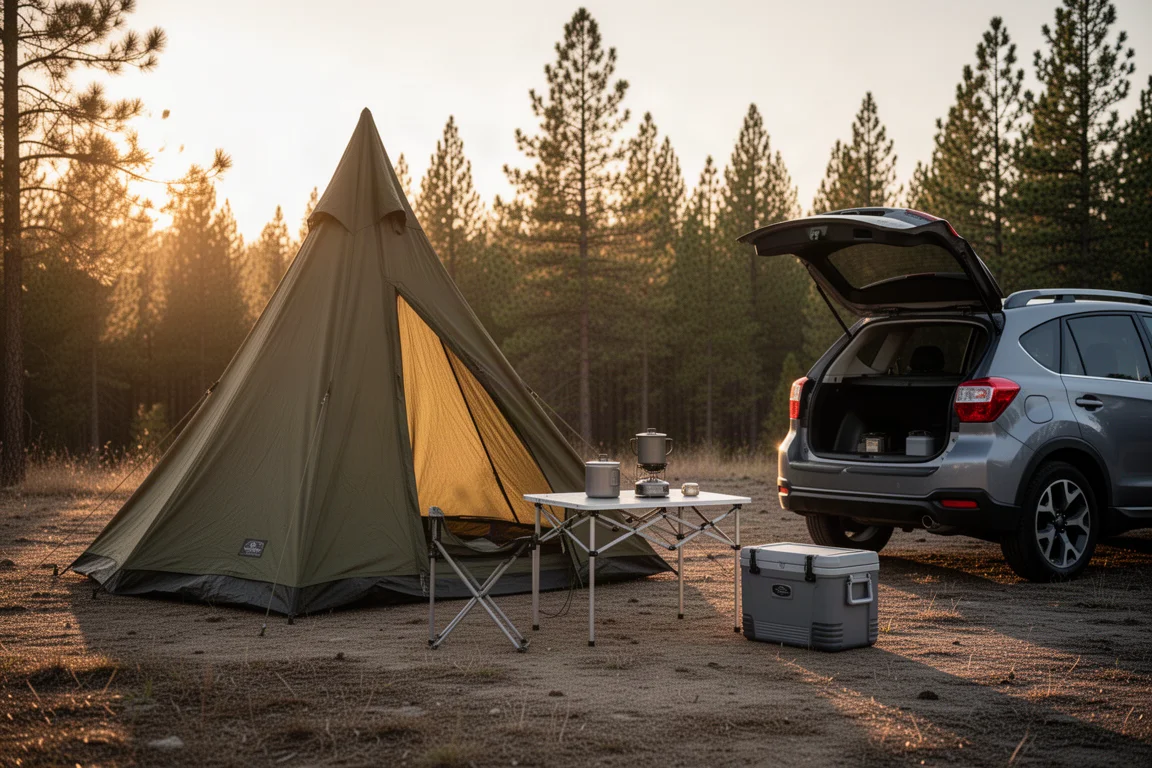
Finally, consider how you will cook, keep food cold, and handle heat and insects. A simple two-burner stove, a cooler sized to your group, and a small repellent device cover most trips. A portable power station and a solar panel are optional, but they let you run a fan on hot nights or keep a laptop charged on longer stays.
Nemo Aurora High-Rise 6-Person Tent: Room to Stand and Sleep
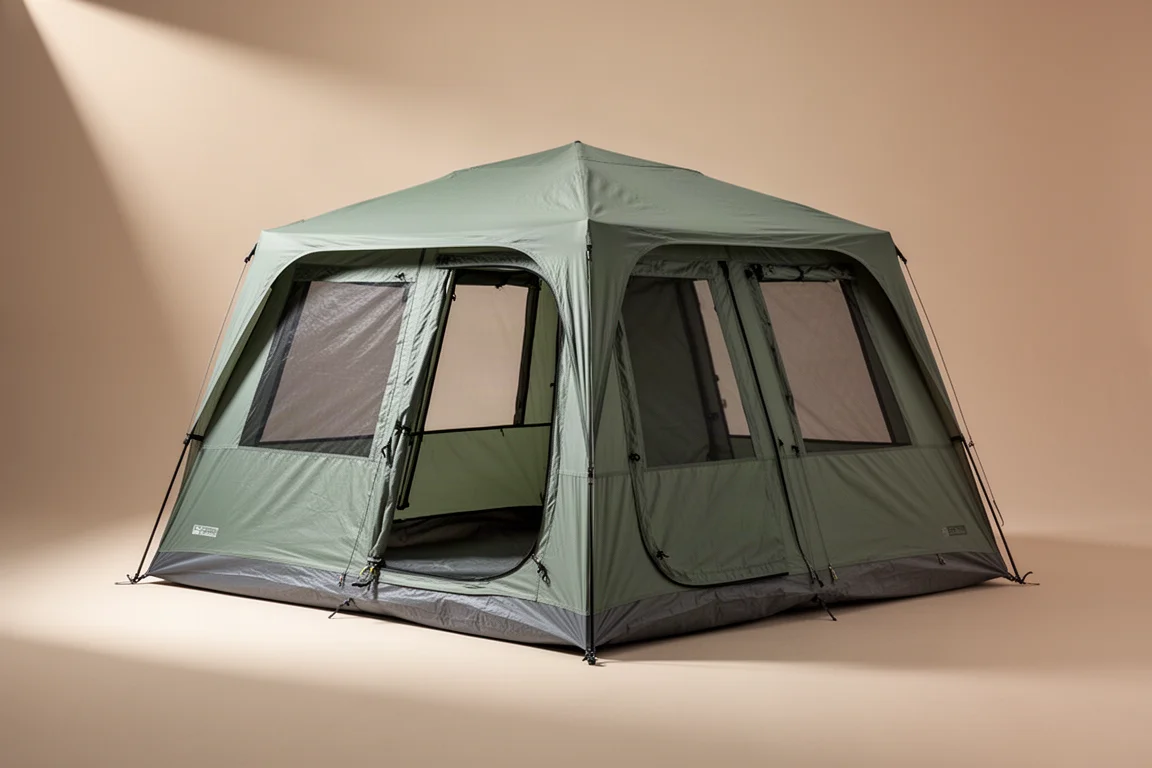
The Aurora High-Rise is the centre of this setup. The six-person version is a genuinely large tent, and the height is the part that stands out: you can walk and stand inside rather than crawl, which makes changing clothes and moving around far easier.
Ventilation is the second strength. Two large windows on opposite sides create a real crossdraft, and two large doors on either side let you open the tent up completely on a hot day. That airflow does much of the work of keeping the interior bearable in warm weather.
It also packs down small for storage, so a tent this size does not have to dominate a garage or a basement. Inside, the six-person floor plan is roomy enough for a queen-size mattress alongside a dog bed and a bassinet.
Yeti 45L Cooler: Cold Storage for a Group
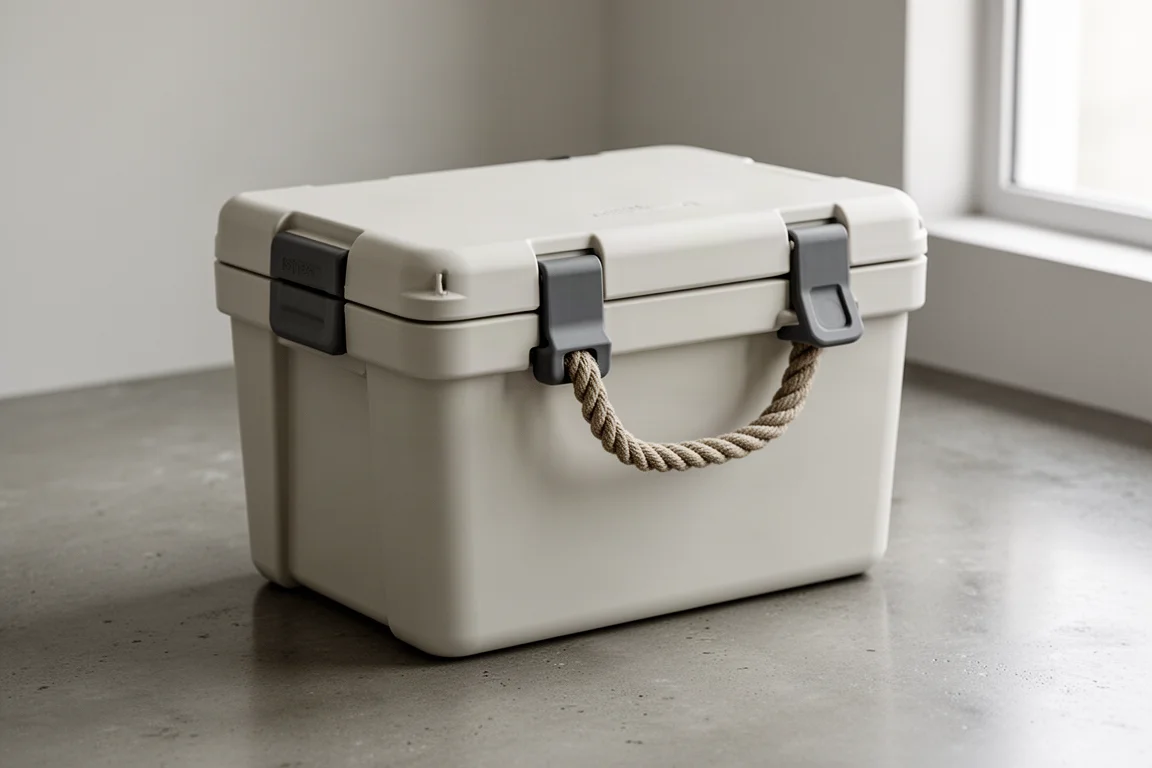
Food and drink storage is where a hard-sided cooler earns its place. This 45-litre model keeps contents properly cold and is sized for roughly four people on an overnight trip, or 28 cans packed with ice.
That capacity is the useful detail. It is big enough to hold real meals rather than just snacks, which is part of what makes car camping feel less like roughing it. Pack it with ice before you leave and it covers the food for a group dinner with room left over for drinks.
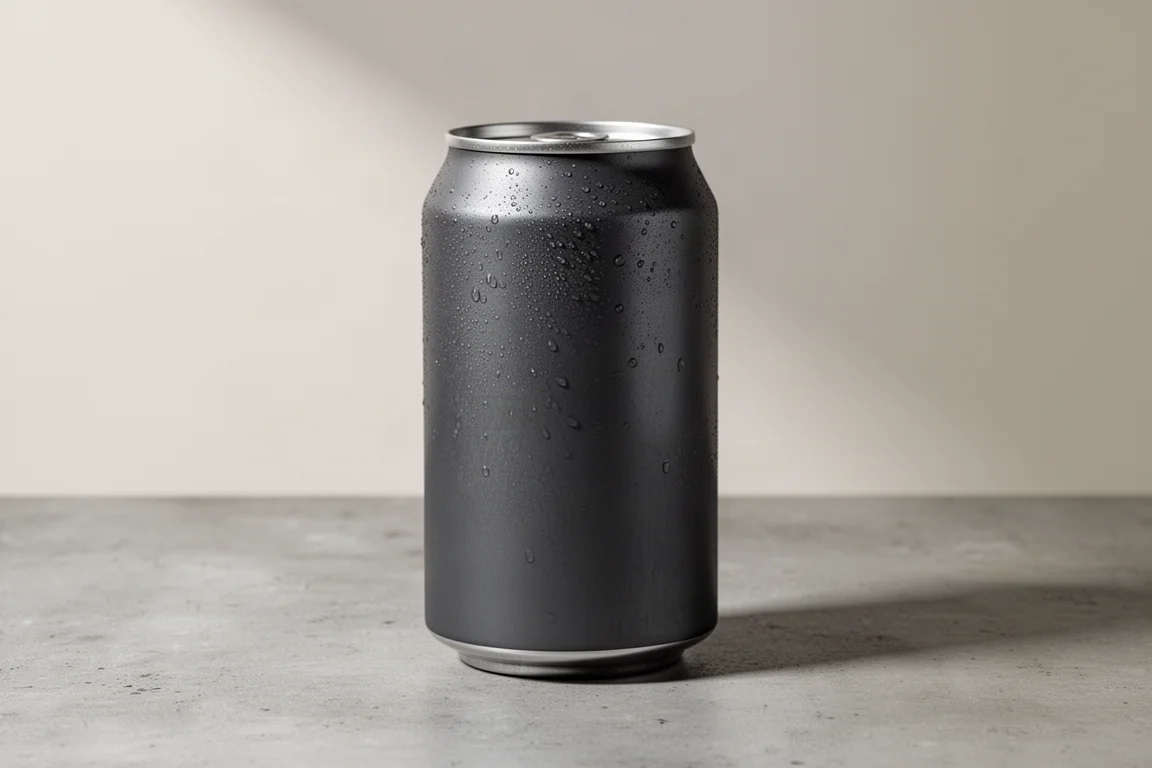
Athletic Brewing Run Wild IPA: A Light Non-Alcoholic Option
Not every camping drink needs alcohol in it. Run Wild is a non-alcoholic IPA with a crisp, clean profile and 65 calories per can, which makes it an easy choice for an afternoon in camp or alongside a meal.
The appeal for camping is practical. A non-alcoholic option means you can enjoy a cold drink in the evening without the next morning feeling worse for it, and it travels just like any other can.
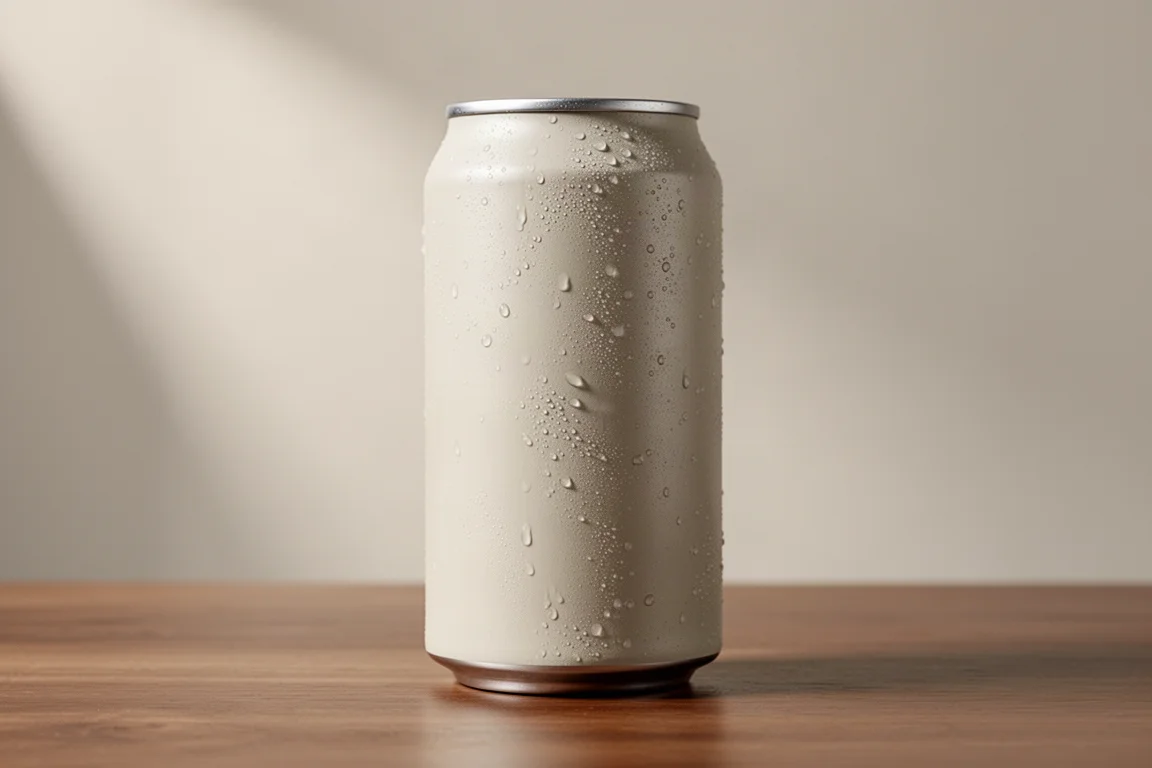
Athletic Brewing All Out Extra Dark: A Richer Non-Alcoholic Pour
All Out Extra Dark is the richer end of the range, a stout-inspired non-alcoholic brew with a deeper, warming character. It works especially well with a substantial dinner, and it sits naturally next to a steak cooked over a camp stove.
If you want one non-alcoholic beer for evenings around a fire, this is the fuller-flavoured of the two, while Run Wild is the lighter, more refreshing pour.
Flextail Tiny Repel: Portable Bug Protection
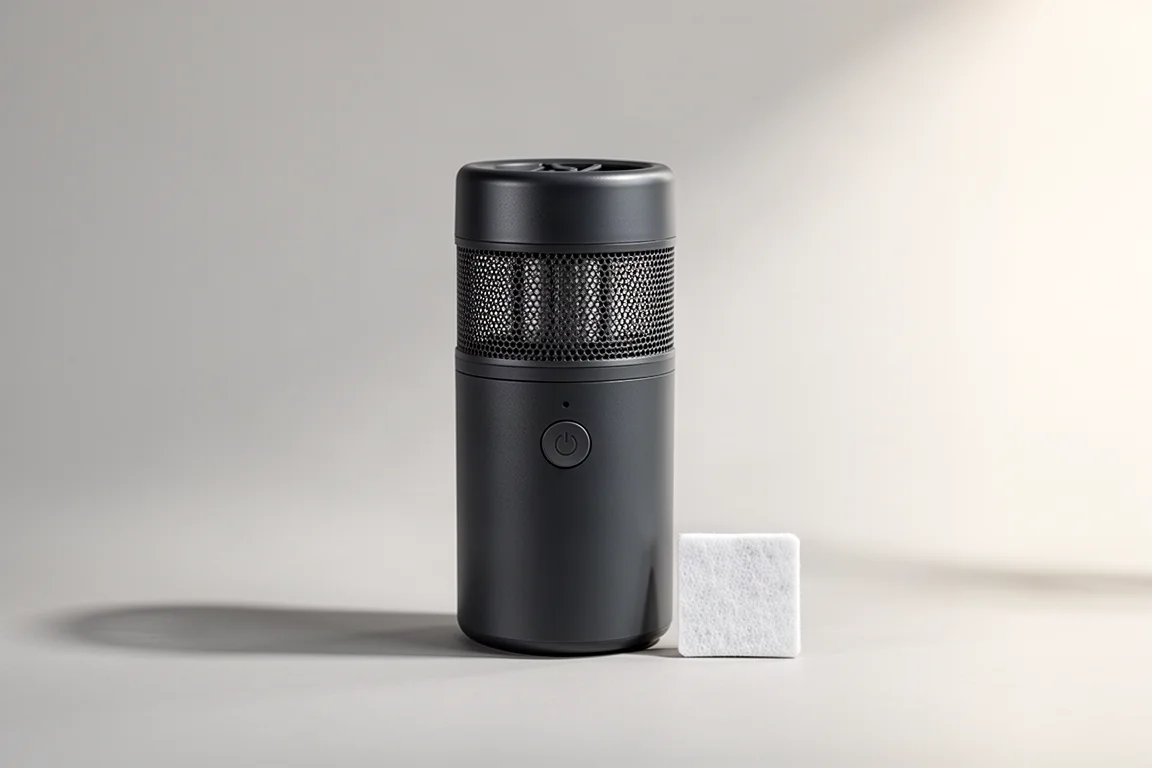
Insects can decide how enjoyable an evening in camp turns out to be. The Tiny Repel is a small, light repellent device that creates a localised field of protection around you. It uses small pads that sit inside the unit, heat up, and release a repellent chemical that makes it difficult for mosquitoes to land and bite.
It is not heavy and not expensive, which makes it easy to keep in a camp box permanently. It suits the moment when the bugs are annoying but not quite bad enough to justify hanging full mesh walls on a shelter.
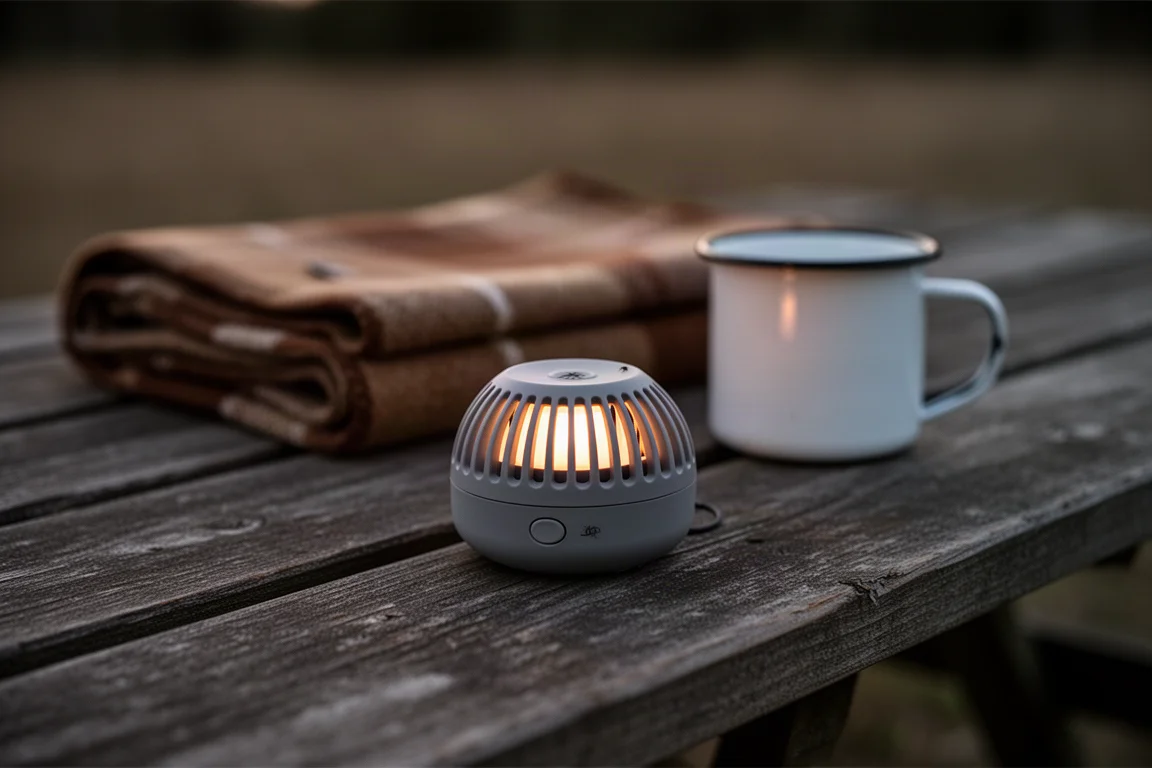
Think of it as personal protection for a chair, a table, or the inside of a tent rather than a treatment for a whole campsite. Keep spare pads with the device and it stays useful trip after trip.
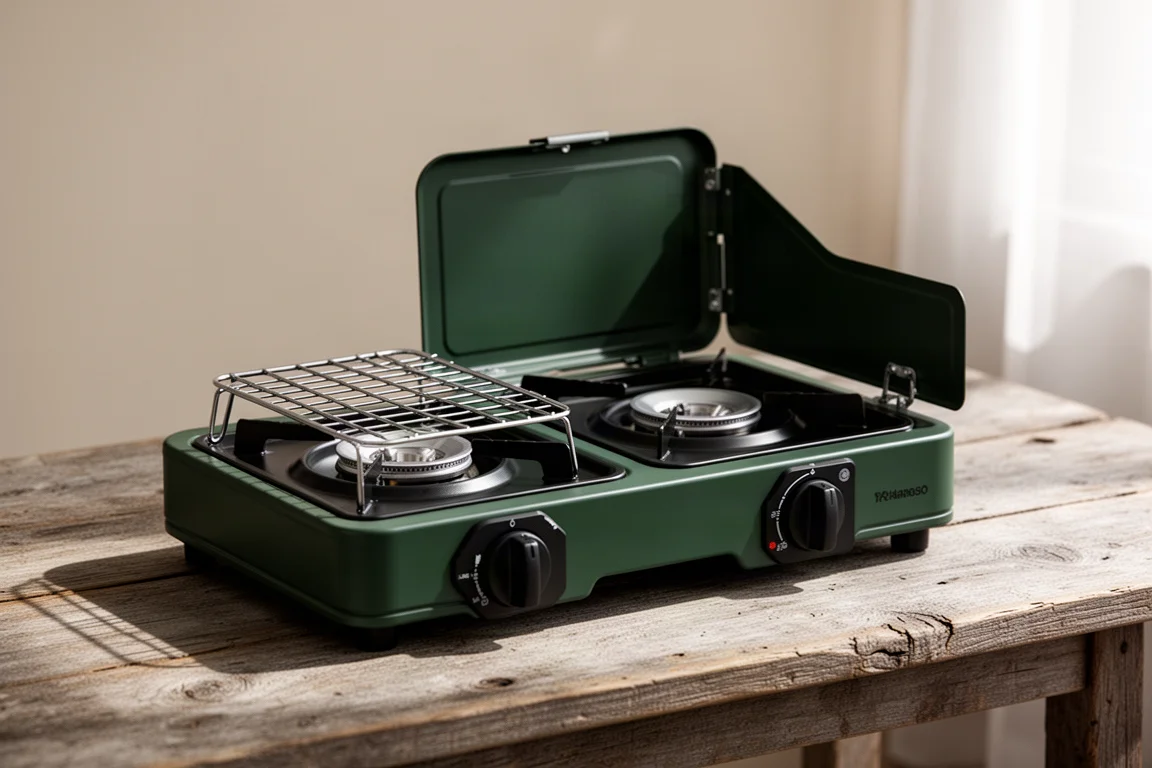
Coleman Two-Burner Stove: A Familiar Camp Kitchen
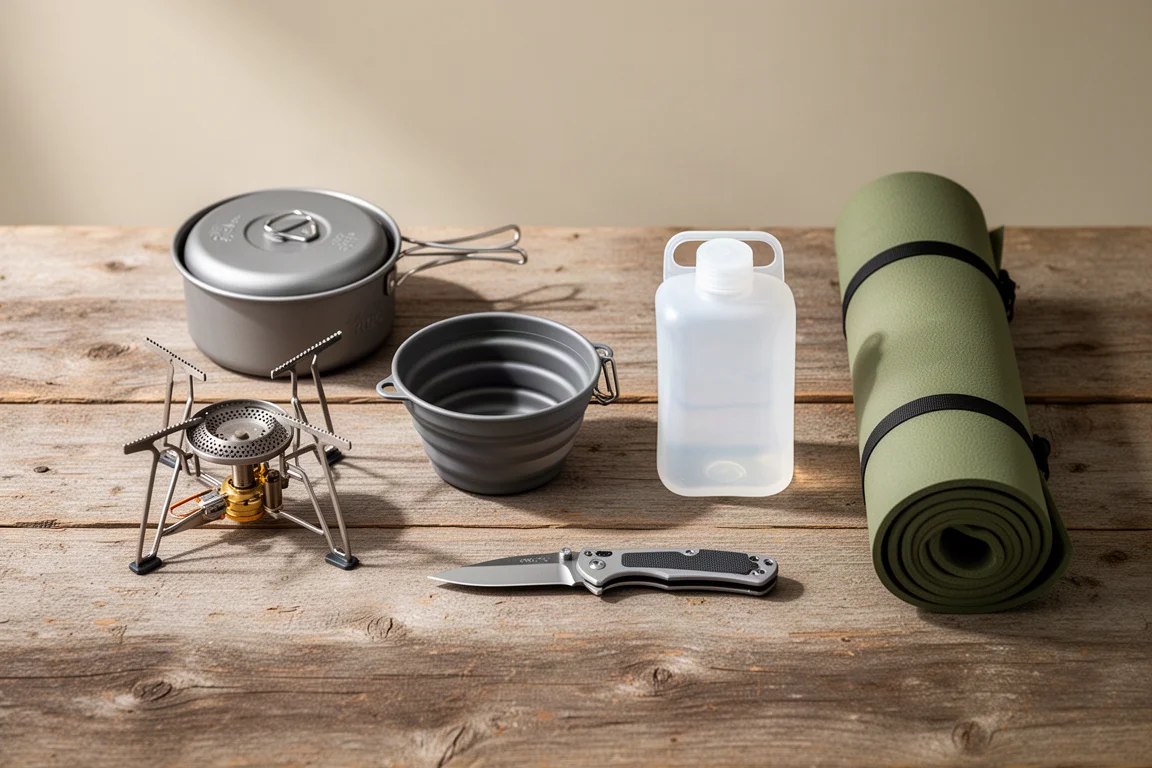
A two-burner propane stove is the standard camp kitchen for good reason. This one has a grill surface on top, which makes it possible to cook a proper steak and a pan of vegetables at the same time, and it runs on the same propane you would use for a barbecue.
Camp stoves do take some practice. Heat control is less precise than a kitchen range, and results can be uneven until you learn how the burners behave. Once you have that feel, a two-burner stove covers almost everything a simple campsite meal requires.
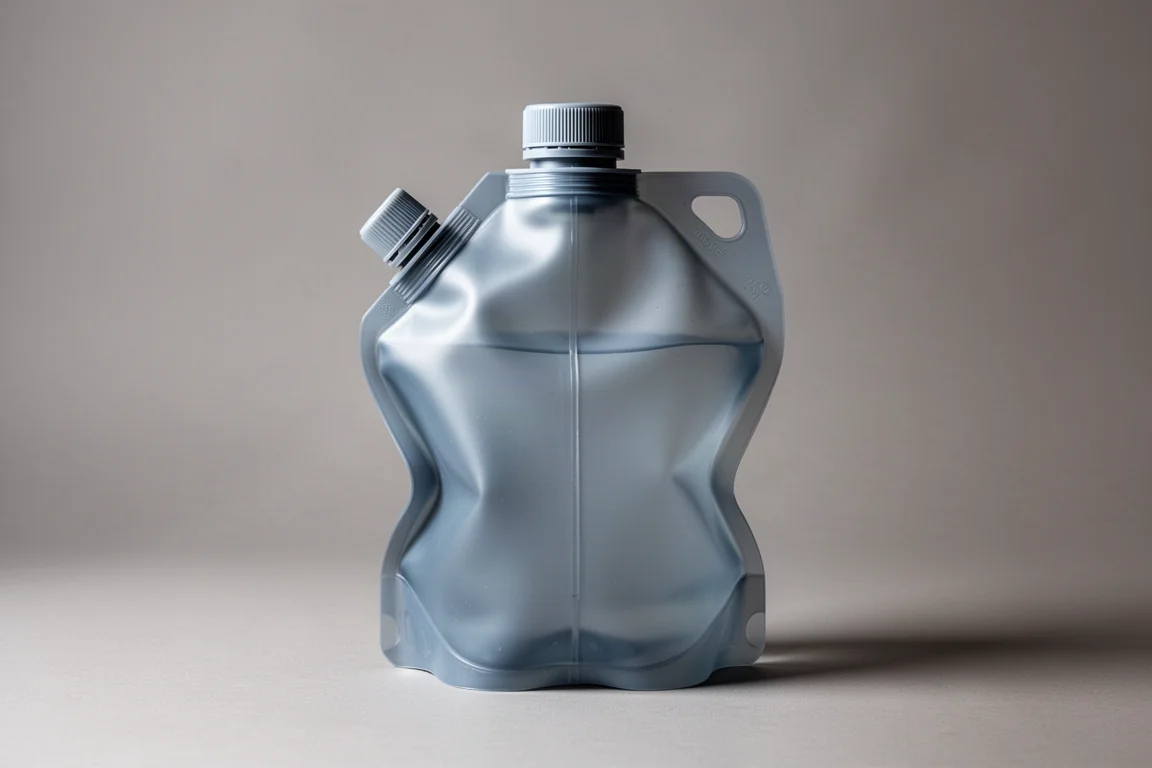
Sea to Summit 4L Water Cell: Water Without the Bulk
A 4-litre water cell is the right answer for shorter trips with modest water needs. It packs down when empty, takes up very little space in the car, and gives you a refillable supply for cooking, washing up, and drinking.
For longer trips, larger rigid jugs hold more and need refilling less often, but they take up a fixed amount of space whether they are full or empty. The 4-litre cell is the more flexible option for weekend camping.
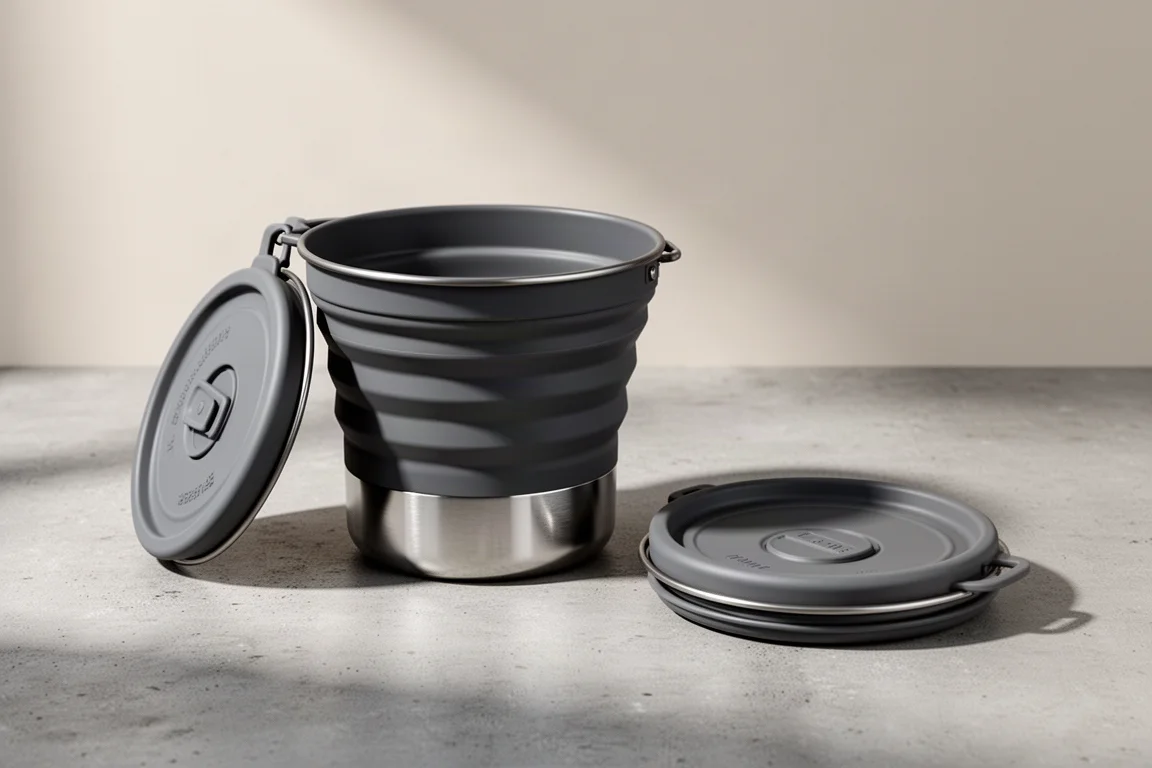
Sea to Summit Collapsible Pot: Compact Cooking
The collapsible pot has a stainless steel base and flexible silicone sidewalls, so it folds down small for storage and takes up a fraction of the space of a fixed pot. That matters when every litre of car space is shared with a tent, a cooler, and a sleeping system.
In use it handles the simple jobs well: boiling pasta, steaming broccoli, or heating water for a meal. It is a genuinely versatile piece rather than a single-purpose gadget, and it is the kind of item that quietly makes a camp kitchen work.
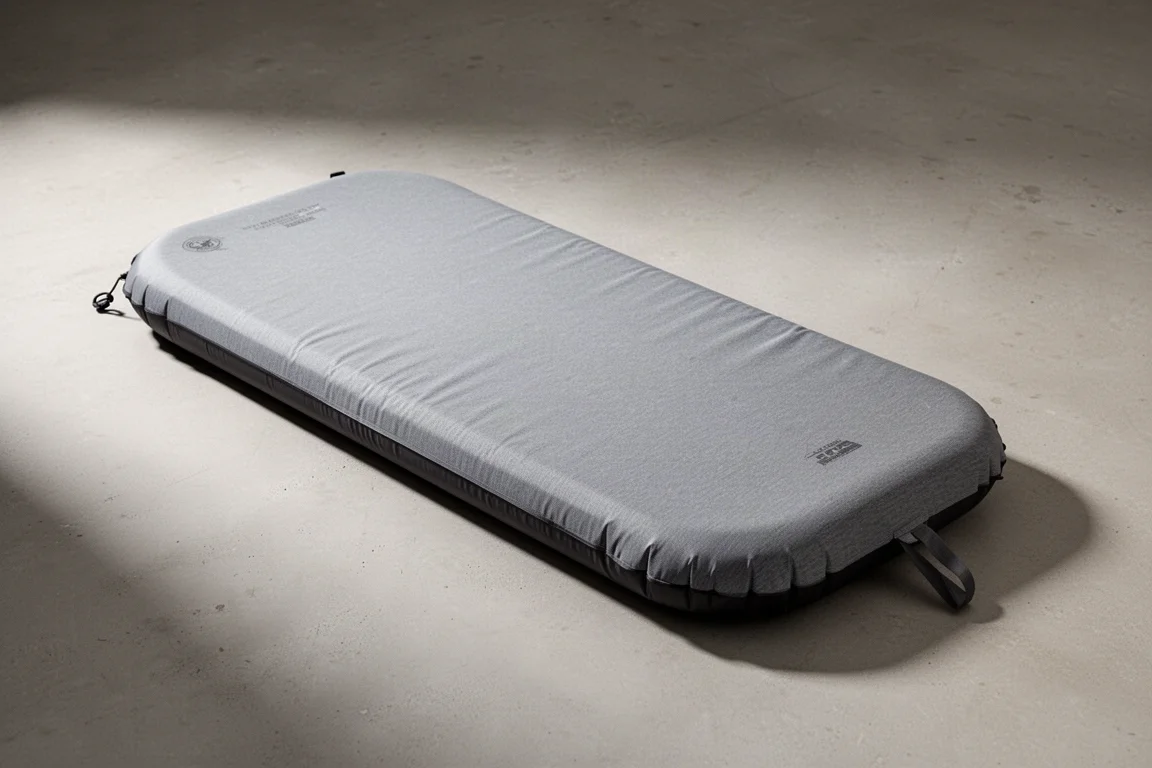
Nemo Roamer XL Sleeping Pad: The Comfort Core
This is the piece that makes the biggest difference. The Roamer XL is an air and foam hybrid: air gives it compactness and firmness, while the foam layer provides support and a soft, cushioned feel. You sink in enough to be comfortable without sinking so far that your back complains in the morning.
The dimensions matter as much as the construction. At 30 inches wide it gives you real room to turn over, and at 4 inches thick it will not bottom out under broader shoulders or wider hips. It is also available in a double-wide size, and two XL pads can be toggled together so they stay in place through the night.
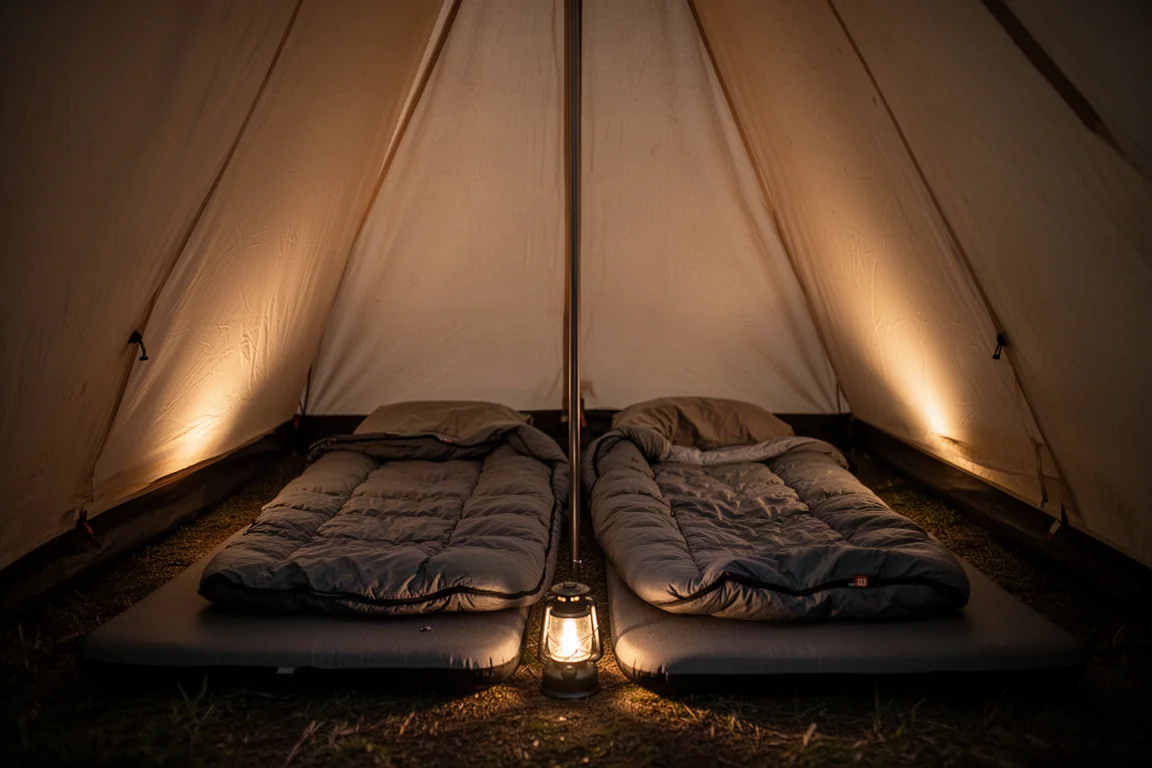
The modularity is a genuine advantage. One pad is enough for a solo trip and saves space in the car; two pads joined make a comfortable shared bed when you are camping together.
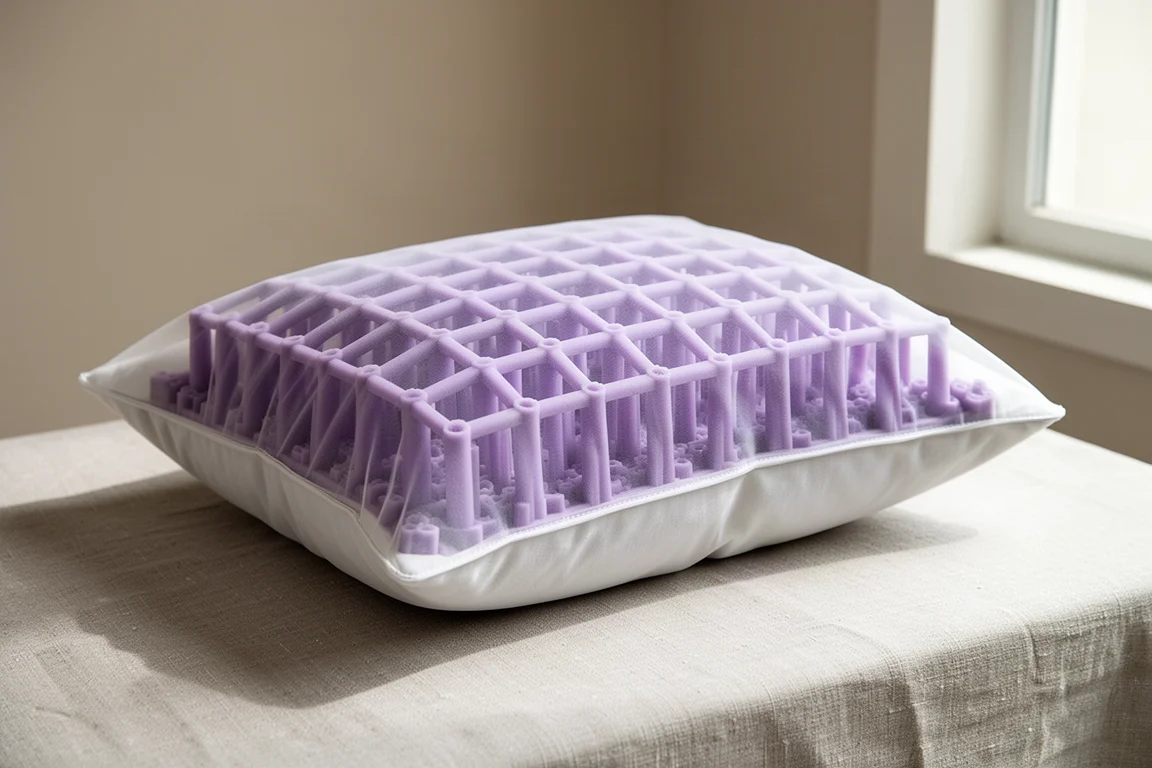
Purple Pillow: Bringing Home Comfort to the Tent
Pillows are where a lot of campers compromise, and it is usually a mistake. This pillow looks unusual, with a grid structure unlike a conventional pillow, but it is highly supportive and comfortable to sleep on.
For car camping there is no reason to leave it behind. It takes up space a backpacker would not spare, but in a car that trade is easy to make, and sleeping on the same pillow you use at home removes one more reason for a bad night in a tent.
Overall Buying Advice
If you only upgrade one thing, upgrade the sleep system. A supportive pad, a pillow you actually like, and a sleeping bag or comforter that locks onto the pad will do more for a trip than any other purchase.
After that, prioritise ventilation and shade, because heat is the hardest thing to manage inside a tent. On warm trips, a portable power station and a solar panel let you run a fan through the night, which makes a real difference to how well you sleep. A power station also lets you bring a CPAP machine from home, which removes a significant barrier for campers with sleep apnea.
Buy gear in the order you will notice it: shelter and sleep first, then cooking and cooling, then the small comforts like bug protection and drinks. That sequence keeps the budget sensible and each purchase useful from the first trip.
Conclusion
You do not need an RV to camp comfortably. A tall, well-ventilated tent, a cooler sized to your group, a simple two-burner stove, and a sleep system built around a supportive pad and a good pillow cover most of what an RV provides, and the whole kit fits in a car trunk. Add a non-alcoholic beer for the evening and a small repellent device for the bugs, and a weekend in a tent starts to look a lot like a comfortable basecamp rather than a compromise.
Further reading
Related Reviews
Camping Gear
3FUL Ultralight Ground Sheet Review: A Two-Person Footprint Worth Packing
A 6.7 oz two-person ground sheet in ripstop silnylon, priced around $30. Here is what it protects, what it does not do, and who should pack it.
Camping Gear
Backcountry Light Dual-Function Tarp and Floor Review: A Footprint First
A dual-purpose tent floor and tarp that keeps falling rain off you, but cannot block wind. Here is where it works and where it does not.
Camping Gear
Best 2-Person Camping Mattresses for Couples: 10 Options Compared
A practical comparison of ten two-person camping mattresses, covering self-inflating pads, air pads and air mattresses for couples.