Camping Gear
Car Camping Comfort Gear: 9 Essentials for a Mobile Basecamp
A family-tested car camping setup built around a roomy tent, insulated sleeping pads, extra roof capacity, and a camp kitchen that packs flat.
Introduction
Most people picture camping at one of two extremes. Either you rough it with minimal gear, or you go the other direction entirely and end up in something closer to a hotel with canvas walls. There is a practical middle ground: a vehicle-based camp that is genuinely comfortable to live in, yet still mobile enough to pack up and move on.
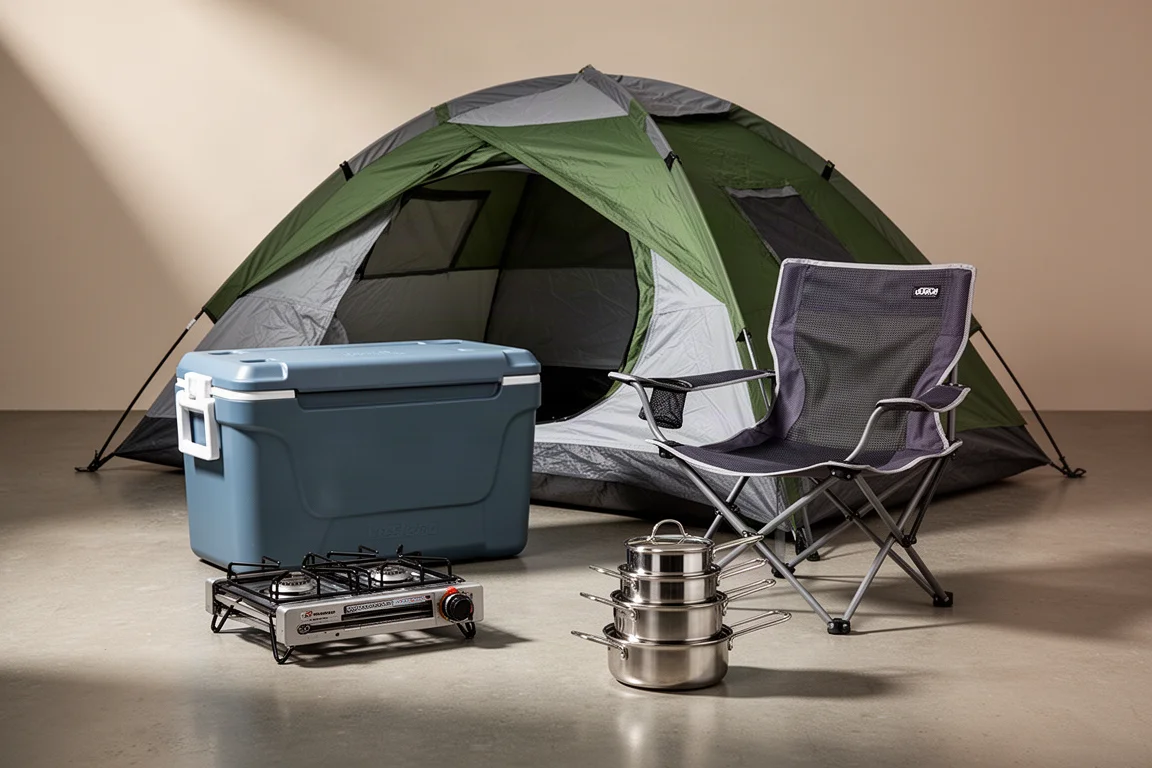
The setup below is built around a family of five and covers the pieces that make the biggest difference day after day: a tent with real living space, sleeping pads that stay warm through the night, extra capacity for bulky gear, and a camp kitchen that stores flat. None of it requires a large truck.
What a Comfortable Car Camping Setup Looks Like
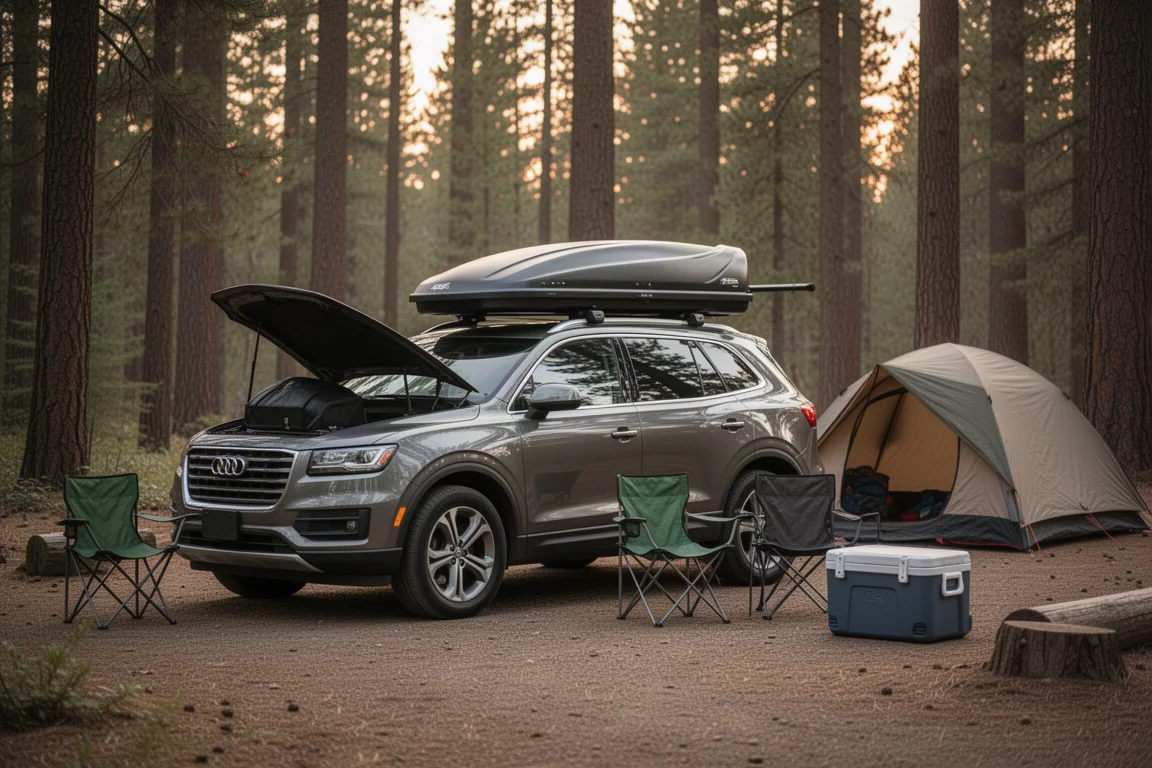
Comfort at camp comes down to a handful of things. Where you sleep matters most, followed by how you carry the gear that will not fit inside the vehicle, where you sit, and how well you eat. Every product below addresses one of those needs, and together they form a system that fits a mid-size SUV without a trailer.
Nemo Aurora 6-Person Tent: Family Space Without the Trailer
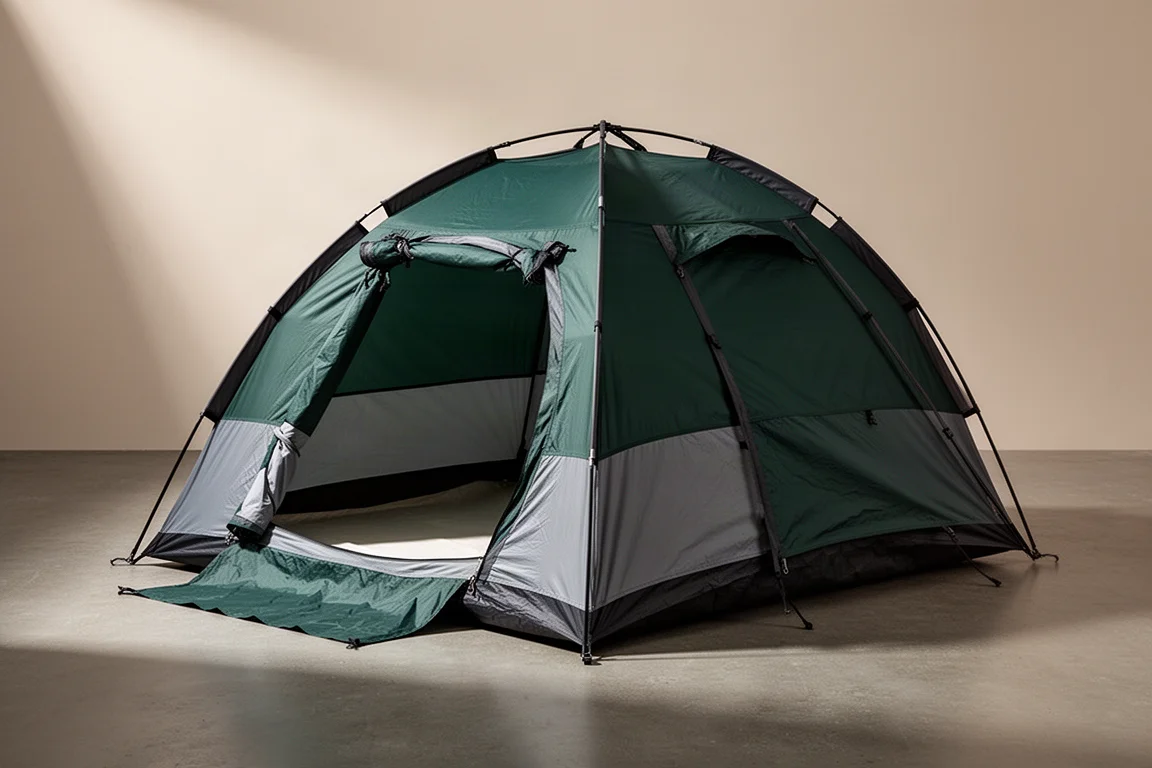
A six-person rating on a tent is usually optimistic, and this one is no exception. Six people works out to roughly 20 inches of width per person, which is tighter than most families would want to live with. A more realistic arrangement is five occupants, and that works best when one of them is a small child. What the extra floor area buys is room for genuinely plush sleeping setups rather than thin backpacking pads.
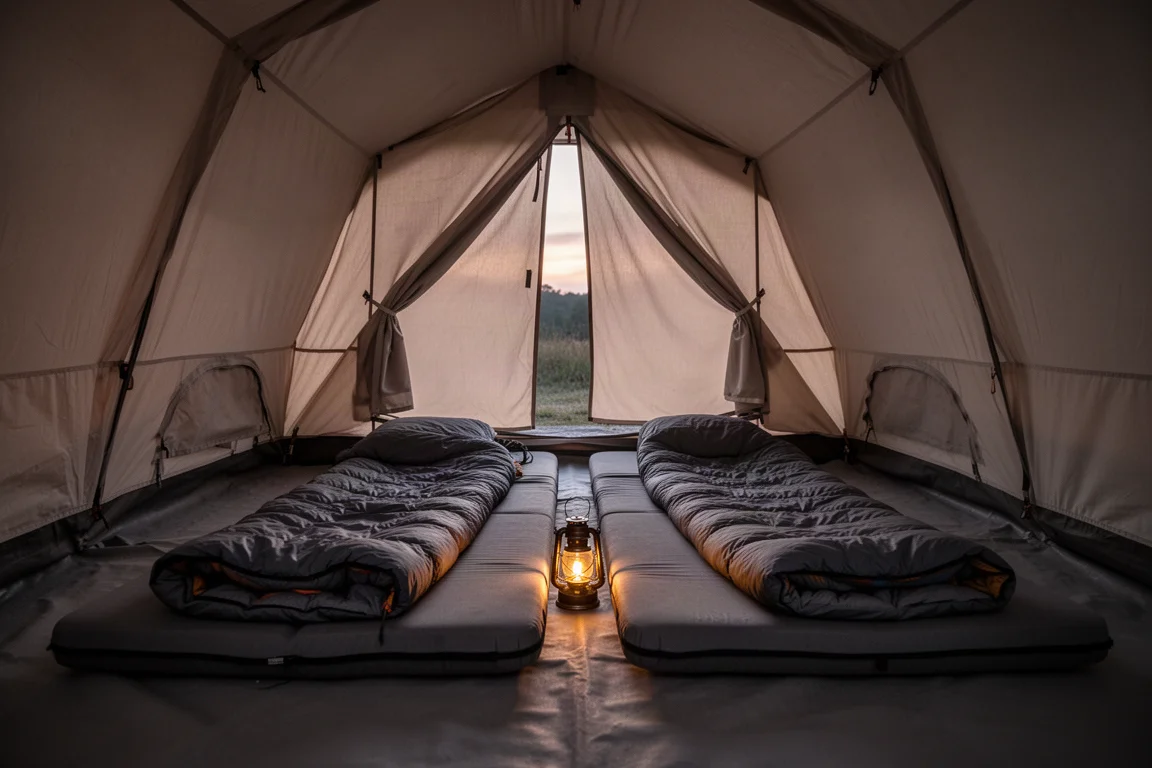
The tent sits comfortably above basic entry-level family models in quality, without the bulk of a cabin-style shelter. For a group that wants space for real bedding and a sleep system that does not have to be crammed in, it is a sensible anchor for the whole setup.
Exped MegaMat Duo: Sleeping Comfort That Stays Warm
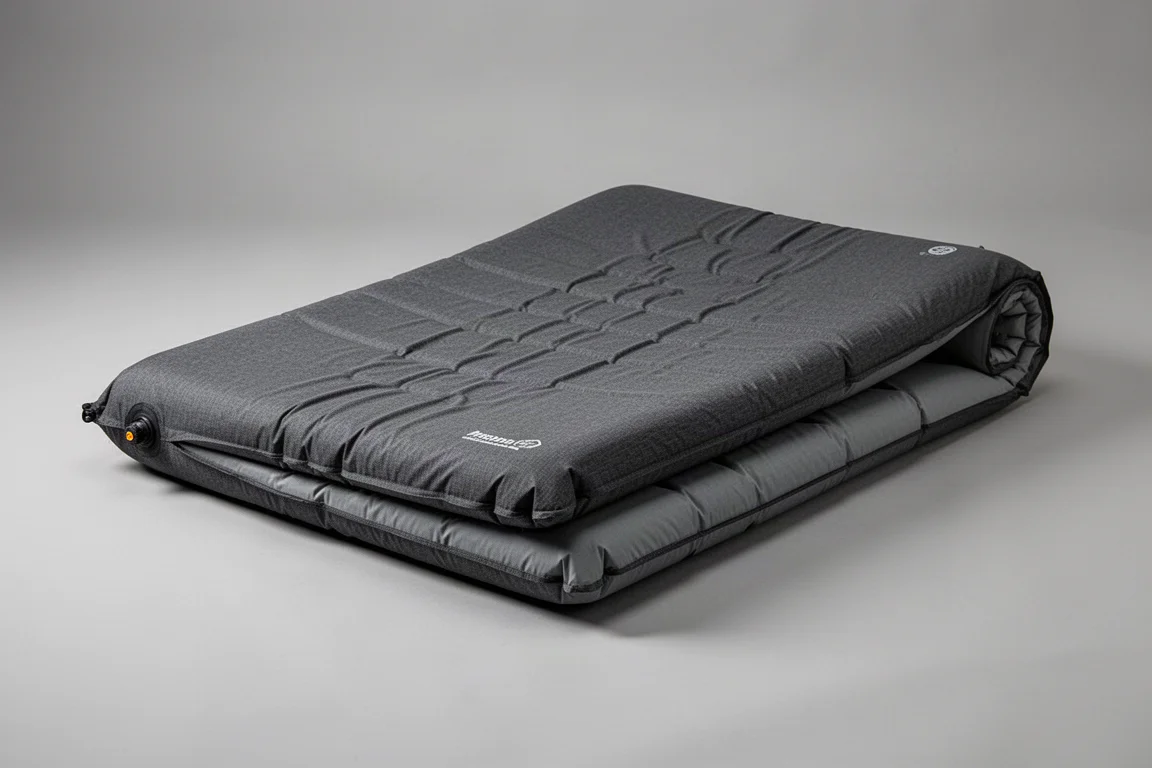
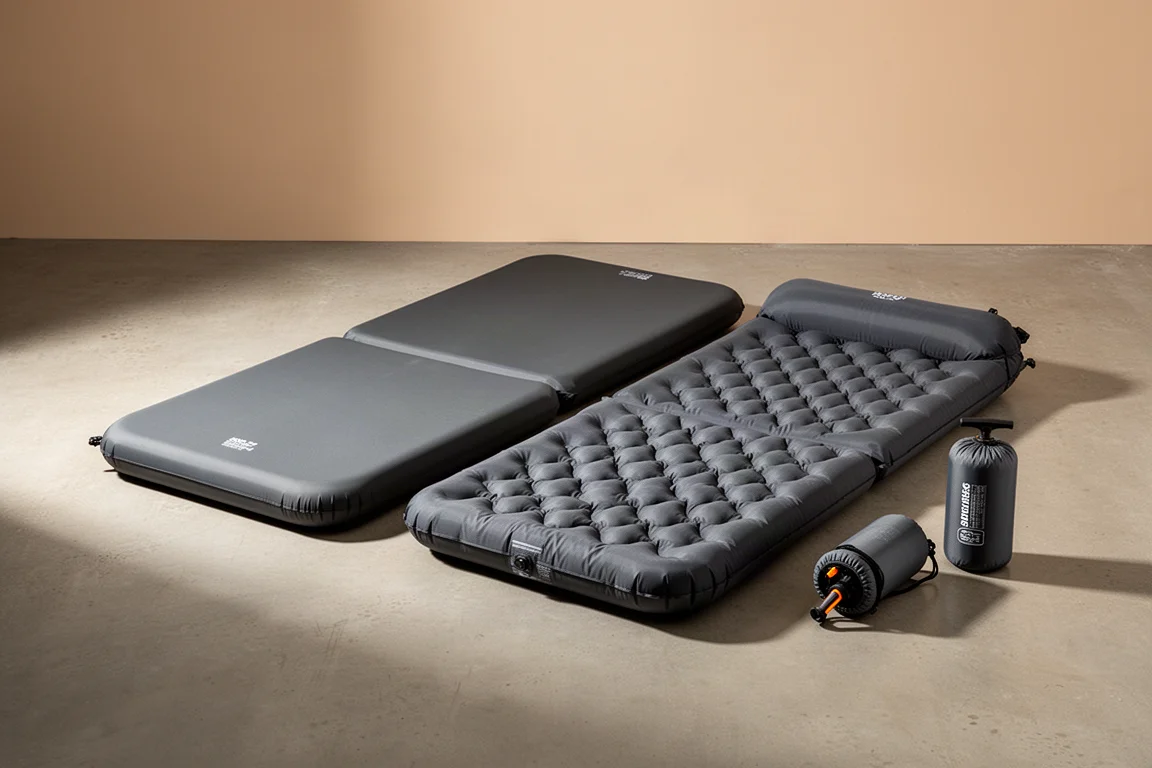
Two MegaMat Duo pads fit side by side inside the tent, and they rank among the most comfortable sleeping pads you can bring to camp. The real advantage over inexpensive inflatable air beds is insulation. Cheap air mattresses offer almost none, which makes them a poor choice in colder camping areas. The MegaMat also isolates movement far better, so one person can shift position during the night without waking the other.
The trade-off is packing. The mats take effort to roll up and store, and they occupy a meaningful amount of space when cargo room is tight. That is the price of the comfort and warmth they deliver.
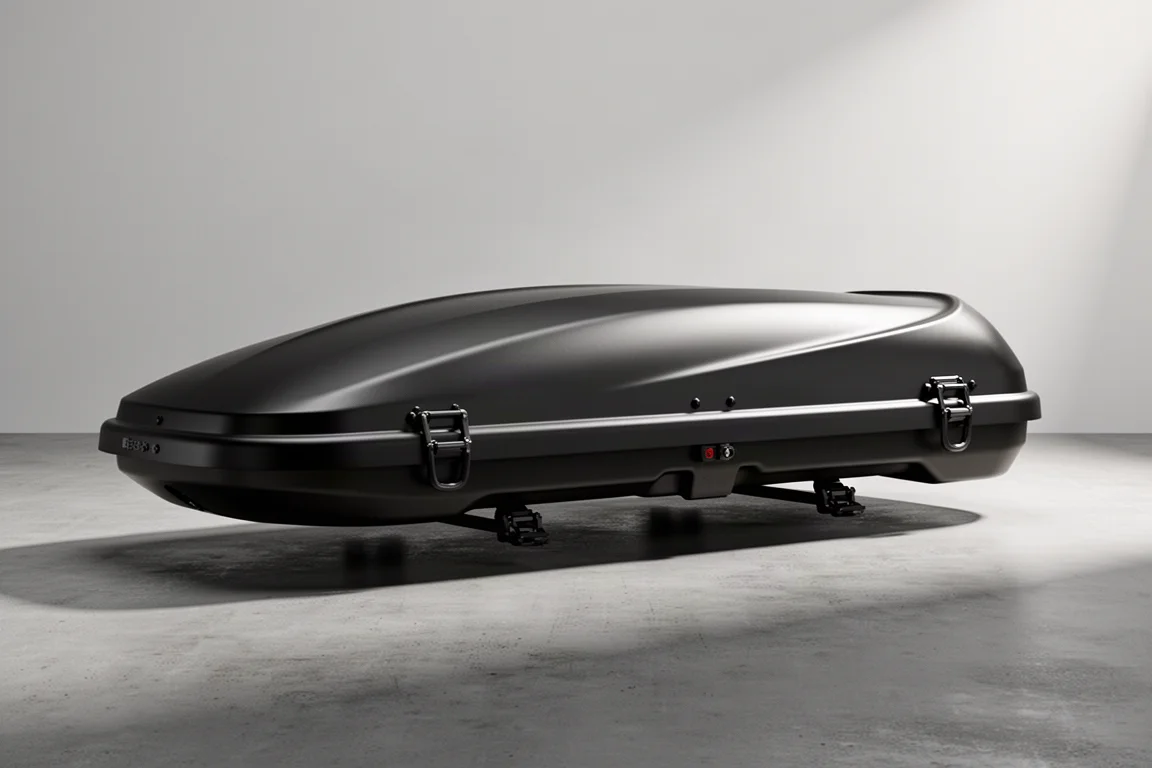
Yakima Skybox 18: Cargo Room That Clears the Hatch
A roof cargo box is what makes a compact setup viable. The Skybox 18 is one of the first designs able to shift far enough forward on the roof to clear a rear hatch, which matters when the tailgate needs to open fully at camp. It opens from both the driver side and the passenger side, so loading does not depend on which side of the vehicle you happen to be standing on. It carries the gear you do not need during the drive, including the tent, sleeping pads, bags, and chairs.
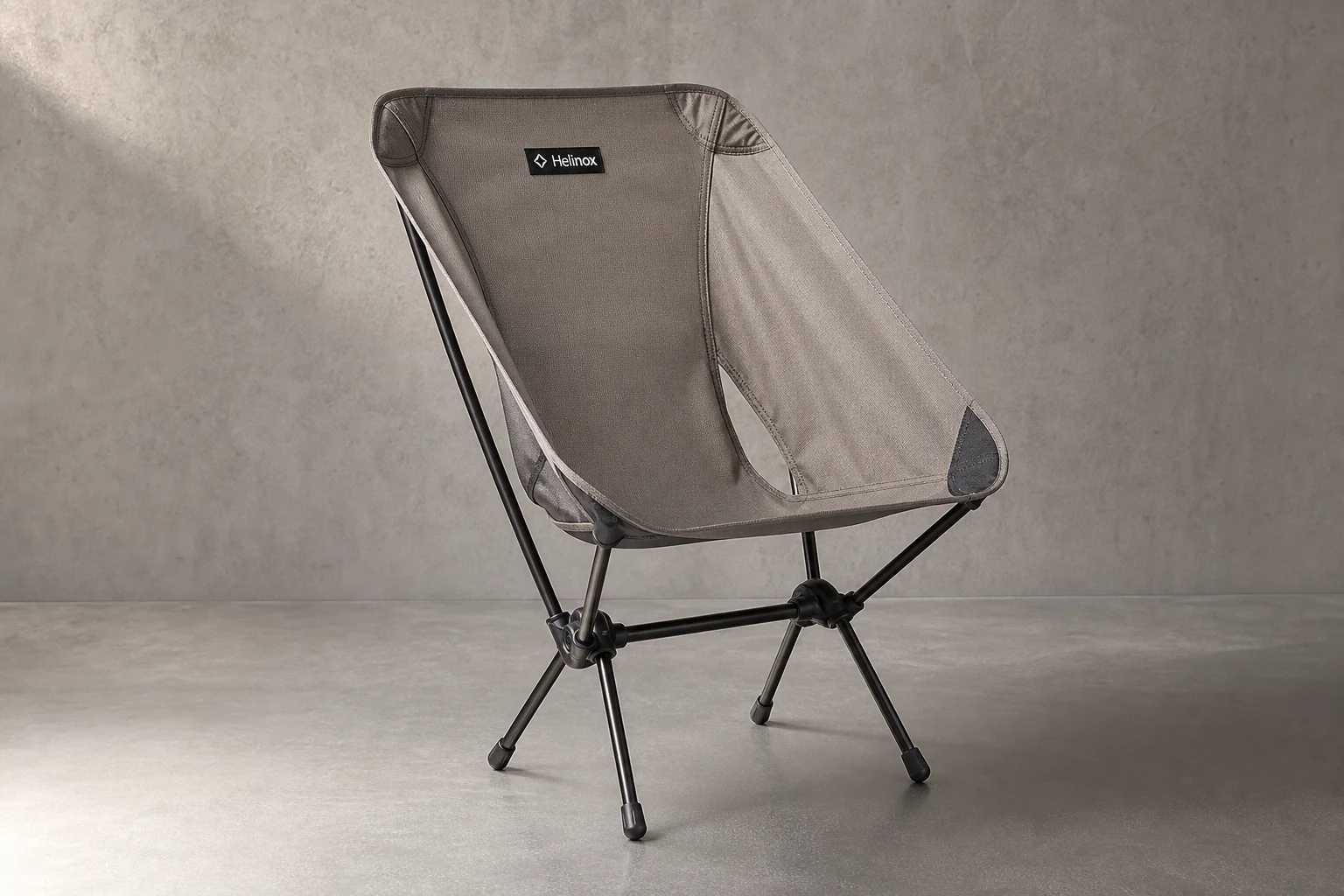
Helinox Chair Zero: A Camp Chair That Travels Anywhere
The Chair Zero is a packable chair that goes on nearly every trip, including backpacking ones. When the vehicle is doing the heavy lifting, bulkier reclining chairs come along instead, since their shock-corded backs allow a more relaxed seated position. The Chair Zero earns its place by being the option that always fits, whether it goes into a pack or fills a small gap in the cargo area.
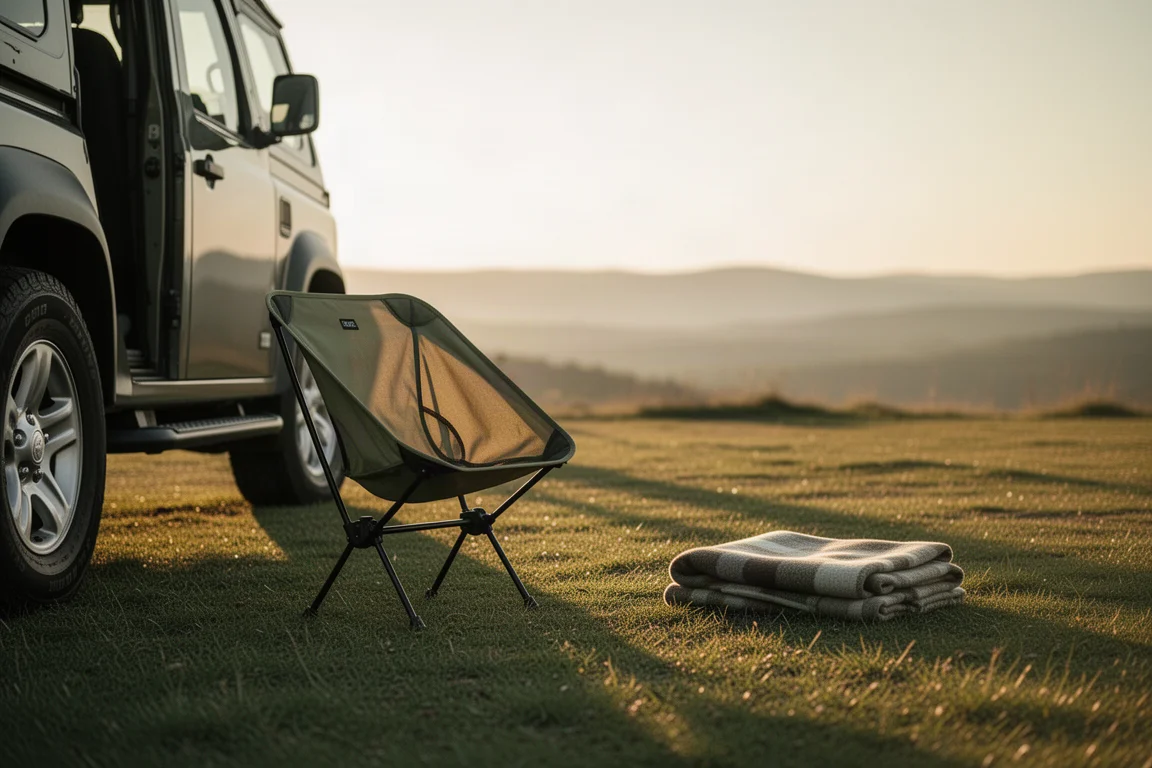
For car camping specifically, it works best as a travel or secondary chair rather than the main seat around the fire, where a larger reclining model is more comfortable.
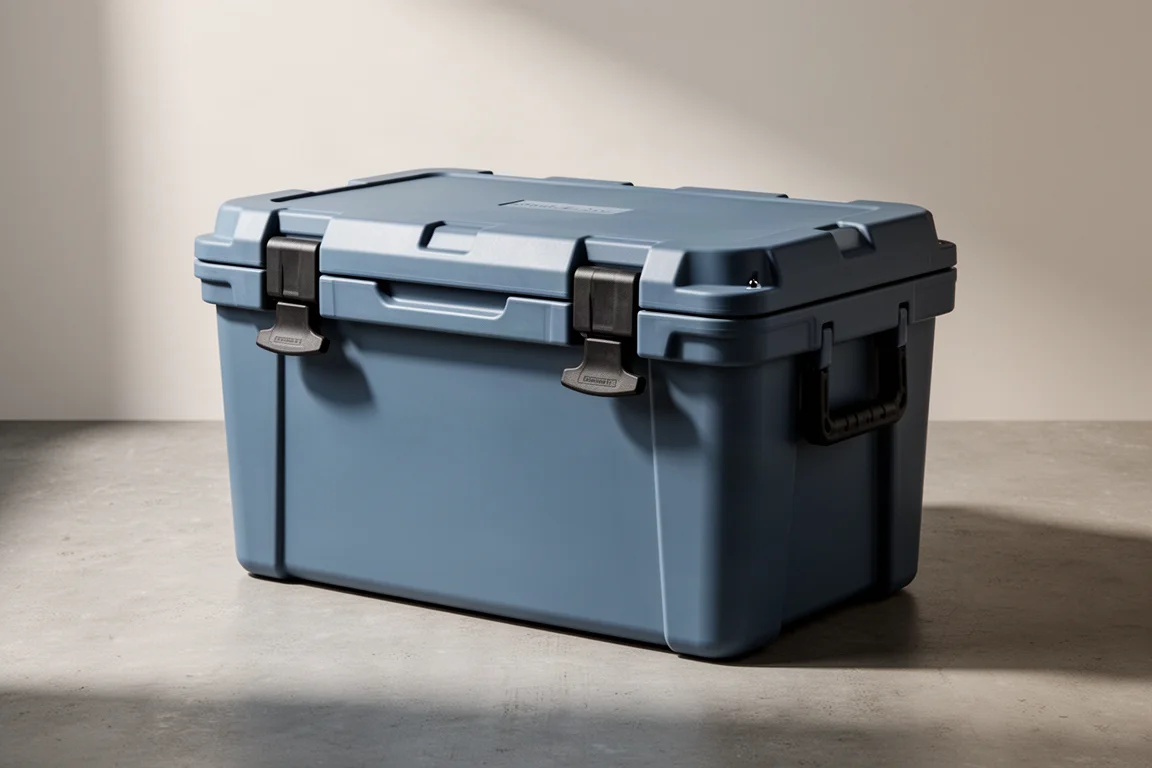
Moosejaw 55L Cooler: Ice Retention That Extends the Trip
The 55-liter cooler fits neatly into the back of a mid-size SUV and keeps ice and food cold for days at a time. Ice retention is the limiting factor on trip length for most campers. Needing to refill ice roughly once a day caps how long you can stay out, while a cooler that holds ice for three to four days removes that constraint almost entirely. The construction is heavy and built to take abuse.
GSI Pinnacle Pro Stove: A Two-Burner That Packs Flat
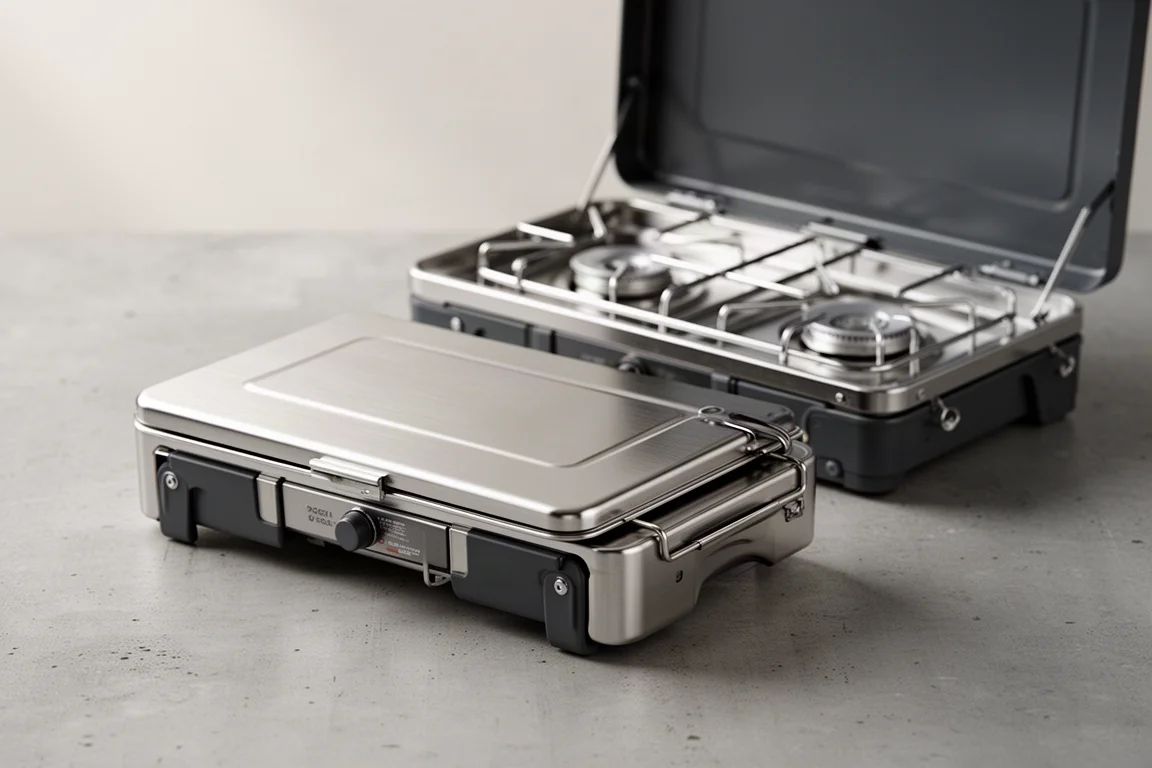
A two-burner stove is what turns a campsite into a proper kitchen. The Pinnacle Pro collapses to roughly an inch thick, which matters even when a vehicle is doing the carrying, since space is never truly unlimited. It stores neatly between storage boxes and the cooler. The design is also one of the sleekest-looking two-burner stoves you will find.
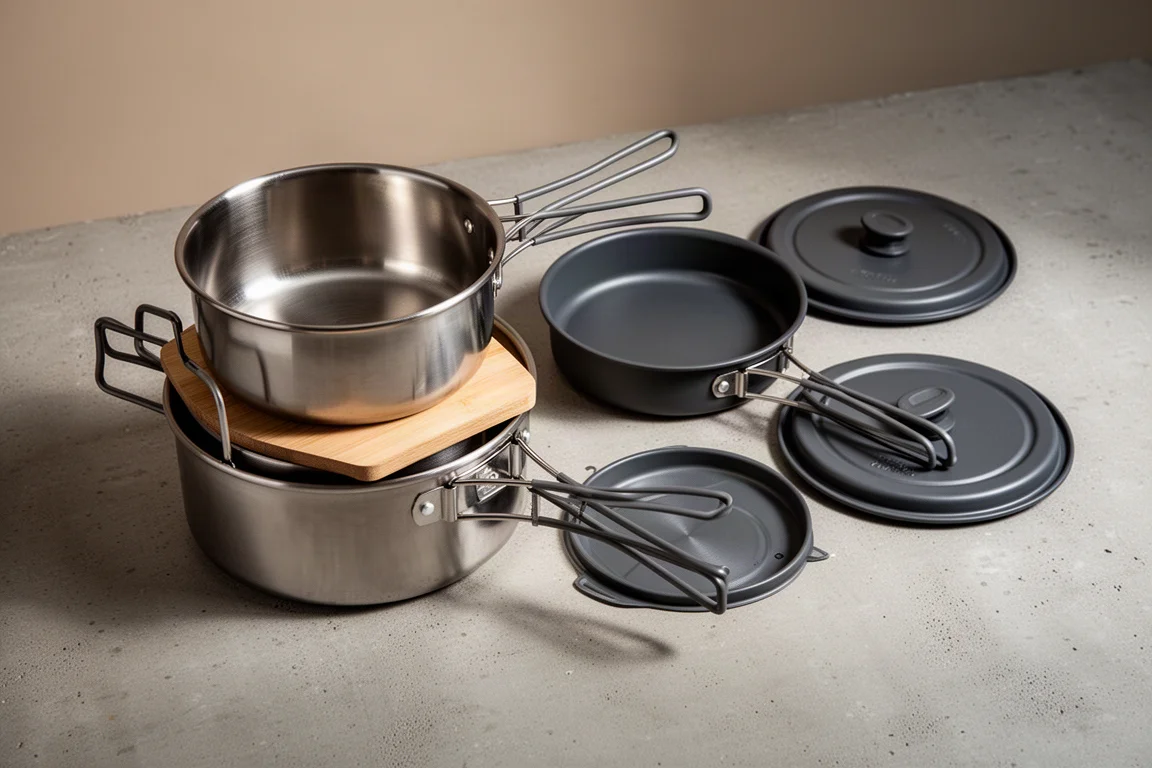
GSI Pinnacle Pro Cook Set: A Kitchen That Nests Into Itself
The cook set’s defining feature is how completely it nests. The large pot fits inside the sink, and the small pot fits inside the large pot with a small cutting board separating the two. The small lid goes in next, then the pan, then the large lid, and the whole assembly drops into a kitchen box. That stacking sequence is what keeps an entire camp kitchen inside one compact container.
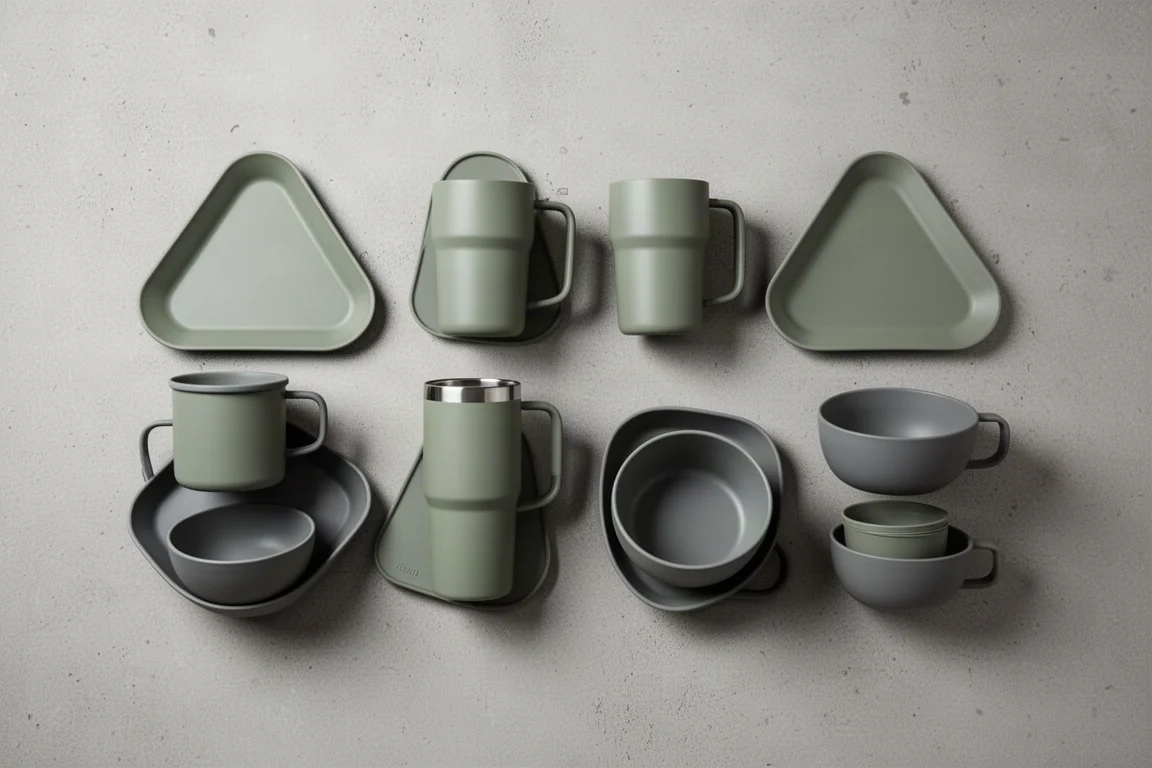
GSI Pinnacle Pro Dish Set: Tableware Sized for Four
The dish set includes four plates, four insulated mugs, and four bowl-and-cup combinations. The triangular plate shape is admittedly unusual, but it is exactly what allows the set to nest inside the small pot of the cook set, which keeps the tableware with the rest of the kitchen instead of scattered loose in the vehicle.
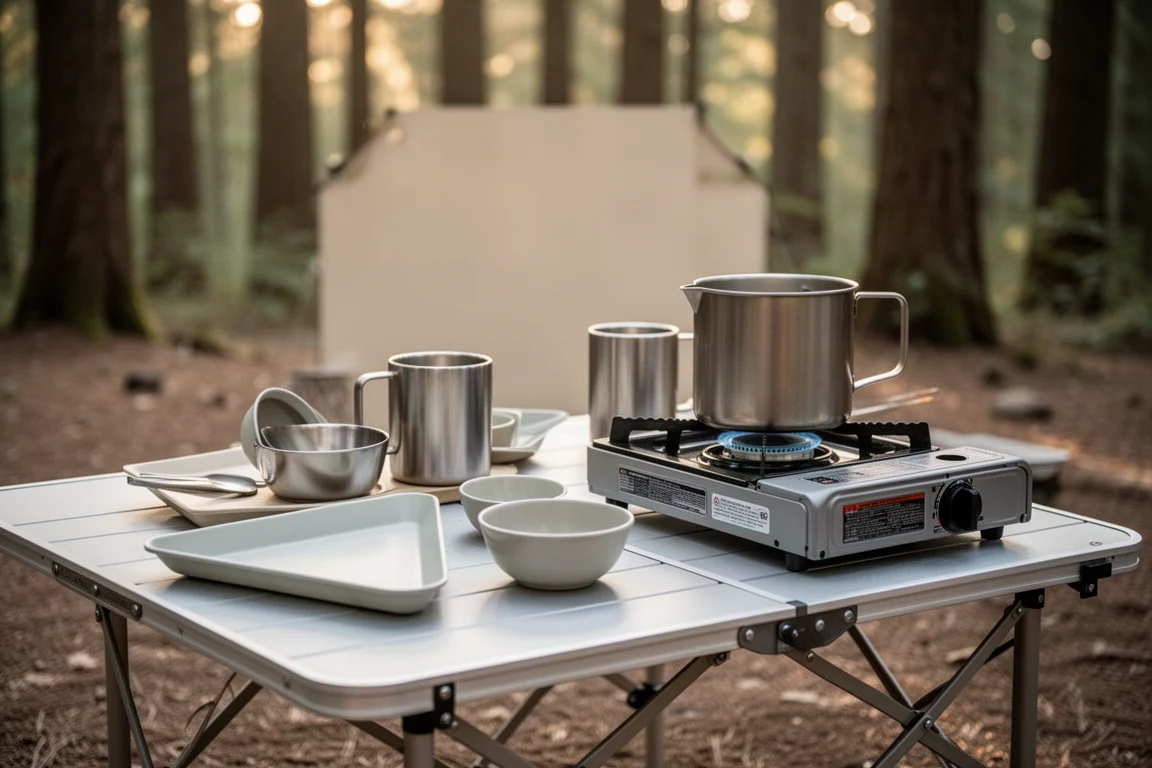
Having tableware that fits the cook set precisely means fewer loose items shifting around in the kitchen box, and one less thing to search for when dinner is ready.
Full Windsor Magware Cutlery Set: Reusable Utensils for the Kitchen Box
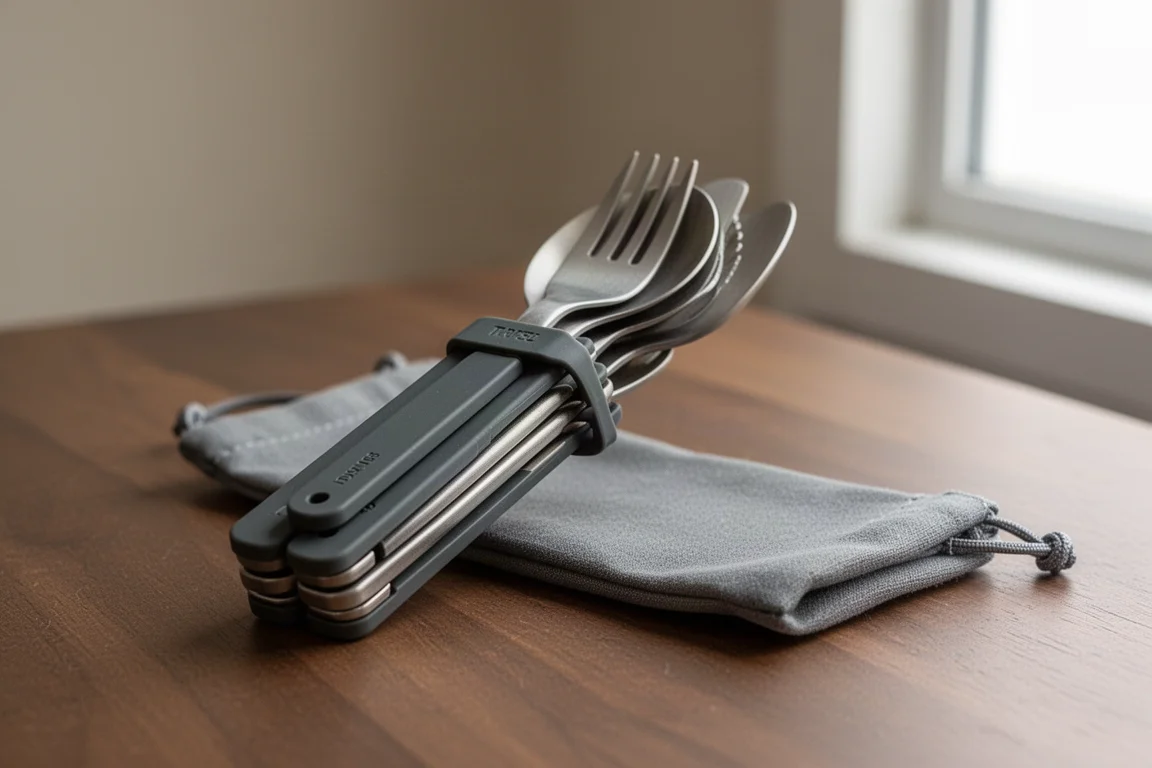
Reusable cutlery rounds out the kitchen. The Magware sets from Full Windsor live in the same kitchen box as the miscellaneous utensils, so everything needed for a meal stays in one place. Choosing reusable utensils over disposables also means less restocking between trips and less to pack out afterwards.
How to Choose the Right Camp Comfort Gear
Start with sleep. A tent that comfortably holds one fewer person than its rating, paired with insulated sleeping pads, solves the largest comfort problem at camp before anything else is considered. Then look at capacity. A roof box frees the interior for the cooler, the kitchen, and the people riding in the vehicle.
From there, prioritize the kitchen, since good food does more for camp morale than any other single item. Packability matters throughout: flat-folding stoves, nesting cookware, and stackable tableware keep a full camp kitchen inside a single box. Finally, match the gear to how you travel. Items that pack small earn a place on every trip, while bulkier comfort items are worth bringing when the vehicle carries the load.
Conclusion
This setup is not about luxury for its own sake. Each piece solves a specific problem: space inside the tent, warmth and stability in bed, capacity on the roof, and a kitchen that stores flat. Together they make a mobile camp that a family can live in comfortably for an extended road trip, not just a weekend.
Further reading
Related Reviews
Camping Gear
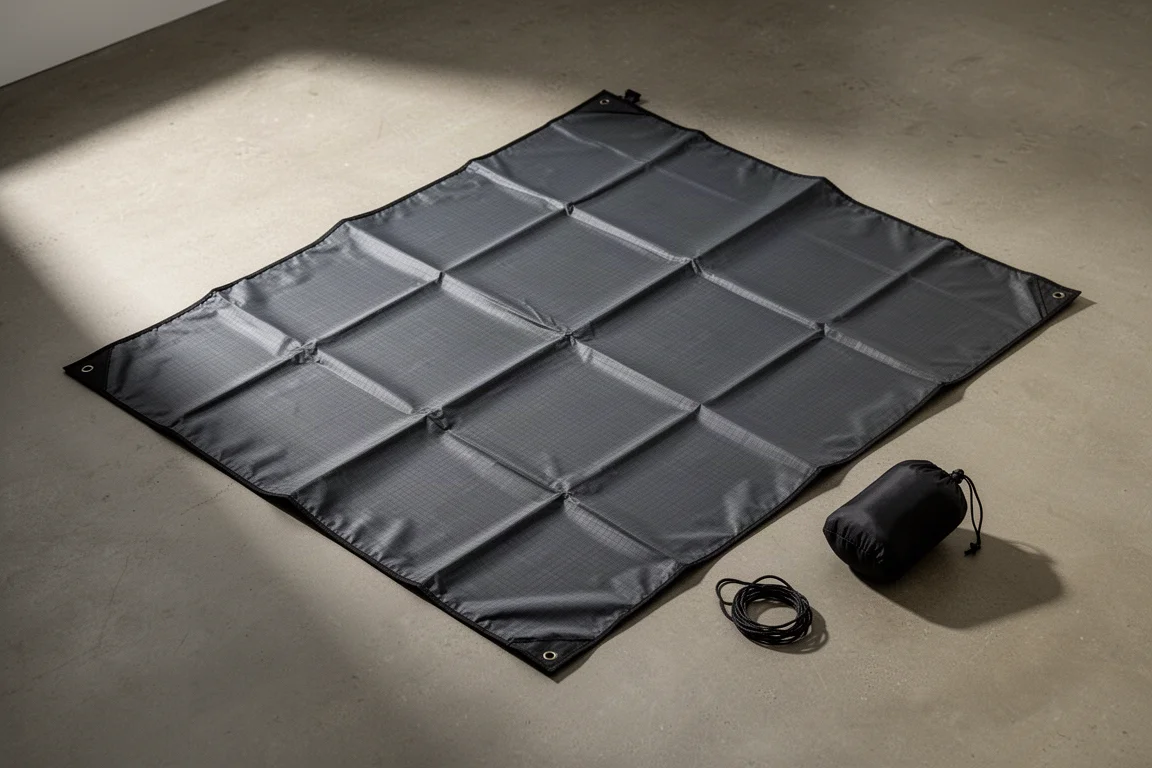
3FUL Ultralight Ground Sheet Review: A Two-Person Footprint Worth Packing
A 6.7 oz two-person ground sheet in ripstop silnylon, priced around $30. Here is what it protects, what it does not do, and who should pack it.
Camping Gear
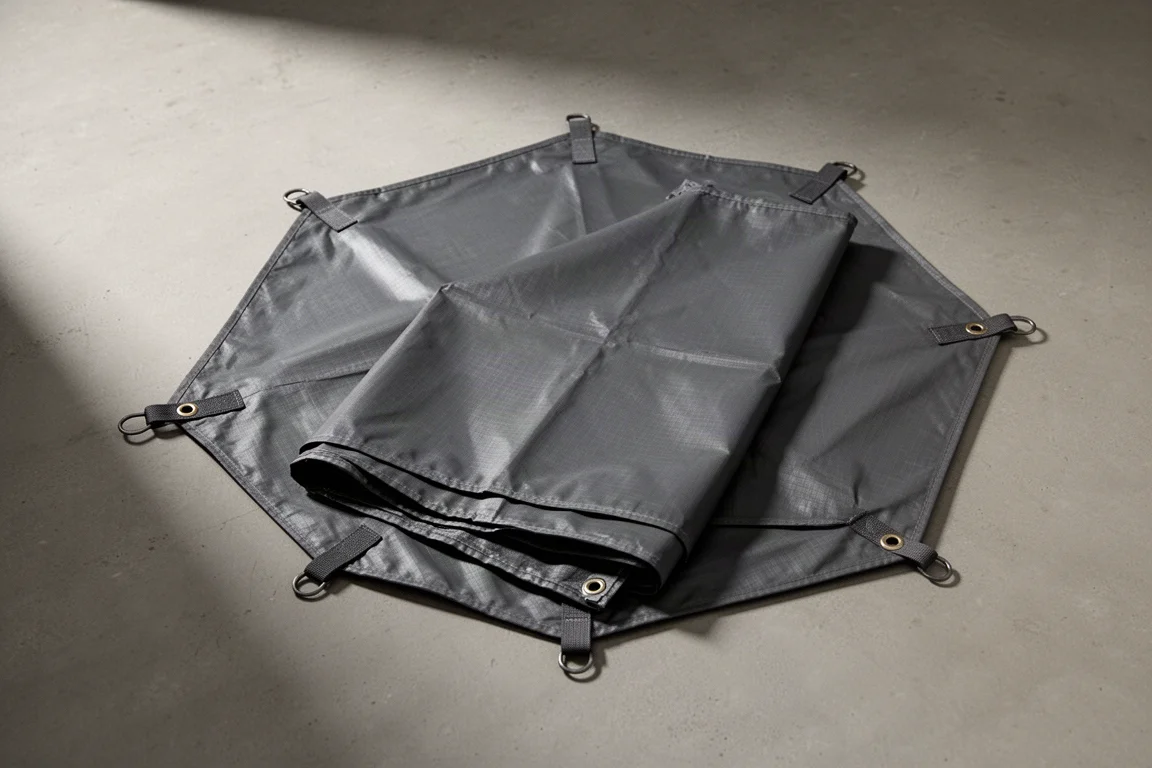
Backcountry Light Dual-Function Tarp and Floor Review: A Footprint First
A dual-purpose tent floor and tarp that keeps falling rain off you, but cannot block wind. Here is where it works and where it does not.
Camping Gear
Best 2-Person Camping Mattresses for Couples: 10 Options Compared
A practical comparison of ten two-person camping mattresses, covering self-inflating pads, air pads and air mattresses for couples.