Snowboards
Capita Scott Stevens Pro Review: A Playful Jib-Focused Park Snowboard
A close look at the Capita Scott Stevens Pro, a flat-to-rocker park snowboard built for jibbing, buttering, and small to medium features.
Introduction
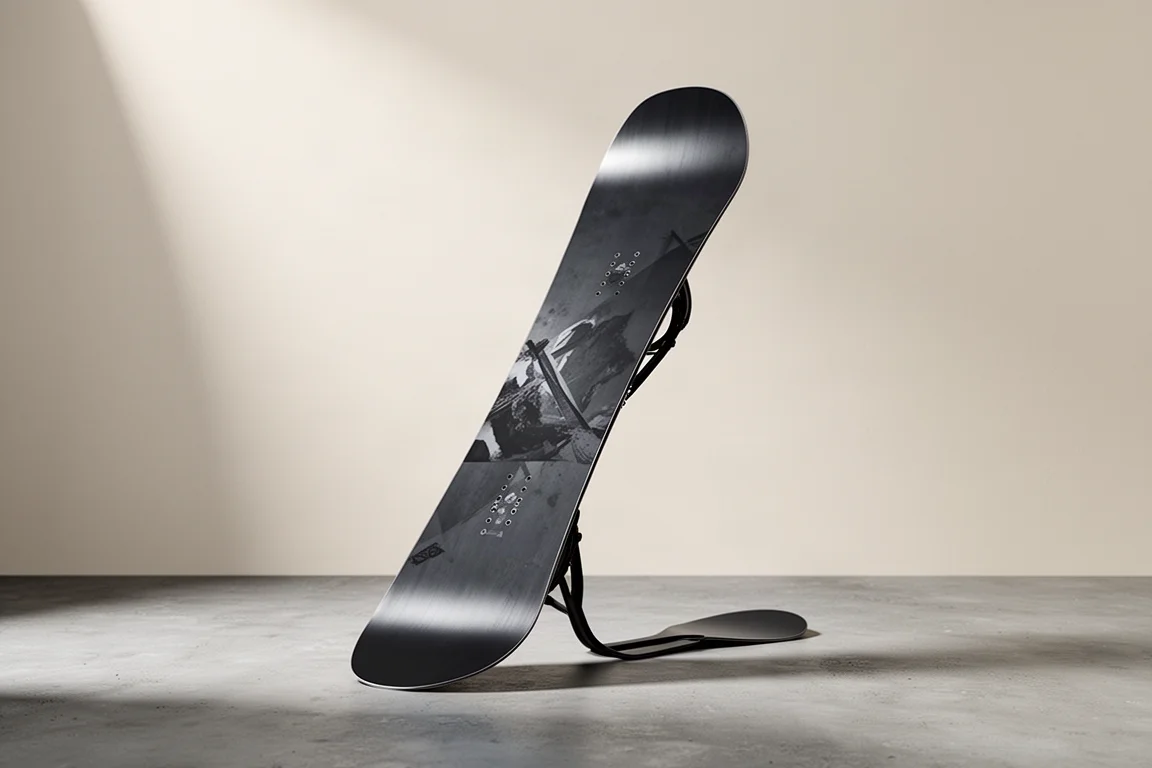
The Capita Scott Stevens Pro is a park and freestyle snowboard built on the Camber Park V2 profile. That profile is flat from insert to insert, then rocks up through the tip and tail. The flat section underfoot provides a stable platform, while the rockered ends handle turn entry and exit, add float in powder, and act as the launch point for pop.
The board comes in 151, 153, 155, and 157 cm. It is a pro model with a park-oriented flex that sits just below a middle-of-the-road park flex, so it rides loose and playful rather than stiff and demanding.
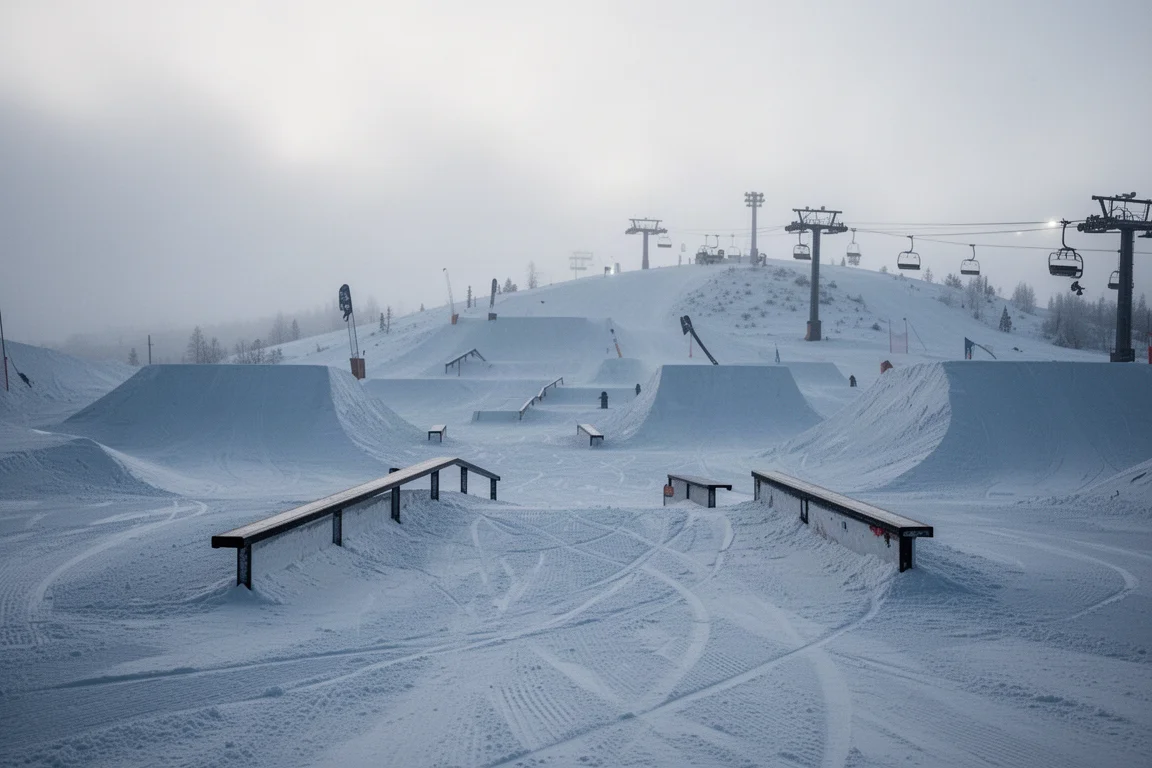
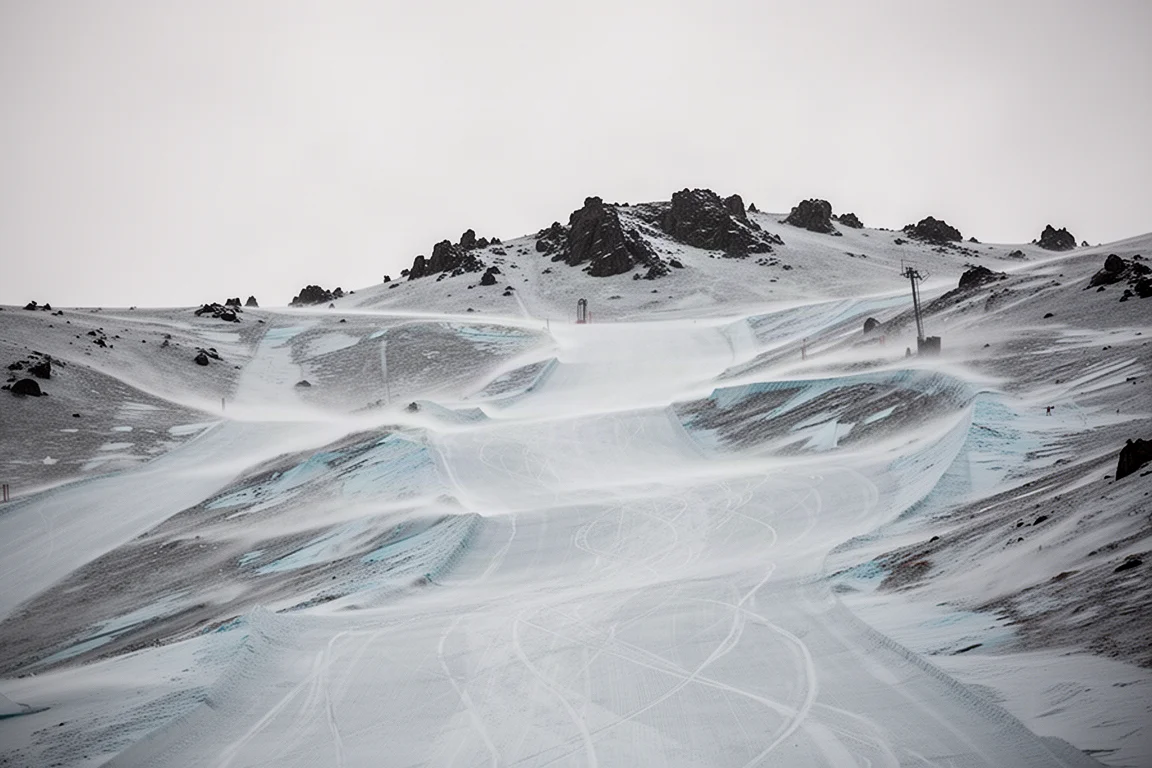
Test conditions were firm and fast: overcast skies, high winds with a serious wind chill, icy frozen chunder, and firm corduroy. That is a useful mix for understanding how the flex behaves and how much vibration reaches the rider through rough snow.
Who This Product Is for
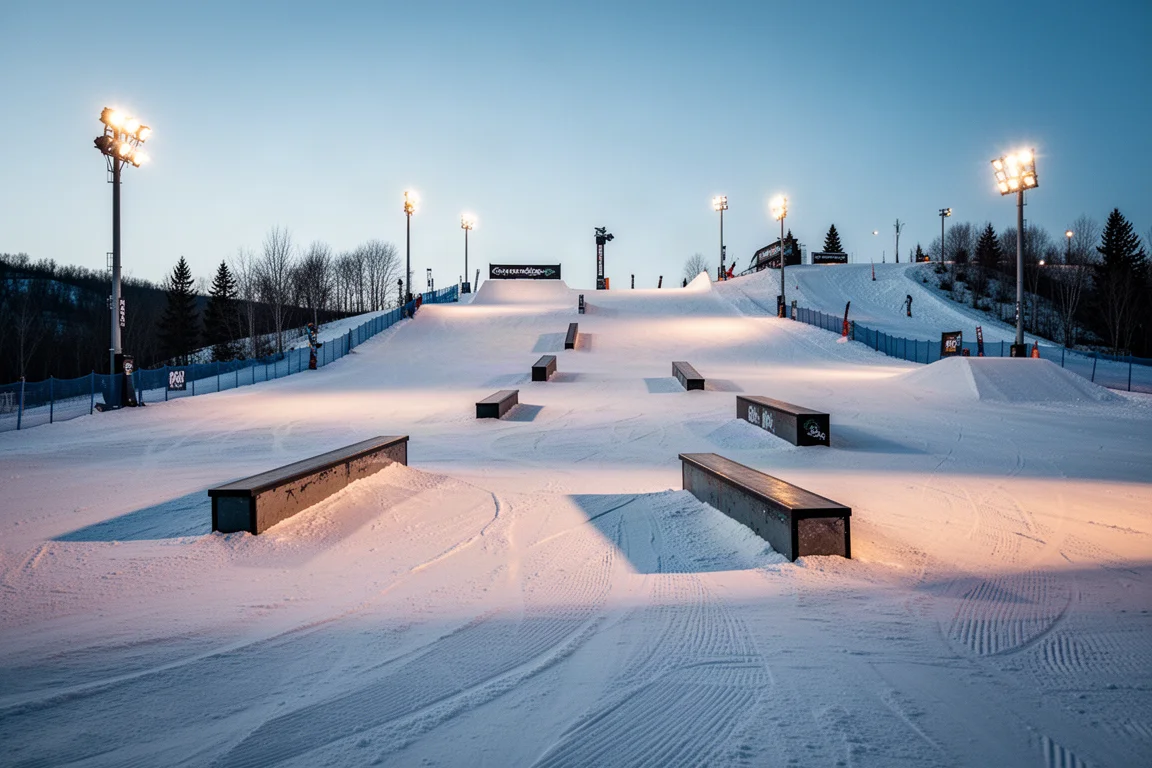
This is a jib-focused park board. Riders who spend their laps on rails, boxes, and low features will find the flex and the rockered tips work in their favor, because presses lock in without a fight and the board stays predictable whether you are sliding slowly, at medium speed, or at speed.
It is also a natural fit for freestyle riders who want to butter, press, and get creative on small and medium features. It is not aimed at riders who want a stiff, heavily damped charger for high-speed runs or a dedicated deck for large jump lines. On anything bigger than small to medium features, you need to be fully committed and precise.
Main Strengths
The defining strength is how the flex and profile combine for a skate-like pop. Because the board is flat underfoot and rockered in the ends, you do not have to load it up to get energy out of it. Pop activates right outside the back insert pack: roll back, put weight on the rocker, and the board springs. It is not the snappiest deck on the market and it is not designed to be, but there is enough there to pop onto a rail, ollie over a skier, or boost a side hit.
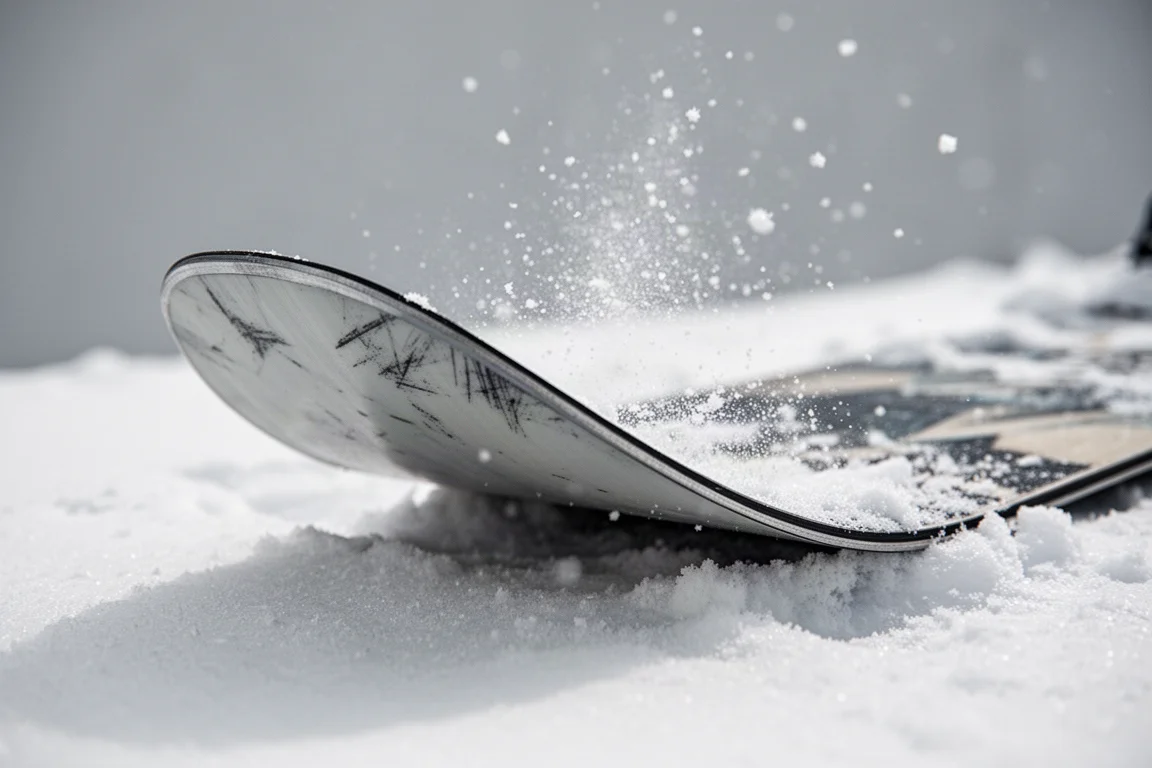
Buttering and jibbing are where this board genuinely shines. The rocker sections in the nose and tail pair with a slightly softer flex, so you can roll into a nose press or a tail press and stay locked in without the board fighting you or feeling hooky. Any butter variation is on the table. The same holds for jibbing: nose and tail presses lock in, there is a little bit of snap when you engage a feature so you can pop out of the end of it, and when you get sideways through the center section the flex helps the board hug the feature instead of sliding out. Slow, medium, and high speed jibbing all work.
Ride Feel and Carving
At speed the story changes. There is a lot of torsional flex in this board, and you will feel chatter in the nose that resonates back underfoot as micro vibrations. In rough, run-out terrain it gets knocked around, though keeping your knees bent keeps you on top of it. Stability is concentrated from insert pack to insert pack, and even then it is not exceptionally stable. It is enough for laps in the park or on a small hill.
Carving on the Scott Stevens Pro is smooth and fluid rather than quick and nimble. Do not expect fast turn initiation. Expect a fluid transition from toe to heel and back. The board steers more underfoot because of the camber profile and the looser overall feel. Short, tight carves and medium, mellow carves are its strong suit. You can lay into a deep carve, but understand that the board can be overpowered: push too hard at the apex and the tail can fold or the board can kick out. Riders who respect that limit will have no trouble driving it.
Compared with how this board rode a few seasons back, the current flex feels slightly stiffer and a touch more damped. It is not a dramatic change and it does not make the deck any less of a jib board, but it does add a little stability through the insert pack while the tip and tail stay playful.
Things to Consider Before Buying
The main trade-offs are speed and stability. If you want a board that stays composed when you point it down a firm, chopped runout, this is not that board. Chatter in the nose and the soft torsional flex mean rough terrain asks for active input from your legs, and the platform is at its most settled between the inserts rather than out at the contact points.
Jump size is the other consideration. Small to medium features are where the board stands out, and that is where the pop and the flex make the most sense. Larger jumps demand commitment and clean landings, so riders who spend most of their time on big lines should look at something stiffer. Deep carves are worth approaching with restraint too, since the tail can fold when the board is pushed hard at the apex.
Setup and Comparable Boards
For bindings, the board pairs well with mid-flex freestyle options. Union Contact Pro, Burton Malavida, and Rome Vice are all sensible matches for this flex pattern. They support the loose, playful character of the deck without adding stiffness it does not need.
If you are cross-shopping, boards with a similar brief include the Rome Gangplank, the K2 World Peace, and the Battalion Wall-E. They sit in comparable territory for jib-focused, freestyle riding, so it is worth reading up on all of them before committing.
Buying Advice
If your riding is centered on park laps, presses, butters, and jibs on small to medium features, the Scott Stevens Pro is an easy board to feel good about. It rewards a relaxed, playful style and stays predictable at the speeds those features require. The four-length range, 151, 153, 155, and 157 cm, gives most riders a workable fit.
Riders who split their time between park and aggressive all-mountain charging should weigh the stability limits carefully. The board can be ridden at speed and carved hard, but it asks for clean technique and a willingness to stay light on your feet. If your priority is a damp, planted ride for big terrain, a stiffer deck will serve you better.
Conclusion
The Capita Scott Stevens Pro is a specialist, and it is honest about what it does well. The flat-to-rocker Camber Park V2 profile, the softer rockered tips, and the slightly firmer insert pack add up to a board that butters and jibs with very little effort while still holding together well enough for park riding and moderate carves. Keep it on small and medium features, stay on top of it in choppy snow, and it delivers a playful, skate-like feel that is genuinely fun to ride.
Product link
View more details for Capita Scott Stevens Pro
This product is mentioned in the review. Check the specifications, options, and compatibility before buying.
View more details for Capita Scott Stevens ProFurther reading
Related Reviews
Snowboards
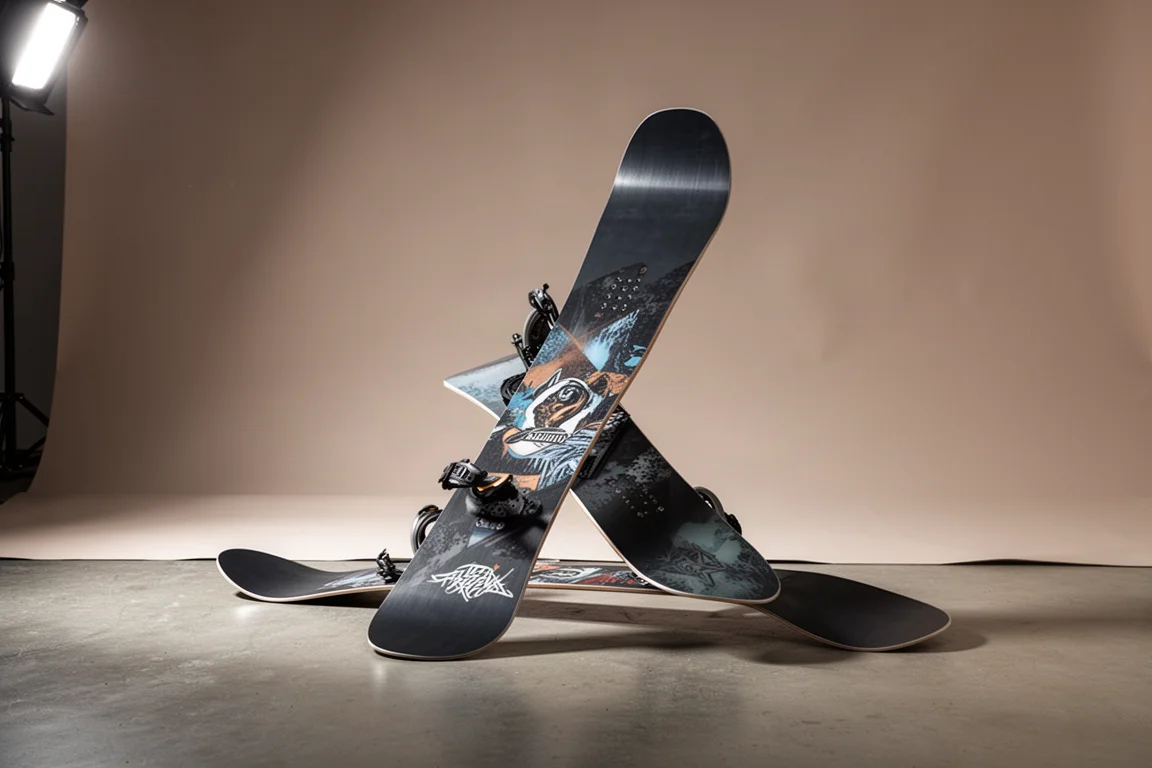
32 Middle Earth Scott Stevens Pro Model Snowboard Review: A Park Board With a Reversed Flex
A medium traditional camber park board with carbon V reinforcement that is stiffer in the tips and more playful between the feet. Here is how it rides and who it suits.
Snowboards
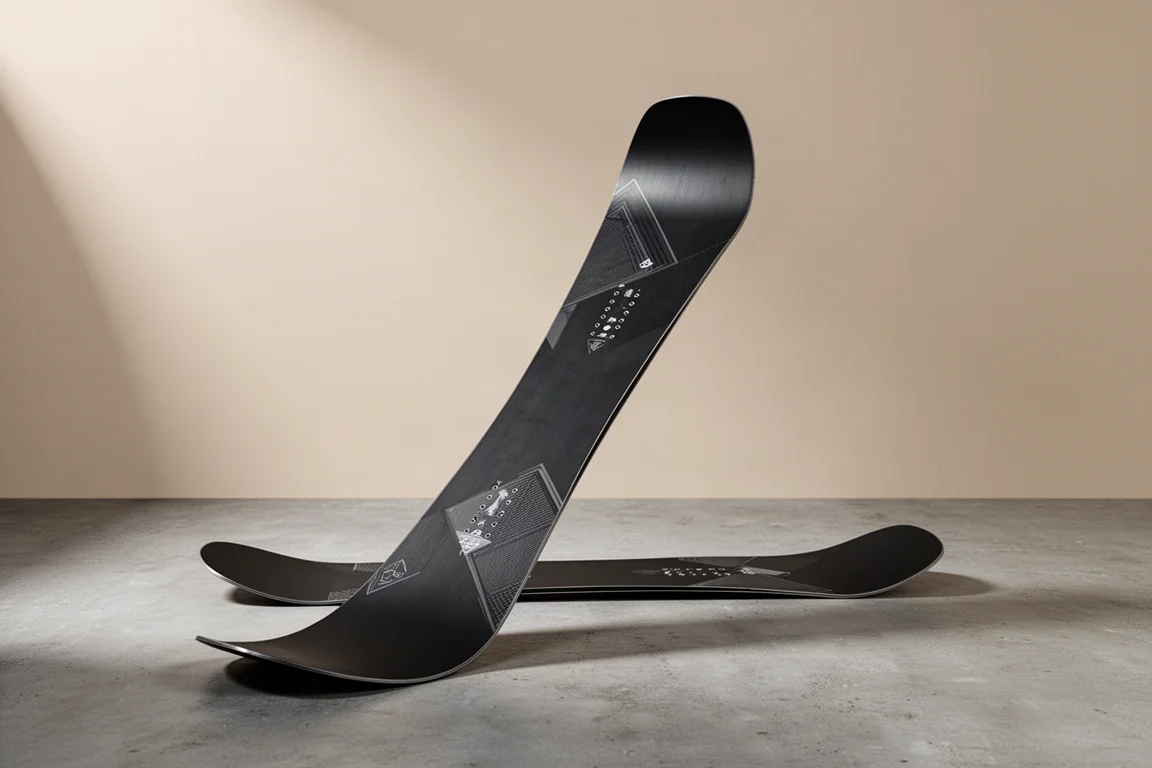
32 Snafu Review: A Directional All-Mountain Freestyle Board with Serious Pop
The 32 Snafu pairs a directional camber-rocker profile with a stiffening tail for powerful carves, big ollies, and a surprisingly damp ride.
Snowboards
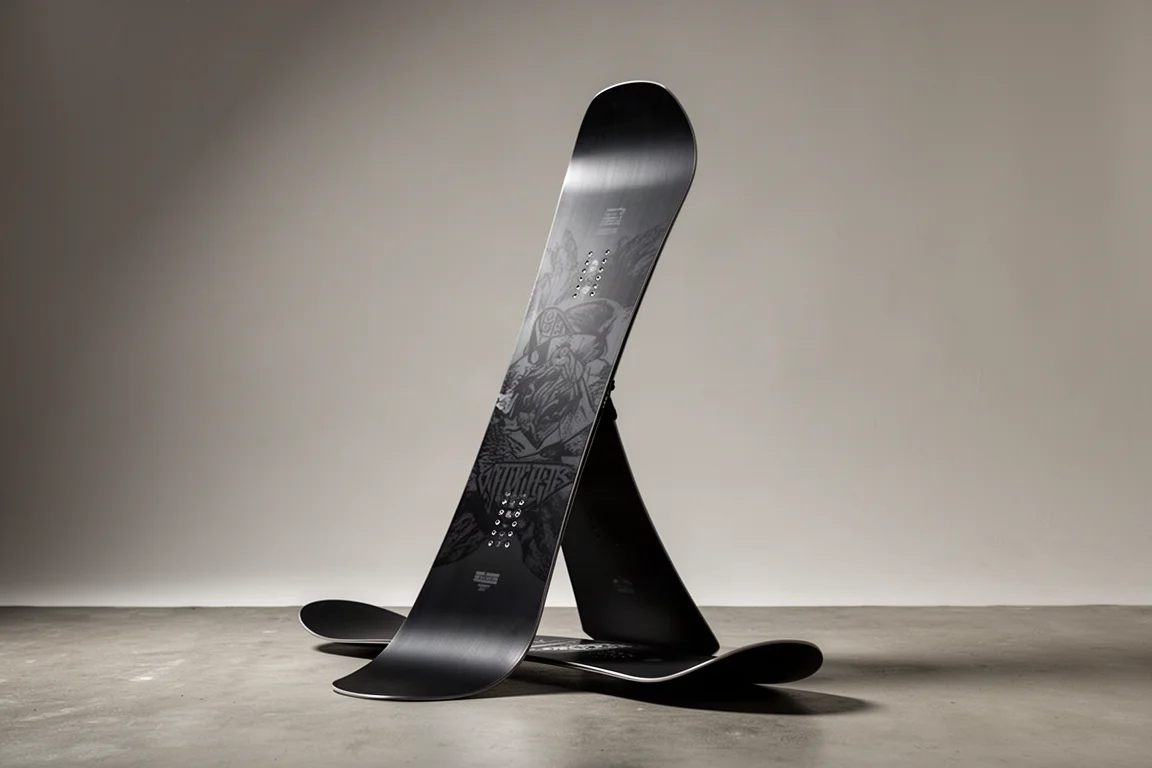
32 XXX Pat Fava Pro Snowboard Review: A Stiff Camber Beast for Hard-Charging Riders
A full-width traditional camber deck that rewards aggression with stability and edge power, but demands effort everywhere else.