Snowboards
Capita Indoor Survival Review: A Freestyle Board With Serious Pop
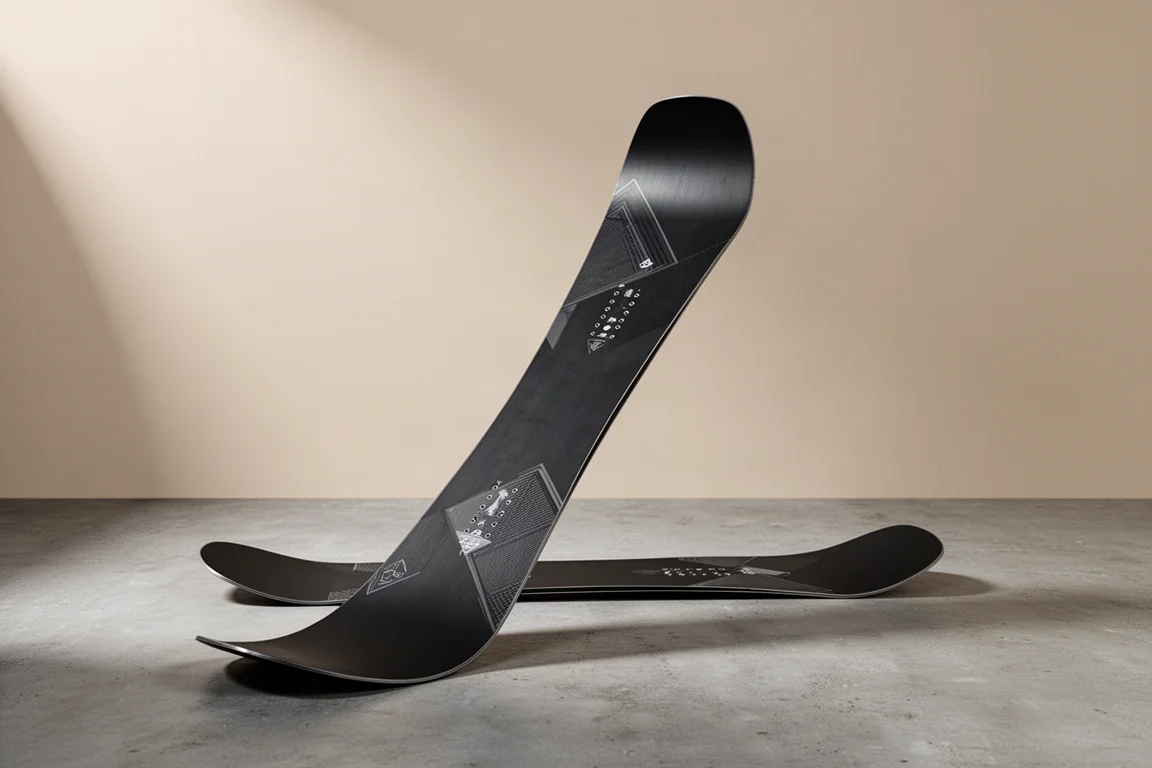
Traditional camber mellowed with a flat section gives the Capita Indoor Survival a big sweet spot, huge rebound, and all-mountain freestyle appeal.
Introduction
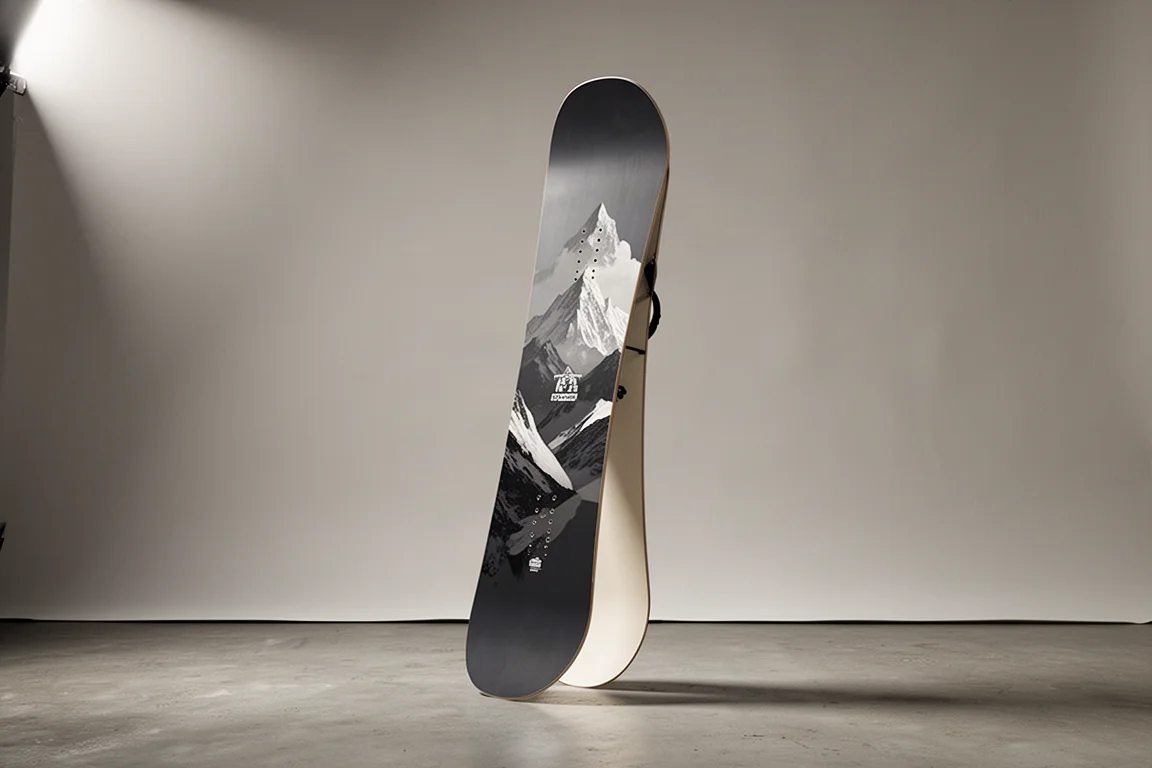
Some boards feel like they were built for one specific job, and others feel like they just want to ride everything with you. The Capita Indoor Survival falls firmly in the second camp. It pairs traditional camber with a flat section near the tip and tail, creating a freestyle deck that loads up with energy, releases it in big bursts, and still gives you room to press and play. After a full day on it, it was genuinely hard to put down.
Camber Profile Explained
The Indoor Survival uses Capita’s Resort V1 Plus flat kick technology. In practice, that means traditional camber that mellows into a flat section about four centimeters before the up kick in the tip and tail. The camber zone delivers all the load, pop, snap, and drive you’d expect, while the flat section adds a bit of extra edge grip and a big sweet spot in the nose and tail for pressing and playing around. It is a clever compromise that keeps the energetic feel of camber without making presses a fight.
Riding Experience and Test Conditions
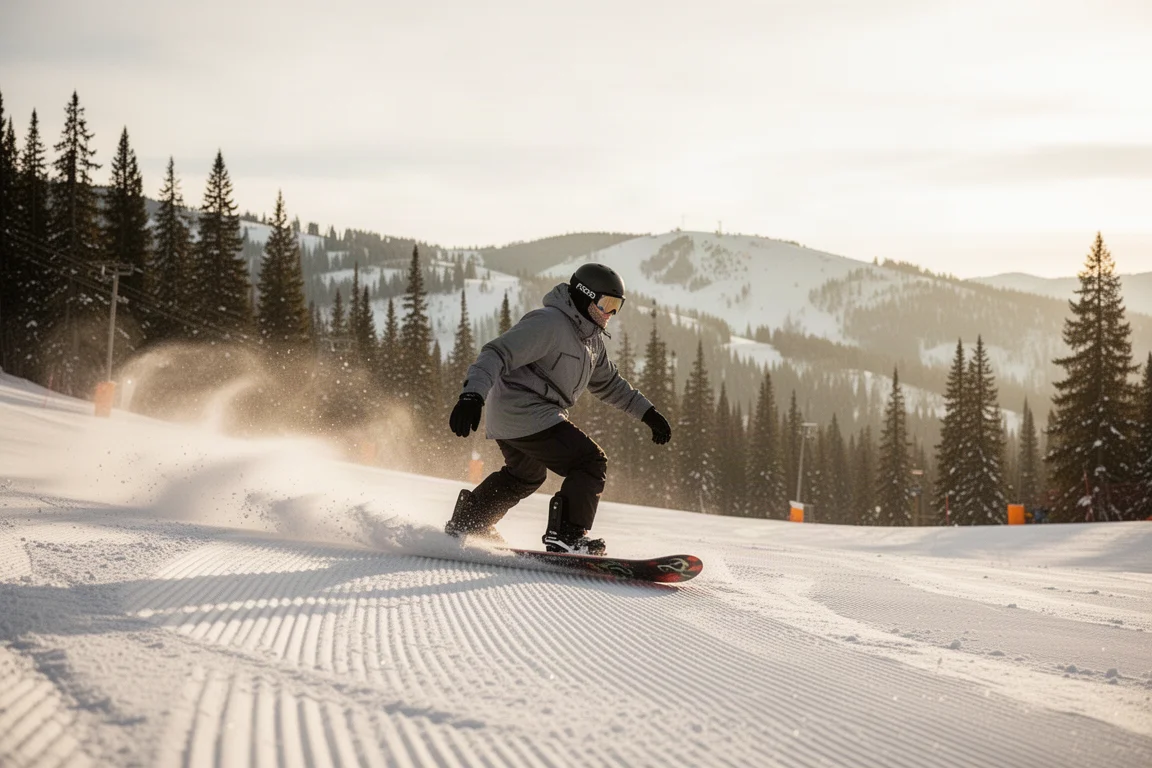
The board was ridden at Copper Mountain on a sunny bluebird day, with a proper mix of conditions: chop, slush, high winds, chunder, and perfect corduroy. The flex pattern is a standard park setup, with softer tips, a stiffer midsection, and a moderate amount of torsional flex. What really stands out is the rebound. Even with more flex in the nose, loading the board up produces a powerful kick back out of it, so what you put in comes back doubled.
As a park board, it is stable for what it is. In super choppy runout terrain, if you are not keeping your knees bent and you are just mobbing, you will get bucked around, and there is a little chatter in the tips that slightly resonates underfoot.
Pop, Rebound, and Butters
This board pops. When you load the camber section, you can feel the rebound building, and that little flat section you press into just adds more spring. It is not aggressive to load up, but there is a ton of power coming back out. On jumps, small, medium, or large, it pops off the lip and handles the landing without complaint.
The sweet spot sits right where the camber meets the flat section. Hit that zone for nose or tail butters, and you feel the board flex and then rebound. It does not necessarily fight you, but it is there, easy to engage and pop out of if you know how to butter. If you do not know how to butter, it is time to learn, especially on a traditional camber board.

Jibs and Rails
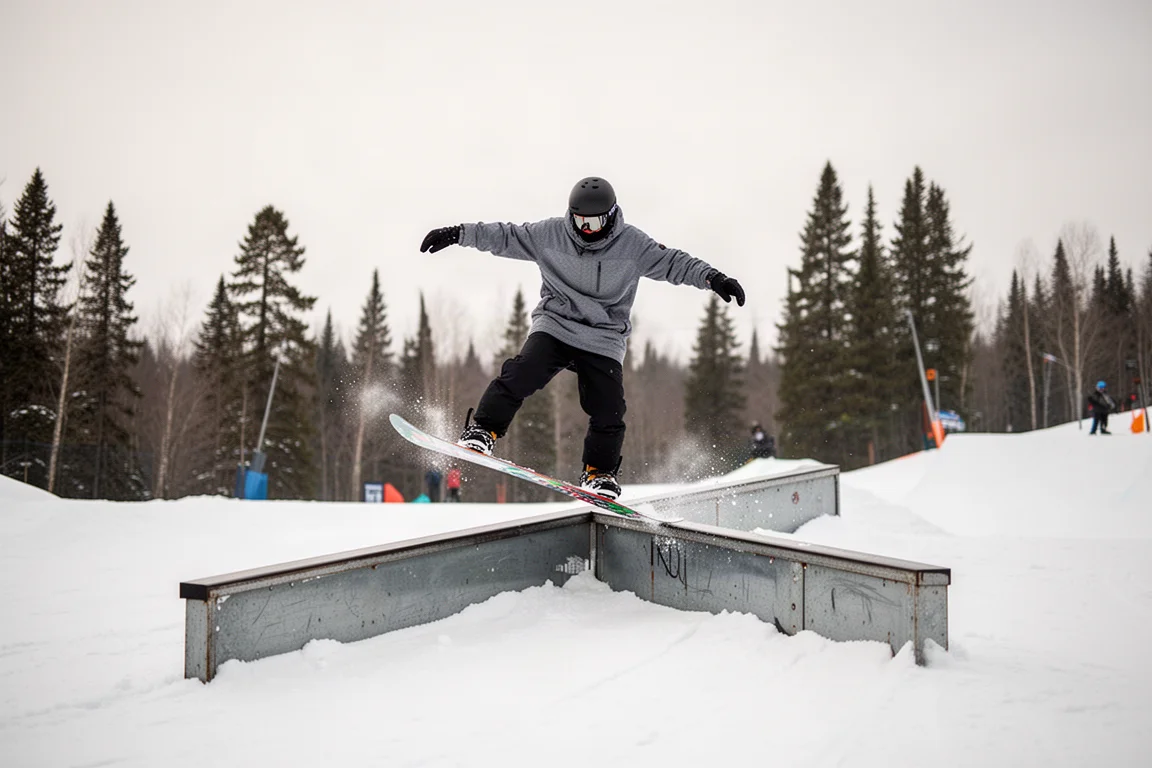
On jibs, the sweet spot and rebound help you pop off the end of a feature, though the camber will fight you a little on kinked rails, so you need to understand how to manipulate your weight when you go sideways. The payoff is worth it: the camber cradles right around a feature rather than clapping out, and slides smoothly along it. Overall, this board can both jib and butter without drama.
Edge-to-Edge and Carving
Edge-to-edge initiation is smooth, with a slightly inconsistent feel as the power goes in, but once engaged the board stays locked in. You engage slightly outside the front foot, but the power continuously comes from inside back through the tail. To carve hard, you bend your front knee inward for power, then flex the camber, disengage the front foot, and drive the back knee into the center. That flex hits the flat section and gives a little spring out of the carve.
Short, tight, quick turns are its strong suit, but if you need to lay a deep trench around a slow group of skiers parked in the landings, it will Euro carve without hesitation. This board turns when you absolutely need it to.
Sizes and Setup
The Indoor Survival is available in 150, 152, 154, 156, 158, 160, 155 wide, 158 wide, and 161 wide, so most riders should find a length or width that fits. During testing it was paired with Rome Black Label bindings and K2 boots, a setup that complemented its park-leaning flex nicely.
Who This Board Is For
This is a board for the all-around freestyle rider. Have you ever stepped onto a board and immediately felt in tune with it, knowing you were in for a good day, and then not wanted to get off after riding it from open to close? That was the Indoor Survival. You do not need a true twin to ride the whole mountain, and this board makes a compelling case for that. Good sidecut, strong rebound, and a profile that helps with carving as well as popping off things add up to a genuinely great ride.
Comparable Boards and Binding Pairing
If you are shopping around, comparable boards include the K2 Medium, the Rome Agent, and the Salomon Huck Knife. On the binding side, recommendations include the Union Force, the Rome Katana, and the Ride C-6. Any of those pairings should let the board’s rebound and flex pattern do their thing.

Buying Advice
If your days are split between laps through the park and full-mountain cruising, the Indoor Survival is an easy recommendation. Choose a size based on your weight and boot width, keeping the wide options in mind if you have bigger feet. Just make sure you are comfortable with traditional camber underfoot, because that profile is the source of both its best qualities and its small demands on technique.
Conclusion
The Capita Indoor Survival is a phenomenal all-around freestyle board. It delivers huge pop, generous sweet spots for butters and presses, smooth jib behavior, and enough carve power to handle the whole mountain. If it matches your riding style, it is the kind of board you will not want to get off.
Product link
View more details for Capita Indoor Survival
This product is mentioned in the review. Check the specifications, options, and compatibility before buying.
View more details for Capita Indoor SurvivalFurther reading
Related Reviews
Snowboards
32 Middle Earth Scott Stevens Pro Model Snowboard Review: A Park Board With a Reversed Flex
A medium traditional camber park board with carbon V reinforcement that is stiffer in the tips and more playful between the feet. Here is how it rides and who it suits.
Snowboards
32 Snafu Review: A Directional All-Mountain Freestyle Board with Serious Pop
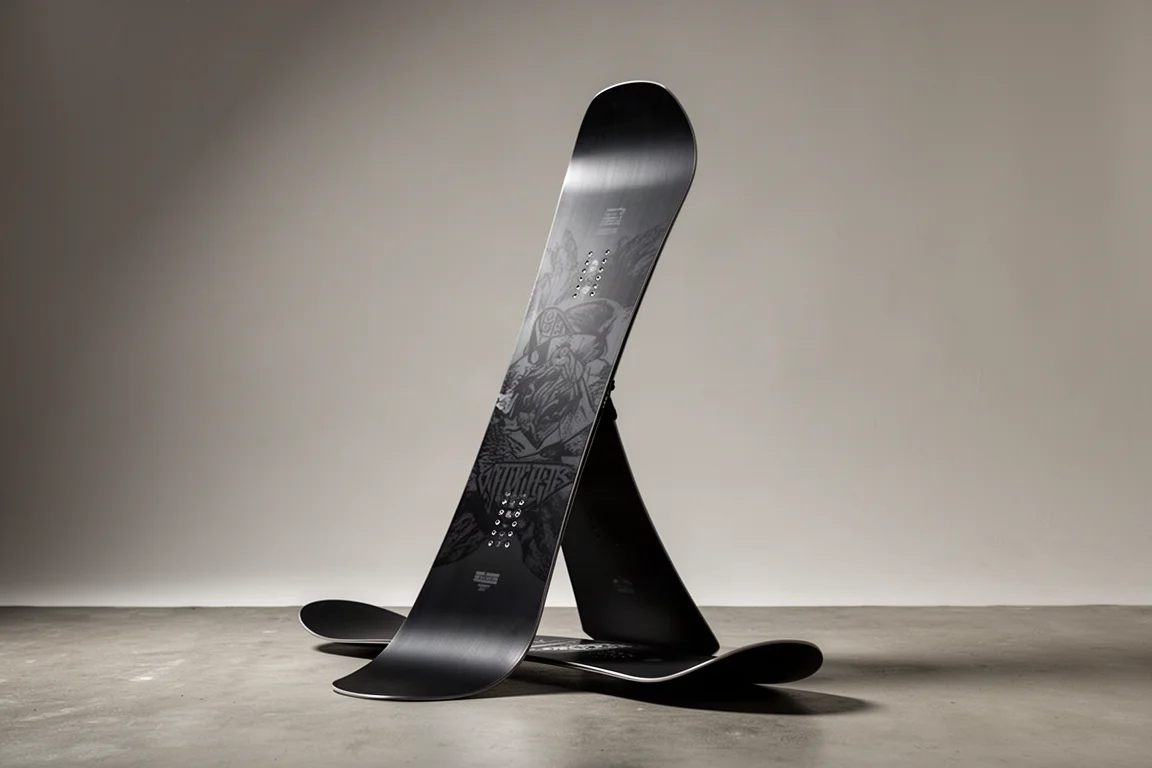
The 32 Snafu pairs a directional camber-rocker profile with a stiffening tail for powerful carves, big ollies, and a surprisingly damp ride.
Snowboards
32 XXX Pat Fava Pro Snowboard Review: A Stiff Camber Beast for Hard-Charging Riders
A full-width traditional camber deck that rewards aggression with stability and edge power, but demands effort everywhere else.