Snowboards
Capita DOA vs Salomon Huck Knife: Two Playful Twin Snowboards Compared
Both true twins with camber underfoot and medium flex, but the DOA leans park while the Huck Knife splits time between park and trails. Here is how they differ.
Introduction
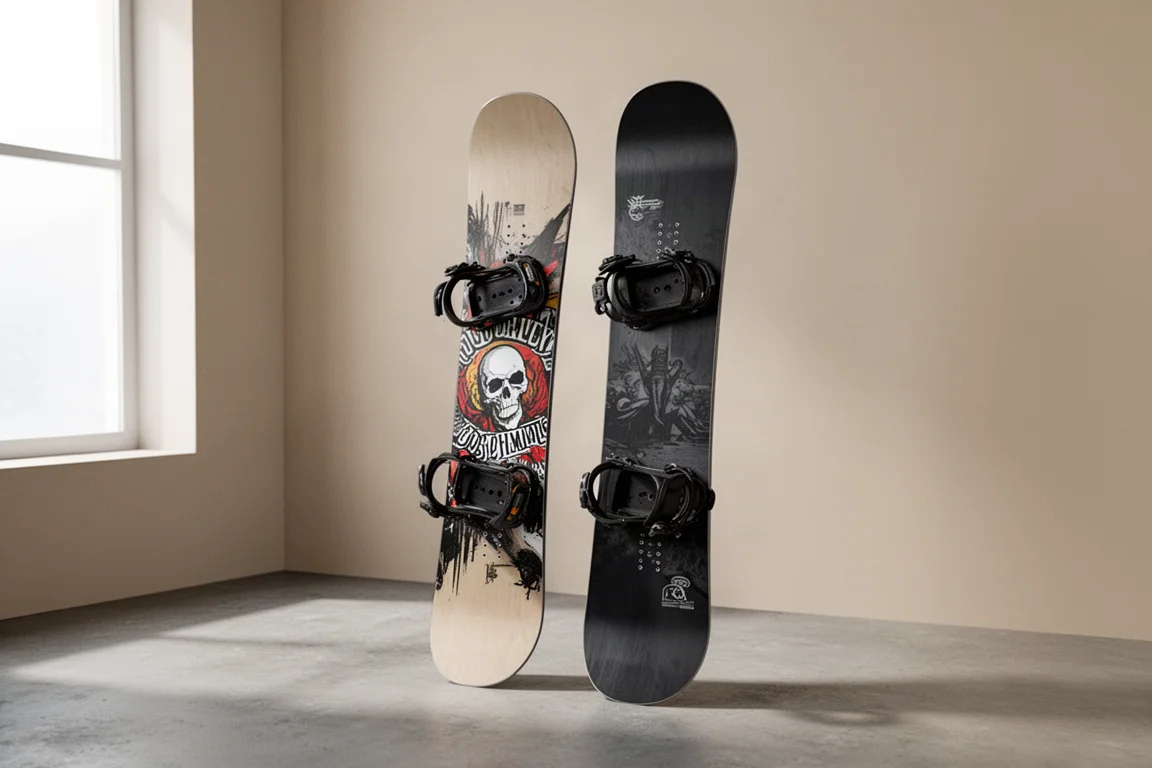
Some snowboards are built for one job. Others are built to be ridden everywhere without ever feeling out of place. The Capita Defenders of Awesome, better known as the DOA, and the Salomon Huck Knife sit firmly in the second camp, and both have earned a loyal following for good reason.
These two boards come from different brands, but they appeal to a very similar rider. If you spend time in the park but still want something that behaves on regular trail laps, both deserve a spot on your shortlist.
Two Twins, Different Personalities
On paper, the DOA and the Huck Knife share a lot. Both are true twin boards, both use camber underfoot, and both sit right around a medium flex. That combination is aimed at the same kind of rider: someone spending time in the park who still does regular trail riding and likes a playful, freestyle feel underfoot.

The main difference shows up in the camber profile. The DOA uses flat sections just outside each foot before the nose and tail kick in, while the Huck Knife bends the camber more aggressively instead. That single design choice shapes how each board feels on snow.
Capita Defenders of Awesome (DOA)
The DOA has been one of the most popular boards of the last handful of years, and the camber profile explains a lot of it. The flat sections outside each foot create a stable platform and add a bit more pop, which matters when you are launching off park features.
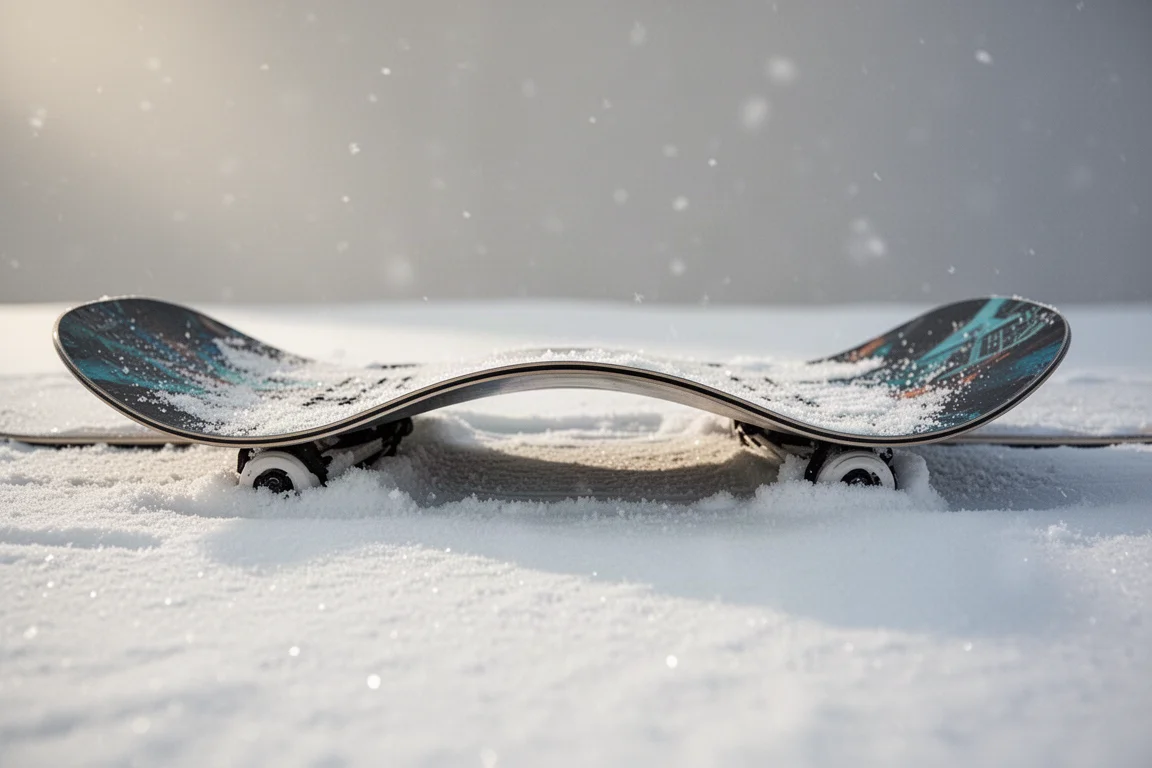
That extra pop and landing stability make the DOA the stronger fit if you are a dedicated park rider. You get a lively, energetic board that rewards confidence on jumps and rails.
Salomon Huck Knife
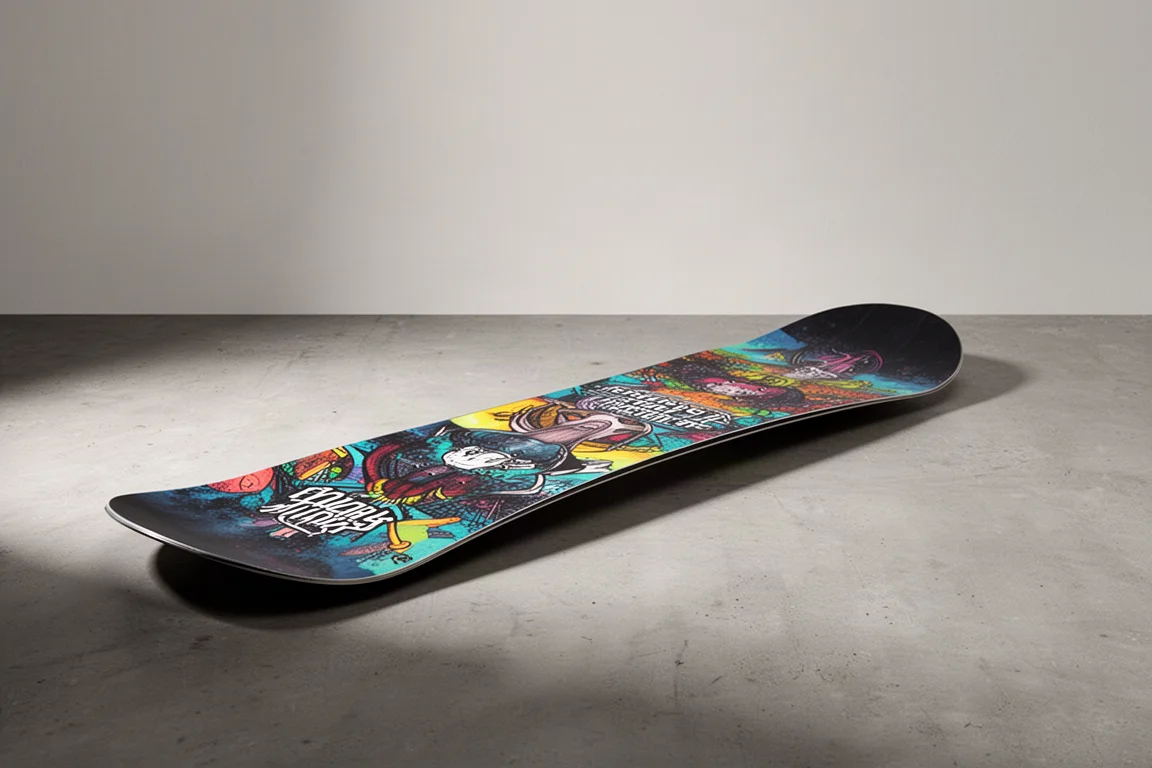
The Huck Knife is Salomon’s equivalent to a board like the DOA, but it takes the opposite approach to the camber profile. Instead of flat zones before the nose and tail, the camber bend is made slightly more aggressive under each foot.
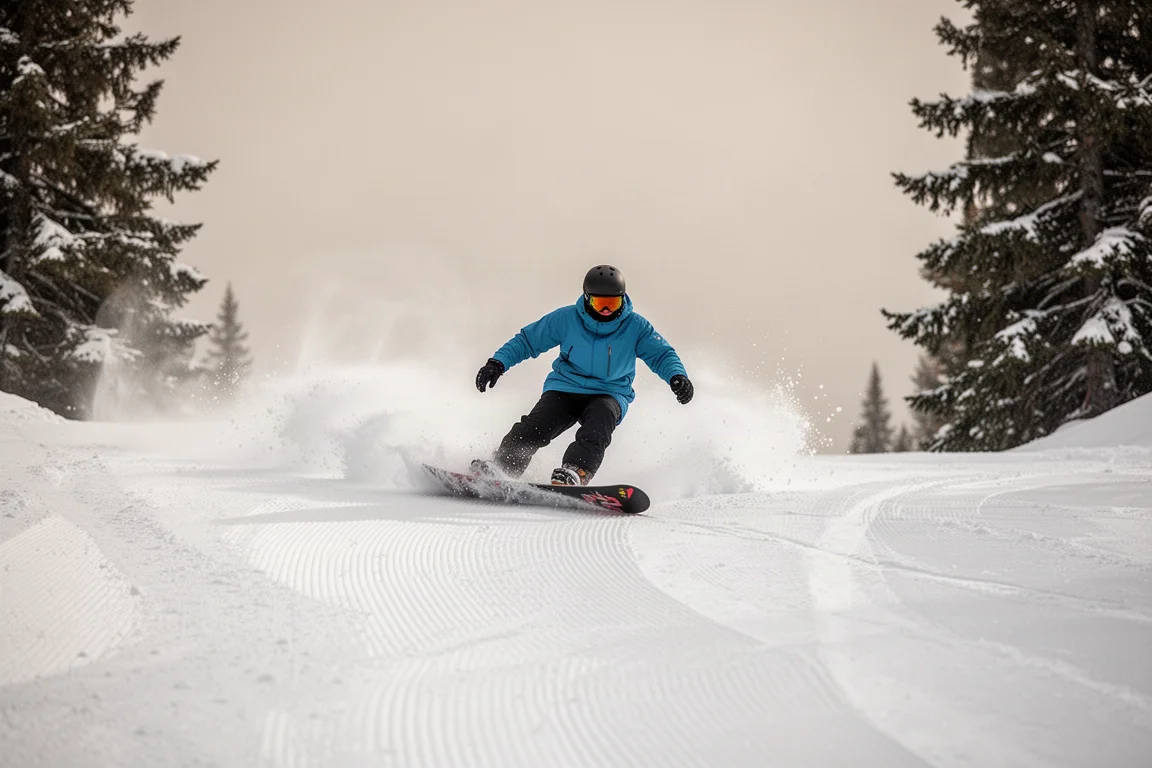
That extra camber pays off outside the park. On icy groomers, it helps the edges bite a little more, giving you extra confidence on hardpack. Thanks to the materials inside the core, the board still feels really lively when you need that energetic feel on park features.
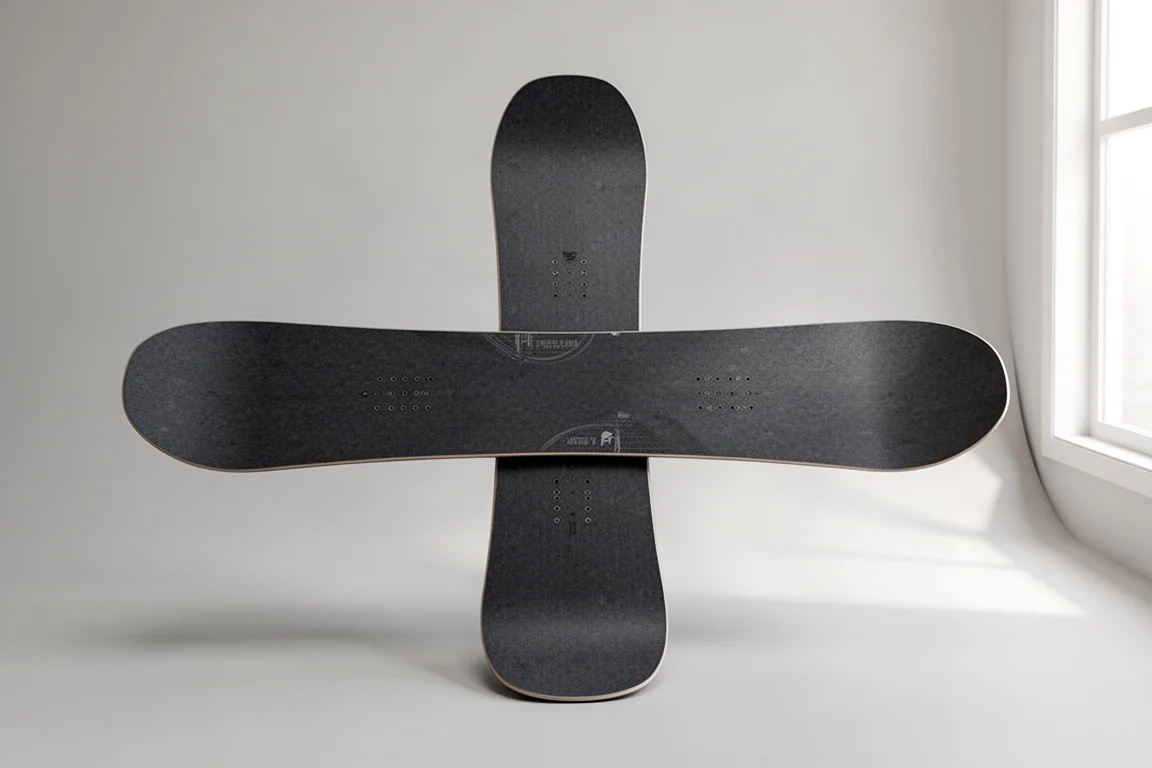
Buying Advice: Where Do You Spend Your Time?
Both boards are plenty versatile. The true twin shape means you can bounce around, ride switch, and never deal with hang-ups, whether you are in the park or not.

The decision really comes down to how you split your time. If you are dividing your days between park and trail riding, the Huck Knife is the strong option. If a good chunk of your day happens in the park, the DOA’s poppy feel and extra stability on landings will likely pull you in.
Conclusion
Neither board is a compromise. The DOA is the sharper pick for dedicated park riders who want pop and stable landings, while the Huck Knife rewards riders who want confident edge hold on icy trails without giving up a lively freestyle feel. Think honestly about where you ride most, and either board will be an awesome choice.
Further reading
Related Reviews
Snowboards
32 Middle Earth Scott Stevens Pro Model Snowboard Review: A Park Board With a Reversed Flex
A medium traditional camber park board with carbon V reinforcement that is stiffer in the tips and more playful between the feet. Here is how it rides and who it suits.
Snowboards
32 Snafu Review: A Directional All-Mountain Freestyle Board with Serious Pop
The 32 Snafu pairs a directional camber-rocker profile with a stiffening tail for powerful carves, big ollies, and a surprisingly damp ride.
Snowboards
32 XXX Pat Fava Pro Snowboard Review: A Stiff Camber Beast for Hard-Charging Riders
A full-width traditional camber deck that rewards aggression with stability and edge power, but demands effort everywhere else.