Snowboards
Capita Defenders of Awesome vs Outer Space Living: Which All-Mountain Twin Fits Your Riding?
Two Capita true twins that check many of the same boxes, with key differences in pop, dampening, and catch-free feel that decide which one is right for you.
Introduction
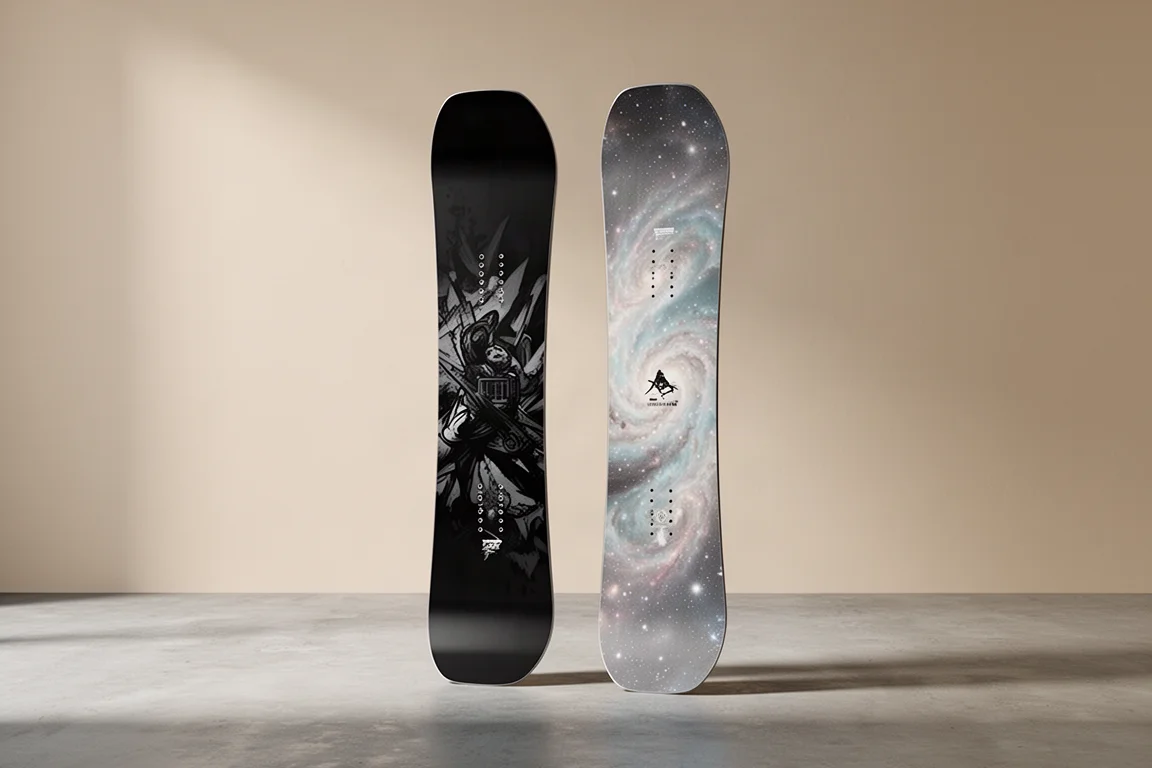
Capita’s Defenders of Awesome (DOA) and Outer Space Living are both long-standing staples in the brand’s lineup, and for good reason: on paper, they are remarkably similar boards. Both are true twin, medium-flexing all-mountain snowboards with camber underfoot, and both suit riders who split their time across the whole mountain, including the park.
That similarity is exactly why they are worth comparing. When you filter boards down while shopping, it is easy to land on both of these at once. The differences that separate them are subtle but meaningful, and they come down to feel: how poppy the board is, how damp it rides, and how forgiving it is when the terrain gets variable.

Capita Defenders of Awesome (DOA)
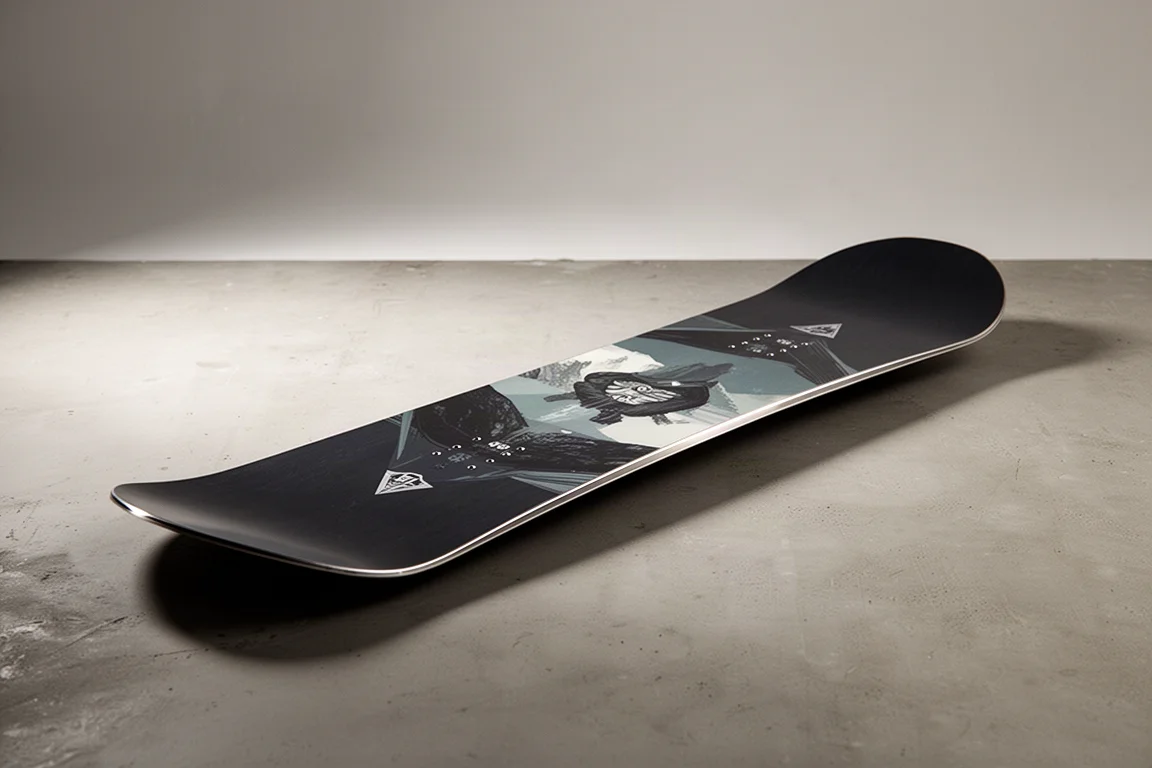
The DOA is a true twin with a medium flex and a camber profile underfoot. Of the two boards, it is the more poppy, snappy, and lively option. Just outside your feet, Capita uses what it calls zero camber, or flat sections, which give the board a more stable and predictable feel while preserving the pop generated by the camber section underfoot.
The DOA also carries a lighter-weight core. That core is not as damp as the Outer Space Living’s, but it gives the board a bit more snap from one turn into the next, which is a big part of its energetic character.
How Their Camber Profiles Differ
The DOA pairs camber underfoot with flat sections outside the feet, a combination designed to feel stable and predictable without giving up springiness.
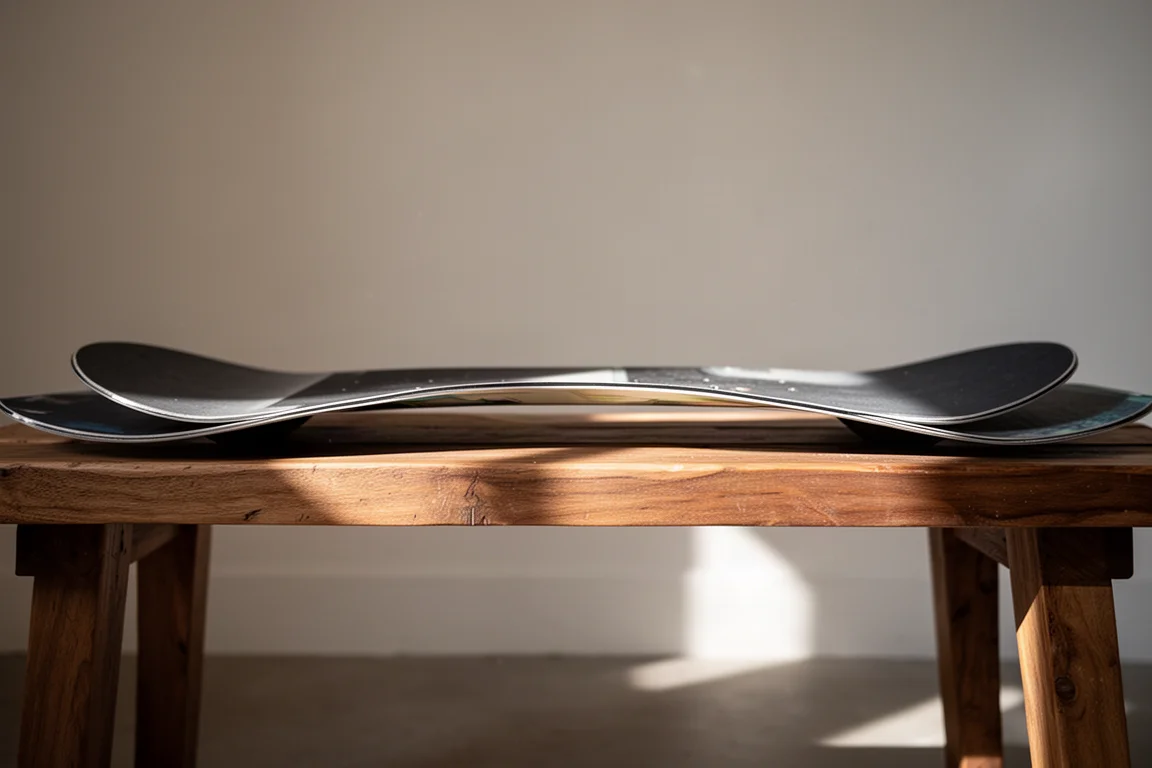
The Outer Space Living takes a different approach. It uses traditional camber underfoot that transitions into subtle reverse camber through the nose and tail. That design produces a more catch-free feeling ride, and if you find yourself in powder, the board floats a little better as a result.
Capita Outer Space Living
The Outer Space Living shares the true twin, medium-flex, camber-underfoot formula, but its slightly heavier core does a better job absorbing vibrations. The trade-off is that you do not get the same push from one turn into the next that the DOA delivers.

The subtle reverse camber in the nose and tail makes this the more fluid-feeling option of the two. It is well suited to someone who is still figuring out where they like to spend their time on the mountain, or anyone who prioritizes a smooth, forgiving ride over maximum pop.
Which Board Should You Choose?
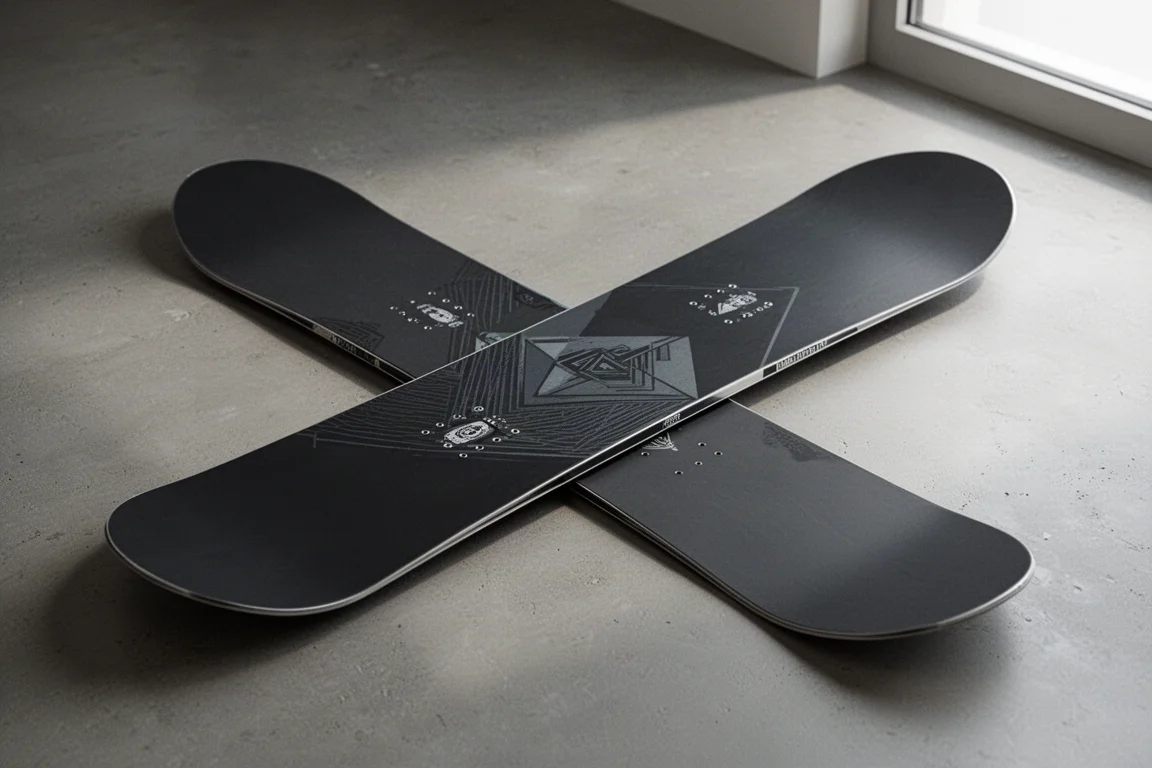
Both boards are all-mountain true twins that flex medium and will appeal to park riders, so the decision comes down to what you want from the ride. The DOA is the better fit for park-focused riding thanks to its extra pop and snappier turn-to-turn energy. The Outer Space Living rewards riders who want a more fluid, vibration-absorbing feel and a catch-free edge, especially if they are still finding their bearings on the mountain.

If you lean toward lively, poppy riding and jump-heavy park laps, the DOA is the natural pick. If a smoother, more forgiving all-mountain character sounds more like you, the Outer Space Living earns its place. Both are great options worth checking out this coming season.
Conclusion
The Capita DOA and Outer Space Living share the same true twin, medium-flex, camber-underfoot foundation, which is why they appeal to so many of the same riders. The DOA wins on pop and snappiness, making it the stronger park-leaning choice, while the Outer Space Living counters with a damper core, subtle reverse camber in the nose and tail, and a more catch-free, fluid feel. Match the board to how you actually ride and either one will serve you well this season.
Further reading
Related Reviews
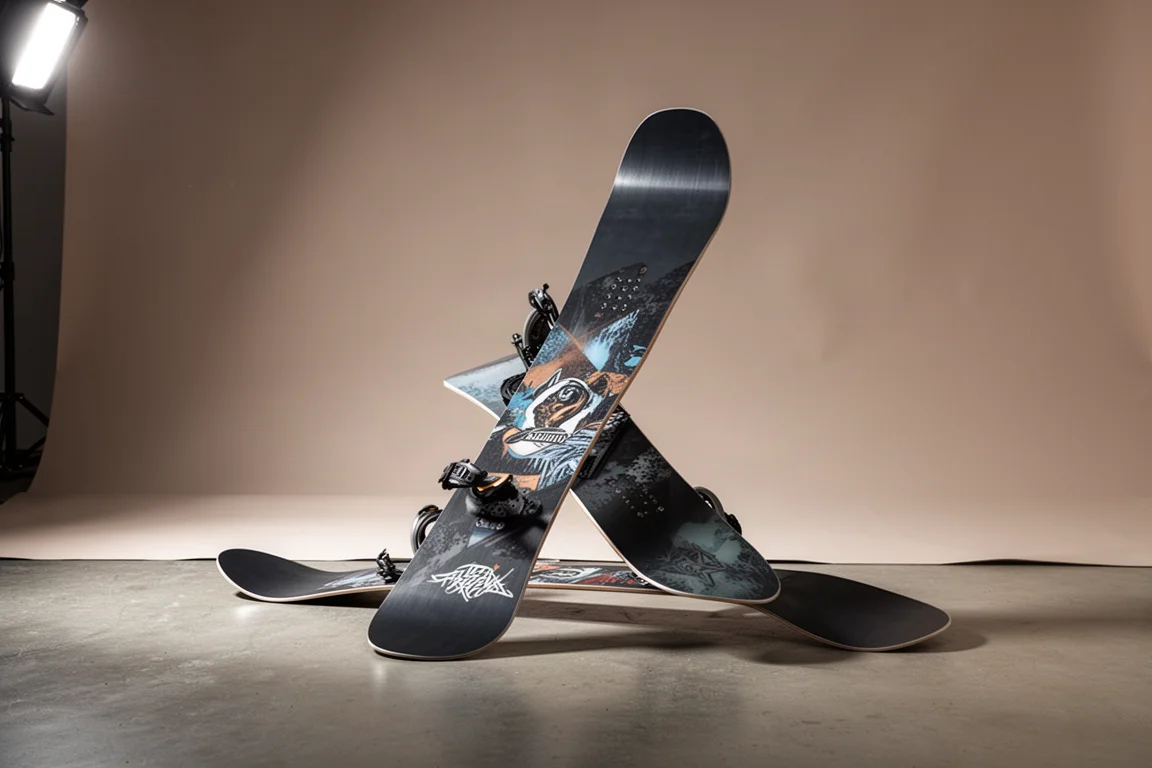
Snowboards
32 Middle Earth Scott Stevens Pro Model Snowboard Review: A Park Board With a Reversed Flex
A medium traditional camber park board with carbon V reinforcement that is stiffer in the tips and more playful between the feet. Here is how it rides and who it suits.
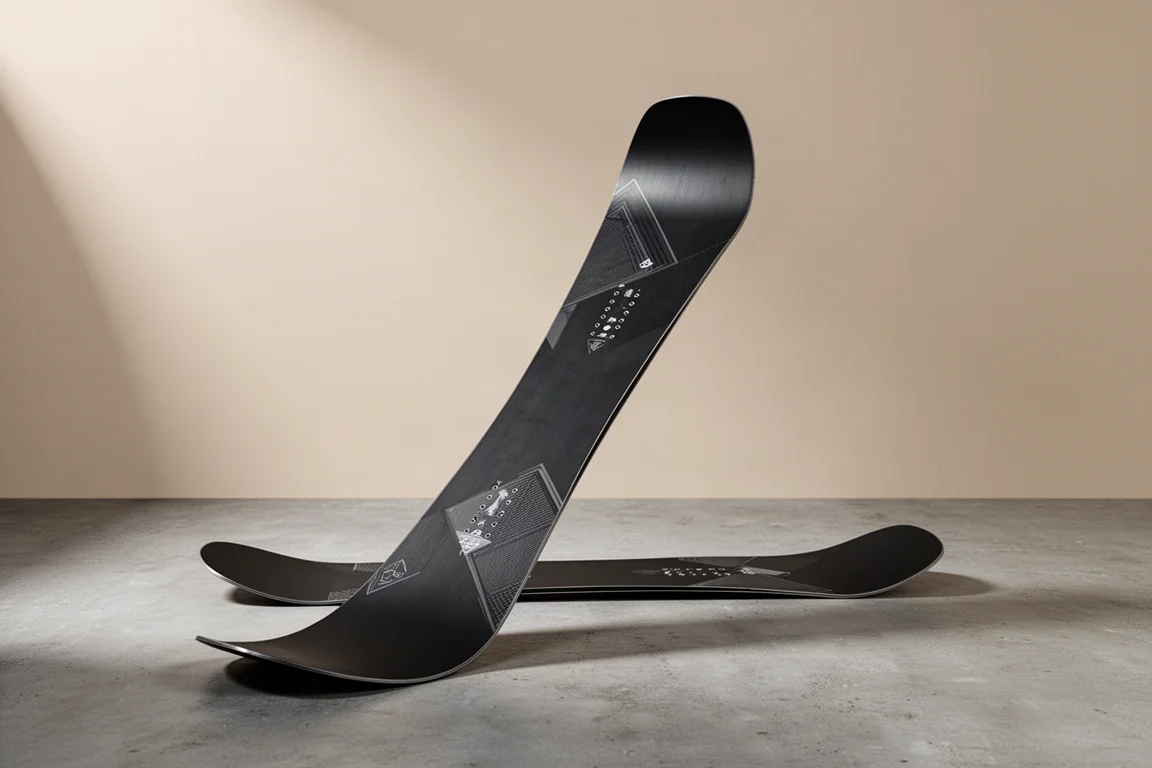
Snowboards
32 Snafu Review: A Directional All-Mountain Freestyle Board with Serious Pop
The 32 Snafu pairs a directional camber-rocker profile with a stiffening tail for powerful carves, big ollies, and a surprisingly damp ride.
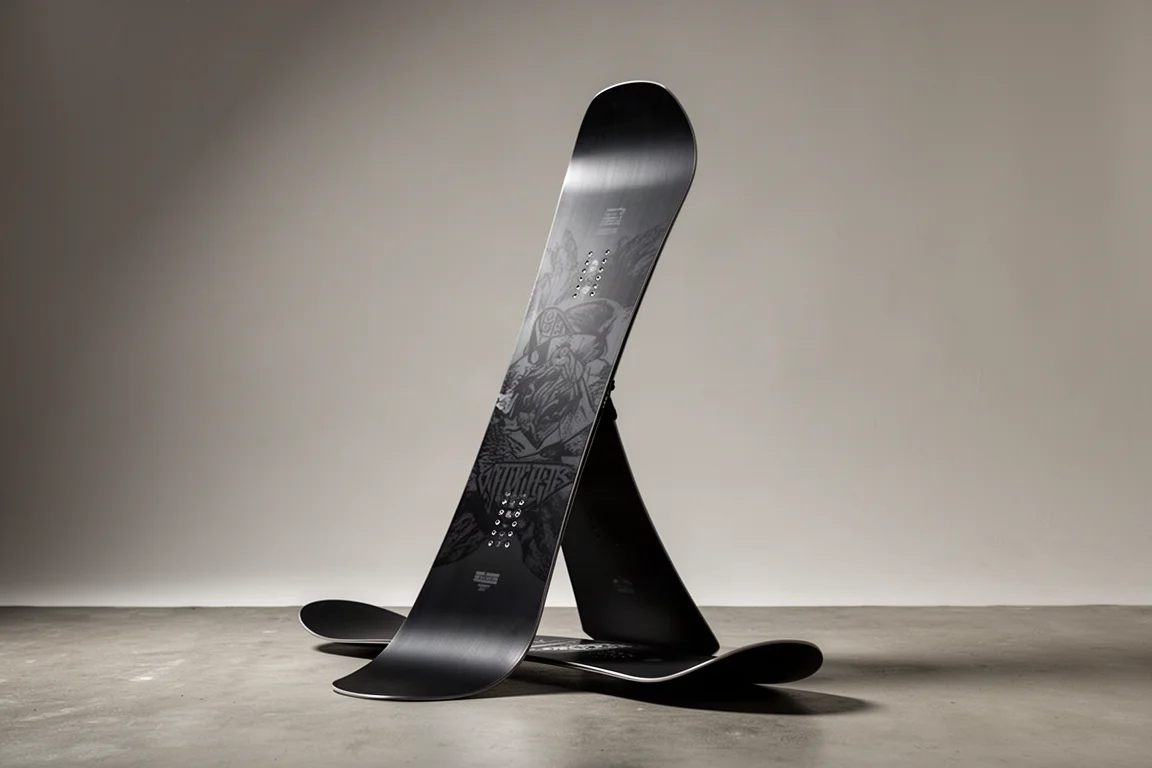
Snowboards
32 XXX Pat Fava Pro Snowboard Review: A Stiff Camber Beast for Hard-Charging Riders
A full-width traditional camber deck that rewards aggression with stability and edge power, but demands effort everywhere else.