Cycling Upgrades
Canyon Endura CF6 Upgrades: Three Smart Changes That Made a Fast Bike Faster
A carbon endurance road bike, a 57 mm carbon wheelset, and a fast tubeless tire: what each upgrade delivers, and what the on-track numbers actually showed.
Introduction
Road bikes keep getting more expensive, but the parts that genuinely make a rider faster have not followed the same curve. A well-chosen carbon endurance bike can be a strong value starting point, and a focused upgrade budget can close a surprising amount of the gap to machines costing several times as much.
That is the idea behind this guide. It follows three pieces of kit fitted to the same bike and measured over three laps at 150 W and three laps at 350 W on a local bike track: a carbon endurance road bike as the base, a deep-section carbon wheelset, and a fast tubeless tire. The question was simple. How much speed does a sensible budget actually buy?
What Actually Makes a Road Bike Faster
For years, weight was the headline number. That has shifted. Aerodynamics, rider position, rolling resistance, and clothing now account for most of the speed difference between a stock bike and a fast one, and the weight savings from swapping components are often modest by comparison.
That matters when you look at where a complete bike’s mass actually sits. The frame and fork of the base bike here weigh only around 400 g more than the lightest road frame in the same range, so the bulk of the extra mass comes from the parts bolted to it. Those parts are exactly what an upgrade budget can replace, and they are also where the aerodynamic and rolling-resistance gains live.
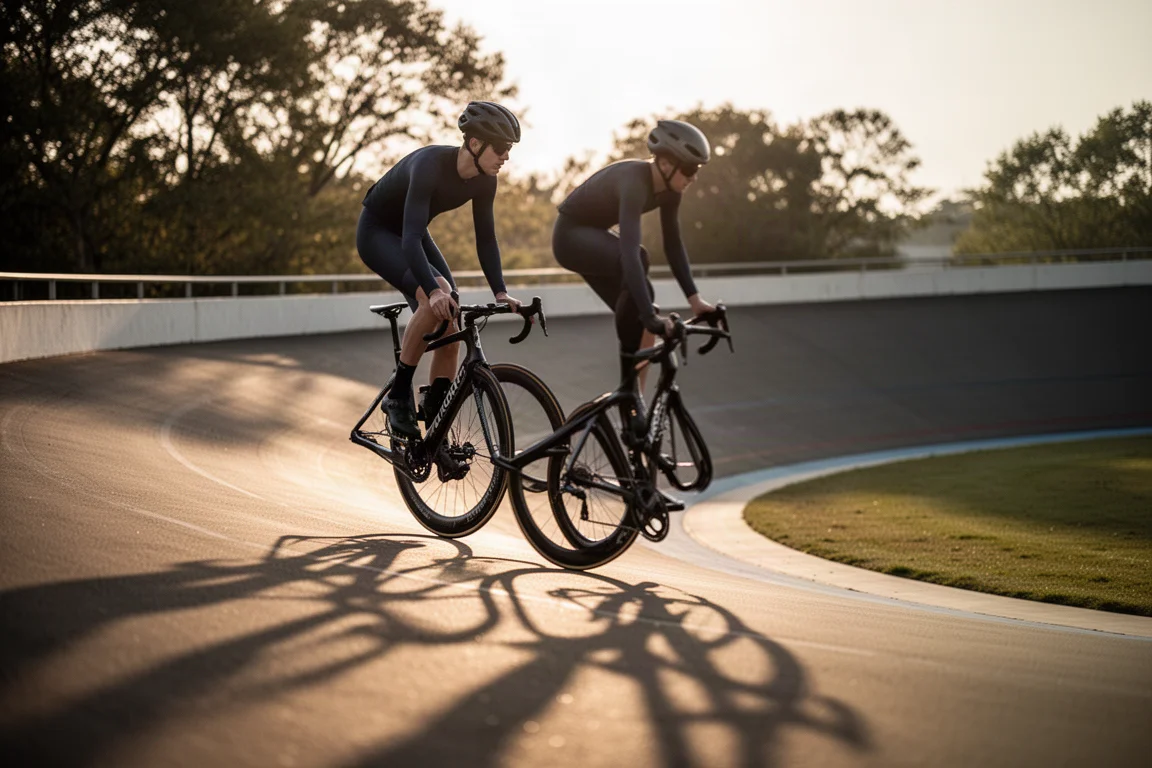
There is a second reason to focus on components rather than the frame. A bike like this can be ridden almost anywhere, from mountain passes to a commute to a cafe loop, and the same frame can be tuned for very different priorities. The upgrades below are the ones that deliver the most speed per pound spent.
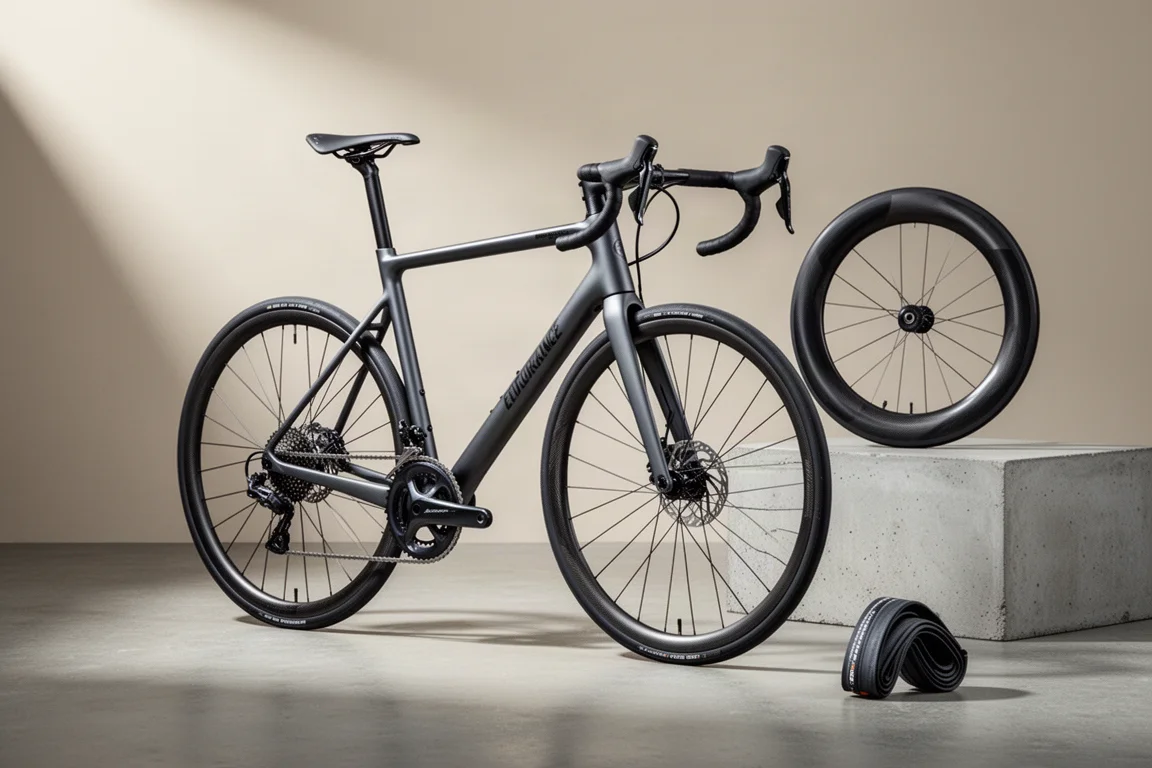
Canyon Endura CF6: A Strong Carbon Starting Point
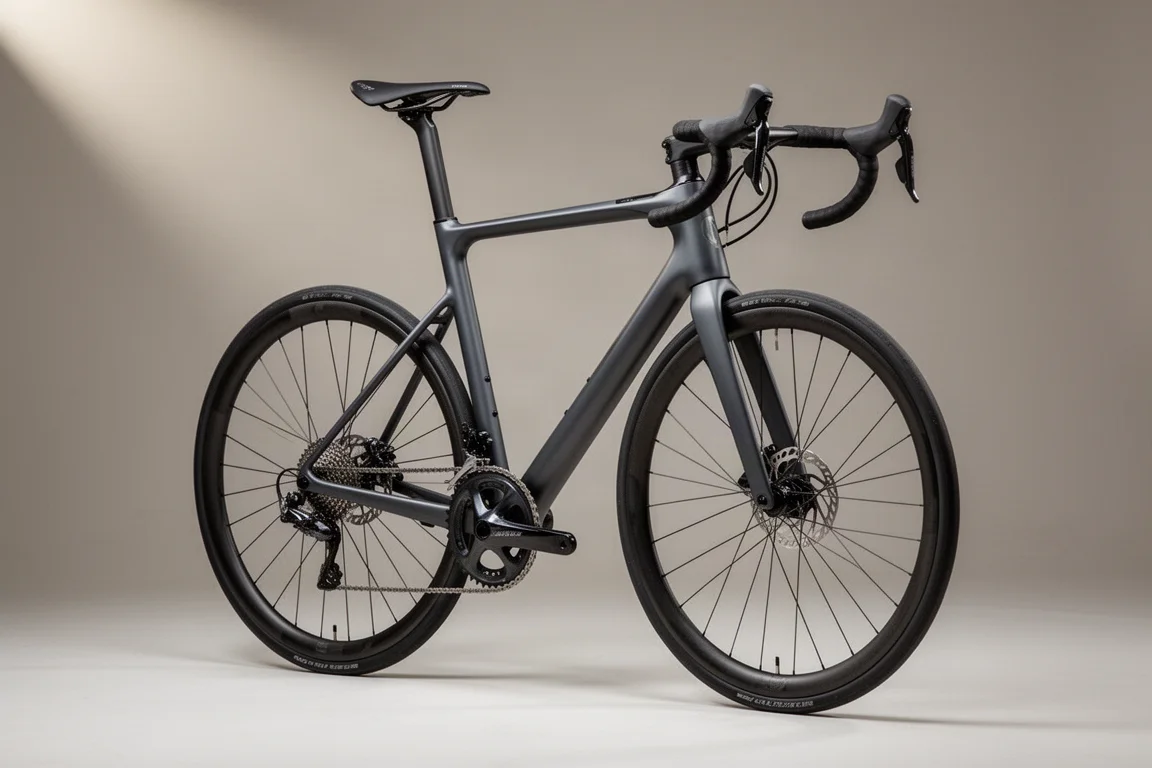
The Canyon Endura CF6 is the base for this build, and it is a lot of bike for the money. It uses a full carbon frame and fork, and even the seat post is carbon. The drivetrain is a Shimano 10-speed groupset with hydraulic disc brakes, which is the detail that matters most for year-round riding and confident stopping.
It retails at around $1,649 in the US and £1,699 in the UK. Complete with pedals and a head unit, it weighed in at roughly 9.5 kg.
That weight figure is less important than what it represents. Because the frame and fork are already close to the lightest in the range, most of the extra mass sits in the wheels, tires, cockpit, and finishing kit, which is precisely where an upgrade plan should focus. The bike is also versatile enough to justify the investment: it is at home on long climbs, in a race, on a commute, or on an easy spin.
One practical advantage of this level of bike is its two-piece cockpit. Handlebar and stem changes are cheap and straightforward, whereas one-piece carbon cockpits on more expensive bikes make the same change harder and more costly.
Elite Wheels Drive Helix 57s: The Biggest Single Gain
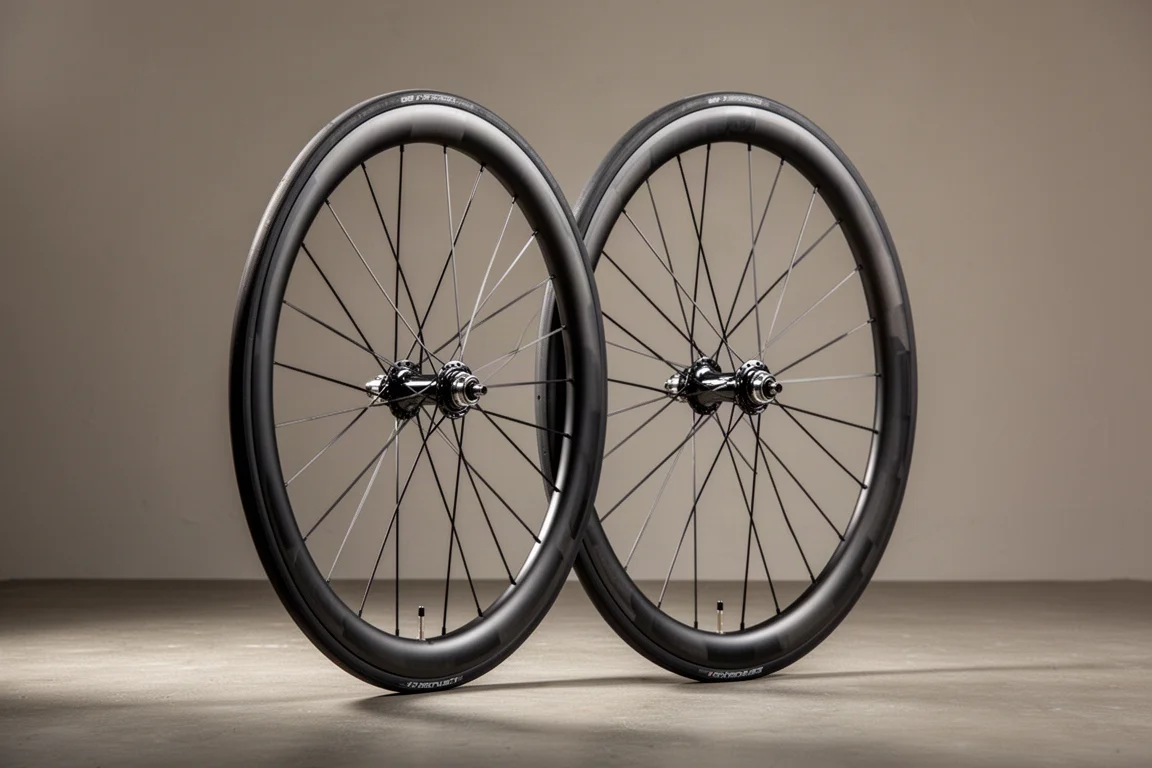
Deep-section carbon wheels are the most visible upgrade on this list, and they are also one of the most effective. The Elite Wheels Drive Helix 57s uses a 57 mm carbon rim, which is a meaningful step up in aerodynamic depth over a stock aluminium wheelset. Carbon rims of this type are also lighter than almost every stock aluminium option, so they improve both drag and acceleration.
The change is not only measurable, it is obvious from the saddle. The bike sounds different at speed, and it looks like a considerably more expensive machine. Aesthetic appeal is not a performance metric, but it is a real reason to ride more often.
If the Drive Helix 57s stretch a budget too far, the same brand offers more affordable options, including a 50 mm deep wheelset at around £700 or $840 for the pair that is still very light. Elite Wheels also backs its wheels with a 3-year warranty and a crash replacement policy, which softens the risk of such a purchase.
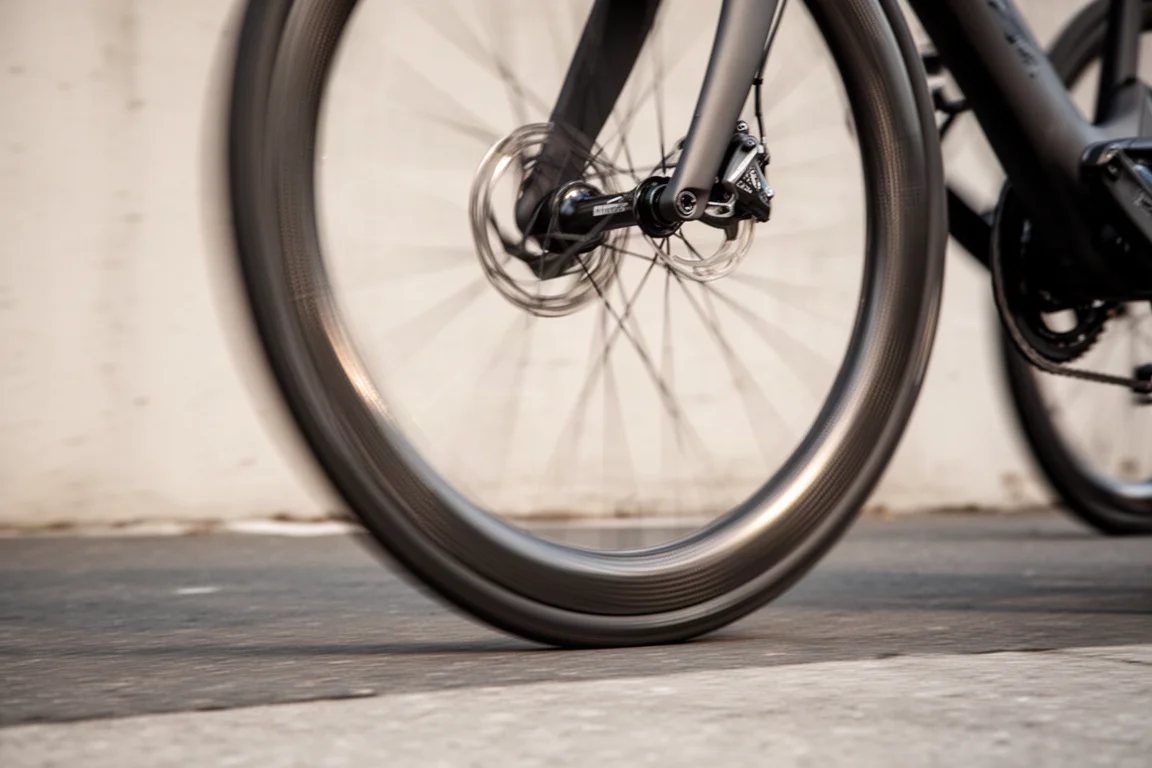
In this build, switching wheels and tires together removed over half a kilogram from the bike, dropping it from around 9.5 kg to 8.96 kg.
Pirelli PZ Race RS: The Best Value Speed Per Pound
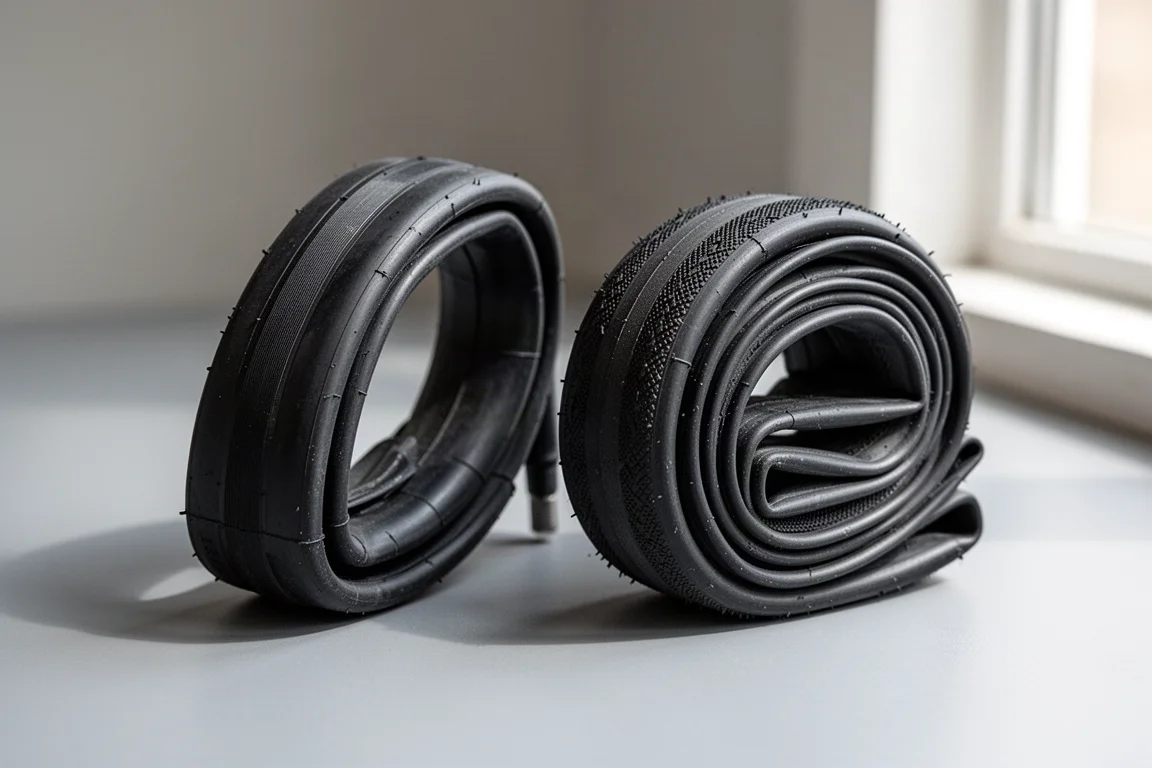
Tires are the highest-value upgrade on any road bike, and the Pirelli PZ Race RS shows why. It sits one tier below the range-topping SLR tire in Pirelli’s line, which makes it more affordable and more robust, with extra puncture protection for everyday use. It is still fast enough to have been raced at the top level of the sport.
Set up tubeless, its advantage over the stock rubber on this bike worked out at roughly 3.5 W per tire, or about 7 W for the pair. That is a smaller gap than you would see against a basic original tire, where the difference between a standard tire and the fastest options can reach around 17 W per tire, but it is still a meaningful contribution.
Rolling resistance also scales with speed, so the benefit does not disappear at everyday pace. A rider cruising at 20 to 25 km/h still gains from a faster tire, which is why tires are worth prioritising before almost anything else. Expect to pay over £100 for a quality pair.
Position First: The Cheapest Speed You Can Buy
Rider position is the least glamorous upgrade and one of the most effective. On this build, the stock handlebar and stem were replaced with a narrower 38 cm bar, down from 42 cm, and a slightly longer stem, which stretched the rider out and reduced frontal area. The whole change was budgeted at around £90, and it can be done for far less. Carbon bars and a carbon stem are not necessary, because the goal is fit, not materials.
This is where a two-piece cockpit earns its keep. On bikes with one-piece carbon cockpits, the same adjustment is typically harder and more expensive. Some brands let you specify bar width and stem length at the point of purchase, and most Canyon road bikes use an adjustable-width cockpit, though those options generally sit higher up the range.
Clothing belongs in the same category. Aero socks sell for around £30 and are claimed to save roughly 6 W at 40 km/h. An aero jersey costs more and may stretch a budget, but there are cheaper brands and regular discounts if you shop around. Shorts, by contrast, make little difference: whatever you already own is fine.
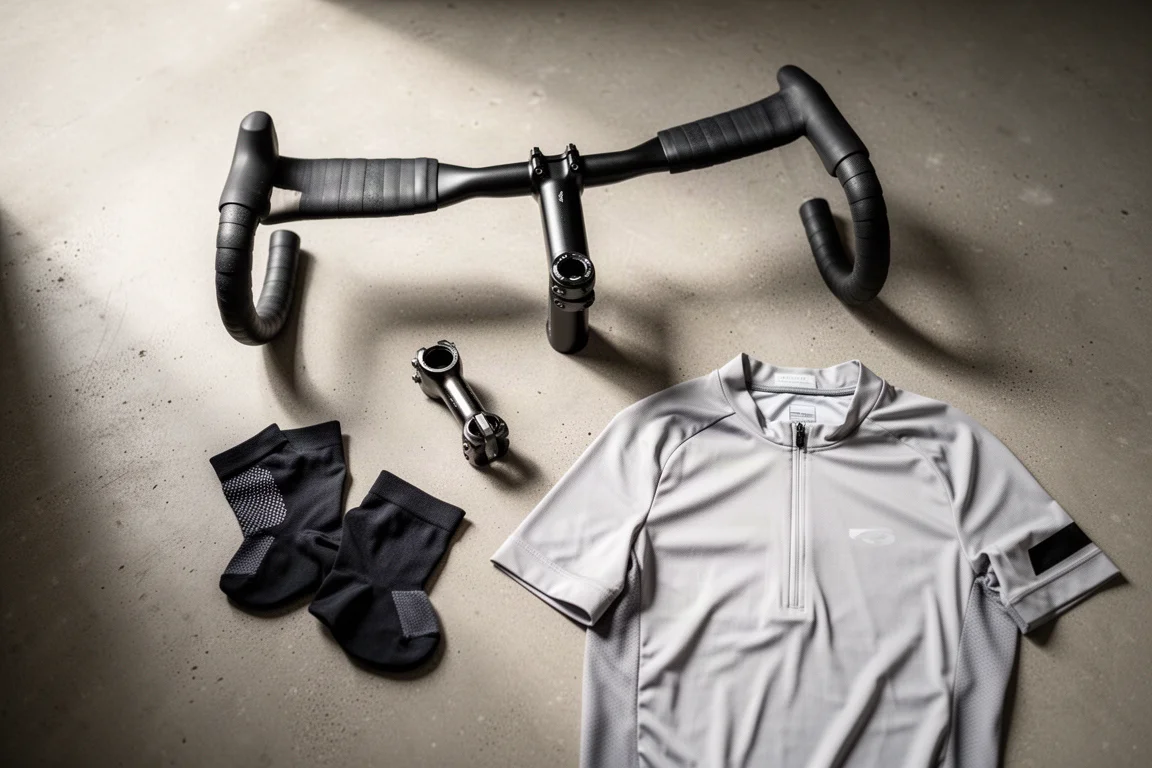
None of this is exotic. It is simply about removing flappy fabric and unnecessary frontal area, which is why it sits alongside tires as the best return on a small spend.
What the Track Numbers Showed
Testing was straightforward. Three laps at 150 W and three laps at 350 W, repeated after every change, on the same bike and the same track.
At the higher effort, average speed rose from 37 km/h to 40.8 km/h, a gain of 3.8 km/h. At the lower, more everyday effort, it went from 26.6 km/h to 28.5 km/h, a gain of 1.9 km/h. The lower-power result was the bigger surprise: a rider producing modest watts still gained meaningful speed from the same set of upgrades.
Broken down, the handlebar and stem change added 0.9 km/h at 350 W and 0.3 km/h at 150 W. Wheels and tires added a further 1.7 km/h and 1.1 km/h. Clothing added 1.2 km/h and 0.5 km/h. As the baseline speed rose, each additional gain became harder to find, so the later numbers are arguably more impressive than they first look.
It is also worth remembering that a big share of the wheel and tire result is likely to come from the tires rather than the rims. If you can only afford one of the two, the tire is the place to start.
Setting a Realistic Upgrade Budget
The working budget for this build was £1,000, split across components rather than spent all at once, and the results suggest a sensible order of operations.
Start with tires. They are the best value speed on the list, the gains apply at everyday speeds, and they change how the bike feels. Position comes next: a bar and stem change costs very little and delivered a measurable improvement here, while also making the bike more comfortable for the rider it was set up for. Wheels are the largest single investment, and while they produced the biggest individual gain, they are also the easiest upgrade to postpone. Clothing is a low-cost final step worth taking once the bike itself is sorted.
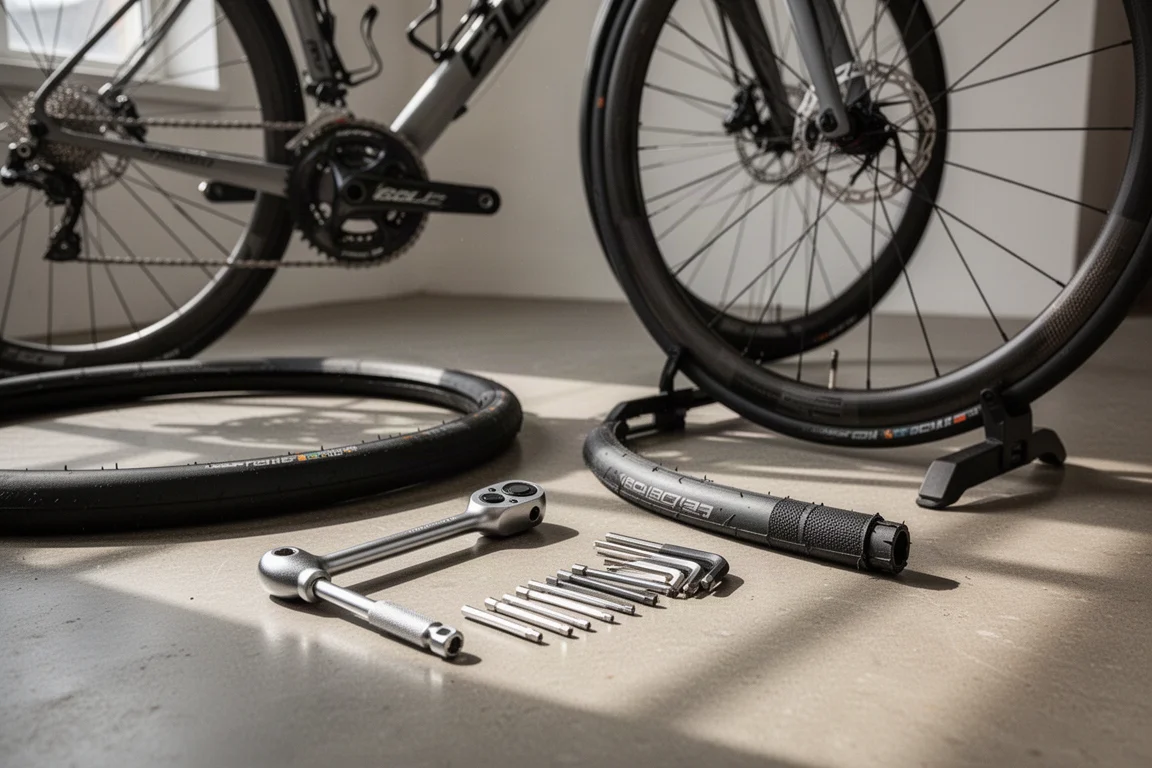
It also pays to be selective. Groupset upgrades, such as moving up a tier from the stock drivetrain, can make a bike feel nicer but do not make it faster. The components covered here are the ones that change speed relative to the money spent.
Conclusion
The three products here do different jobs. The Canyon Endura CF6 is the value foundation, a carbon endurance bike with hydraulic disc brakes that is ready for almost any kind of road riding at around $1,649. The Elite Wheels Drive Helix 57s is the statement upgrade, adding aerodynamic depth and lower weight, plus a noticeable change in how the bike feels at speed. The Pirelli PZ Race RS is the quiet overachiever, delivering a real rolling-resistance gain for a fraction of the cost of a wheelset.
Together they added 3.8 km/h at 350 W and 1.9 km/h at 150 W, and trimmed the build to 8.96 kg. That is a convincing argument that a well-chosen bike plus a focused upgrade budget can deliver speed that used to require a much larger spend.
Further reading
Related Reviews
Cycling Upgrades
Best Bike Upgrades 2026: Three Practical Upgrades for Better Riding
A supple race tire, a durable ceramic bottom bracket, and a suspension seat post each offer distinct benefits and trade-offs.
Cycling Upgrades
Cheap Road and Gravel Bike Upgrades: Five Budget Picks Worth Buying
Five low-cost upgrades for road and gravel bikes, from latex inner tubes with a measurable speed gain to budget stems, handlebars and sunglasses.
Cycling Upgrades
Best Value Bike Upgrades: Handlebars and Arch Support Insoles Worth Buying
Three low-cost cycling fit upgrades that change how a bike feels: a narrow internally routed handlebar and two arch support insole options.