Kitchen Appliances
Can an Air Fryer Replace Your Oven, Deep Fryer, Microwave and More? We Put It to the Test
We pitted the Instant Vortex Plus air fryer against a full-size oven, a deep fryer, a microwave, a stovetop, a food dehydrator, and even a campfire to see where it wins and where it falls short.
Introduction
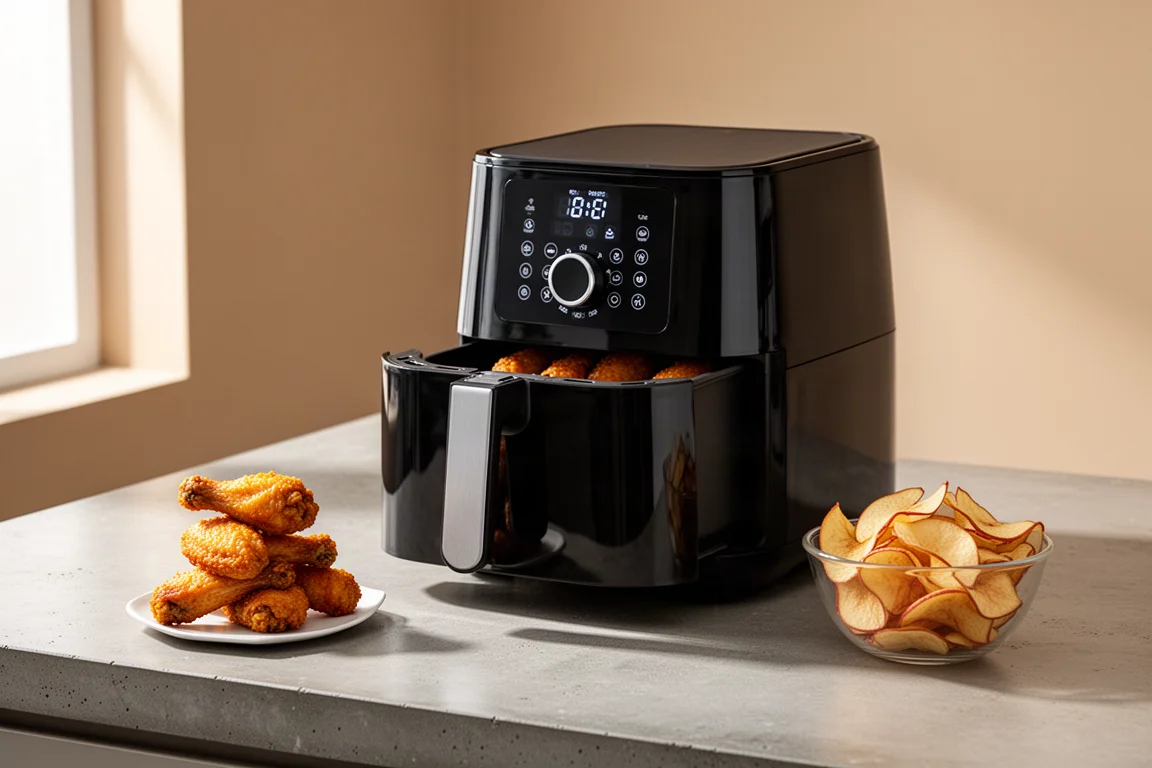
Air fryers started out marketed as a healthier way to enjoy fried favorites like french fries and chicken nuggets. But a good air fryer can do a lot more than that. To find out exactly how much more, we took our tested winning air fryer, the Instant Vortex Plus, and pitched it against a lineup of familiar kitchen gear: the big oven, a deep fryer, the microwave, the stovetop, a dedicated food dehydrator, and even a campfire for marshmallows.
The question is simple: can an air fryer genuinely replace other appliances in your kitchen, or does it just complement them? Here is how each battle played out.
Air Fryer vs. Big Oven
An air fryer is essentially a compact convection oven: a fan constantly circulates hot air around the food. Convection ovens cook roughly 25% faster than regular ovens and are great for crisping up the surface of foods, so the matchup was closer than you might expect.
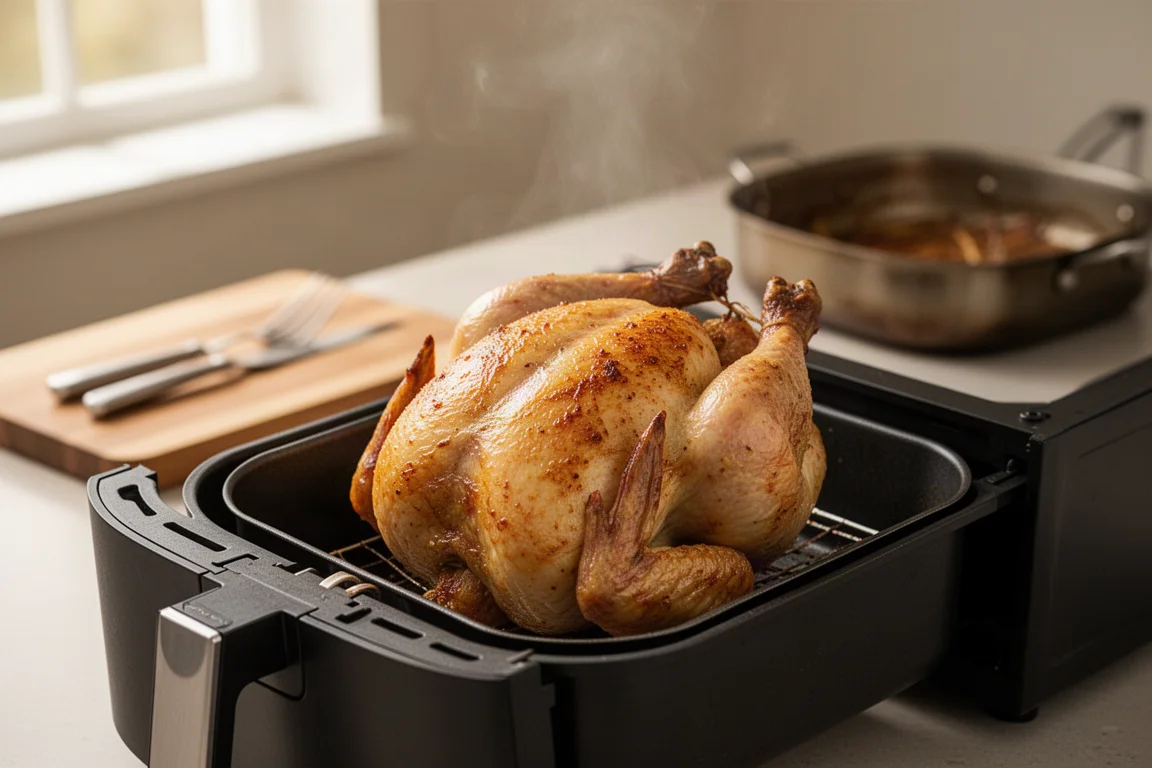
We roasted a whole 4-pound chicken in the air fryer drawer, and it fit. The result roasted beautifully and evenly with minimal mess, since the only thing you clean is the little drawer. The oven version of the same weeknight roast chicken took about an hour and a half; the air fryer took 45 minutes. The air fryer chicken also had beautifully crisp, golden, fully rendered skin, and the cool-touch handle is a small luxury compared with a ripping-hot oven pan handle.
There are trade-offs. The air fryer bird picked up a little scorching on one leg near the heating element, and the hot, dry, fan-driven heat means you may want to start checking for doneness sooner than 45 minutes. The oven chicken was a lower, slower, juicier method with more of a flavor gradient from darker to lighter, while the air fryer version was crisper and more evenly browned. Both were juicy and both tasted great.
Verdict: a draw, with points on both sides. If you are cooking for more than two people, the big oven is the way to go. But for a smaller household that does not want to heat the whole oven, the air fryer does the job faster and cleans up easier.
Baking works too, with caveats. An olive oil cake baked in a six-inch pan in the air fryer came out moist, soft, tender, and evenly yellow, and honestly was not a huge compromise. The oven cake offered more contrast: a browner bottom, crispier top, and bigger slices. If you only want to bake for two and avoid days of leftover cake temptation, the air fryer is a genuinely great option.
Air Fryer vs. Deep Fryer
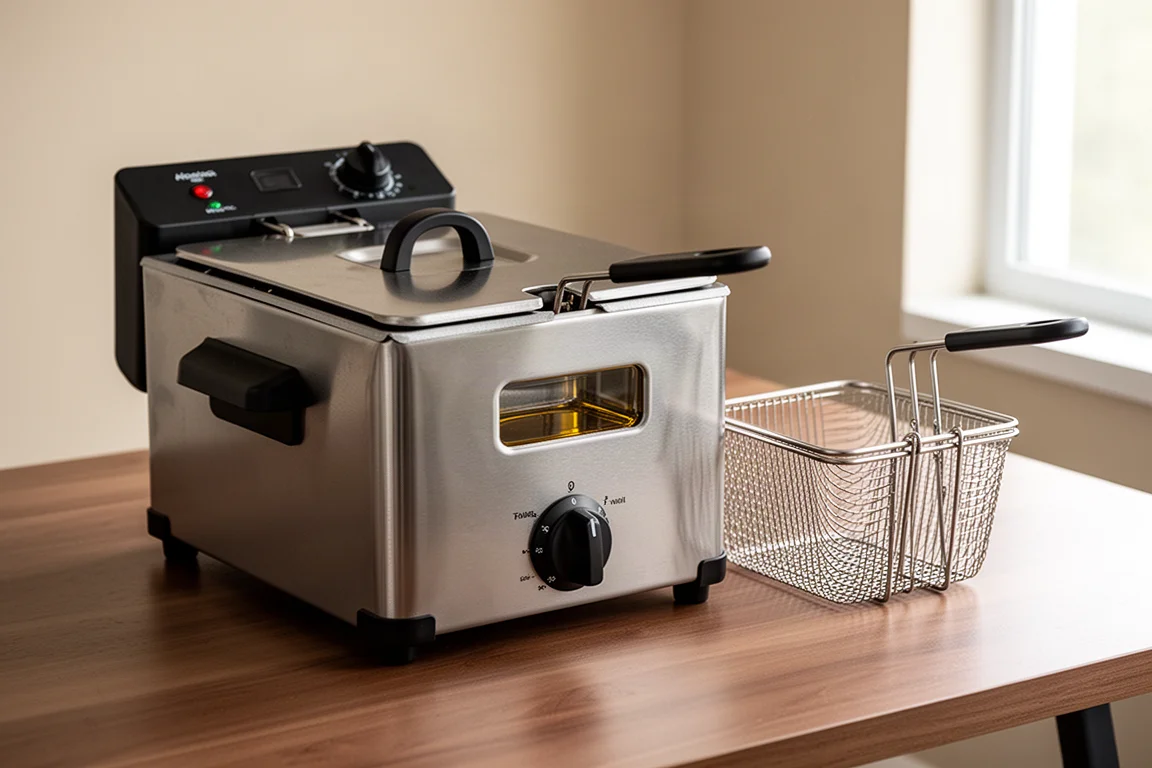
Our winning deep fryer, the T-Fal Ultimate EZ Clean, holds three and a half liters of oil, enough to fully submerge quite a lot of food. It is the only way to do proper batter-fried chicken wings: wet batter simply drips off and hardens weirdly in an air fryer instead of turning crispy.
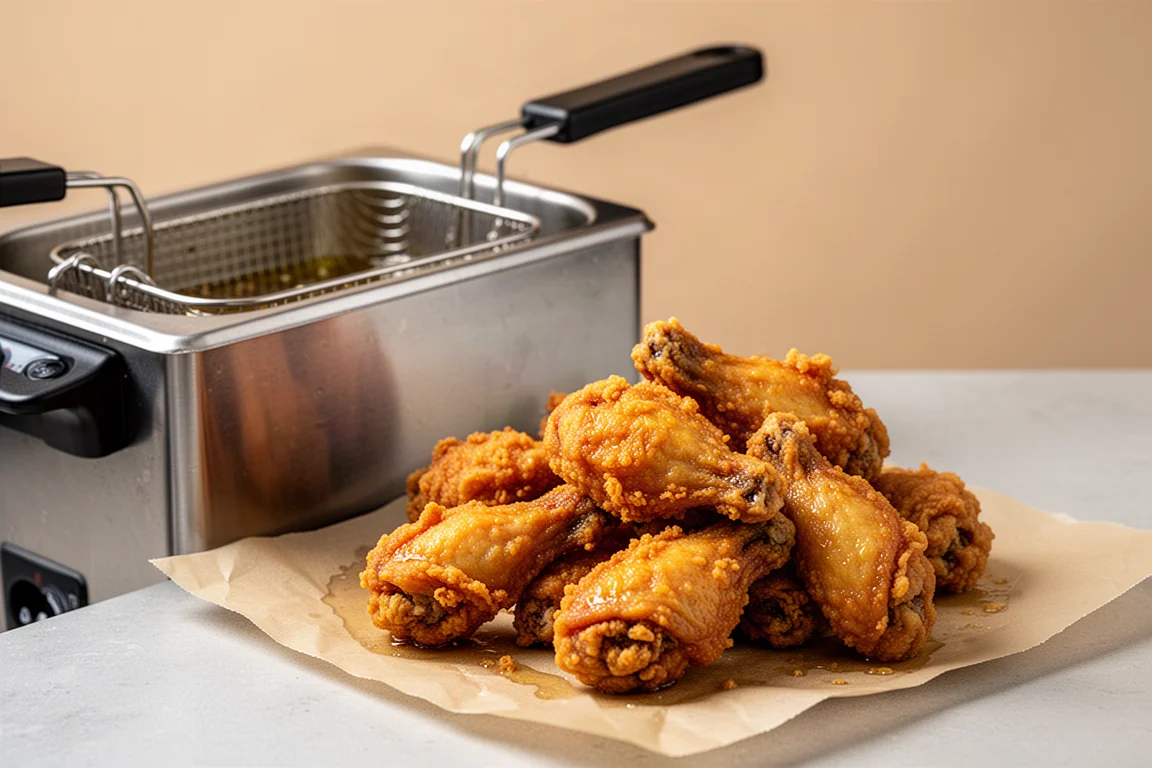
The deep fryer delivered gorgeous, perfectly even, golden-brown wings with that thick, craggy, crunchy coating you can peel off in a layer. The air fryer wings, meanwhile, were nothing to sneeze at: seasoned with just salt and pepper and cooked about 25 minutes, they fry in their own fat, the skin crisps up, and they genuinely taste like fried chicken without a single drop of added oil.
The practical difference is effort. The air fryer is completely hands-off: throw the wings in, watch a game, come back. Deep frying means dipping, frying, scooping, checking doneness, and waiting for the oil to recover between batches. It is a much more engaged process.
Verdict: for ease of use, the air fryer wins for most people. But if you love fried food, host parties, and want that true batter-fried crust, a dedicated deep fryer earns its spot.
Air Fryer vs. Microwave
Microwaves have some special skills an air fryer simply cannot match: reheating coffee, melting butter and chocolate, toasting bread crumbs, frying shallots, and par-cooking vegetables like broccoli before a stir fry or the grill. Liquids are firmly microwave territory.
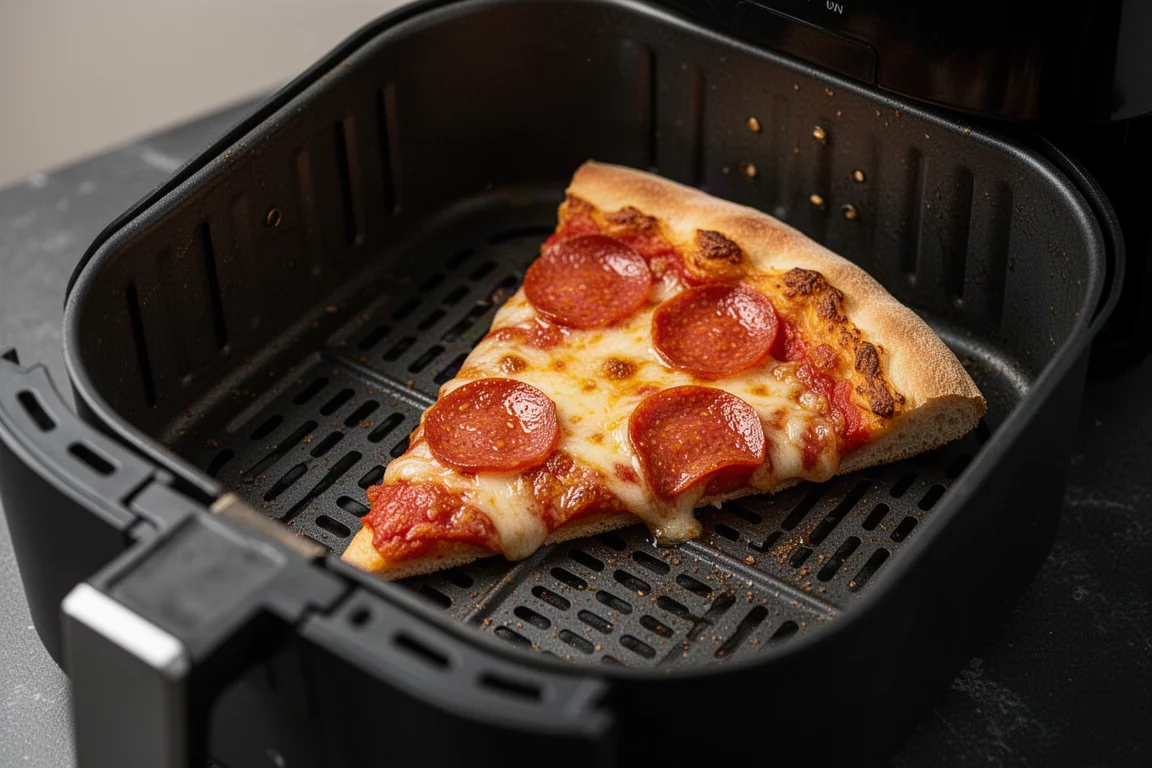
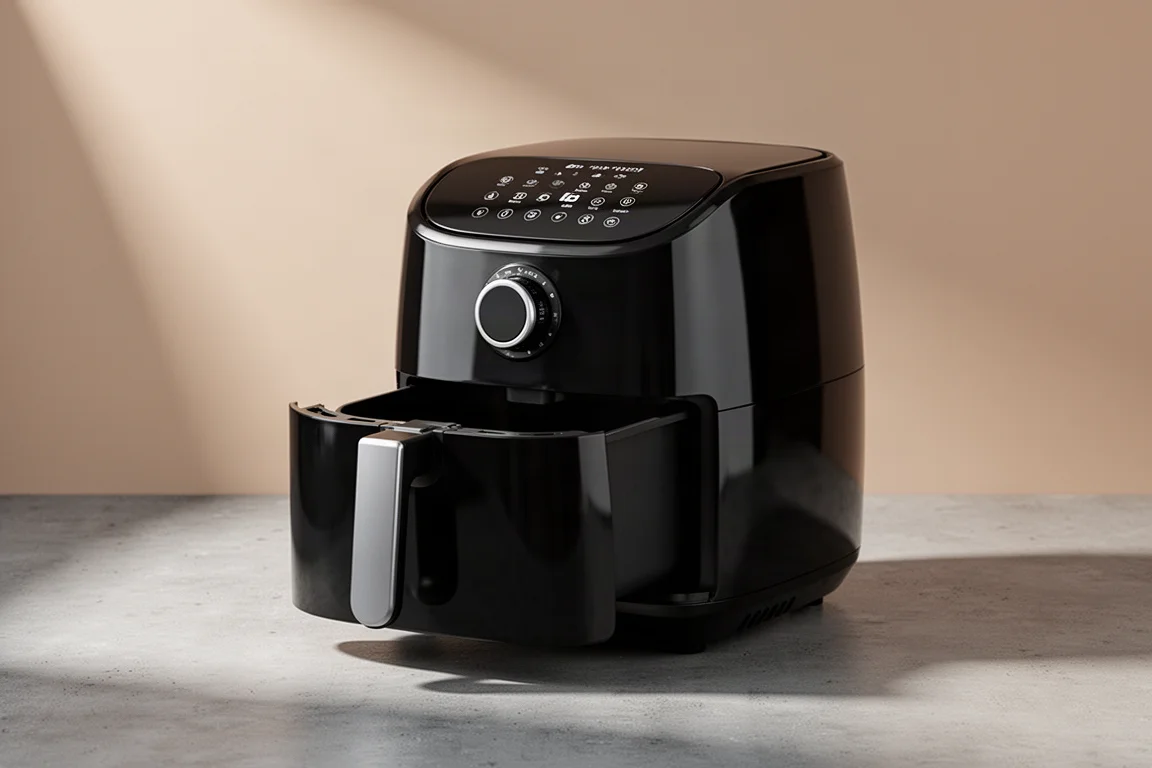
For day-old pizza, though, it was not close. The microwave slice took about a minute but came out soft, bread-y, spongy, and soggy with no texture variation top to bottom. The air fryer slice took four to five minutes and emerged with a nicely browned crust, cupped crispy pepperoni, and a cheese pull that tasted like it had just arrived from the pizza place.
Verdict: the air fryer absolutely wins for pizza and reheating leftovers in general, delivering crispy rather than soggy results. But you really still need the microwave for liquids, so it is nice to have both.
Air Fryer vs. Stovetop
Could an air fryer deliver a sizzling crust and a pink, juicy interior on a steak, the way a skillet does? We rubbed a steak with oil, salt, and pepper and tried it.
The air fryer steak looked surprisingly decent: browned on the outside, pink in the middle, with a fairly consistent texture and an unexpectedly juicy interior. The stovetop steak looked a little nicer, with a more developed crust and a more pronounced gradient between the seared exterior and the softer, rarer middle. It is also easier to watch and control browning and doneness in a pan, since heat comes only from the bottom.
Verdict: we are not throwing away our stoves. A skillet still makes the better steak, and it is easier to monitor. But if an air fryer is all you have on hand, you can make a respectable steak in it with no fear.
Air Fryer vs. Food Dehydrator
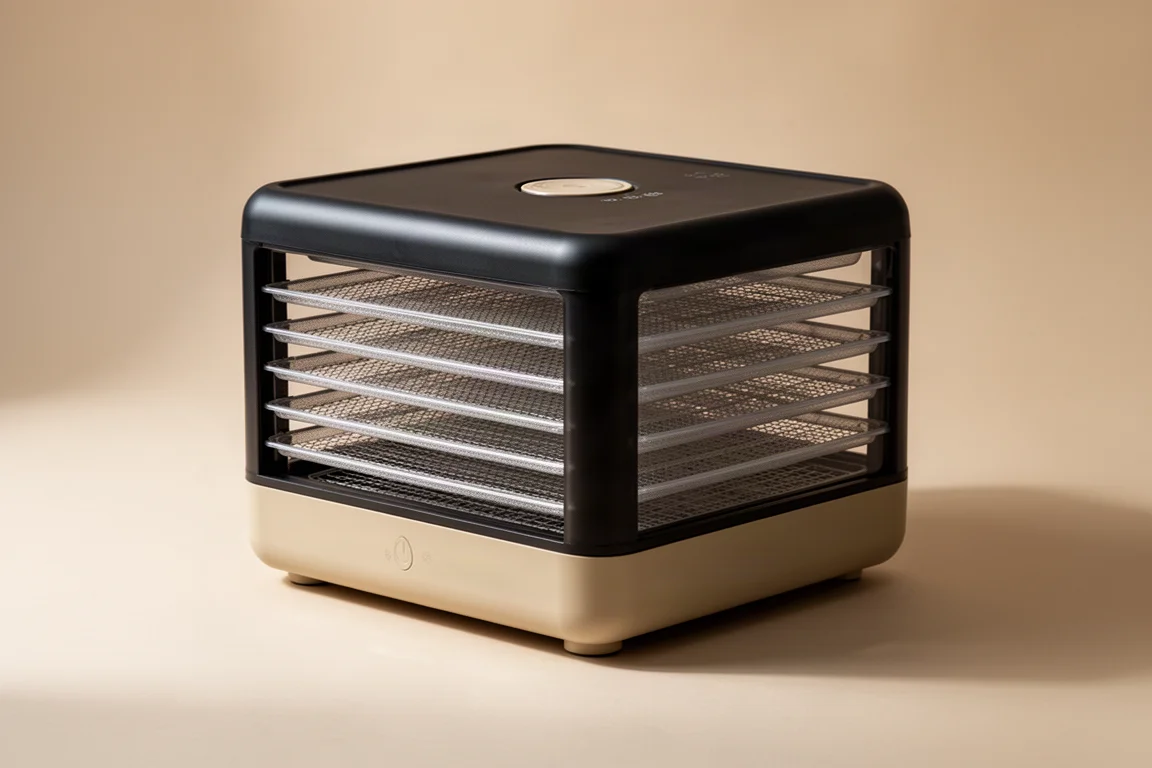
Here is a twist: our favorite air fryer has a dehydrate button that lets it run continuously on a timer for hours at a specific temperature, circulating air around the food, just like an electric food dehydrator. So we pitted it against our winning food dehydrator, the Excalibur, which we have put through batches of apple chips, kale chips, fruit leather, and beef jerky.
The air fryer drawer is limited in space, so we added inexpensive stacking racks, about ten dollars, that triple the interior space. For the test, we made beef jerky: thinly sliced, marinated beef cooked for three hours at 160 degrees, flipping the racks halfway through.
The results were genuinely good: bendy, beautifully chewy jerky with rendered fat, made from a modest cut of beef that absorbed the marinade well. It was mostly hands-off, easy to clean, and a batch like this would easily be worth 30 or 40 dollars of store-bought jerky, with the bonus that you control exactly what goes into it, avoiding any additives you do not want.
The capacity gap, however, is real. The Excalibur offers about 15 square feet of drying space, while the air fryer setup offers roughly one and a half. Both do the same job, holding a low steady temperature for hours, but the dehydrator is the size of a microwave and built for volume.
Verdict: for most people, the air fryer handles smaller dehydrating jobs just fine. If you are preserving the harvest or making large amounts of jerky on an ongoing basis, a dedicated dehydrator is worth the investment.
Final Round: Air Fryer vs. Campfire
The last battle was marshmallows. Two marshmallows on a foil sling inside the air fryer came out a perfect caramel color, with a crisp crust, a little chew, and a rich burnt-sugar, brown-sugar flavor. Definitely easier than finding wood, building and starting a fire, and hunting down sticks.
Verdict: the air fryer wins this round decisively, though it is admittedly hard to sit around it telling ghost stories on a summer evening.
Which Appliances Should You Actually Keep?
The Instant Vortex Plus earned its winning status across every test. It roasted a whole chicken in half the oven time with superior crispy skin, reheated pizza far better than a microwave, cooked a respectable steak, turned out genuine no-oil fried-style wings, dehydrated real jerky, and even nailed campfire marshmallows. If you are choosing one compact countertop appliance to do the most work, this is the one to get.
The picture that emerges is nuanced. The air fryer is a genuine stand-in for the oven when cooking for one or two, a clear upgrade over the microwave for reheating anything that should be crispy, and a surprisingly capable dehydrator for small batches. The microwave, stovetop, and full-size oven all keep their jobs for liquids, precise stovetop control, and larger batches respectively. And for anyone who regularly fries battered foods or hosts, the T-Fal Ultimate EZ Clean deep fryer remains the only way to get that thick, craggy, restaurant-style crust.
Conclusion
An air fryer will not replace every appliance in your kitchen, but it replaces more of them than we expected. Cook for two, reheat leftovers, roast a small bird, dehydrate snacks, even bake a small cake: the air fryer handles all of it faster and with less mess than the alternatives. Keep the microwave for liquids and the big oven for crowds, and if deep-fried batter is your love language, add a deep fryer. For everything else, the air fryer has you covered.
Further reading
Related Reviews
Kitchen Appliances
Arboleaf Smart Kitchen Scale Review: Connected Cooking Made Simple
A Bluetooth-enabled kitchen scale that syncs with a nutrition-tracking app, offering real-time weight monitoring and recipe guidance for home cooks.
Kitchen Appliances
Best Air Fryer Toaster Ovens Under 100: Five Practical Options for Budget-Conscious Kitchens
Five air fryer and toaster oven combinations that deliver real cooking performance without breaking the bank, each with distinct strengths for different kitchen needs.
Kitchen Appliances
Best Air Fryer Toaster Ovens: Three Top Picks for Multi-Function Cooking
Three high-performing air fryer toaster ovens tested for versatility, ease of use, and real-world cooking results. Find the right fit for your kitchen.