Camping Gear
Camping Power Upgrades: Is a 12V Fridge and Power Station Worth It?
A portable power station and a 12V fridge add real convenience to camping trips. Here is what each one does well, where the trade-offs appear, and who should invest.
Introduction
Camping gear tends to fall into two rough groups. There is the kit you genuinely need to get through a night outside, and there is the kit that simply makes the trip more comfortable. A portable power station and a 12V fridge belong firmly in the second group. Neither is required to enjoy a weekend outdoors, but both change what a trip can look like once you get used to having them.
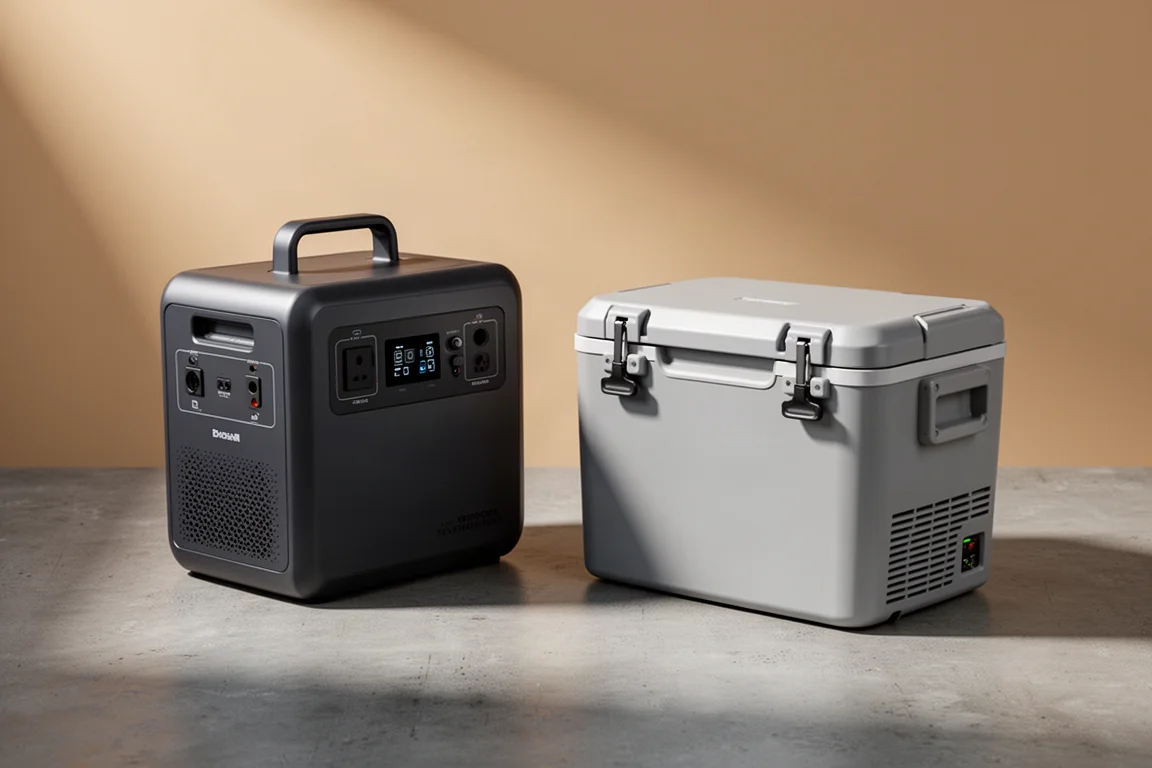
This guide looks at two specific pieces of gear: the UD Power S1200 power station and the Iceco VL35 Pro 12V fridge. It covers what each one does well, where the trade-offs show up, and how to decide whether the investment makes sense for the kind of camping you actually do.
What Counts as a Real Camping Upgrade
There is no single right way to camp. Some people tow a travel trailer into a developed campground, some camp out of the back of a car, and some strip their kit down to the minimum and rough it. What counts as an upgrade depends entirely on which of those trips you take.
That is why it helps to separate gear into essentials and conveniences. A power station and a 12V fridge are conveniences, and a good one earns its place by removing a recurring annoyance rather than by adding a feature you will rarely use.
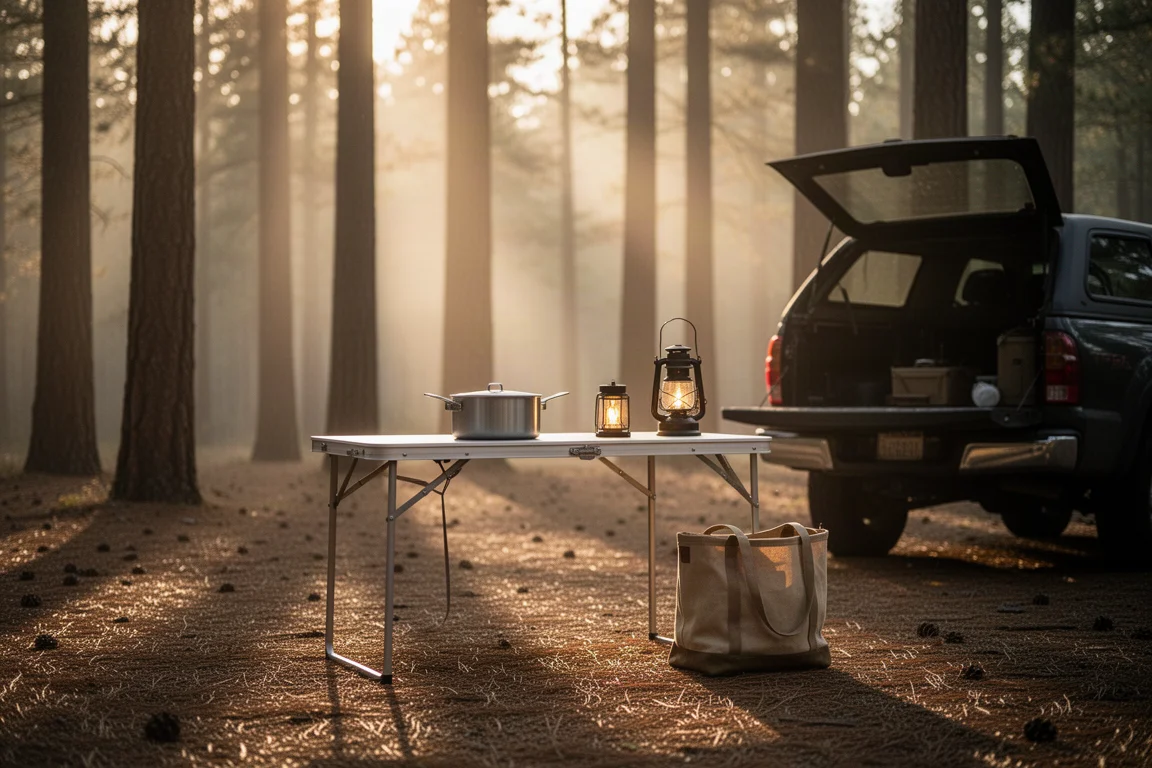
A useful test is to ask what a piece of gear takes off your plate. A fridge removes ice runs, soggy food and cooler drainage. A power station removes the hunt for outlets and the worry about draining a vehicle battery. When an upgrade solves a problem you hit on every trip, the value is easy to see.
UD Power S1200 Power Station: Flexible Power for Weekend Trips
A sensible baseline for a weekend trip is a power station with roughly a 1,000 watt-hour capacity. That is enough to run a 12V fridge and still charge the smaller things that come along, including tablets, camera gear, lanterns and headlamps. The UD Power S1200 sits just above that line with a 1,191 watt-hour capacity, and its maximum output is 1,800 watts against a standard output rating of 1,200 watts.
That headroom shows up in practical use. Running an induction cooktop at a 400-degree setting drew close to 1,000 watts of output without tripping the unit or triggering warnings. Three cups of water reached a full boil in roughly five minutes, and about ten minutes of induction cooking took the battery from 77 percent down to 61 percent. The S1200 is listed at $649.
Living With the S1200: Outputs, Charging, and Battery Life
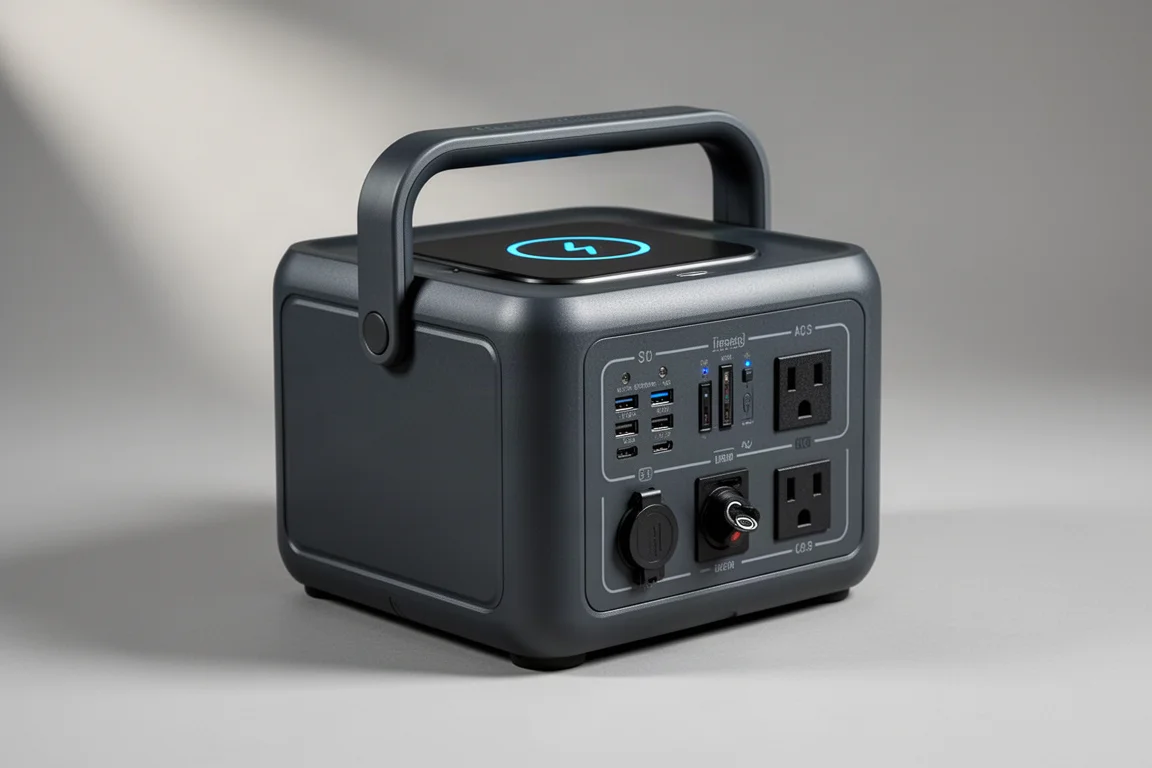
The port selection is broad enough that most campers will not need adapters. There is a 15-watt wireless charging pad on top of the unit, five AC outlets, and six USB ports: two USB-C ports rated at 100 watts each and four USB-A ports. For fridge duty there is a 12-volt cigarette lighter socket plus two smaller 12-volt outputs.
Both the solar input and the AC input sit on the back of the unit, which makes cable routing tidier when it is parked in one spot. The battery itself is lithium iron phosphate, a stable chemistry rated to hold 70 percent of its capacity after 4,000 charge cycles.
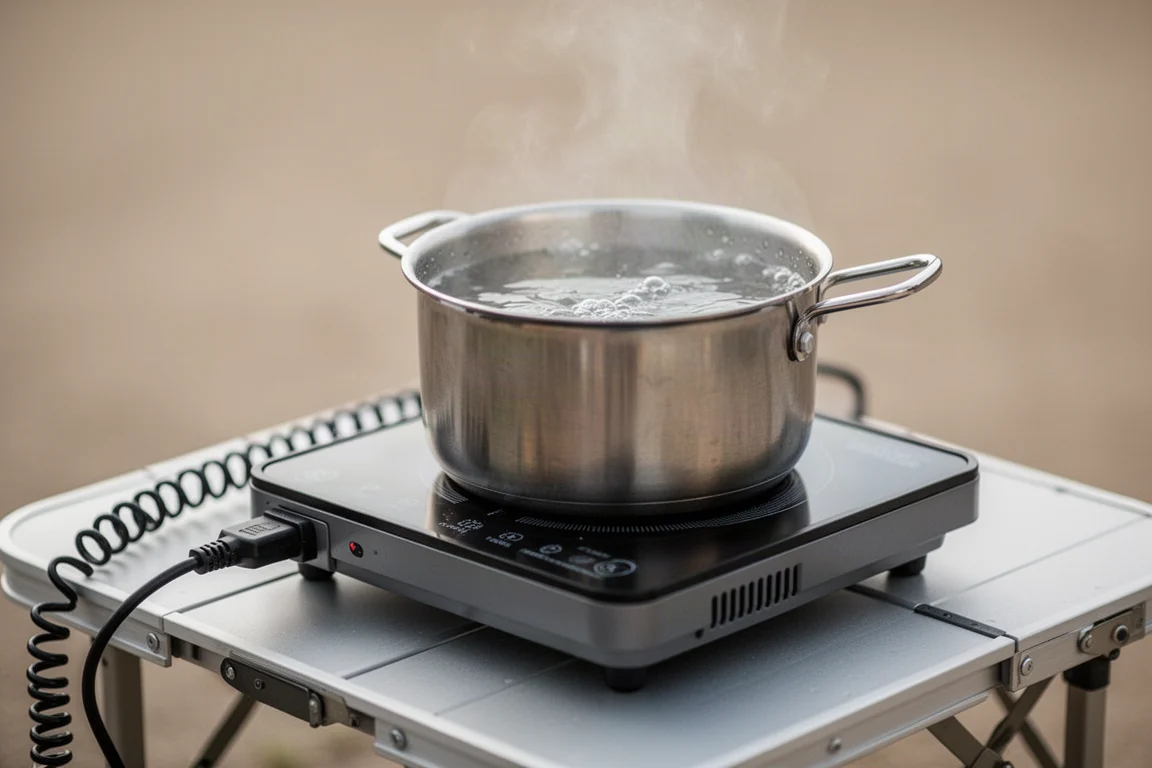
The trade-offs are worth understanding before you buy. High-wattage appliances drain the battery quickly, so cooking with an induction cooktop is a real draw rather than a free extra. Recharging also depends on conditions. Camp under heavy tree canopy or sit through an overcast stretch, and solar input will not keep pace with heavy use. Matching your power draw to your charging options is the whole game.
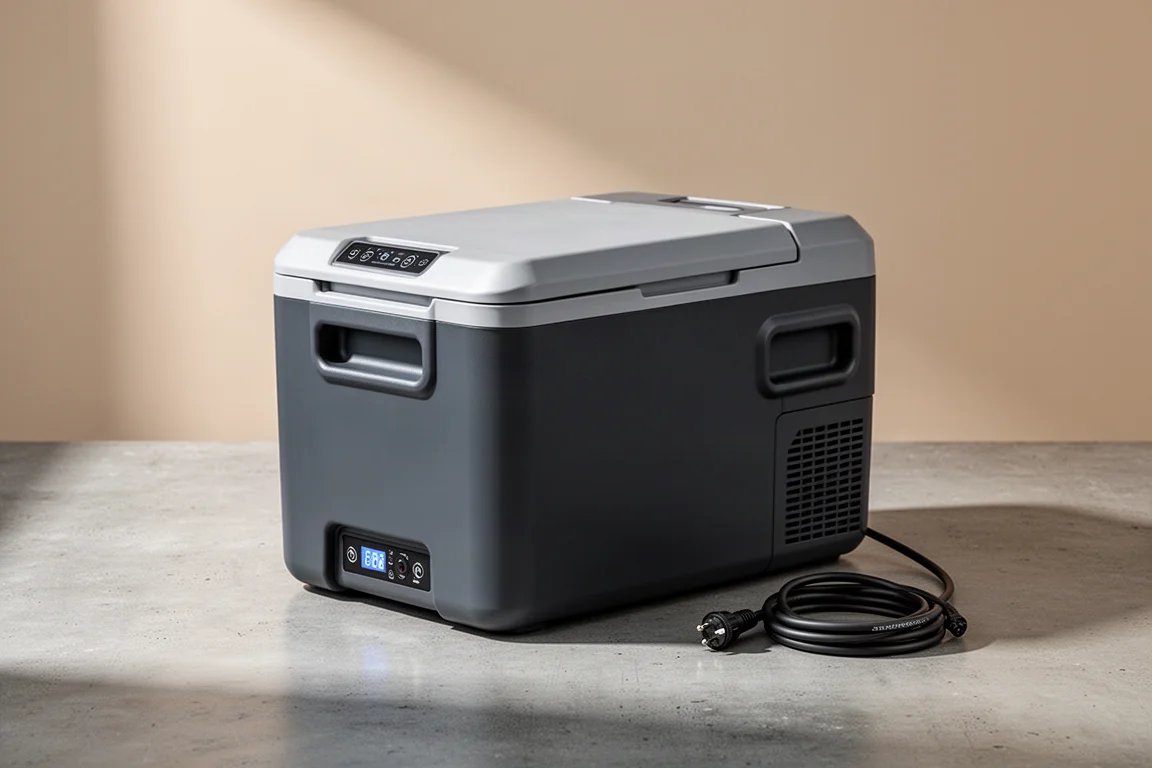
Iceco VL35 Pro 12V Fridge: Consistent Cold Without Ice
For many campers, a 12V fridge turns out to be one of the better investments in the kit. There is no ice to buy, no waterlogged food, and no daily decision about whether the cooler is still holding temperature. Food stays at a consistent setting instead of drifting as ice melts.
Space is the quieter advantage. A cooler that holds the same amount of food plus enough ice to keep it cold for a weekend takes up noticeably more room than a fridge of equivalent capacity, which matters in a packed vehicle. Power consumption is modest in normal cooling use, and fridges are available at a range of prices.
The Iceco VL35 Pro has been in use for roughly two and a half years with no issues. Its capacity suits a family of five plus a dog for a weekend trip, holding food and drinks without a second cooler. The main thing to weigh is complexity: a fridge contains a compressor and electronics that can eventually fail, while a cooler has almost no moving parts beyond its hinges.
Running a 12V Fridge as a Freezer
Temperature range is where a fridge pulls ahead of a cooler most clearly. On a trip that required transporting frozen food, the fridge was turned down to freezer-level temperatures and held those items frozen for the entire drive. A cooler cannot maintain that for the same duration, and thawing food is not a small problem on a long travel day.
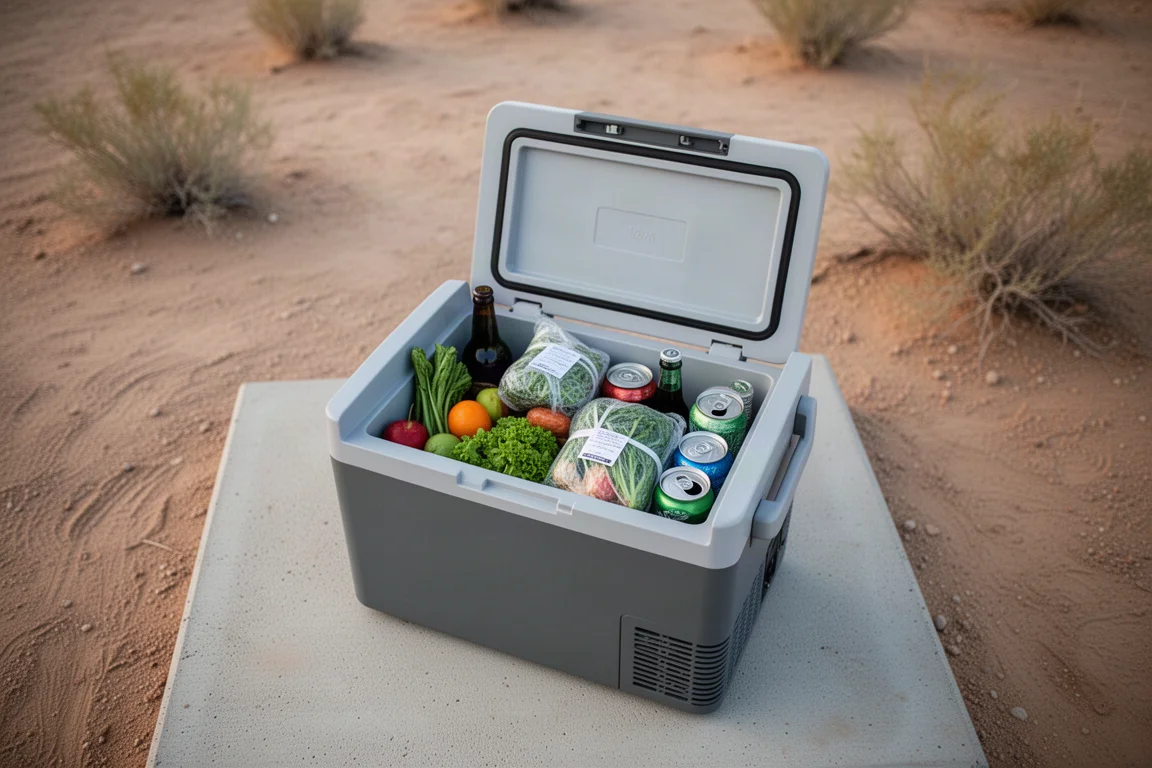
Running cold like that has a cost. The compressor cycles more often and power draw rises significantly, so the power station behind the fridge needs enough watt-hour capacity to carry the trip. Some campers run fridges continuously off a dual battery system or RV house batteries, which removes the portable power question entirely, but a power station remains the simpler route for vehicles without that setup.
What the Full Setup Costs and Who It Suits
Taken together, the three pieces that make this system work, the solar panel, the 12V fridge and the power station, represent an investment of about $1,500. That is a meaningful amount for a few pieces of camping gear, so it helps to measure it against how often you actually camp and what you want those trips to feel like.
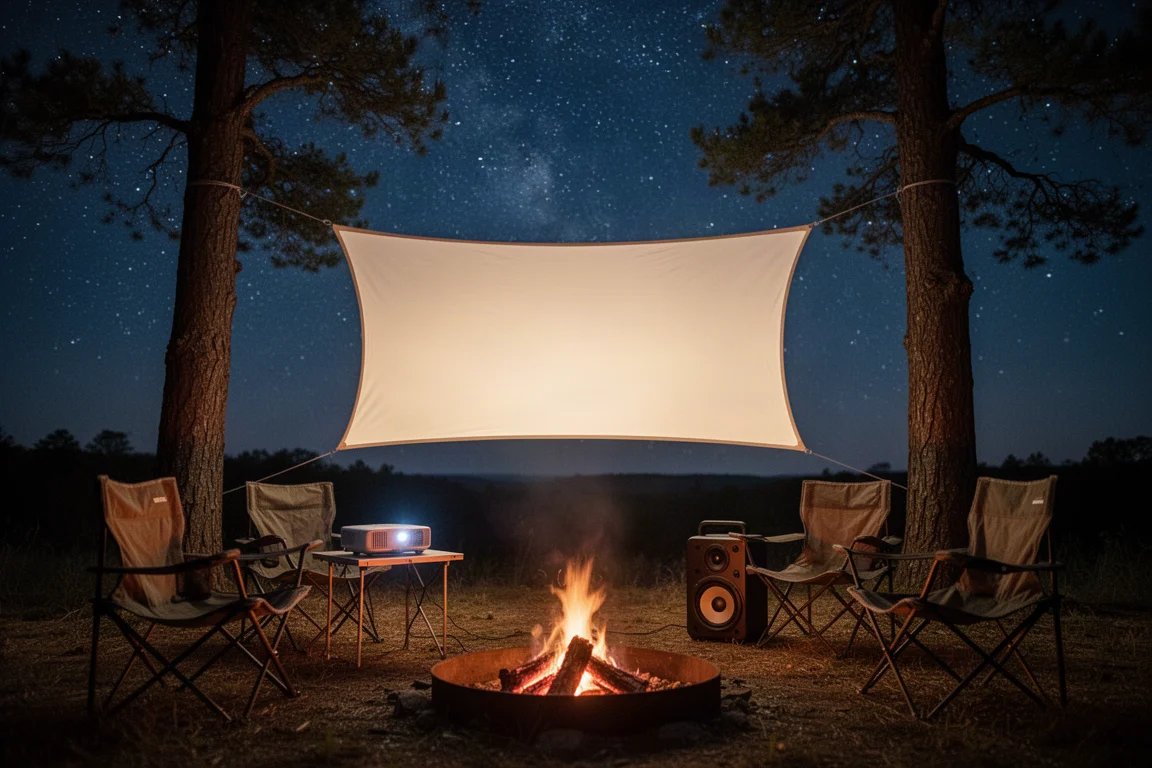
The value extends beyond camping. A power station paired with a solar panel is useful at home during a power outage, keeping devices charged when you do not know how long the grid will be down. For families, the same setup supports things like movie nights outdoors, with the power station running a projector, a speaker and a laptop after dinner.
Who Should Invest in These Upgrades
Frequency is the deciding factor. If you camp often, spend real time in the backcountry, and treat it as a regular part of family life, the convenience tends to pay for itself across a season. Food stays cold, devices stay charged, and trips run with fewer interruptions.
If you get out once, twice or three times a year, the same spend is harder to justify, and a good cooler plus a smaller power bank may cover everything you need. There is no wrong answer here, only a mismatch between gear and habits.
A middle path also exists. Start with a power station sized for your typical weekend, add a fridge when ice handling becomes the thing you dread, and bring in solar once you know how much recharge you actually need. Building the system in stages keeps the spending tied to a problem you have already felt.
Conclusion
A 12V fridge and a portable power station are upgrades, not essentials, and they should be judged that way. The UD Power S1200 covers weekend power needs with a 1,191 watt-hour capacity, a 1,800-watt maximum output and a wide spread of ports, while the Iceco VL35 Pro delivers consistent temperatures and a smaller footprint than an equivalent cooler over years of use.
For campers who are out often, the combination removes real friction from every trip. For occasional campers, the money is better spent elsewhere until the need is obvious. Either way, the decision comes down to matching the gear to the trips you genuinely take.
Further reading
Related Reviews
Camping Gear
3FUL Ultralight Ground Sheet Review: A Two-Person Footprint Worth Packing
A 6.7 oz two-person ground sheet in ripstop silnylon, priced around $30. Here is what it protects, what it does not do, and who should pack it.
Camping Gear
Backcountry Light Dual-Function Tarp and Floor Review: A Footprint First
A dual-purpose tent floor and tarp that keeps falling rain off you, but cannot block wind. Here is where it works and where it does not.
Camping Gear
Best 2-Person Camping Mattresses for Couples: 10 Options Compared
A practical comparison of ten two-person camping mattresses, covering self-inflating pads, air pads and air mattresses for couples.