Camping Gear
Camping Gear Worth Rethinking: Eight Items That Left the Pack
Eight camping items, from a storm-worthy tent to water filters, with honest notes on packed size, comfort, and value before you buy.
Introduction
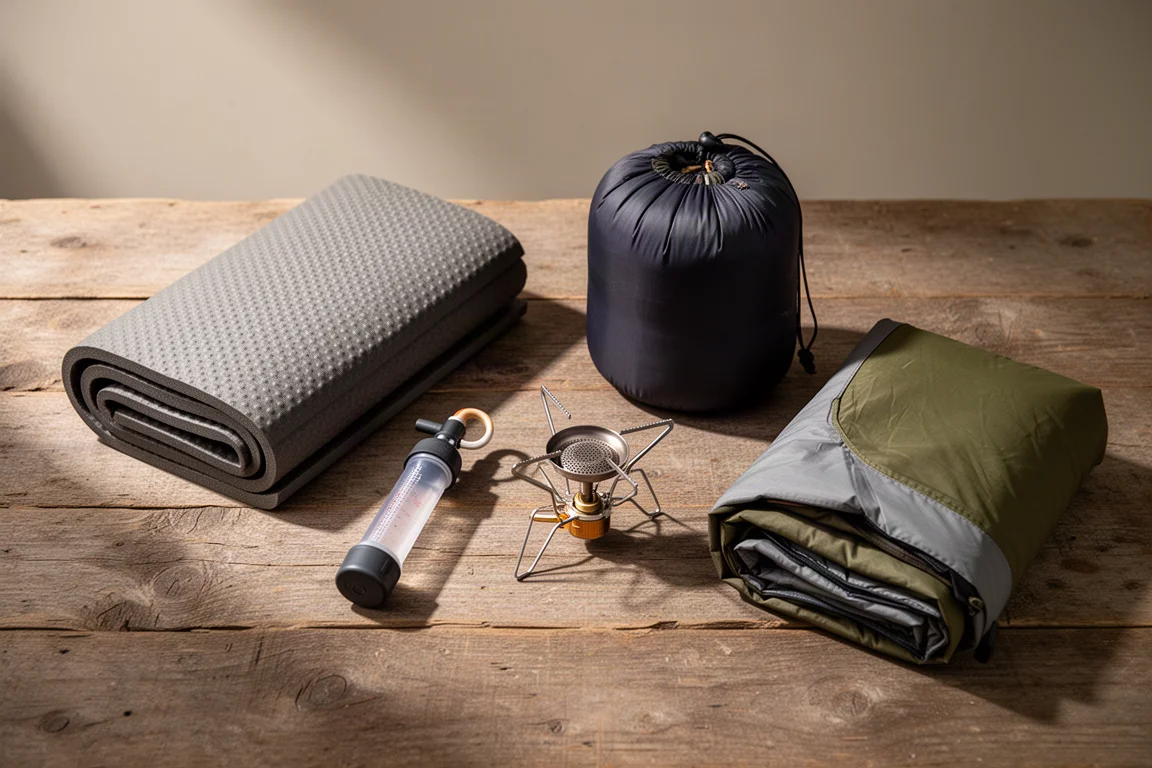
Some camping gear earns a permanent place in the pack, and some quietly stops coming along. The second group is often the more interesting one, because the reason is rarely that the item was bad. More often it was heavier, bulkier, or less comfortable than something simpler that does the same job.
That pattern is worth understanding before you spend money. In several categories the most specialised and most expensive option is also the one most people do not need. This guide looks at eight items that have fallen out of regular rotation, why they did, and what took their place.
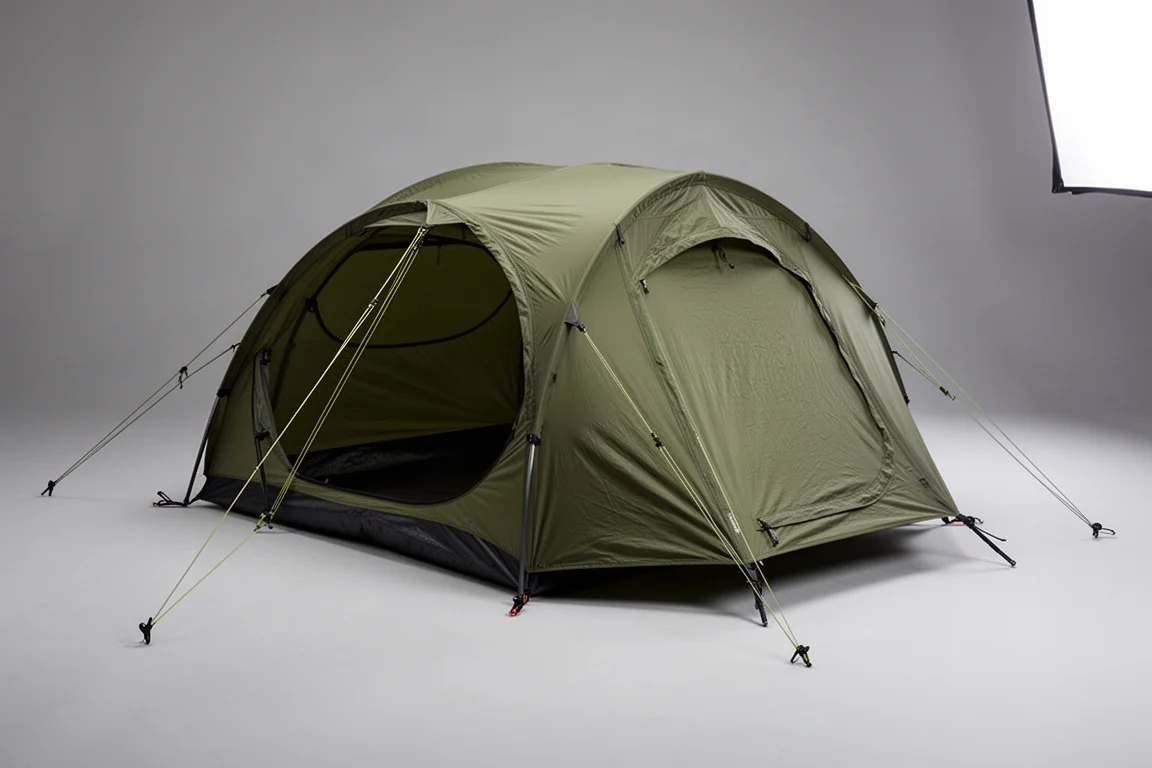
Hilleberg Soulo: Built for Weather Most Trips Never See
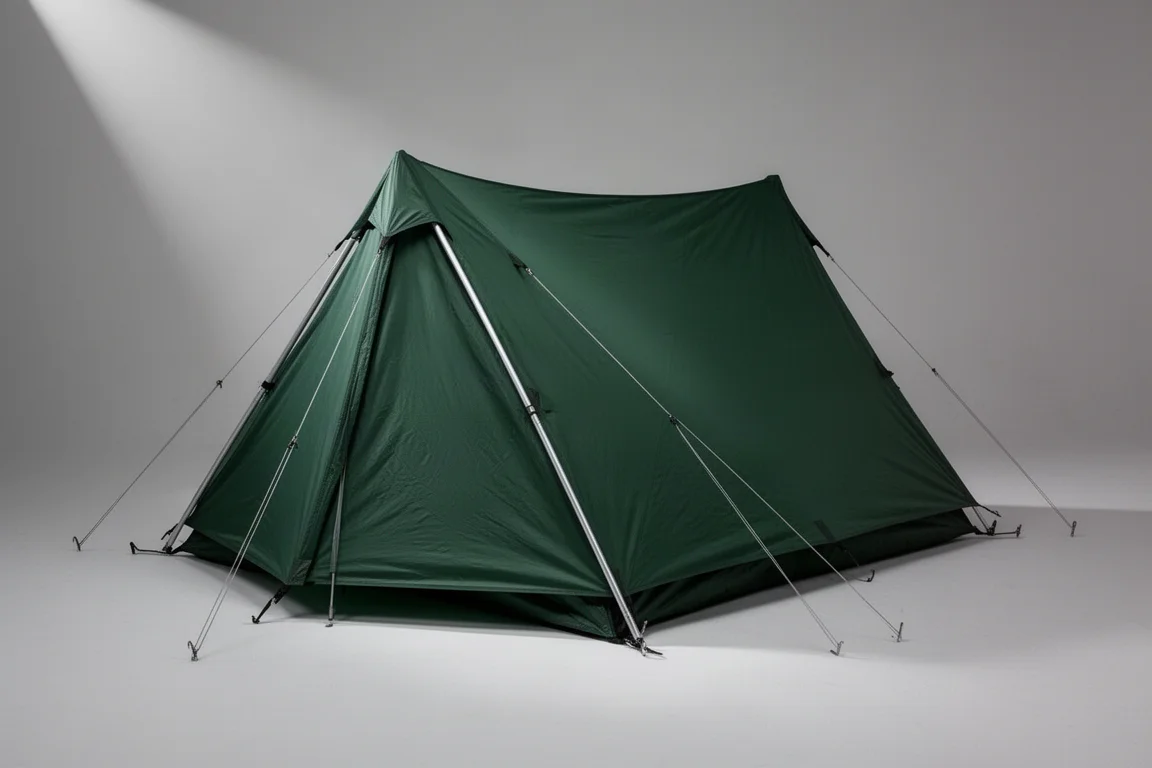
The Hilleberg Soulo is a one-person tent that many campers would trust in any conditions the UK can produce. It has a clear purpose and it performs it well. The difficulty is everything around that purpose: it is big, it is bulky, and it weighs noticeably more than the alternatives, which makes it pure overkill for the weather most trips actually meet.
That does not make it a bad purchase, and it is not going anywhere. If the forecast promises severe winds or heavy snow loading, this is the shelter to take. For ordinary trips, lighter and more compact tents such as the Tarptent Scarp 1 handle typical conditions perfectly well and are far easier to carry.
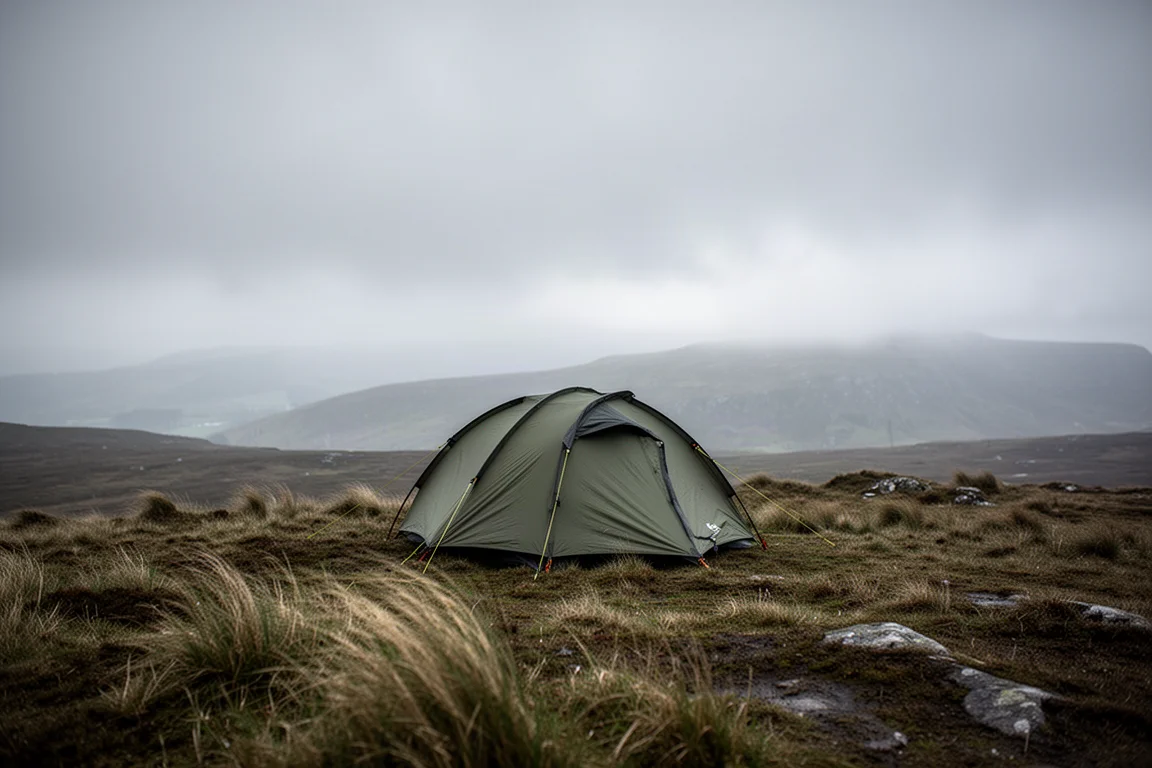
The practical lesson is that the top of a category is not automatically the right choice. A shelter that is comfortable to carry tends to get used more often than one built for storms you may never camp in.
Therm-a-Rest Z Seat: A Good Seat Outclassed by Versatility
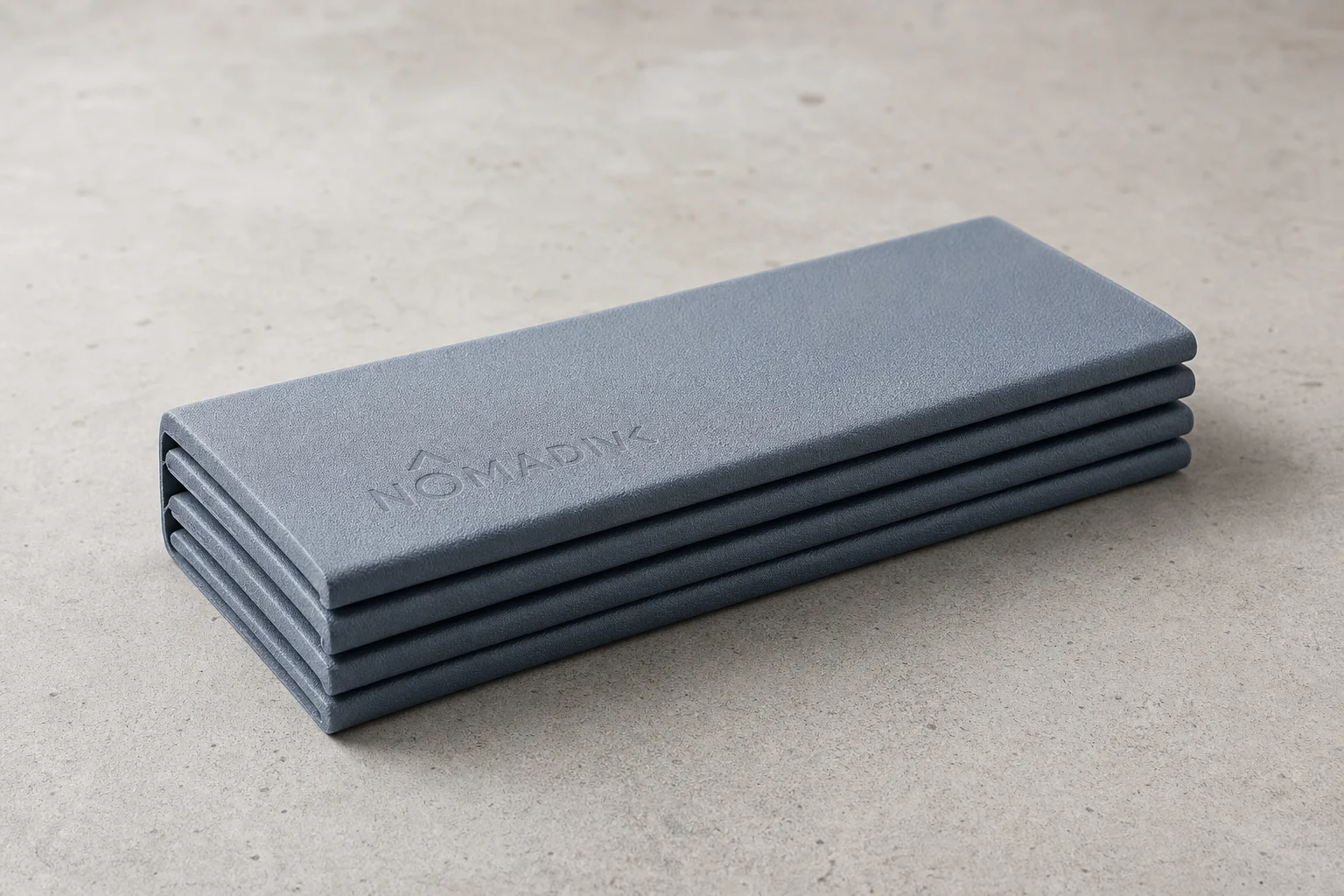
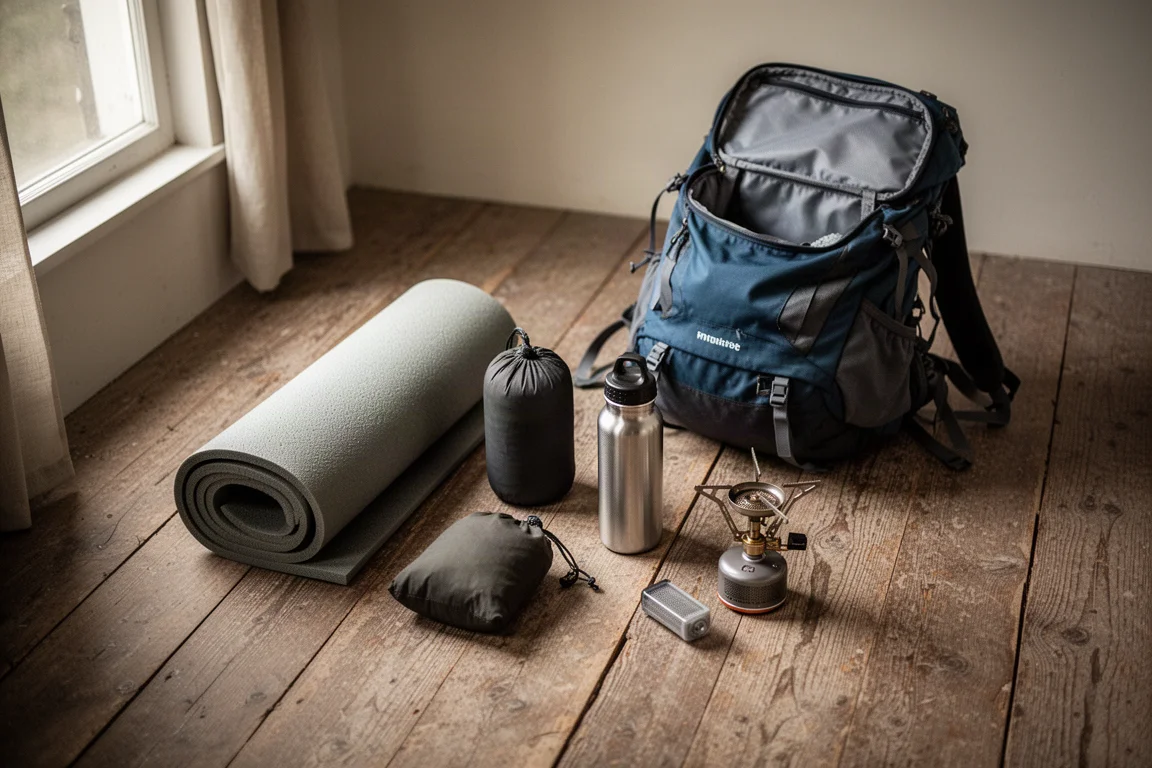
The Therm-a-Rest Z Seat is a decent piece of kit and it used to go on every trip. It has since been replaced by a thin closed-cell foam mat, which takes up about the same amount of space but does considerably more. Laid out flat, the mat gives you something to lie on. Tucked under a sleeping pad, it adds insulation. Folded up, it becomes a seat pad for a break. It is also tough and weighs next to nothing.
Nothing about the Z Seat is wrong. It simply does one job where a foam mat does three, and that is what made it redundant.
Avenue Appalachian Stove Kit: The Cost of Multifunction
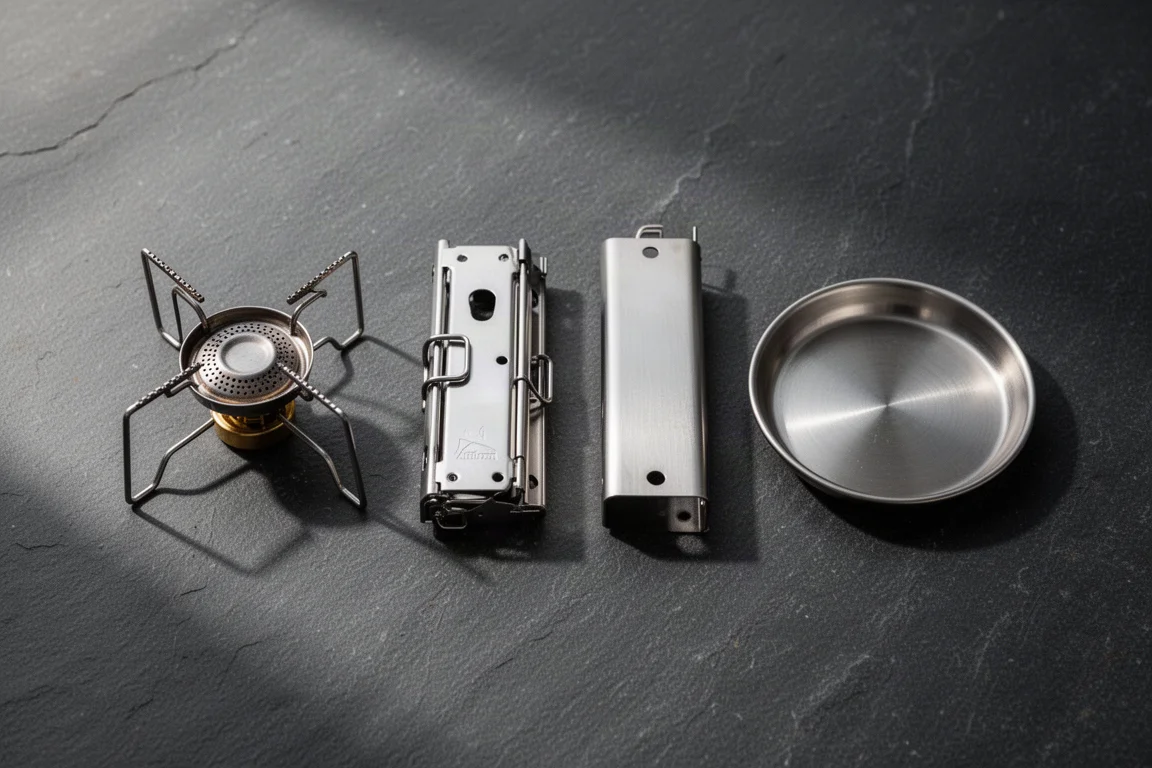
The Avenue Appalachian Stove Kit is the clearest example here of paying a premium for versatility. The idea is appealing: an ultralight stove that covers several bases at once. The kit includes an alcohol burner with a stand, and it can also be assembled as a small wood stove with a plate, so you are not tied to a single fuel.
It works, and some campers swear by this style of stove. The problem is the price. At over £100, it is hard to justify when better options cost a fraction of that. Assembly is also fiddly enough that the wood-burning configuration is not something most people want to work out at the end of a long day.
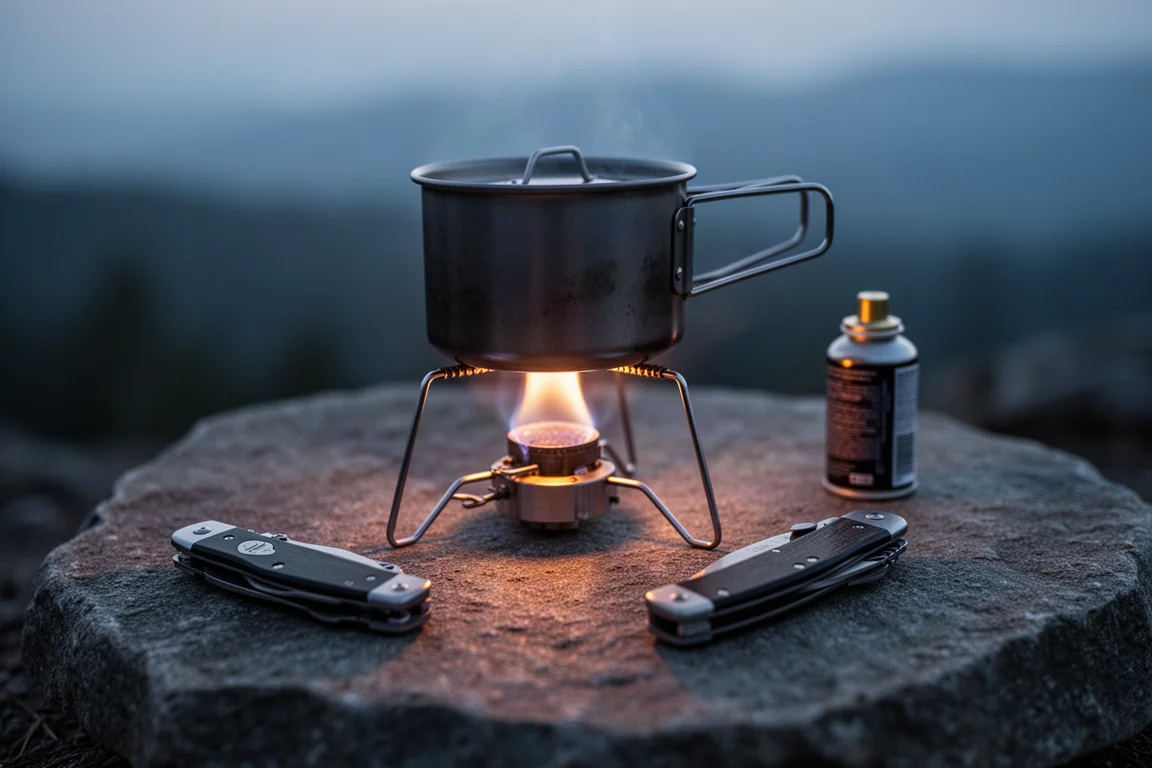
Multifunction gear only pays off when the extra modes are quick and obvious to use. When they are not, you are carrying the weight and the cost of features you will rarely touch.
MSR TrailShot: Handy in Tight Spots, Slow Everywhere Else
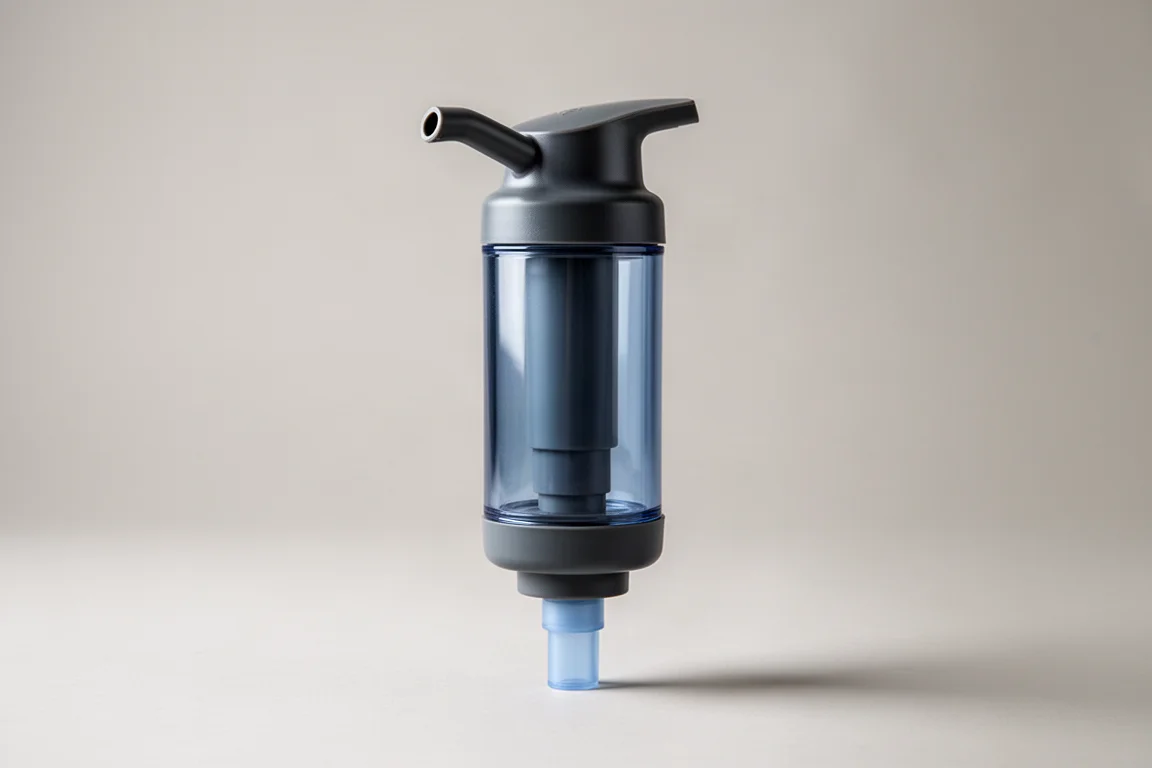
The MSR TrailShot is a handheld pump filter, and its filter element is very similar to what you find in the Sawyer Mini or the Katadyn BeFree. The difference is the format rather than the filtration. The intake can be lowered into a small hole, a rock pool, or even a puddle where a bottle or gravity setup will not fit, and a few pumps deliver water straight to your mouth.
The trade-off is speed and effort. Pumping is slow, the arm starts to ache after a while, and the whole process is much less efficient than the squeeze filters it sits alongside. For a trail runner who wants a quick drink from a rock pool, that is a fair trade. For general backpacking, the simpler filters win.
Rab Mythic Ultra: Light, Compact, and Very Enclosed
The Rab Mythic Ultra is very light and incredibly compact, and it squashes down to almost nothing in a pack. The warmth it delivers for its size is superb, which is exactly what you want from a bag this small.
The problem is getting into it. The zip runs roughly eight inches top to bottom, so you have to crawl into a narrow opening, and once inside the bag feels tight and restrictive. That sense of being closed in is uncomfortable enough to disturb sleep.
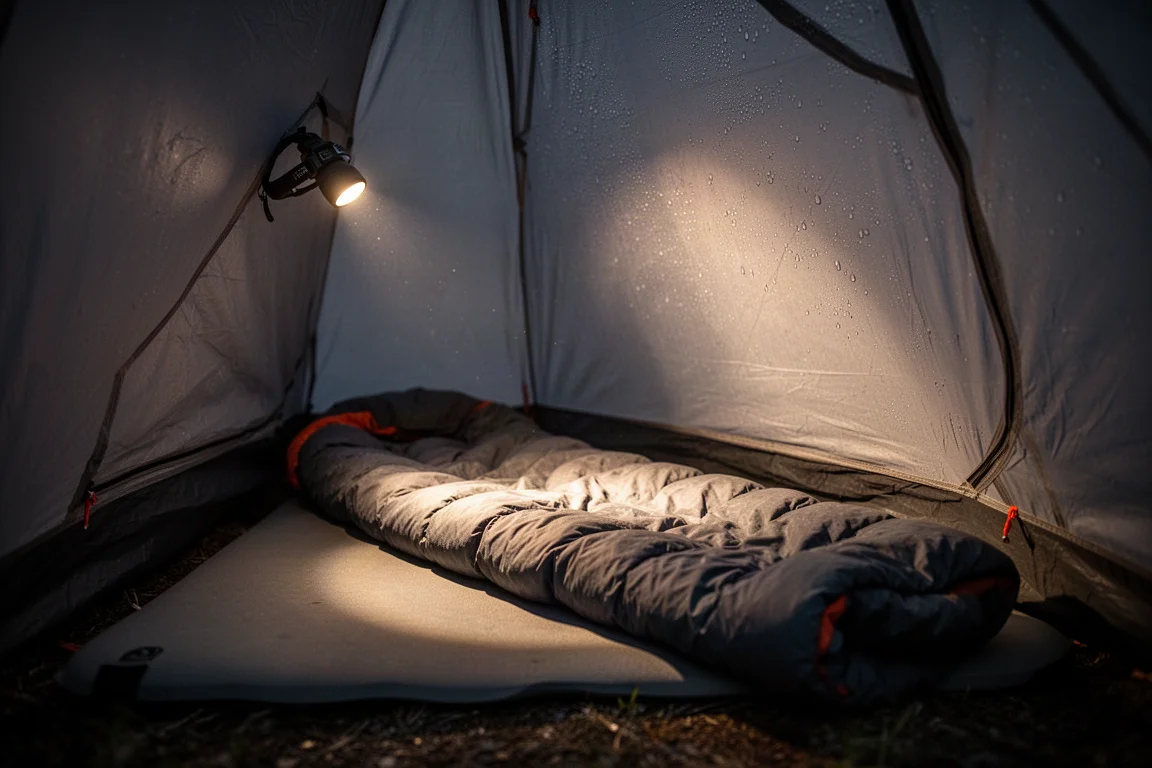
Quilts are the alternative worth considering, because they allow far more freedom of movement. In practice, the usual workaround with a bag is to leave the zip open and pull it over yourself like a quilt anyway, which tells you something about how much the enclosure is actually adding.
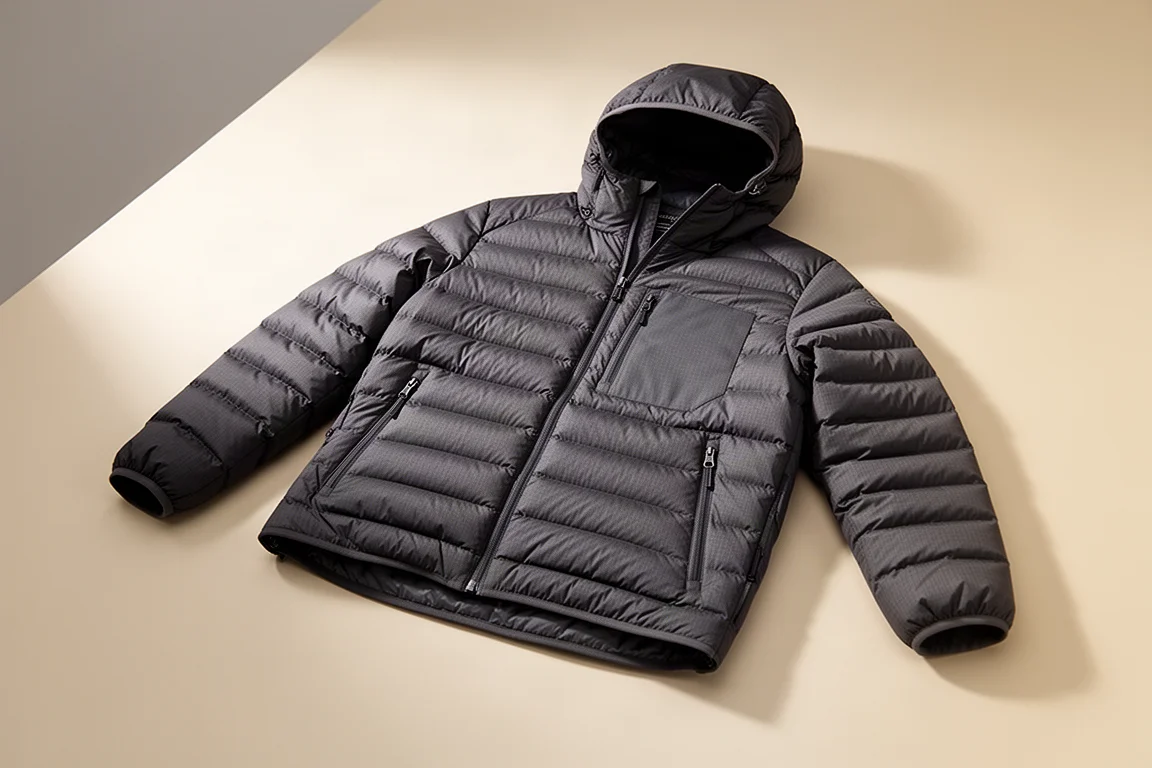
Tarptent Scarp 1: The Lighter Shelter That Took Over
The Tarptent Scarp 1 is the shelter that replaced the heavier option for most trips. It is lighter and much more compact, and it handles typical weather perfectly well. For three-season backpacking, that combination of lower weight and smaller packed size is usually worth more than the extra margin a four-season tent provides.
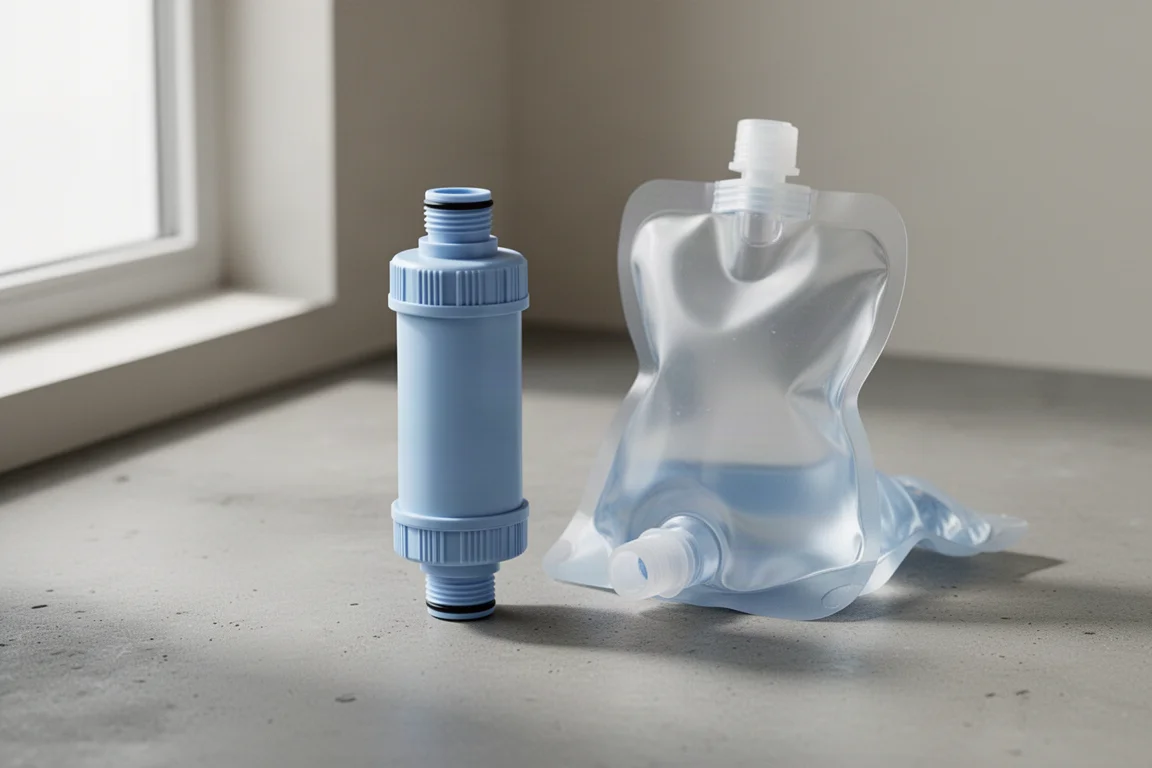
Sawyer Mini: The Filter That Earns Its Place
The Sawyer Mini is one of the two filters that took over from the pump. It is part of the setup now in regular use, and for most trips it is simply more efficient than working a pump by hand. If you are filtering water on a normal backpacking trip rather than grabbing a drink from a rock pool mid-run, this is the approach that makes more sense.
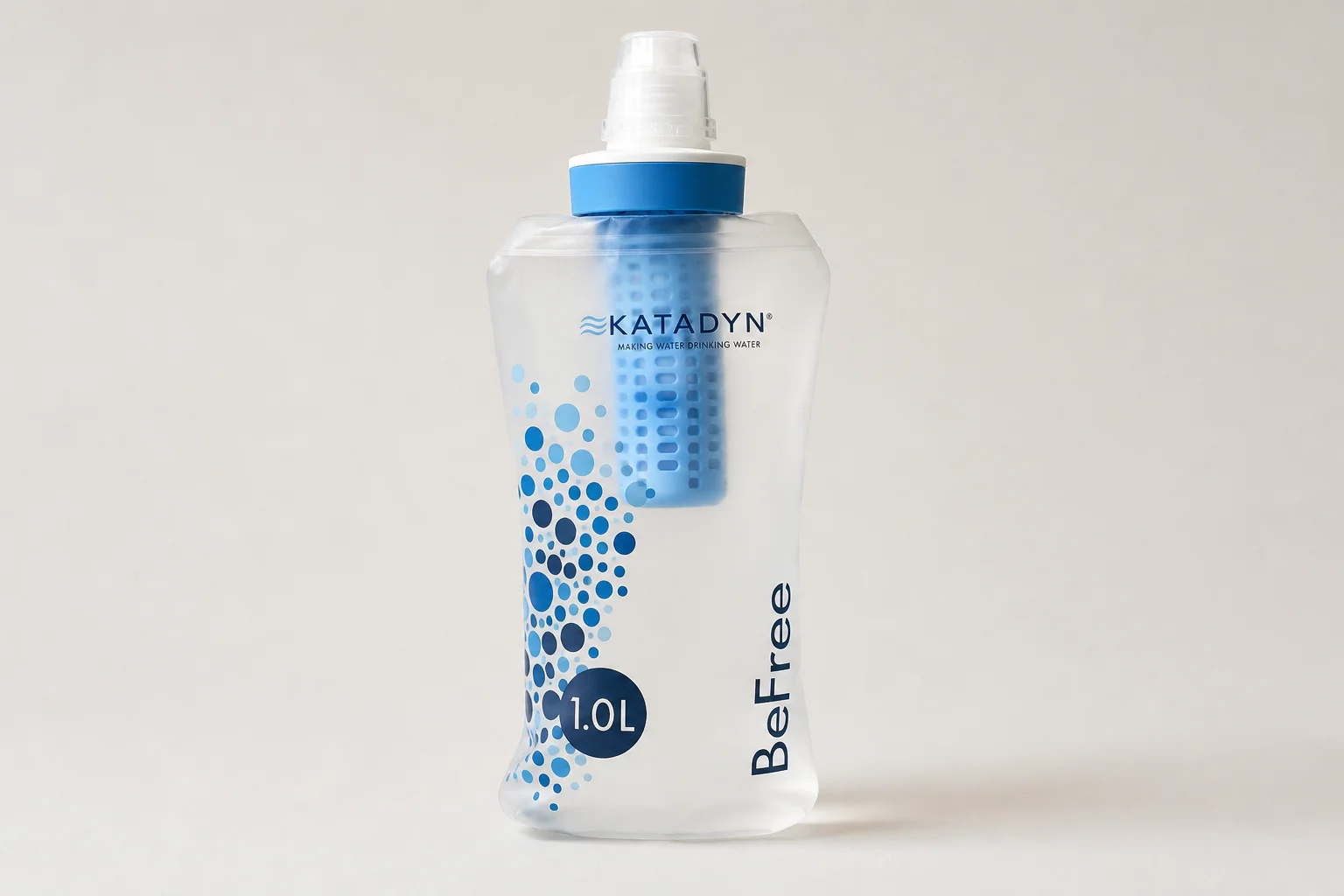
Katadyn BeFree: The Other Filter in Regular Use
The Katadyn BeFree sits alongside the Sawyer Mini as the filter that replaced the TrailShot. Both are more efficient for everyday water collection, and between them they cover almost every situation where the pump would previously have been packed. Unless you specifically need to drink from a puddle or a rock pool, there is little reason to carry the heavier option.
Buying Advice
Start with the conditions you actually camp in, not the ones you imagine. A four-season shelter is the right answer for severe wind and heavy snow, but for ordinary three-season trips a lighter tent does the job with far less weight on your back.
Packed size and weight compound over a trip in a way that is easy to underestimate in a shop. Give them real weight in your decision, especially for tents and sleeping systems.
Versatility only counts when the extra modes are quick and obvious. A stove that does three things badly is worse value than one that does a single thing well, and the same logic applies to a seat pad that cannot double as insulation or a groundsheet.
Finally, comfort at night matters more than specifications on paper. A sleeping bag that feels restrictive can cost you sleep regardless of how light or warm it is, so try to judge access and freedom of movement before you commit.
Conclusion
None of the eight items here is a bad product. Each one stopped being the right answer for a particular way of camping, and that is the useful distinction. Buy for the trips you take most often, weigh packed size and comfort as heavily as headline performance, and treat extra features as a cost rather than a bonus until you have confirmed they are quick to use. Gear that suits your real trips will always outperform gear that suits an imagined worst case.
Further reading
Related Reviews
Camping Gear
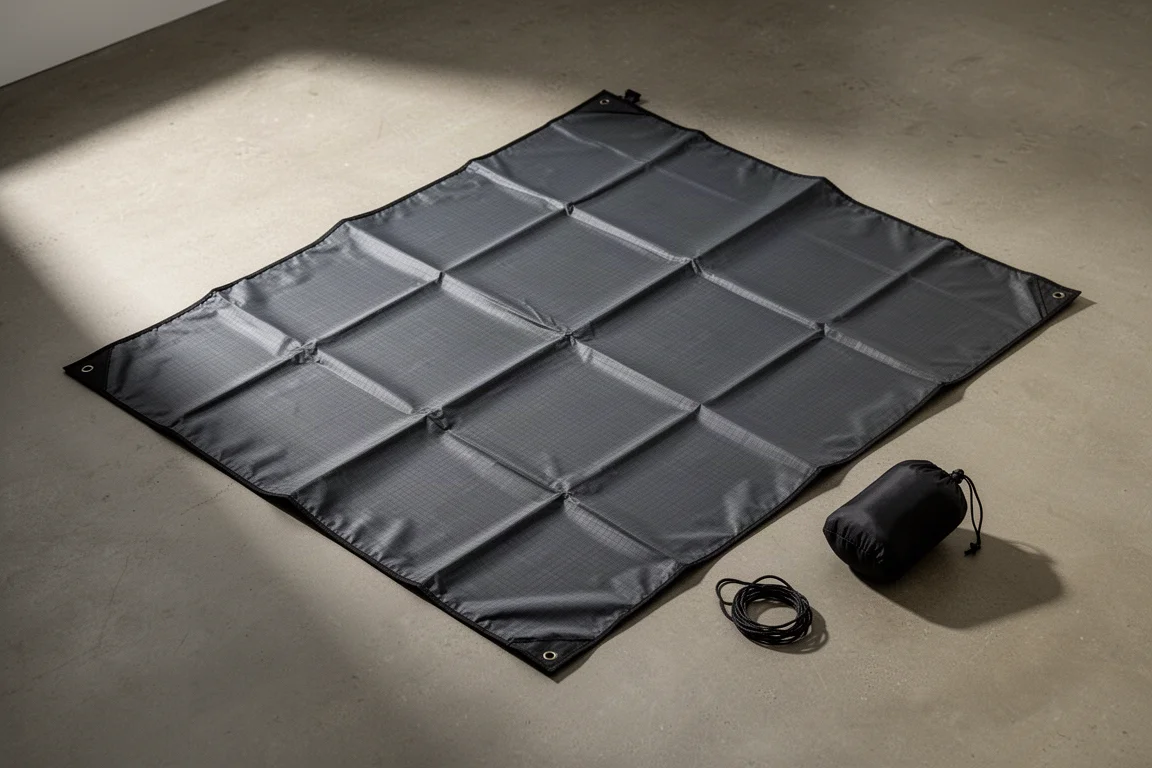
3FUL Ultralight Ground Sheet Review: A Two-Person Footprint Worth Packing
A 6.7 oz two-person ground sheet in ripstop silnylon, priced around $30. Here is what it protects, what it does not do, and who should pack it.
Camping Gear
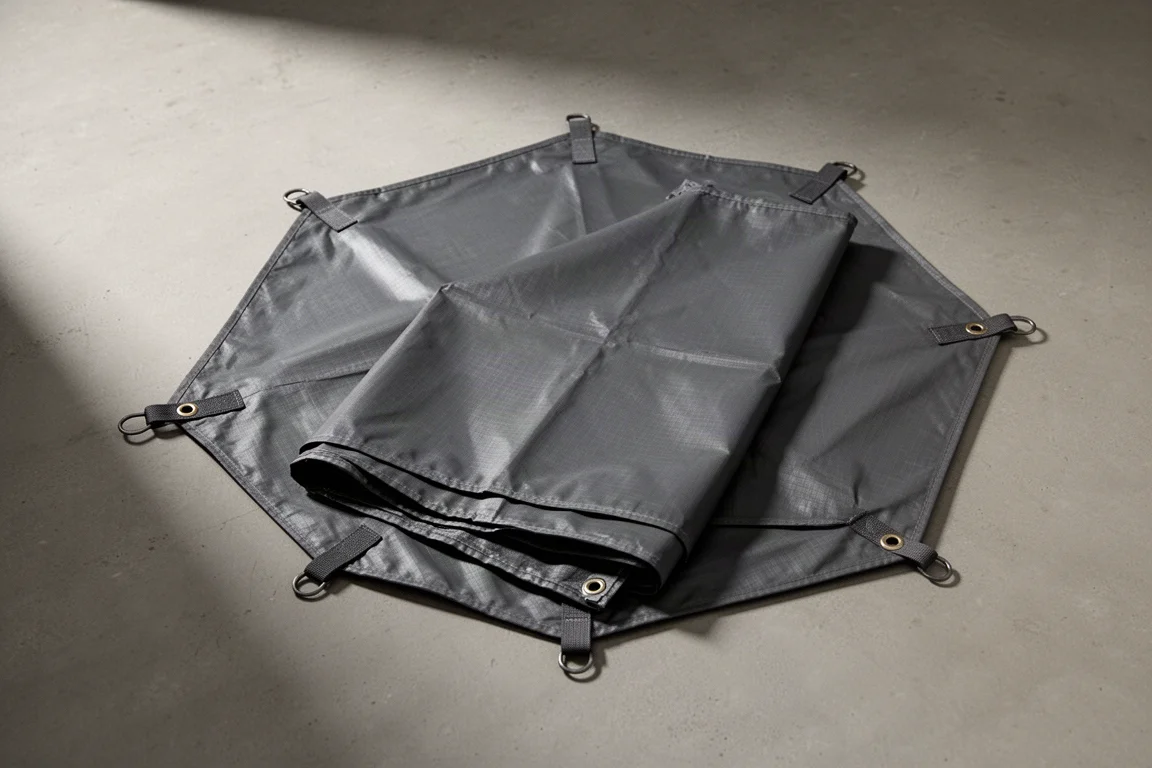
Backcountry Light Dual-Function Tarp and Floor Review: A Footprint First
A dual-purpose tent floor and tarp that keeps falling rain off you, but cannot block wind. Here is where it works and where it does not.
Camping Gear
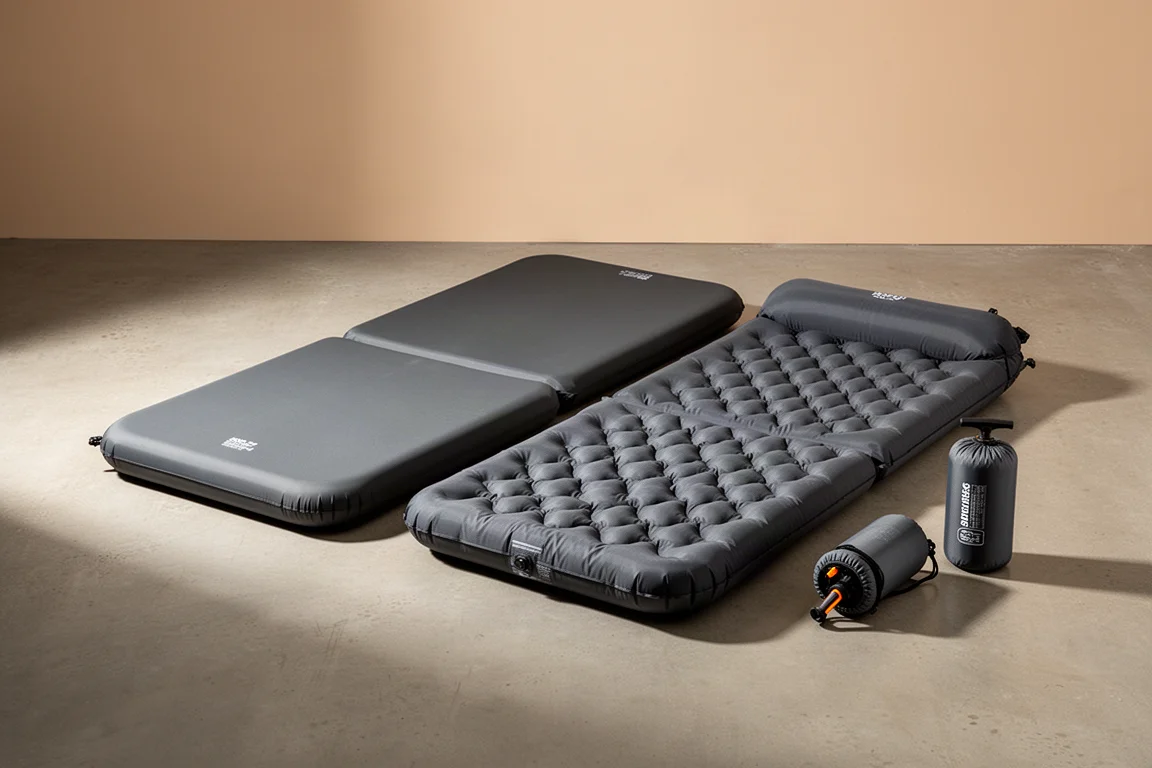
Best 2-Person Camping Mattresses for Couples: 10 Options Compared
A practical comparison of ten two-person camping mattresses, covering self-inflating pads, air pads and air mattresses for couples.