Camping Gear
Camping Gear Worth Buying Sooner: 7 Upgrades That Make Trips Easier
Seven camping upgrades, from a satellite communicator to a down quilt, that solve real problems and make every trip easier from the first night out.
Introduction
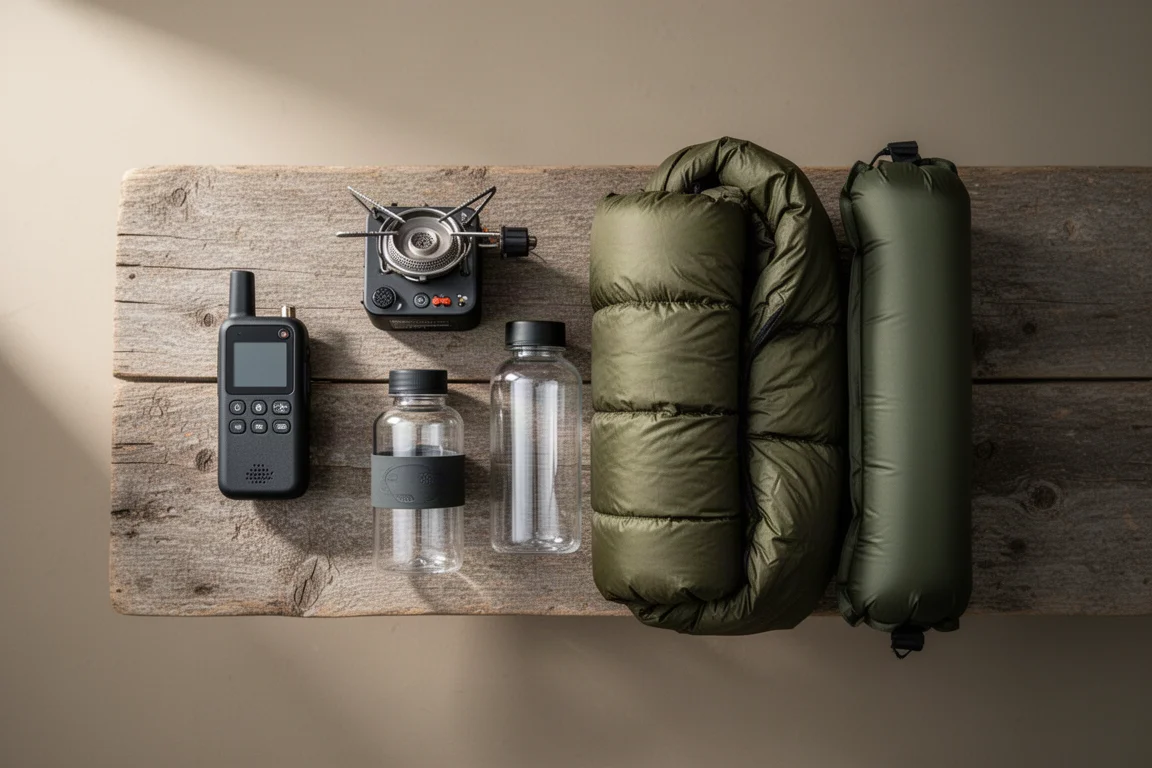
Some camping purchases prove themselves on the very first trip. Others sit in a cupboard until the moment you finally understand what problem they solve. The items below fall firmly into the second group: gear that took far too long to end up in the pack, and that would have made earlier camps noticeably more comfortable.
The pattern across all of them is simple. A few are expensive and address something that matters a great deal. Others cost almost nothing and remove a small, daily annoyance. Both kinds are worth buying sooner rather than later, because the next trip you are planning is exactly the trip where they would help.

How to Tell Which Upgrades Are Worth It
Not every piece of gear deserves space in a pack, and price is a poor filter. The useful question is whether the item removes a recurring problem. Gear that fixes something you notice on every single trip, such as poor sleep, slow water boiling, or containers that leak inside a bag, tends to justify itself quickly. Gear that only solves an occasional inconvenience can usually wait.
Three priorities tend to shape the decision. First comes safety and communication, because no other category carries the same consequences when it falls short. Second is sleep quality, since a well rested camper enjoys everything else more. Third is efficiency in camp, which covers cooking, water and packing. The recommendations below follow that order loosely, moving from the gear that protects a trip to the gear that simply makes it flow better.
Garmin inReach Mini: Communication Where There Is No Signal
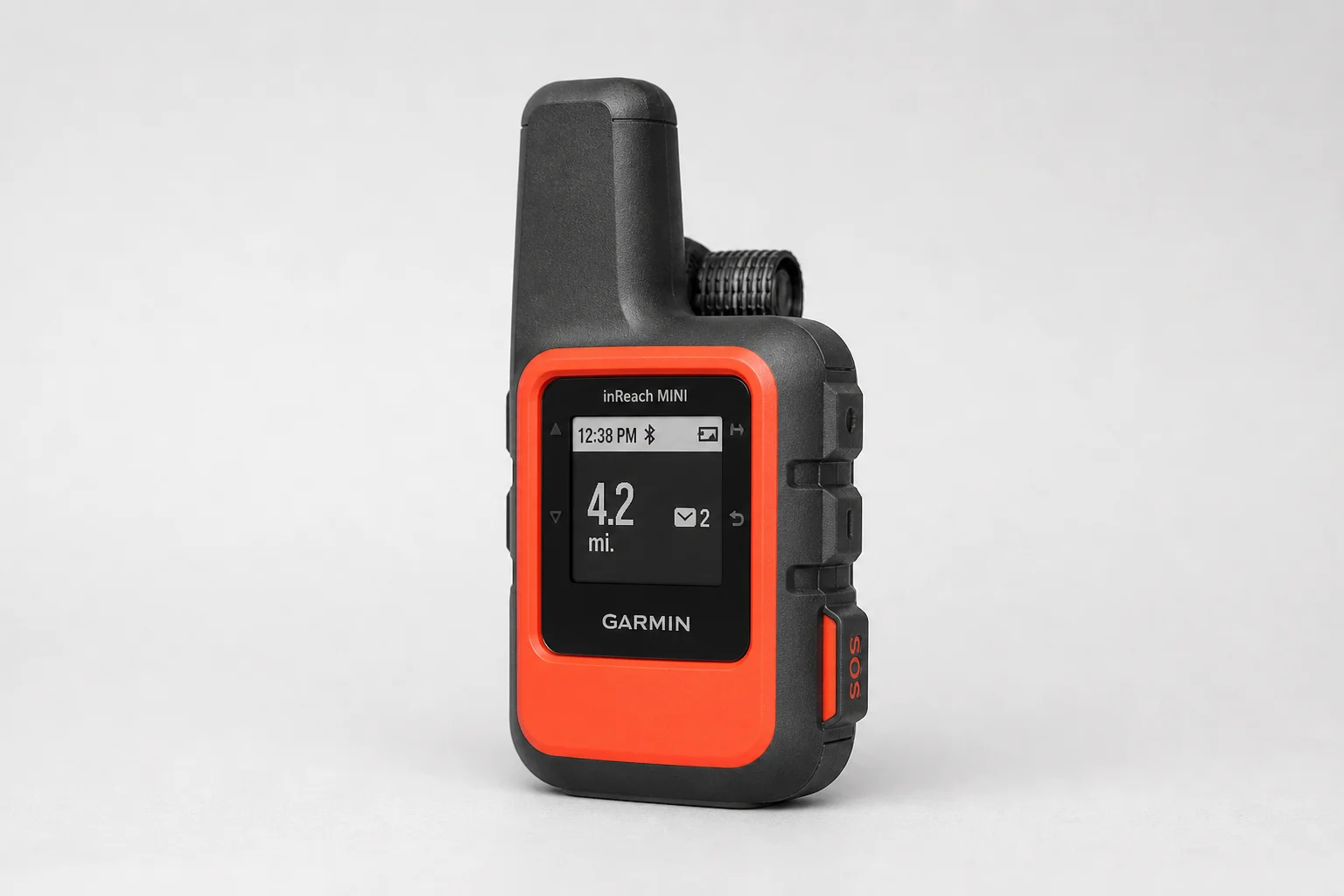
The Garmin inReach Mini is a satellite communicator, and it is the one item here that can honestly be described as a safety purchase. The appeal is straightforward: it allows messages to be sent from places where a phone shows no signal at all, which covers a large share of the hills and remote valleys where camping tends to happen.
In practice, the most common use is not an emergency. It is a short check-in message confirming that camp has been reached safely. That single habit changes how a trip feels, both for the person out on the hill and for anyone waiting at home. It works as an insurance policy rather than a gadget.
It is not a cheap purchase, and it carries a subscription on top of the hardware cost. For anyone who spends time beyond signal range, that ongoing cost is the price of real peace of mind. This is the item most people put off for far too long.
Nalgene Bottles: Small Containers That Never Leak
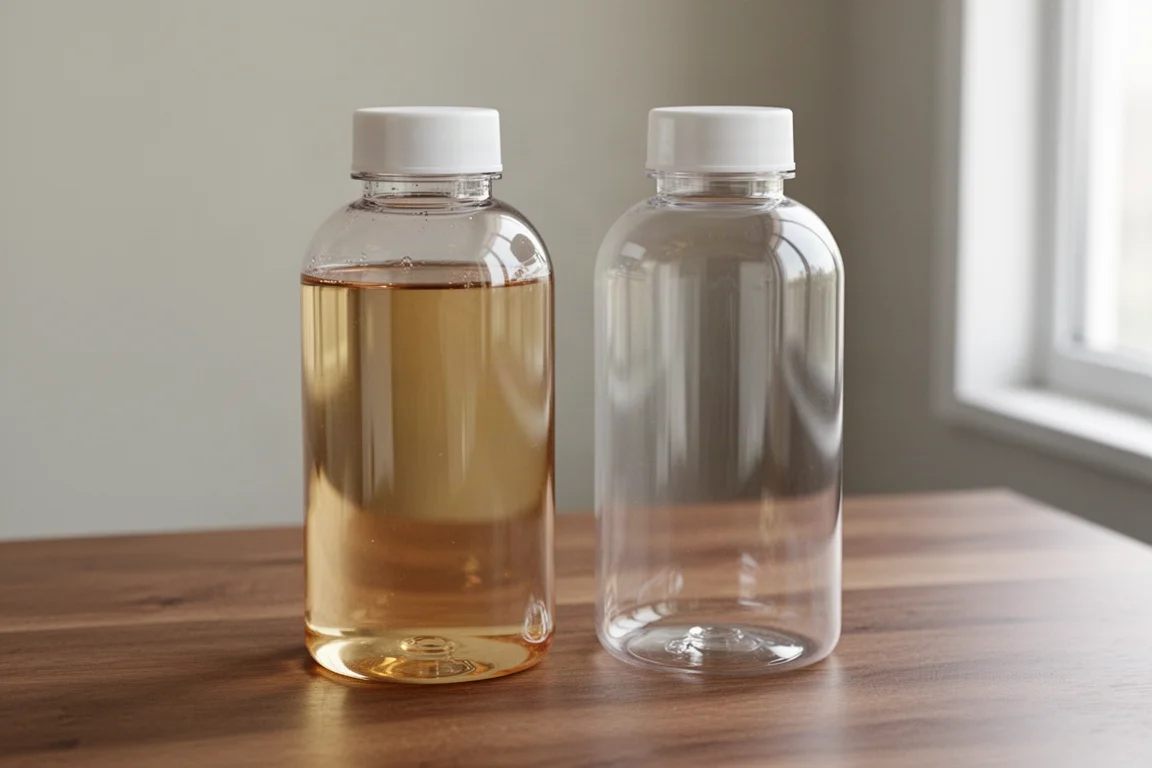
A leak inside a pack is one of the worst small disasters in camping, especially when the contents are fuel or oil. Nalgene bottles solve that problem for a couple of pounds each, and they have a reputation for staying sealed that makes them easy to trust with messy contents.
They are not only for fuel. The same bottles handle cooking oil and milk powder, which makes them genuinely useful for anyone preparing meals from dry ingredients. The screw top is simple, the bottle is easy to label, and the range of sizes means there is a container for almost any quantity.
Set against the habit of improvising with old contact lens bottles or cosmetic containers, the difference is reliability. Nothing about a Nalgene bottle is clever, and that is exactly the point.
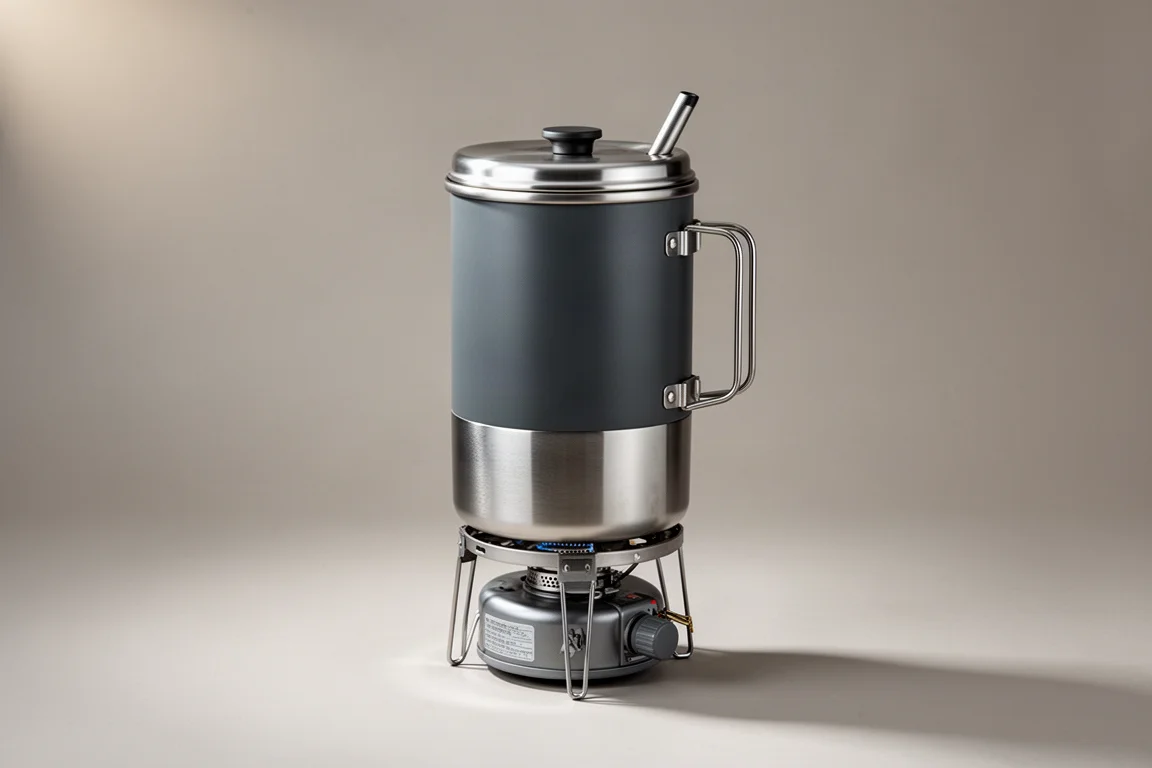
Jetboil: Fast Water, Compact Packing
A Jetboil stove boils water quickly and packs down into a single compact unit. That combination is what makes it so easy to live with. Everything needed for a hot drink or a dehydrated meal fits together, so it can be dropped into the back of a car for a day out or carried in a pack without a second thought.
Efficiency is the other strength. Water comes to a boil fast, which matters most when the weather is poor and the priority is getting a hot meal finished quickly. The system is well known for being dependable, and it has been used heavily without letting anyone down.
For anyone who has not yet settled on a stove, this is a strong place to start. It suits quick trips and simple meals, and it removes the fiddling that comes with assembling a separate burner, pot and windshield.
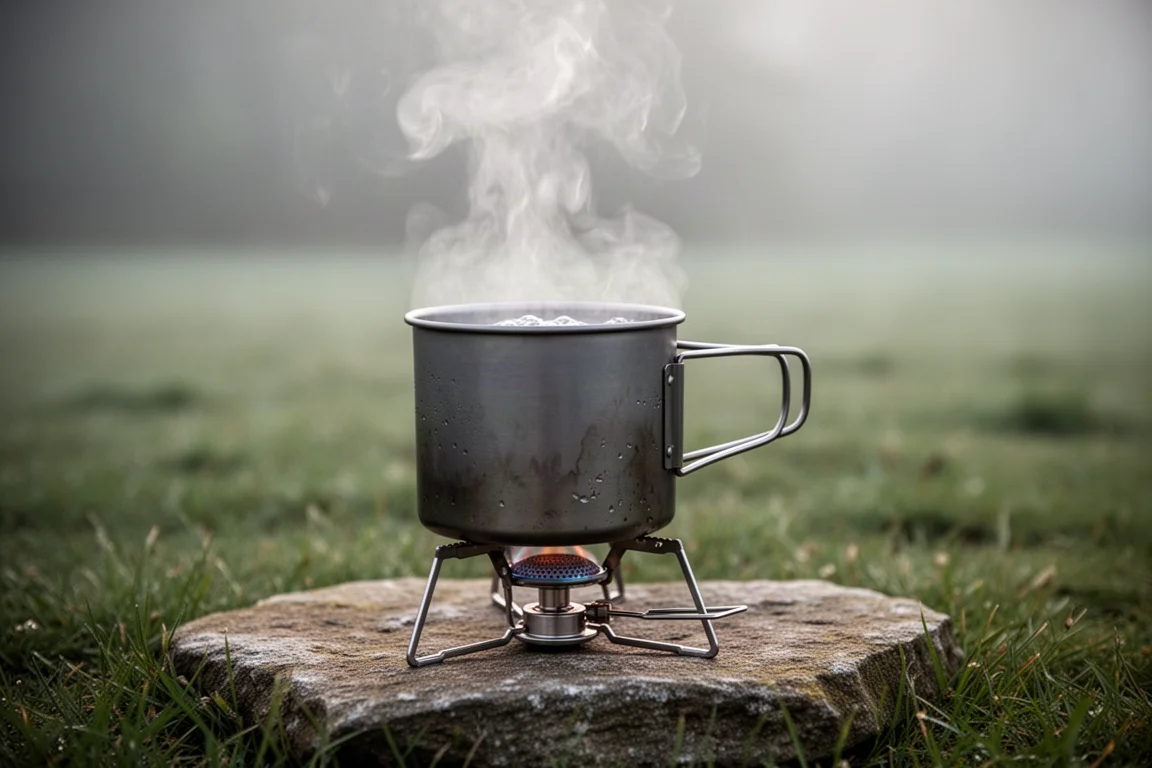
That simplicity is the whole argument for an integrated system. Fewer parts means fewer things to lose, and a stove that always works the same way is worth more on a wet evening than one with more flexibility and more setup.
Sea to Summit Ether Light XT Extreme: Comfort and Warmth
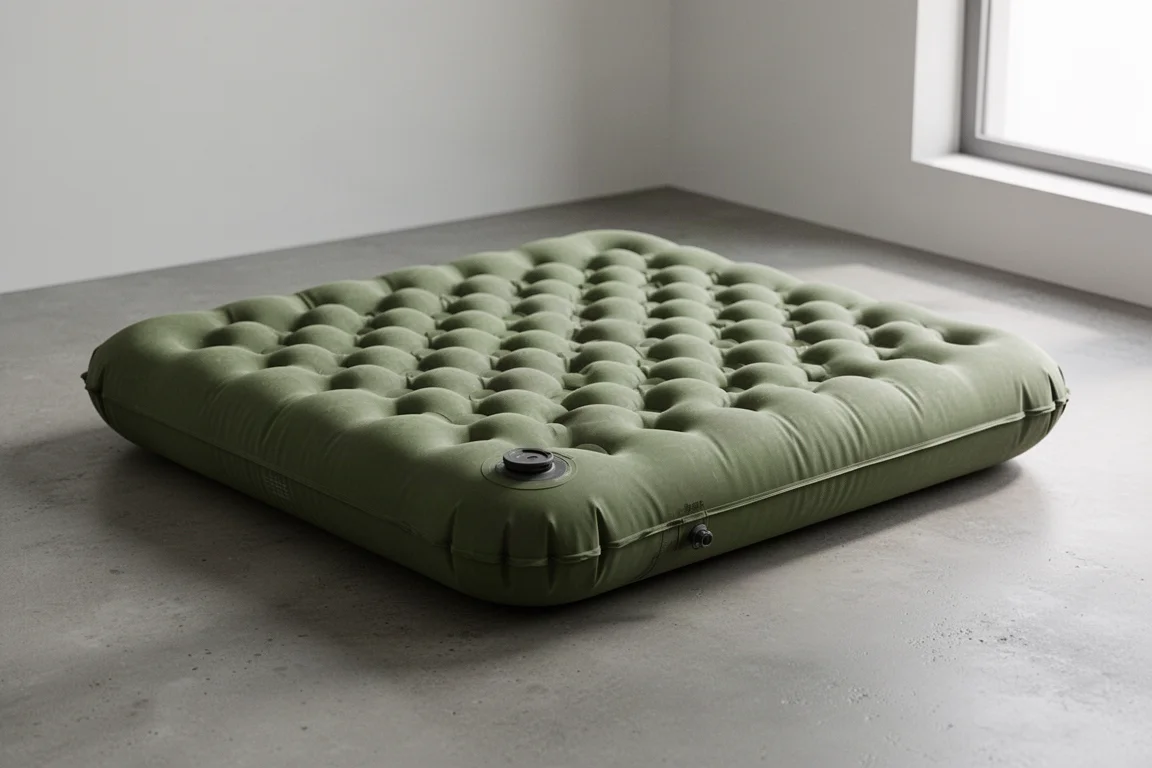
Sleeping pads are where most campers quietly compromise, and the Sea to Summit Ether Light XT Extreme is the opposite of a compromise. It is the most comfortable pad in this list, and it is genuinely warm, which extends its usefulness well beyond mild summer nights.
The trade off is bulk. It packs larger than a minimalist pad, and that extra volume is the price of the comfort and insulation. For anyone who values sleep over the smallest possible pack, the trade is easy to accept, because a good night’s sleep improves the following day more than a slightly lighter load does.
It is a pricey option, and it sits at the top of this category for good reason. Committing to a pad at this level took a long time, and the difference it made to sleep quality was immediate. For anyone weighing up a first serious pad, this is the one to compare everything else against.
Trekology UL-80: Most of the Comfort for Less
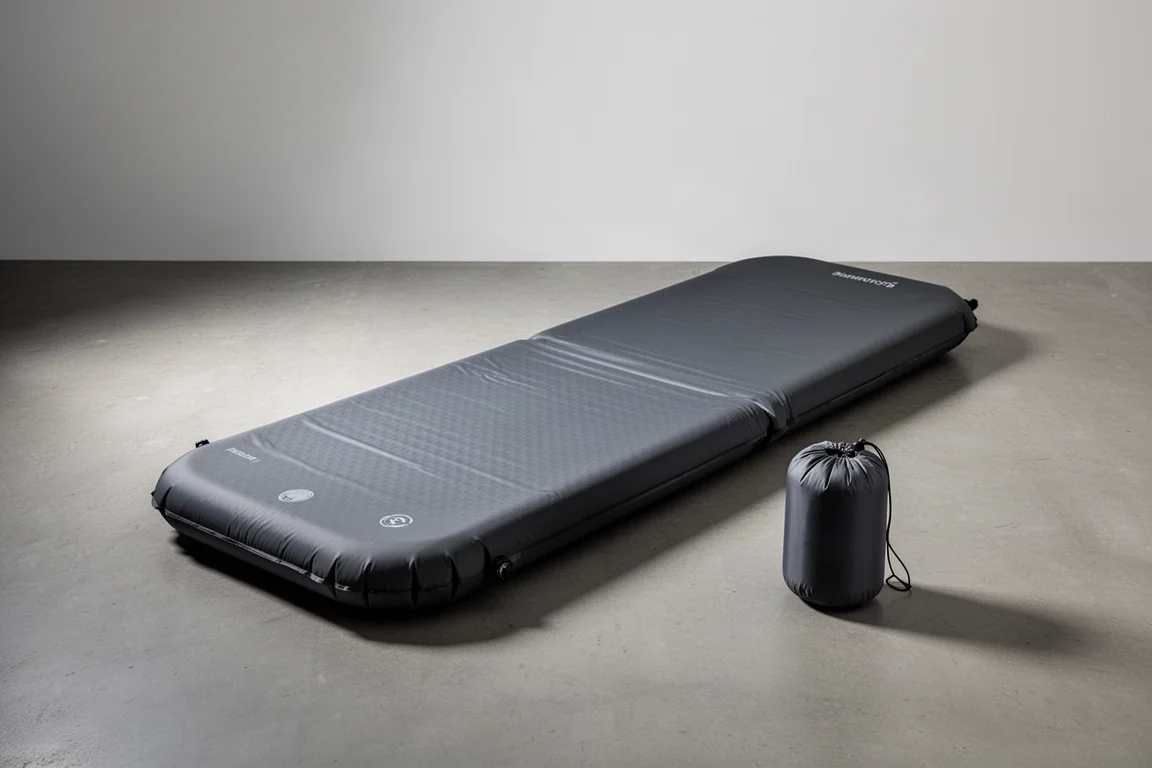
The Trekology UL-80 is the sensible alternative for anyone who cannot justify the cost of a premium pad. Comfort is not far off, and for a fraction of the outlay it delivers a night’s sleep most campers would be happy with.
The differences show up in durability and warmth. It is nowhere near as robust as the Ether Light XT Extreme, and it does not insulate as well, which makes it better suited to warmer conditions and gentler use. Those are reasonable limitations at the price.
This is the pad to consider if you want to test whether an inflatable mat suits your style of camping before spending more. It does the essential job well, and it leaves budget for the other upgrades on this list.
Sea to Summit UltraLight: Light Packing, No Insulation
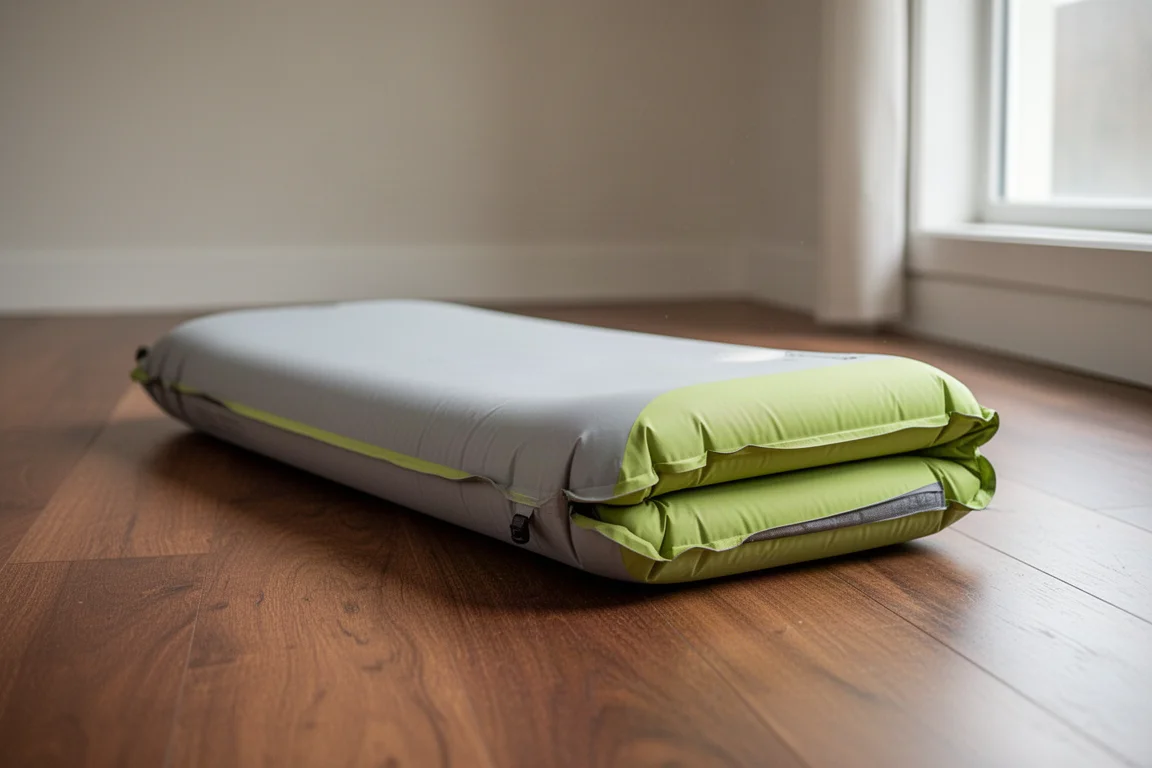
The Sea to Summit UltraLight takes a different approach. It is comfortable, it packs down small, and it leaves out insulation entirely. The design uses a pattern of small air pockets that gives it a supportive feel, so the missing filling is less noticeable than the specification suggests.
That makes it a warm weather pad. In cooler conditions it needs to be paired with an insulated mat underneath, or reserved for summer trips. Used within its limits, it is a genuinely comfortable option for anyone counting grams.
The value here is in the packed size and the simplicity. There is no pump, no complicated valve routine and no bulk to work around. For fast trips in mild weather, that is exactly what is needed.
UGQ Outlaw: A Quilt That Changed the Way Sleep Works
A quilt has been the single biggest change in camping comfort. Sleeping bags, even generous ones, tend to feel restrictive, and the constant sense of being closed in makes it harder to settle. A quilt removes that feeling while keeping the warmth where it matters.
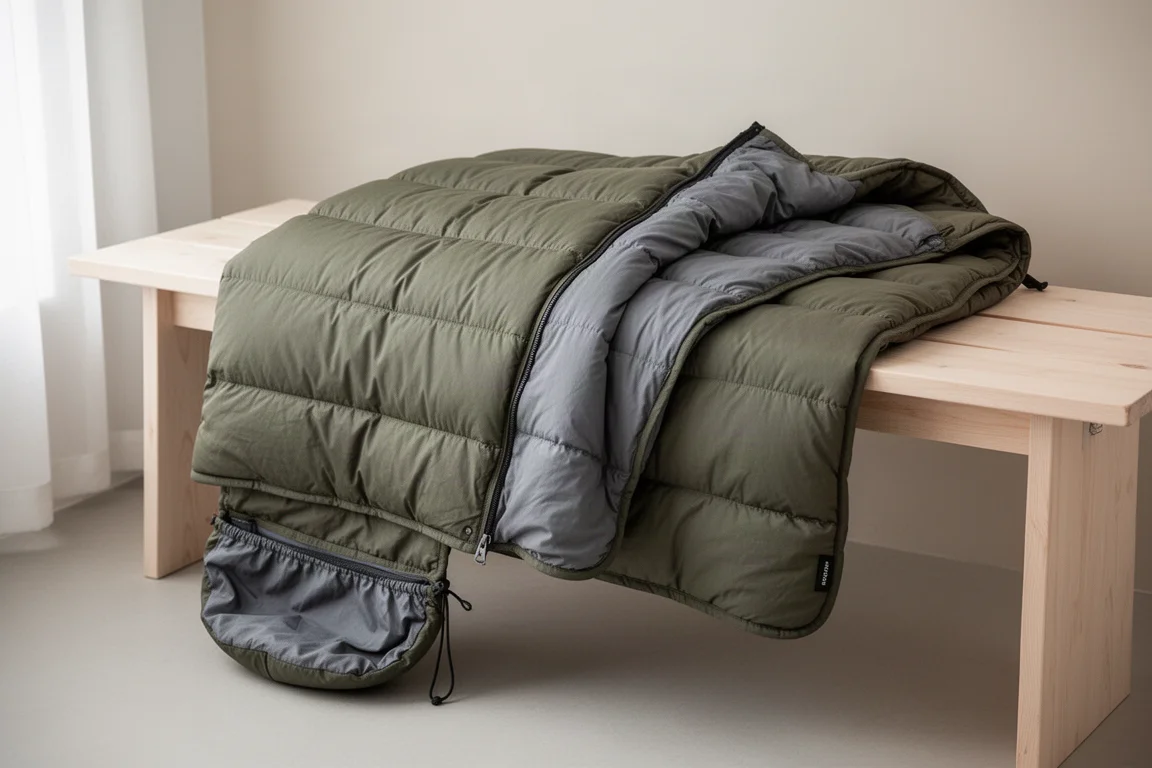
The UGQ Outlaw is a hybrid, which makes it a good first step for anyone unsure about switching. It can be zipped fully closed like a sleeping bag, or used open as a quilt, and it compresses down small enough to keep pack volume under control.
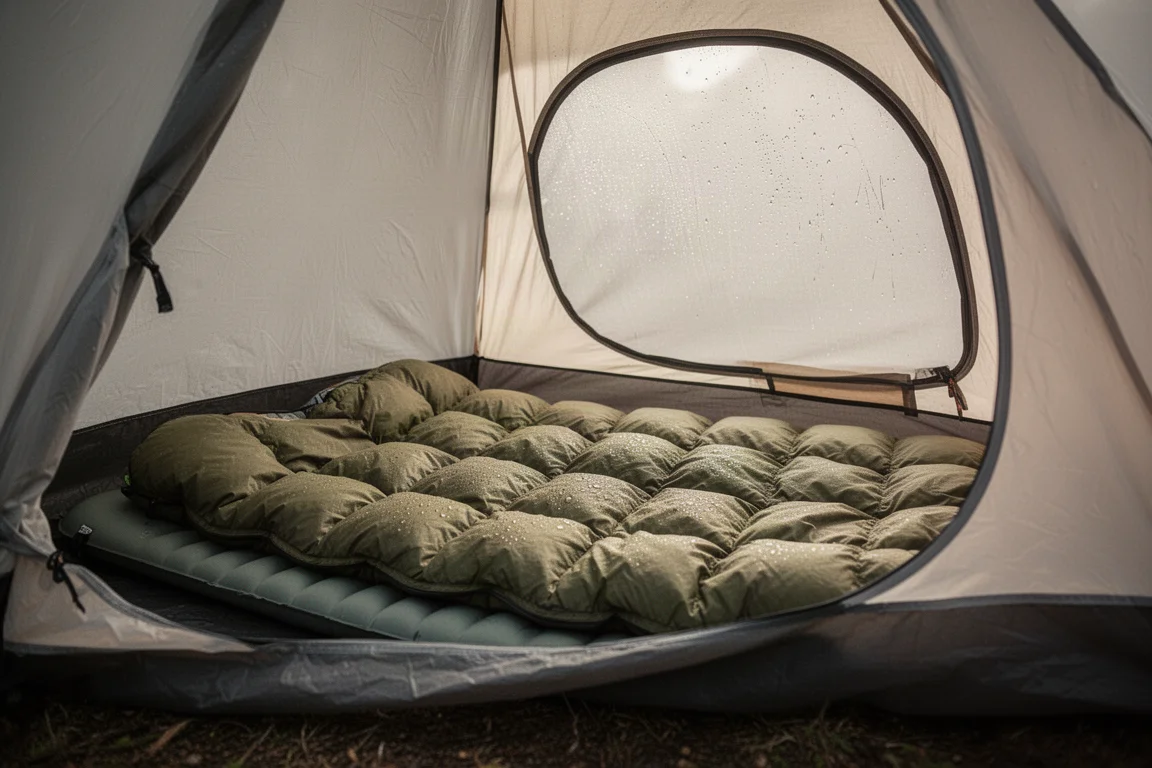
Quilts are not for everyone. Campers who sleep still and like the enclosed feeling of a bag may prefer to stay with what they know. For anyone who moves around during the night and wants room to stretch, a quilt is worth trying sooner rather than later.
Smaller Packs and Cheap Essentials
Two further changes belong in the same conversation, even though neither is a single product recommendation. The first is pack volume. Starting out with a very large pack encourages filling it, and the result is a heavy load at every time of year. Moving to a smaller pack forces choices about what actually earns its place, and the trip becomes lighter and more comfortable as a result.
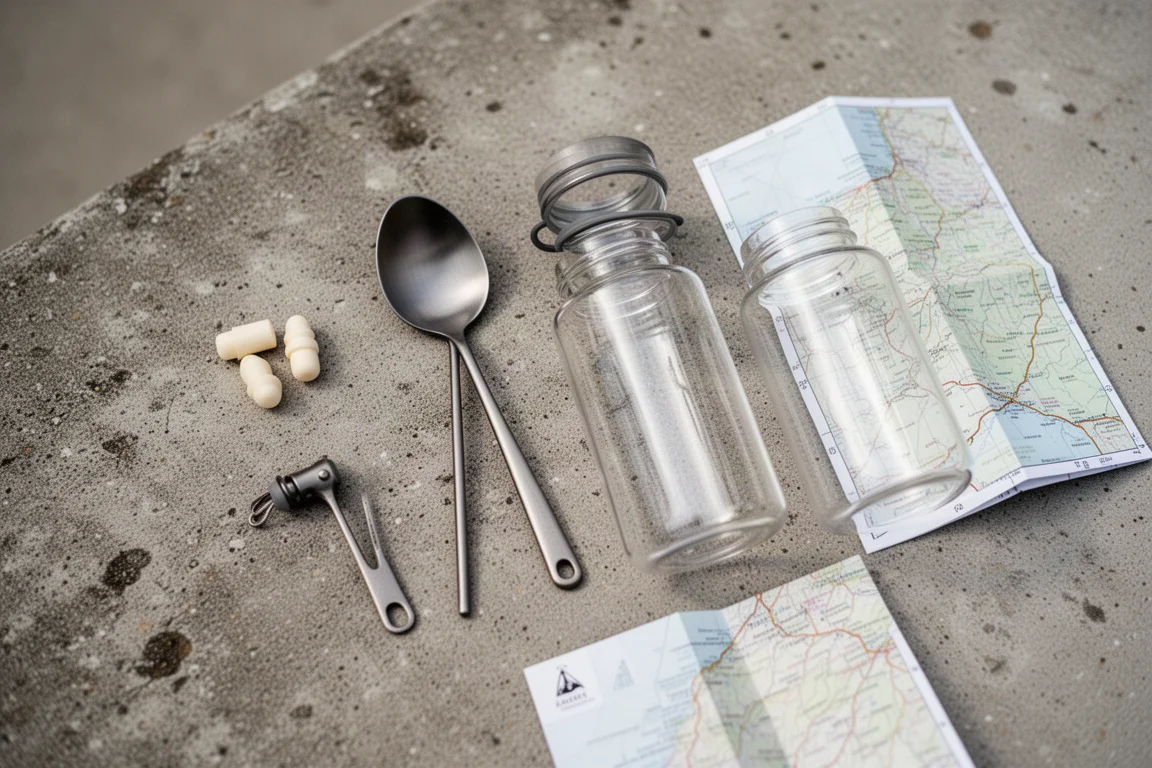
The second is the small, cheap items that remove daily friction. Earplugs cost almost nothing and take up no space, yet they make a real difference when wind shakes the tent or wildlife is noisy nearby. A long handled spoon makes dehydrated meals far easier to eat cleanly, because it reaches the bottom of the pouch instead of leaving food around your fingers. Trekking poles, which many people dismiss until they try them, add stability on descents and awkward ground, and they double as supports for tarp setups. None of these items is exciting, and all of them make camp more comfortable.
Which Upgrades Are Worth Prioritizing First
If the budget only stretches to one purchase, start with communication. A satellite communicator is the item that changes what is possible, because it allows trips into areas with no phone coverage without leaving anyone at home worrying. It is the most expensive recommendation here, and the one with the clearest justification.
Sleep comes next. A sleeping pad and a quilt or bag are the difference between arriving at the next day rested and arriving at it exhausted. The Ether Light XT Extreme is the strongest all round choice, the Trekology UL-80 is the sensible budget route, and the UltraLight suits warm weather trips where packed size matters most.
Cooking and storage follow. A Jetboil makes hot water fast and simple, and Nalgene bottles keep fuel, oil and dry goods contained without leaks. Both cost little relative to how often they get used.
Finally, resist the urge to buy everything at once. Each item on this list solves a specific, recurring problem, and the right time to buy is when that problem is one you actually have.
Conclusion
The theme running through this list is not spending more, it is spending earlier. A satellite communicator, a comfortable pad, a quilt, a fast stove and a handful of small essentials all remove problems that show up trip after trip. Buying them before the next one means the next one is easier.
Good gear does not need to be complicated. It needs to solve something real, and it needs to be reliable enough that you stop thinking about it. Everything here meets that standard.
Further reading
Related Reviews
Camping Gear
3FUL Ultralight Ground Sheet Review: A Two-Person Footprint Worth Packing
A 6.7 oz two-person ground sheet in ripstop silnylon, priced around $30. Here is what it protects, what it does not do, and who should pack it.
Camping Gear
Backcountry Light Dual-Function Tarp and Floor Review: A Footprint First
A dual-purpose tent floor and tarp that keeps falling rain off you, but cannot block wind. Here is where it works and where it does not.
Camping Gear
Best 2-Person Camping Mattresses for Couples: 10 Options Compared
A practical comparison of ten two-person camping mattresses, covering self-inflating pads, air pads and air mattresses for couples.