Camping Gear
Camping Gear We Actually Use Every Trip: 9 Picks Worth Packing
Nine camping items that keep earning a place on trips, from a $500 aluminum cooler to a $30 pad pump, with honest trade-offs for each.
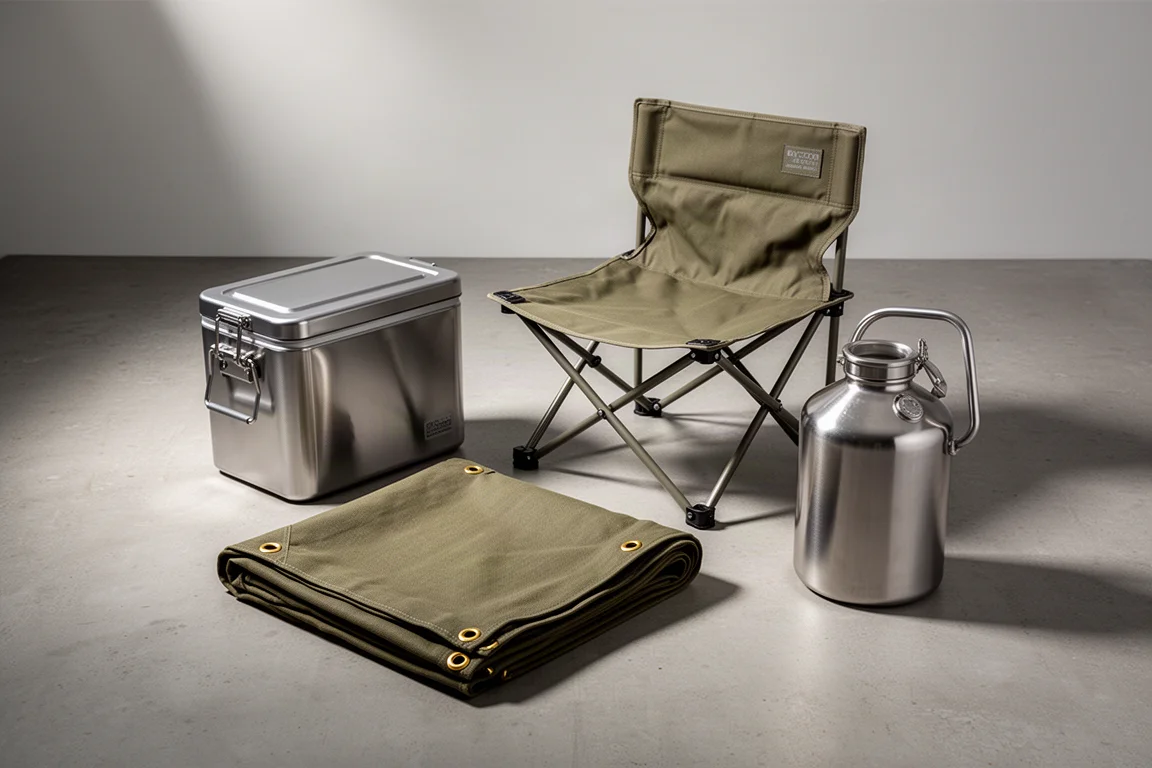
Introduction
Most camping gear lists are filled with items that look good in a photo and then sit in the garage. This one is the opposite. Every piece here has been packed for car camping, kayak camping, and river trips, and several of them have been in rotation for years.
It is worth being clear about what these items are not. There is no tent, no sleeping bag, and no sleeping pad on this list. Those are the core slots, and there are plenty of good options in each category. What follows are the side pieces: the cooler, the ground cover, the cot, the chair, the gear crate, and the small accessories that fill the gaps and make a camp feel genuinely comfortable for a few days.
Prices range from about $30 to $500, and the expensive picks are flagged as such. None of them are required to enjoy a night outside. They are simply the things that keep getting loaded into the truck.
How We Chose This Gear
The filter was simple: would this come along on the next trip, and the one after that? Anything that only made sense once, or that turned out to be a gimmick, was left out.
Beyond that, four things were weighed: how often the item actually gets used, how it holds up to real treatment such as dirt, sun, river water, and being thrown in a truck bed, whether it solves a problem nothing else on the list solves, and whether the price makes sense for what it does. Two entries here cost several hundred dollars, and both are honest about it. Others cost less than a tank of fuel.
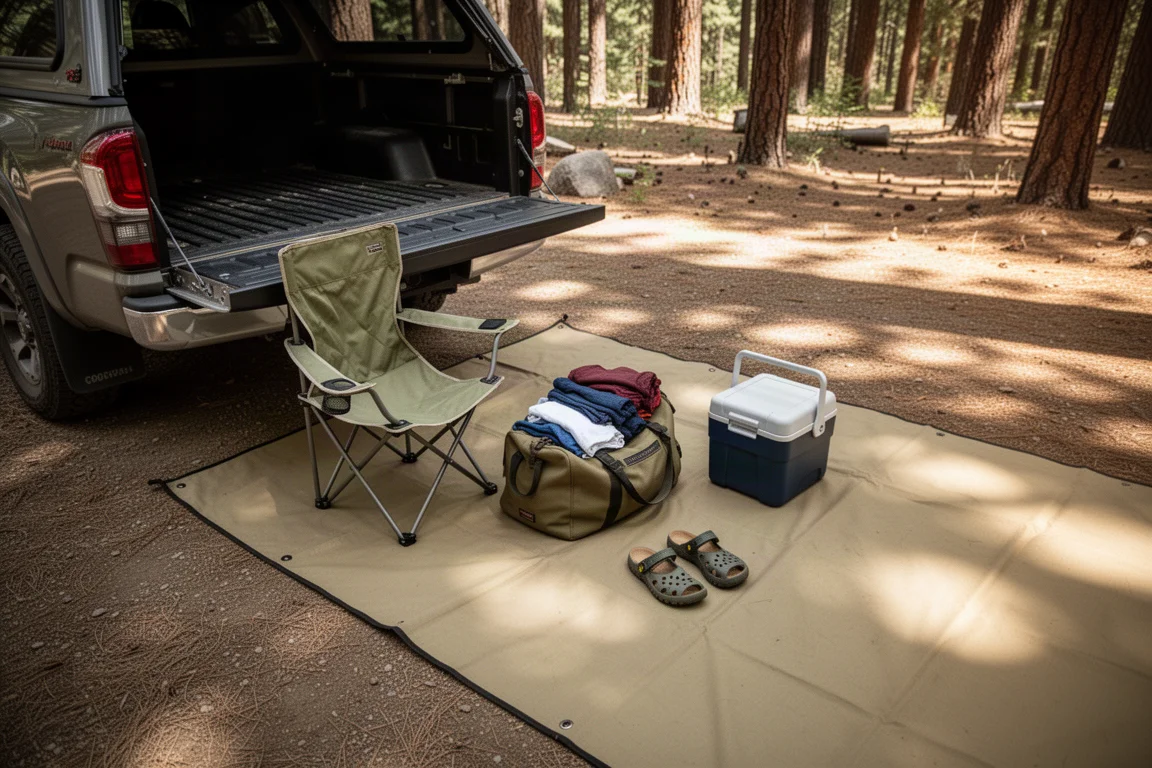
Where a cheaper alternative exists, it is noted in the relevant section, and where a product has a genuine annoyance, that is noted too. A list that only covers strengths is not much use when you are deciding where your money goes.
Oyster Tempo Cooler: Cold That Lasts
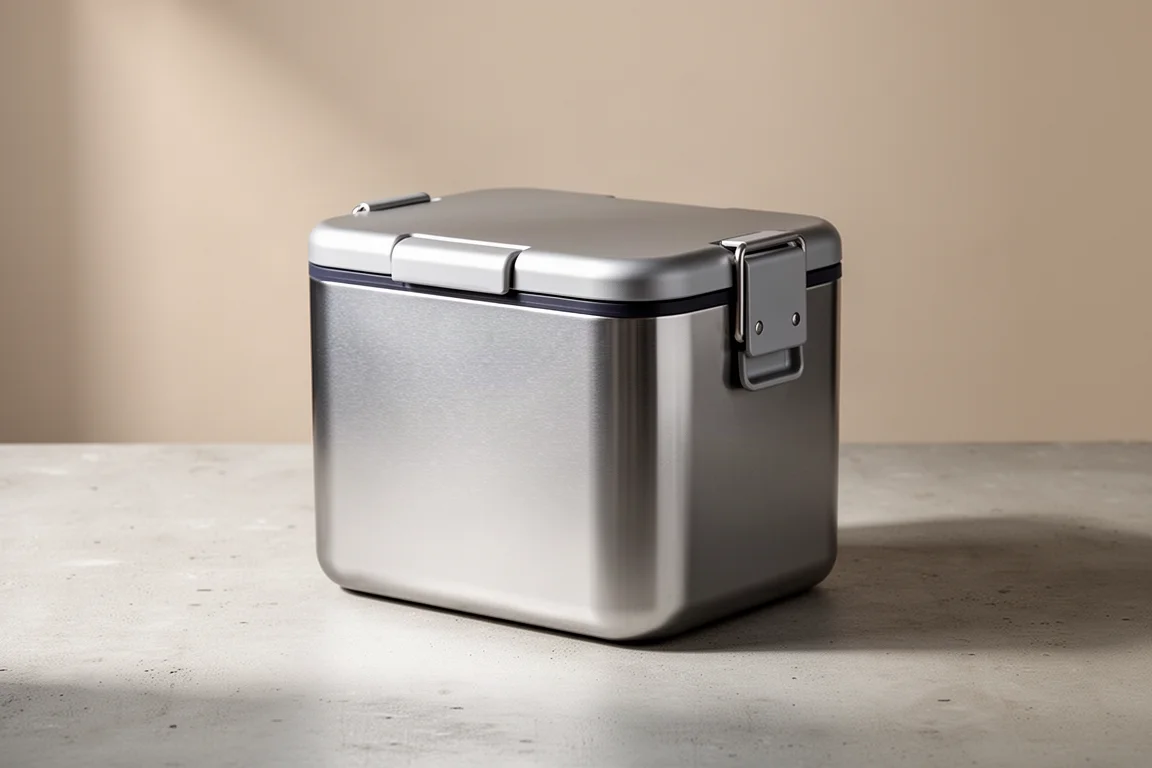
The Oyster Tempo is the item that gets reached for first, and it is the one that surprises people most. It is built entirely from aluminum and holds roughly 24 quarts, which is enough for a weekend of food and drinks. Walls around an inch thick feel thin next to a bulky rotomolded cooler, but the material itself gets cold fast and stays that way.
In practice it has outperformed every other cooler of this size we have used. On a river trip with direct sun on the lid and temperatures near 100 degrees, ice cream packed alongside frozen packs was still frozen after the first night. A gasket around the top rim seals the cold air in, and there are two hinges, so the lid can be lifted from either side or removed entirely. That makes loading and digging around far easier than reaching into a deep box.
Durability was the early concern, and it turned out to be misplaced. The lid has taken more careless handling than anyone intended, and the cooler is still going. It will dent and ding if it is dropped on concrete, but those marks do not affect how it works. Nearly every part, from the gasket to the strap fittings, can be replaced.
The catch is the price. At around $500, this is one of the most expensive coolers of its size on the market, and it costs more than many much larger coolers. It makes sense for someone who wants one small cooler that will be used constantly, and less sense as an occasional purchase.
White Duck Canvas Tarp: Quiet, Tough Ground Cover
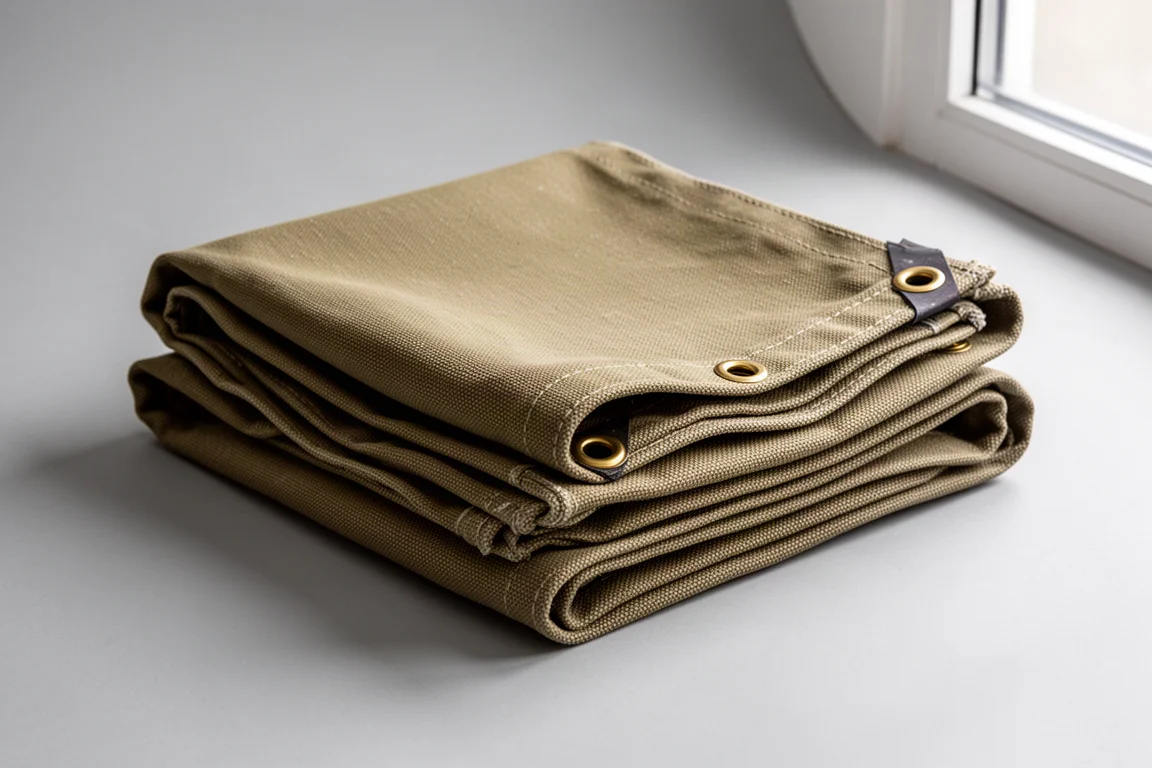
A canvas tarp sounds like the least interesting item on any gear list, and it may also be the most versatile. The version here is a heavy cotton duck canvas tarp, and the difference between it and a cheap blue plastic tarp is obvious the moment you handle it.
Canvas is quiet, so it does not crackle and snap every time someone moves. It does not tear easily, and it does not break down in the sun nearly as fast as plastic. It has a heavier, more solid feel, and it can be dragged, folded, and thrown around without complaint. Anyone who has shared a campsite with a flapping plastic tarp will appreciate how much calmer a canvas one is.
The uses pile up quickly. Laid out on dirt, it becomes a clean staging area for gear that has to come out of a truck before camp is set up, and the whole pile can be dragged rather than carried. It works as a doormat in front of a tent, a floor inside a tent in winter, and a ground sheet for sleeping outside without a tent. It has even been draped over the back of a short-bed pickup to cover a taller person’s legs and keep frost off the feet.
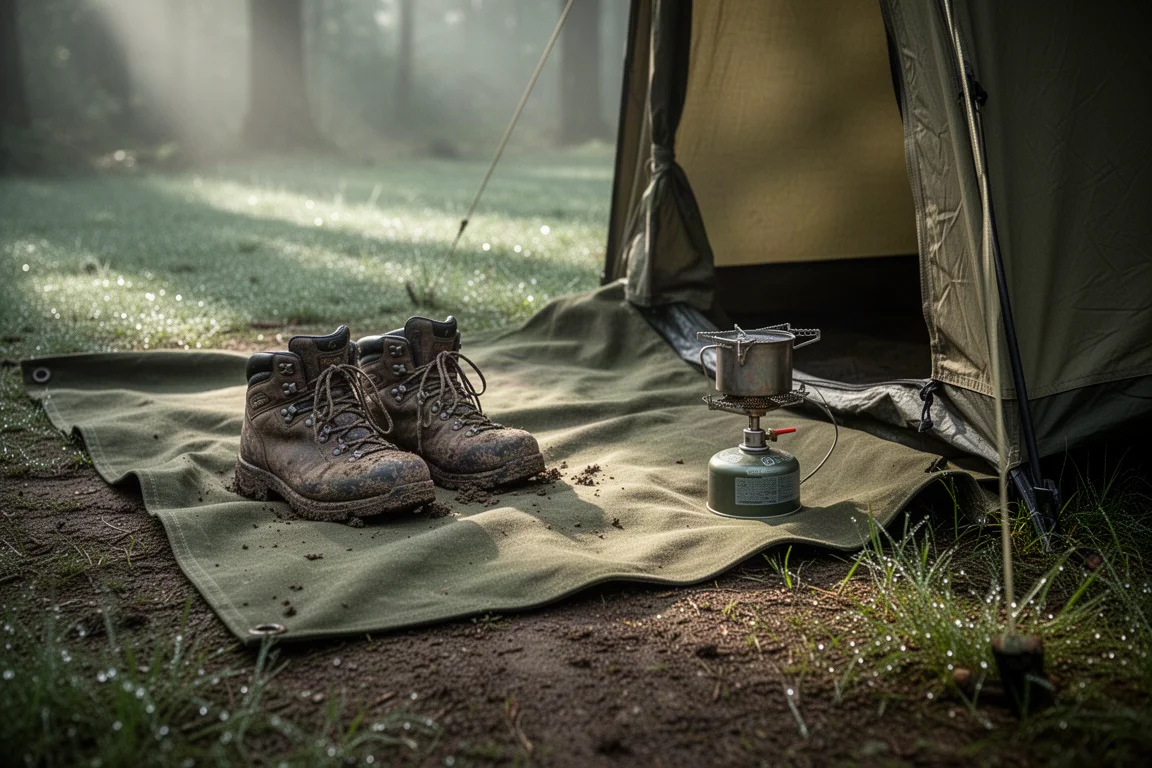
One caution: it is not sold as fire resistant. Cotton does not burn as readily as plastic, but embers from a hot tent stove have burned through one before, so it is not a fire blanket. It is also more expensive than a blue tarp, though the gap is small next to how much longer it lasts. Avoid the thin painter’s drop cloths sold as canvas; the heavier duck canvas is what makes it useful.
For backpacking, this stays home. For everything else, it is one of the simplest and most useful pieces of gear in the truck.
OneTigris Supra Nubis Cot: The Versatile One
Cots are one of those upgrades people resist until they try one, and then they do not go back. Sleeping off the ground means no rocks, no roots, and a flat, level surface every night.
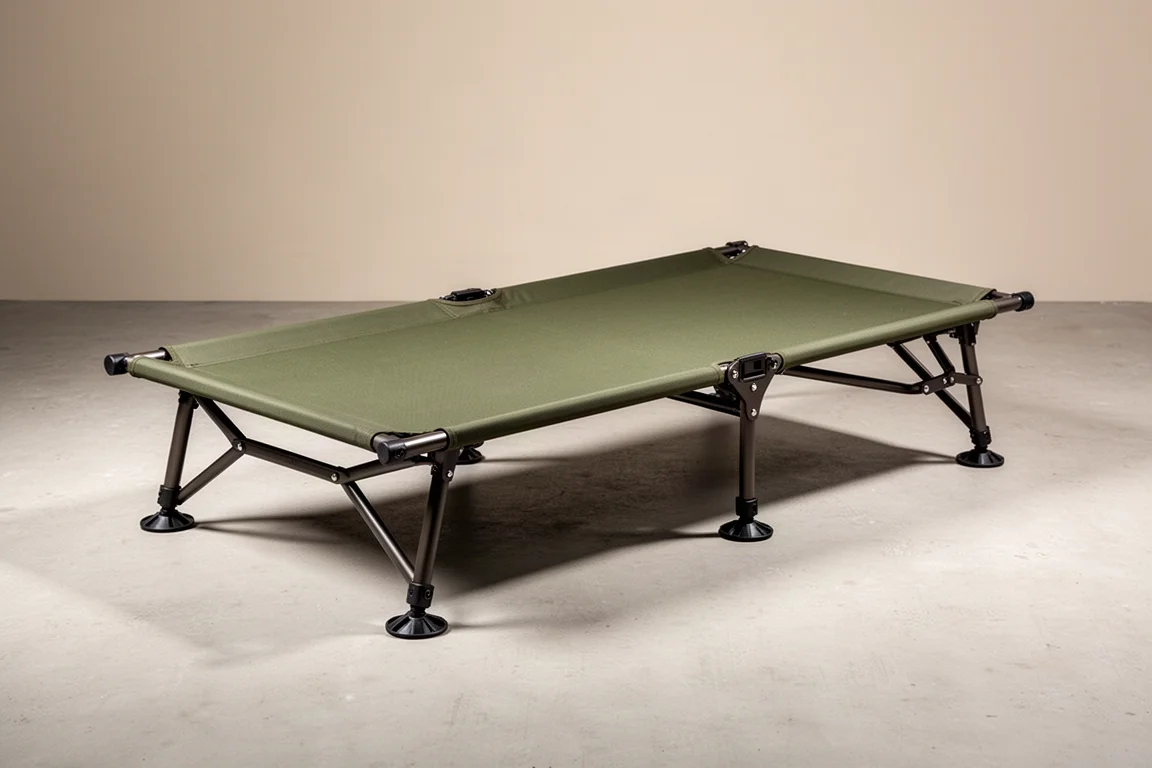
The OneTigris Supra Nubis earns its place because it works in two configurations. Raised up, it suits a large tent where you can stand upright. Dropped low to the ground, it fits inside a small backpacking tent, which makes it a real option for kayak camping trips where packed size matters more than weight.
A hinge system tensions the fabric, and that is what produces a taut, flat sleeping surface rather than the saggy hammock feel of cheaper cots. Paired with a sleeping pad, it is comfortable. The leg design has more parts than some cots, but the payoff is stability: it does not get tippy, even when used as a bench. The feet are larger than average, so they are less likely to push through a tent floor. Width is generous as well.
The main drawback is setup. Like most cots, it takes a few minutes of wrestling with poles and fabric, and there is no way around that. At roughly $120 to $130, it sits in the middle of the cot market and represents solid value for how flexible it is.
Marchway Cot: The Budget Option
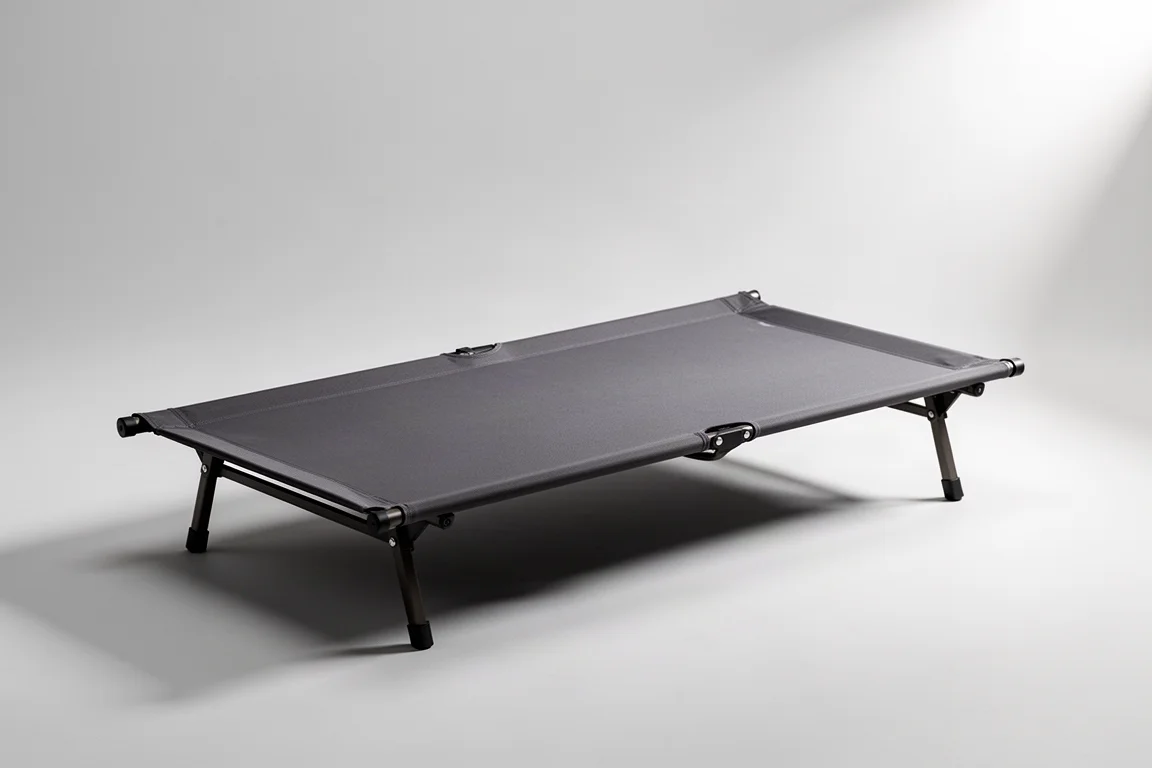
Not every trip needs a $130 cot. The Marchway is the budget pick that keeps going on kayak camping trips, and it costs around $60.
It sits only five or six inches off the ground, which is a different experience from a full-height cot, but it fits comfortably inside a small backpacking tent, and that is the point. It packs down small enough to be practical when space in the boat or the truck is tight.
If you mostly camp in a big tent and want to stand up while getting dressed, the taller cot is the better choice. If you want the benefits of sleeping off the ground at the lowest possible cost, and you do not mind being close to the floor, this is the one that comes along.
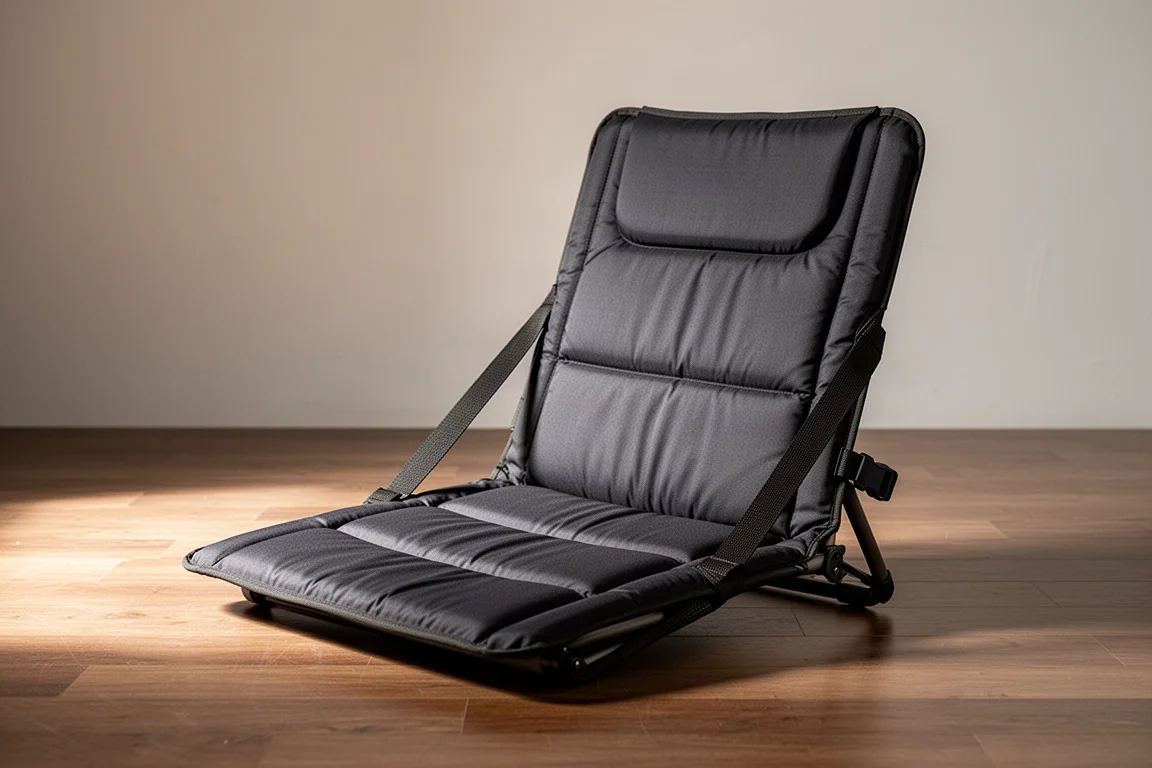
Crazy Creek Hex 2.0 Chair: Back Support Anywhere
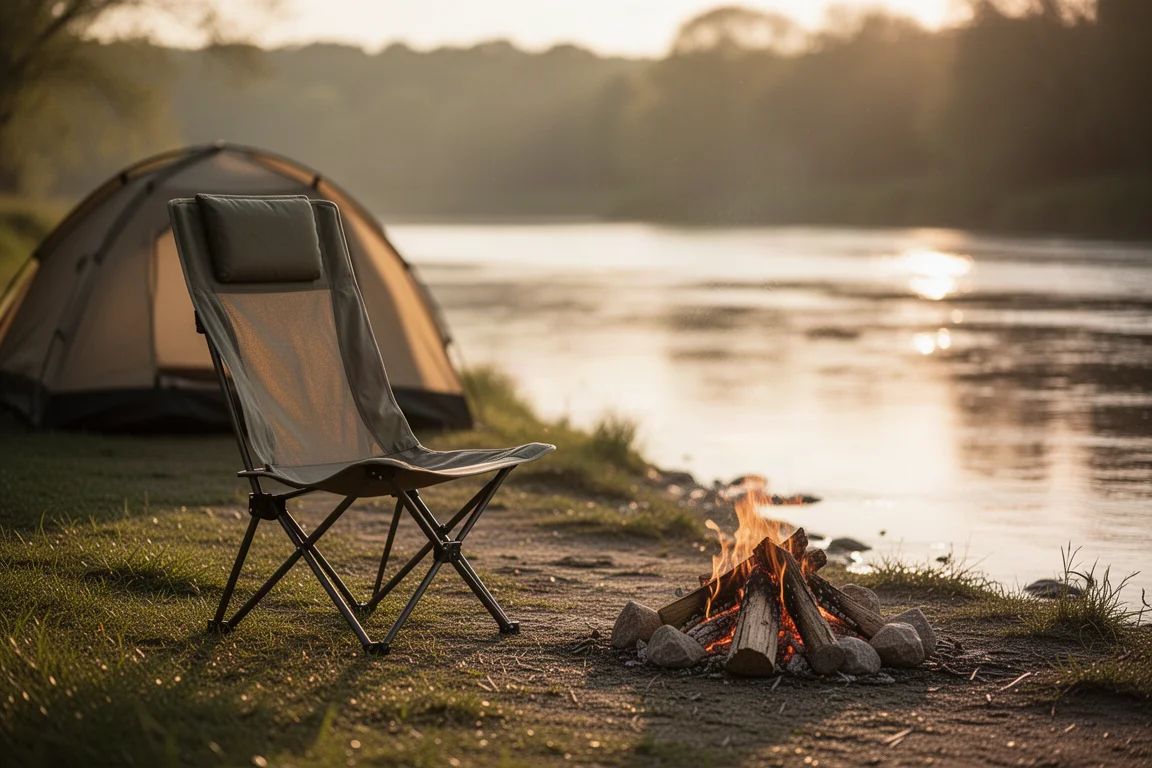
The Crazy Creek Hex 2.0 is not a chair in the usual sense. It is a folded panel of insulated fabric that you sit on, with the back section propping up your spine. Getting into position takes a moment of balancing, and getting out takes a bit of work too, usually a roll to one side.
What it delivers in return is back support almost anywhere. On the ground by a fire, inside a tent in the morning, on top of a cot in a family tent, at a fairground watching fireworks, or on a bike ride where it packs into a backpack with lunch. The long-back version used here has a slightly higher and wider back for more comfort at the cost of a few extra ounces, and there is a standard version plus a three-panel lounger in the same family.
Durability is a genuine strength. One of these has been in use for at least ten years with no tears and no visible abrasion. The company is a small family-run operation based in Red Lodge, Montana, and the pricing is reasonable next to most camp chairs, especially backpacking chairs.
The trade-off is that you have to be comfortable sitting on the ground. Once you accept that, it is a light, affordable way to add real back support to almost any camp setup.
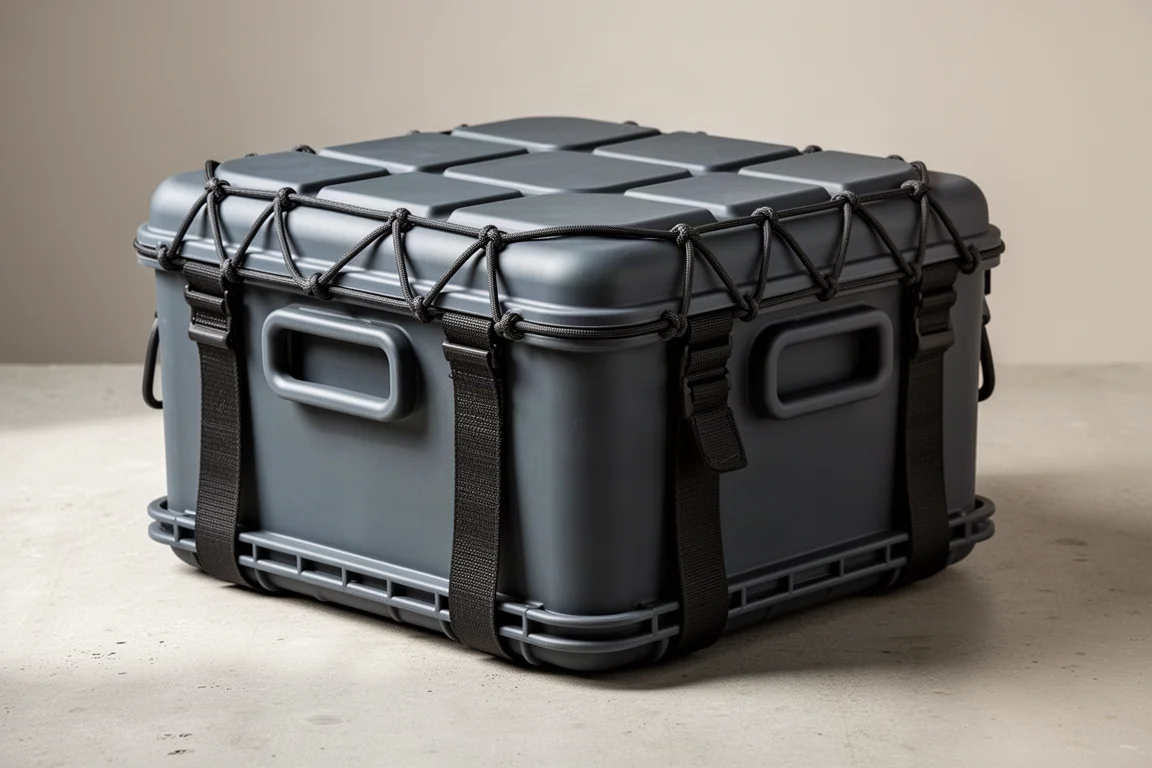
Rux 70 L: The Gear Crate That Carries Everything
The Rux 70 L is the item that invites the most skepticism, mostly because of the price. At around $350 it costs as much as a good backpack or a mid-range tent, and at first glance it looks like a fancy crate.
Then you use it for a season. The body is made from a soft, rubbery vinyl material that is water resistant and collapses down when empty. The lid is modular, folding and flipping into different configurations, with a bungee that tensions it around the corners for a tight seal and lets you strap gear on top. There are grab handles, plus straps that make it easy to carry or swing into a truck bed. Rigid plastic rails on the sides work with a wall-mounted hanging system, so the same container can serve as home gear storage between trips. A small window on one side shows what is inside, which helps when you own more than one.
In practice it swallows a whole trip’s worth of gear: clothes, river shoes, a dry bag, camp kitchen items, food, and camera gear. It has been in use for around three years, including a rough ride on the back of kayaks, and it keeps contents generally dry as long as it is not fully submerged. After a dirty trip it can simply be hosed out.
It is not a necessity, and the price is real. But if it were lost or destroyed, it is the kind of item worth replacing with your own money, which is about the strongest recommendation gear can get.
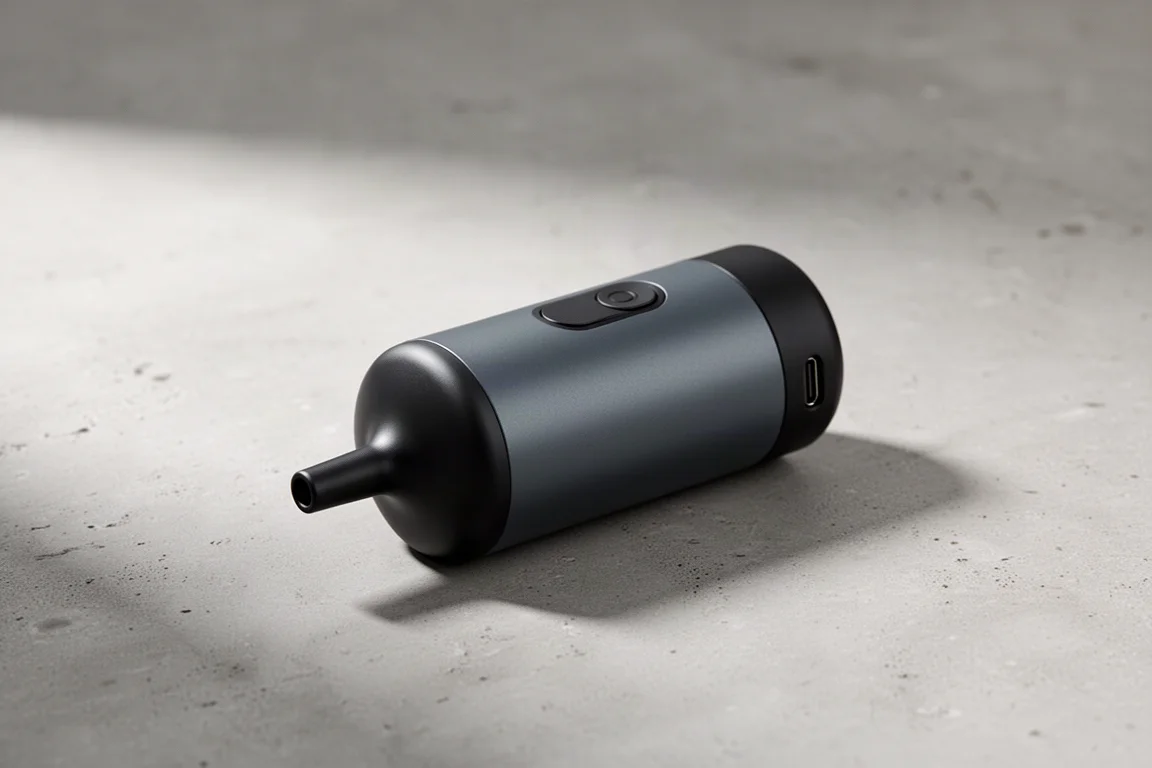
Flextail Tiny Pump 2X: A $30 Convenience
Inflating a sleeping pad by mouth at the end of a long day is one of the small miseries of camping. The Flextail Tiny Pump 2X solves it for around $30.
It clips onto the pad valve and inflates a standard pad in a minute or two, and it works just as well on large foam-and-air mattresses as it does on lightweight backpacking pads. It is loud in a quiet campsite, which is the main complaint, but the noise is brief. It charges over USB-C, and it doubles as a small tent light with a few brightness settings.
The feature that is easy to overlook is deflation. Move the nozzle to the intake side and the pump pulls air out of the pad, which makes it far easier to fold and squeeze back into a stuff sack. It is small enough to bring on backpacking trips, and it earns its place in the bag every time.
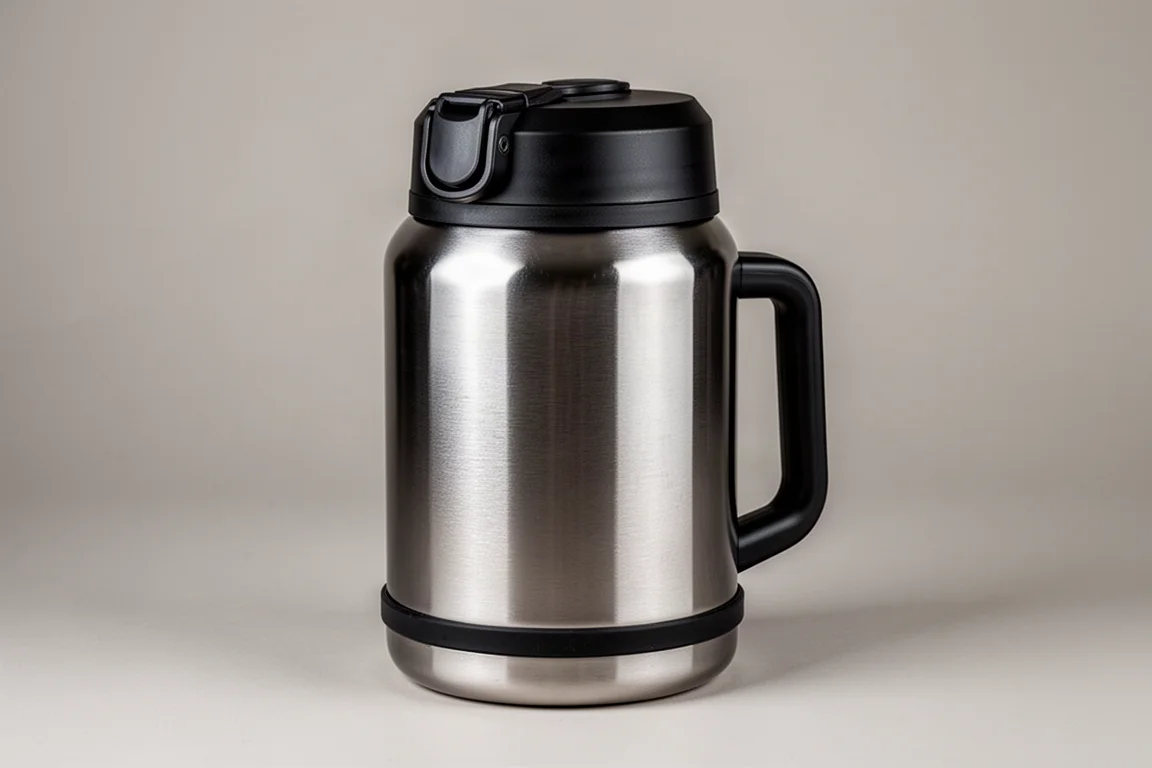
Yeti Rambler One-Gallon Jug: Water That Stays Cold
Carrying water to camp can be done cheaply with plastic gallon jugs. The Yeti Rambler One-Gallon Jug is the opposite approach, and at over $100 it is a deliberate purchase rather than an impulse one.
What it buys is cold water days into a trip. On three and four day summer trips, filled with ice and water at home, it still had ice at the end. Warm water poured in from other jugs chilled quickly without wiping out the remaining ice. That matters on river trips where the local water is not good to filter and drink, so everything has to be brought in.
It is also remarkably tough. A drop from overhead to the ground left a small ding and a scratch and nothing more. The magnetic lid holder keeps the lid attached to the jug instead of disappearing into the dirt, the handle is heavy duty, and the spout is shaped so water pours in a steady stream instead of glugging. A rubber ring on the base keeps it planted in a truck bed, where it tips over less than other jugs.
It is the most expensive jug of its kind here and the most robust one, and the two facts are connected. If cold water after several days matters more to you than the price, this is the one that always gets packed.
DVOS Light Ranger: Compact Camp Lighting
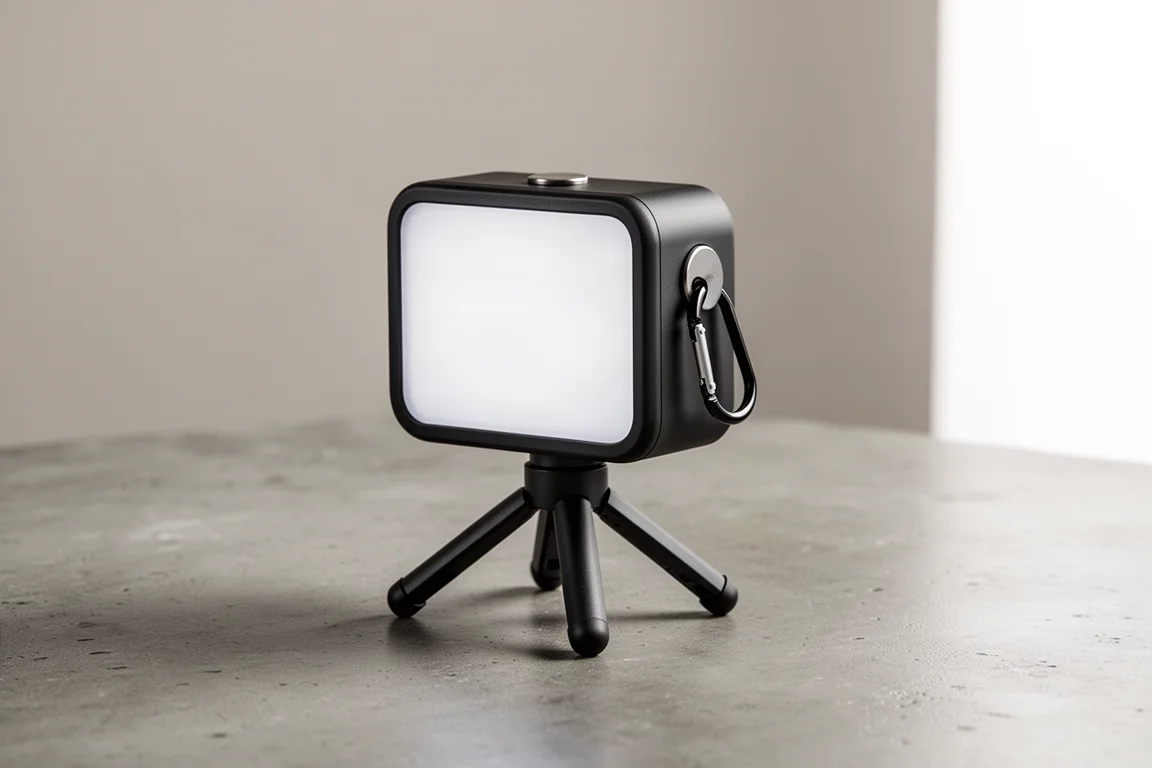
Lanterns that sit on a table are fine, but the DVOS Light Ranger is more useful in more places. The range includes several sizes with different lumen ratings, and the 800 lumen model here is the smallest, which is exactly why it goes on almost every trip.
It has a magnet and a carabiner, so it can hang from metal, from a tent loop, or from the back of a truck. A small tripod lets it stand free, and the larger models in the range, including the 1200 and 2000 versions, come with more substantial tripods. Brightness settings are simple: high, medium, and low. The light can also be set to illuminate only one side, which is handy when you want light in one direction and darkness in another.
Red light is available, either through covers on this model or by pressing the button again on the larger 2000 version. Red light draws fewer bugs and helps preserve night vision, which is a real benefit around camp after dark. It is small enough to bring inside a small tent, and it is bright enough to light a family tent for an evening of cards.
The one annoyance is removing the light from its mount, which takes more effort than it should. Everything else about it is straightforward.
What to Buy First: Practical Priorities
Not everyone needs everything on this list, and buying all of it at once makes little sense. A sensible order is to start with the items that change how a night feels and cost the least.
The canvas tarp and the pad pump together cost less than dinner out and immediately improve camp: a clean, quiet ground surface and a pad that inflates without effort. A cot comes next if you sleep in a tent often, since getting off the ground is the single biggest comfort change for most people, and the budget cot delivers most of that benefit for around $60.
Save the expensive pieces for last. The Rux 70 L and the Oyster Tempo are both items that only make sense once you know you will use them constantly, and both are worth the money under that condition. The Yeti jug sits in the same category: not essential, but genuinely good at one job.
One final note on durability. Every item here has been used hard, and none of it has been babied. That is the standard worth applying to any gear purchase: buy the thing that will still be in the truck in five years.
Conclusion
None of these items are required for a good night outside. They are the pieces that fill the gaps around a tent, a sleeping bag, and a pad, and they are the ones that keep finding their way back into the truck trip after trip.
The pattern across the list is consistent. The cheaper items, the tarp, the pump, and the chair, earn their place through usefulness rather than price. The expensive items, the cooler, the gear crate, and the water jug, earn their place by being unusually good at one specific job and holding up to years of abuse. Pick the gaps that bother you most and start there.
Further reading
Related Reviews
Camping Gear
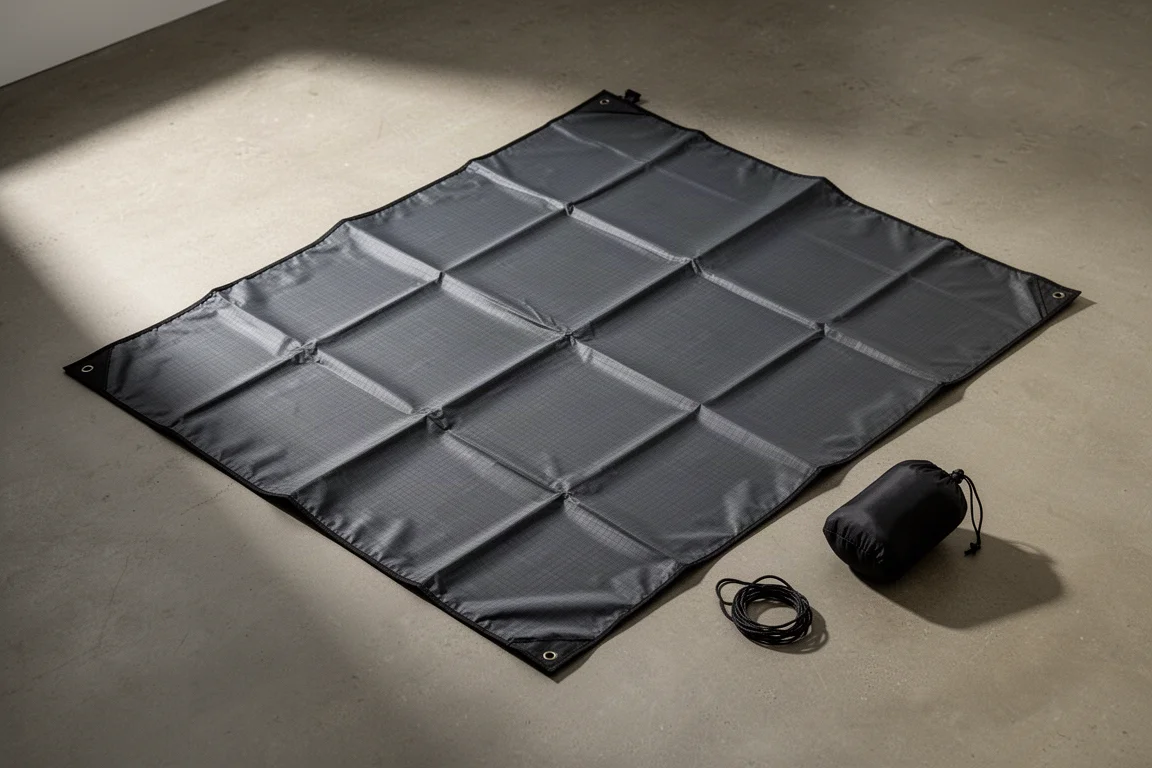
3FUL Ultralight Ground Sheet Review: A Two-Person Footprint Worth Packing
A 6.7 oz two-person ground sheet in ripstop silnylon, priced around $30. Here is what it protects, what it does not do, and who should pack it.
Camping Gear
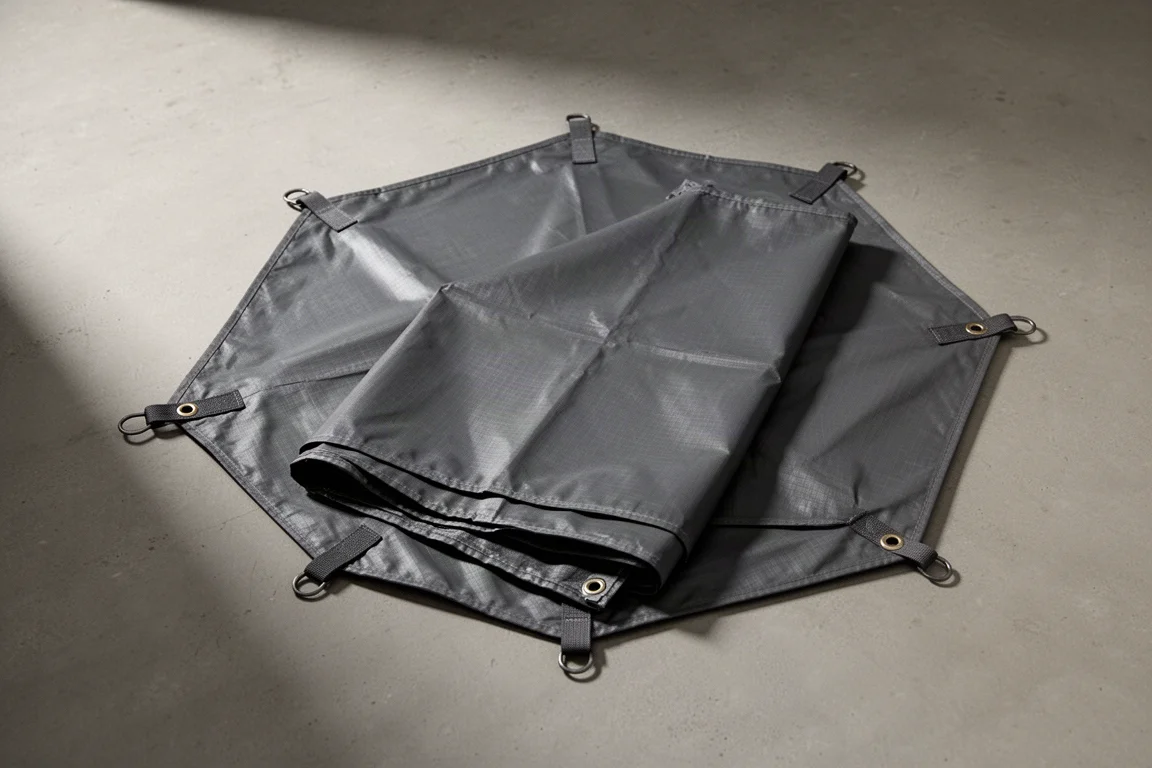
Backcountry Light Dual-Function Tarp and Floor Review: A Footprint First
A dual-purpose tent floor and tarp that keeps falling rain off you, but cannot block wind. Here is where it works and where it does not.
Camping Gear
Best 2-Person Camping Mattresses for Couples: 10 Options Compared
A practical comparison of ten two-person camping mattresses, covering self-inflating pads, air pads and air mattresses for couples.