Camping Gear
Camping Gear Tested in the Rain: Two Tents, a Stove, and a Camp Chair
A wet-weather field test of two lightweight tents, a butane camp stove, and a high back camp chair, with the trade-offs that matter before you buy.
Introduction
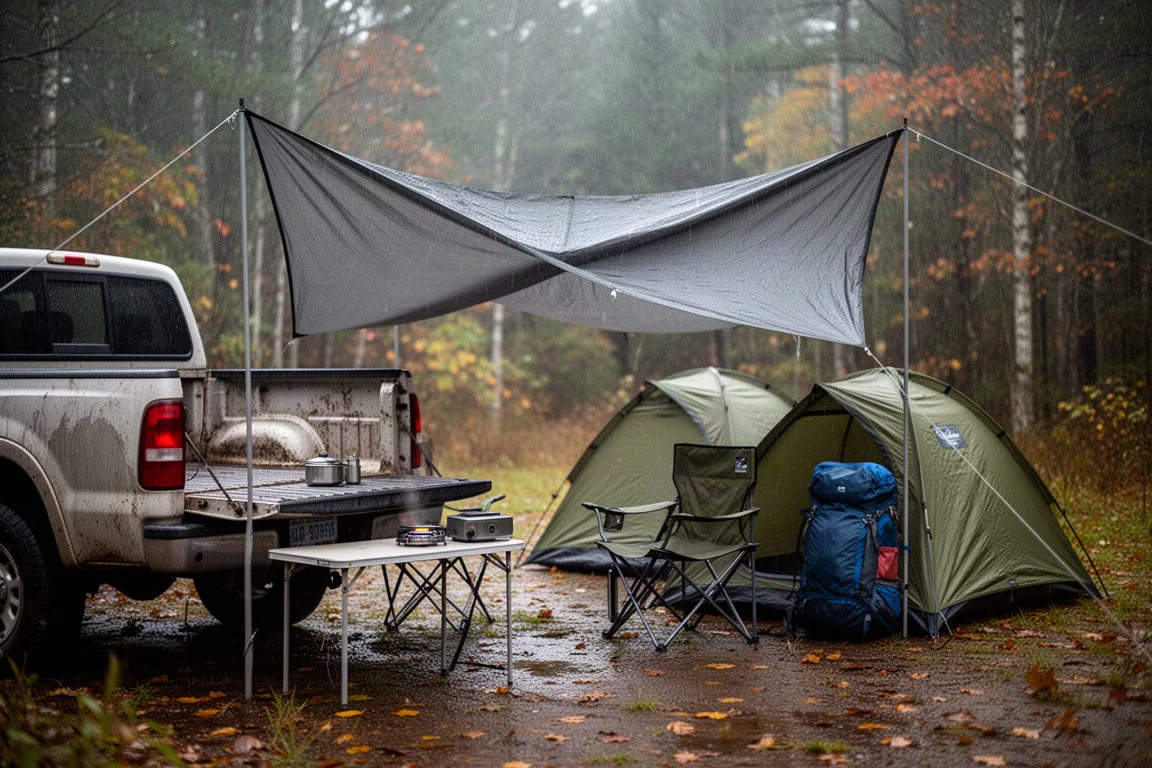
Rain is an honest test rig. A night of on-and-off showers separates gear that is genuinely weather-ready from gear that only looks the part, and it exposes the small annoyances that never appear during a dry afternoon pitch in the driveway.
This field test covered four pieces of camp kit: the Outdoor Vitals Fortis 2-Person Tent and the 3F UL Lanshan Pro, both seam sealed and left up through a wet overnight, plus the Four Wind butane stove and the OneTigris High Back Chair for camp comfort.
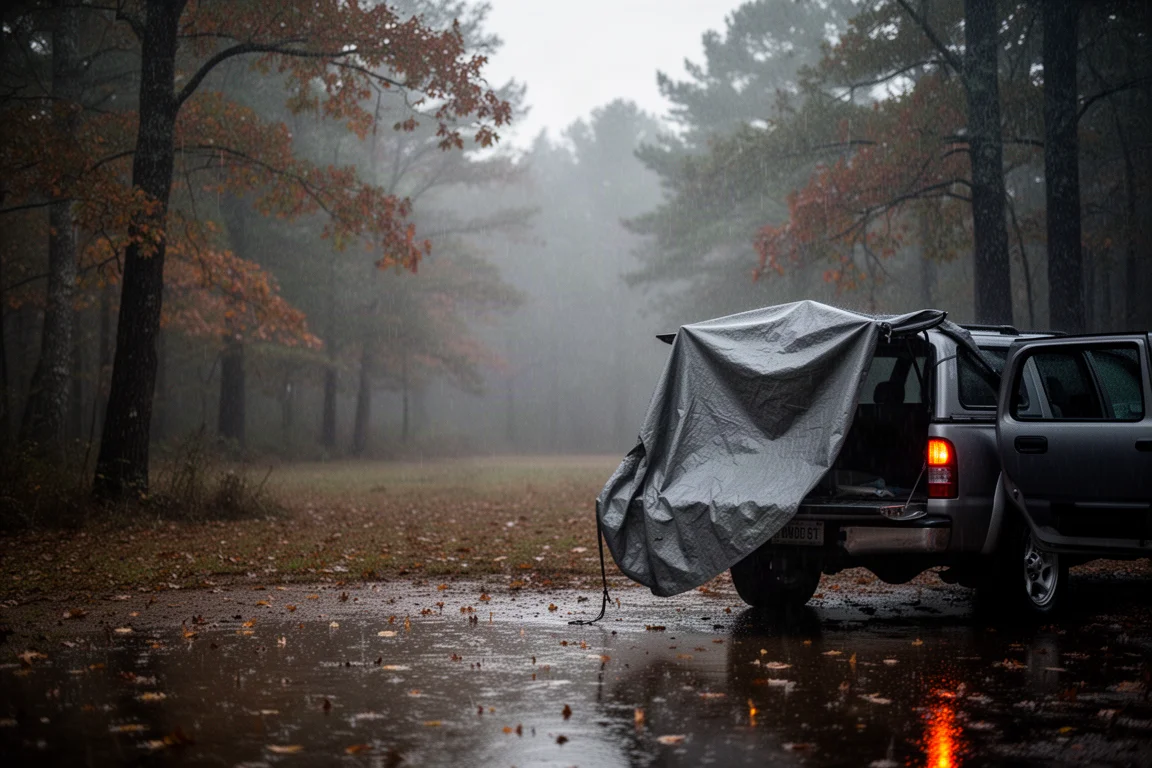
The aim was not to grade gear against a spec sheet. It was to see how each item behaves after a long day, in real humidity, with rain arriving in waves and the ground turning soft underfoot.
How This Gear Was Tested
The two tents were seam sealed first, then pitched and left standing through a night of intermittent showers that returned roughly every hour and a half, with the heaviest rain arriving in the early morning. Seam sealing a tent or repairing it means nothing until it has been waterproof tested, so the wet night was as much a check on the sealing work as on the shelters themselves.
The stove was put through a normal camp coffee routine, and the chair was used for the evening and morning sit-downs around a folding camp table under a tarp. Nothing was rushed and nothing was staged.
Outdoor Vitals Fortis 2-Person Tent: Light Body, Noticeable Sag
The Fortis is a two-person tent with a light body and a blue and yellow colourway that reads well in daylight. Pricing sits well below the roughly $700 tier of premium ultralight shelters, which makes it an approachable option for campers who want something lighter than a standard car camping tent without paying flagship money.
It is worth keeping the weight story straight. A light tent body is only part of the equation, because poles add weight back, so this is not an ultralight setup overall. It simply does not cost like one.
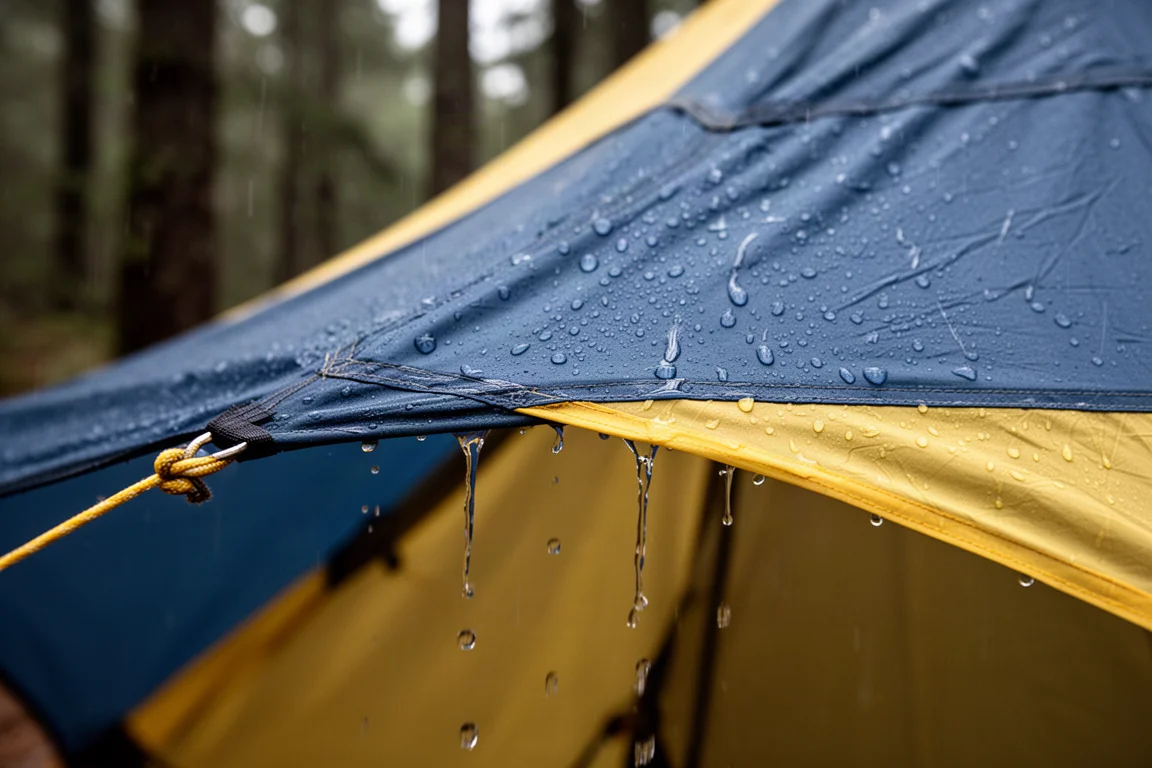
Seam sealed and pitched through a wet night, the Fortis stayed dry inside. The trade-off showed up in the fabric. After hours of rain the material had stretched and sagged noticeably, and the pitch needed repeated retensioning to keep it looking tidy. That is not a dealbreaker, but it is a routine you should be willing to accept.
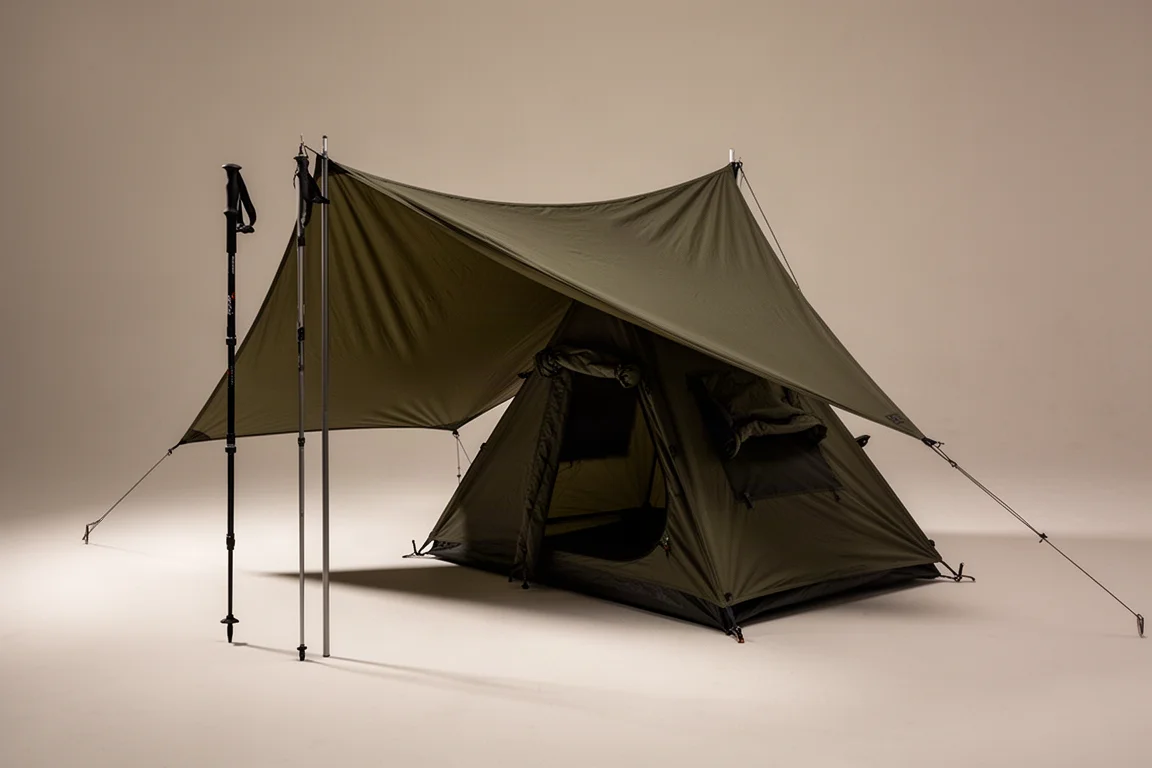
3F UL Lanshan Pro: A Pitch That Holds Its Shape
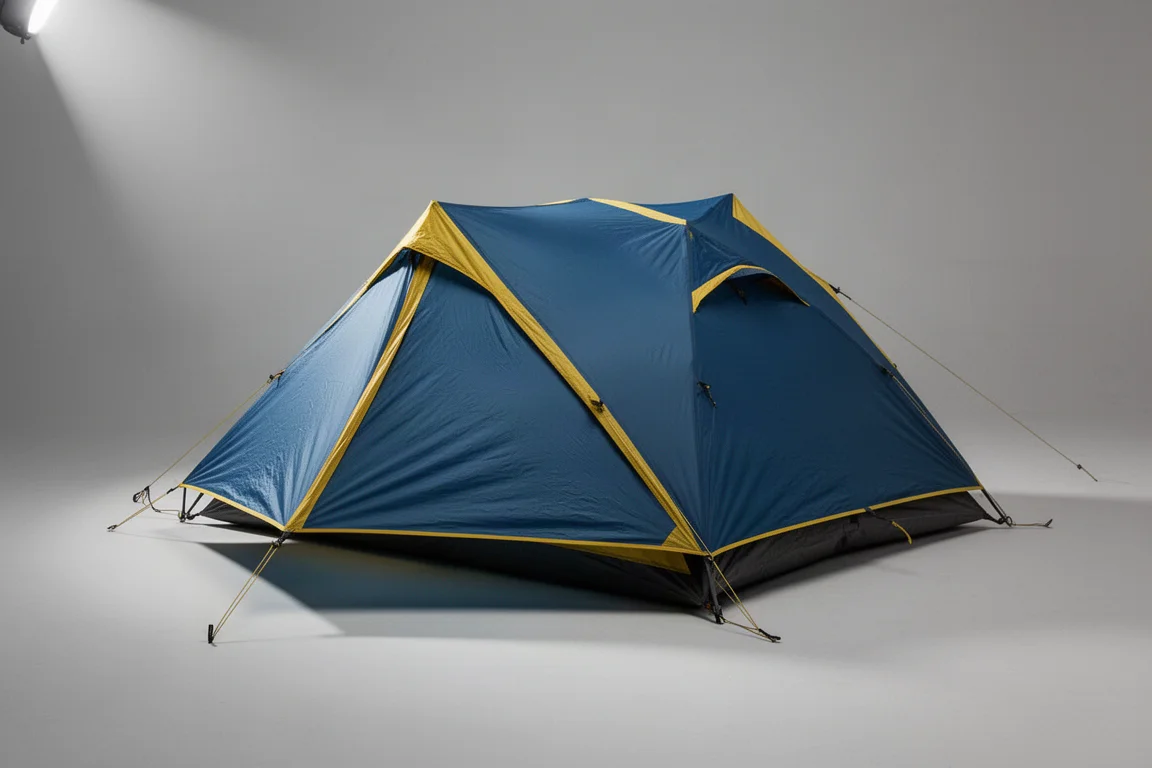
The Lanshan Pro was also seam sealed before the trip and then waterproof tested in the same conditions. Its advantage showed up in the fabric itself: after the same wet night, the material had barely stretched and the pitch still looked close to how it was set.
It also came through the rain without leaking, which is the outcome that matters most for a shelter you are trusting with your sleep. The lesson here is straightforward. Fabric behaviour after rain is one of the quiet differences between shelters that look similar on paper, and it decides how much adjusting you do at two in the morning.
Four Wind Stove: Premium Price Without Premium Performance
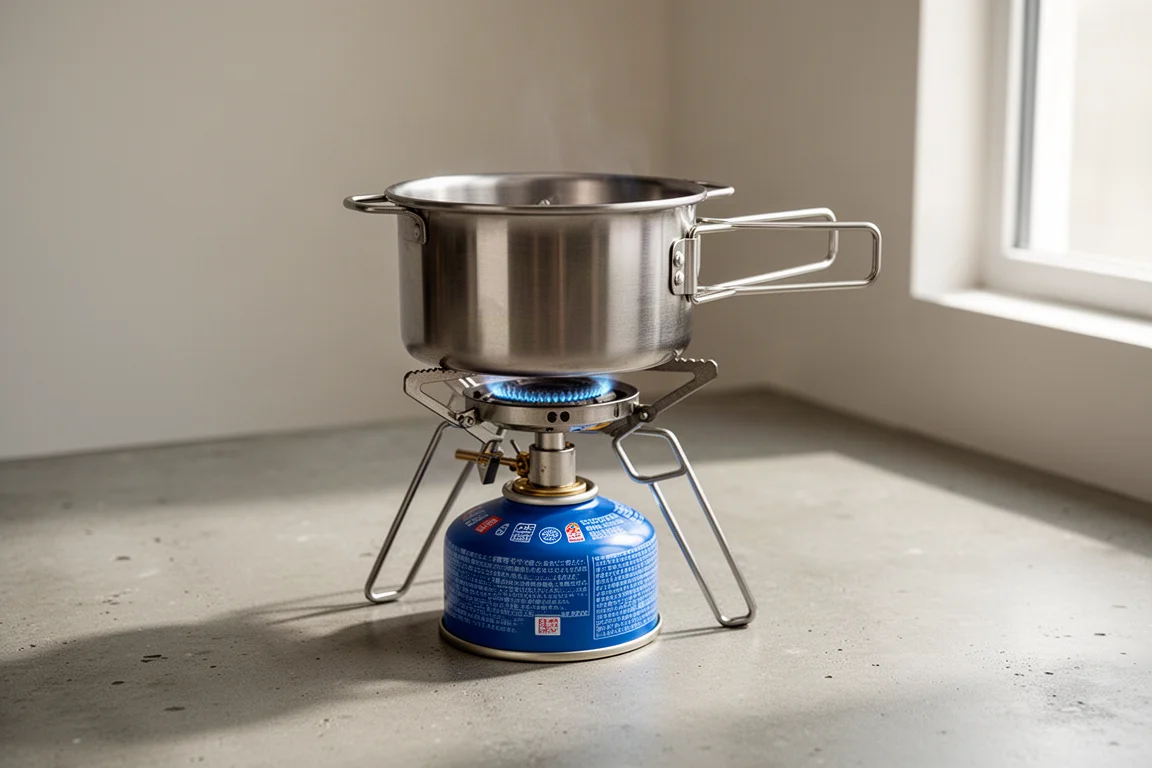
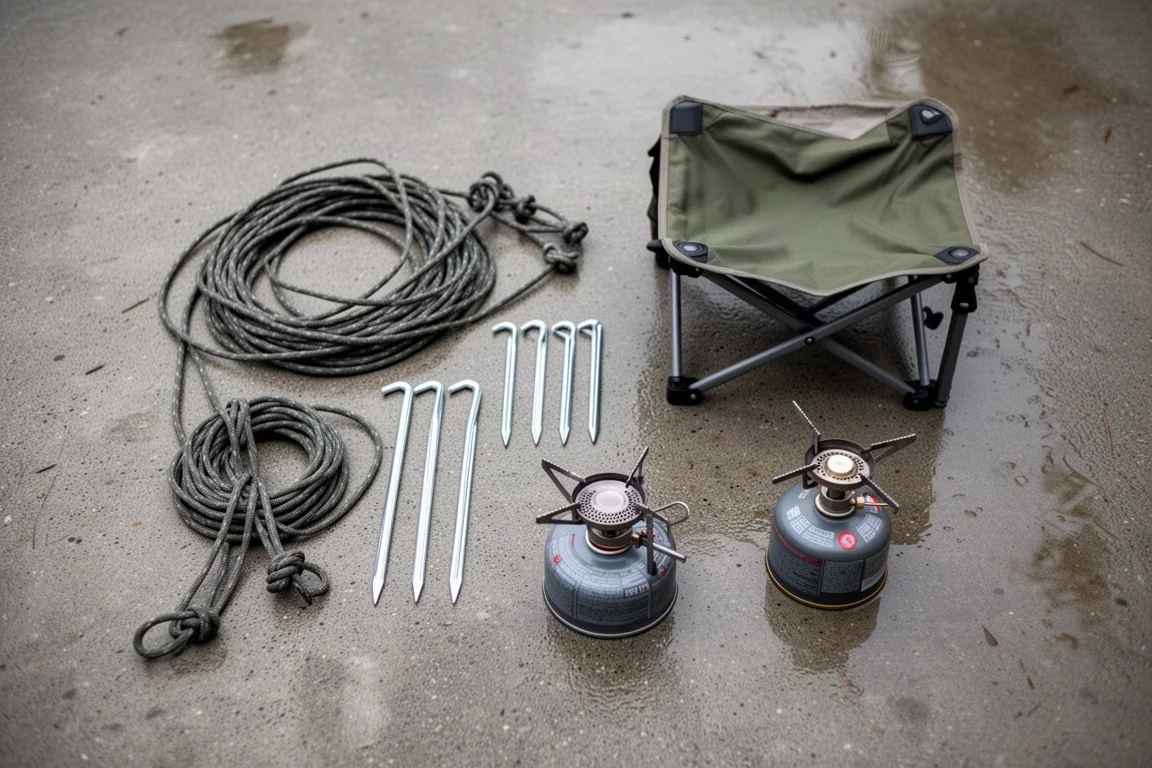
The Four Wind is a single-burner butane stove. The fit and finish are acceptable, though the unit does not feel especially premium, and the storage box is a step above what most butane stoves ship with. Those are the highlights.
At $150 at the time of writing, price is the problem. Comparable butane stoves sell for around $40, and some of those offer more BTU output. Nothing here adds a feature, a performance gain, or a capability that the inexpensive options lack.
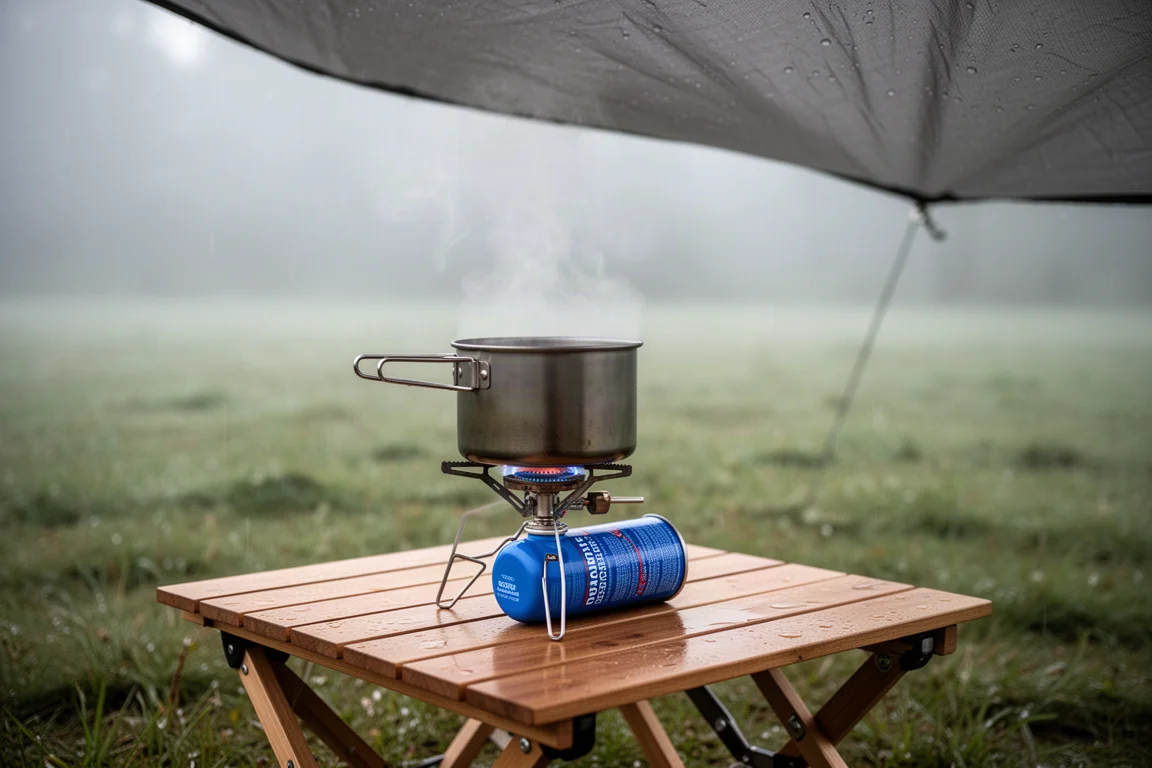
Two design details stood out during use. The butane canister does not lock into the valve the way most stoves secure it, so it can pop loose, and the igniter proved finicky on a damp, cool morning. Performance itself was fine, but no better than far cheaper stoves.
One practical note for buyers: butane alone works well only in warm weather. A stove that runs on both butane and propane covers summer and winter, which makes it a better single purchase than a butane-only model.
OneTigris High Back Chair: Simple Camp Comfort
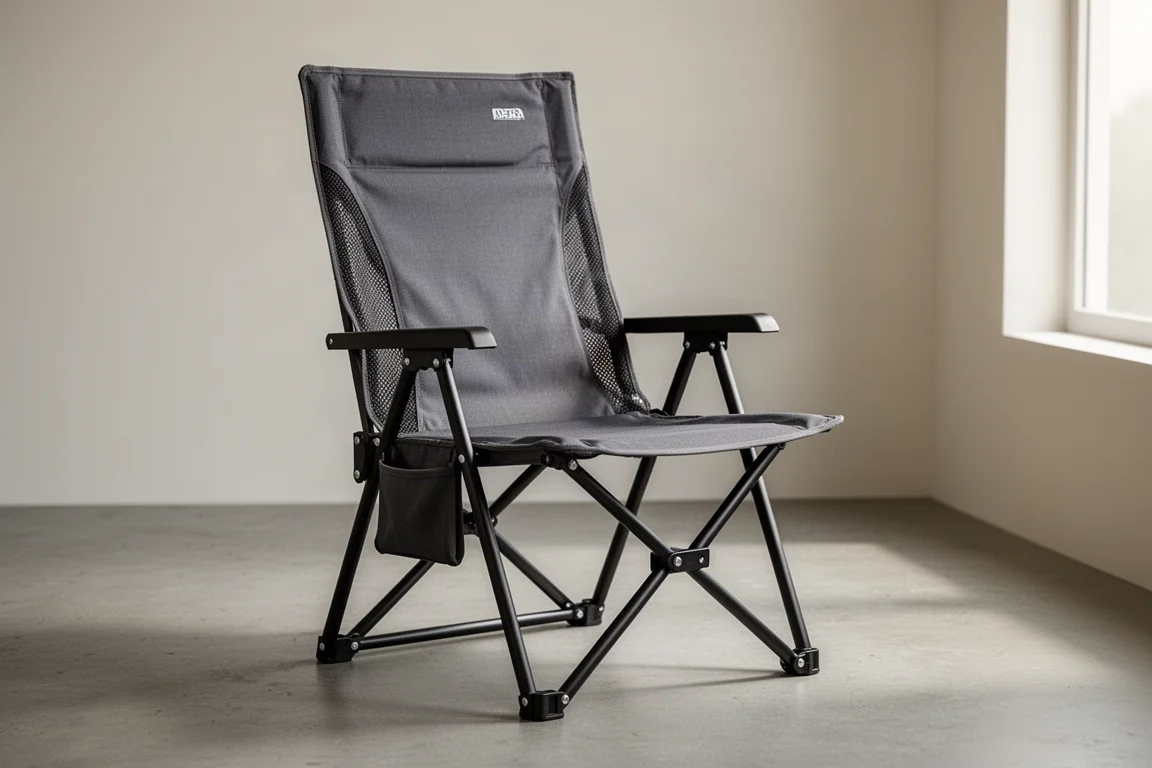
The OneTigris High Back Chair is the low-drama item in this group. It has been used across multiple trips and does the one job a camp chair needs to do: give you a comfortable place to sit once the cooking is finished and the light starts to fade.
Paired with a folding camp table, it turned a rainy evening into a comfortable one. A chair is not the gear that keeps you dry, but it is often the piece that decides whether you stay outside and enjoy the evening or retreat early.
Buying Advice: Where the Money Makes Sense
Shelter comes first. Both tents came through the rain without leaking, so the decision comes down to fabric behaviour and budget. The Fortis costs far less than premium ultralight tents and needs periodic retensioning after rain. The Lanshan Pro held its pitch with almost no stretch, which is worth paying attention to if you dislike fiddling with guy lines in the dark.
Stoves are the easiest place to save money. A butane stove around the $40 mark will do what a $150 butane stove does, and a dual-fuel model adds cold-weather capability that a butane-only stove cannot match.
Comfort items such as a high back chair are worth the space if you spend your evenings at camp rather than in the tent. They do not change how your shelter performs, but they change how much you enjoy using it.
The final calculation is simple enough. Decide what you want to spend, then decide what you are willing to live with, whether that is a fabric that needs retensioning or a price that does not match the performance.
Conclusion
Four pieces, four different verdicts. The Fortis is an affordable two-person tent that stays dry but asks for retensioning after rain. The Lanshan Pro holds its shape and its pitch. The Four Wind stove performs acceptably at a price that makes little sense next to $40 alternatives. The OneTigris High Back Chair remains a straightforward comfort win.
Match the purchase to the job: shelter where you sleep, a stove you can fuel all year, and comfort where you sit. That is the whole calculation.
Further reading
Related Reviews
Camping Gear
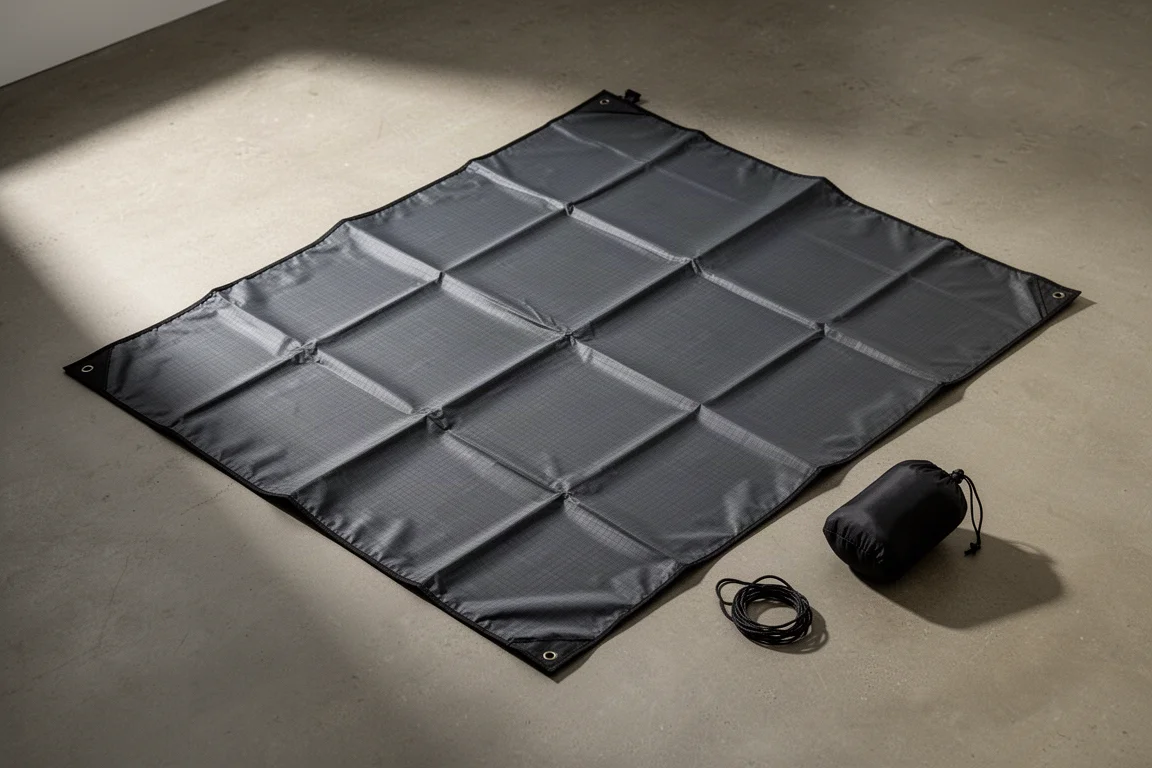
3FUL Ultralight Ground Sheet Review: A Two-Person Footprint Worth Packing
A 6.7 oz two-person ground sheet in ripstop silnylon, priced around $30. Here is what it protects, what it does not do, and who should pack it.
Camping Gear
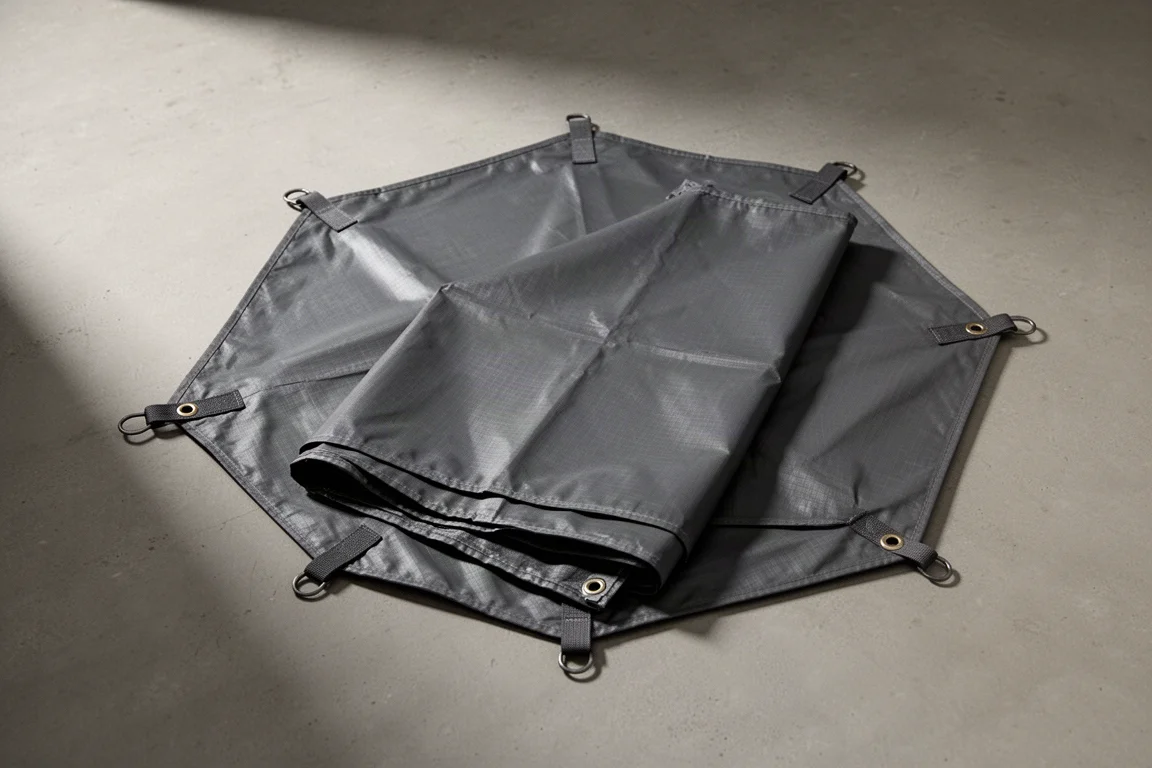
Backcountry Light Dual-Function Tarp and Floor Review: A Footprint First
A dual-purpose tent floor and tarp that keeps falling rain off you, but cannot block wind. Here is where it works and where it does not.
Camping Gear
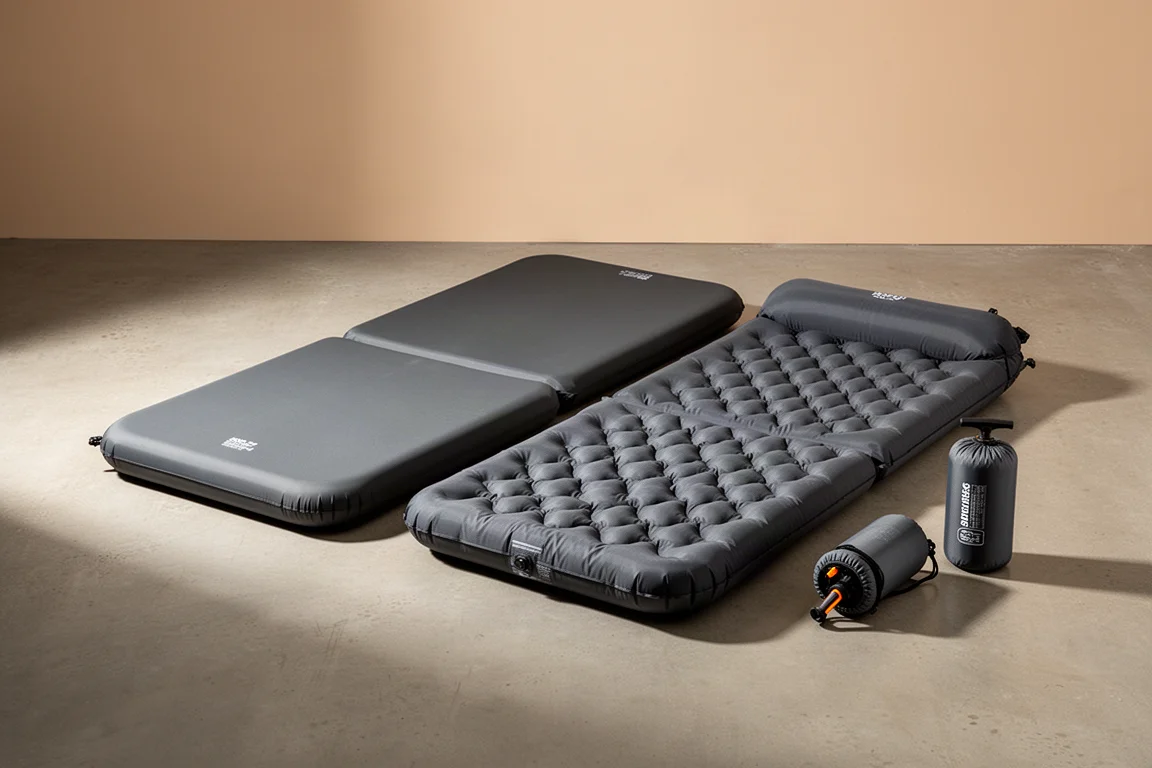
Best 2-Person Camping Mattresses for Couples: 10 Options Compared
A practical comparison of ten two-person camping mattresses, covering self-inflating pads, air pads and air mattresses for couples.