Camping Gear
Camping Gear Roundup: Six Items Tested in Real Weather
Six pieces of camping gear put through a stormy overnight trip, from a large shelter tarp and an inexpensive tent to a titanium wood stove and two trail meals.
Introduction
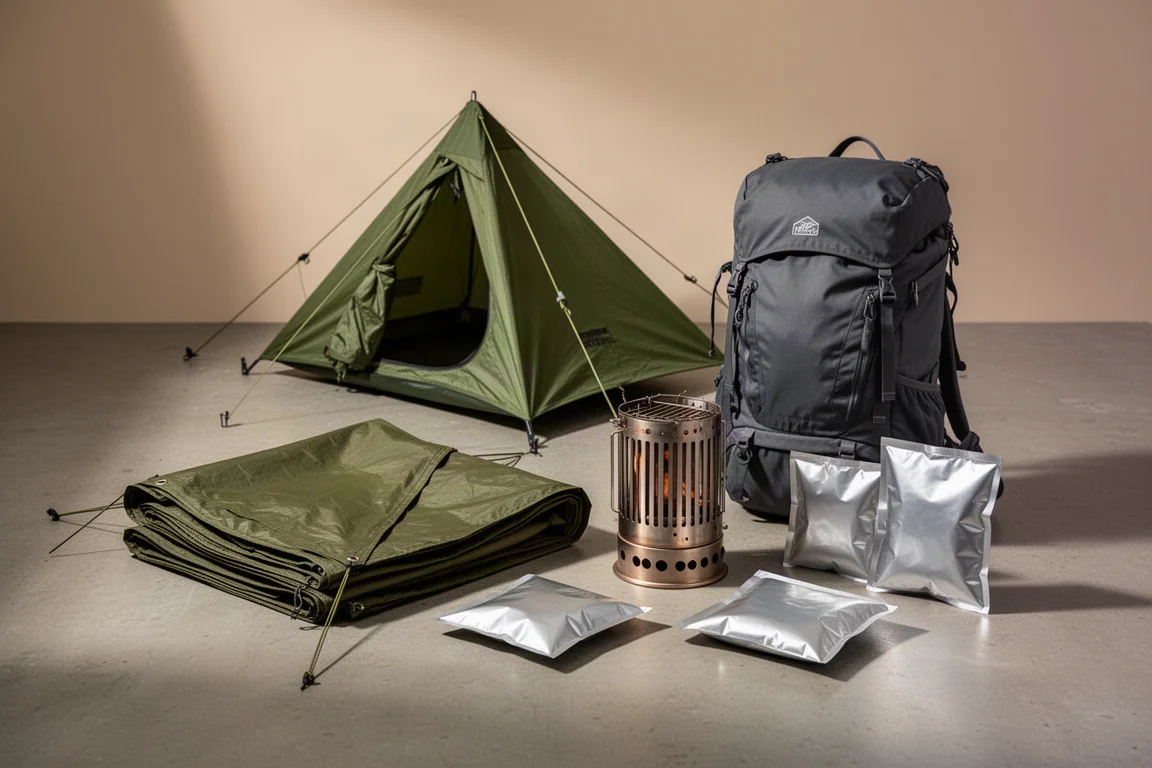
Some trips are about covering distance. This one was about weather. A steep off-trail climb led to a rocky campsite high in the green forest, and the forecast promised strong storms overnight. That made it a useful test bed for six pieces of gear: a large shelter tarp, a small tent, a backpack, a titanium wood stove, and two trail meals. Everything here was used in real conditions, including hours of heavy rain, wind, and a foggy, dripping morning.
What follows is a straightforward look at what worked, what did not, and who each item actually suits.
What to Look For in Shelter, Pack, Stove, and Trail Meals
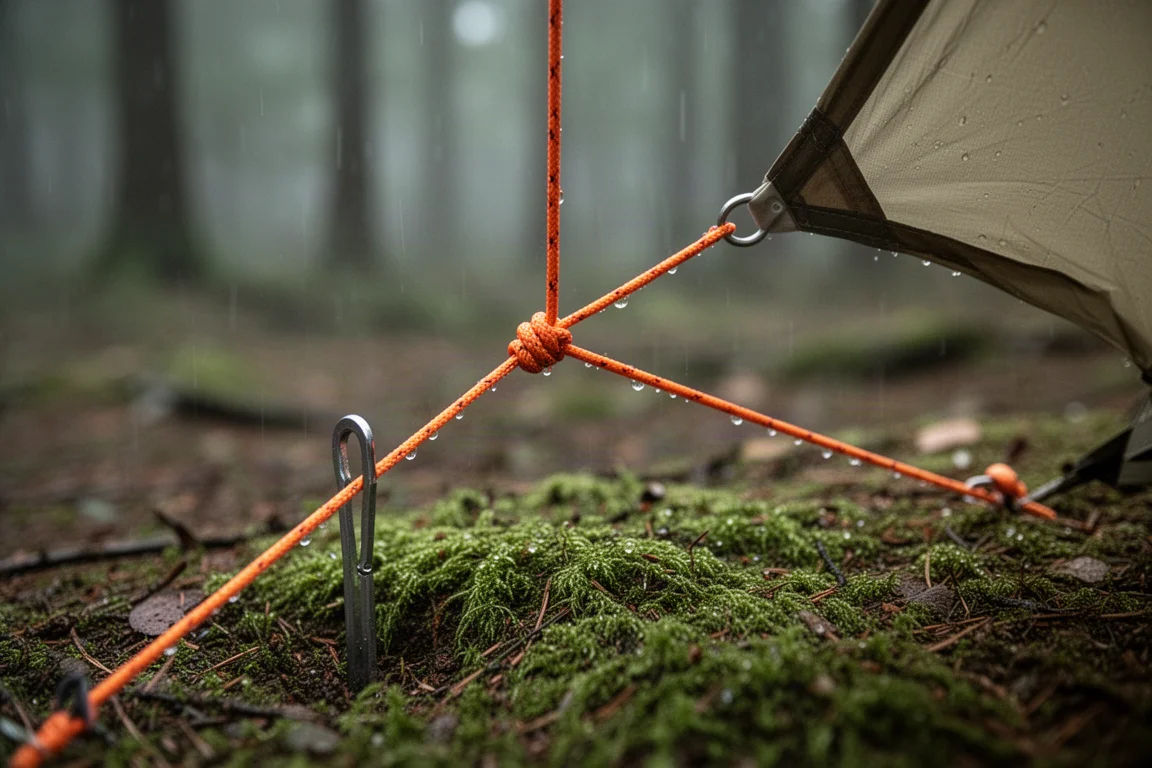
Four categories, four different questions. For shelter, the issue is not only whether the fabric keeps water out but whether you can pitch it taut on uneven ground. A shelter that cannot be tensioned properly lets water run down the walls and pool underneath, which is exactly what happened on this trip.
For a backpack, frame stiffness matters more than the headline capacity number. A soft or wobbly frame transfers load poorly, so a pack that feels fine with a light load can become uncomfortable once you add water, food, and a shelter. For stoves, weight and versatility are the trade-off: a wood-burning stove light enough to carry can also serve as a small fire pit, which saves you from processing firewood later. For trail meals, the split is between taste and cost. A meal that tastes great is worth something after a long day, but specialty pricing and shipping can push a single breakfast into the same territory as a restaurant meal.
RAB Siltarp 3, the Most Expensive Item and the Most Useful
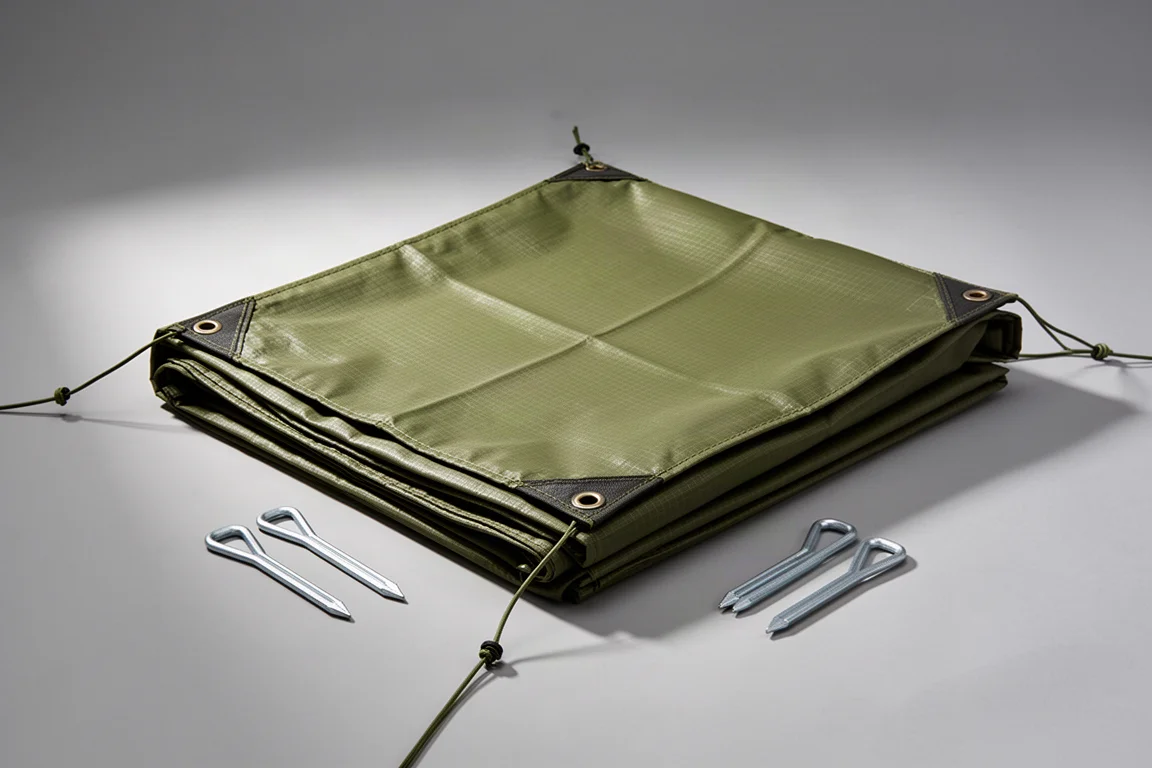
The RAB Siltarp 3 was pitched over a large rock and anchored with guy lines, and it became the living room for the whole camp. It took the brunt of the storm, and the space underneath it stayed bone dry, dry enough to light and keep a fire going the following morning while the forest was still dripping.
It was also the single most expensive piece of gear on the trip, at around 180. That is a real commitment for a tarp, and lighter options exist for backpackers counting grams. What you get for the money is coverage and confidence: a large, weather-ready sheet of fabric that can be pitched in multiple configurations and that keeps working when the forecast turns bad.
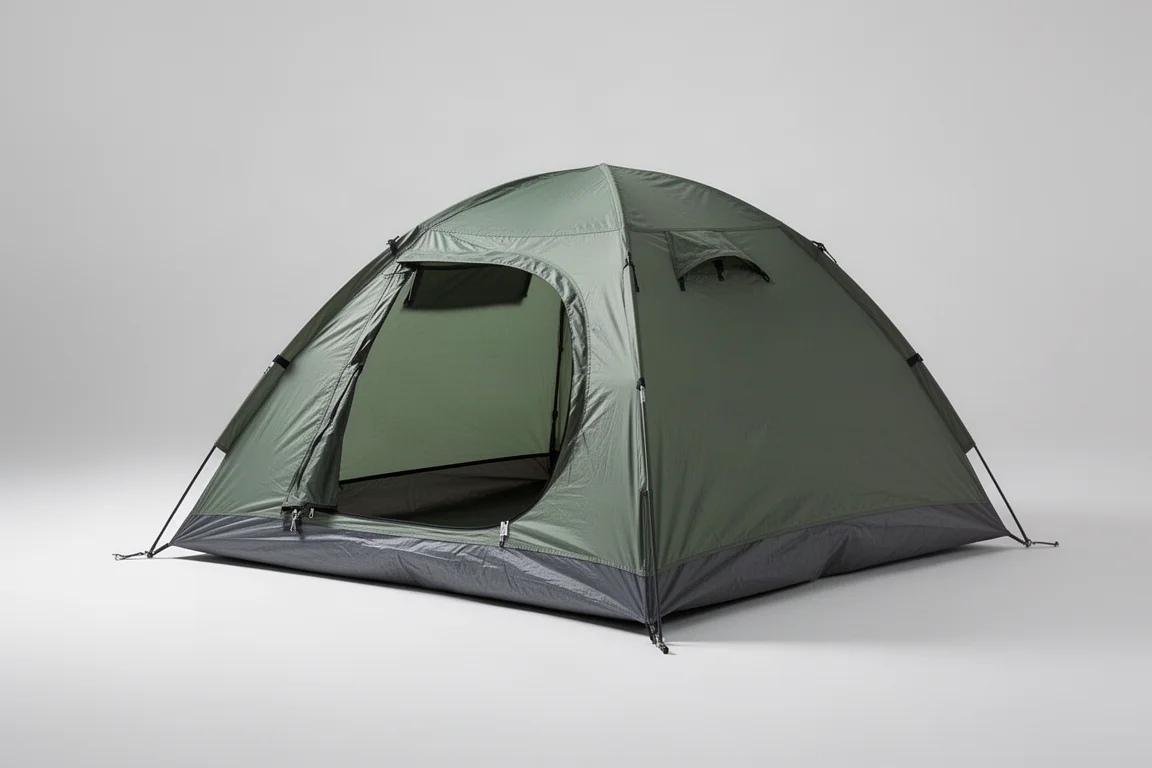
Naturehike Cyclone Camping Tent, Waterproof but Fussy to Pitch
The Naturehike Cyclone was pitched out in the open on purpose, so that rain would fall directly on it. At 80, it is an inexpensive tent, and the price shows up in the details rather than the fabric. The stakeout points at the door and the rear are non-adjustable, so unless the ground is perfectly flat the pitch ends up sloppy.
The workaround is guy lines. Tying the door and rear sides up high produced good airflow, and condensation was not an issue through the night. What was an issue is that there is no way to pull the bottom and the top of the tent apart, so rain ran straight down the walls, onto the ground sheet, and underneath the floor. By morning there was a pool of water under the sleeping area. The floor itself is waterproof and the sleep stayed dry, but it felt like lying on a waterbed.
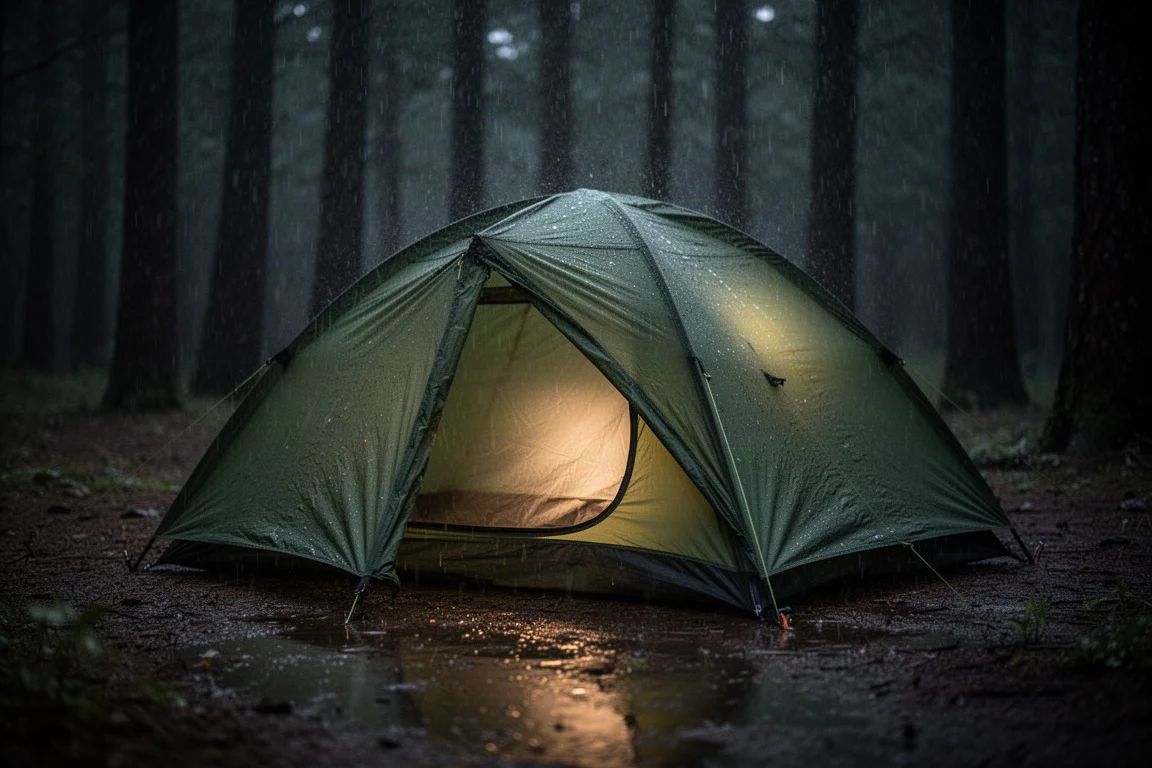
So the tent does the most important job, keeping rain off you, and it does it at a very low price. The design just makes that job harder than it needs to be on anything other than flat, well-drained ground.
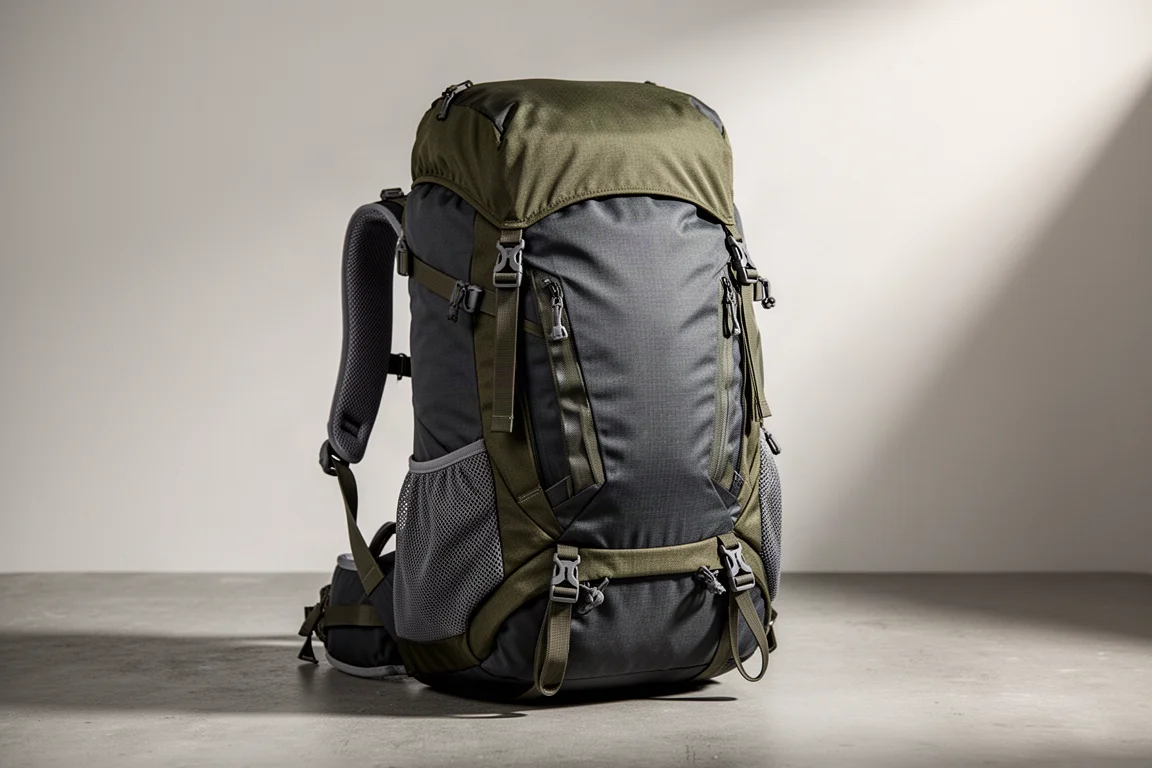
Mardingtop Backpack, a Wobbly Frame That Limits Load
The Mardingtop pack is built around a frame that flexes noticeably. With a light load it is serviceable, but the frame is weak enough that heavy loads do not carry well, and the pack becomes uncomfortable once you add water, food, and a shelter.
That is the whole story with this one. If your trips are short and your base weight is low, it will get the job done. If you are carrying a full overnight kit over rough terrain, the flex works against you.
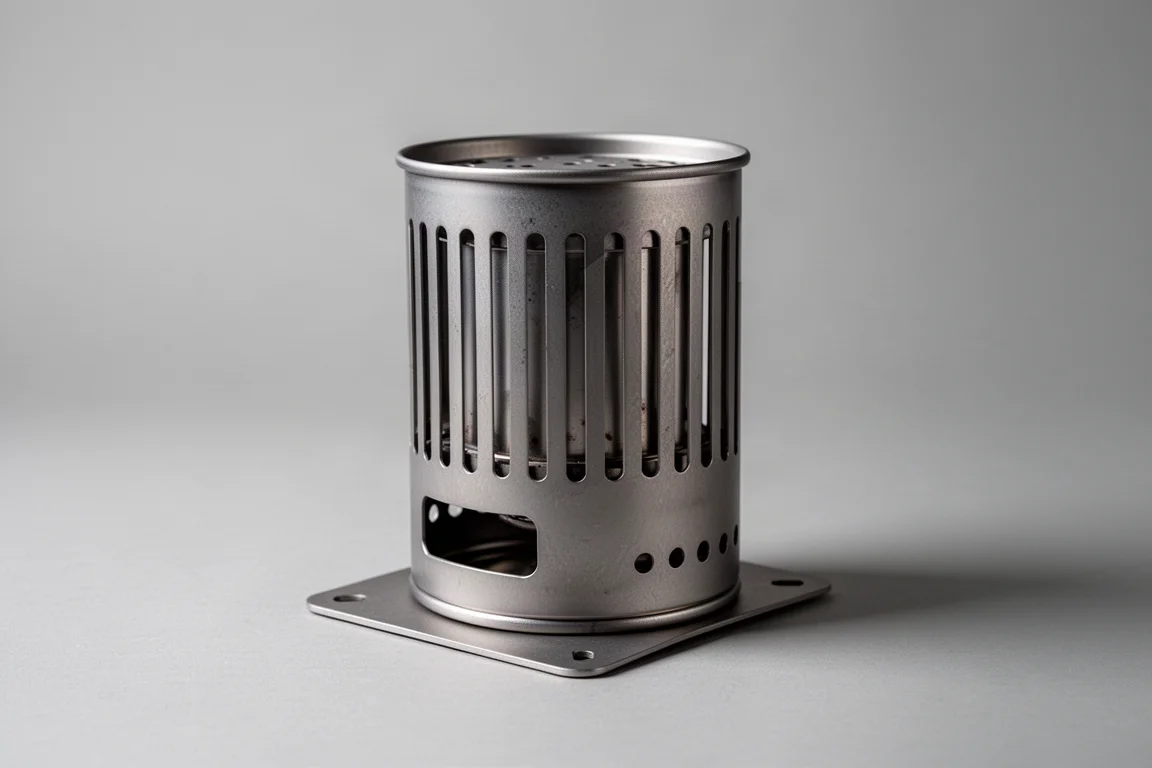
Naturehike Titanium Stove, Light, Versatile, and Nearly a Fire Pit
The Naturehike titanium stove is genuinely light, which matters when it is one of the few things you are carrying. It is also large enough to do more than one job: boil water for coffee, heat up a meal, and cook. Once the cooking was finished, the same stove was converted into a fire pit, which meant the wood processed during the day was ready for the morning.
The base plate does a good job of protecting the ground, which matters on a soft forest floor. There are small design details that could be refined, but as a single lightweight stove that handles both cooking and an evening fire, it earns its place.
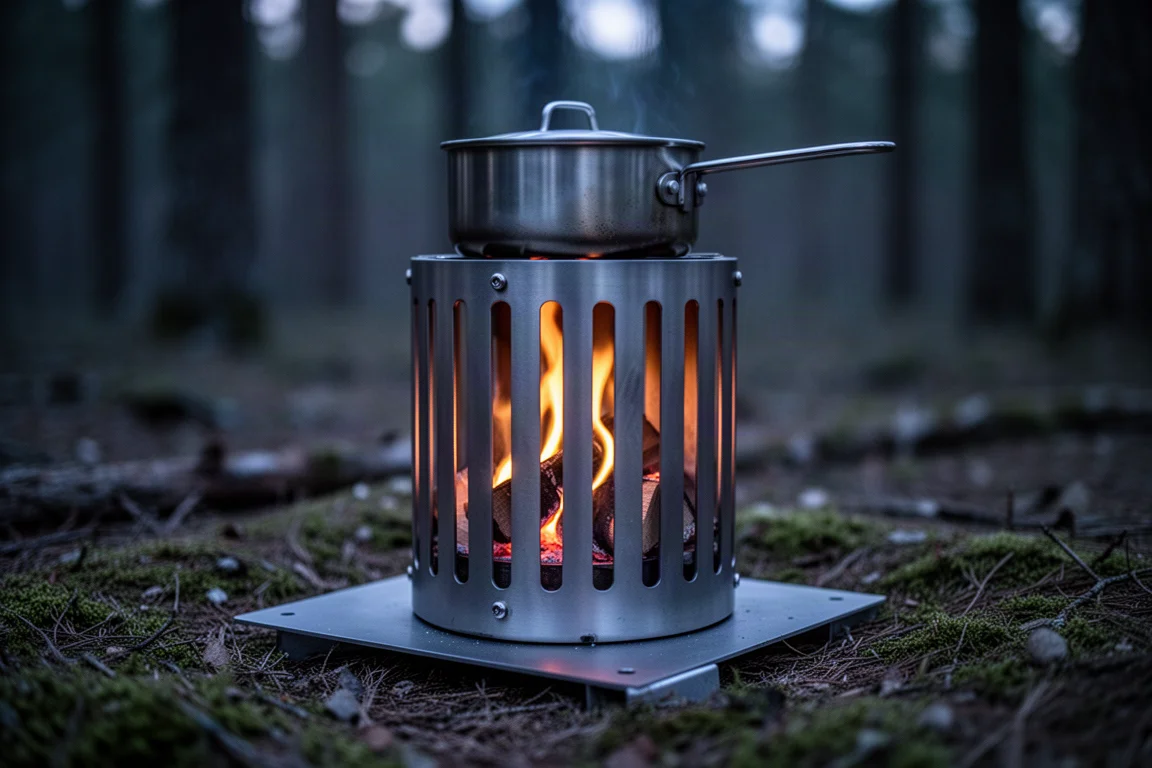
For anyone who wants one compact item instead of a stove plus a fire ring, this is a sensible way to go.
Backpacker’s Pantry Chicken Lasagna, Tasty but Not Distinctly Chicken
Chicken lasagna for dinner after a long day of climbing sounds better than it has any right to, and the Backpacker’s Pantry version delivered on flavor. It was genuinely good, hot, and filling.
The one odd note is the chicken. It was hard to identify, and if the package had said beef the result would have been equally plausible. That is not a dealbreaker for a dehydrated meal, but it is worth knowing if you are choosing a dinner specifically for the protein.
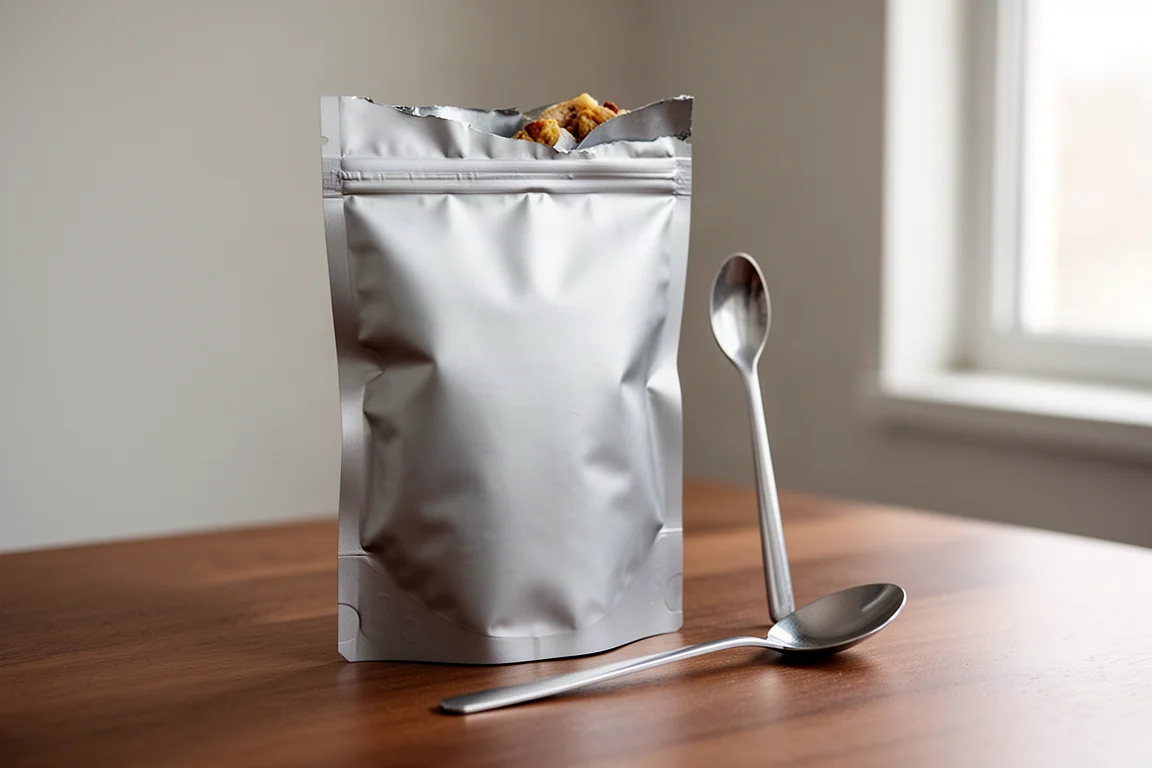
Real Turmat Blueberry and Vanilla Oatmeal, Excellent Food, Painful Shipping
The Real Turmat blueberry and vanilla oatmeal was the best-tasting item on the menu. These meals are excellent, and they can be ordered directly from the manufacturer rather than through a reseller.
The catch is shipping. Ordered that way, shipping can effectively double the price of the meal, and that is a lot of money for breakfast. The flavor justifies the cost for some people, but it is worth doing the math before building a whole trip’s menu around them.

Buying Advice, Matching Each Item to the Trip You Actually Take
The pattern across these six items is simple. The gear that performed best was the gear that matched the conditions. A large tarp at around 180 looks expensive until you spend a stormy night under it, and a cheap 80 tent looks like a bargain until rain pools underneath you.
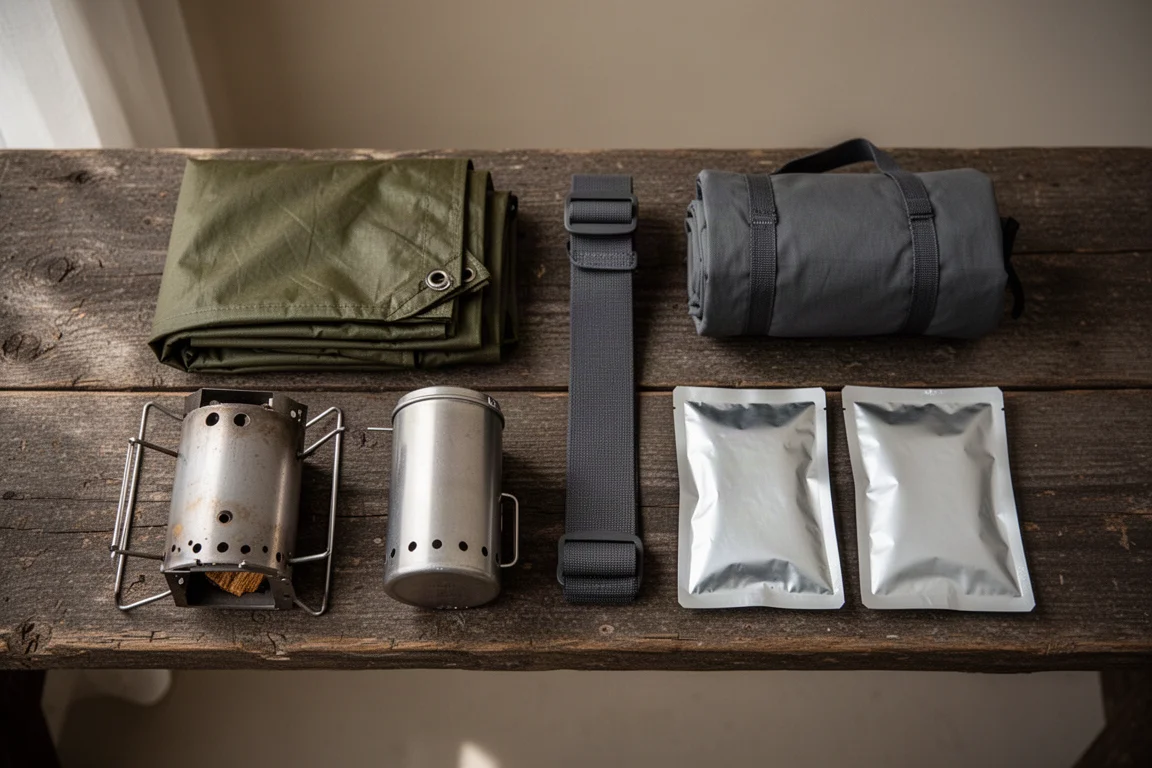
If you are building an overnight kit, decide first how much weather you expect and how much weight you are willing to carry. A pack with a soft frame and a heavy load is the wrong combination, no matter how good the price is. A lightweight wood stove that also works as a fire pit removes a whole category of gear from your pack. And trail meals are a straight trade between flavor and cost, so pick one splurge meal rather than upgrading every meal.
Conclusion
Three of these six items earned a clear place in the pack: the RAB Siltarp 3 for coverage and storm performance, the Naturehike titanium stove for weight and versatility, and the Real Turmat oatmeal for flavor, provided the shipping cost does not put you off. The Naturehike Cyclone tent is a genuinely waterproof budget option that needs flat ground and a careful pitch, the Backpacker’s Pantry Chicken Lasagna is a solid dinner with an indistinct chicken note, and the Mardingtop backpack is best kept to light loads. Match the gear to the trip and the weather, and the rest takes care of itself.
Further reading
Related Reviews
Camping Gear
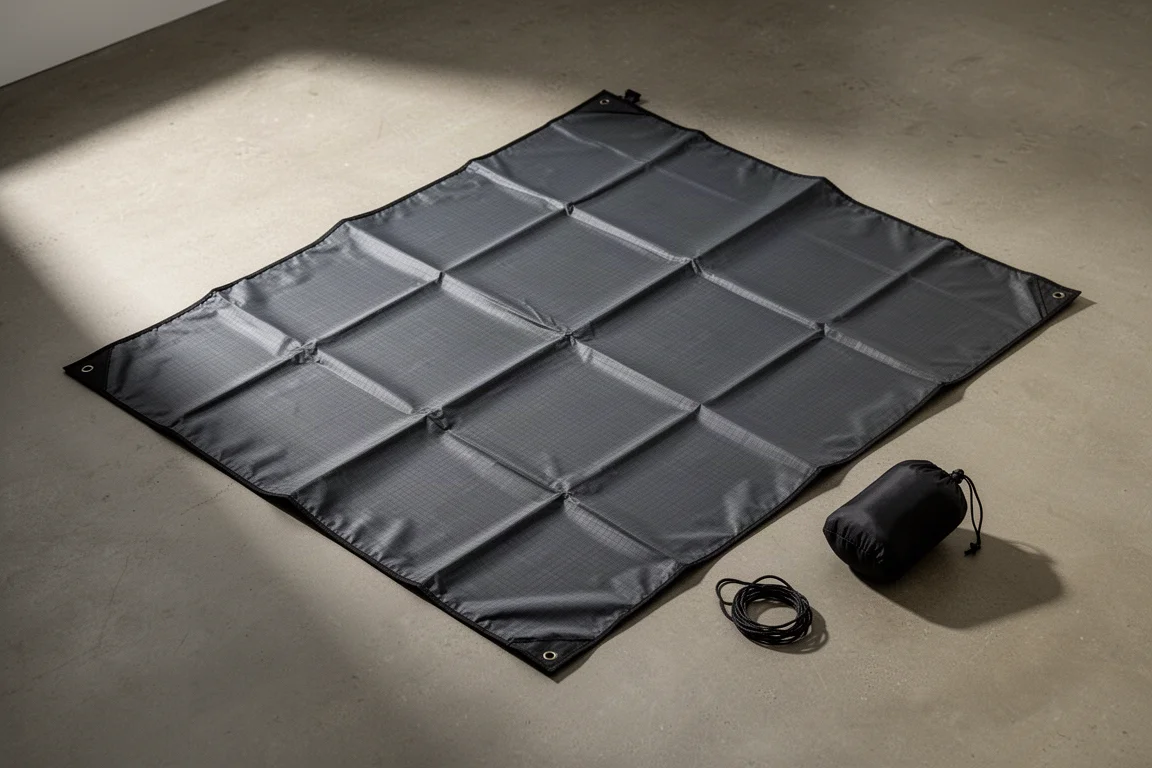
3FUL Ultralight Ground Sheet Review: A Two-Person Footprint Worth Packing
A 6.7 oz two-person ground sheet in ripstop silnylon, priced around $30. Here is what it protects, what it does not do, and who should pack it.
Camping Gear
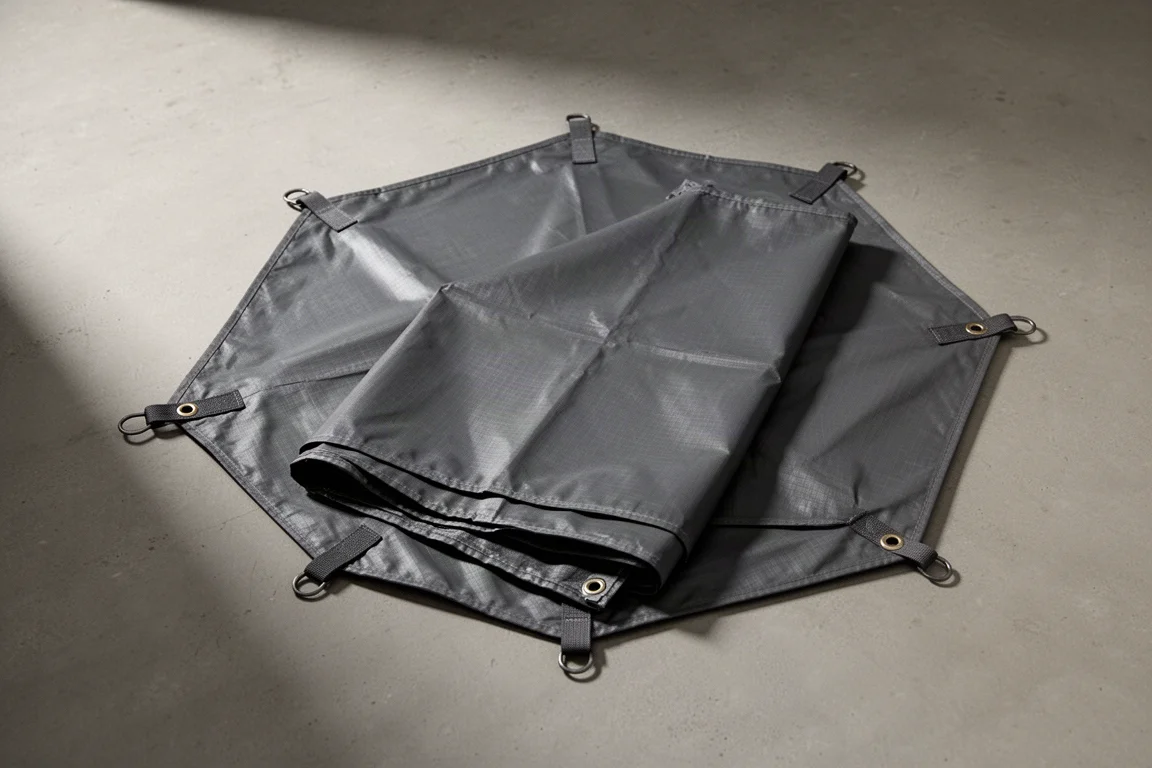
Backcountry Light Dual-Function Tarp and Floor Review: A Footprint First
A dual-purpose tent floor and tarp that keeps falling rain off you, but cannot block wind. Here is where it works and where it does not.
Camping Gear
Best 2-Person Camping Mattresses for Couples: 10 Options Compared
A practical comparison of ten two-person camping mattresses, covering self-inflating pads, air pads and air mattresses for couples.