Camping Gear
Is Camping Gear Overpriced? Seven Pieces of Kit That Explain the Price
Seven pieces of camping kit that regularly get called overpriced, what each one is actually paying for, and when a cheaper alternative is the smarter buy.
Introduction
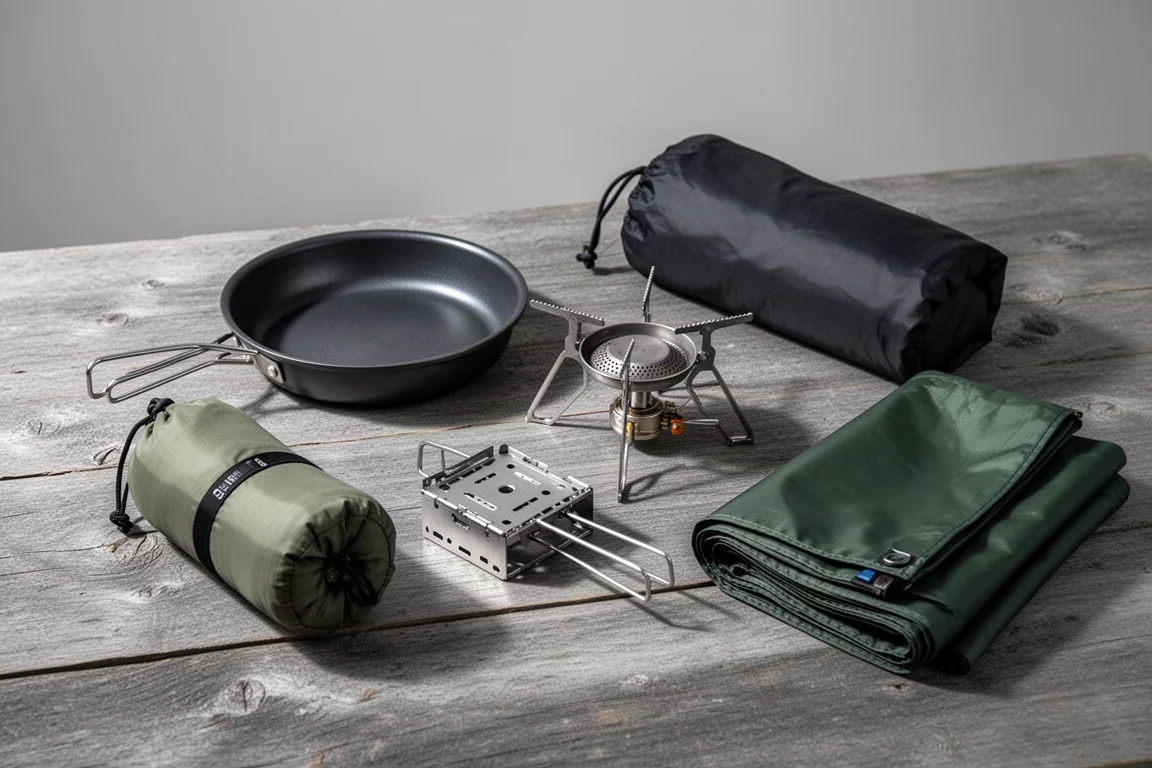
Camping and backpacking gear gets a rougher ride on price than almost any other hobby. Nobody questions the cost of a camera lens, or a four thousand pound road bike, because those purchases are understood as part of a hobby. Spend the same money on a tent and the reaction is usually very different. The assumption is that time outdoors is supposed to be spent roughing it, so the kit ought to be cheap and basic.
The seven pieces of gear below are the ones that most often get called overpriced, or a complete waste of money. Looked at one at a time, the complaints make sense. Looked at together, they show what the money actually buys, and where a cheaper alternative is the smarter choice.
What You Are Actually Paying For
Four things sit behind the price of most outdoor gear: materials, original design work, the testing and licensing that comes with specialist fabrics, and brand reputation. Each one behaves differently, and each one explains a different part of the price on the tag.
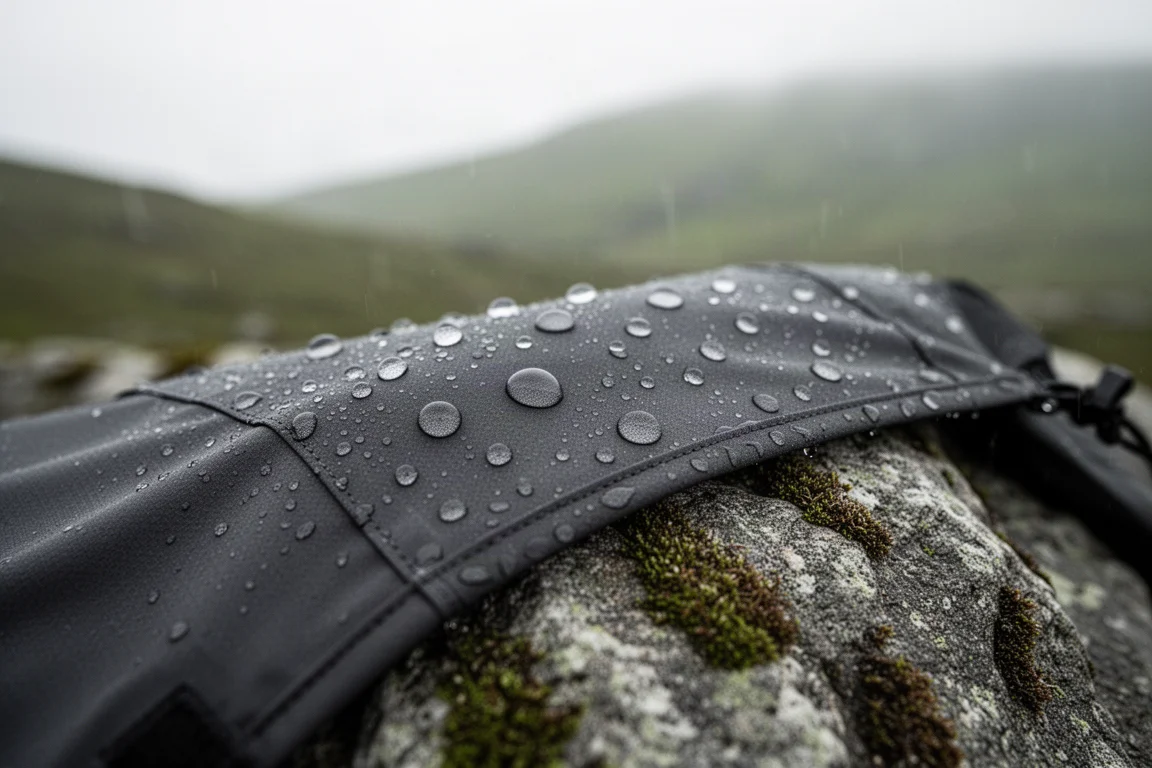
Start with materials. A shell built from a licensed waterproof membrane is expensive to produce. Manufacturers can only make jackets from that material under licence, and finished products are only approved for sale after rigorous testing. All of that adds to the price of the final garment. The material itself is no more waterproof than a bin liner, but it is far more breathable, and breathability is the part that costs money.
Innovation matters just as much. Original designs come from small companies that invest in developing them, and those designs are frequently copied and produced at a fraction of the price using cheaper, inferior materials. When shoppers buy the copy, the business that did the work is the one that suffers. Reputation plays a part too. A maker that has spent decades building a name for quality can charge a premium for it, and younger brands can do the same once their reputation catches up. Tents that once sold for around £110 now sell for around £180 for exactly that reason.
Then there is the point where extra spending stops buying much. Up to a point, more money means better materials, stronger construction, or a lighter and more packable product. Beyond that point, an increase of £200 might only save 200 grams. Where that line falls is a personal decision, and it is why two people can look at the same price tag and reach completely different conclusions.
Jetboil Skillet: Small Pan, Big Price
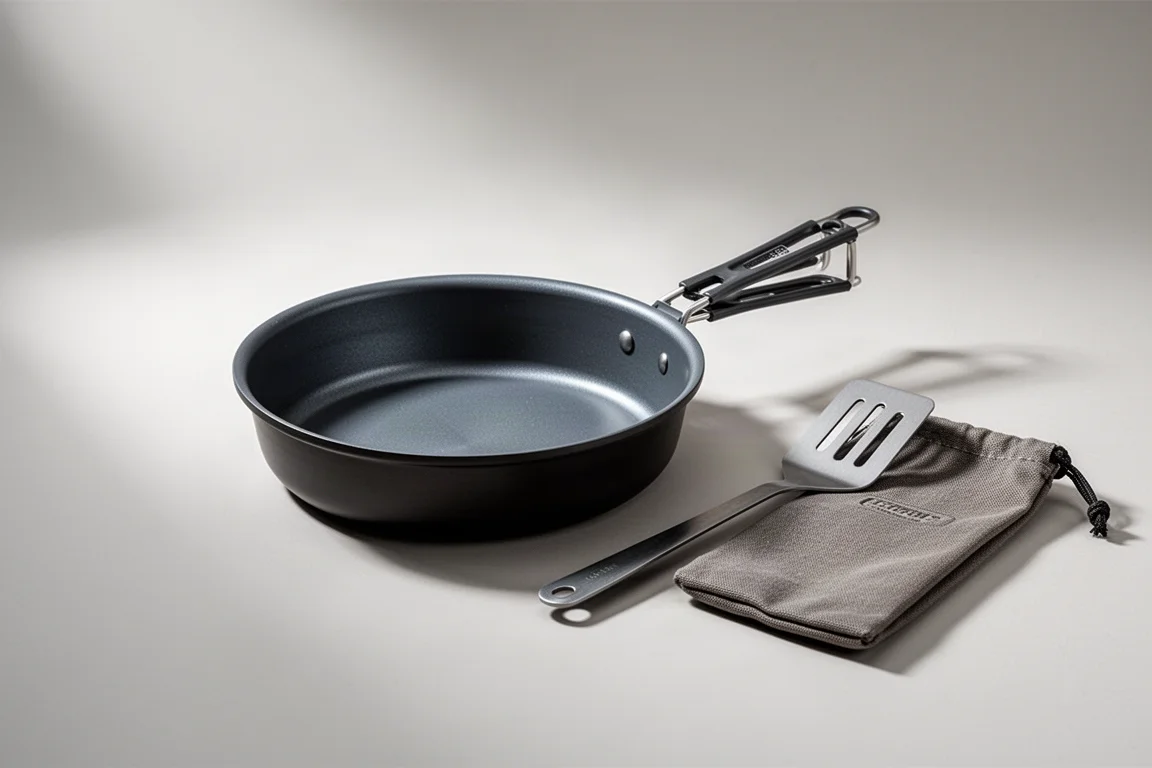
Between £40 and £50 is a lot for a camping frying pan, and there is no way around that. A pan from a discount shop would fry an egg just as well. What separates the Jetboil Skillet is the non-stick coating, which is genuinely excellent: cheese, meat, and everything else releases cleanly with nothing sticking. It also ships with a spatula and a small storage bag, which is more than most budget pans offer.
The honest verdict is that it is overpriced for what it is, and still a piece of kit its owners tend to keep and use constantly. Value is subjective, and a pan that never sticks and wipes clean in seconds earns its place in a pack.
MSR Pocket Rocket 2: Where the Extra Money Goes
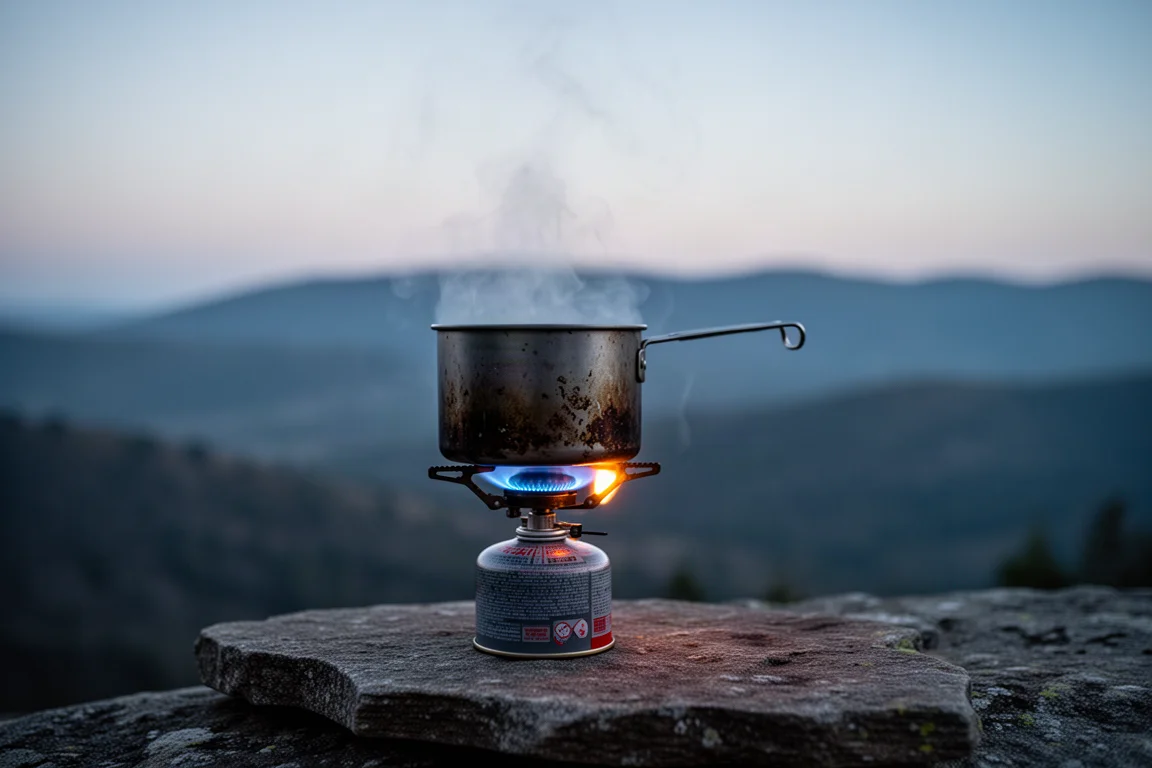
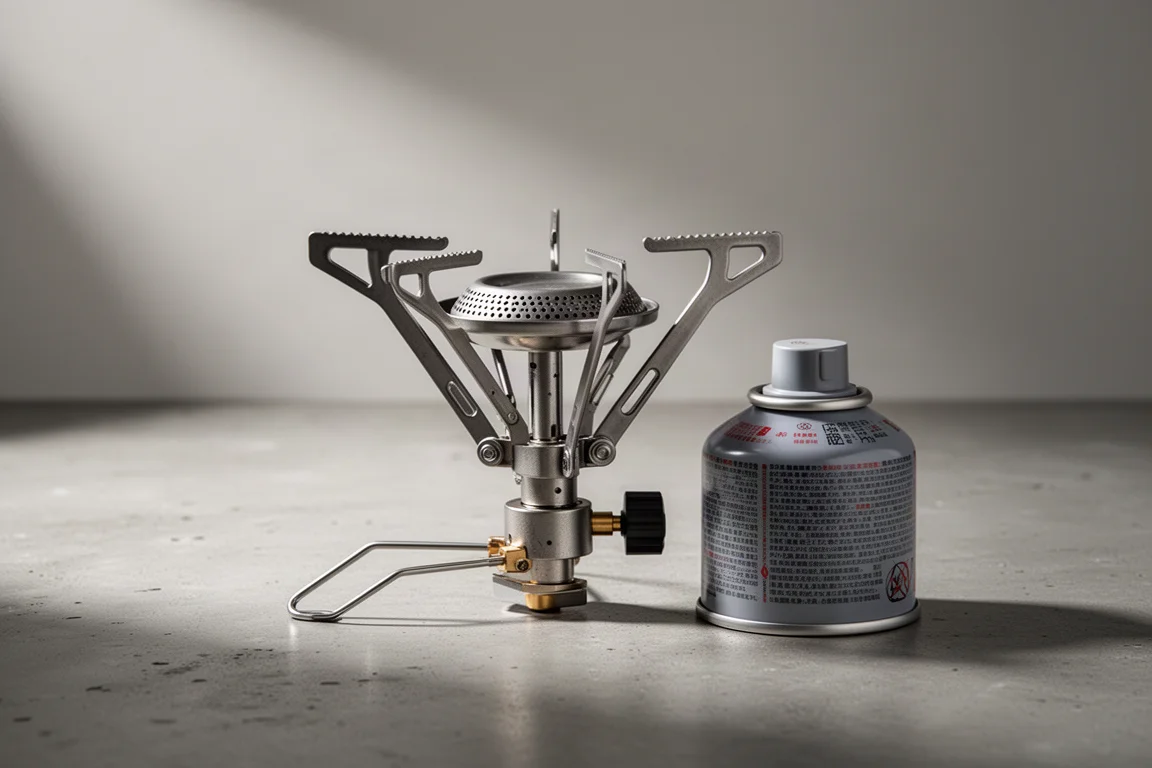
Two canister stoves sitting side by side look almost identical, which is exactly why the price gap is so hard to accept. A basic canister stove costs around £10. The MSR Pocket Rocket 2 costs around £40. In calm, mild conditions both will boil your water.
The difference shows up in performance. The MSR is noticeably more powerful, more fuel efficient, and better all round. The budget stove does a job when there is no wind to fight. The Pocket Rocket 2 is the one that keeps performing when conditions are less forgiving. Choosing between them is a question of matching the product to your needs, and if the £10 stove covers the trips you actually take, keeping the money is a perfectly good decision.
That said, cheap does not automatically mean good value. Gear that breaks after its first outing is a waste of money at any price, and the cost of replacing it usually wipes out the saving.
Naturehike Cloud Peak 2: The Tent That Covers Most Trips
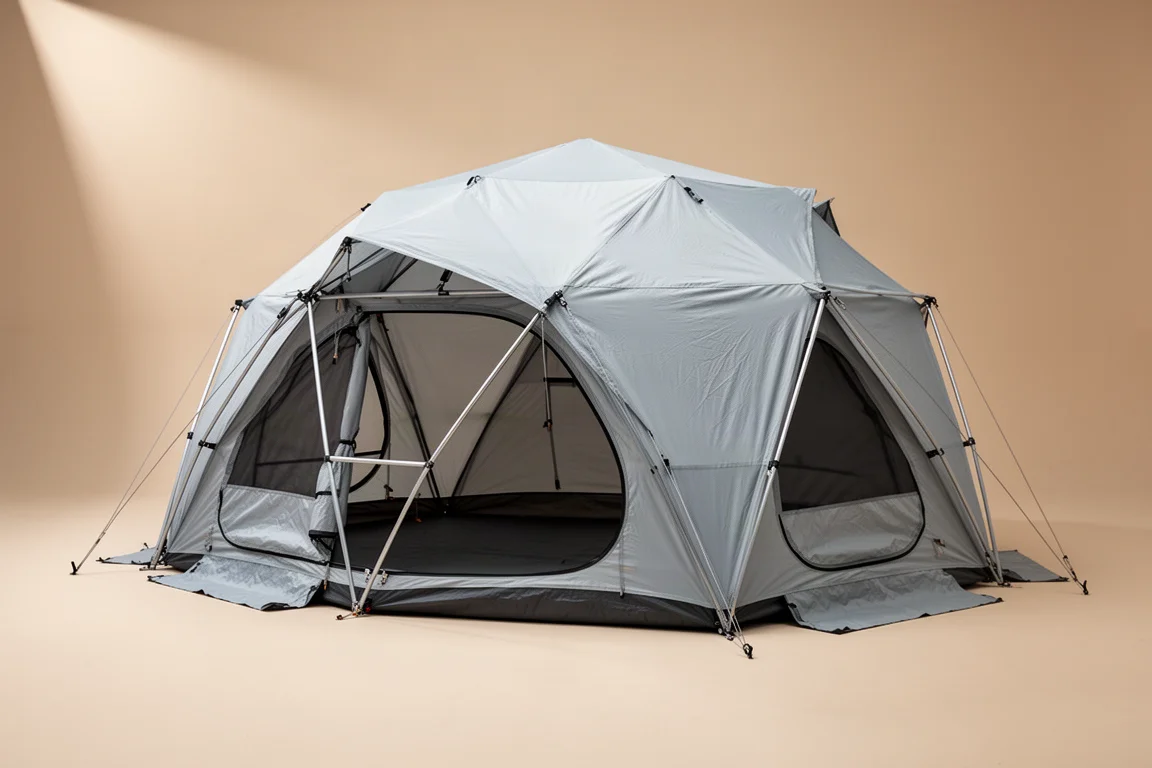
From a distance, a Naturehike Cloud Peak 2 and a Hilleberg tent look very similar. Up close they are worlds apart in strength, quality, and the way they have been manufactured. What matters is whether that gap affects the camping you actually do.
For the large majority of trips, it does not. The Cloud Peak 2 handles ordinary camping perfectly well and covers roughly 95 percent of the nights most people spend outdoors. It is also priced far below the premium alternatives, although it is no longer the bargain it once was: tents that sold for around £110 now sell for around £180 as the brand has built a reputation for decent quality gear.
Hilleberg Soulo and Hilleberg Allak: When Specification Matters
The Hilleberg Soulo is a one-person tent at around £800, and on the surface that is an extraordinary amount of money for a shelter built for one. If you camp every week in calm, dry weather, it will do the same job as the tent above at a fraction of the cost. The specification only starts to pay for itself when conditions are genuinely demanding. Camping on summits and in snow is where a Hilleberg comes into its own, and where the confidence that your shelter will stand up to the job is worth paying for.
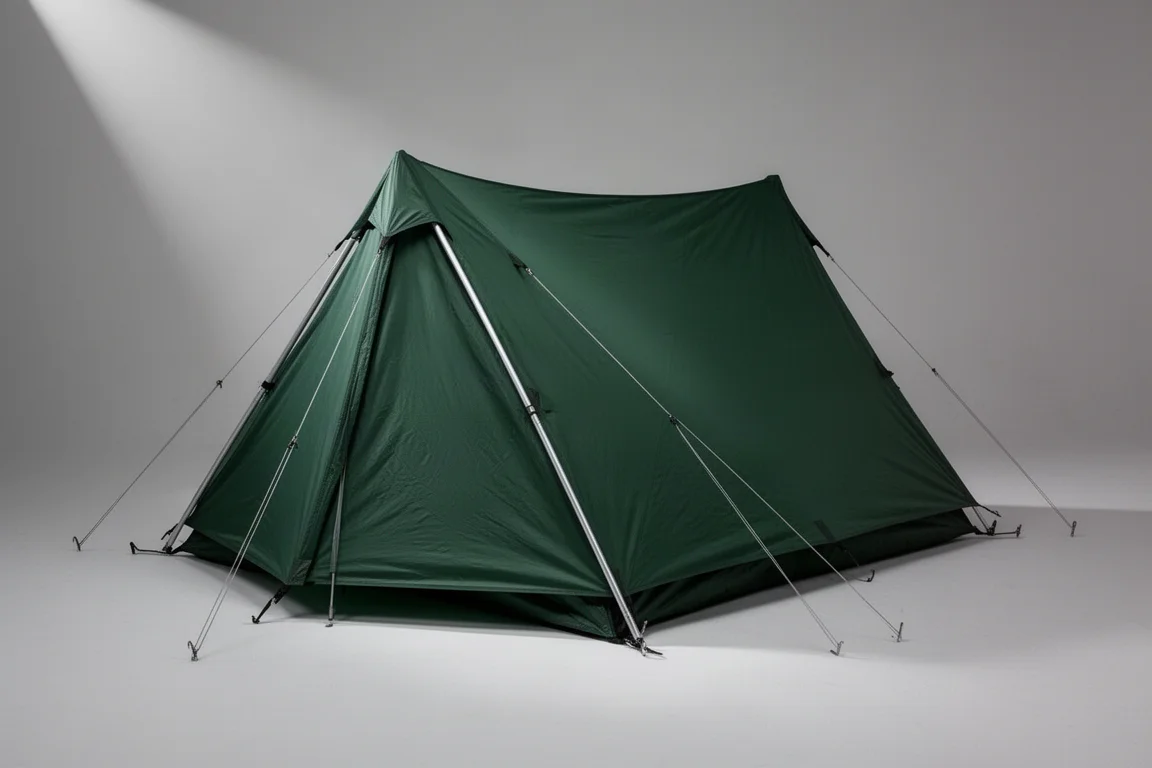
The Hilleberg Allak sits in the same part of the range and shares the same emphasis on strength, quality, and careful manufacturing. Both tents are built for a level of use that most campers never reach, and that is why they can look like poor value next to a mid-priced tent that would have coped with the same weekend.
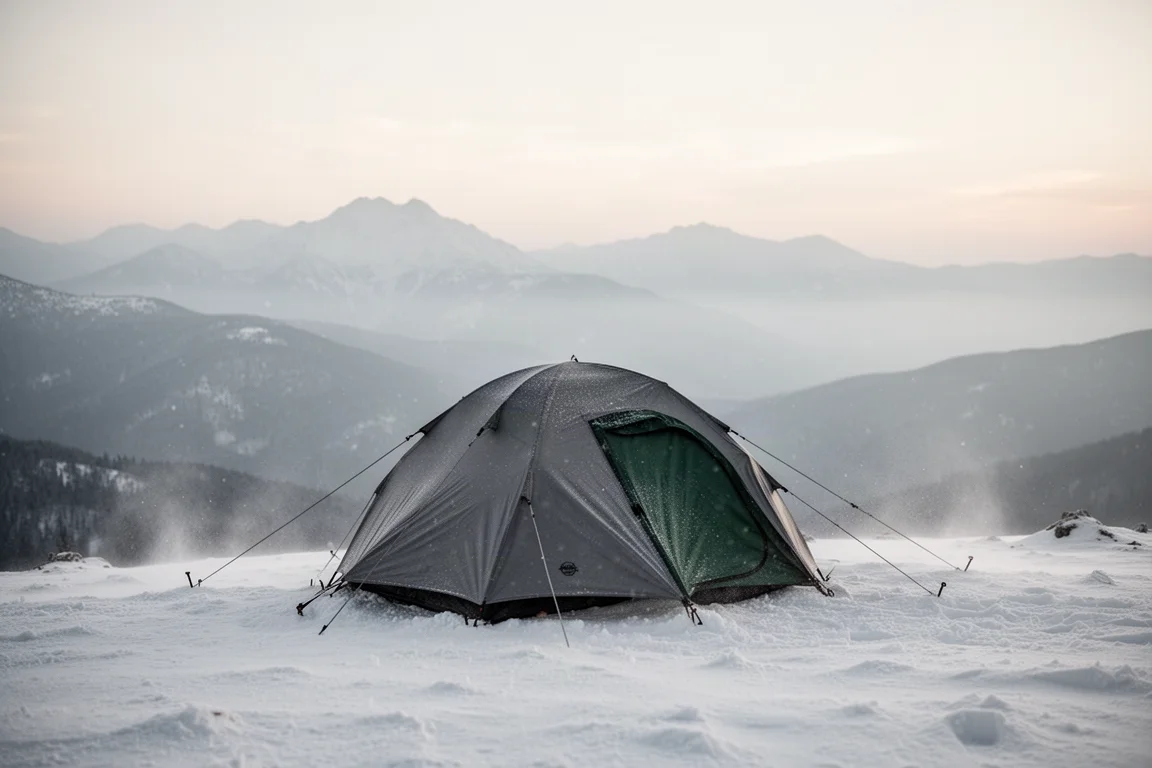
So the question is not whether these tents are worth the money in the abstract. It is whether you need a shelter that performs in the conditions you camp in. If you do, the price reflects the job it has to do. If you do not, a cheaper tent is the better buy, and there is no shame in that at all.
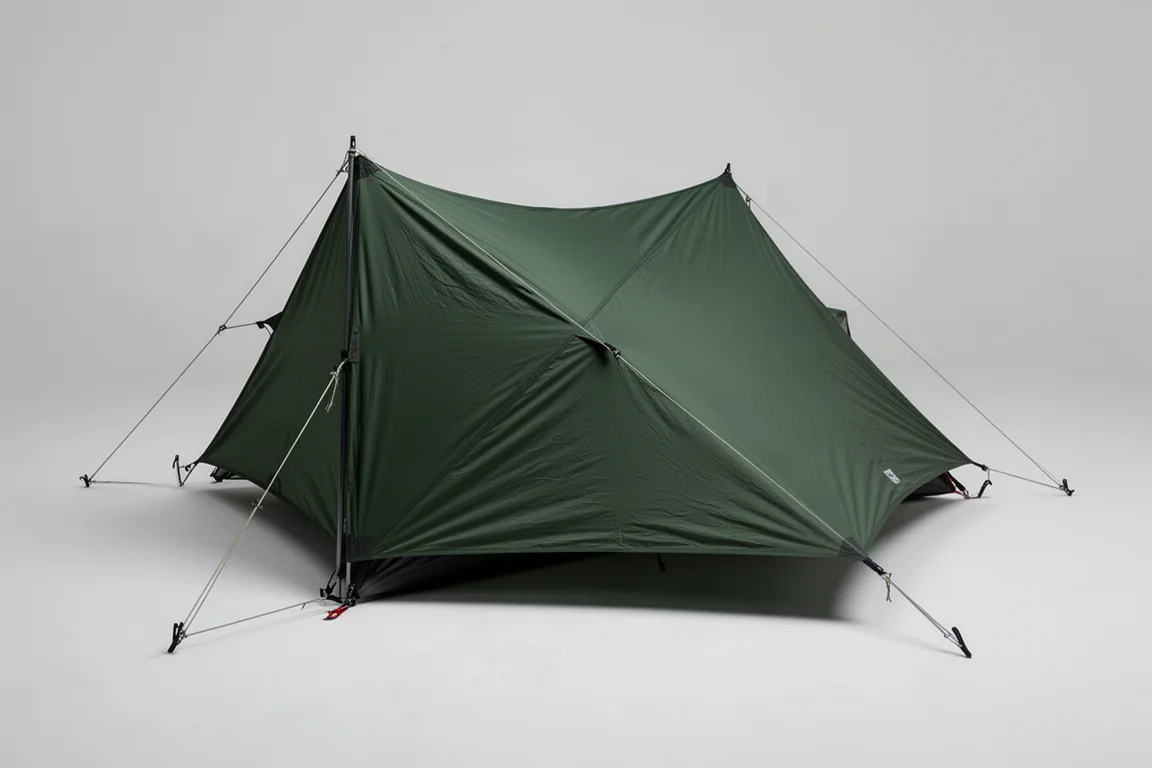
Mountain Laurel Designs TrailStar: The Cost of Buying the Original
The TrailStar shelter is a small-maker design that was copied in China, produced with cheaper and inferior materials, and sold at a fraction of the original price. On paper the copies look like a bargain. In practice they undercut the business that designed the product in the first place, and that is how good designs disappear.
This pattern repeats constantly in outdoor gear. A strong design appears, copies follow, and the original starts to look overpriced next to the imitation. Buyers who want the design as it was intended to be made, with the materials it was designed around, are the ones the original price is aimed at.
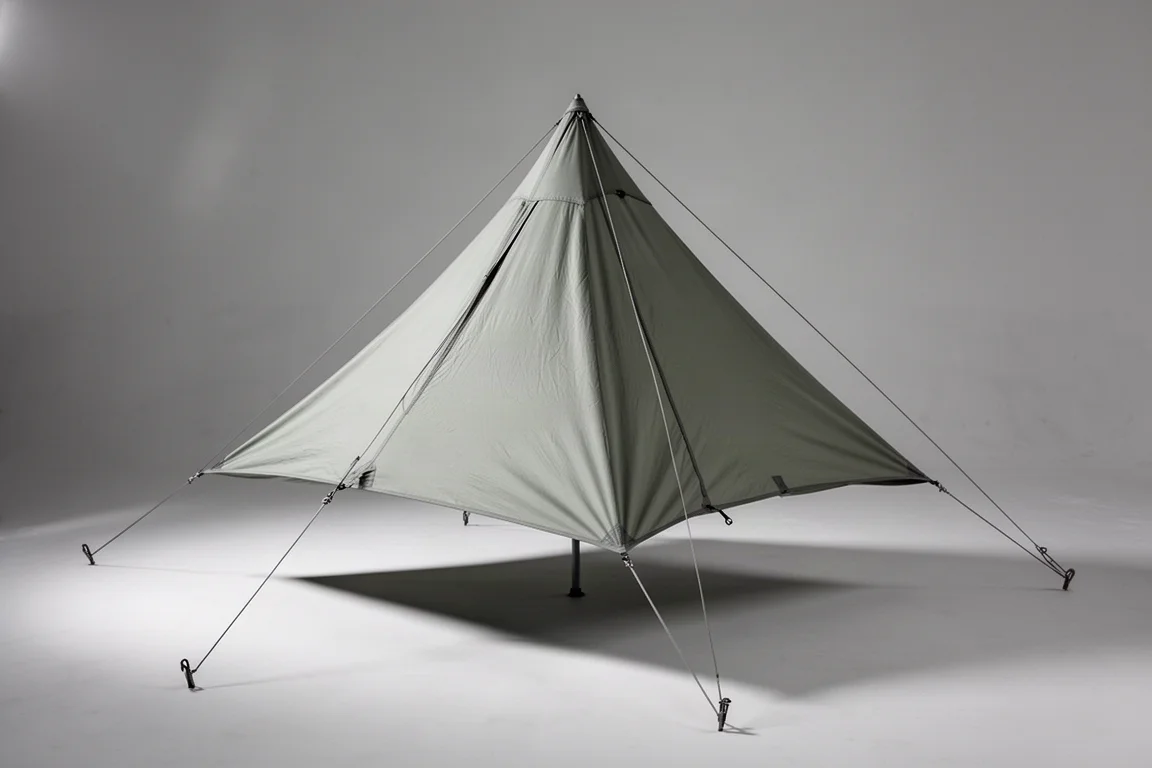
Emberlit Original Stove: Why the Copy Is Not the Same Product
The Emberlit Original Stove tells the same story. It was designed and made in America and sold for around £30 to £40. It was a brilliant little design and it sold in large numbers. Then large corporations copied it outright and began producing it for around £10 a time.
Nothing about the copy is illegal in the eyes of a shopper looking for a deal, and the saving is real. What is also real is the effect on the small company that did the development work. Paying more for the original is a decision about which businesses stay in the market.
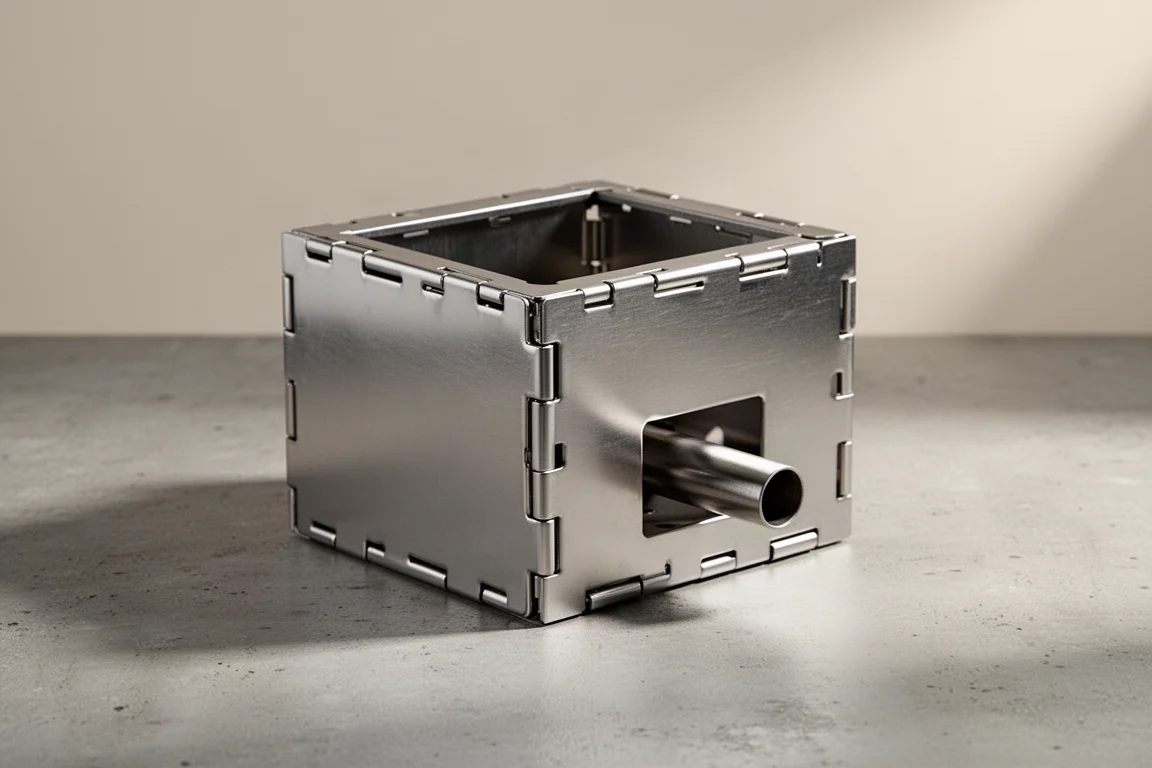
Overall Buying Advice
The most useful question is not whether a piece of gear is overpriced, but whether you need the specification you are paying for. A £10 canister stove, a £5 frying pan, and a mid-priced tent will cover an enormous amount of ordinary camping, and choosing them is not settling for less.
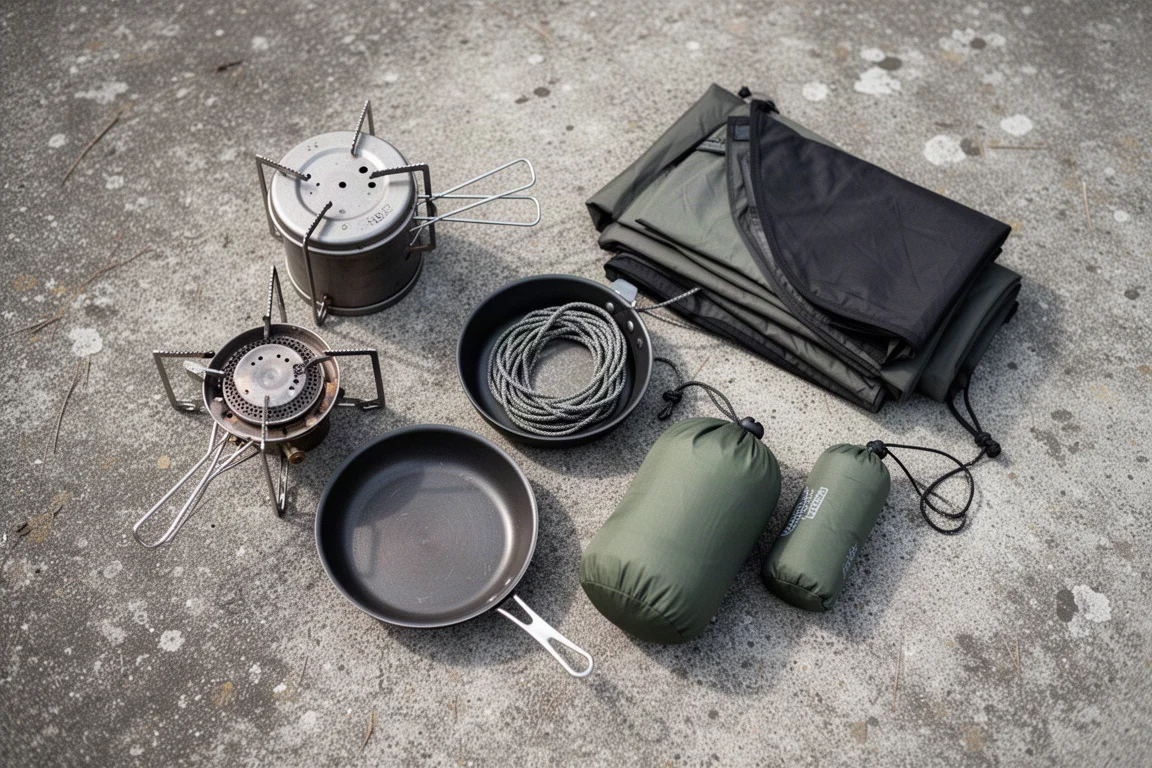
Spend more when the extra money buys something you will genuinely use: better performance in wind, a shelter that holds up in snow, a pan that cleans up without a fight. Stop when the increases stop mattering to you, whether that arrives at £200 for 200 grams or somewhere else entirely. It is your money, and the only opinion that decides whether it was well spent is yours.
Conclusion
Camping gear is not automatically overpriced, and it is not automatically worth the money either. Materials, original design, testing, and reputation all show up in the price, and so does the point where extra spending stops buying anything meaningful. Match the kit to the trips you take, and the price tag becomes much easier to read.
Further reading
Related Reviews
Camping Gear
3FUL Ultralight Ground Sheet Review: A Two-Person Footprint Worth Packing
A 6.7 oz two-person ground sheet in ripstop silnylon, priced around $30. Here is what it protects, what it does not do, and who should pack it.
Camping Gear
Backcountry Light Dual-Function Tarp and Floor Review: A Footprint First
A dual-purpose tent floor and tarp that keeps falling rain off you, but cannot block wind. Here is where it works and where it does not.
Camping Gear
Best 2-Person Camping Mattresses for Couples: 10 Options Compared
A practical comparison of ten two-person camping mattresses, covering self-inflating pads, air pads and air mattresses for couples.