Camping Gear
Camping Gear Field Test: OneTigris Tetra Tent and Three Cold-Weather Essentials
Four camping essentials put through overnight rain and wind: a porch-style tent, a warm sleeping bag, a compact butane heater, and a fast backpacking risotto.
Introduction
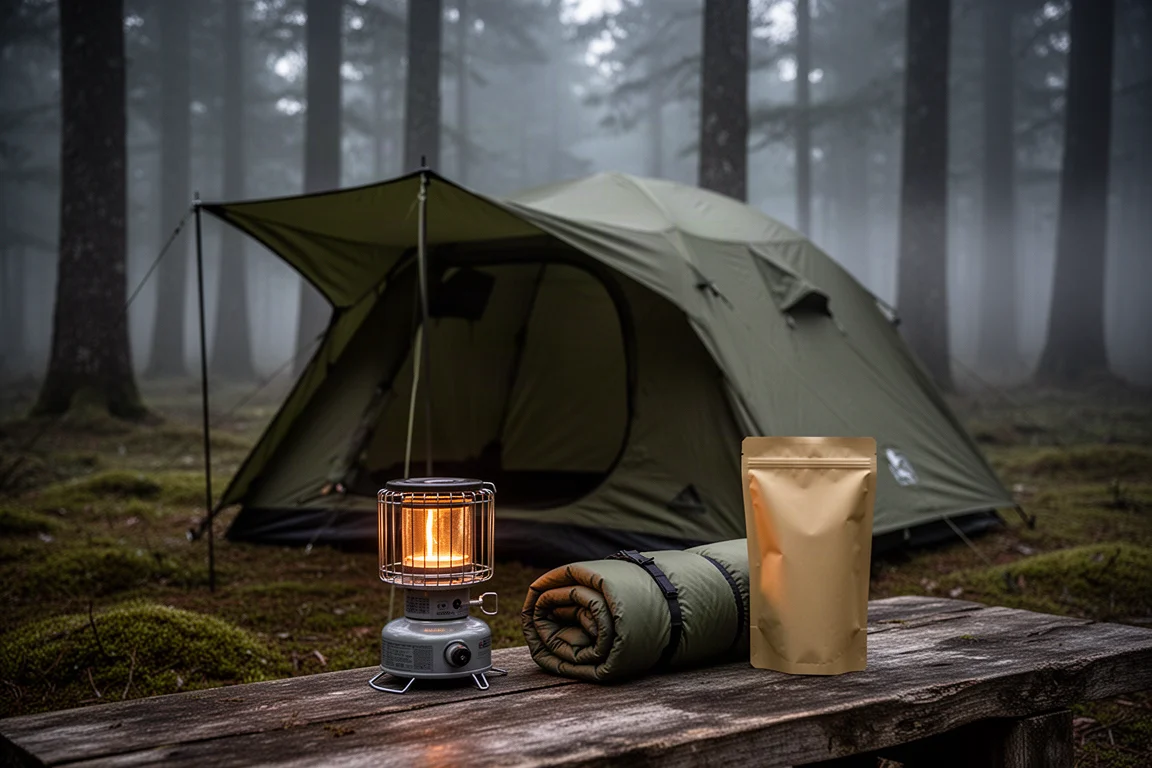
Four pieces of camping gear went out for an overnight test in conditions that changed quickly: a mild afternoon around 61 degrees Fahrenheit, a cold front pushing in, steady rain through the night, and a windy morning that dropped to roughly 36 degrees. That range is useful. Warm-weather gear often looks fine in a showroom and falls apart once the weather turns, and the items below had to prove themselves in rain and wind rather than in perfect conditions.
The lineup covers the core of a cold, wet night outside: a shelter, a sleeping bag, a heat source, and a hot meal. Each one has a specific job, and each one behaved differently once the rain arrived.
OneTigris Tetra Tent (Large): Shelter With a Full Porch Mode
The Tetra in its large size is a lightweight tent with an integrated inner body and a front awning that opens into a porch. Setup is quick and uncomplicated, which counts for a lot when clouds are already building. The interior is generous for a single camper, and this is a particularly good option for larger people who usually feel boxed in by one-person shelters.
The porch is the standout idea. The awning extends forward to create a covered entry that keeps light rain off the door, and it is the kind of design decision that sets this brand apart from more conventional tent makers. It is clever, it works, and it is worth understanding before you buy.
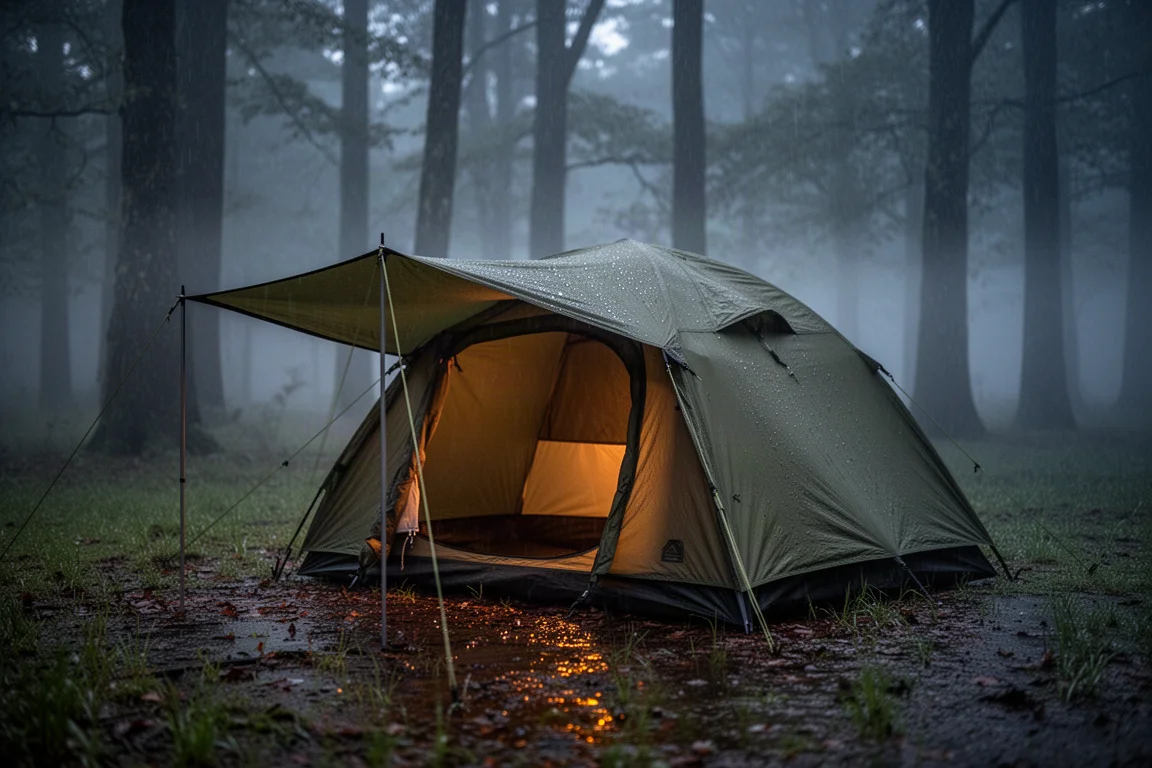
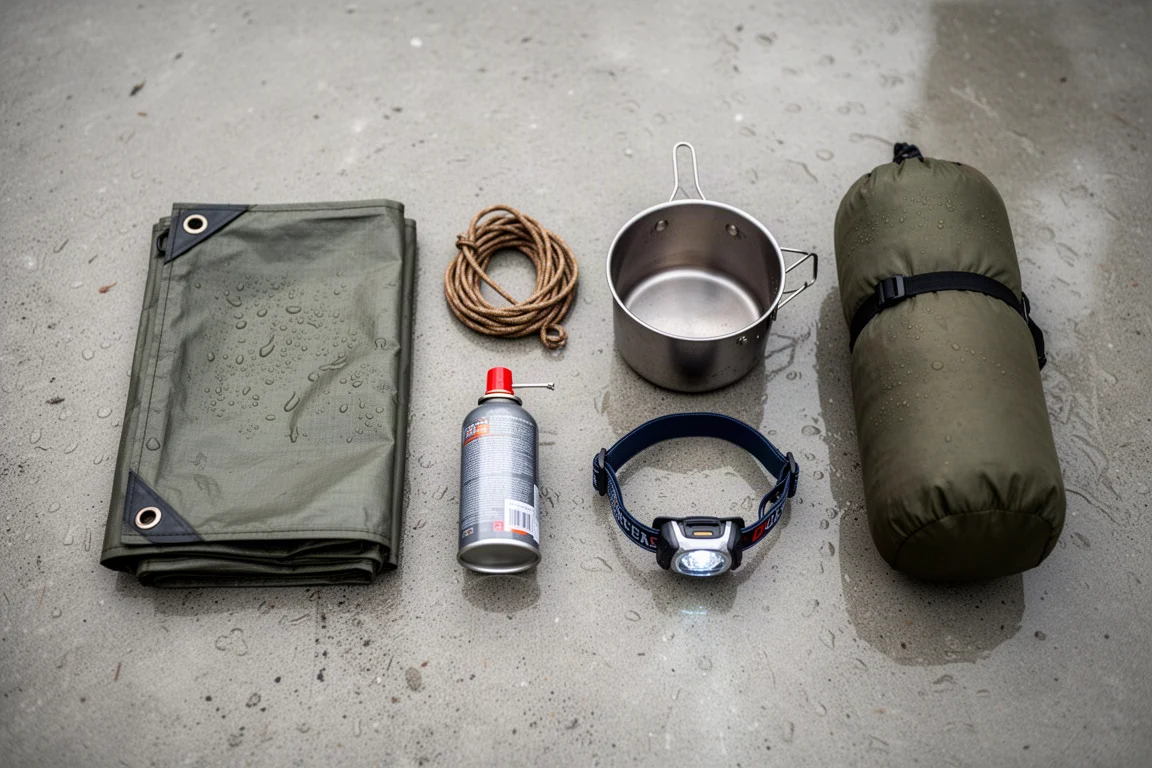
The catch is that the porch is not fully enclosed. Two large gaps sit on either side of the awning, and rain pushed by even a light breeze will find its way through them. Adding a tarp over the front solves it and turns the entry into a genuinely dry place to sit out a storm. The rear vent deserves the same planning. It ventilates extremely well, but it cannot be sealed, so wind can drive cold air straight into the sleeping area.
Through the night the tent stayed waterproof in sustained rain, and airflow was strong enough that condensation never became a serious problem, although some moisture did collect on the inner walls in the cold, damp conditions. The fabric also sags a little, which matters when you read the company’s two-person claim. Realistically this is a one-person tent with room to spare. Two adults would end up pressed against damp walls.
Corinthia Defense 4 Sleeping Bag: Warmth for Cold, Wet Nights
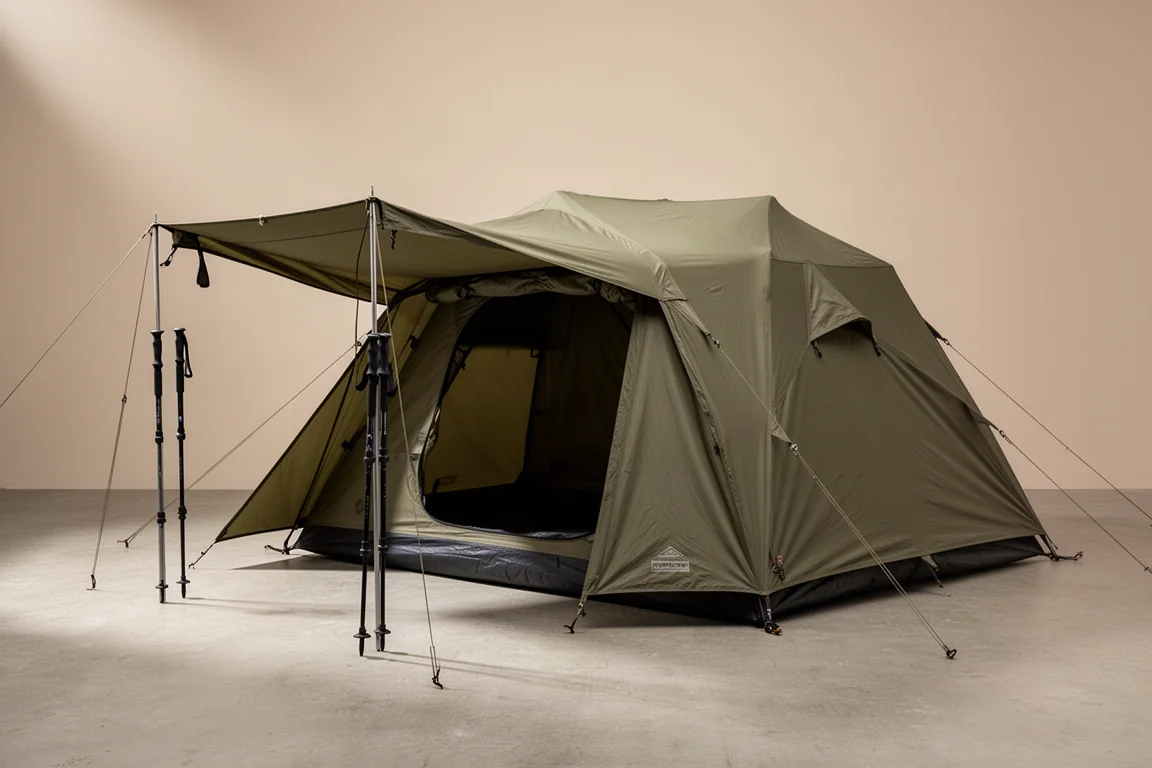
The Defense 4 is the layer that decides whether a cold night is comfortable or miserable. It is a warm bag built to a high standard, and the price sits well below what that combination usually costs. Here it was used over an insulated sleeping pad, with overnight temperatures falling to roughly 39 degrees Fahrenheit and a windy morning bottoming out near 36 degrees.
Warmth, build quality, and value are the three things that stand out. If you are assembling a cold-weather setup and want the sleeping layer to be the simple part, this is the kind of bag that keeps the decision easy.
Covia Cupid Heater and Stove: Compact Butane Heat
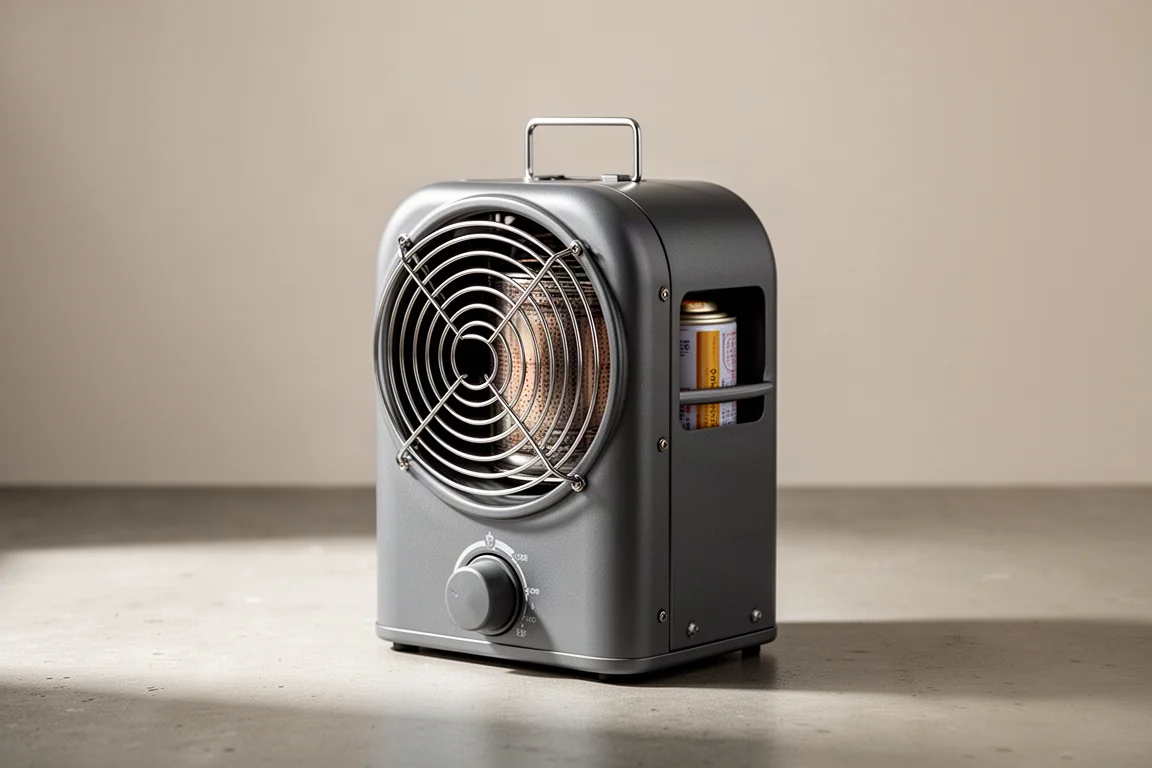
The Cupid runs on butane, and it is designed to be safe for use inside a tent, which makes it far more flexible than a typical open-flame camp stove. The fuel canister sits inside the housing, so the whole unit stays compact and light enough to carry without a second thought, and it can be used almost anywhere you have a flat surface.
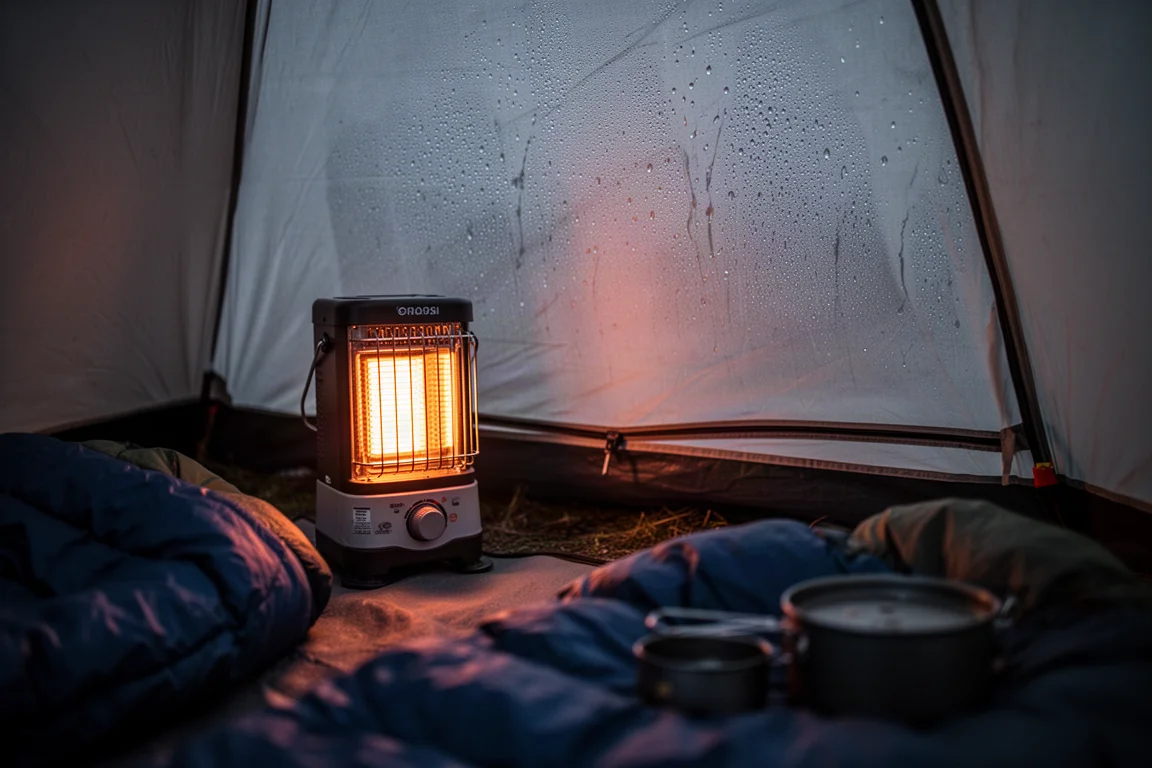
Output is the part that surprises people. The heater warms up fast, and within about 20 seconds of lighting it there was a real need to turn it down. For a rooftop tent or a small shelter like the Tetra, that is plenty of heat, and the difference is obvious on a damp morning when the air inside is cold and clammy.
Whether it can warm a larger space, such as a truck bed under a camper shell, is less certain. That would need more testing before anyone should count on it. For small tents, though, the combination of low weight, inexpensive butane fuel, and quick output is exactly what makes it worth considering.
Right On Track Next Generation Back Country Meals: Cauliflower Forest Chicken Risotto
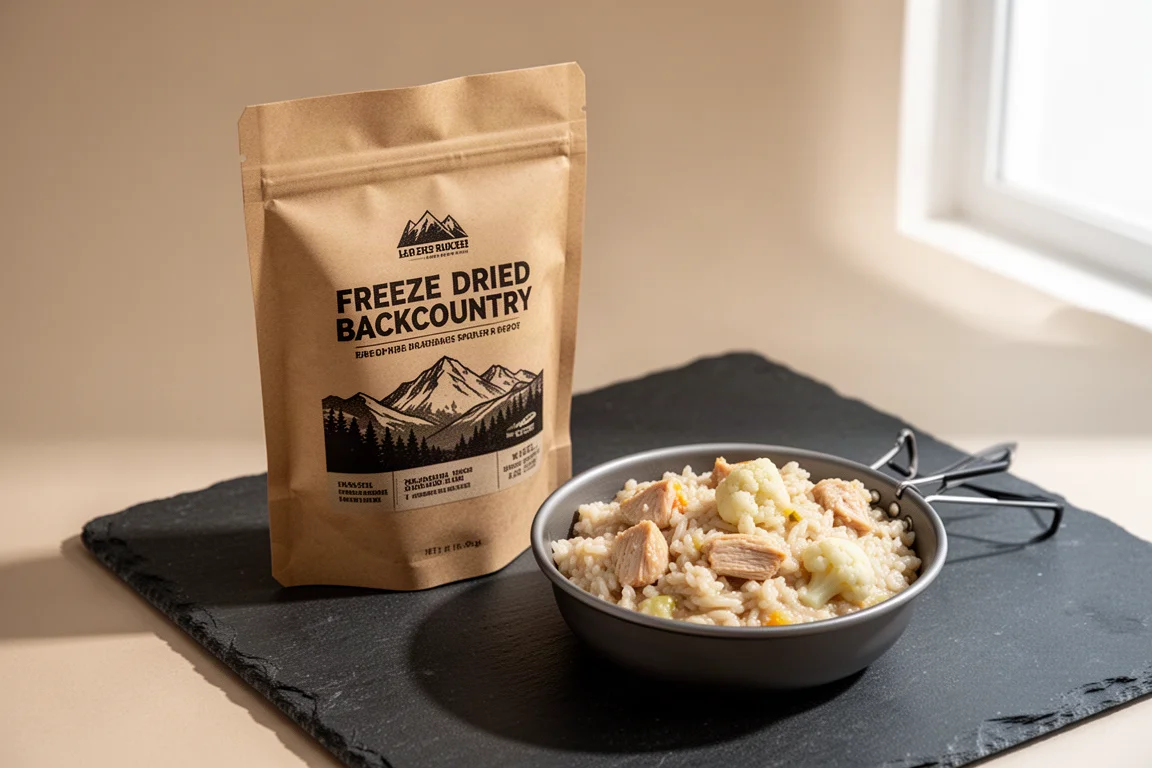
Backpacking food has to be light, fast, and edible after a long day outdoors. This risotto from a newer meal company covers all three: it is healthy, lightweight, and compact, it is made in Montana, and it takes about six minutes to prepare. The chicken portion is generous rather than token, which is not always the case with dehydrated meals.
Flavor is the deciding factor, and this one delivers. The risotto came out genuinely enjoyable rather than merely tolerable, which is a meaningful distinction when you are eating it in a cold tent. The only open question is what “Next Generation” is meant to signal, because the positioning does not explain itself clearly. That is a marketing puzzle rather than a performance problem.
What to Consider Before You Buy
The biggest decision points come down to how you camp rather than which product is objectively best. The Tetra’s porch needs an extra tarp for real rain protection, and its rear vent cannot be closed, so it suits campers who value airflow and interior space over a fully sealed shelter. It is also a one-person tent in practice, regardless of the stated capacity.
The Cupid depends on butane, which is inexpensive and can be bought in multi-can packs that keep running costs low. Its output is best matched to a small tent or a rooftop tent rather than a large vehicle interior. The risotto assumes you are carrying a stove and a pot, so it fits backpackers and car campers who already have a cooking setup.
The sleeping bag is the most straightforward of the four. Pair it with an insulated pad, and there is very little to plan around.
Buying Advice: Matching Gear to Your Conditions
Start with the shelter if you expect rain. A tent that stays waterproof and ventilates well matters more than almost anything else on a wet trip, and the Tetra earns its place on both counts as long as you plan for the porch gaps and the open rear vent.
Then decide how much comfort you want to buy. The sleeping bag handles warmth, the Cupid handles heat inside the tent, and the risotto handles dinner in about six minutes. None of the four items is expensive for what it does, and each one solves a different problem, so there is no need to buy everything at once. Pick the gap in your current kit and fill that first.
Overall Verdict From a Rainy Field Test
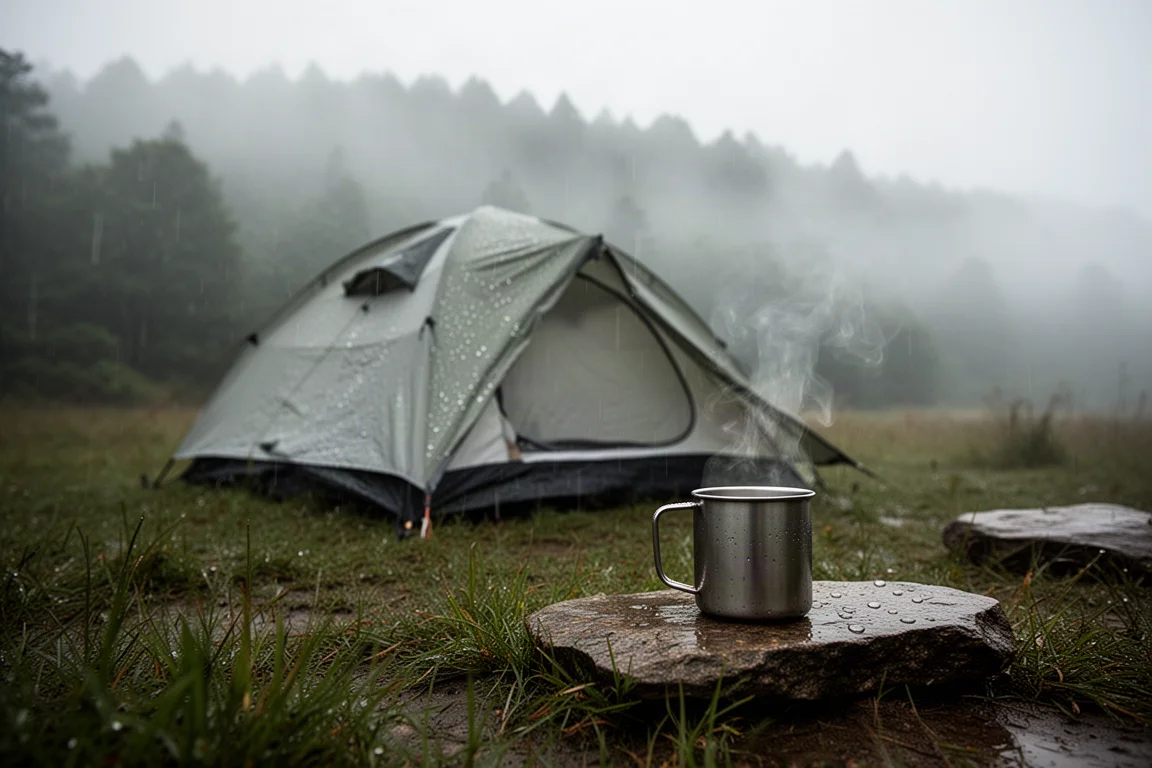
The Tetra is the most interesting product of the group. The porch concept is genuinely smart, the tent stayed dry through a proper rain test, and the interior space is excellent for one person. The one change worth pushing for is a set of panels that zip in to close the gaps between the awning and the walls, which would turn a good design into a great one.
The Cupid is the most useful addition for cold-weather camping. Fast heat in a compact, lightweight package is exactly what a small tent needs, and the low fuel cost keeps it practical. The Defense 4 sleeping bag is a solid, warm, fairly priced choice, and the cauliflower forest chicken risotto is a quick dinner that actually tastes good. Together they cover a cold, wet night outdoors without any of them feeling like filler.
Conclusion
Good camping gear is gear you stop thinking about. Through rain, wind, and a temperature swing of more than 20 degrees, these four items did their jobs: the Tetra kept the weather out, the Defense 4 kept the cold out, the Cupid took the edge off the morning, and the risotto handled dinner in six minutes. Match them to the conditions you actually camp in, and they will earn their space in your pack.
Further reading
Related Reviews
Camping Gear
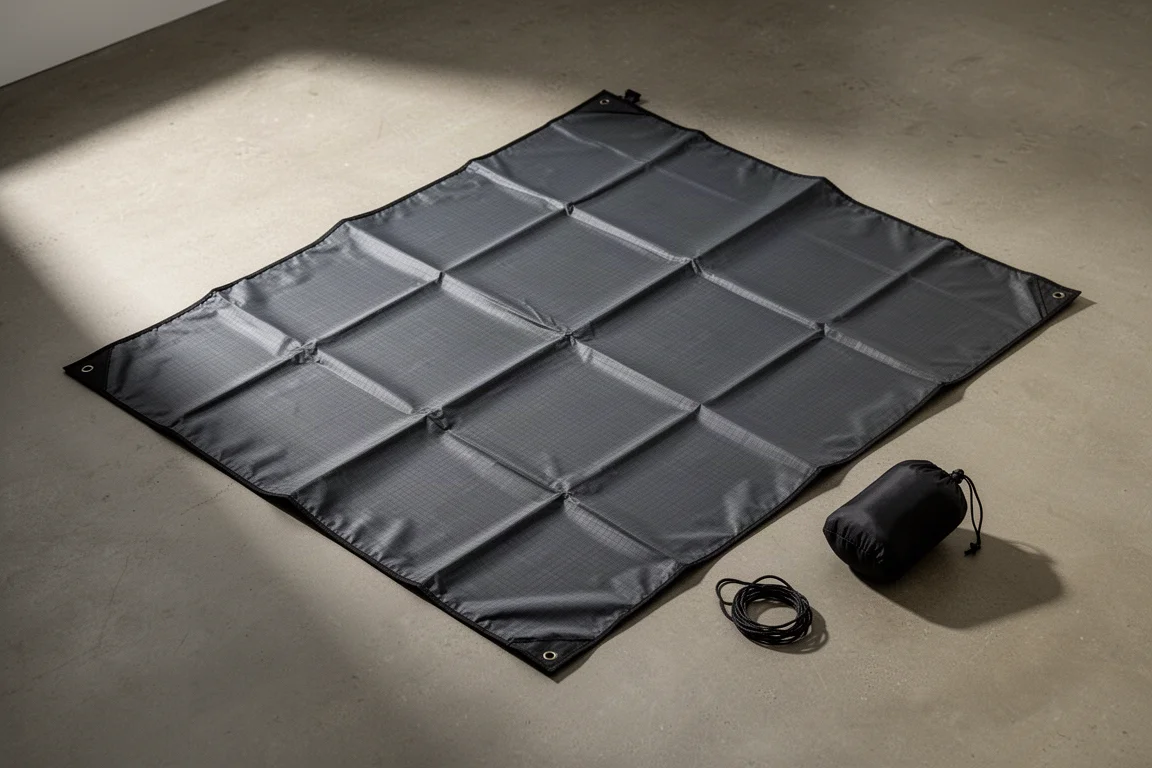
3FUL Ultralight Ground Sheet Review: A Two-Person Footprint Worth Packing
A 6.7 oz two-person ground sheet in ripstop silnylon, priced around $30. Here is what it protects, what it does not do, and who should pack it.
Camping Gear
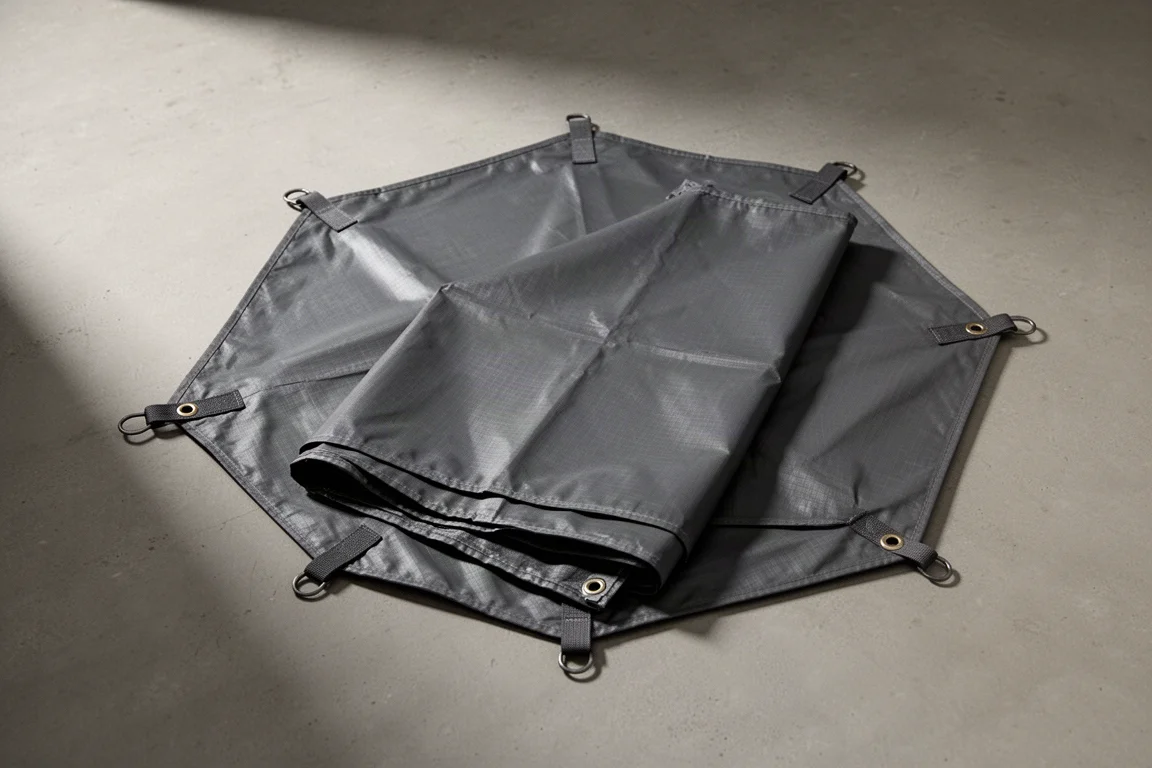
Backcountry Light Dual-Function Tarp and Floor Review: A Footprint First
A dual-purpose tent floor and tarp that keeps falling rain off you, but cannot block wind. Here is where it works and where it does not.
Camping Gear
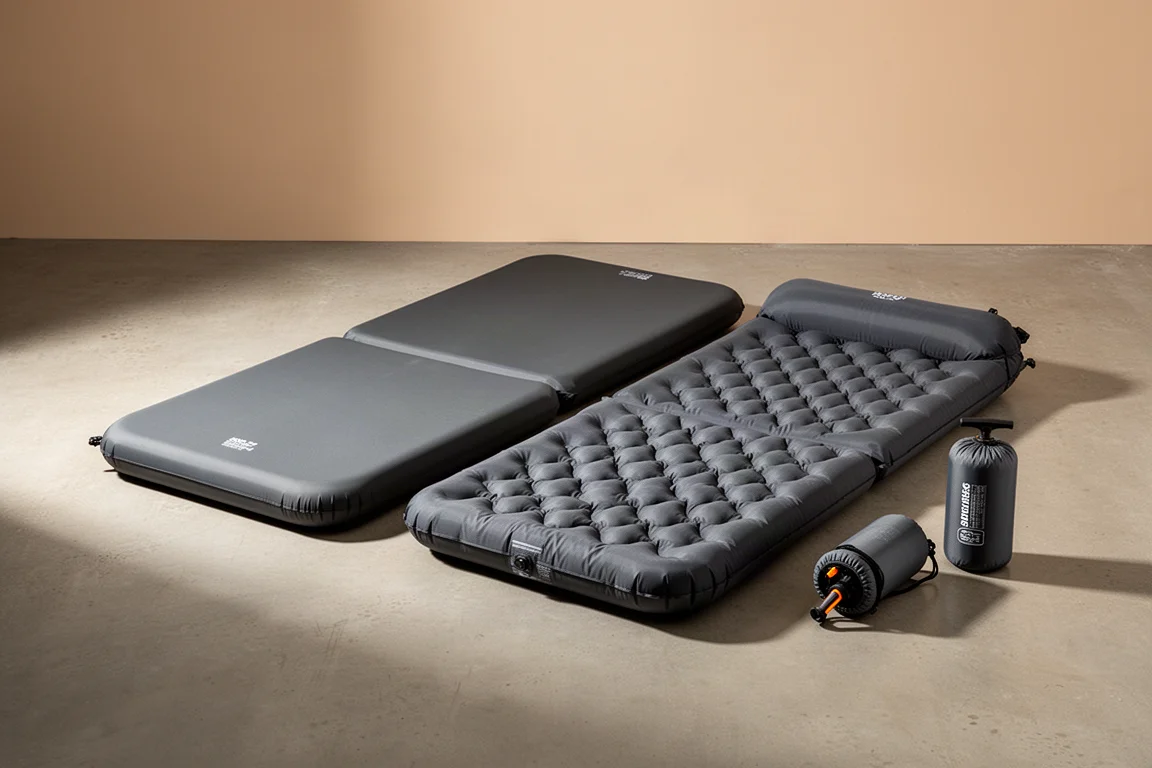
Best 2-Person Camping Mattresses for Couples: 10 Options Compared
A practical comparison of ten two-person camping mattresses, covering self-inflating pads, air pads and air mattresses for couples.