Camping Gear
Camping Gear Field Test: Naturehike Canyon, Kelty Coyote, and Soto Wood Stove
A wet-weather field test of three camping products: a pop-up one-person tent, a mid-size backpack, and a compact wood stove, with the strengths and trade-offs of each.
Introduction
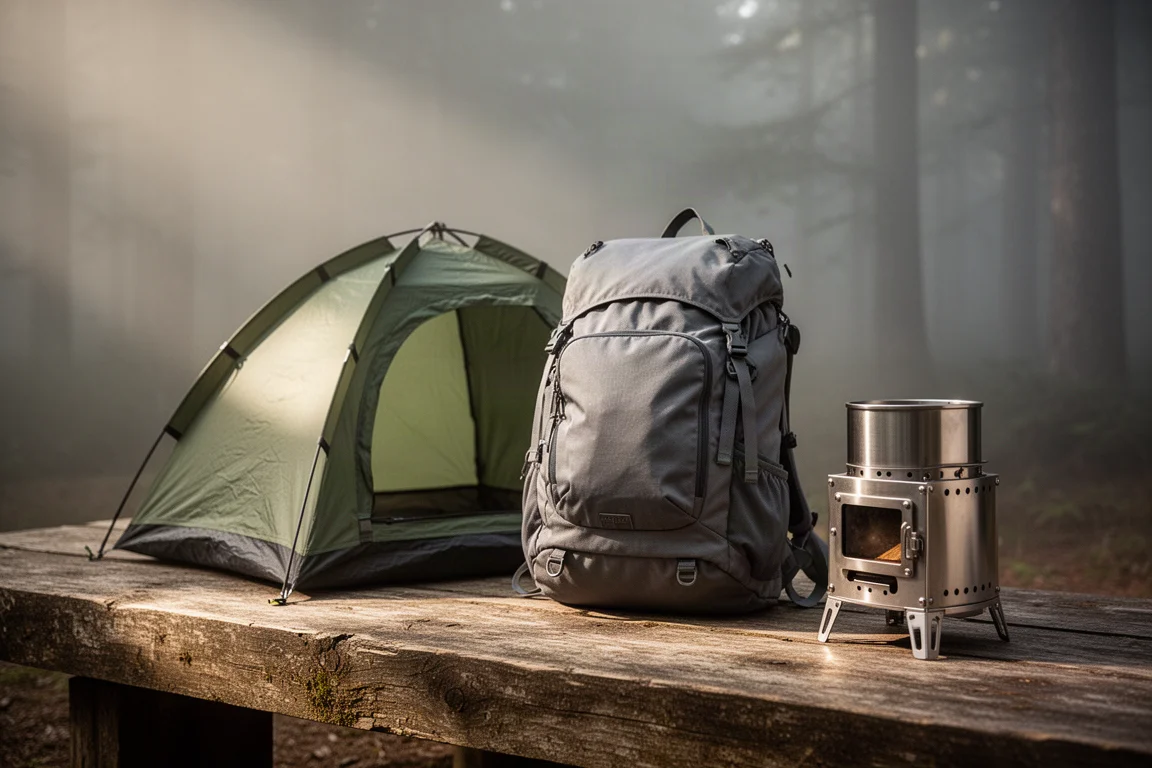
Three pieces of gear went out into a wet, foggy forest for an overnight test: a pop-up one-person tent, a mid-size backpack, and a small wood stove. Conditions were far from ideal, with steady light rain, cloud sitting low in the trees, wind around 25 miles per hour, and temperatures in the low 50s. That kind of weather is useful for gear testing because it exposes weak points quickly, including seams, materials, ventilation, and how fast a shelter goes up once the rain has already started.
The results were mixed. One product impressed with speed and then gave up ground on design. One carried comfortably but showed material wear far earlier than expected. One simply worked. Here is what each is genuinely good at, and where the trade-offs sit.
What These Products Were Tested Against
The test took place in a forested area that receives a lot of rainfall, which meant wet ground, damp firewood, and persistent moisture in the air. Light rain fell for hours at a time, heavy enough to soak everything but light enough to be almost invisible. Fog reduced visibility, and wind pushed through the site at roughly 25 miles per hour. Overnight temperatures sat in the low 50s.
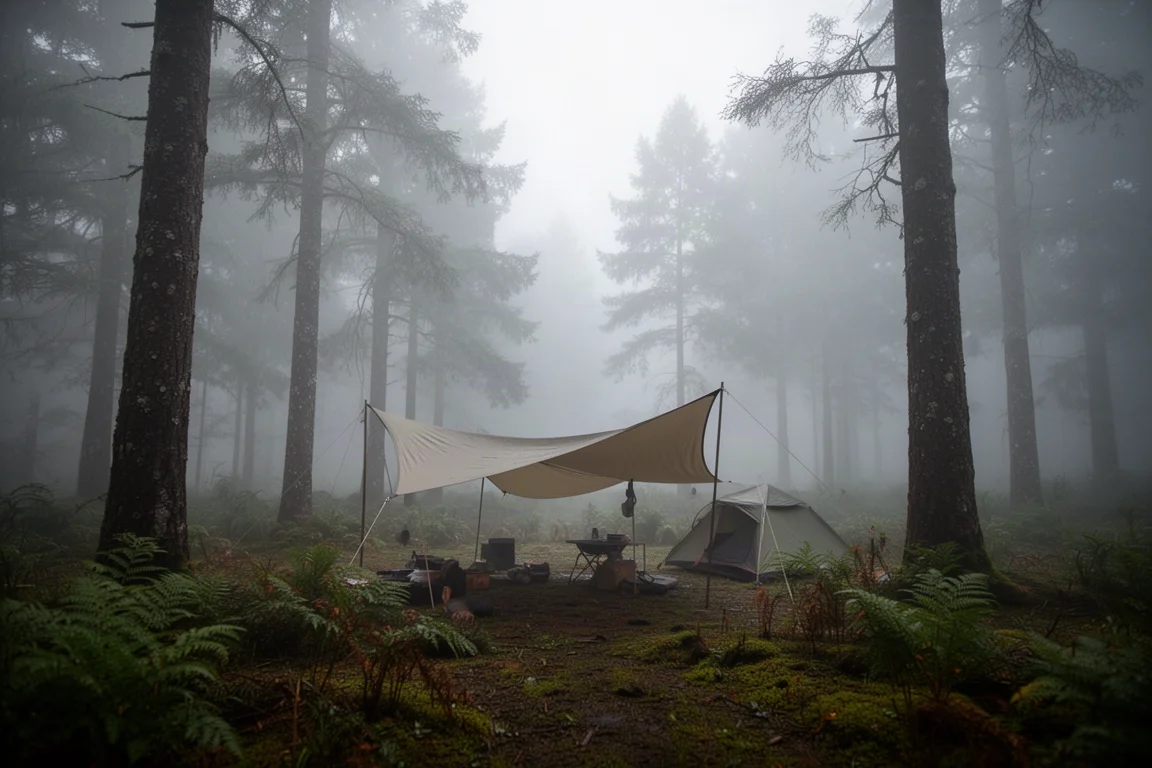
Those conditions change what counts as a strength. A shelter that pitches in seconds is worth more when rain is already falling. A pack that survives brush and rock without scuffing matters more when you are moving through dense, wet forest. And a stove that lights reliably matters when every piece of wood around you is damp.
Naturehike Canyon 1-Person Tent: Fast Setup, Limited Range
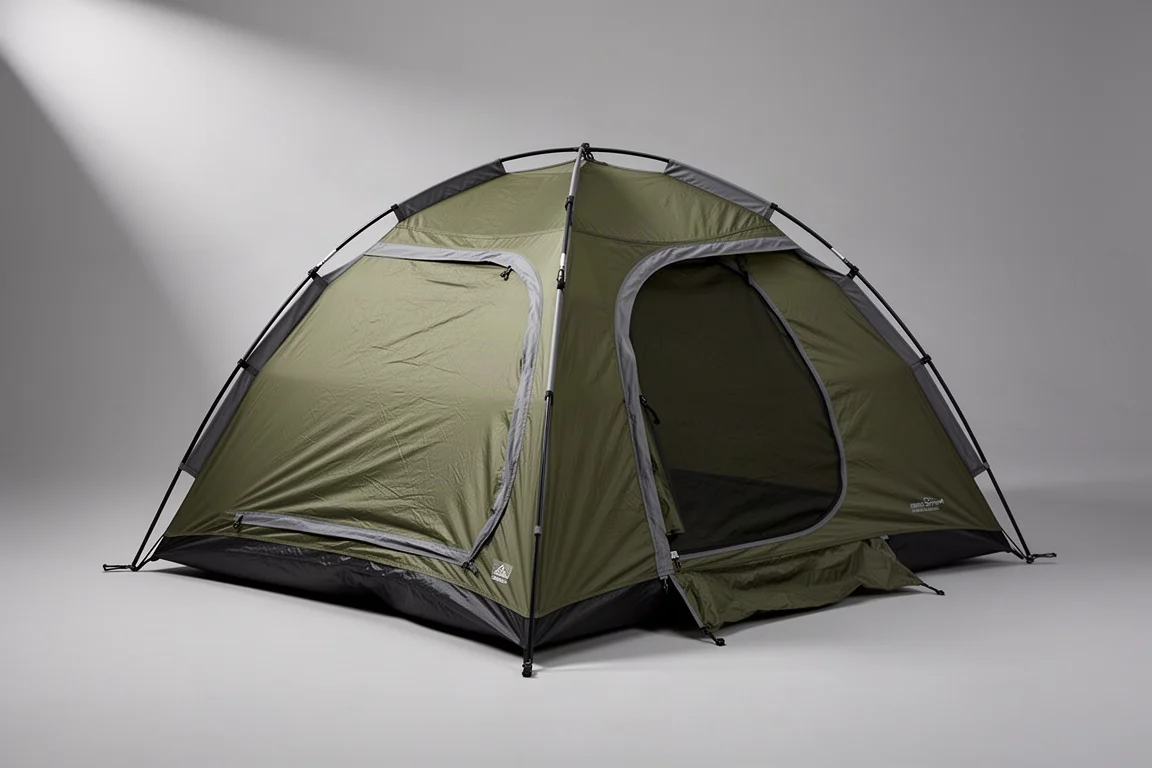
Setup speed is the headline here, and it is genuinely impressive. The Canyon pitches in roughly 10 seconds, with the body popping into shape almost immediately and only the doors and a few stakes left to finish. The whole process took well under 30 seconds, which is a real advantage when weather is closing in.
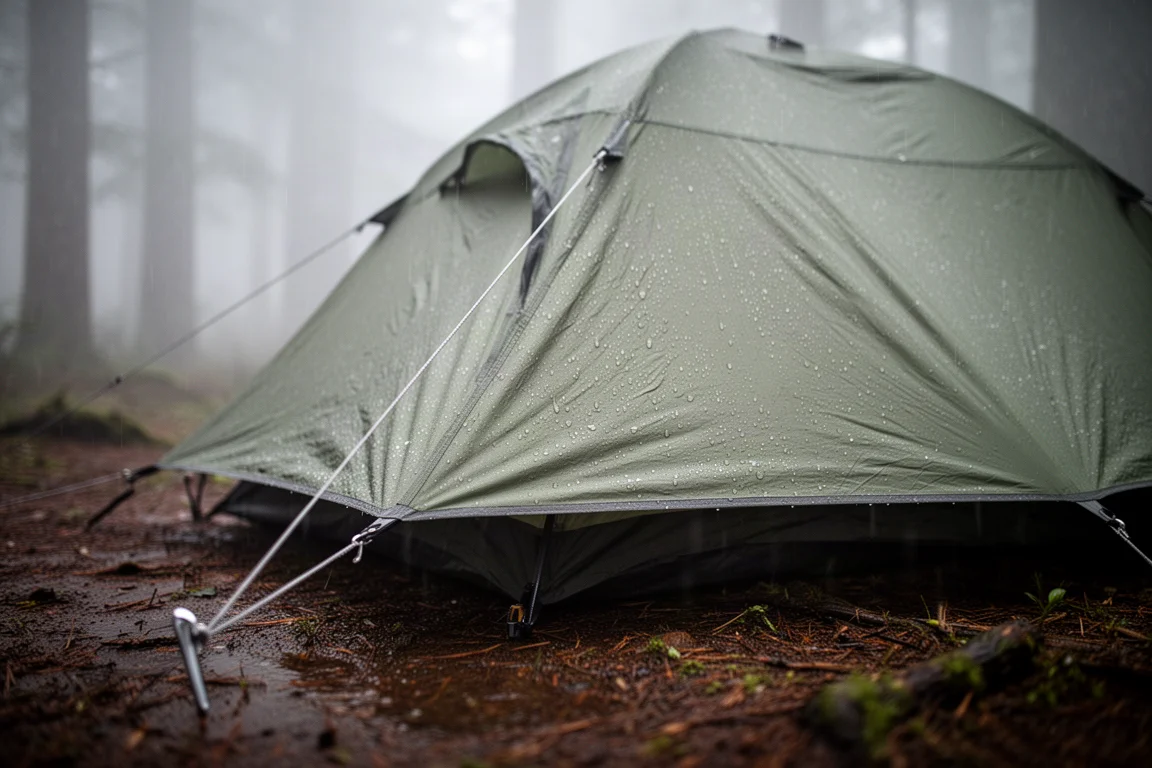
The problems show up after it is standing. Internal space is very tight, and the tent is narrow enough that comfort suffers over a full night. Ventilation is limited as well, with very little mesh in the inner. That works in cold, damp conditions because it holds warmth, but it makes the tent uncomfortably warm in summer. A shelter sold as three-season ends up being genuinely useful in only part of that range.
There is also a design mismatch worth knowing about. The tent behaves more like something intended for use on a cot than directly on the ground, yet it is marketed toward backpacking. The materials reflect cost-cutting as well. The result is a lightweight shelter with a fast, clever pitch and a set of compromises that will not suit most campers as sold.
Kelty Coyote Backpack: Comfortable Carry, Questionable Durability
The Coyote is comfortable on the move. It carries well, and the harness distributes weight without obvious hot spots over a hike in. That part of the design holds up.
Durability is the concern. After only a second outing, with careful handling, the front of the pack showed a tear where the material had been dragged across something. There was no deliberate abuse involved, just contact with rock or brush that most packs would shrug off. The frame system is also on the small side for the volume it is meant to carry, and the fabric feels far more fragile than expected for this category.
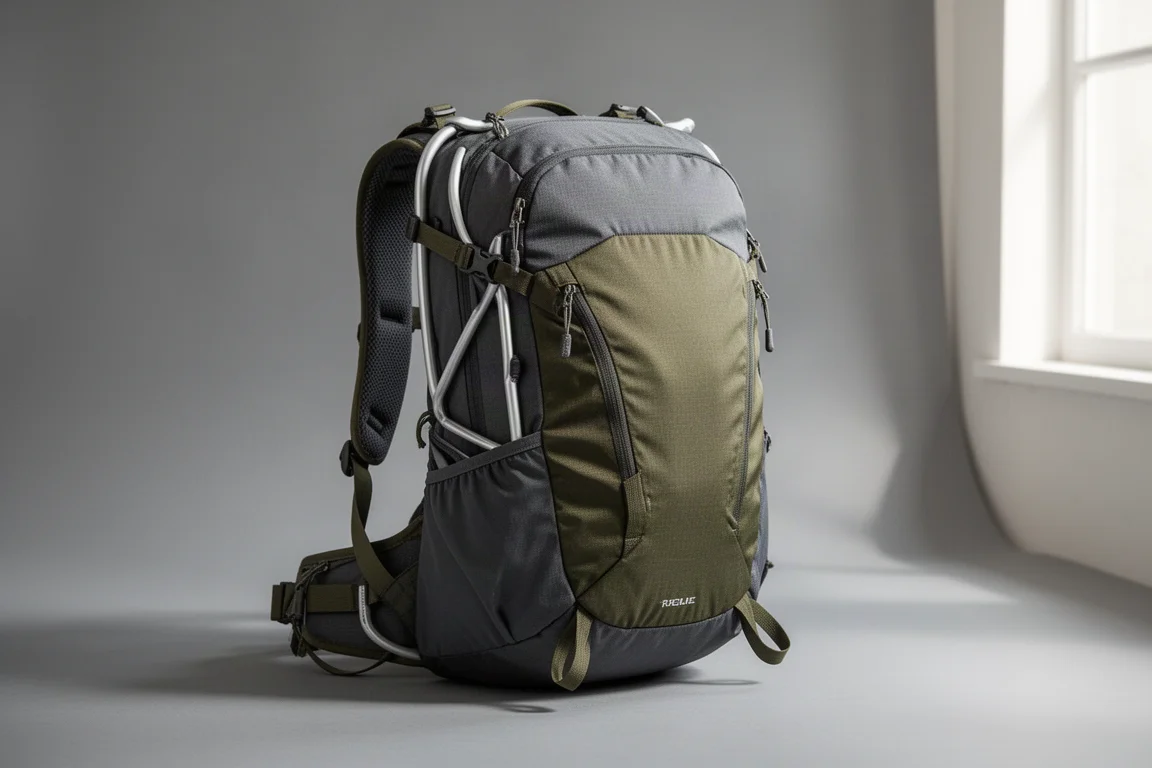
That combination is hard to recommend for anyone who plans to move through real terrain. A pack that scuffs and tears from ordinary trail contact adds risk on longer trips, where a failed seam or a growing tear is much harder to manage. Buyers who want a pack for gentle, well-maintained trails may find it acceptable, but anyone heading into dense brush or rocky ground should weigh this carefully.
Soto Wood Stove: The Most Reliable Piece in the Kit
The Soto wood stove was the standout of the trip. It performed exactly as needed in damp, difficult conditions, with no fuss and no surprises. When the fire was built properly, starting small with the driest material available and using that to dry out larger pieces, the stove did its job without complaint.
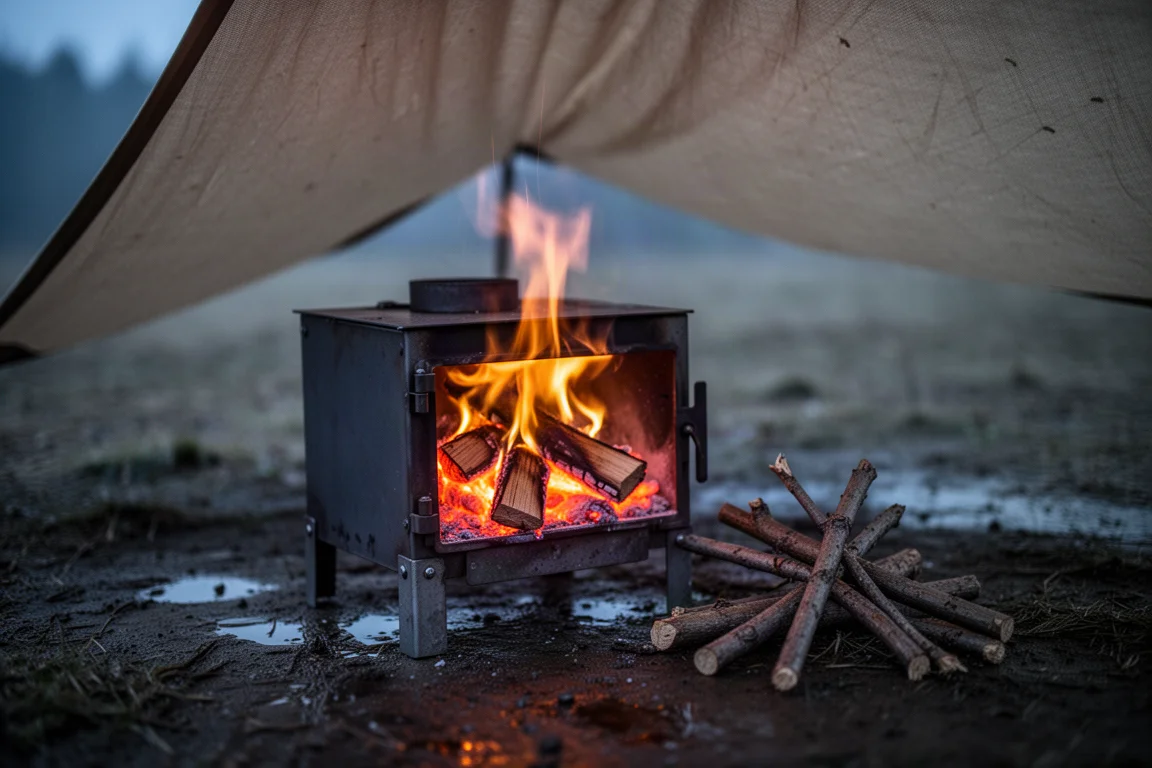
That reliability matters more than any spec sheet in weather like this. Wet wood, wind, and dropping temperatures are the conditions that expose a weak stove, and this one handled them. For anyone building a compact cooking kit for wet climates, this is the piece to prioritize.
Buying Advice: Which of These Is Worth Your Money
Match each product to the trip you actually take rather than the trip in the marketing copy.
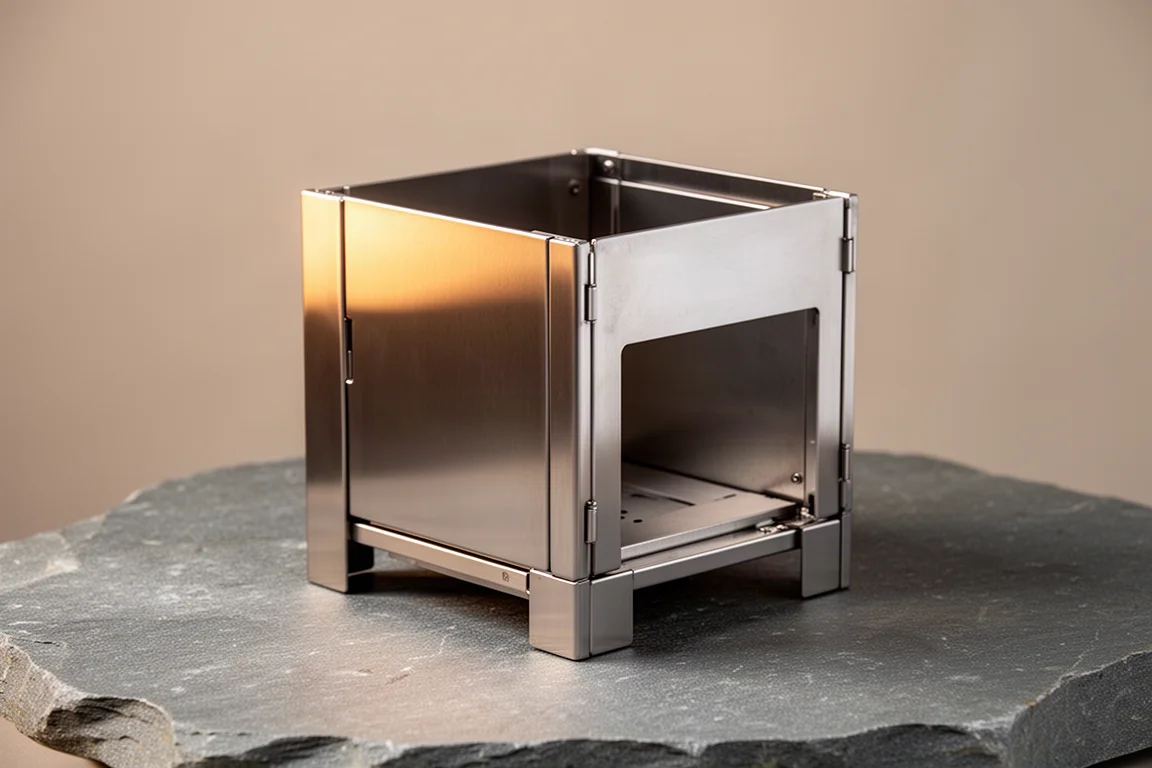
The Soto wood stove is the simplest recommendation. It works, it works in poor conditions, and it does not ask anything extra of the user. If you cook over wood while camping, this is the safest of the three to buy.
The Naturehike Canyon 1-Person Tent is a harder call. The pitch is remarkably fast and the weight is low, which will appeal to campers who value speed above everything else. But the narrow interior, the limited mesh, and the mismatch between how it is sold and how it behaves mean most buyers should look elsewhere unless they specifically want a cot-based or mild-weather shelter.
The Kelty Coyote Backpack carries comfortably, and that is a real strength. The early material wear, though, is the kind of issue that tends to get worse over time rather than better. Treat it as a light-duty pack at best, and inspect the fabric regularly if you already own one.
None of the three is a universal buy. The stove earns its place, the tent is a niche tool with real speed, and the pack needs a closer look before it earns a spot on a serious trip.
Conclusion
A wet overnight trip sorts gear quickly. The Soto wood stove came through cleanly. The Naturehike Canyon 1-Person Tent delivered on setup speed and gave back ground on space, ventilation, and materials. The Kelty Coyote Backpack carried well but showed durability concerns far too early. Choose according to the conditions you actually camp in, and the right answers become much easier to see.
Further reading
Related Reviews
Camping Gear
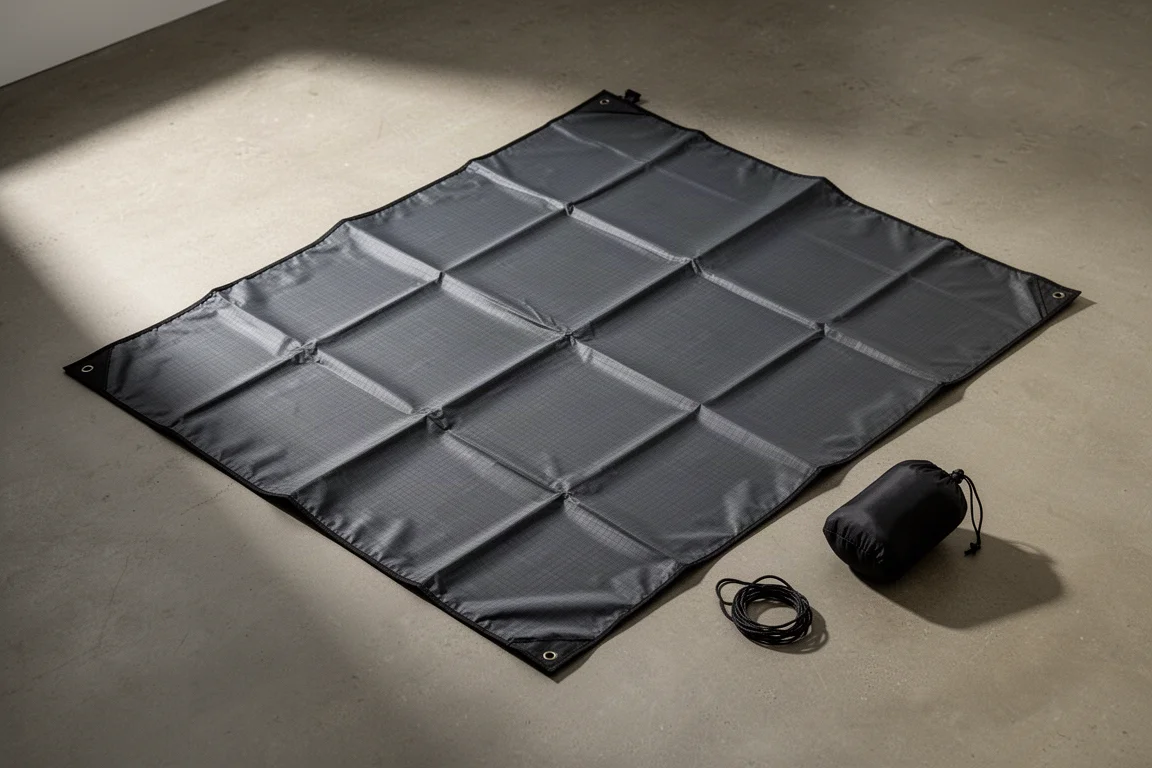
3FUL Ultralight Ground Sheet Review: A Two-Person Footprint Worth Packing
A 6.7 oz two-person ground sheet in ripstop silnylon, priced around $30. Here is what it protects, what it does not do, and who should pack it.
Camping Gear
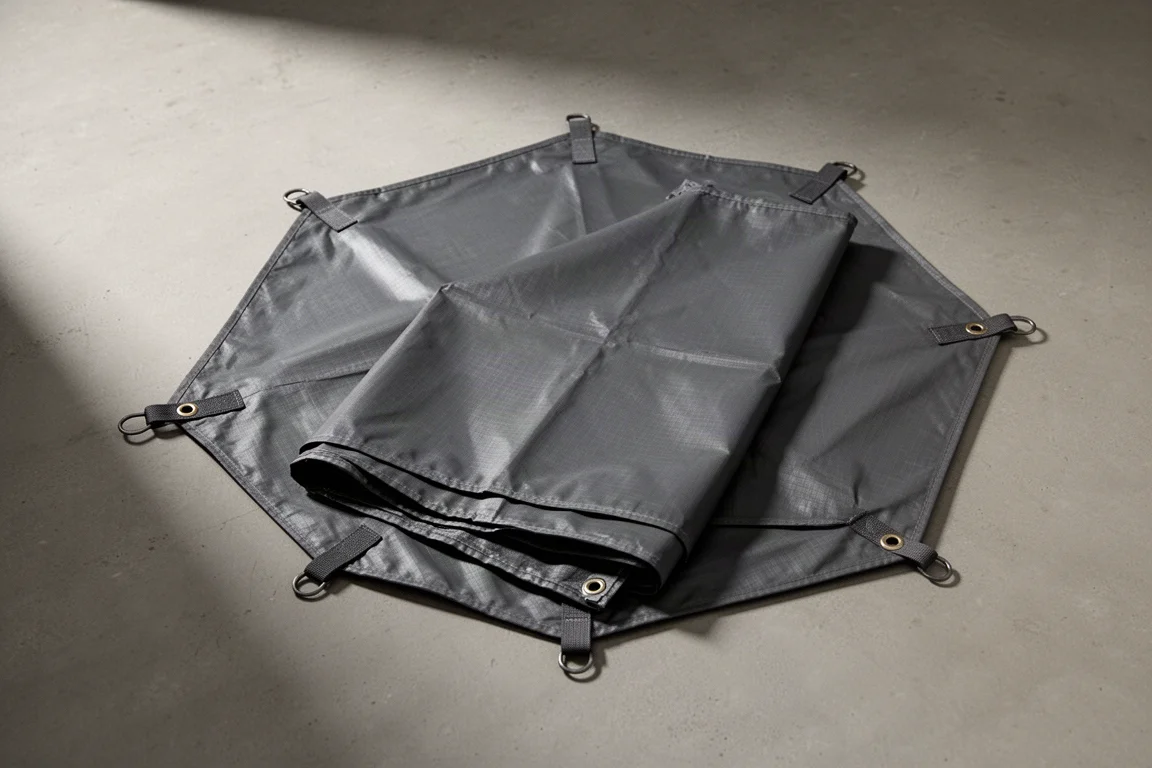
Backcountry Light Dual-Function Tarp and Floor Review: A Footprint First
A dual-purpose tent floor and tarp that keeps falling rain off you, but cannot block wind. Here is where it works and where it does not.
Camping Gear
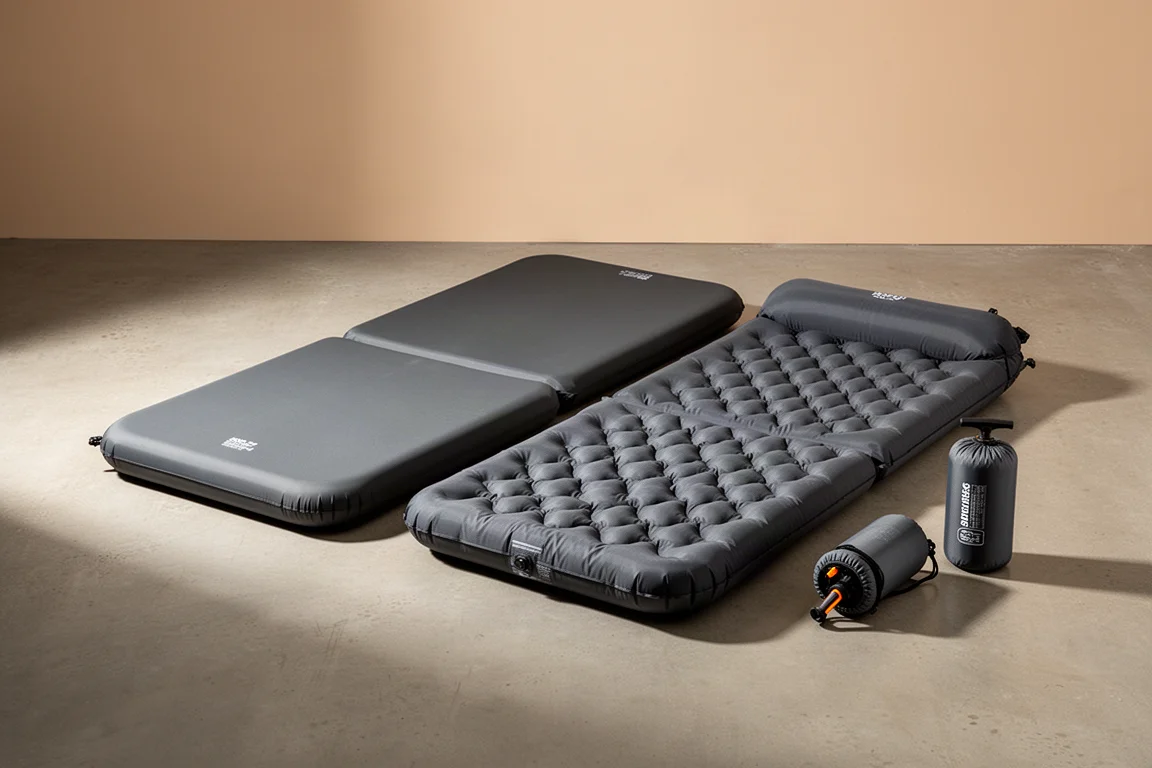
Best 2-Person Camping Mattresses for Couples: 10 Options Compared
A practical comparison of ten two-person camping mattresses, covering self-inflating pads, air pads and air mattresses for couples.