Camping Gear
Camping Essentials Under £30: Eight Small Items Worth Packing Every Trip
Eight lightweight camping items that each cost under £30, with the real strengths, quirks, and trade-offs to weigh before you pack them.
Introduction
Small items carry a disproportionate amount of weight in a pack, and the ones that earn their place are usually the cheapest. This list covers eight camping items that each cost well under £30, from a neck tube that doubles as a beanie to a folding trowel that does one specific job properly. None of them are complicated. What they share is that they solve a problem you will actually run into on a wild camp: cold, insects, spills, wet ground, or a sudden turn in the weather.
The aim here is not to hand you a kit list. It is to explain what each item does well, where it falls short, and who it suits, so you can decide what belongs in your own pack.
What Separates Useful Camping Gear From Dead Weight
Three things matter more than brand when you are buying small camping items. The first is pack volume: an item that saves space is often worth more than one that saves grams, because space is the constraint that forces you to leave things behind. The second is how many jobs a single item can do. A sit pad that also insulates your sleeping mat or stiffens a frameless pack is a better purchase than one with a single purpose. The third is whether the item still works when conditions are bad, since that is exactly when you will reach for it.
Price is a weaker signal than most people assume. On this list, one of the cheapest items is also one of the most versatile, and the most expensive item is a shelter you hope never to need. Spending more tends to buy lighter materials and smaller packed sizes rather than better performance.
A useful test for any small item is to ask what you would do without it. If the honest answer is that you would improvise with something already in your pack, it probably stays at home.
Buff: A Neck Tube With More Uses Than You Expect
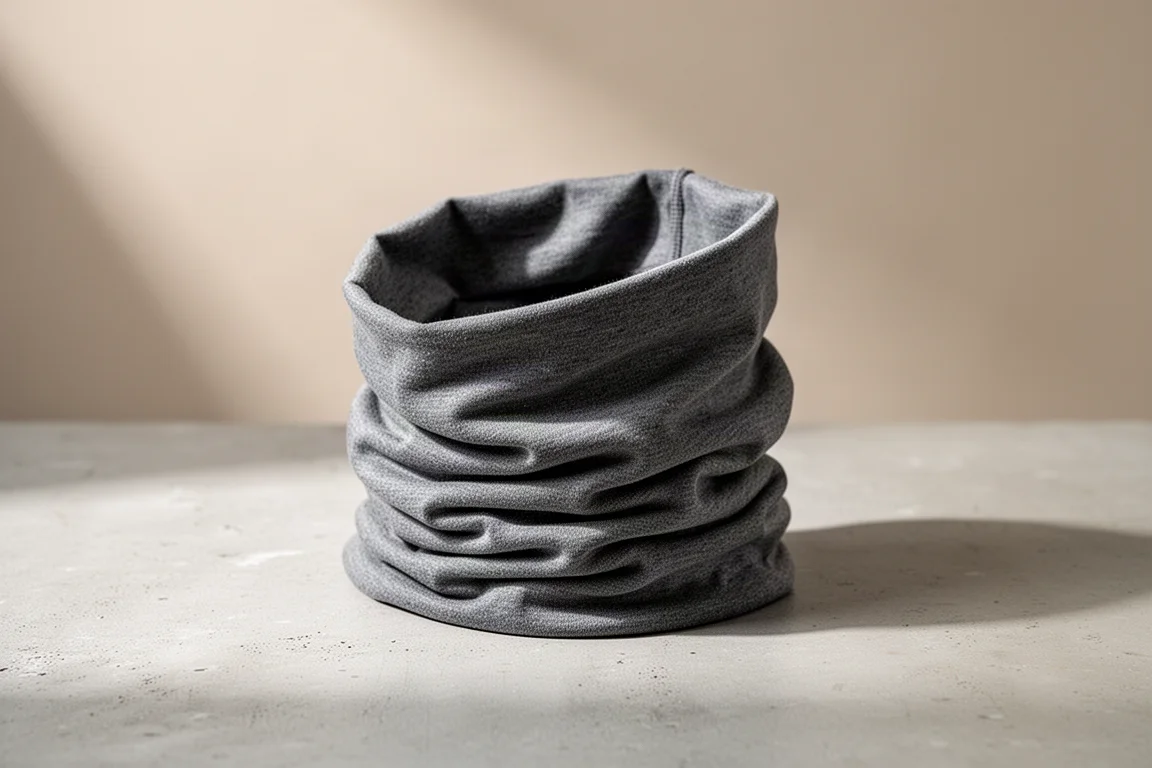
A Buff is a seamless tube of fabric, and it is one of the few items here that gets packed twice. Polyester versions weigh very little and are usually worn as a wristband for wiping a forehead, or pulled over the face on a cold morning. The merino wool version is warmer and better suited to keeping your face comfortable in low temperatures.
With a bit of practice, the same tube becomes a thin beanie: pull it half over your head, twist the back, fold the opening back over, and it stays put. That flexibility is the whole point. One item covers head, neck, and wrist, and it packs down to almost nothing.
Prices vary widely. Basic polyester versions start at a couple of pounds, while merino wool versions run to roughly £15 to £20. Given how often it gets used, it is an easy item to justify.
Sea to Summit X-Mug: A Mug That Collapses Flat
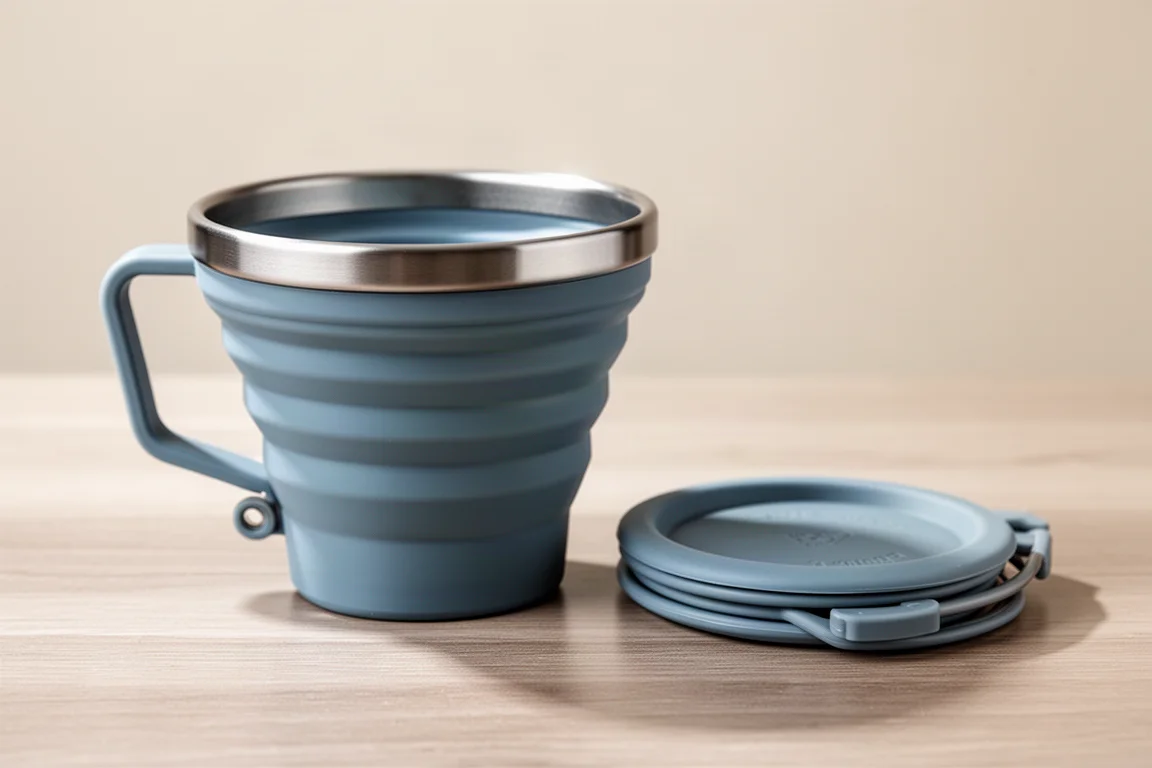
The X-Mug is a collapsible camping mug with a rigid rim and a silicone body that presses flat for storage. It has been in use on almost every trip for several years, which says more about it than any specification sheet. For the space it occupies when packed, there is little reason to leave it behind.
The one recurring complaint is a faint taste that some users notice in the first few uses. It has not been an issue in practice, and a workaround that has worked for some users is storing the mug in a freezer between trips. If you are sensitive to how drinks taste from silicone, that is worth knowing before you buy.
Smidge: Midge Repellent That Stops the Bite
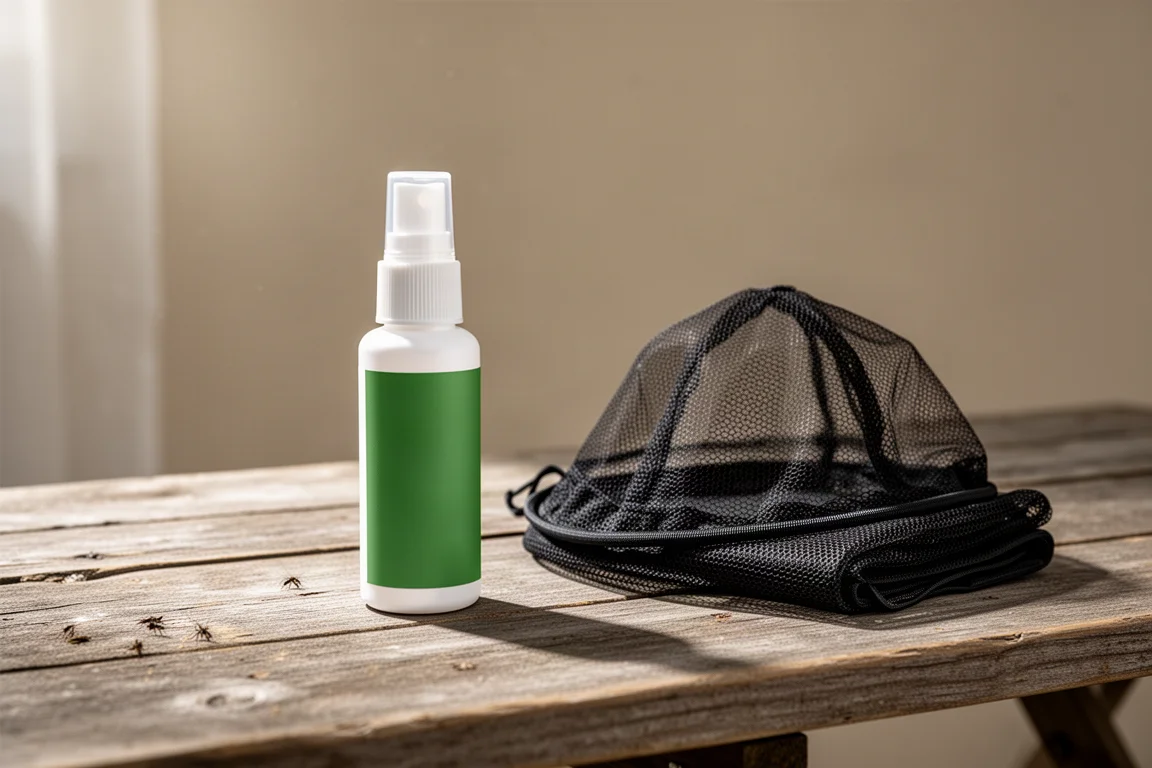
Smidge is a repellent aimed at midges and other biting insects. The useful detail is how it behaves: it does not necessarily stop midges from landing, but it does stop them biting. In practice that is the outcome that matters, because the landing is the annoyance and the bite is the problem.
It pairs well with a head net, which is the more effective barrier when insects are dense. A head net works noticeably better worn over a cap, since the peak holds the mesh away from your face. Mesh pressed against skin can still allow bites through, so the cap is not a cosmetic choice.
A basic head net costs around £8 and the common designs are broadly similar. Together, a net and a repellent cover the two situations you will meet: sitting still in camp, and walking through vegetation.
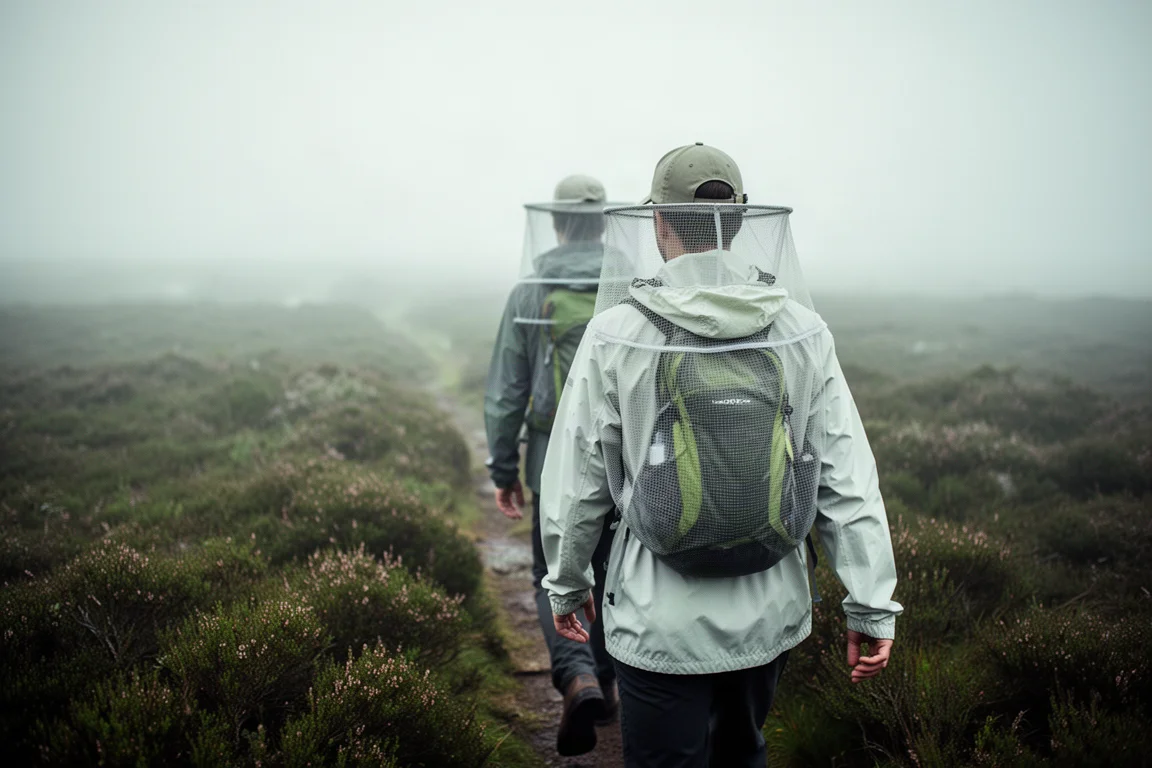
Repellent and a net are worth carrying even on short trips, because insect pressure can change completely within a few hundred metres of altitude or a few hours of the day.
TheTentLab Deuce of Spades: A Trowel for Wild Camping
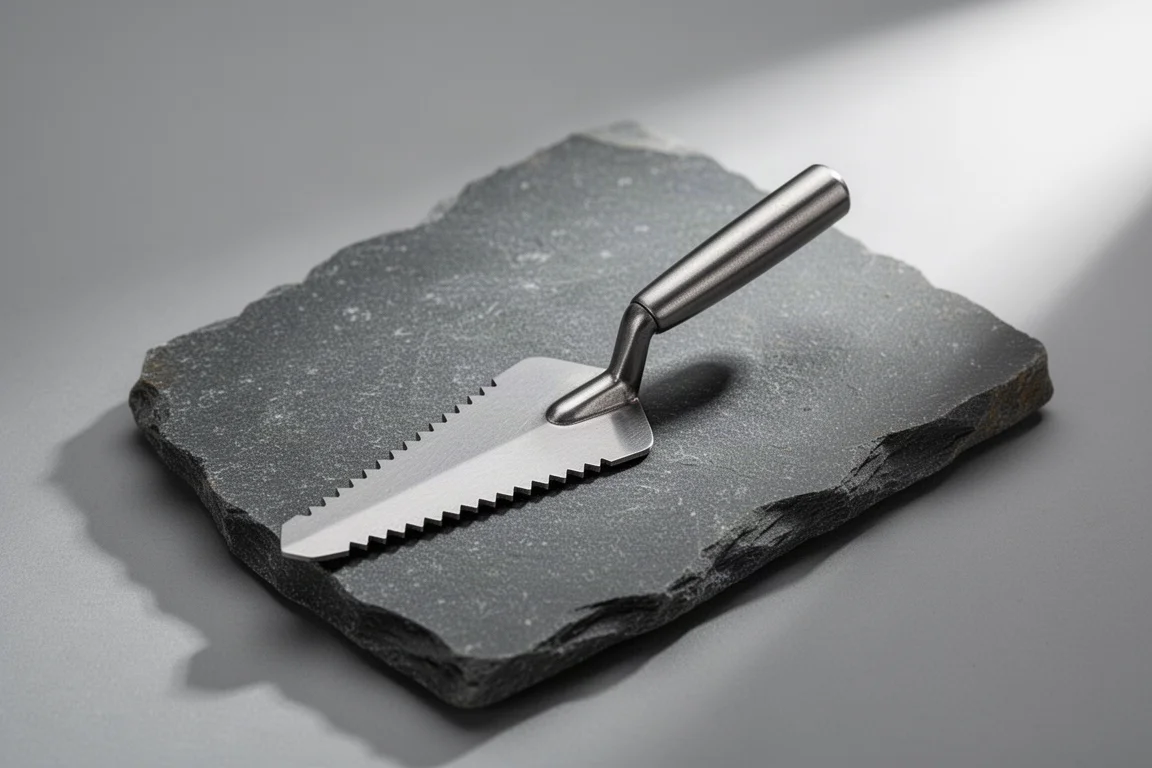
If you are camping in the hills or mountains, you need a way to dig a hole for compostable waste, and a trowel is the tool for it. The Deuce of Spades is a small, very light trowel from TheTentLab, priced around £25. That is a lot for a digging tool, and you are paying for the low weight and the distinctive design rather than raw digging power.
It is not an item you will use on every trip, which is exactly why it should be small and forgettable in your pack. Something that weighs almost nothing and takes up almost no room is easy to justify carrying for the occasions when you do need it.
Victorinox Huntsman: A Pocket Knife You Will Actually Carry
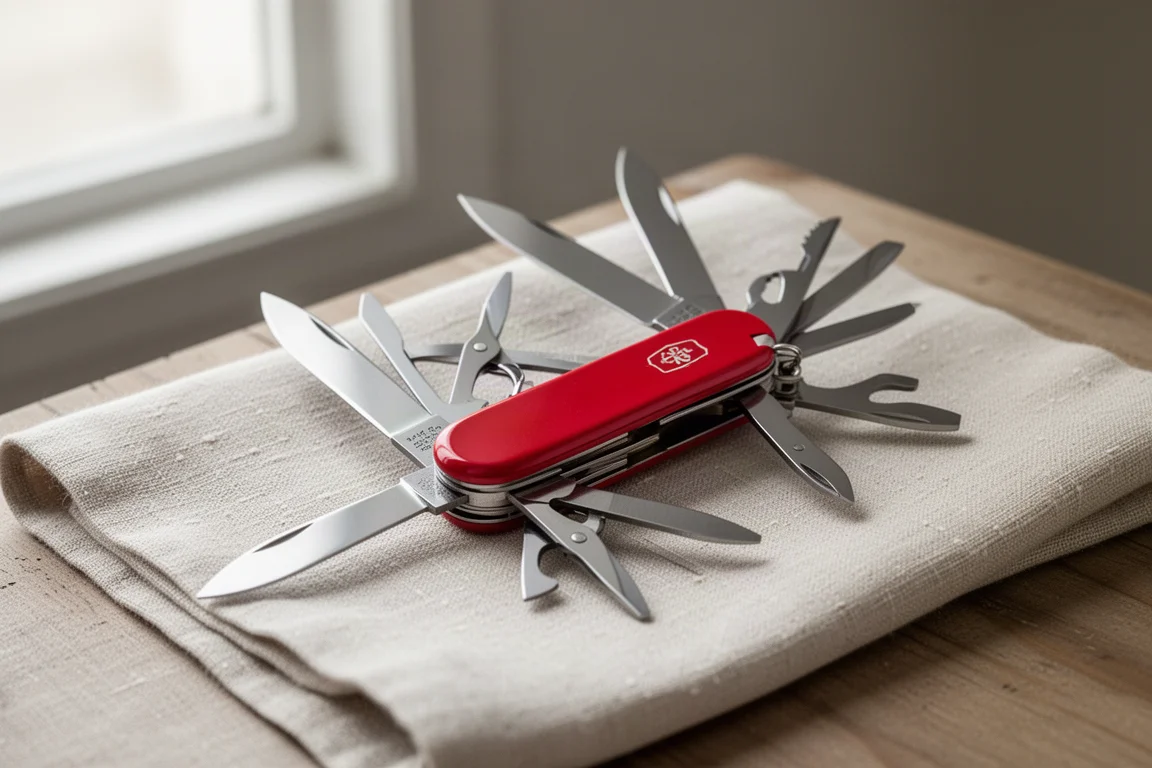
The Huntsman is a mid-size Swiss Army knife with a main blade, a smaller blade, scissors, a bottle opener, and a can opener. That combination covers almost everything a wild camper needs from a pocket tool, and it is a design that has been carried for years without much changing.
Scissors are the feature that gets underestimated. They handle repairs, cutting tape, and trimming far better than a blade in tight spaces, and they are a large part of why this knife stays in the pack.
Carrying a knife in the UK comes with legal restrictions, so check the rules that apply to you before travelling with one. The practical argument for keeping it on your person rather than buried in your rucksack is worth considering: if you become tangled in a strap or a line, a tool in your pocket is far more useful than one you cannot reach.
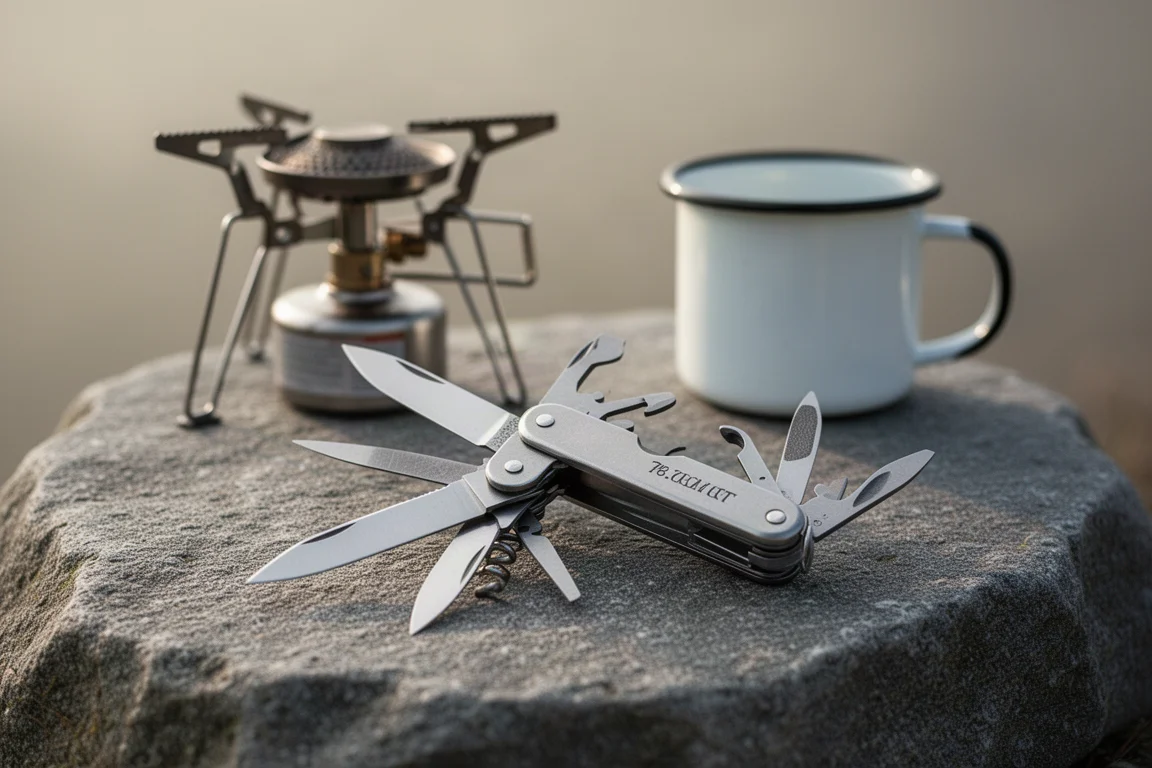
For wild camping, where the nearest shop or replacement is a long way off, a compact tool that covers cutting, opening, and small repairs is a sensible thing to carry every time.
Therm-a-Rest Z Seat: A Sit Pad That Earns Its Place
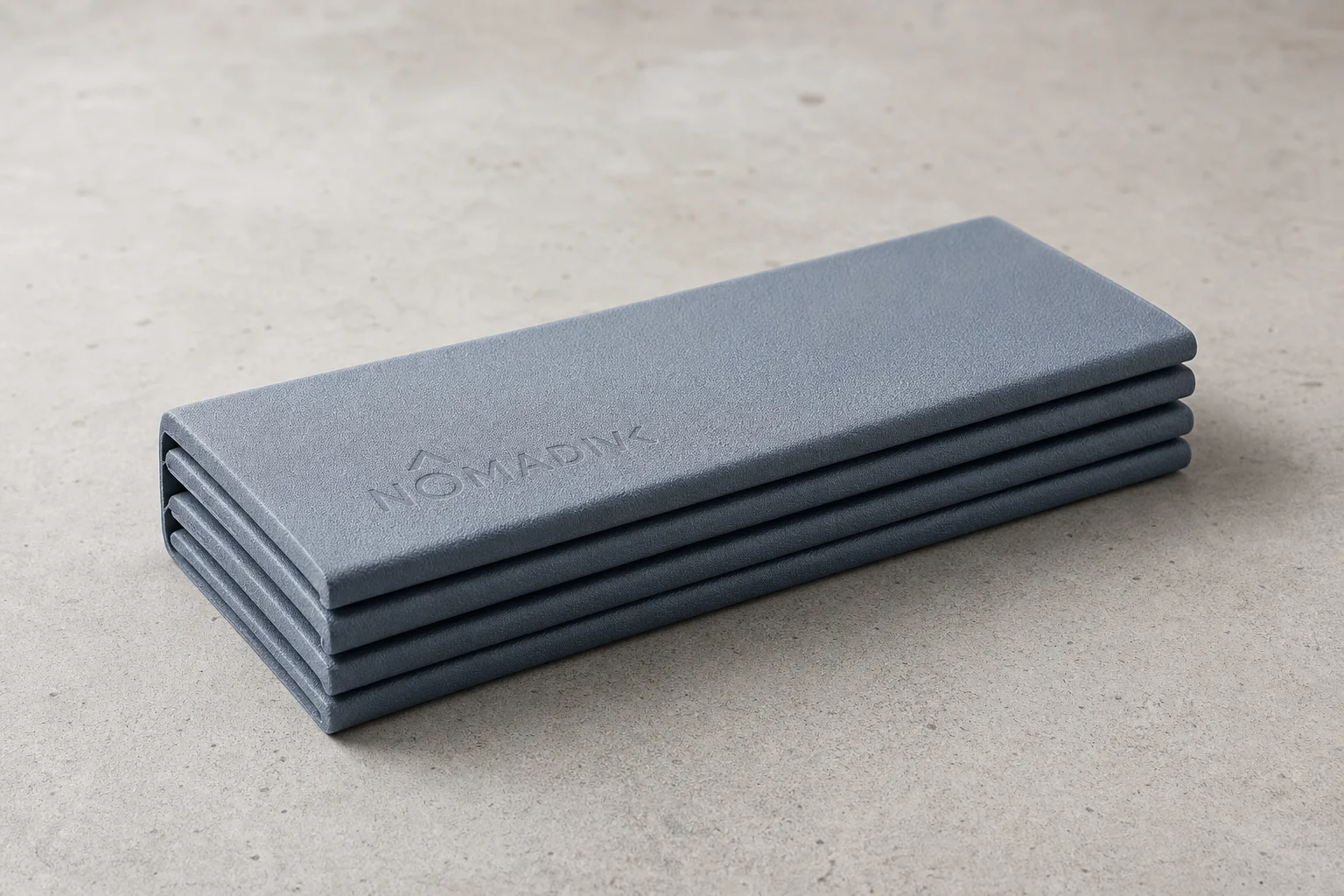
The Z Seat is a folding closed-cell foam pad. Its job is simple: keep you dry and insulated when you sit on wet ground or a cold rock, and give you something to kneel on while you sort kit. That classic use is exactly what it does well.
There is a broader argument for this type of foam. A thinner closed-cell mat can be folded into a comfortable sit pad, opened out to lie on, slipped under a sleeping pad for extra insulation, or placed against your back as support in a frameless pack. Closed-cell foam has no puncture risk and nothing to inflate or fail, which is why long-distance backpackers keep coming back to it. Availability varies, and some of the well-known ultralight versions are hard to find in the UK, so a generic insulating foam mat is a reasonable substitute.
Life Systems Two Person Bothy Shelter: Lightweight Weather Protection
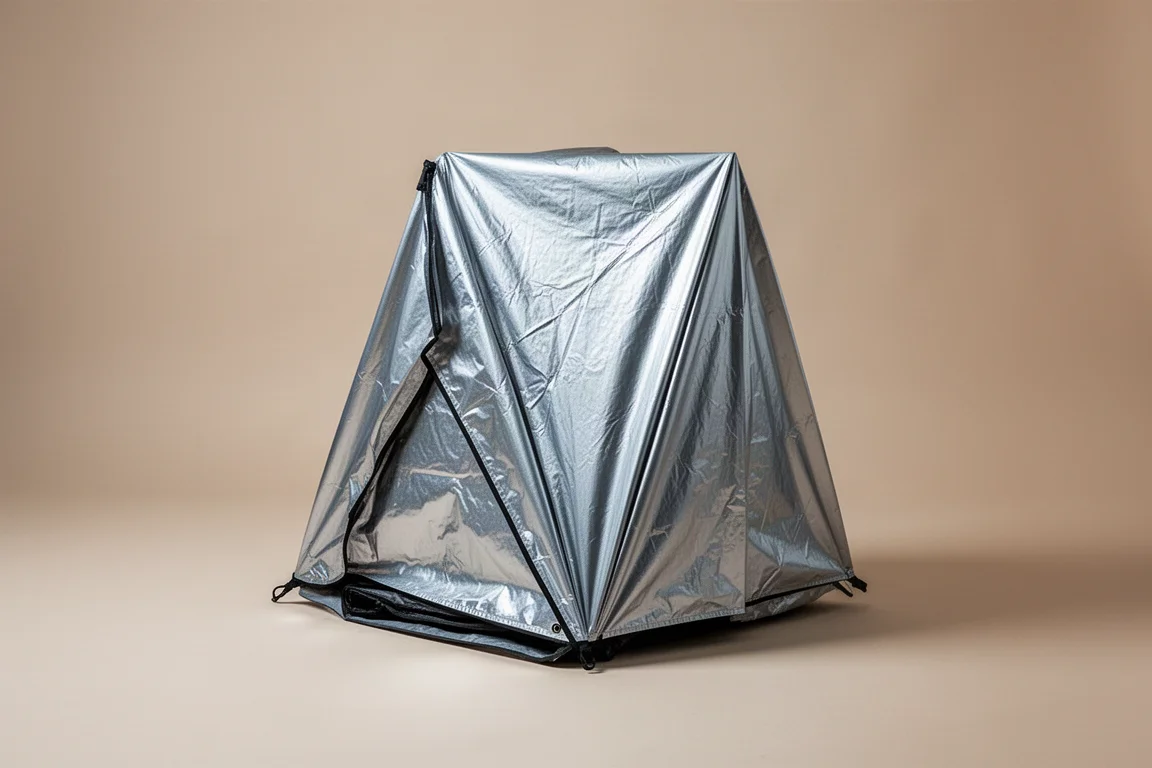
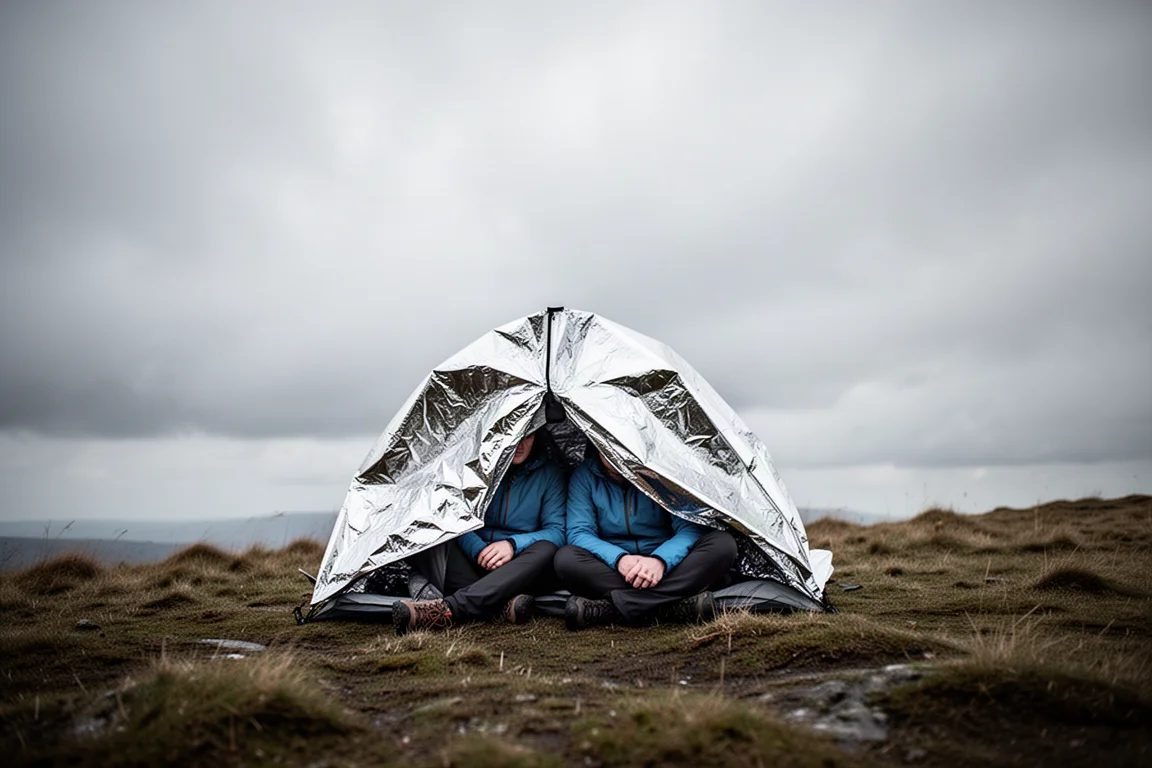
A bothy shelter is a lightweight bag you climb into when the weather turns. The standard two-person version from Life Systems costs around £25, which keeps it comfortably inside the under-£30 bracket. You open it, sit down inside, and you have protection from wind and rain long enough to eat lunch or make a brew.
It is heavier and roughly twice the packed size of the ultralight version further down this list. That trade-off is the whole decision: the standard shelter costs less, and the ultralight one takes up less room.
Life Systems Ultralight Survival Shelter: The Splurge Item
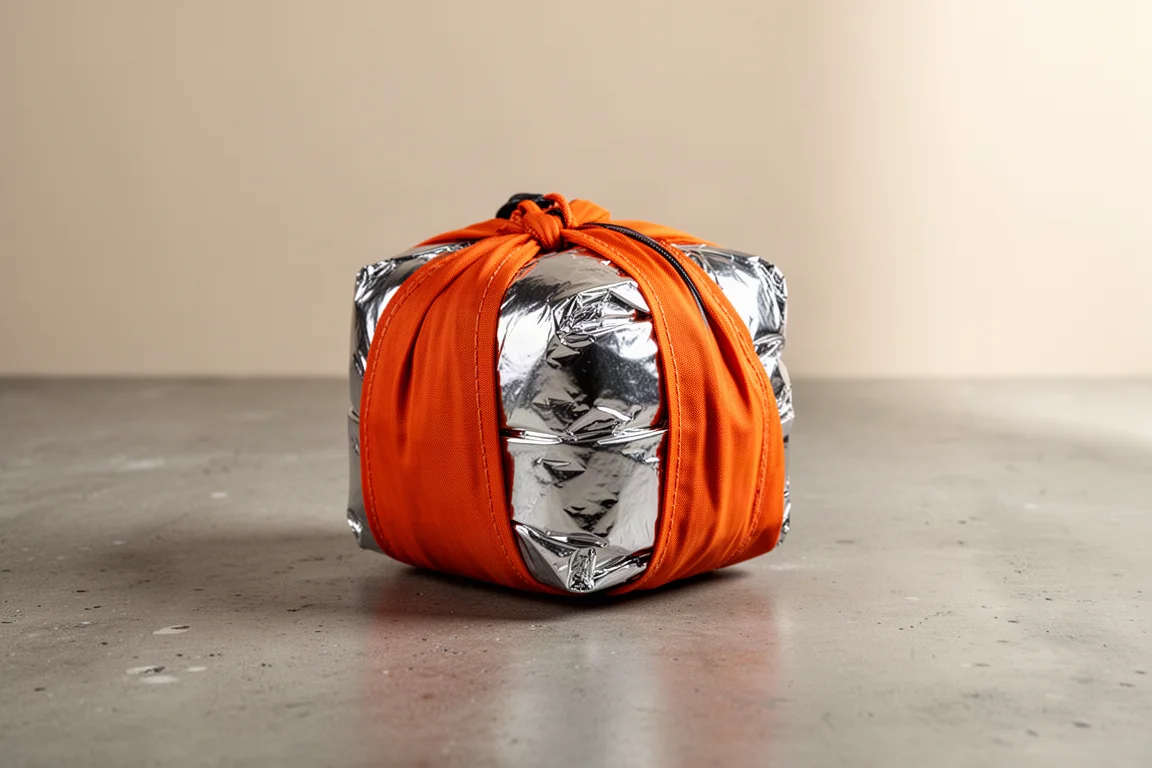
This is the one item on the list that costs more than £30, at roughly £60, and it is worth being clear about why. The ultralight survival shelter does the same basic job as the standard bothy, but in a much smaller package. Packed down, you barely notice it in your bag, and that is the entire reason to spend the extra money.
It is described as a two-person shelter, though two adults need to be on friendly terms to fit comfortably. There is a vent for fresh air, which you can lift for more. When you are finished, the shelter packs back into what was the vent opening, which doubles as the stuff sack.
If you want weather protection that disappears into your pack until you need it, this is the version to consider. If cost matters more than packed volume, the standard bothy shelter is the more sensible buy.
Overall Buying Advice
Start with the items that solve problems you have already experienced. Cold hands and a cold face make a neck tube an easy first purchase. Insects make a repellent and a head net obvious. Wet ground makes a sit pad worth carrying.
Weight and packed size should drive the rest. If you are building a light kit, prioritise items that do more than one job and that pack smaller than you expect. If you are camping from a car or a short walk-in pitch, you can carry more comfort for the same money and skip the ultralight premium entirely.
It also helps to buy in the order you will use things. A shelter only matters if you are out in exposed weather. A trowel only matters if you are camping somewhere you need to dig. Match the purchase to the trips you actually take, and the kit list stays short and genuinely useful.
Conclusion
None of these items is expensive on its own, and together they cover the small problems that make a camping trip uncomfortable: cold, insects, wet ground, spills, and a change in the weather. The cheapest ones are often the most versatile, and the single item that breaks the £30 limit earns its price through packed size rather than features. Buy the ones that match the conditions you camp in, and leave the rest for another trip.
Further reading
Related Reviews
Camping Gear
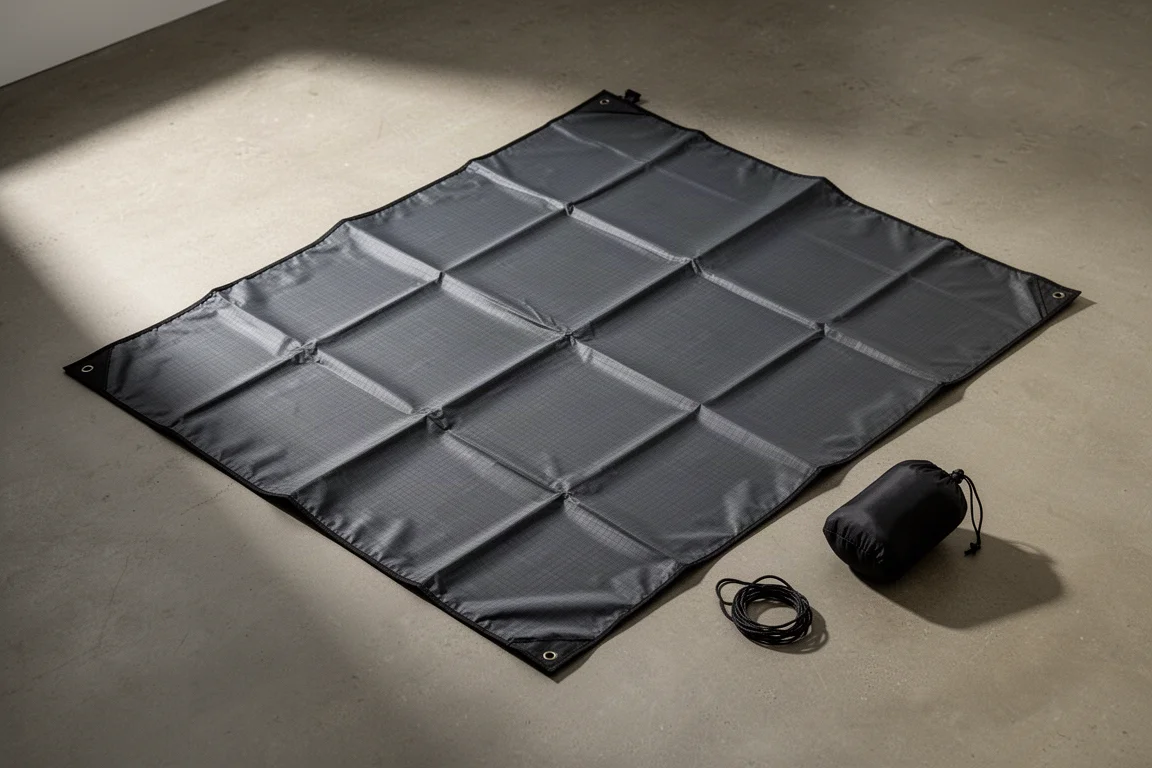
3FUL Ultralight Ground Sheet Review: A Two-Person Footprint Worth Packing
A 6.7 oz two-person ground sheet in ripstop silnylon, priced around $30. Here is what it protects, what it does not do, and who should pack it.
Camping Gear
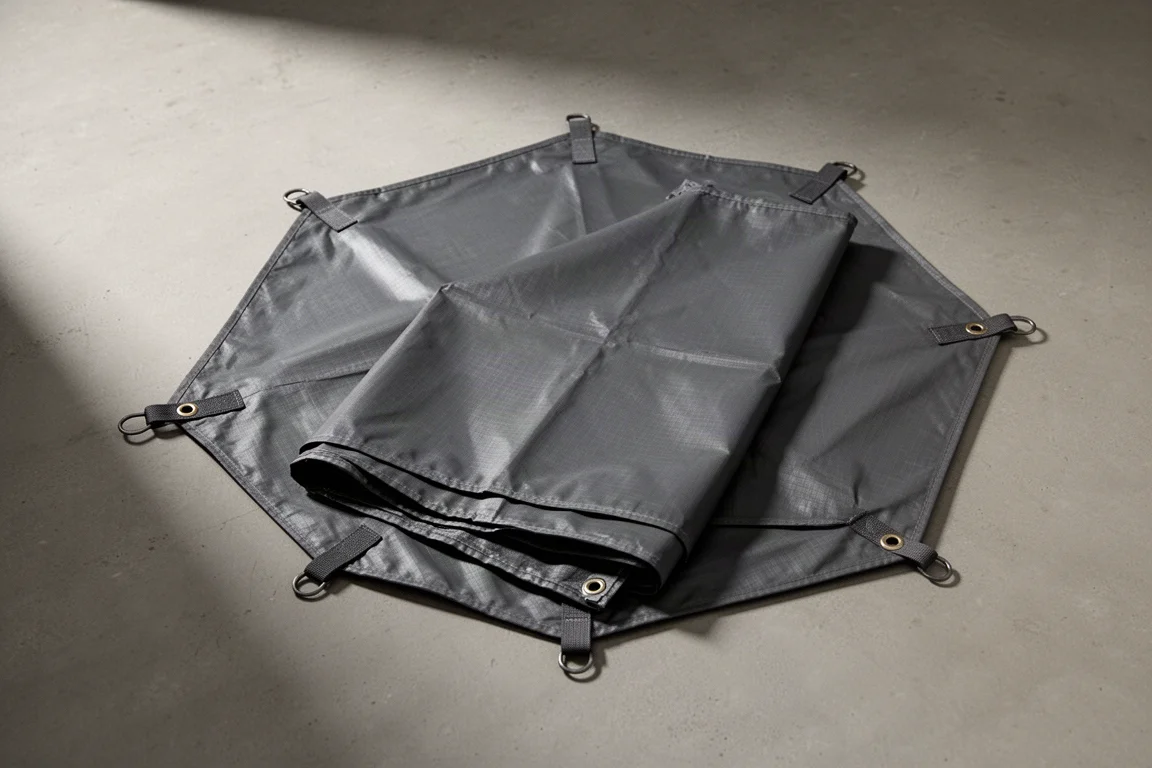
Backcountry Light Dual-Function Tarp and Floor Review: A Footprint First
A dual-purpose tent floor and tarp that keeps falling rain off you, but cannot block wind. Here is where it works and where it does not.
Camping Gear
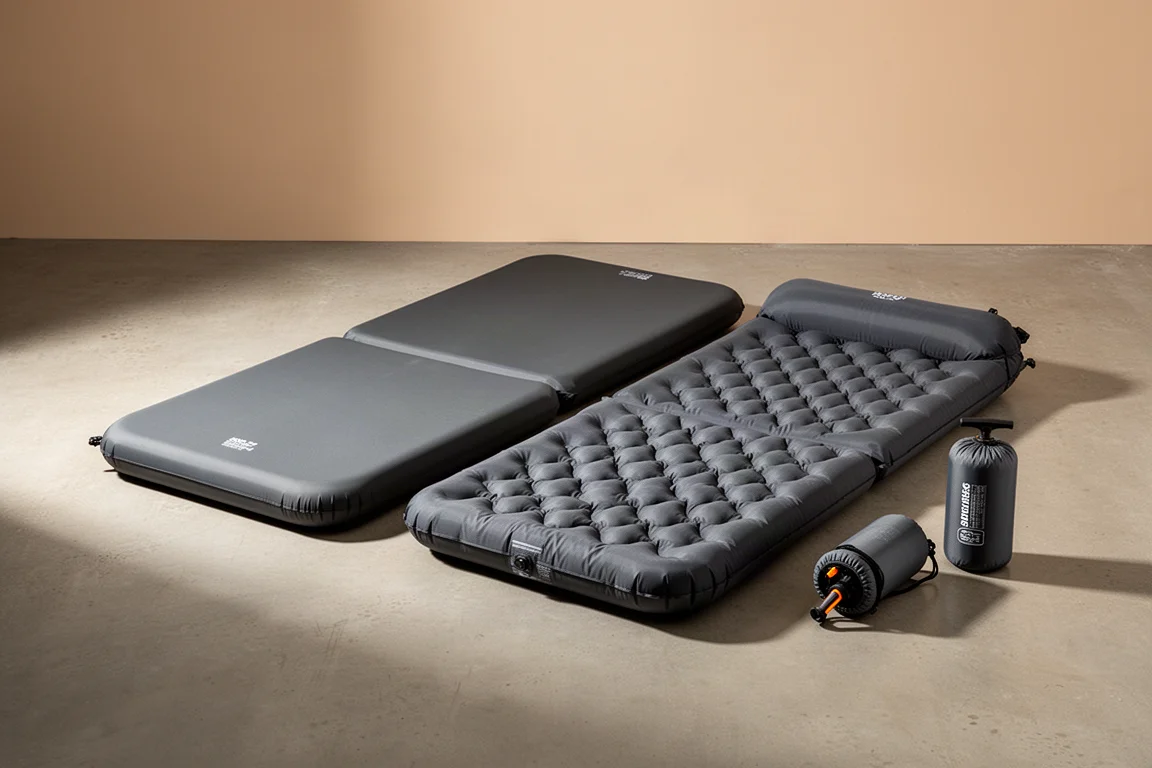
Best 2-Person Camping Mattresses for Couples: 10 Options Compared
A practical comparison of ten two-person camping mattresses, covering self-inflating pads, air pads and air mattresses for couples.