Camping Cooking Gear
Camping Cook Set Guide: Jetboil vs Building Your Own Kit
One integrated stove system compared with four components for building a lightweight camping cook set that fits how you actually cook.
Introduction
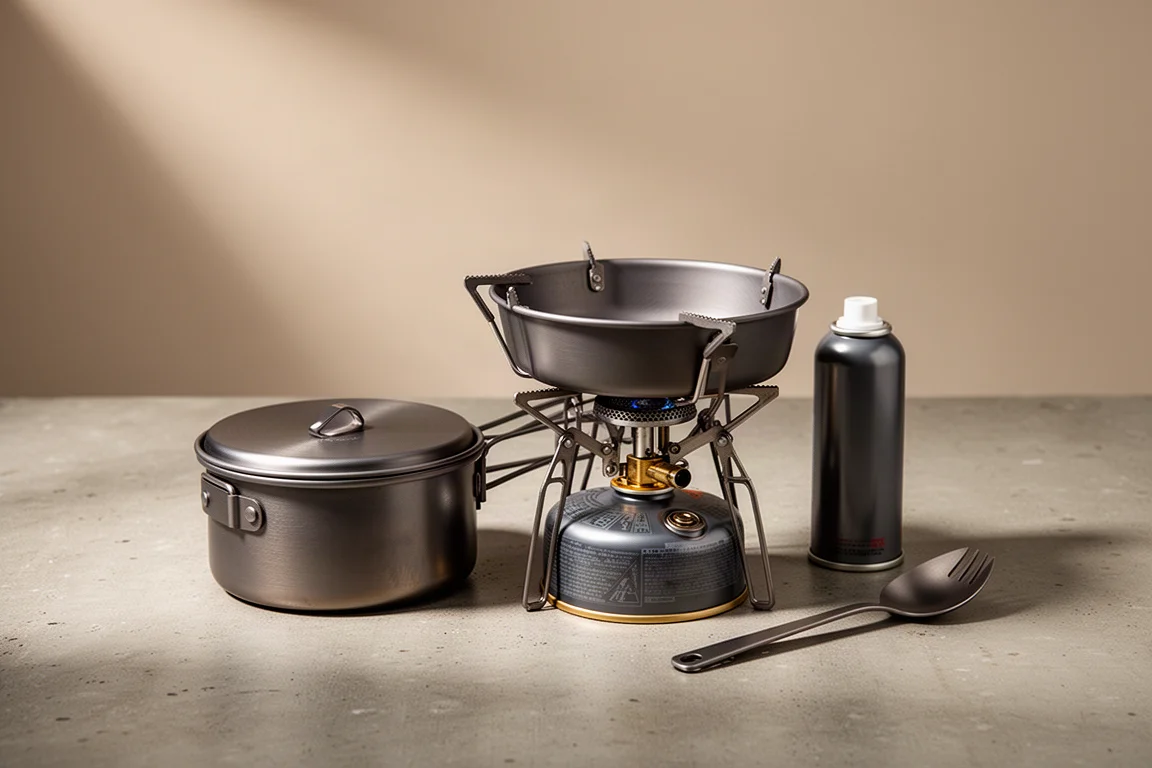
A hot drink and a hot meal at the end of a long, wet day on the hill is worth carrying a stove for. The real decision is what kind of setup to carry. A fully integrated system keeps everything in one nestable package and boils water fast. A cook set built from separate parts costs less to start with, adapts to how you actually cook, and can be upgraded one piece at a time.
This guide covers one integrated system and four components that make a self-built kit work, along with the trade-offs that matter when you choose between them.
How Integrated and Modular Systems Compare
An integrated system pairs a burner with a matched pot. The pot clips onto the burner, everything nests inside it, and the whole thing takes up very little room in a pack. The heat exchanger built into the base of the pot concentrates heat where it is needed, which is why these systems boil water quickly and use relatively little gas.
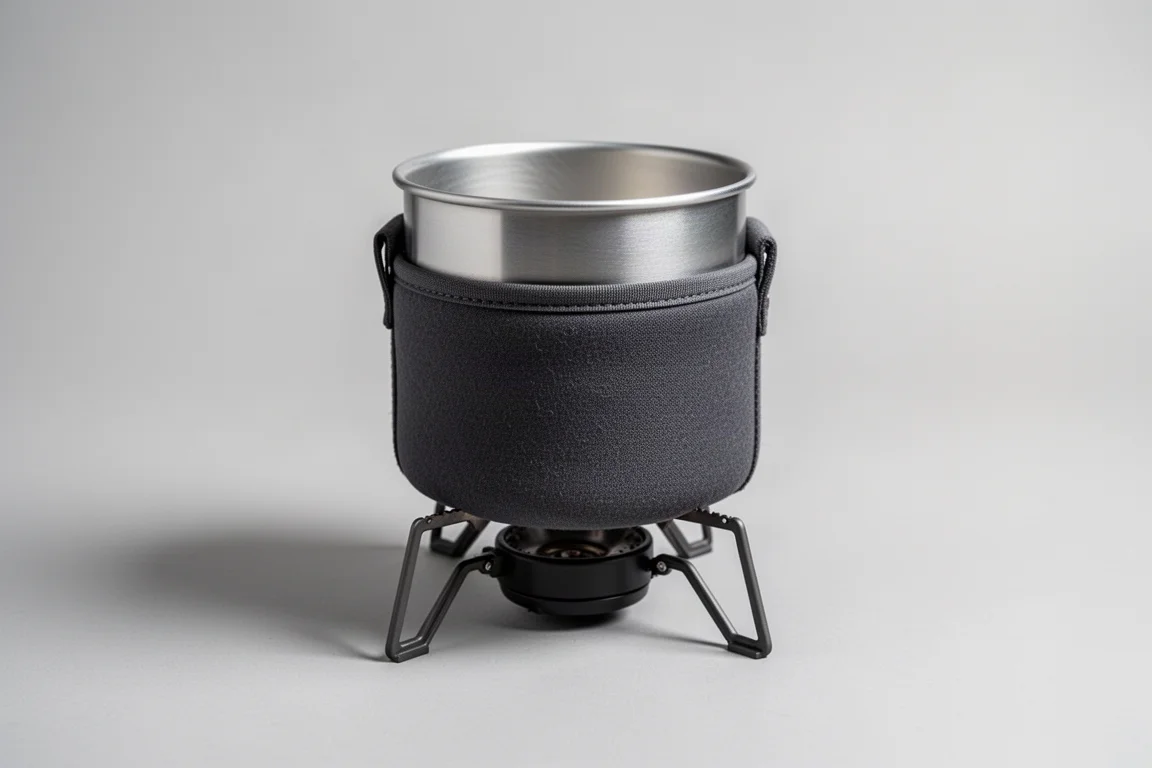
That efficiency comes with constraints. Because the pot clips onto the burner, a regular frying pan or a third-party pot will not sit on it directly. An adapter can be fitted on top of the stove so a normal pan works, but the burner still pushes heat into the centre of the pan, which is not ideal for delicate cooking such as omelettes or pancakes. The pot is also matched to that specific burner, and an aluminium pot with a fitted cosy is not something you would put on a fire or a wood stove.
A modular kit works the other way round. You choose the stove, then the pot, then the mug and utensils, and you can swap any of those later without replacing the rest. Fuel economy is the trade-off: an integrated system is generally the more efficient of the two, but the difference is small, measured in a few grams of gas per rehydrated meal rather than anything that changes a trip budget.
That difference only becomes meaningful across hundreds of boils. For most people the deciding factors are cost, pack size, and whether they want to cook real food or mainly rehydrate meals.
Integrated Option: Jetboil
Jetboil is the reference point for integrated cooking. The burner, pot support and pot nest together into a single compact package, so the system takes up little space in a backpack. The heat exchanger bonded to the base of the pot concentrates heat into the pot, which is the reason it boils water so quickly and stays efficient on gas.
The same design is what limits it. The pot clips onto the burner, so a regular frying pan or another manufacturer’s pot will not sit on it directly. An adapter is available to let a normal pan sit on top, but heat stays concentrated in the middle of the pan, which is not ideal for omelettes or pancakes. The pot itself is aluminium with a fitted cosy, so it is not suited to a fire or a wood stove, and it is tied to that particular burner.
Price is the other factor. Integrated systems generally run from around £80 to £150 depending on the model. Accessories such as coffee presses are available for the system if you want them.
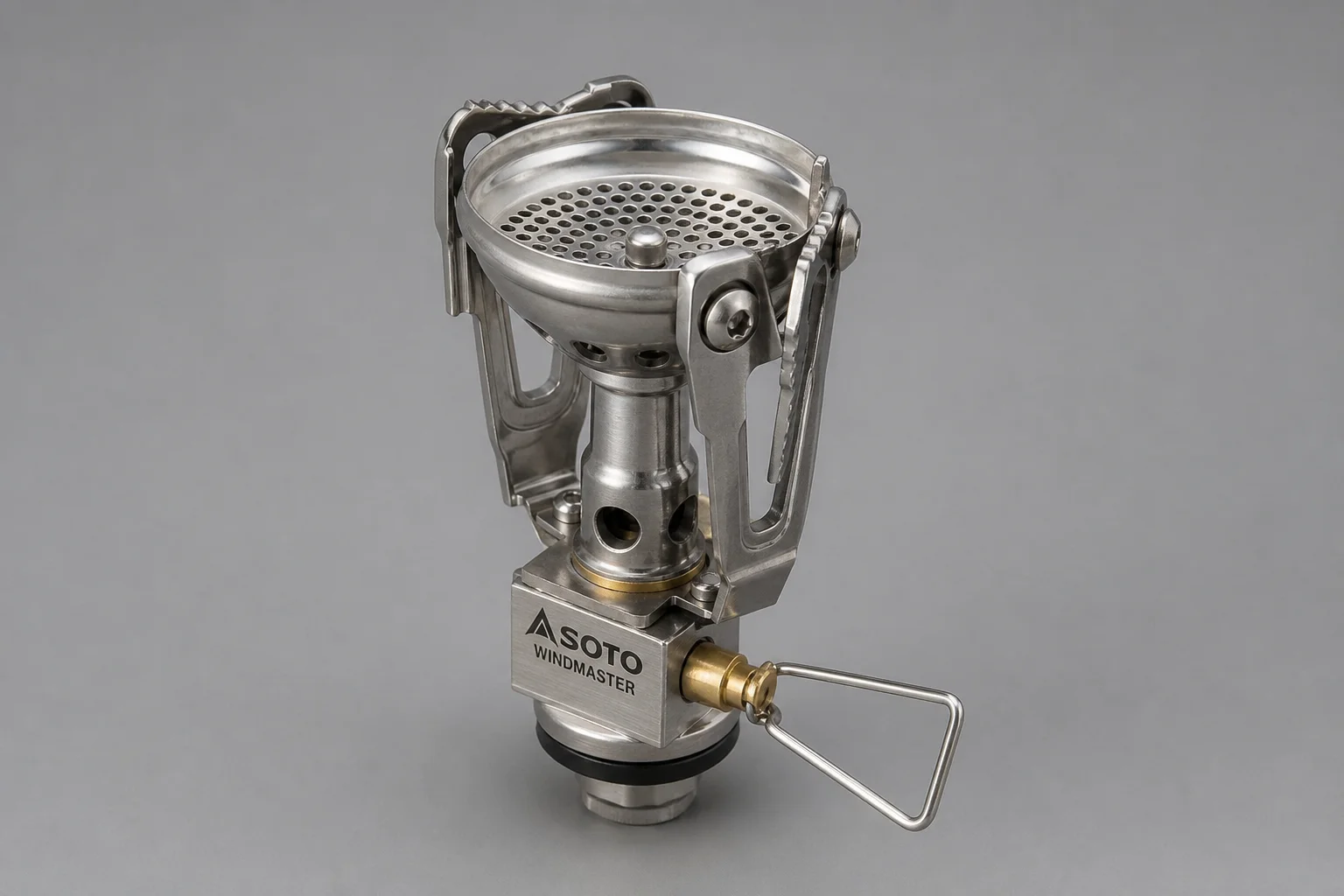
Best All-Round Canister Stove: Soto WindMaster
The WindMaster is a screw-on canister stove that copes well with a wide range of conditions. A micro-regulator keeps gas pressure constant, which helps in cold weather, and it is a strong performer in wind. The pot supports handle larger pots, pans and frying pans, so it suits real cooking as well as simple water boiling.
The four-flex pot support can be swapped for a tri-flex version to save a couple of grams. The stove has a built-in igniter, though carrying a spare way to light it is still sensible. It runs on standard canister gas and does not need to be matched to one brand of canister, so MSR or Jetboil gas will work just as well. Around £43 for the stove itself, and it fits inside a 750 ml pot with a canister, a spoon, a lighter and a mug sitting on top.
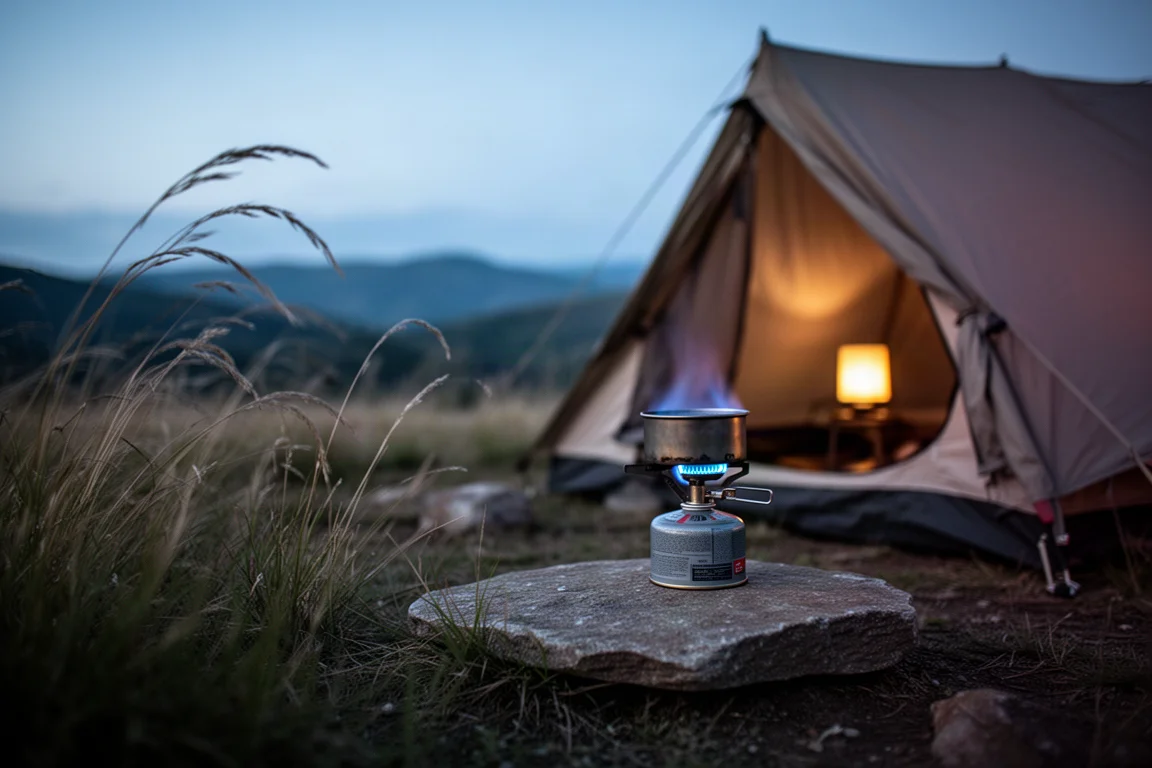
That combination of flexibility and dependable performance is what makes it the natural centrepiece of a self-built kit.
Lightweight Pot: Toaks 750ml Titanium Pot
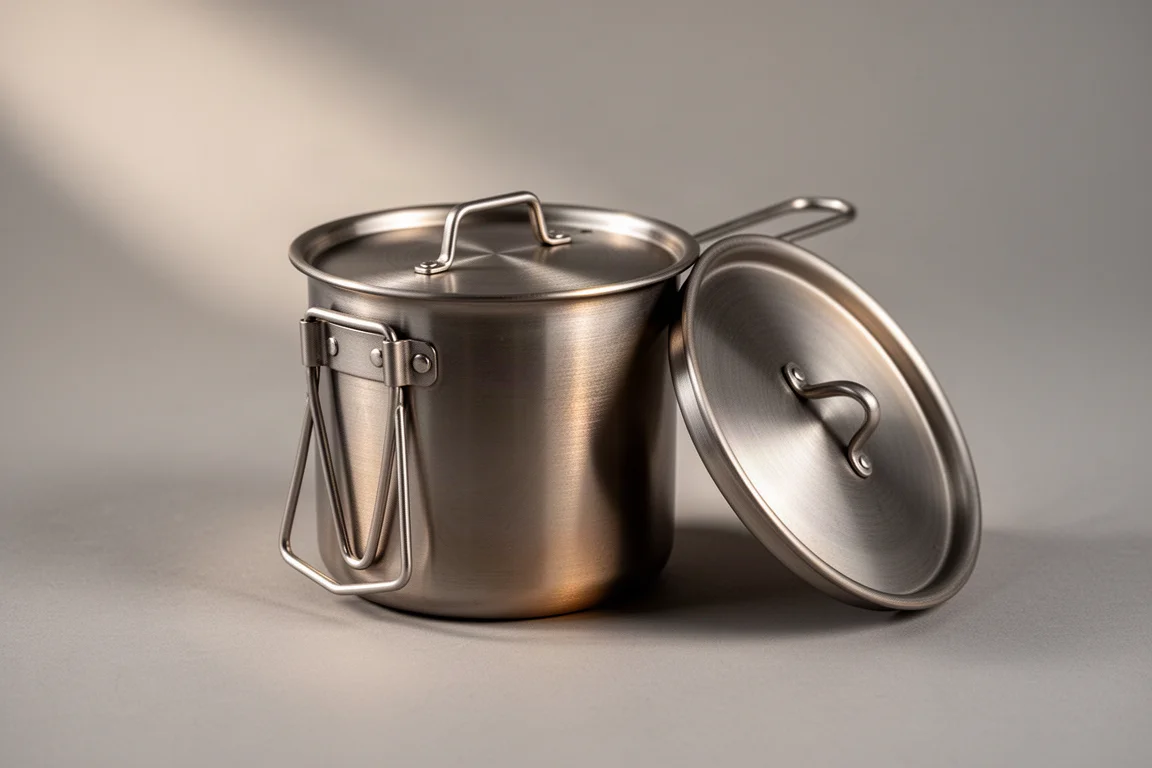
The 750 ml titanium pot is the piece that makes the kit nest. It is sized to hold a screw-on stove, a gas canister, a spoon and a lighter, with a mug sitting on top inside its bag. Titanium keeps the weight down and the pot cools quickly once you have eaten.
Titanium also gives you a fallback. If a stove fails or runs out of fuel, the pot can go on a fire or a wood stove, which is not something you would do with an aluminium pot and a fitted cosy. If you are cooking for two, swapping to a larger pot is the simple change, and it will still sit on a stove such as the WindMaster.
Pots start from around £10, titanium versions from roughly £18, and the 750 ml pot used here was around £40.
Best Value Stove: MSR Pocket Rocket 2
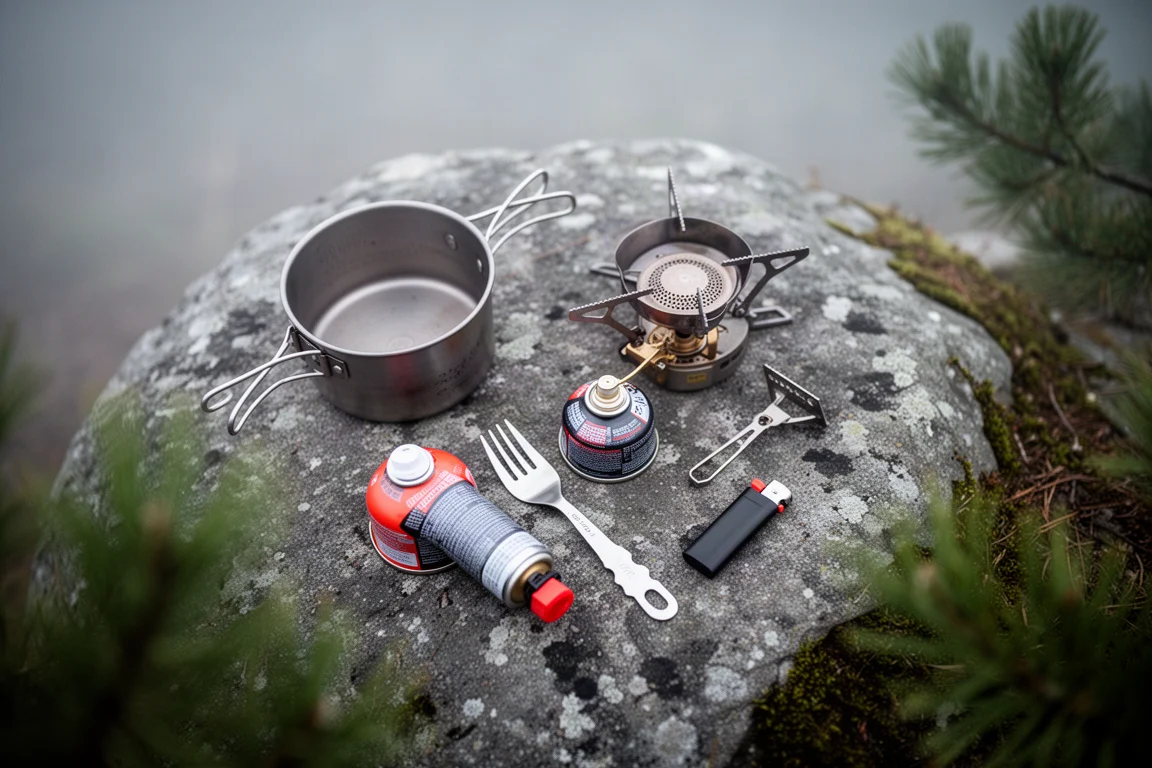
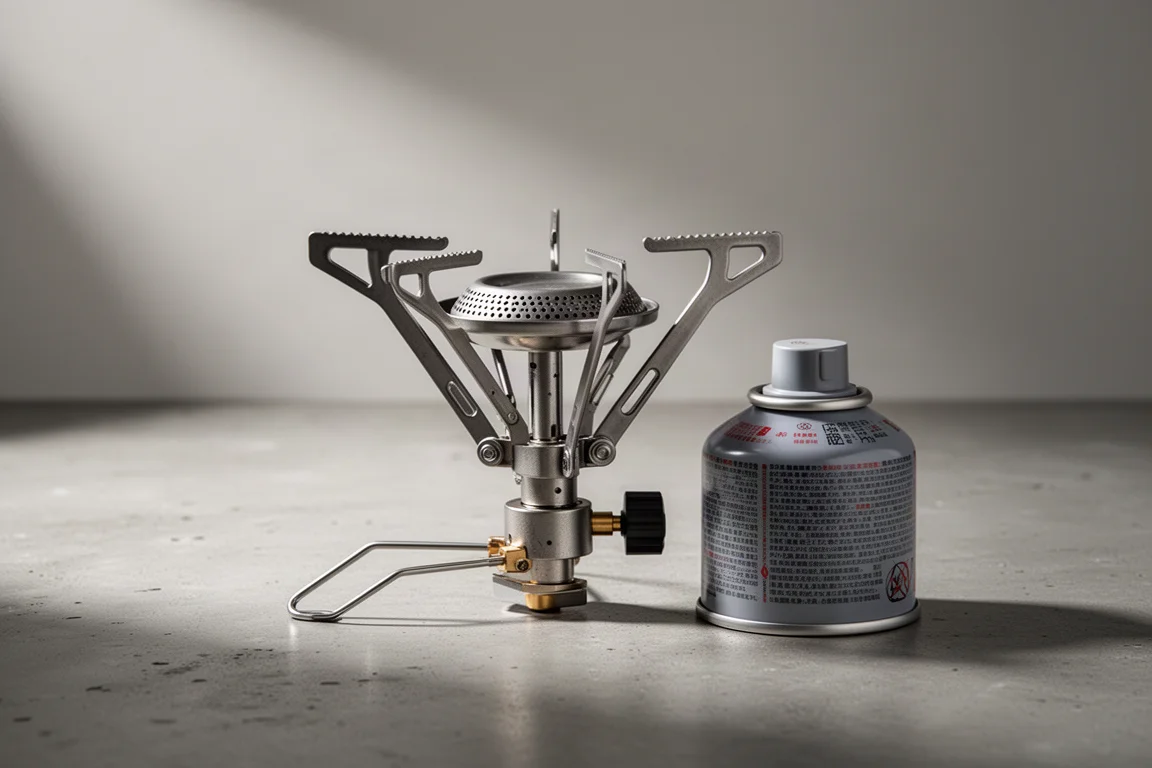
Stoves for a self-built kit range from around £10 up to £70. The strongest value sits in the middle of that range, and the Pocket Rocket 2 is one of the two stoves worth aiming for there, at roughly £30 to £45. It is a small screw-on canister stove that packs down inside a 750 ml pot alongside a canister and a few small accessories.
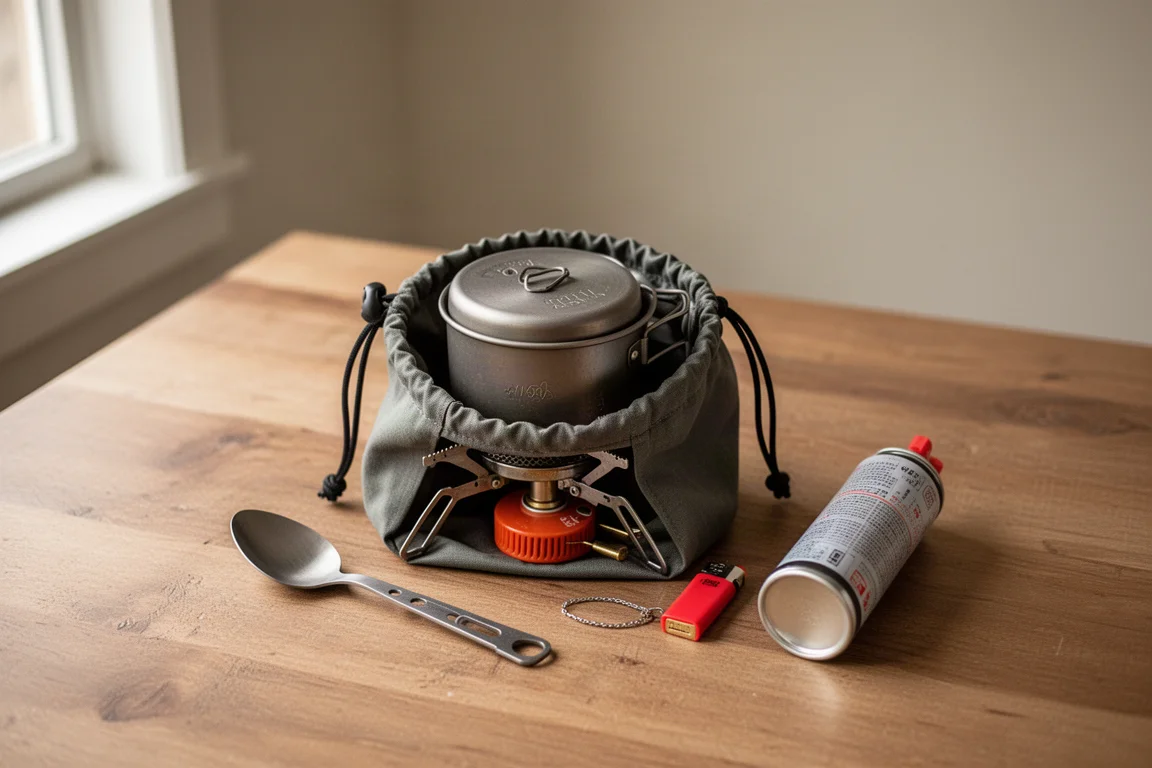
Choosing at this level leaves budget for the rest of the kit, which is the whole point of building your own setup. A pot, a mug and a folding spoon can be added over time rather than all at once.
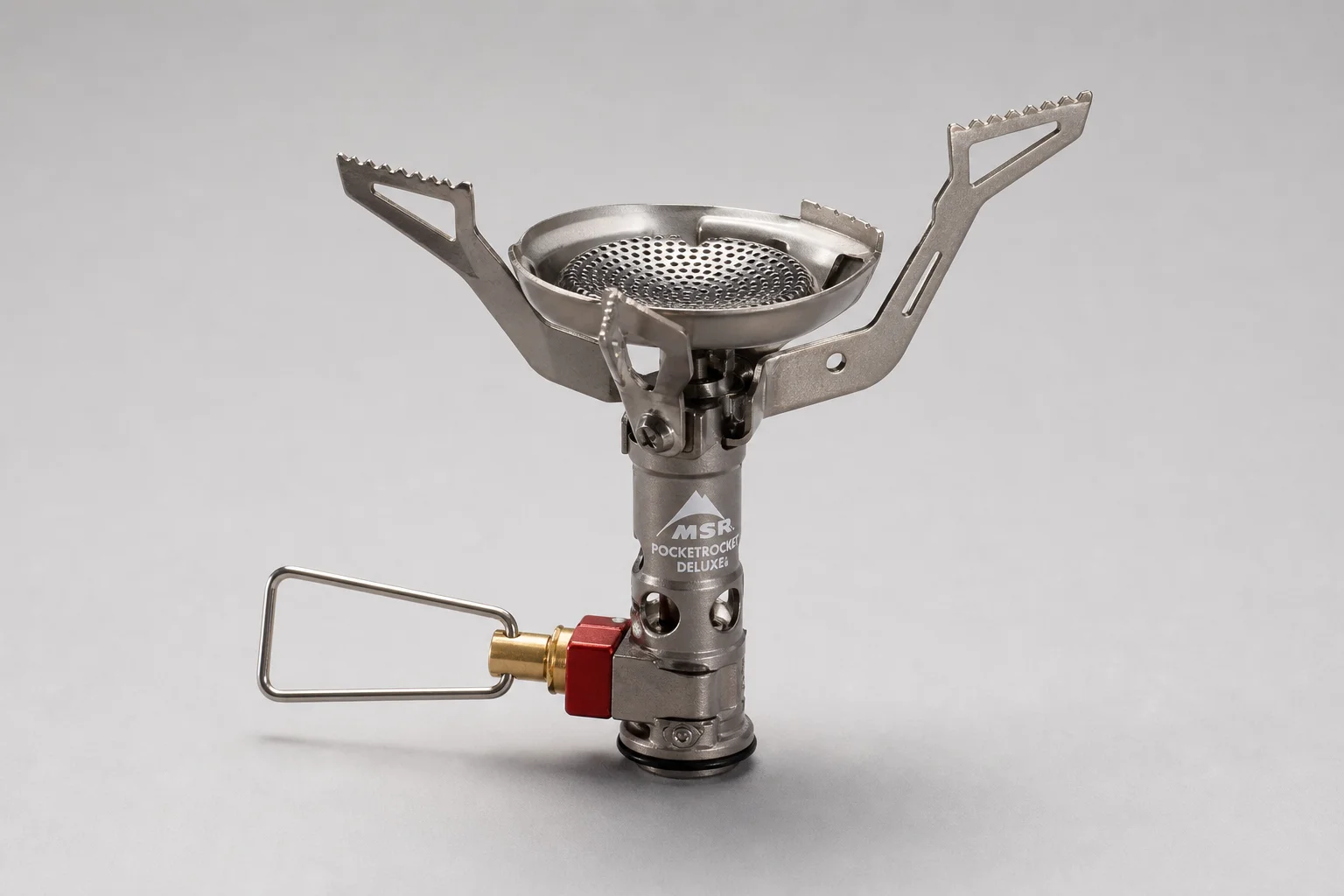
Higher-Spec Option: MSR Pocket Rocket Deluxe
The Pocket Rocket Deluxe is the step up in the same family, at the top end of the canister stove range where prices reach around £70. Like the standard version, it fits inside the 750 ml pot with a canister. If you want more from a canister stove than the entry-level models offer, this is the tier to look at, though the value case remains with the Pocket Rocket 2 and the WindMaster.
Buying Advice
If your cooking is mostly boiling water to rehydrate a meal, and you want one compact package that lives in the bottom of your pack, an integrated system is the straightforward answer. It is the more efficient option on gas and the simplest to pack.
If you want to cook, use a frying pan, or upgrade parts over time, build the kit yourself. Start with the stove and use pots, pans and a mug from your kitchen. Add a titanium pot when you can, then a mug and a folding spoon. A plastic folding spoon costs a couple of pounds, a titanium one around £13.
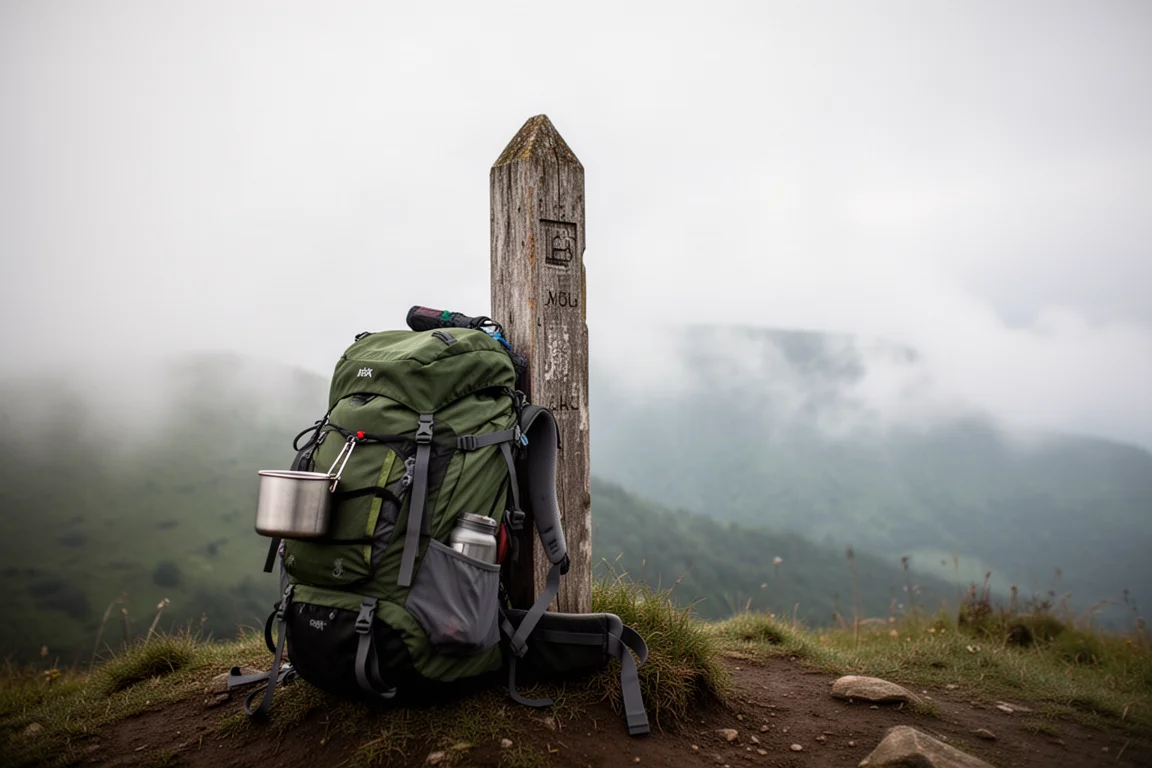
Two practical points make a self-built kit easier to live with. First, buy a pot that fits the stove, a canister, a spoon and a lighter inside it, so the whole set stays in one package. Second, carry a spare way to light the stove even if it has an integrated igniter.
The cost logic matters more than it first appears. Spending around £130 on an integrated system and then finding the pot is too small means replacing the whole thing. Upgrading a pot in a modular kit means buying one component, and you keep the original as a smaller option or as a backup.
Conclusion
Both approaches work, and neither is a mistake. An integrated system such as a Jetboil is fast, efficient and tidy, and it is the right call if you mainly boil water. A kit built around a stove like the Soto WindMaster or the MSR Pocket Rocket 2, a titanium pot and a mug you already own costs less to start with, adapts as your needs change, and lets you replace one part instead of the whole setup.
Further reading
Related Reviews
Camping Cooking Gear
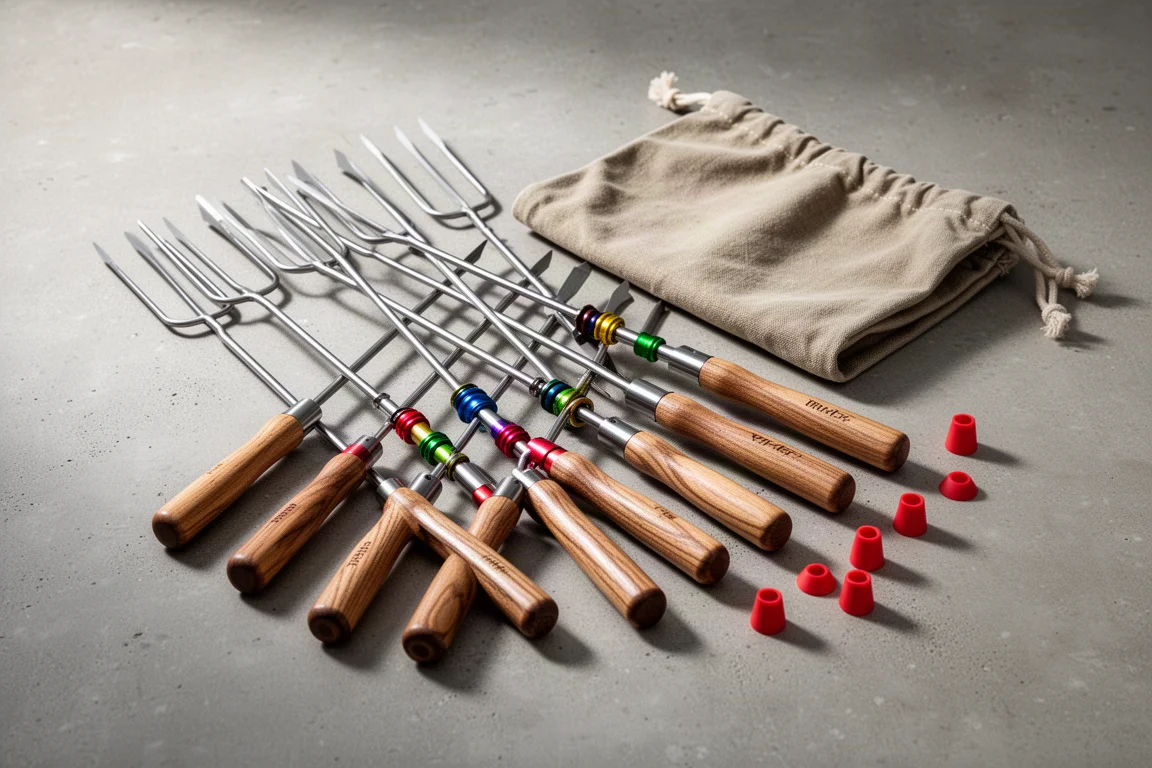
Carpathen Campfire Roasting Sticks Review: A Sturdy Six-Pack for Fire-Side Cooking
A six-piece telescoping roasting stick set with rotating color-coded axles, a canvas pouch, and enough backbone to hold four hot dogs without flexing.
Camping Cooking Gear
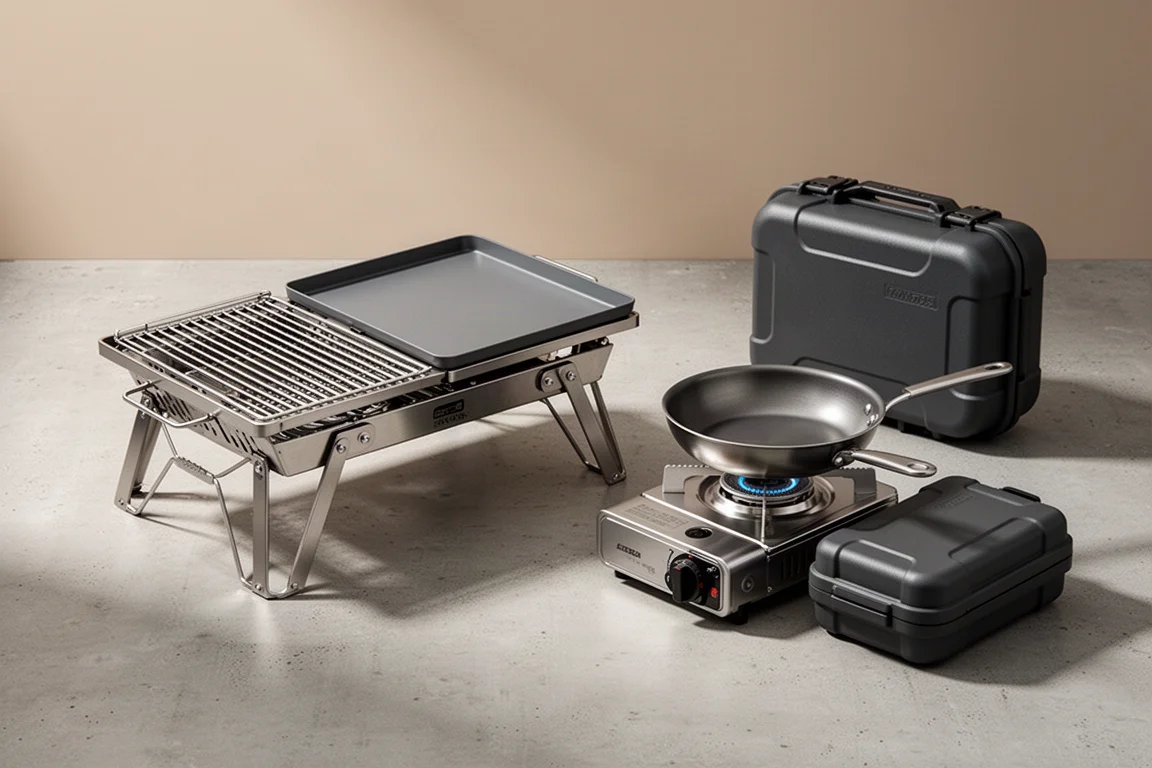
Two Camping Cooking Systems Worth Packing: Skotti Grill and Jetboil HalfGen
A practical look at two portable camp cooking systems: a pack-flat gas grill with a split cooking surface, and a compact single-burner kit with its own fry pan and carry case.

Backpacking Gear
Building a 10 lb Base Weight: An Ultralight Backpacking Gear List
A practical walkthrough of the ultralight pieces behind a 10 lb base weight, from a 765 g pack and a roomy one-person tent to a full camp chair and a dependable water filter.