Camping Gear
Camp-Worthy Camping and Backpacking Gear: Eight Lightweight Picks
Eight camping and backpacking products, from an ultralight stove windscreen to an all-in-one hammock, with the strengths and trade-offs worth knowing before you buy.
Introduction
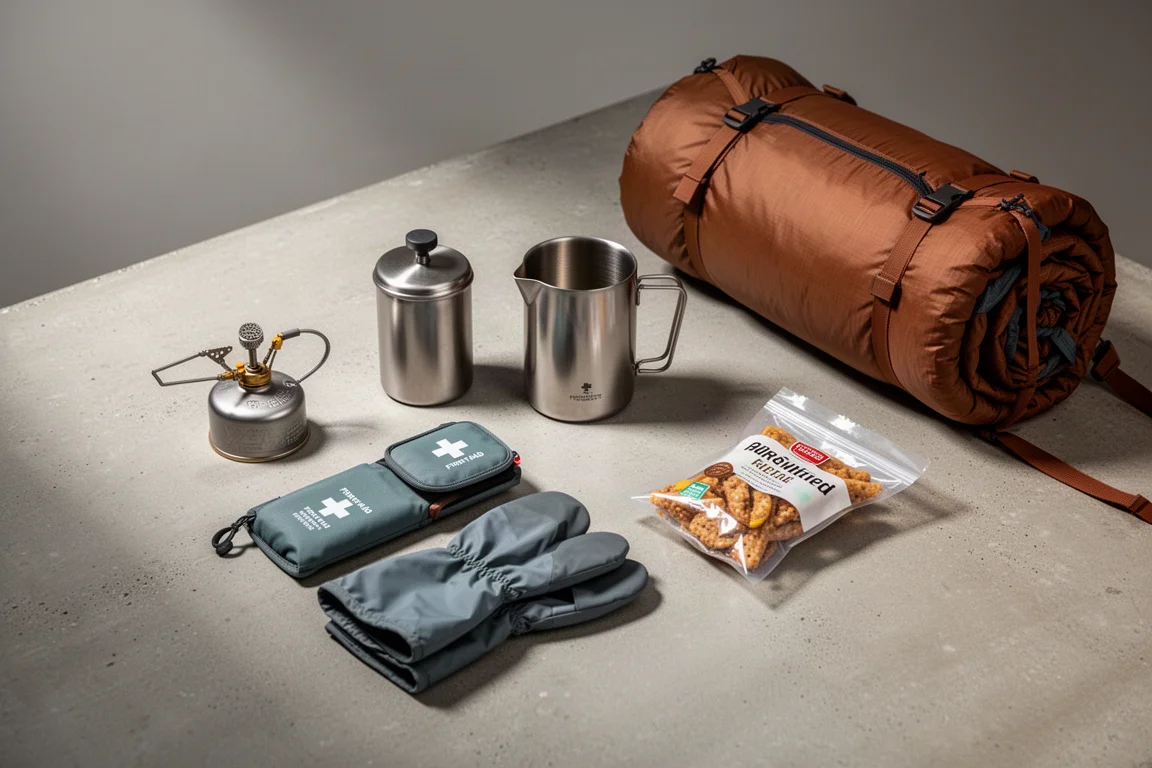
The best camping and backpacking gear tends to be the kind that removes a small, specific frustration: a stove that will not boil in wind, a pack that swallows your food bag without a fight, a shelter that takes twenty minutes to dial in after a long day on trail. This roundup covers eight items that target problems like those, ranging from a made-in-the-USA stove windscreen to a hammock that arrives with its insulation already attached.
Some of these products are new to the market, while others have been quietly earning a following for years. Each one is judged on the same terms: how much weight and packed space it costs, how well it solves the problem it was designed for, and whether the price makes sense for the trips it actually suits.
What Makes Gear Worth Packing
Weight is the first filter, but it is rarely the deciding one. A 90-gram bottle or a two-ounce saw only earns a place in a pack if it works as well as the heavier thing it replaces. Packed size matters just as much, especially for anyone carrying a lower-volume pack or squeezing food and gear into a bear canister.
Function under real conditions is the second filter. Wind, cold, and fatigue expose weak designs quickly, and gear that demands a complicated setup at the end of a long day tends to get left at home no matter how light it is.
Price is the third. Ultralight gear often costs more per gram saved, and small-batch manufacturing in the United States or Canada adds cost that a buyer should weigh against how often an item will genuinely be used.
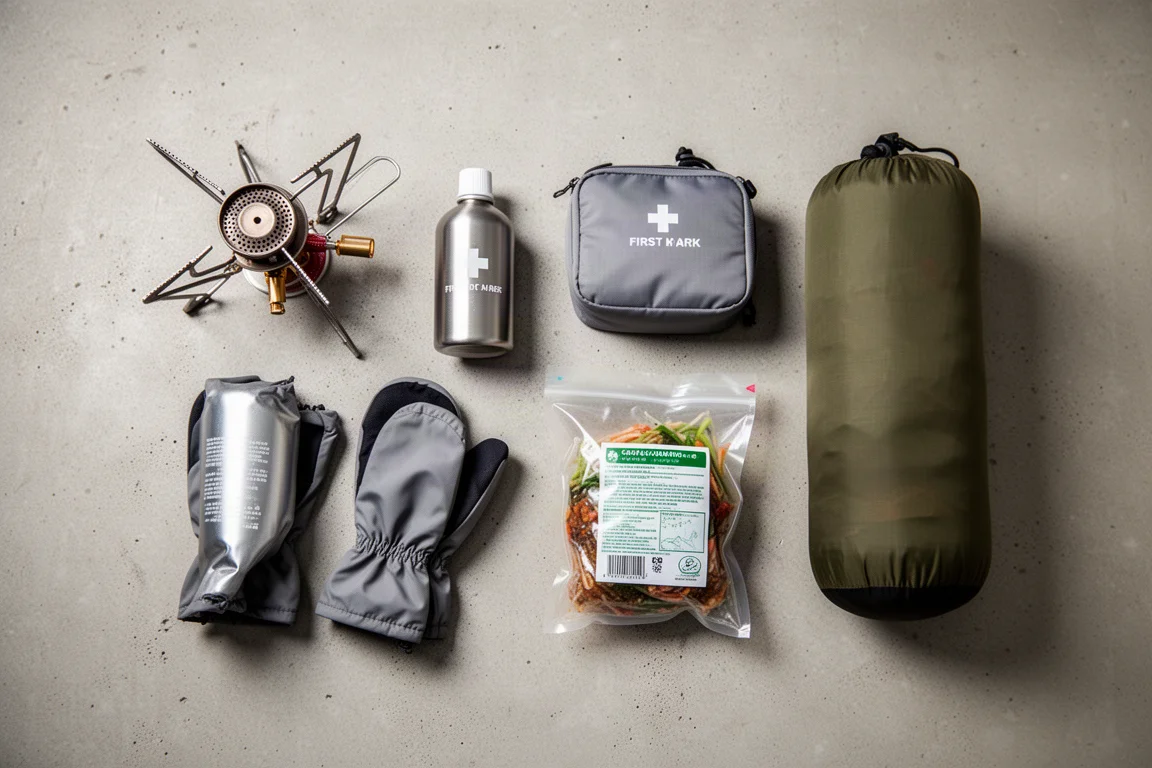
The most useful way to judge any of these items is to ask what it replaces. A windscreen that shortens boil times, a bottle that stands in for disposables, or a hammock that removes the need for a separate underquilt can justify their cost through the gear and the time they save.
Ocelot 6 Windscreen by Flat Cat
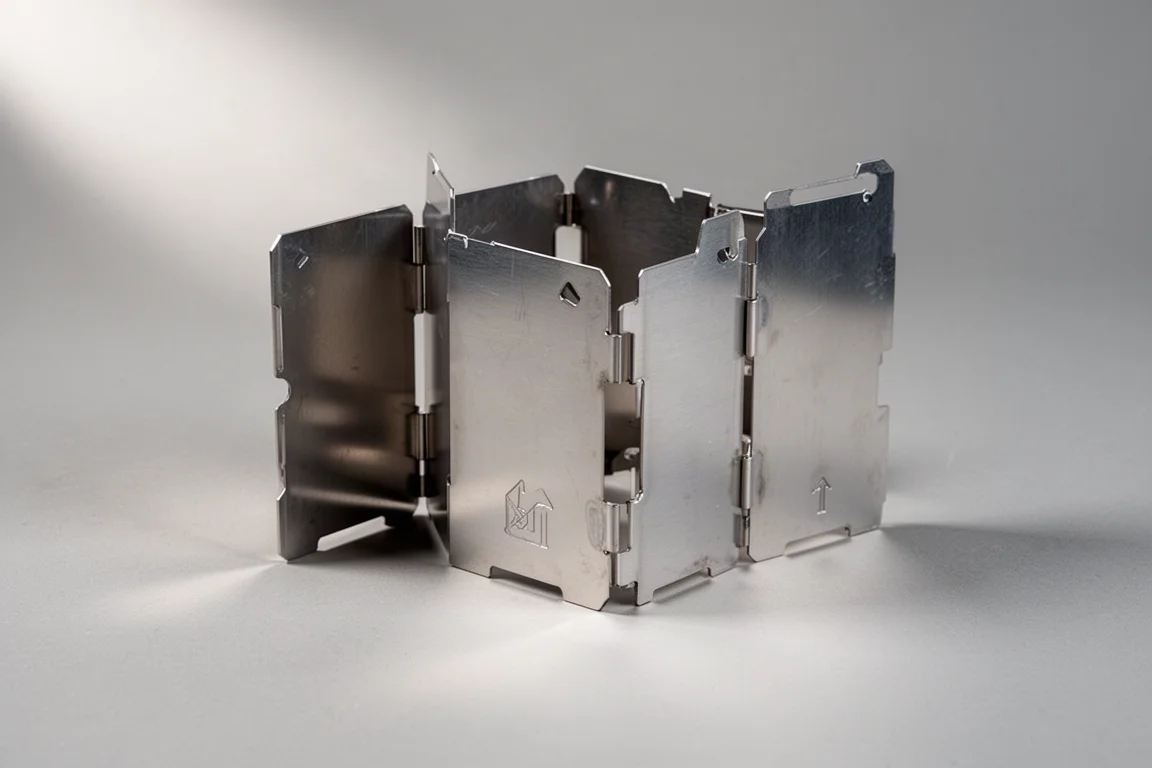
Wind is one of the most common reasons a canister stove underperforms. The Ocelot 6 is an ultralight windscreen built to fix exactly that, wrapping around the burner to shield the flame and shorten boil times in exposed campsites.
Setup is straightforward. An arrow on the screen marks the correct orientation, and once it is seated over the stove it rotates a small amount to lock into place. The screen holds its shape around a pot instead of folding flat in a gust, and when you are finished it packs down small enough to store inside the pot itself.
It is a made-in-the-USA product from a small shop, and versions are offered for a range of popular canister stoves, including common PocketRocket and WindMaster setups. That range is part of the appeal, since you are not locked into a single burner.
The trade-off is price. At around $35, the Ocelot 6 costs considerably more than most people expect to pay for a windscreen, and the cost reflects small-batch domestic manufacturing rather than exotic materials. Campers who cook in wind often, or who count fuel savings across long trips, will get more from it than someone who mostly boils water in calm conditions.
Kach Through Bottle
The Through Bottle is a reusable water bottle built as a direct alternative to the disposable sport bottles many backpackers treat as standard equipment. At roughly 90 grams it is light enough to carry without a second thought, and it is squeezable, which matters for anyone pushing water through a threaded filter.
Volume markings along the side make it easy to measure water for meals or refills without a separate cup, and it is offered in a range of colorways. The design spent a long time in development, which shows in the details rather than in any single headline feature.
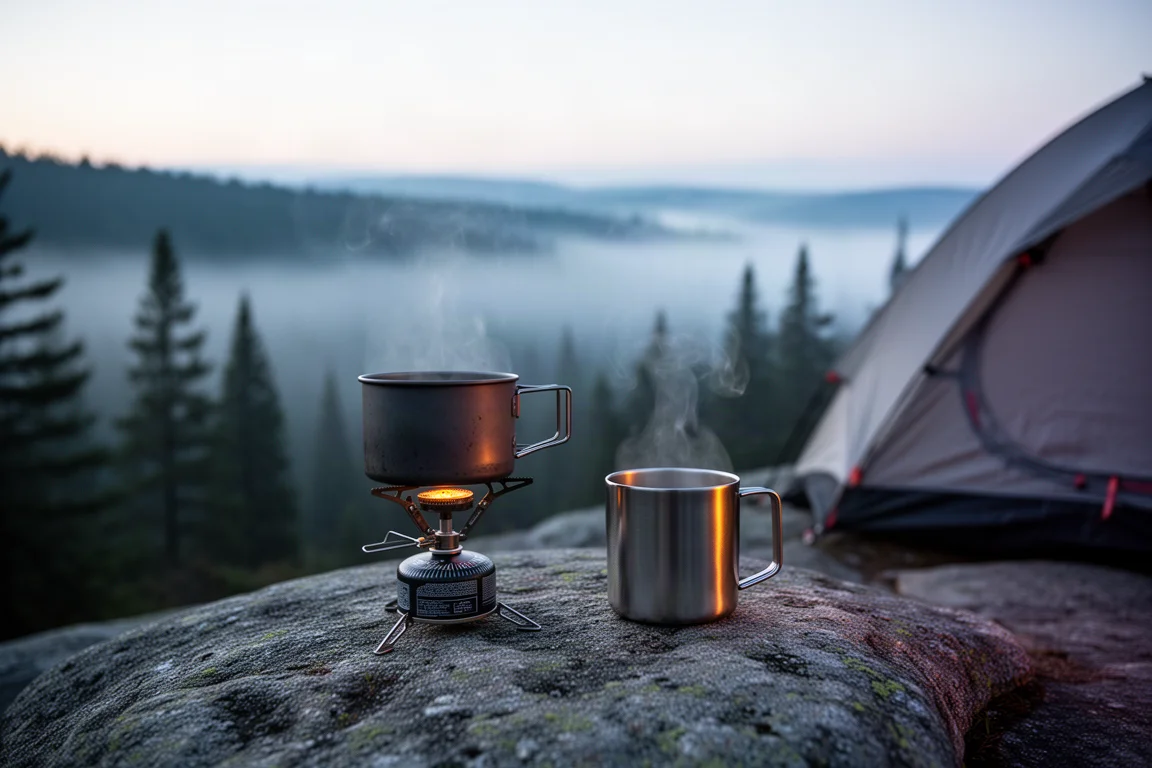
The case for it is mostly about repetition. Disposable bottles are cheap and durable, but they are still disposable, and a reusable bottle that weighs about the same and is expected to land near $12 is an easy swap for anyone who replaces bottles every season.

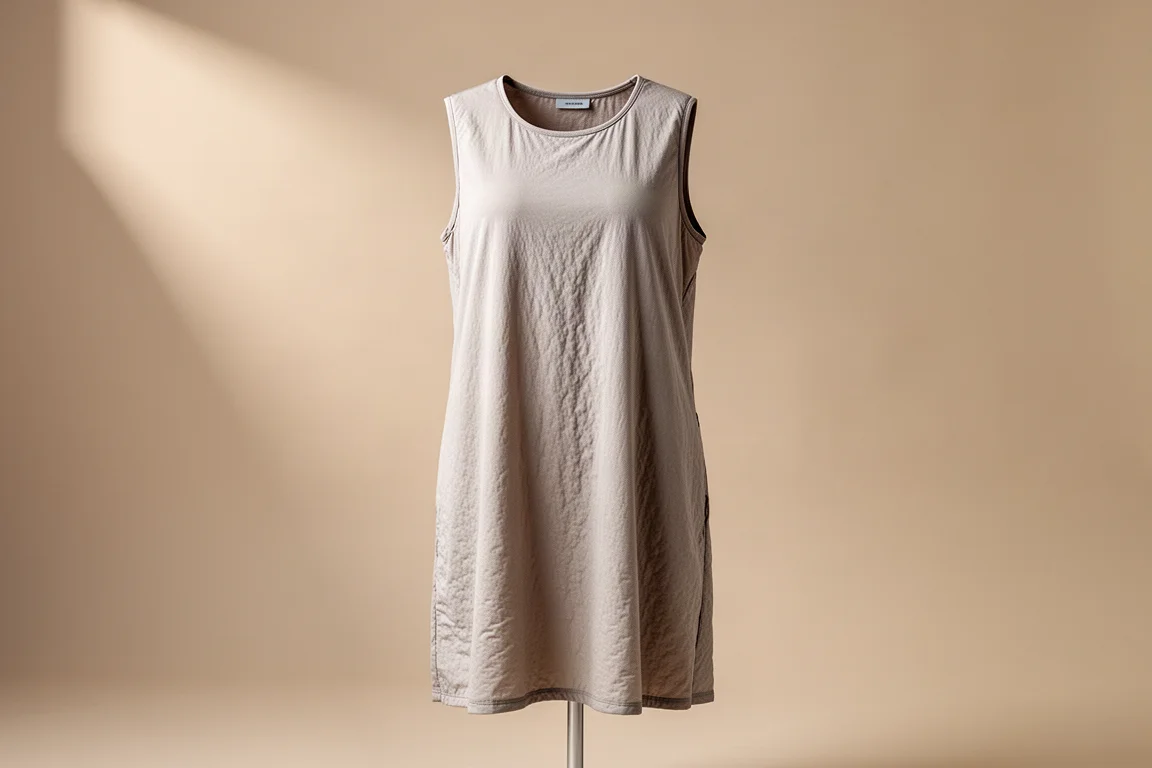
UR Ultralight Dress
The UR Ultralight Dress comes from a small Missoula-based brand and uses a Primaloft fabric that feels similar to Alpha insulation but is described as more comfortable and less clingy against the skin. That combination puts it in a hybrid space: light enough for backpacking layering, comfortable enough for everyday wear around town.
At $150 it is priced like specialist gear rather than a casual garment. Fit and comfort are personal, so the sensible approach is to think carefully about sizing and about how often a single lightweight dress would replace other camp layers already in your kit. It is a niche piece in a niche category, which makes use case more important than specs.
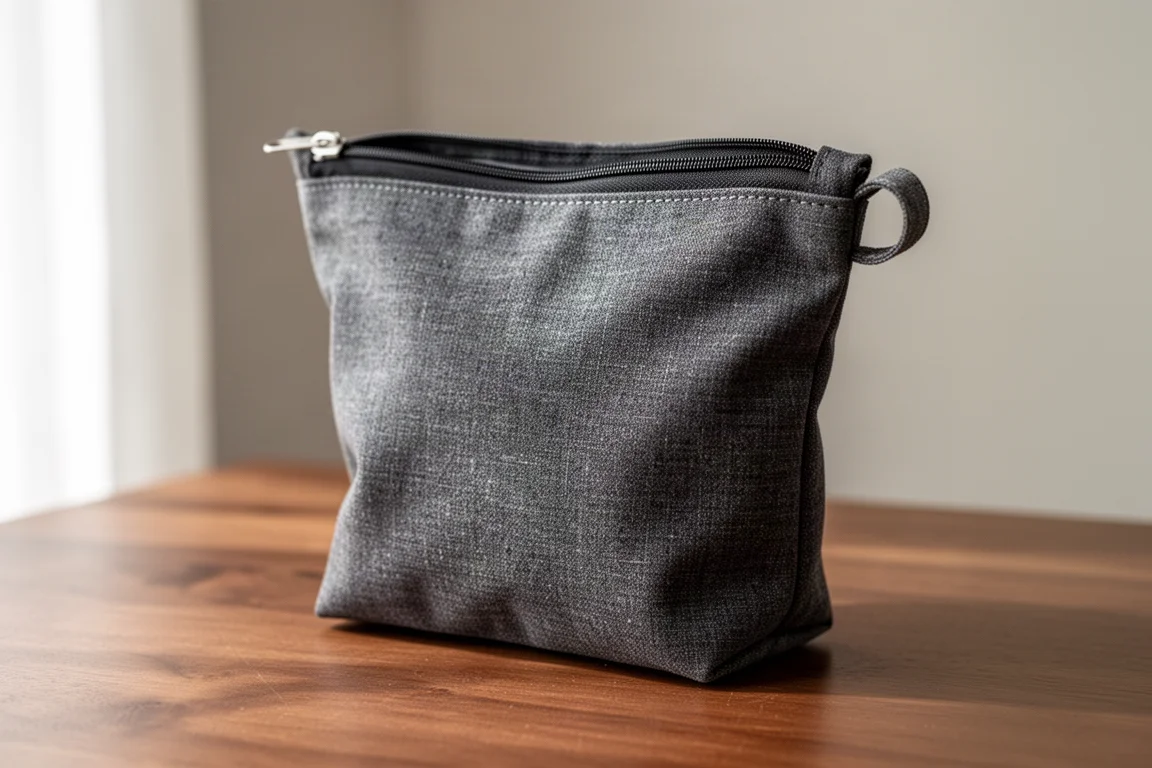
Backcountry Exposure Food Bag
Hanging or stashing food is a nightly ritual on backpacking trips, and a food bag that is easy to open, easy to see into, and easy to hang makes that ritual faster. This bag opens along the middle rather than at one end, which keeps contents accessible without unpacking everything.
The interior is available in bright colors, a small detail that stops being small when you are hunting for a snack in low light. A loop at the top handles hanging or carrying, and the standard size is designed to sit neatly inside a backpack.
It comes in a few sizes to match different trip lengths, and the standard size runs about $39, roughly in line with comparable bags on the market. The construction comes from a maker with a long background in pack design, which shows in the stitching and in the simple, durable pattern.
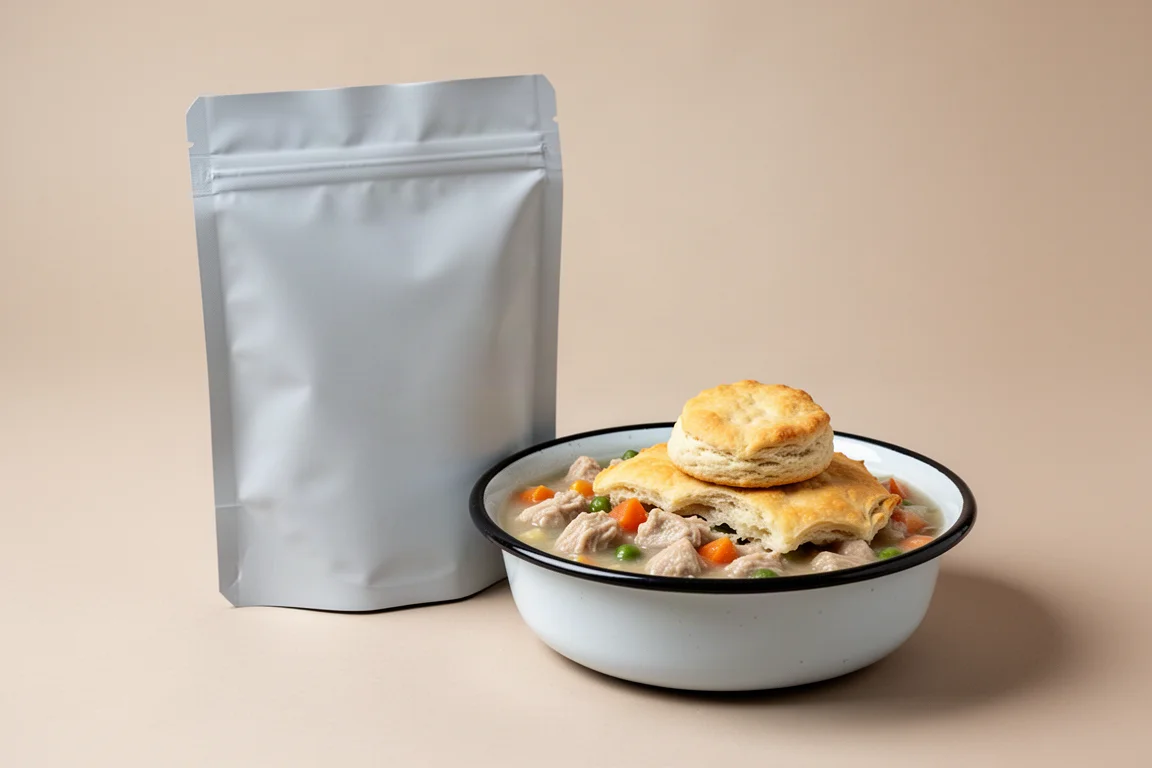
Foundation Outdoors Chicken Pot Pie
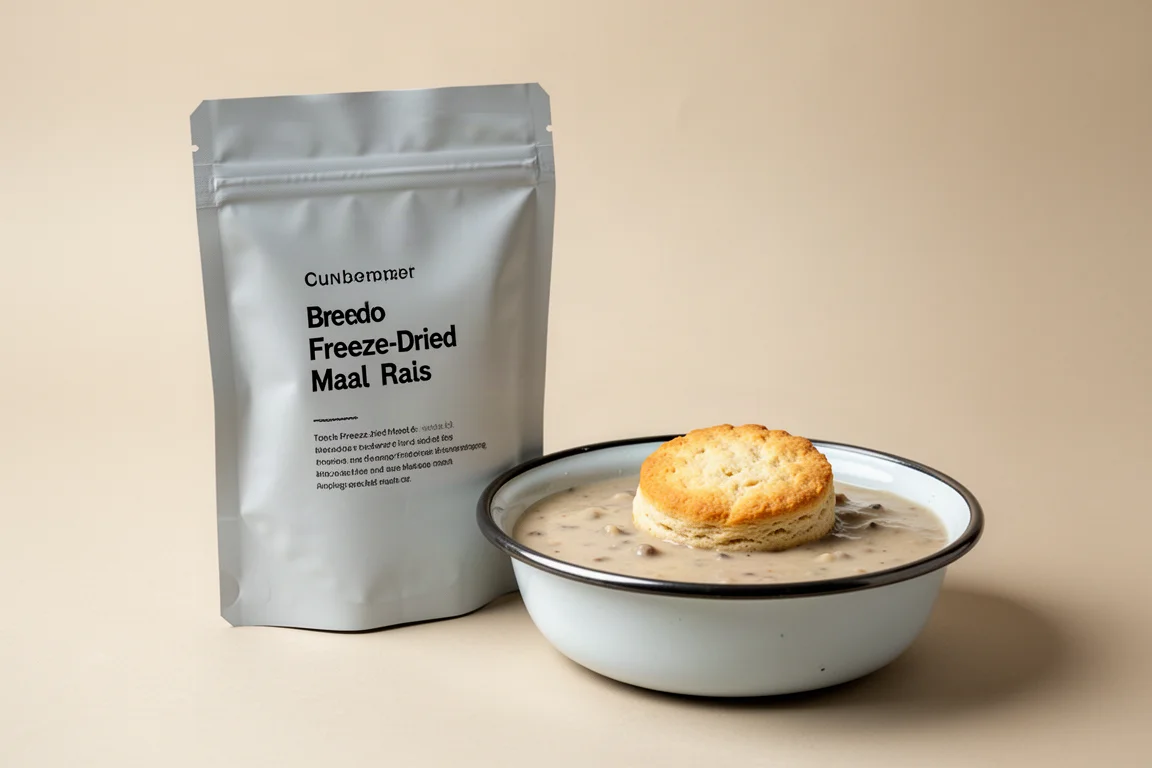
Foundation Outdoors spent years producing dehydrated and freeze-dried meals for other brands before launching its own line, and the Chicken Pot Pie shows what that experience produces. The meal is calorie dense at around 1,200 calories, includes a biscuit, and is built for the point in a trip when appetite and energy both need a boost.
Flavor holds up well once rehydrated, and the portion is substantial rather than a snack-sized pouch. Shelf life is another strength, with best-by dates running years out, which makes these meals reasonable to buy in bulk and keep for future seasons.
The main limitation is dietary. The lineup leans heavily on meat and cheese, so vegetarians will find few options here. Pricing sits in the $12 to $14 range per meal, which is competitive for a calorie-dense freeze-dried dinner.
Rehydration is the usual freeze-dried trade-off: start with less water than you think you need and add more if the texture is too thick. A meal this size is best treated as a full dinner rather than a side dish.
Foundation Outdoors Biscuits and Gravy
Biscuits and Gravy is the second meal from the same lineup and follows the same formula: a generous portion, a biscuit included, and enough calories to carry a big day. The gravy rehydrates into a thick, savory consistency rather than a thin soup, which is a meaningful difference when you are eating out of a pouch in cold weather.
Like the rest of the range, it is a meat-and-dairy-forward meal with a long shelf life and a price around $12 to $14. For anyone who eats freeze-dried dinners regularly, the combination of portion size and price makes the range worth trying.
Superior Gear Hammock
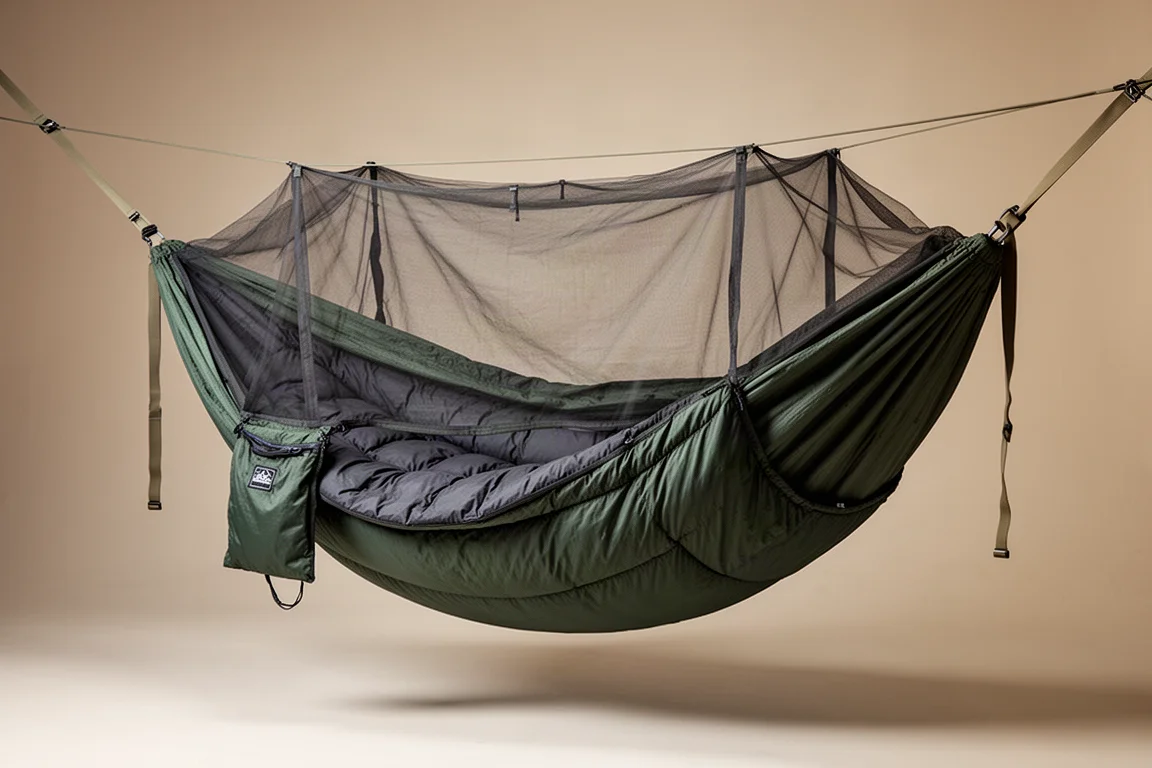
Hammock camping has a reputation for fiddling: separate underquilts, suspension angles, bug nets, and a steep learning curve that is no fun to climb at 3 a.m. Superior Gear’s approach is to combine the pieces. This hammock integrates an underquilt and a bug net into a single system, so hanging it feels closer to setting up a tent than assembling a modular sleep setup.
For tent campers curious about hammocks, that integration is the whole point. There is no underquilt to position and no separate net to attach, and the insulation stays where it belongs instead of shifting overnight. It makes the format far more approachable for a first attempt.
The price reflects what the hammock replaces. Configurations run in the $500 to $600 range depending on features, which is in line with buying a quality hammock, underquilt, and net separately, but it is still a significant outlay for anyone testing the hammock format for the first time.
Adotech Saw
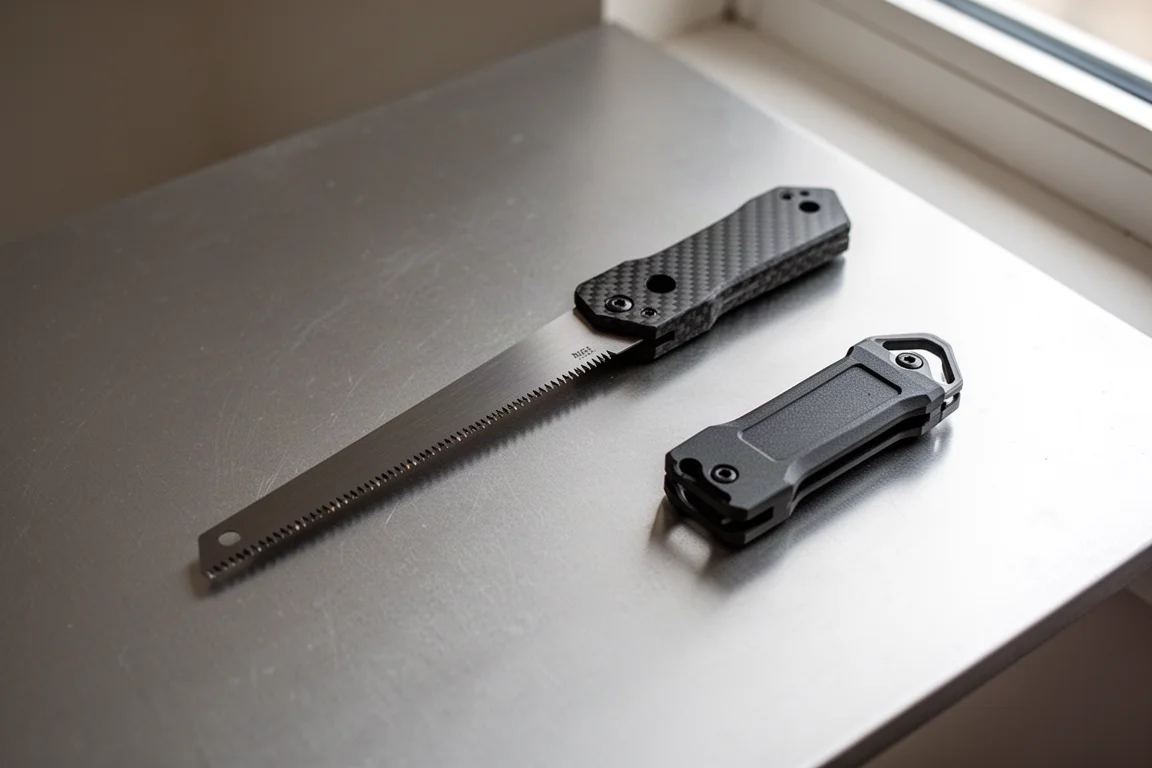
The Adotech Saw is an ultralight wood-processing tool that weighs just under two ounces, light enough to justify carrying on trips where a full folding saw would stay home. It attaches by screwing onto a compatible handle, and the build uses carbon fiber with 3D-printed components, which explains most of the price.
It is a Canadian design, and the construction feels considered rather than improvised. For clearing small branches, processing kindling, or cutting a few pieces of wood for a fire, it covers the tasks that come up most often on trail.
Two limitations are worth knowing. The blade cuts on one stroke only, so it is slower than a saw that cuts in both directions, and the blade is short enough that larger pieces of wood take more effort. At $36.50 it costs more than a basic hardware-store folding saw, but it is in a different class for weight and packability.
Buying Advice
Start with the trips you actually take. If you cook in exposed, windy places, the Ocelot 6 windscreen is the item here most likely to change your experience, even though it is the least dramatic purchase. If you replace disposable bottles every season, the Through Bottle is a low-risk swap at a similar weight.

For food, the Foundation Outdoors meals make sense for anyone who wants calorie-dense dinners with a long shelf life and does not need vegetarian options. The Backcountry Exposure food bag pairs naturally with them, since both are about making camp routines quicker and more organized.
Bigger decisions deserve more thought. The Superior Gear hammock is worth the money if you already sleep well in a hammock or you want to try the format without learning a modular system, but tent campers should be honest about whether they will hang often enough to justify it. The Adotech Saw suits anyone who wants a functional saw at minimal weight, provided you accept the single-direction cut. The UR Ultralight Dress is the most personal choice on the list, where fit and fabric comfort matter far more than any specification.
Across all eight items the pattern is consistent. The strongest picks solve a real problem, cost more than the cheap alternative, and earn their keep only if you will use them often.
Conclusion
None of these items is essential, and that is fine. Camping gear earns its place by matching a specific habit: cooking in wind, replacing disposables, eating well after a long day, or sleeping comfortably without a complicated setup.
Buy the items that fit trips you already take. The windscreen, the bottle, and the meals are easy additions that pay off quickly. The hammock, the saw, and the dress are worth buying when the use case is already clear rather than because they are clever. Choose accordingly, and the pack gets lighter while the trip gets easier.
Further reading
Related Reviews
Camping Gear
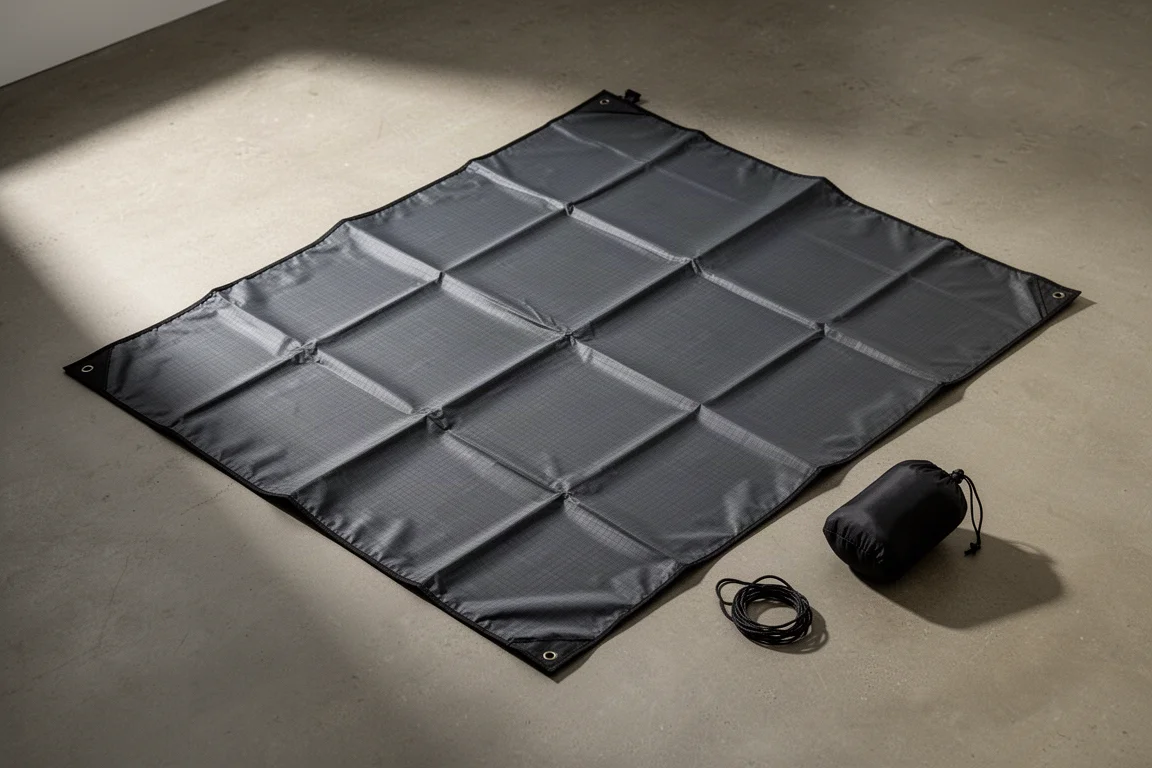
3FUL Ultralight Ground Sheet Review: A Two-Person Footprint Worth Packing
A 6.7 oz two-person ground sheet in ripstop silnylon, priced around $30. Here is what it protects, what it does not do, and who should pack it.
Camping Gear
Backcountry Light Dual-Function Tarp and Floor Review: A Footprint First
A dual-purpose tent floor and tarp that keeps falling rain off you, but cannot block wind. Here is where it works and where it does not.
Camping Gear
Best 2-Person Camping Mattresses for Couples: 10 Options Compared
A practical comparison of ten two-person camping mattresses, covering self-inflating pads, air pads and air mattresses for couples.