Camping Gear
Camping and Backpacking Gear Roundup: 10 Products Worth Keeping or Returning
Ten camping and backpacking products assessed on weight, build quality, and price, with a clear keep-or-return verdict for each one.
Introduction
Every season, a fresh wave of camping and backpacking gear arrives with bold claims attached. Some of it earns a permanent spot in the pack. Some of it goes straight back to the retailer. This roundup covers ten products, from freeze-dried meals and sleep systems to power banks, boots, camp comfort accessories, and bear spray holders.
The goal is simple: say clearly which items are worth keeping, which are worth returning, and why. Weight, build quality, and real-world use case do most of the work in that decision.
How These Products Were Evaluated
Each item was judged on four things: how much it weighs, how well it fits a specific trip type, how it is built, and whether the price matches what it delivers. Gear that only makes sense for car camping was not penalized for being heavy, but it was flagged as unsuitable for backpacking. Gear marketed for the backcountry was held to a stricter standard on weight and bulk.
A second factor is honesty about use case. A 770 g fan and light can be a genuinely good product for a base camp and a genuinely poor one for a long hike, and both statements can be true at once. Where a product splits opinion, the trade-off is spelled out rather than smoothed over.
Mountain House Cheesy Pepperoni Pizza Bowl: The Standout Meal
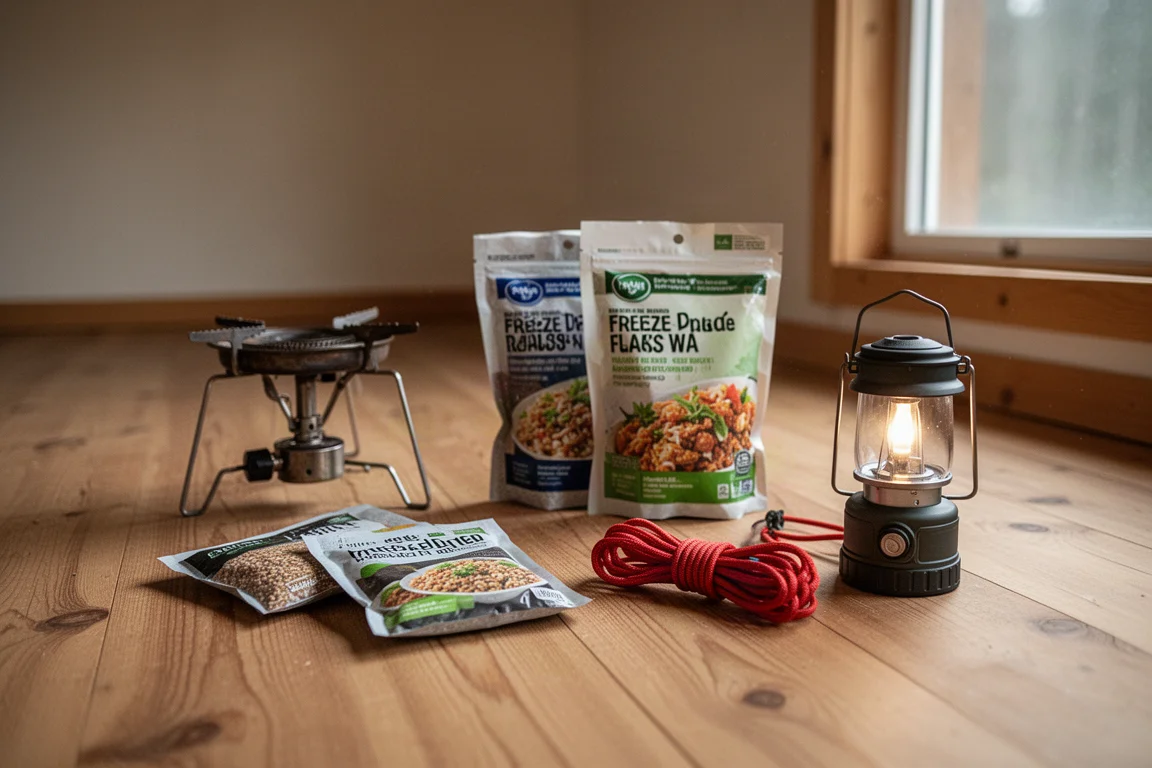
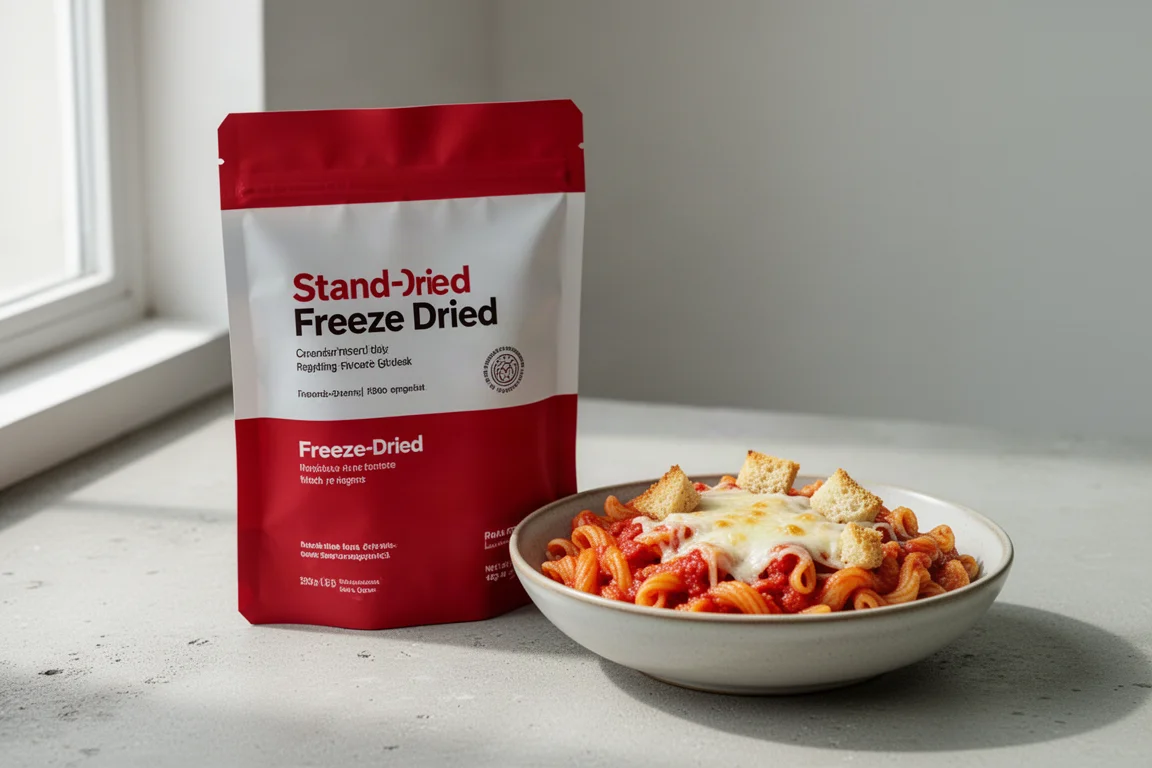
The Cheesy Pepperoni Pizza Bowl is a two-serving freeze-dried meal with 740 calories and 28 g of protein per package. The contents list bread sauce, mozzarella, spicy pepperoni, and small crust bites mixed through the pouch.
Boiling water is all it takes. The result tastes recognizably like pizza rather than a generic savory pouch, and the crust pieces give it a texture most freeze-dried meals lack. It is the kind of meal that would be eaten at home, not only on a trail.
Two details are worth knowing. The package carries 1,940 mg of sodium, which is typical for long shelf-life food but worth noting if you watch salt intake. It is also not gluten free, since the crust bites contain wheat. The brand lists gluten-free, dairy-free, and vegetarian options elsewhere in its range.
At $13 per package, the two-serving format makes the price easier to justify than a single-serving pouch.
Daran New Energy 28,000mAh Battery Bank: Capable but Modest
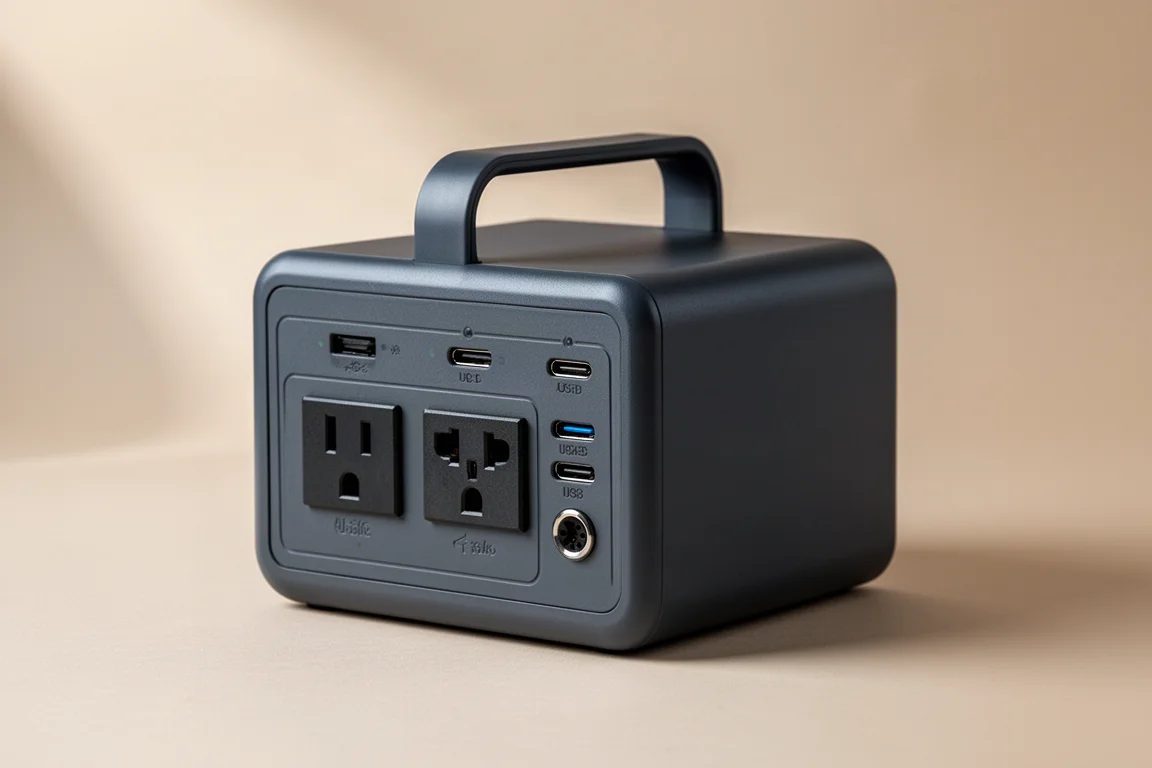
This unit packs two AC outlets, two USB-C ports, and a DC connector into a body weighing around 2.5 lb. It recharges from a solar panel, a car socket, or USB-C, which gives it more flexibility than a plain power bank.
The catch is capacity. At 28,000mAh it holds less than the size and weight suggest, so it is best treated as a short-trip solution for phones, lights, and small devices rather than a serious off-grid power source.
At $66 the price is reasonable for the feature set. The limitation is the capacity-to-weight ratio, not the cost.
Zenbivy Dirt Bed Fast Sheet Bundle: The Comfort Winner
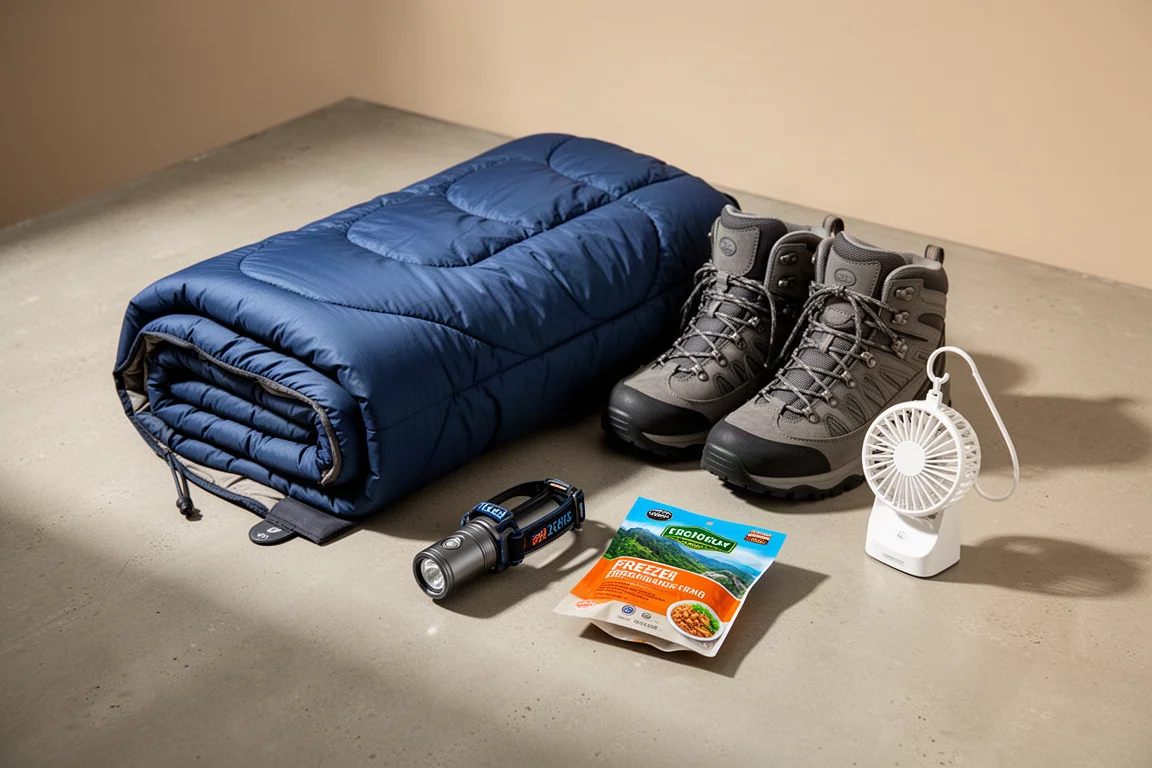
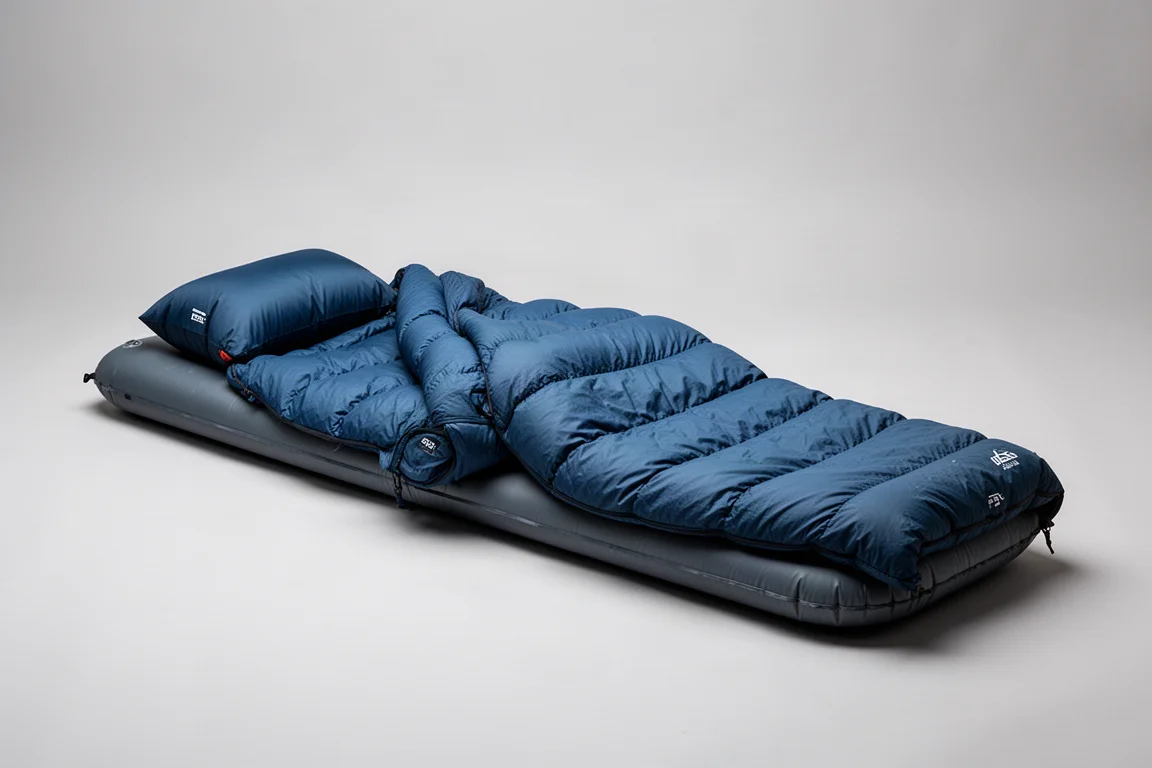
The Dirt Bed Fast Sheet Bundle arrives as a complete sleep system: an ultralight dirt bed quilt, an ultralight mattress, an uninsulated fast sheet, a pillow, and a dry sack. The quilt uses Muscovy down, which is highly compressible and packs down small.
The system is rated to 25F. It has been used at around 33F and stayed warm with no sense of chill, which suggests the rating has some headroom in real conditions. The fabric and fill feel closer to a standard Zenbivy setup than to a stripped-down ultralight bag, so comfort does not suffer for the weight savings.
At $564 for everything, it is not a budget purchase, but it replaces several separate purchases and arrives as a matched system.
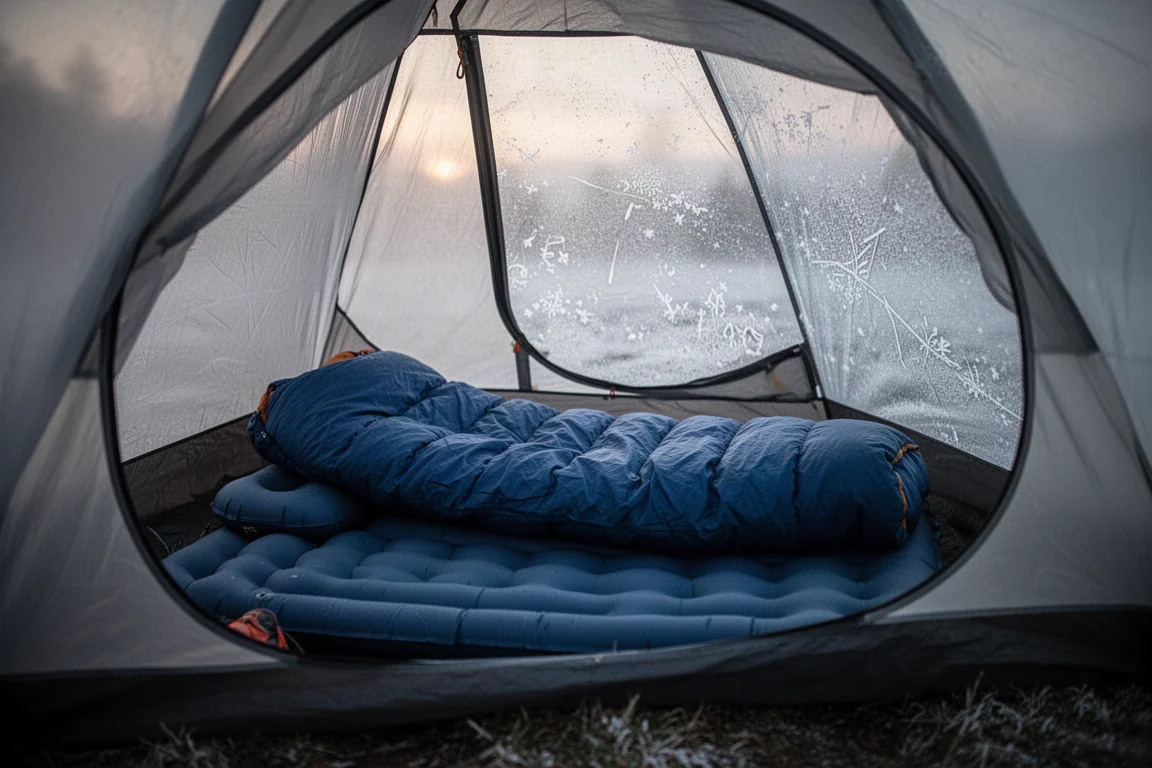
The practical case for the bundle is that it removes compatibility guesswork. Quilt, sheet, mattress, and pillow are designed to work together, and the whole kit compresses into the included dry sack.
Oboz Catabatic RT Mid GTX Waterproof: A Boot for Boot People
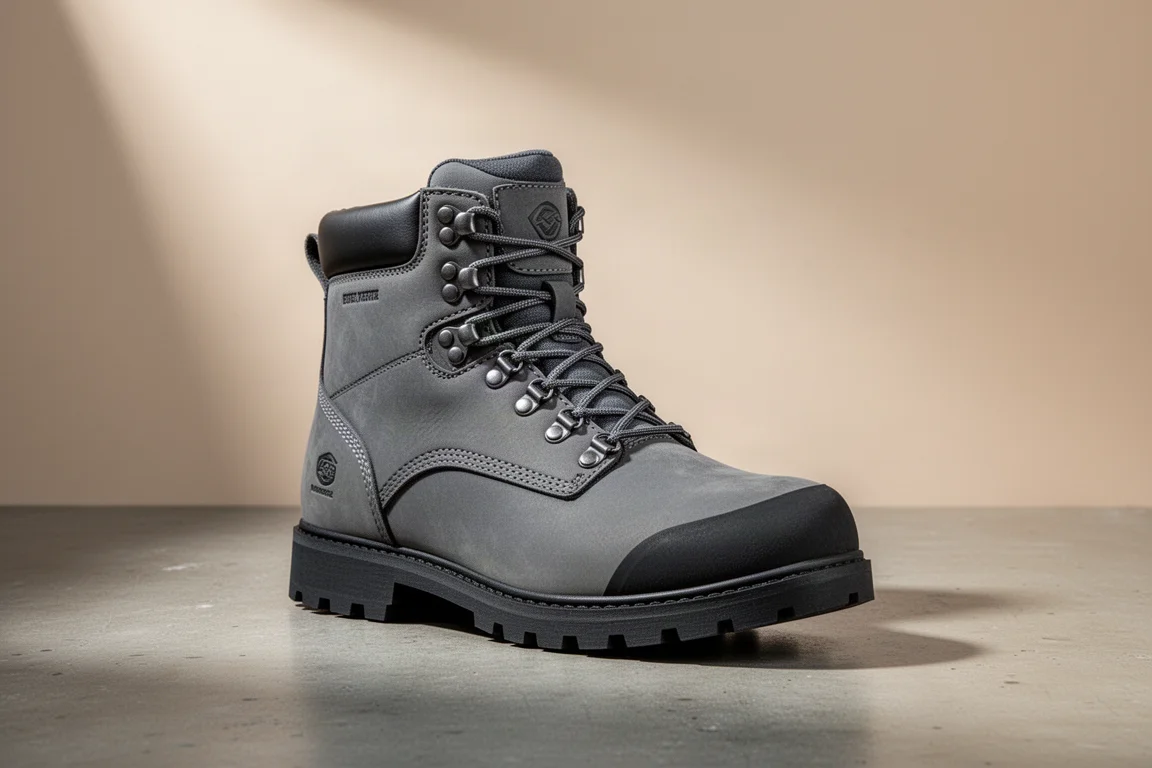
The Catabatic RT Mid GTX is a waterproof mid-height boot with a Gore-Tex membrane and a weight of 16.2 oz (about 450 g) per boot. That is light for the category, and the boot feels closer to a shoe underfoot than a traditional leather hiker.
Oboz positions it for fast day hikes and moving quickly across terrain, and that is where it makes the most sense. The trade-off is stiffness. For backpacking with a loaded pack, many hikers will still prefer a trail shoe, and this boot is not the most flexible option for long days on trail.
Sizing runs slightly large, so there is extra room in the toe box. At $220 it is a considered purchase rather than an impulse buy.
Nextorch E Star Headlamp: Bright but Fiddly
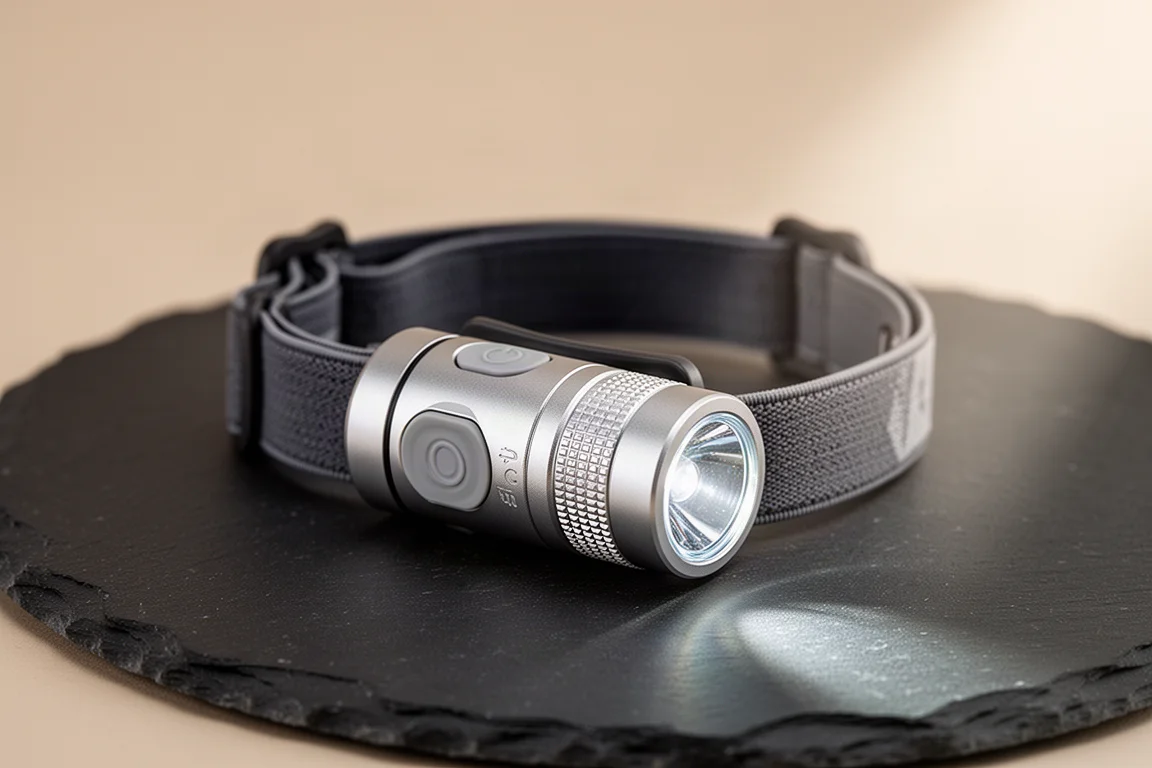
The E Star delivers 1,300 lumens with five modes, including a red light and an SOS setting. Output is adjusted with a variable brightness dial, and the rechargeable version ships with a spare battery. A cheaper AAA version is also available.
Build quality is solid, but the control scheme is the weak point. Powering the light on and off requires a twist, which is hard to confirm by feel once the lamp is on your head. For hiking, a simple off button would be easier to live with.
The rechargeable version costs $70 and the AAA version $55. It is a well-made light, but it is heavier and bulkier than the headlamps most hikers carry.
Warm Co Camping Fan, Light, and Power Bank: The Sleeper Hit
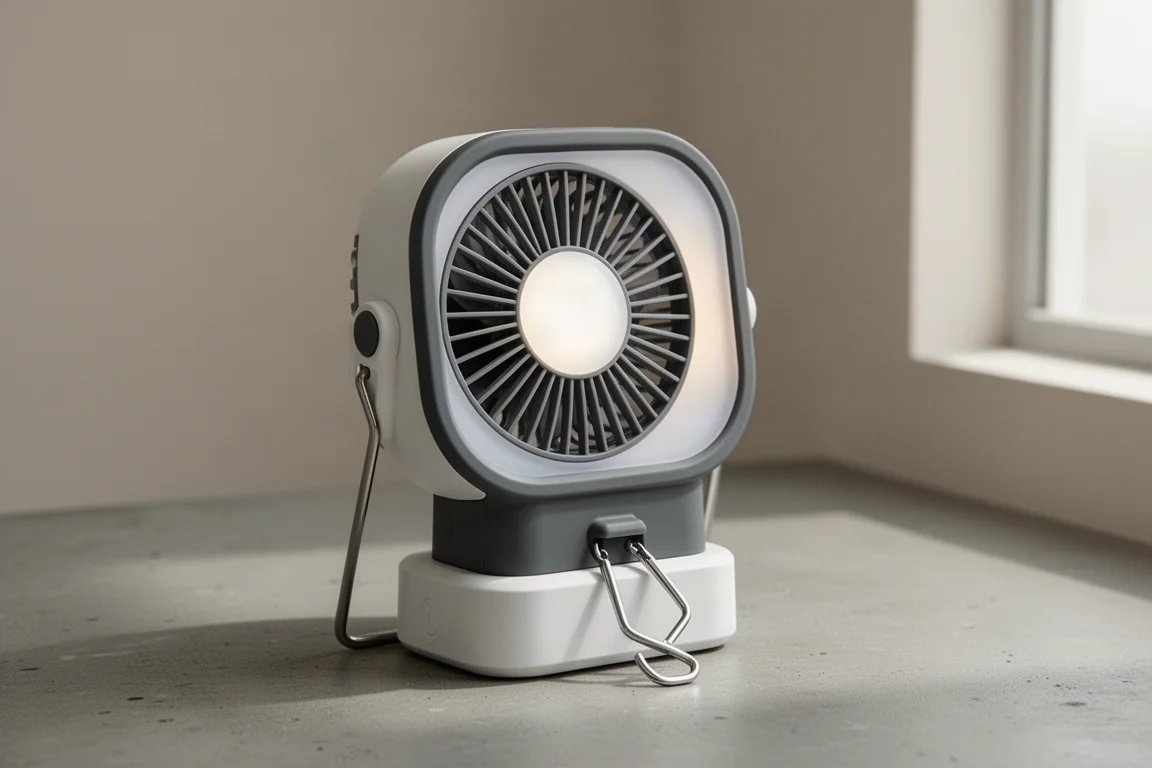
This is the kind of accessory that looks like a gimmick and turns out to be genuinely useful. One unit combines a four-speed fan, an adjustable light, and a 20,000mAh battery that can charge a phone over USB-C.
Runtime runs from 15 hours on the highest fan setting to 48 hours on the lowest. A metal hook on the base lets it hang from a tent loop or a branch, and the build feels more substantial than the price suggests.
The obvious caveat is weight. At 770 g it has no place in a backpacking kit. As a car camping, base camp, or backyard accessory, it earns its place at $45.
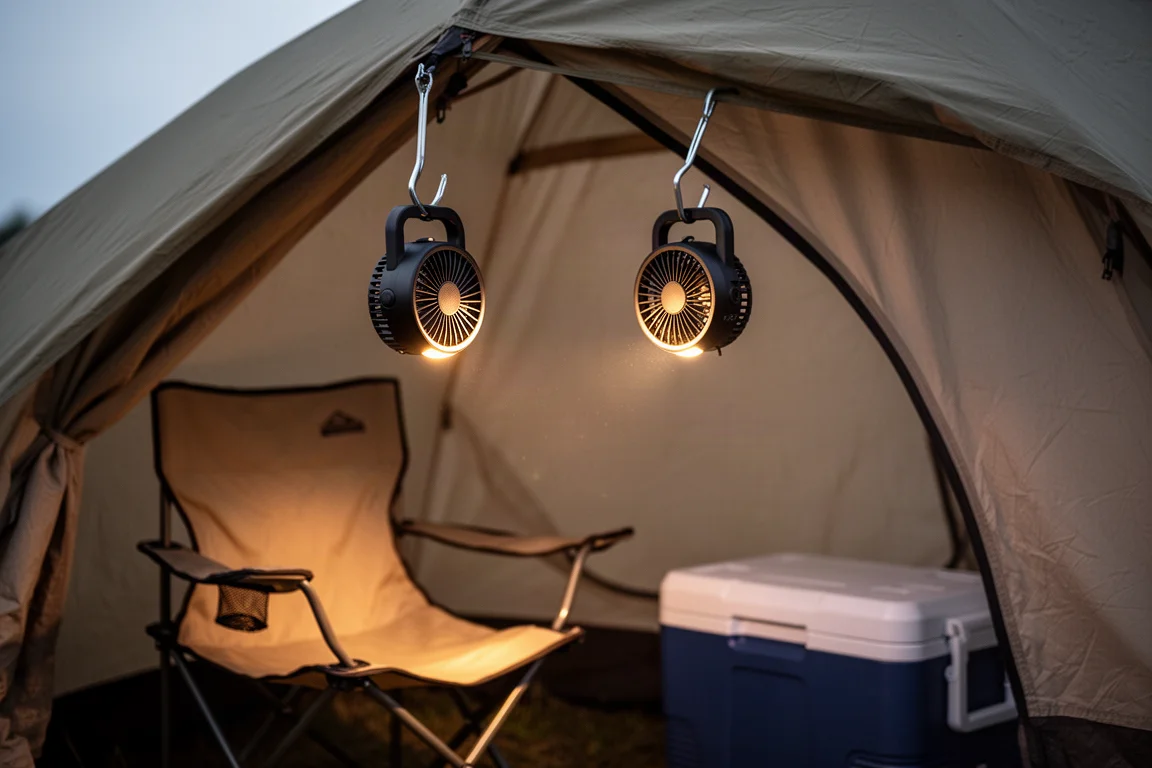
That combination of fan, light, and usable battery capacity is rare at this price, and it is the reason this unit is the most pleasant surprise of the batch.
Warder Ultralight Backpacking Saw: Light, Priced High
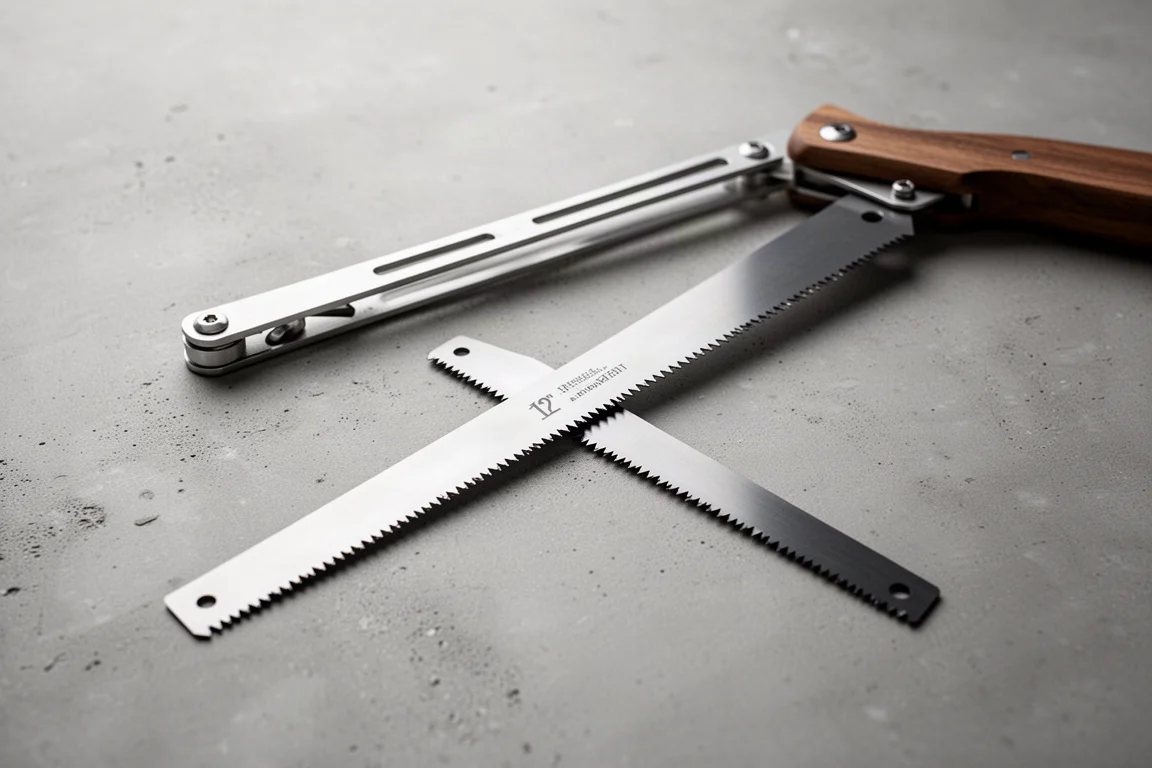
The Warder saw weighs about 6 oz (170 g) and holds a 12-inch blade, with the option to fit shorter blades if needed. For winter trips where cutting firewood matters, that is a reasonable weight to carry.
Two issues hold it back. There is no blade lock, so extra care is needed in use. And at $38, the price sits well above what the build and finish suggest.
Evolved Supply Co. Evolved Booties: Warm Feet, Minimal Weight
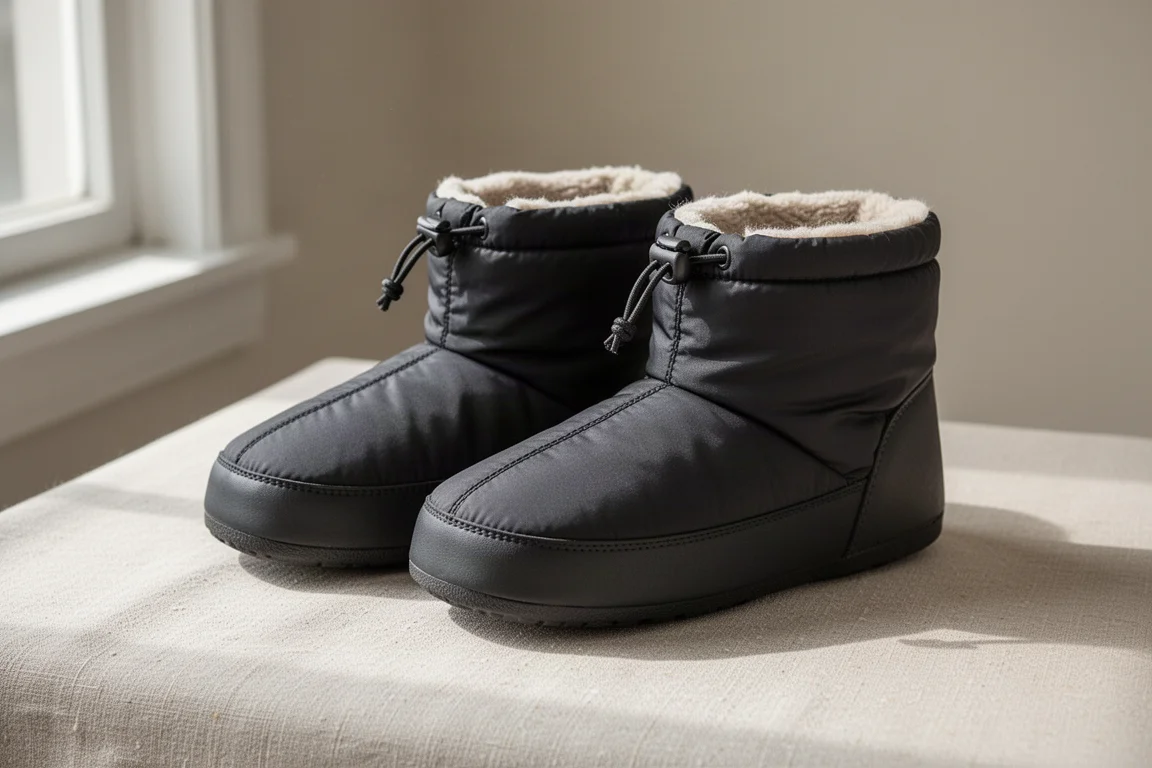
The Evolved Booties take the idea of a camp bootie and turn it into something closer to a sock. Inside there is Alpha Apex synthetic insulation and a breathable liner, wrapped in a very thin nylon shell, with a cord lock closure at the ankle.
Weight is the headline: about 2.1 oz (60 g) per pair in a medium. Sizing runs from small to extra large and covers up to a men’s 14, with the women’s extra large reaching a 13 or 14.
They are made in the USA and cost $70, which is in line with comparable insulated camp footwear. For anyone whose feet get cold at night, the comfort gain is worth more than the weight penalty.
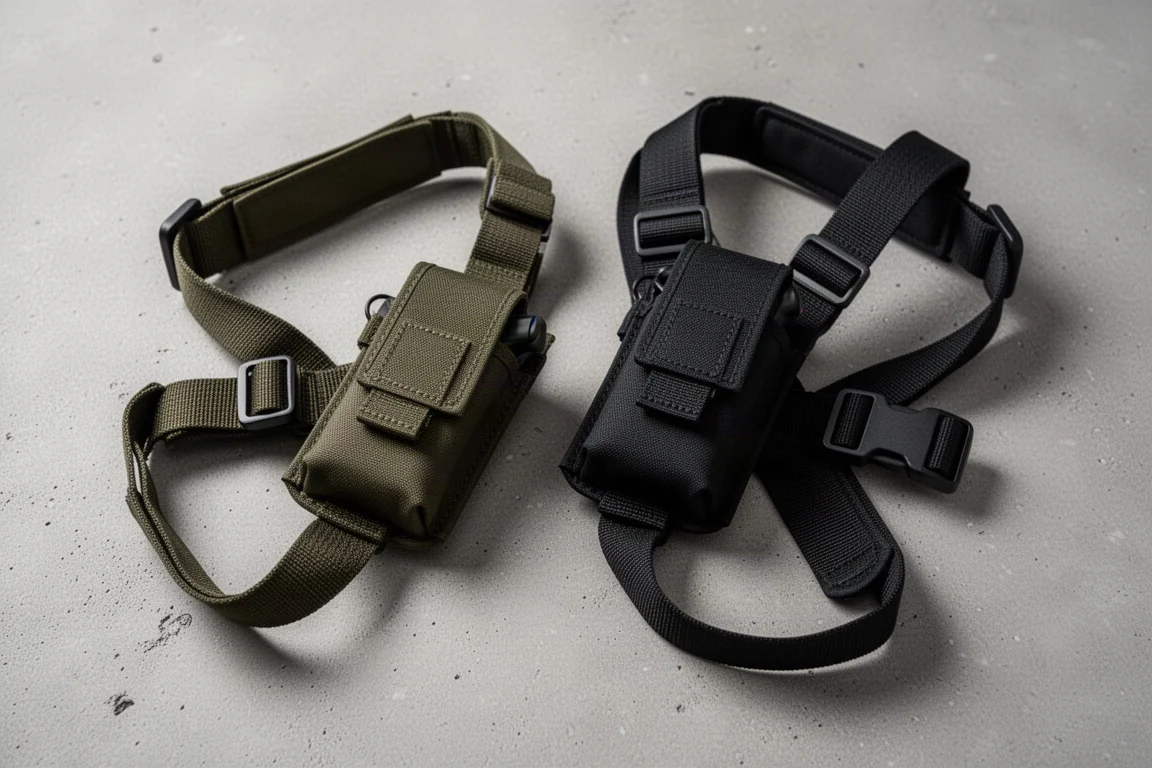
Grizzly Dude Bear Spray Holders: Fast Access in Bear Country
These holders come from a designer with direct, repeated experience of grizzly encounters, and that background shows in the design priorities. The goal is straightforward: keep bear spray where it can be reached instantly rather than buried in a pack.
Two mounting styles are available, one for the thigh and one for the chest. Both keep the canister oriented for a quick draw, which matters in the moments when a bear encounter actually happens.
For hunters and anyone who spends time in bear country, this is a practical piece of kit rather than a novelty. It is specialist gear, and it only makes sense if you already carry spray.
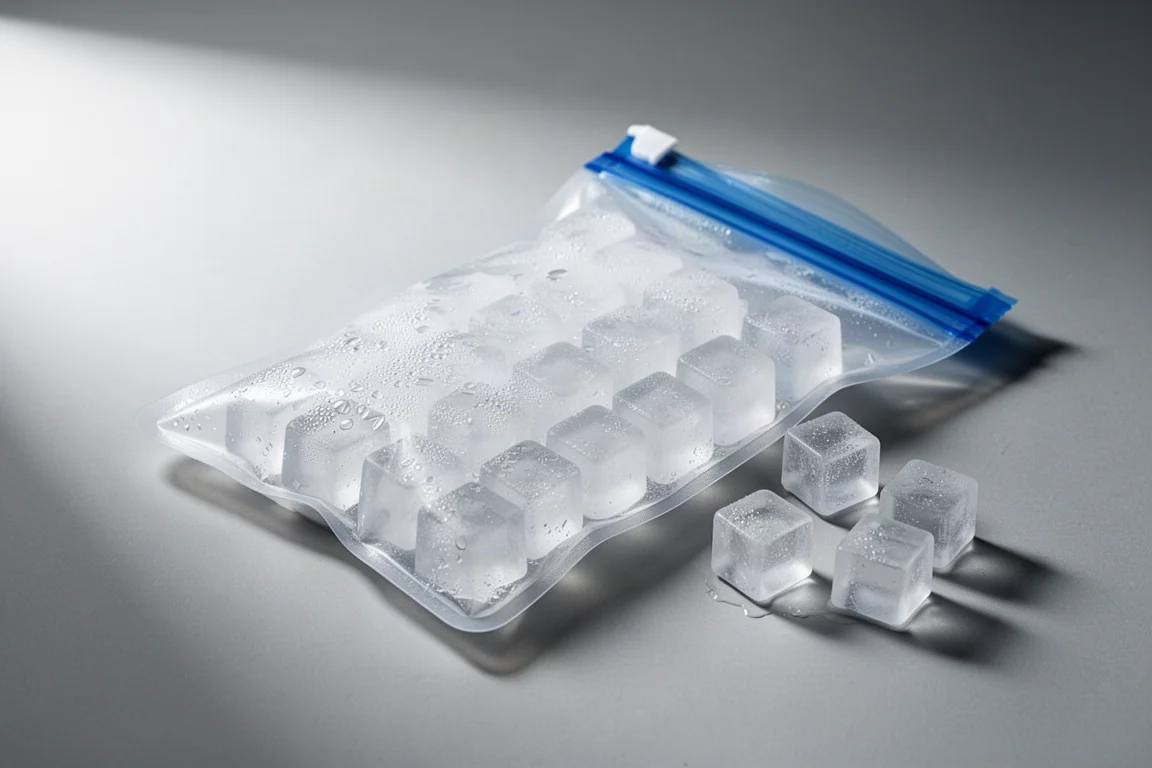
Zero Ice Reusable Ice Cubes: A Daily-Use Cooler Alternative
Zero Ice takes a different approach to keeping a cooler cold. The cubes freeze inside their own pouch, then go straight into the cooler. The company claims a single set replaces a 10 lb bag of ice and stays cool for up to 48 hours.
In practice they hold their chill well over a few hours, and unfrozen they feel like a gel pack. The design is aimed at everyday use rather than backcountry trips, and they are far too heavy to consider carrying on a hike.
The problem is price. At $60 per bag, they cost far more than simply buying ice when you need it.
Buying Advice: Match the Gear to the Trip
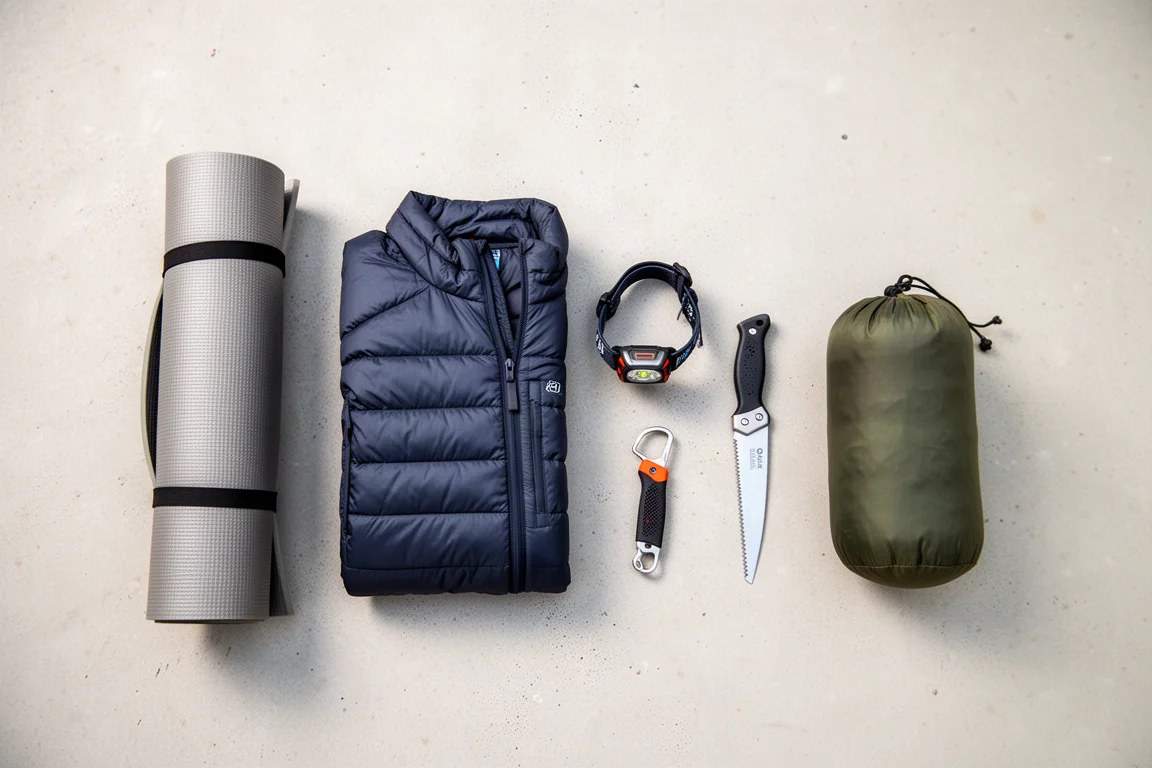
The pattern across this batch is clear: the products that earn a place in a pack are the ones that solve a specific problem at a sensible weight. The Zenbivy bundle and the Evolved Booties both add real comfort for very little carried weight. The Mountain House pizza bowl delivers on flavor and calories for the price.
Power and comfort accessories need a harder look. The Daran battery bank and the Warm Co fan both work well, but neither belongs on a backpacking trip, and both are better judged as car camping purchases. The Nextorch headlamp and the Warder saw are capable products whose controls or pricing make them hard to recommend over lighter, cheaper alternatives.
Price is the other dividing line. $45 for a fan, light, and 20,000mAh battery is easy to justify. $60 for reusable ice cubes and $38 for a saw without a blade lock are harder cases to make when simpler options exist.
Conclusion
Ten products, and a fairly even split. The Zenbivy Dirt Bed Fast Sheet Bundle, the Mountain House Cheesy Pepperoni Pizza Bowl, the Evolved Booties, the Warm Co fan and light, the Oboz boots, and the Grizzly Dude holders all do their job well enough to keep. The Daran power bank, the Nextorch E Star, the Warder saw, and the Zero Ice cubes each have a clear reason to go back.
The useful takeaway is to buy for the trip you actually take. Weight matters on the trail, price matters everywhere, and the best gear is the gear that matches both.
Further reading
Related Reviews
Camping Gear
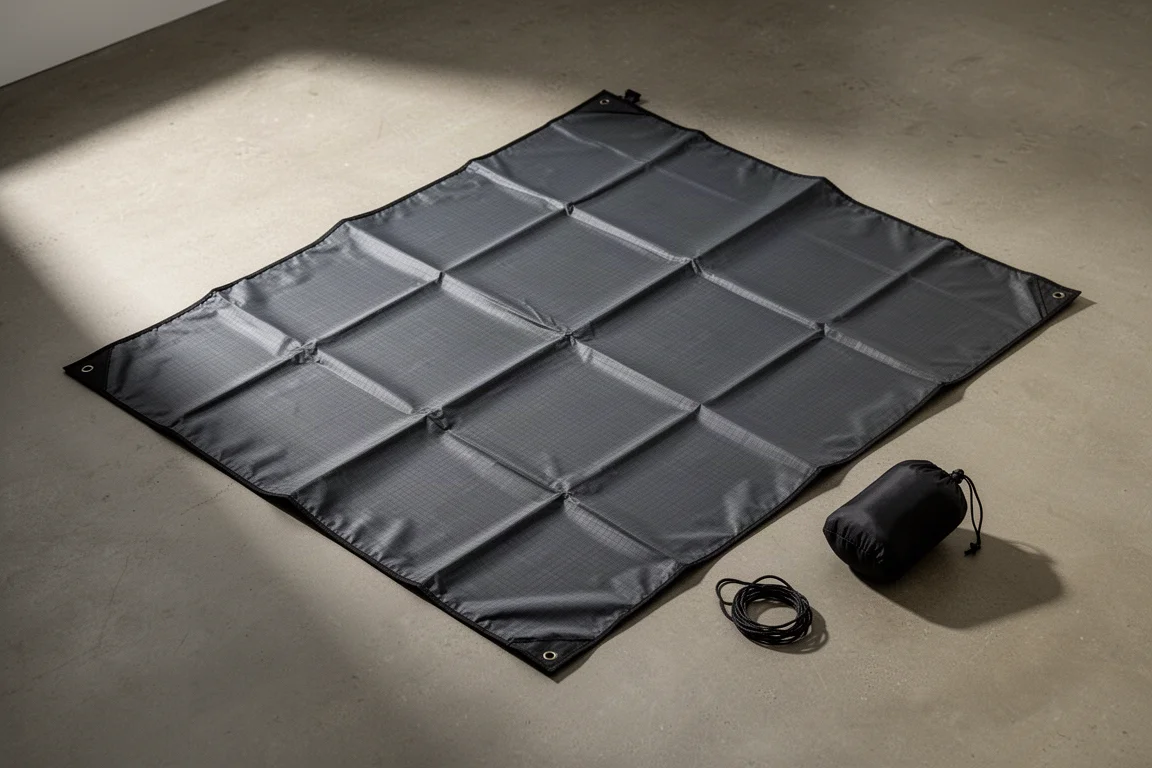
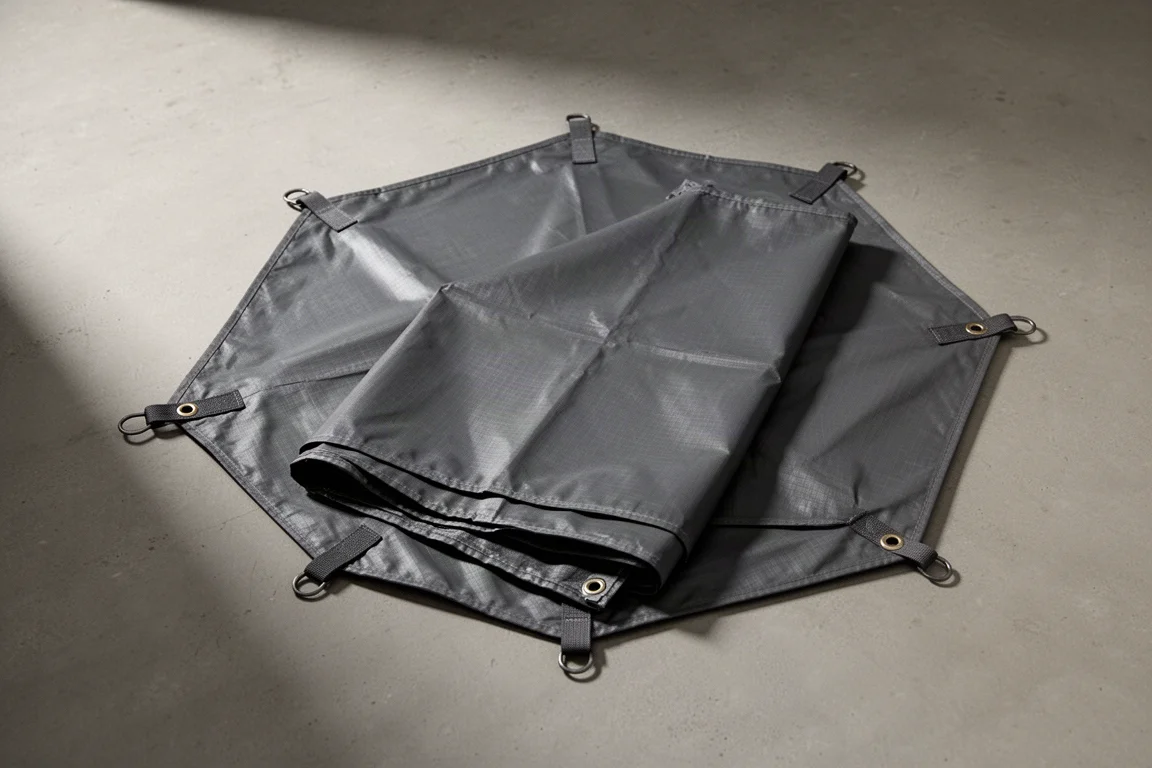
3FUL Ultralight Ground Sheet Review: A Two-Person Footprint Worth Packing
A 6.7 oz two-person ground sheet in ripstop silnylon, priced around $30. Here is what it protects, what it does not do, and who should pack it.
Camping Gear
Backcountry Light Dual-Function Tarp and Floor Review: A Footprint First
A dual-purpose tent floor and tarp that keeps falling rain off you, but cannot block wind. Here is where it works and where it does not.
Camping Gear
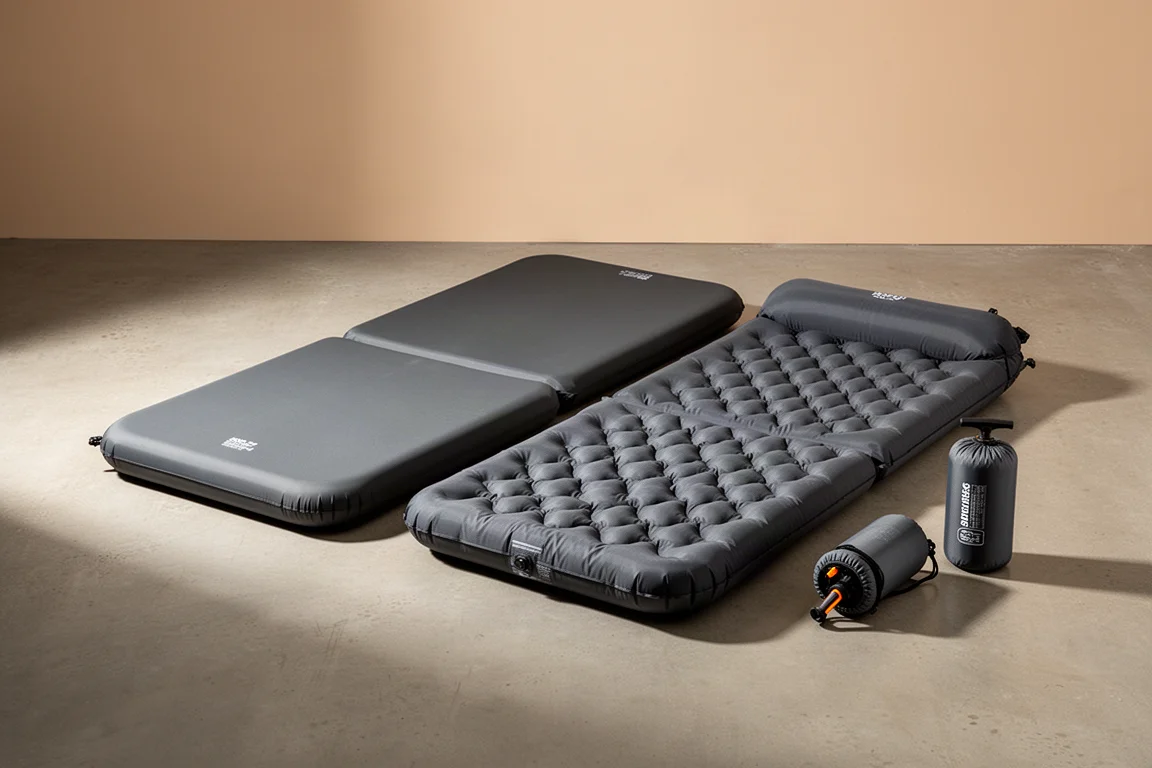
Best 2-Person Camping Mattresses for Couples: 10 Options Compared
A practical comparison of ten two-person camping mattresses, covering self-inflating pads, air pads and air mattresses for couples.