Outdoor Gear
Camino Gear Review: 10 Products That Held Up Over 800 Kilometres
A field-tested look at ten pieces of long-distance walking gear, from backpacks and trail runners to socks, sun cream, and a rain jacket.
Introduction
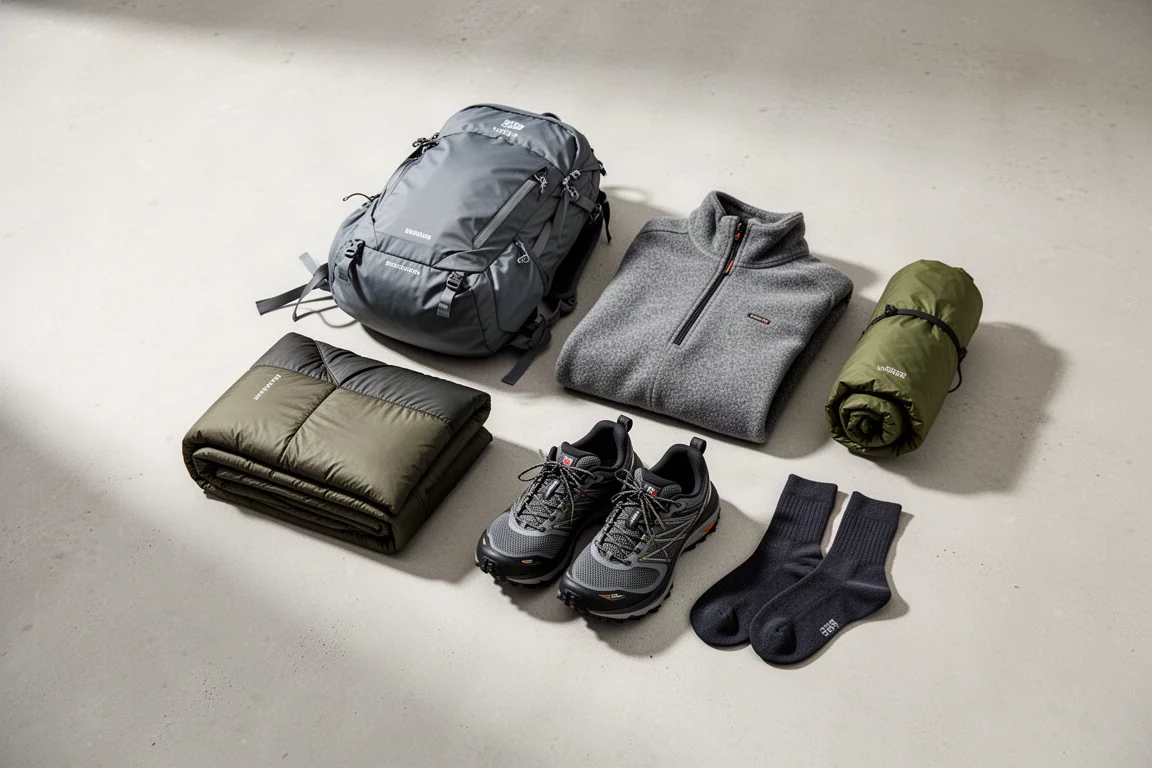
A long-distance walk is the most honest gear test there is. Everything in the pack gets carried every day, used in whatever weather arrives, and judged by whether it made the day easier or heavier. This route ran 34 days from Saint-Jean-Pied-de-Port to Santiago de Compostela, including two rest days, for 32 days of walking and 808 kilometres covered. The profile was close to even, with roughly 14,500 metres of climbing and 14,316 metres of descent. The walk finished with no injuries and almost no blisters, which is partly good fortune and partly the result of gear that behaved predictably.
Below are ten items that made the journey, how each one performed over five weeks of daily use, and the trade-offs worth knowing before you pack something similar.
How This Gear List Was Put Together
The working rule was simple: every item had to be touched at least once during the first week. Almost everything passed. The exceptions were a first aid kit, which is exactly how a first aid kit should behave, and a spare half-litre water bottle that stayed in its pocket from the first day to the last.
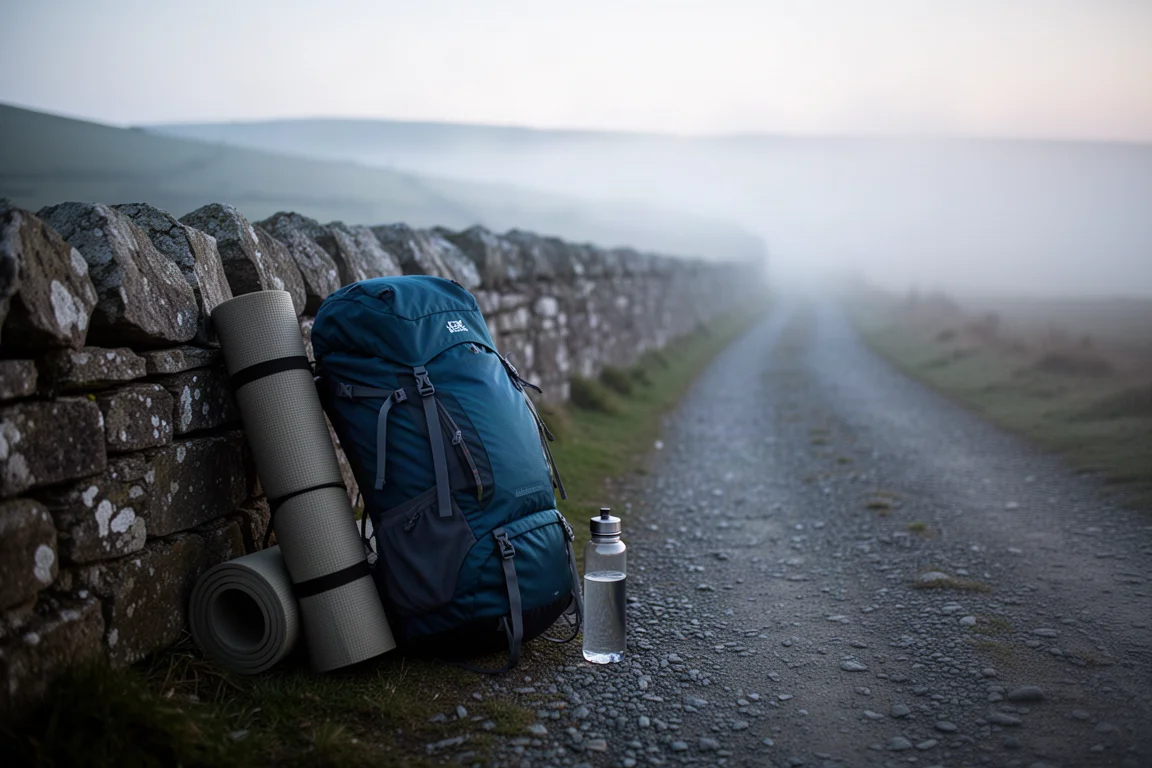
Water planning turned out to be easier than expected. Fountains, bars, and overnight stops along the route made a single litre of carried water sufficient on most days, though how much you want to carry is a personal decision best tested on training walks. Weather was the bigger variable. Cold mornings and wet afternoons pushed the layering system, the sleeping bag, and the waterproofing to the top of the priority list, and every choice below was judged against those conditions.
Lowe Alpine Airzone Pro Backpack
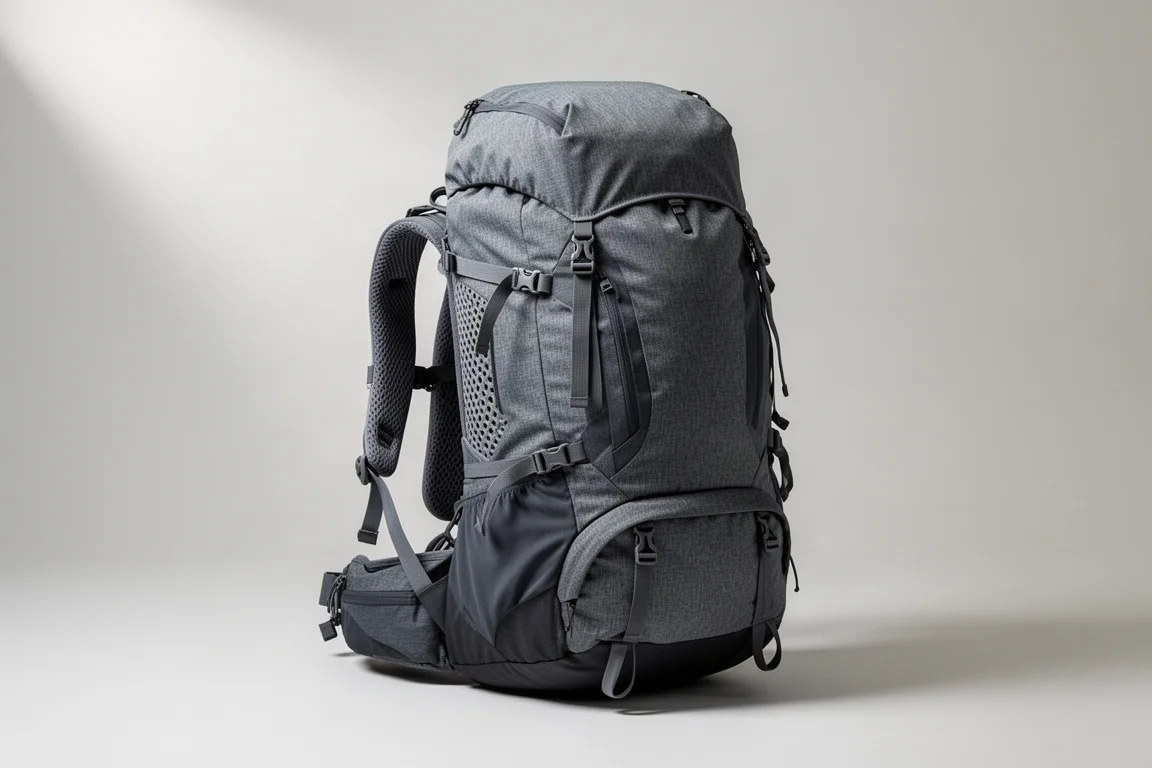
This is a 33 to 40 litre ventilated pack that has now covered more than one long-distance route, having first been bought over a decade ago. It carries well enough, and the size is right for a month of walking with a careful packing list.
The trade-off is the frame. The back system is adequate rather than comfortable, and a larger pack cinched down tight would likely have carried more comfortably across full days, even if it looked oversized. After years of use, several components are also starting to perish, which makes this a pack better suited to shorter trips and everyday use from here on.
Snugpak Traveler Sleeping Bag
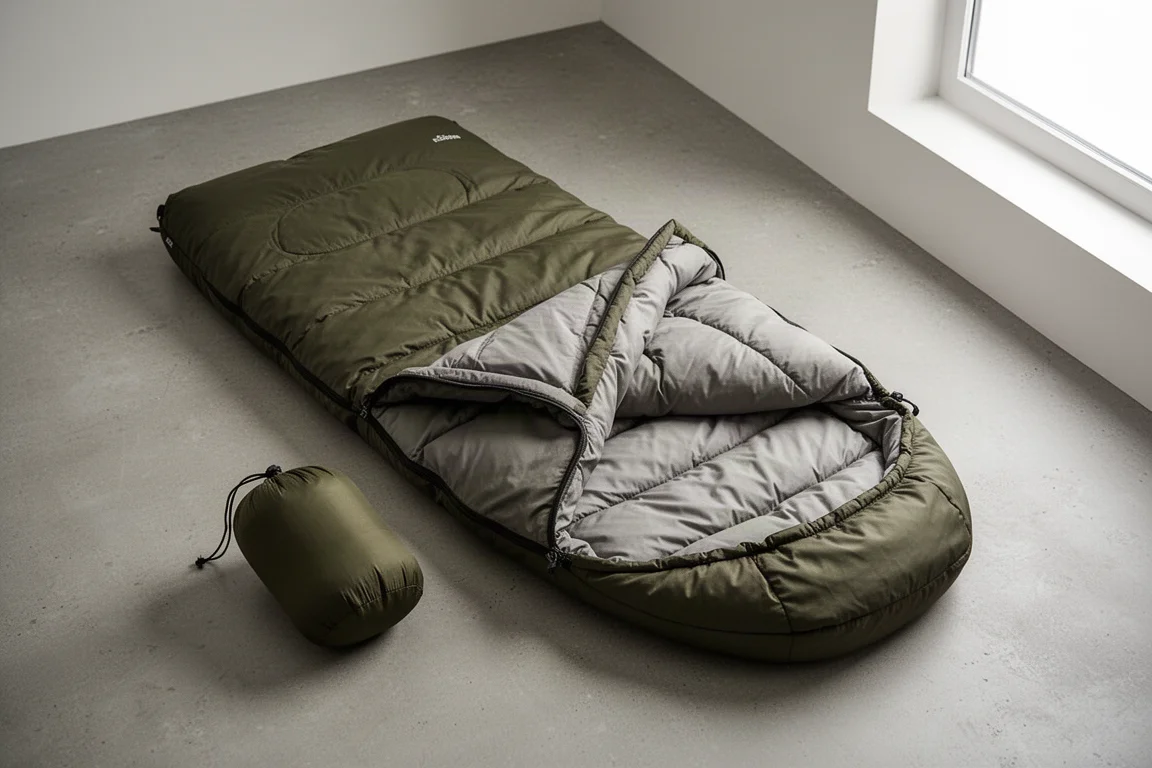
A fully synthetic sleeping bag that packs small, weighs little enough to justify its place, and can go into a washing machine on a high heat without a second thought. On a route where bed bugs are a known problem, that last point matters more than any temperature rating.
The first half of this walk was cold and not every overnight stop provided blankets, so a real bag beat a liner comfortably. There were a few nights when it was too warm, which is the honest cost of choosing insulation over a liner. Both approaches work, as long as you accept the trade-off before you leave.
Patagonia R1 Fleece
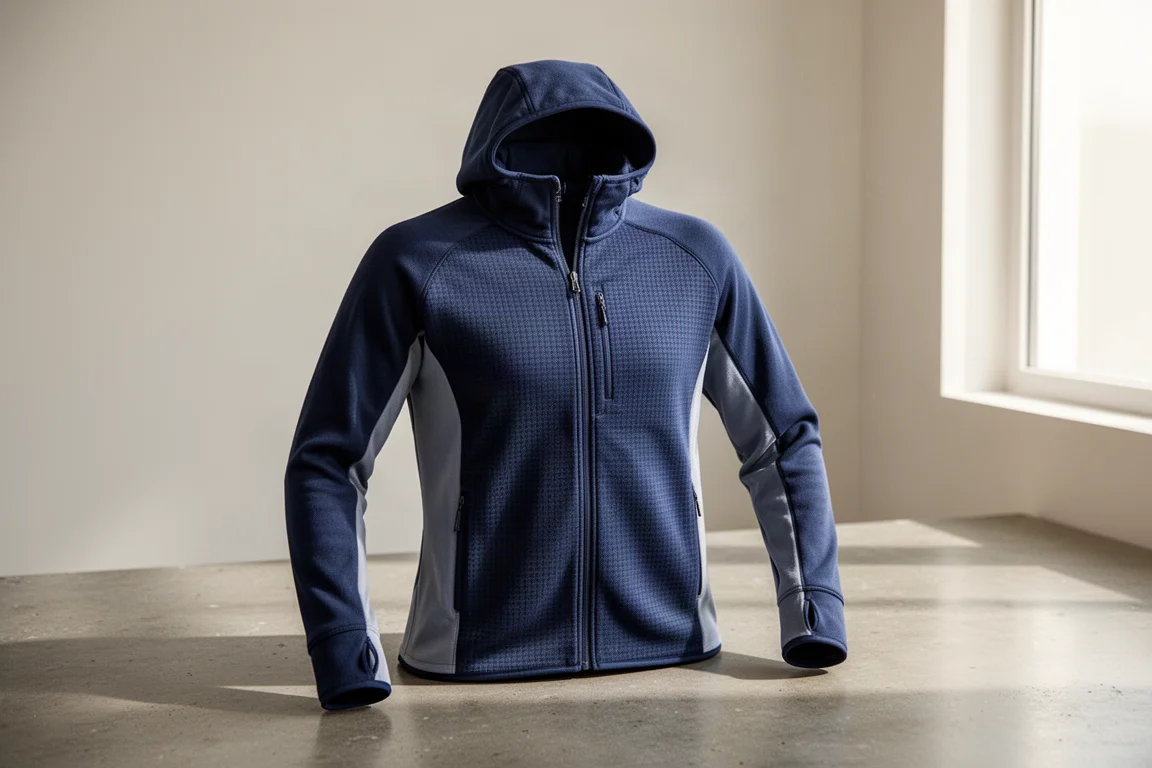
This fleece was worn every single day, sometimes over a t-shirt, sometimes under a shell, and sometimes on its own when the sun came out. That kind of constant use is hard on any garment, and the shoulders in particular held up well against pack straps day after day.
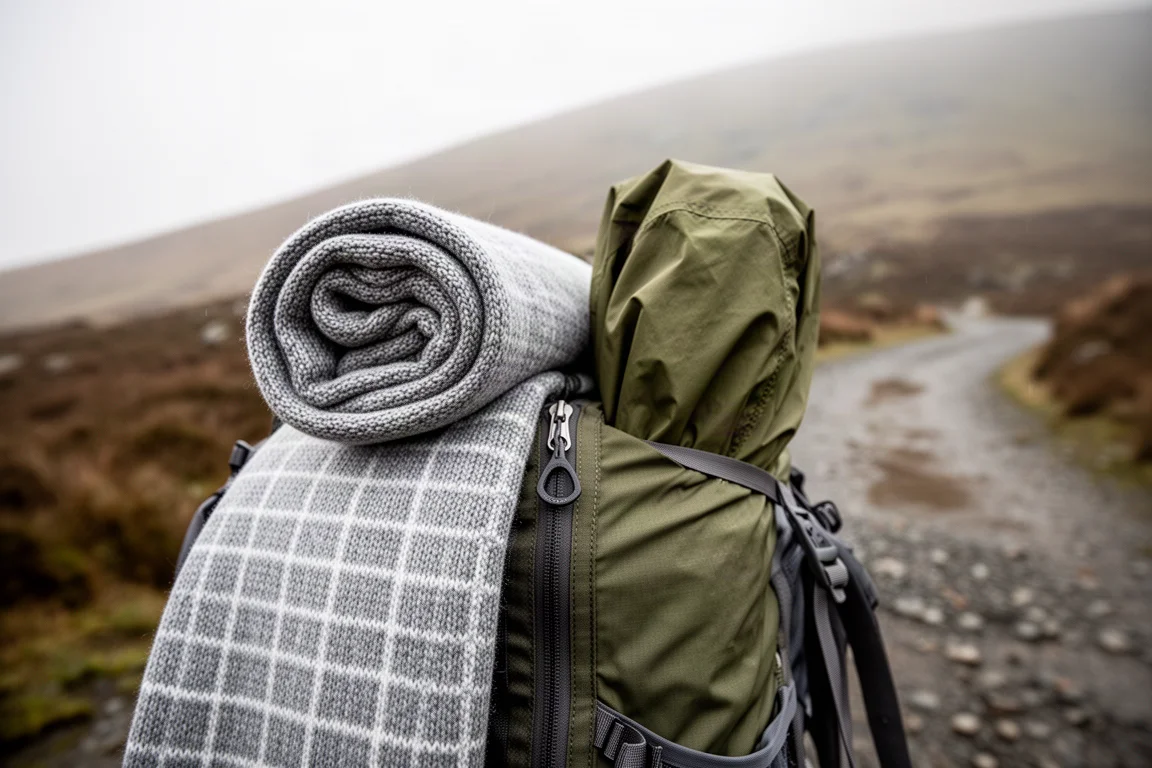
It is a warm layer for its weight and one that keeps working after years of use. For cold starts and changeable afternoons on a long route, it is the sort of mid layer you stop thinking about, which is the highest compliment a layer can get. The main consideration is cost, since it sits above basic fleece pricing, and on a mild afternoon it can be more warmth than you need.
P20 Sun Cream
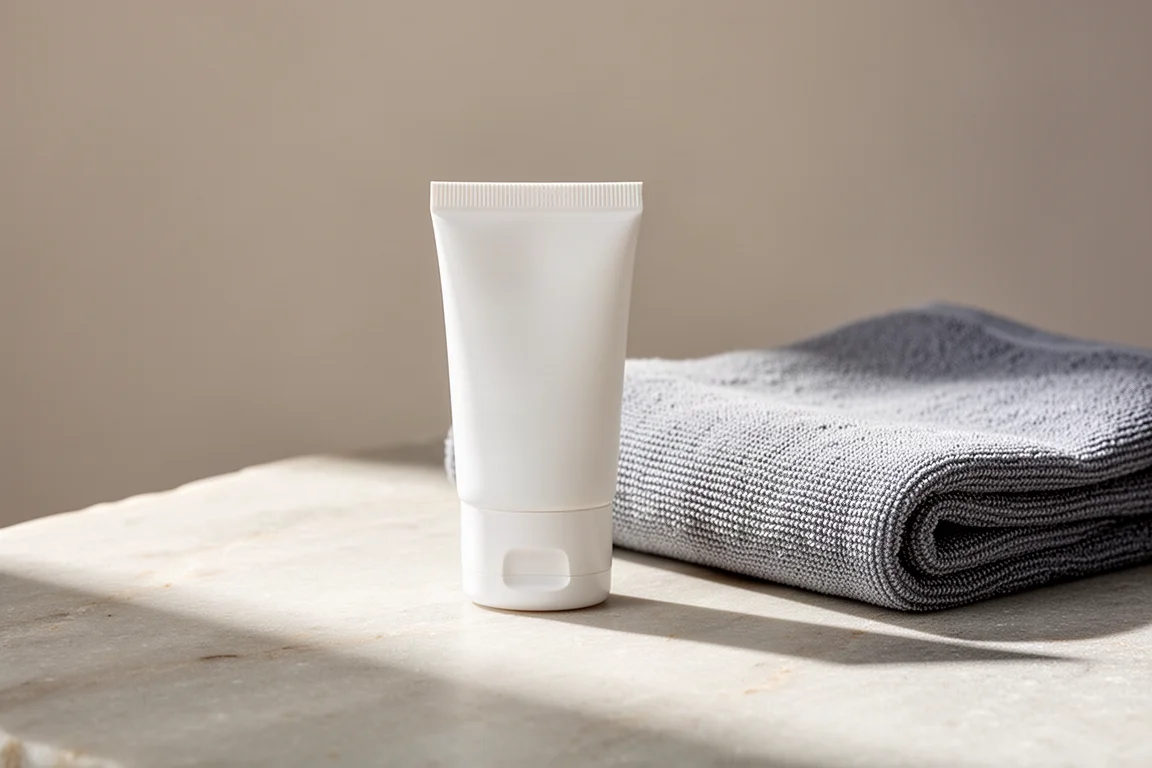
Sun protection is the one category where a failure is felt for days. Applied once each morning, this cream delivered five weeks of walking in strong sun with no sunburn at all, and barely any tan either, which for pale skin is the outcome you want.
It earns its place by being fuss free. A small tube lives in a hip pocket for exposed stages, while the main bottle sits in the toiletry bag. The only real requirement is discipline: applying it thoroughly before setting off rather than remembering halfway through the morning.
Patagonia Storm 10 Rain Jacket
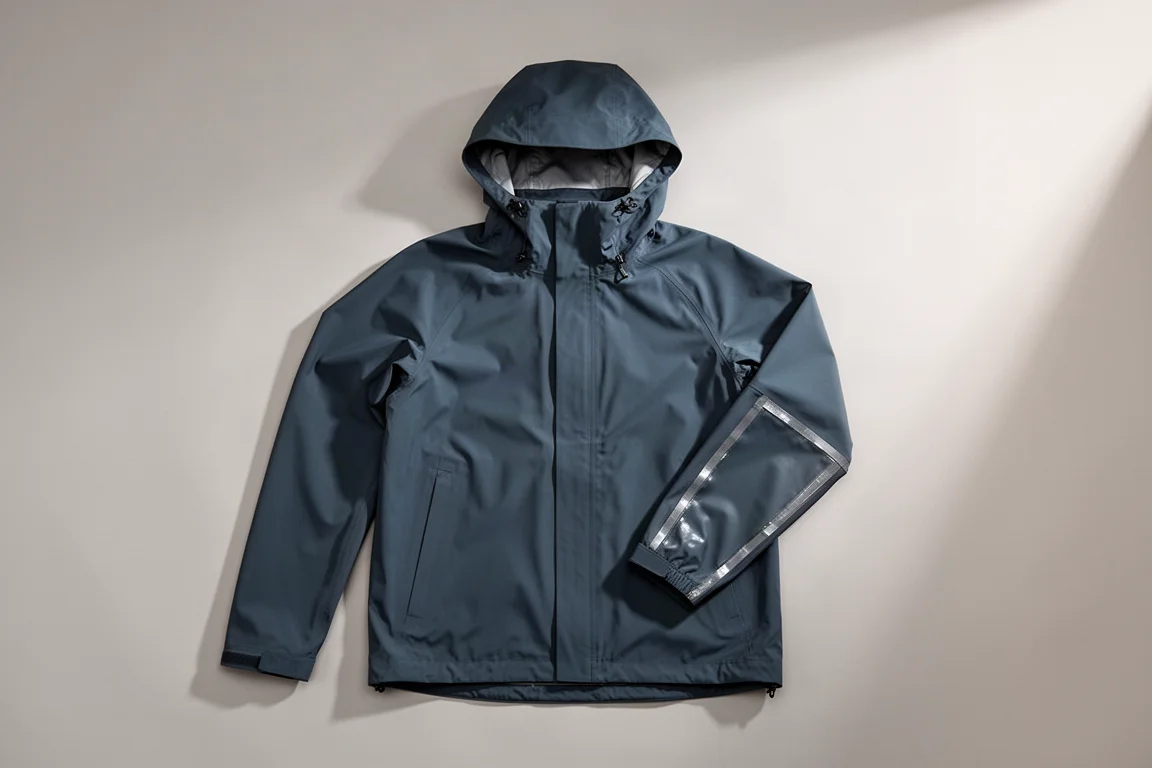
This shell has been used for everything for years, and it handled another long, wet trip. It is light enough to carry every day and reliable enough that rain never became a reason to stop.
Its waterproofing is no longer what it was when new, and it is due a proper wash and reproof. That is normal for a jacket with this much mileage. The other decision that mattered was packing: rather than a poncho or an external pack cover, everything went into waterproof dry bags inside the pack. On a full day of rain, that is the approach that actually keeps kit dry.
Hoka Speedgoat Trail Runners
These trail runners were a known quantity before the walk started, and they behaved exactly as expected. The cushioning absorbs long days on hard gravel, the fit was already proven over years of use, and the shoes stayed structurally intact from the first day to the last.
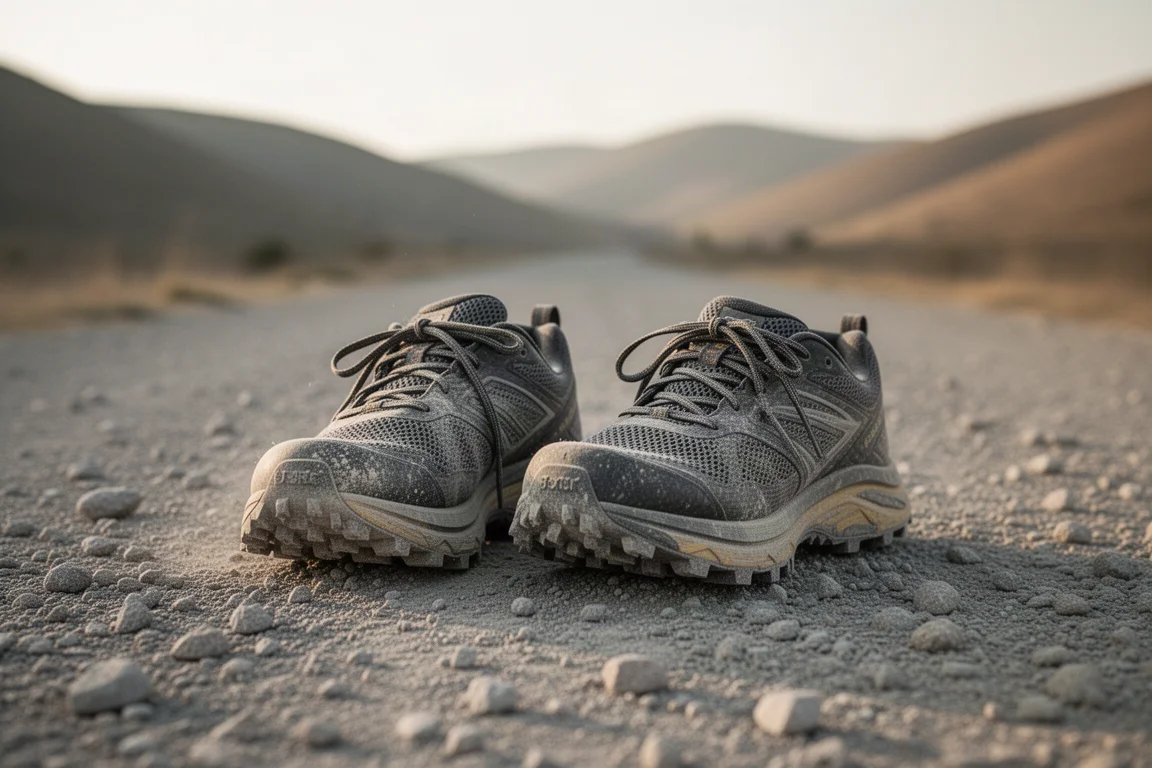
They were also, predictably, worn out by the end. Past the 600 kilometre mark the ride felt flat and the outsole was clearly spent, but with only about a week of walking left, finishing in them made more sense than breaking in a new pair. Plenty of walkers finished with duct tape and holes in their uppers, so staying in one piece counts for something. These are now retired to casual walks.
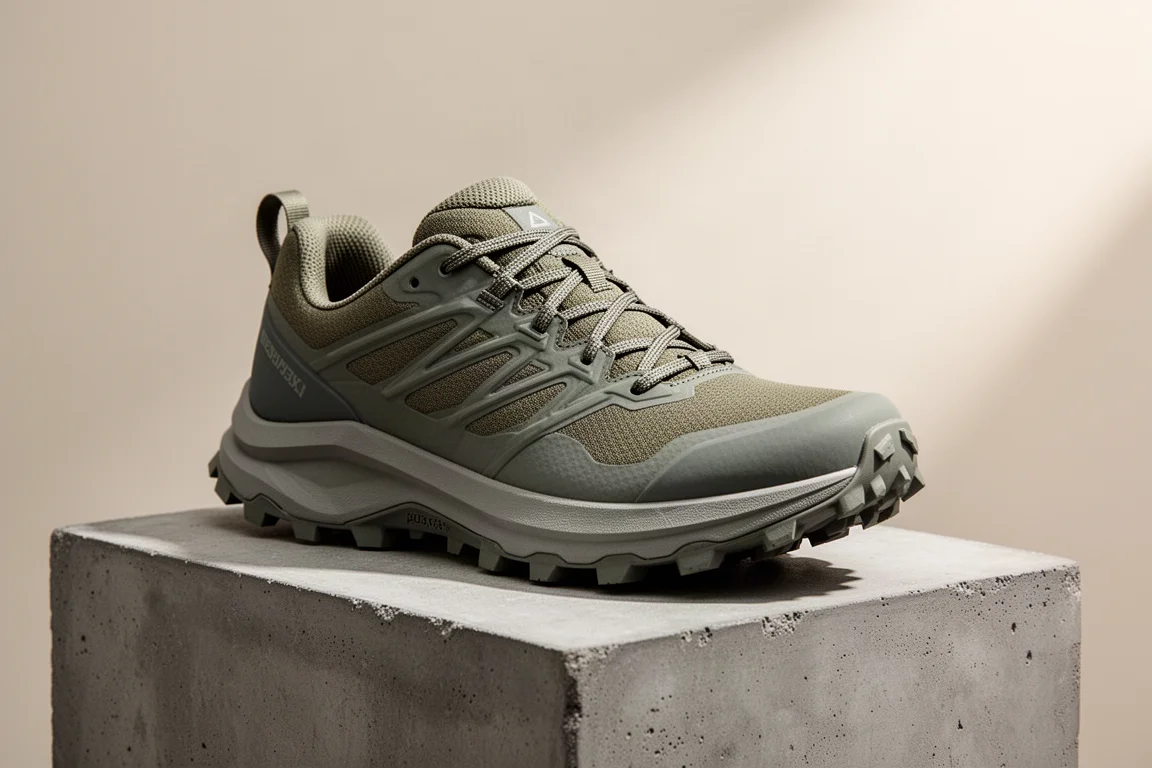
Hoka Stinson Hybrid
Hybrid models such as the Stinson were a common sight on this route, and the logic is sound. Only a couple of days across the whole walk demanded the softness and the lugs of a proper trail shoe. The rest was wide gravel track and easy paths, where a hybrid’s more durable rubber is the better long-term bet.
If you are choosing one pair for a Camino-style route and expect a lot of hard, flat ground, the hybrid approach trades a little grip on rough sections for noticeably longer outsole life.
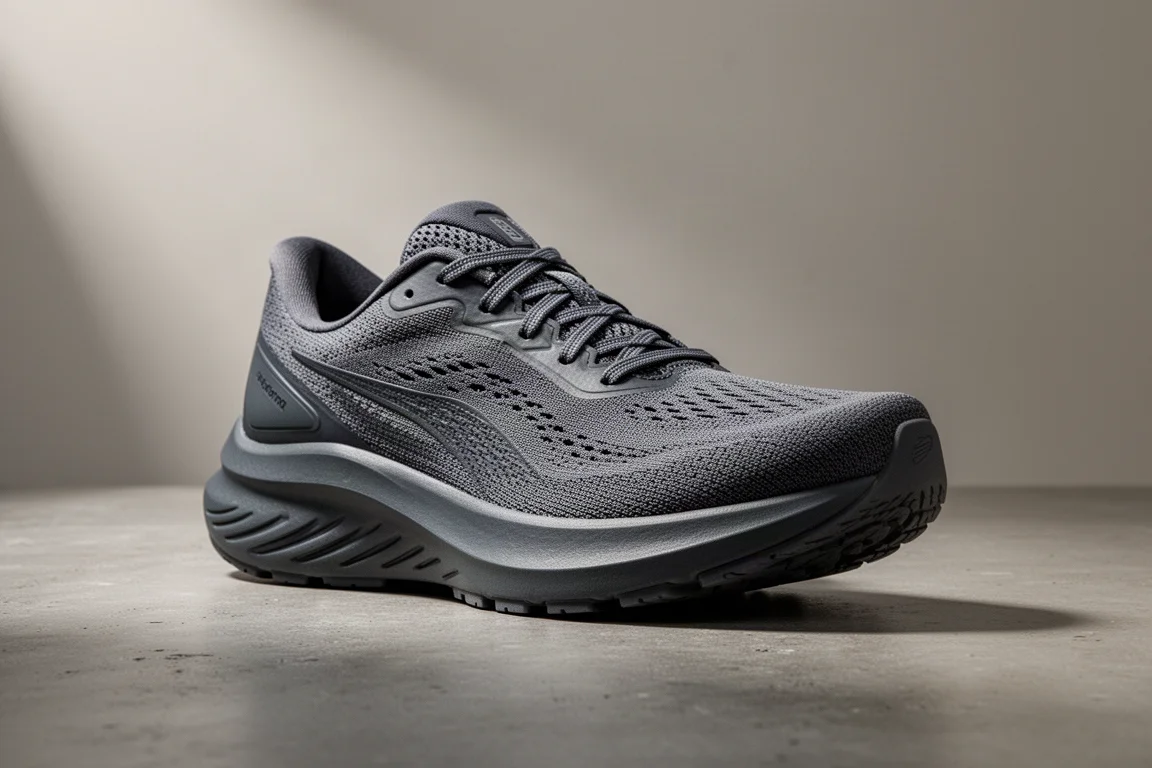
Injinji Toe Socks
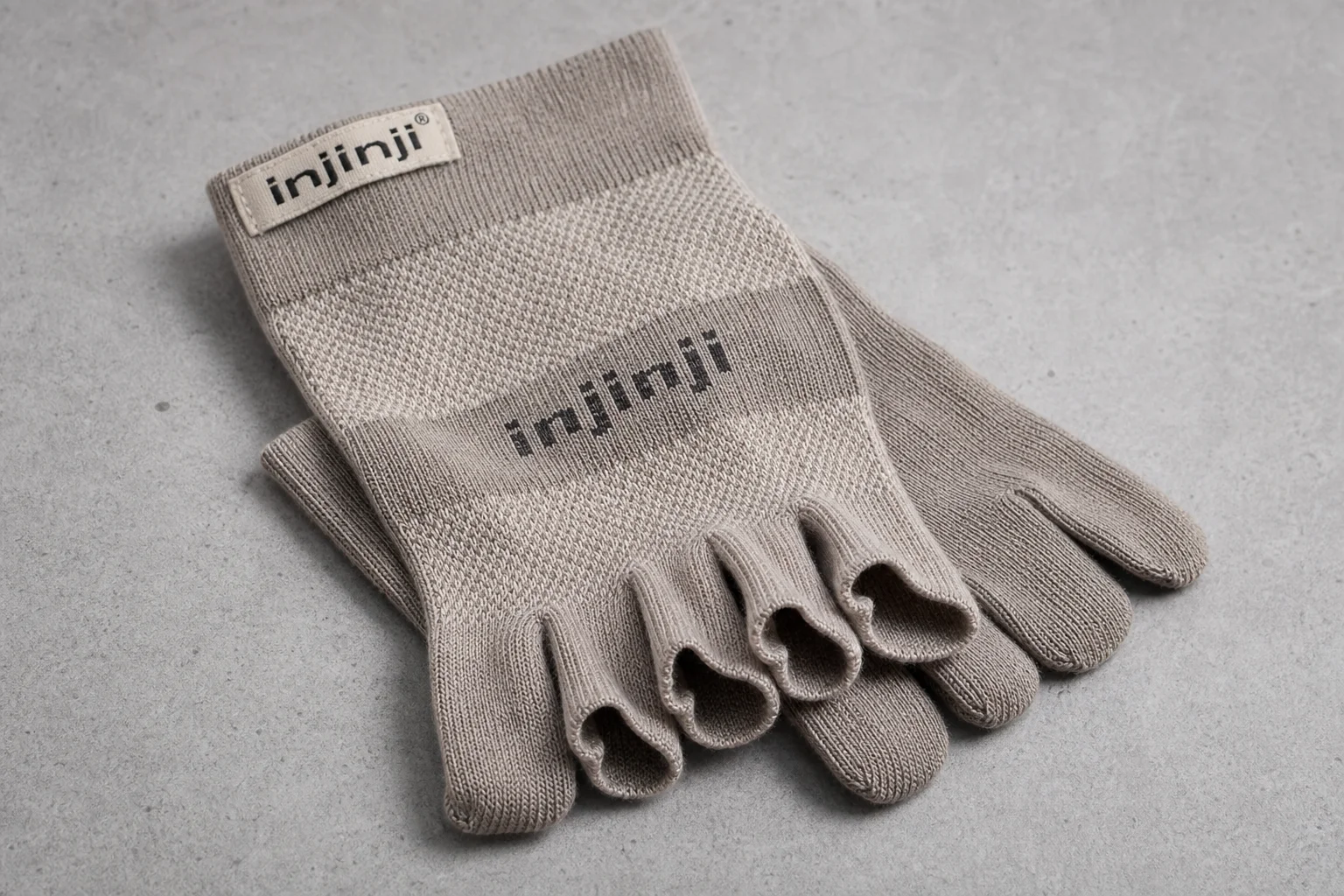
These toe socks were bought a couple of days into the walk, partly out of curiosity and partly because they are hard to find in shops at home. Two pairs went straight into rotation and stayed there for the rest of the route, with no blister trouble in the weeks that followed.
The lesson is less about the specific sock than about the category. Socks are a genuine investment in your feet, and the pair that suits you is worth paying for. Some walkers prefer a two-layer twin skin design, others a wool hiking sock, and toe socks suit anyone who wants each toe held separately inside the shoe.
Thousand Mile Socks
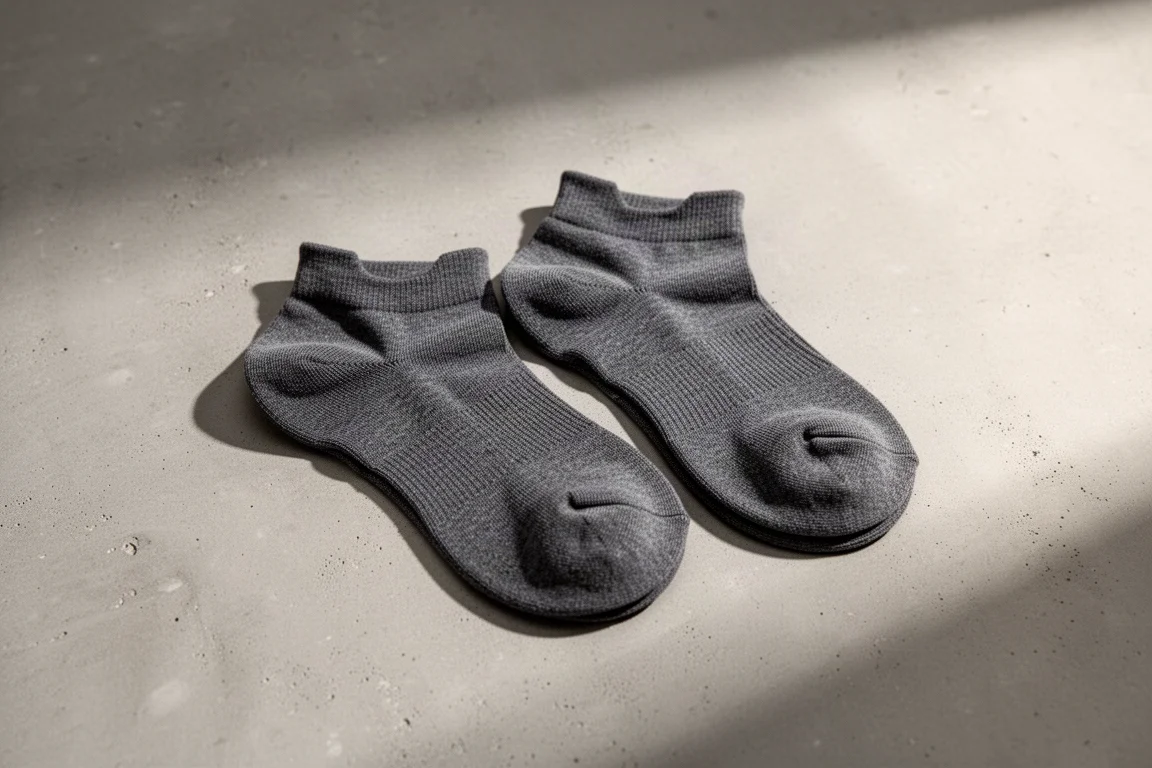
Before the toe socks arrived, this was the sock in daily use: a low-cut running ankle sock that had already been a favourite for years. It is light underfoot, comfortable over long distances, and simple enough that there is nothing to go wrong.
The caveat is condition. The pairs that came on this trip had already seen a lot of use, and a well-worn sock is a weaker link than a fresh one on a month-long route. If a pair has covered a lot of miles already, replacing it before a long walk is cheap insurance.
Platypus Half-Liter Water Bottle
This half-litre bottle spent the entire walk in a side pocket and never came out. It weighs almost nothing, which is the reason it stayed in the pack at all, and it is the kind of backup capacity you are glad to have on a hot, exposed stage with a long gap between fountains.
Whether you need it depends on your route and your own water habits. A litre was enough here, but that calculation changes with heat, terrain, and how often you like to stop. Extra capacity only helps if you actually fill it, and this is a very light way to keep the option open.

Buying Advice
The pattern across all ten items is that reliability beats novelty. The pack that carried everything was not the most comfortable option available, the jacket was past its waterproofing prime, and the shoes were worn out by the end, yet each one did its job without becoming a problem. That is what a long route rewards.
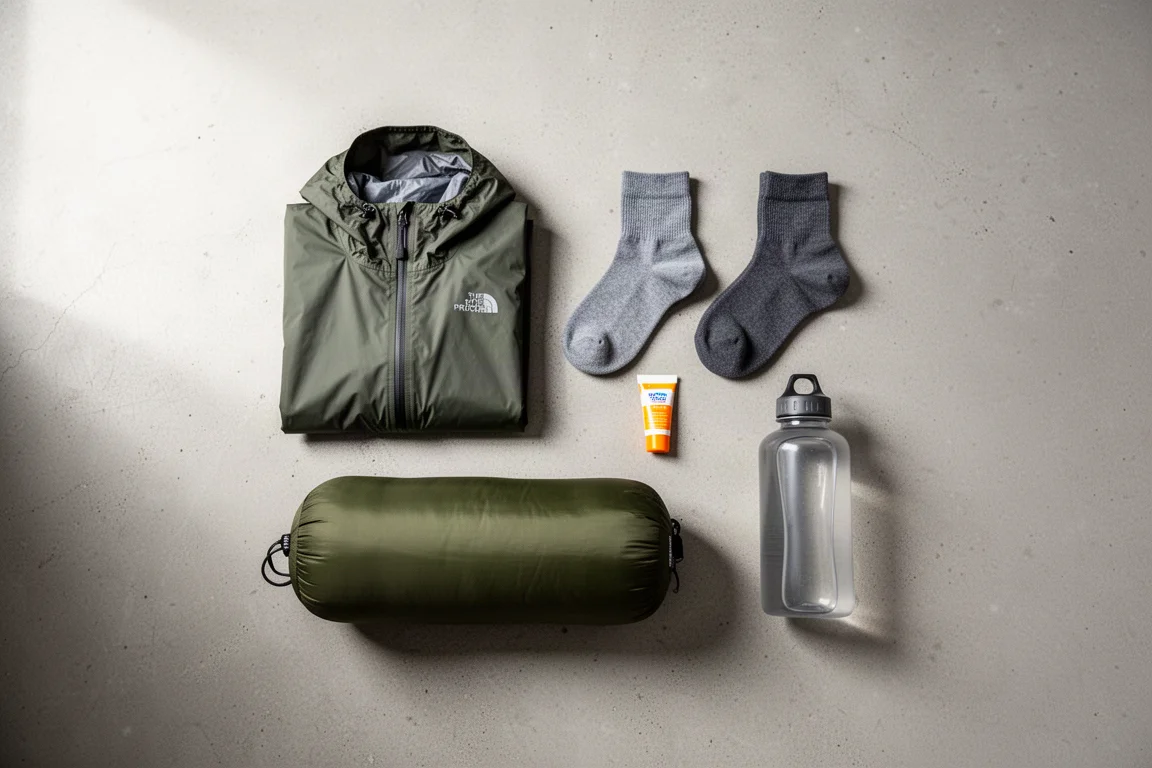
When choosing gear for a walk of this length, prioritise the categories where failure hurts most. Footwear and socks decide whether you can keep walking. A sleeping bag that handles hostel conditions decides whether you sleep. A shell and dry bags decide whether your kit stays dry through a full wet day. Then look at the comfort items, the notebook, the camera, the extra layer, and decide honestly whether the weight is worth it to you. Weight matters, but so does morale, and the two are not always in opposition.
Conclusion
Ten items, five weeks, and a route that demanded a bit of everything. The strongest performers were the ones that removed decisions: socks that could be worn without thinking, a fleece that worked in every layering combination, a shell that made rain a non-event, and trail shoes that were comfortable from day one. The weaker points were the ones where age had caught up, a backpack frame that was never quite comfortable and a rain jacket that now needs reproofing.
If there is a single takeaway for anyone planning a long-distance walk, it is to test everything before you go, and to spend where the consequences are highest. Feet first, then sleep, then weather. Everything else can be lighter, cheaper, or left at home.
Further reading
Related Reviews
Outdoor Gear
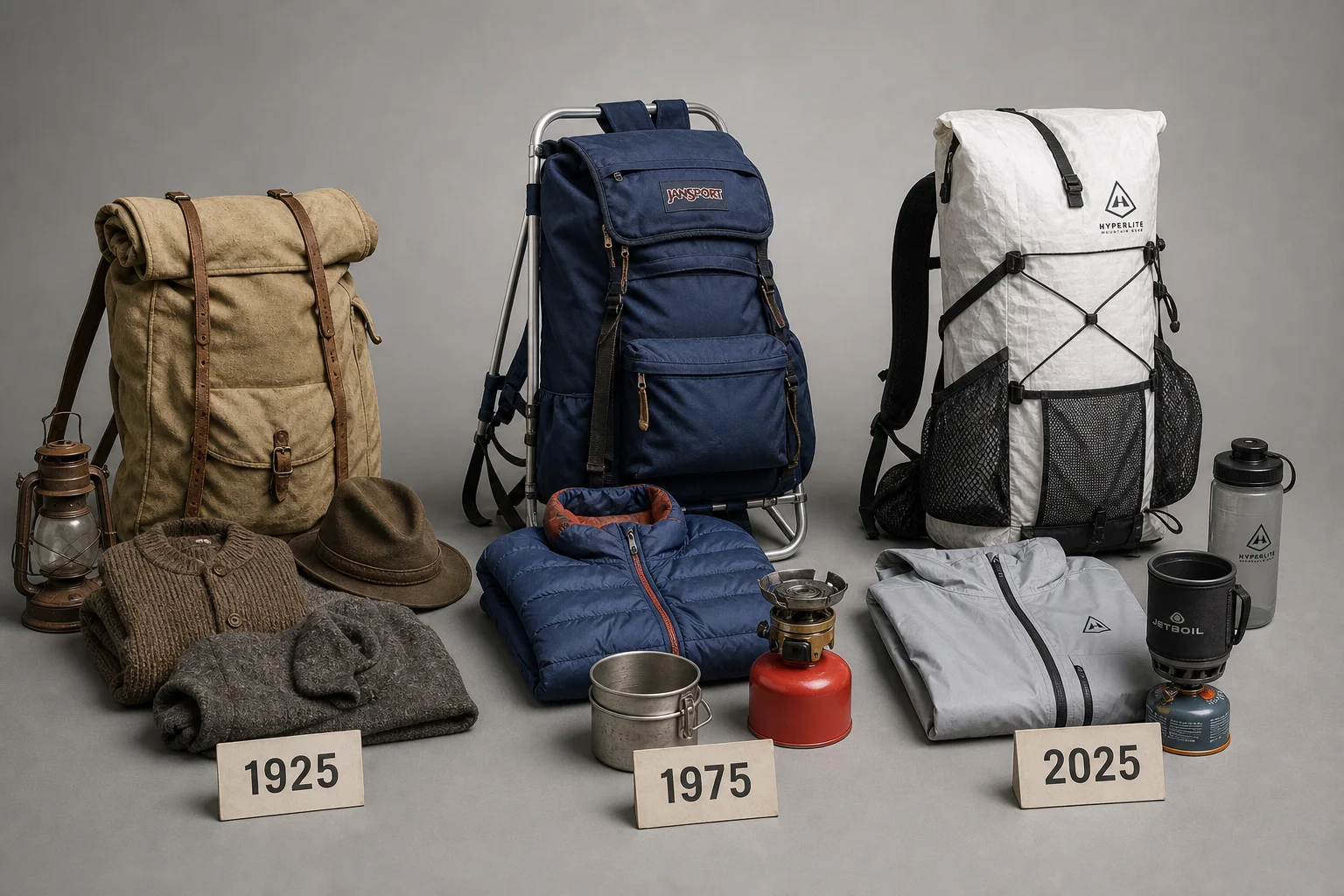
Backpacking Gear Evolution: 100 Years of Technology Compared
We tested backpacking gear from 1925, 1975, and 2025 across a three-day hike in Yosemite. Here's how technology has transformed comfort, weight, and the outdoor experience.
Outdoor Gear
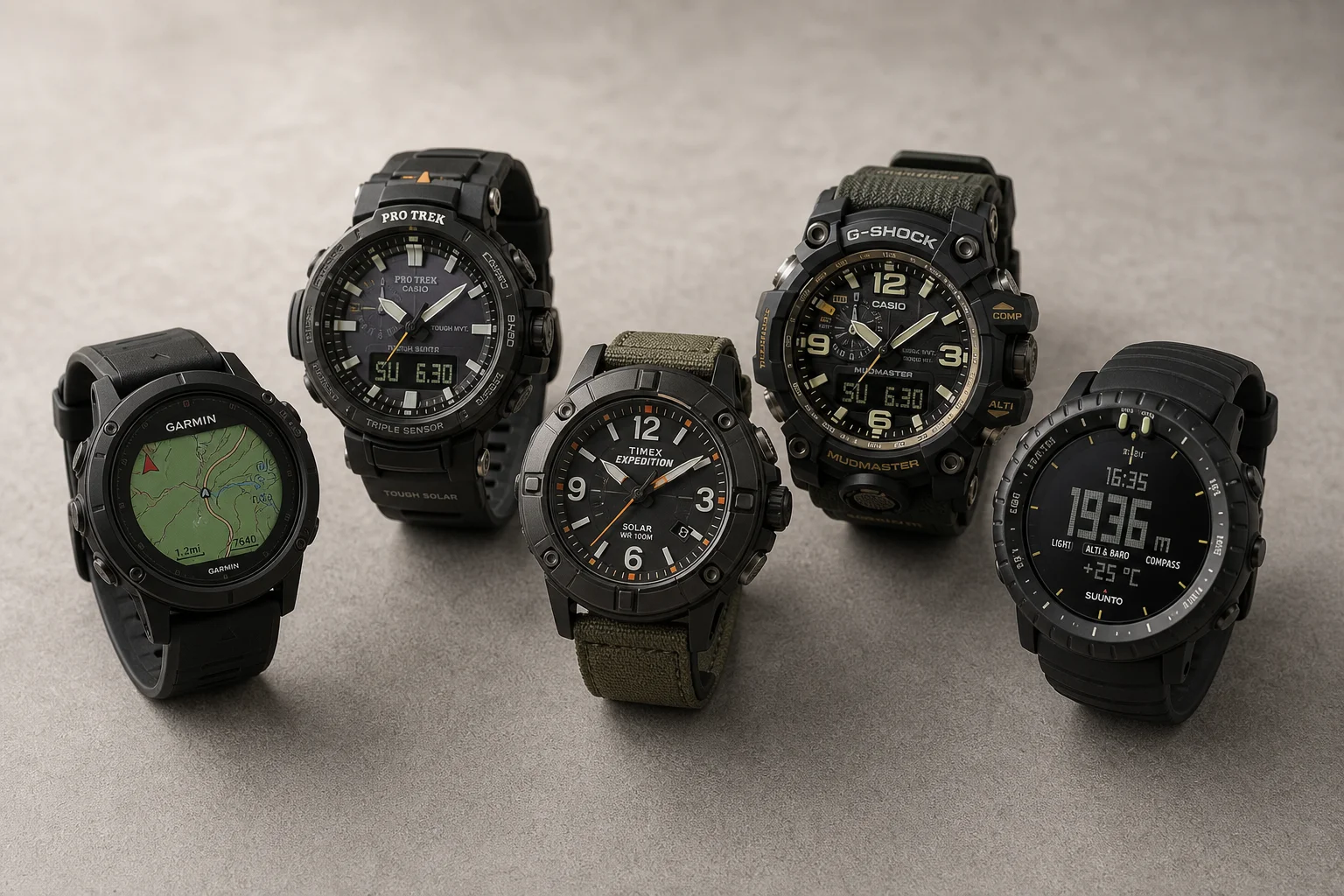
Best Affordable Hiking Watches: Five Rugged Options for Outdoor Adventures
Five durable hiking watches that balance ruggedness, functionality, and value for outdoor enthusiasts who need reliable GPS tracking and weather resistance.
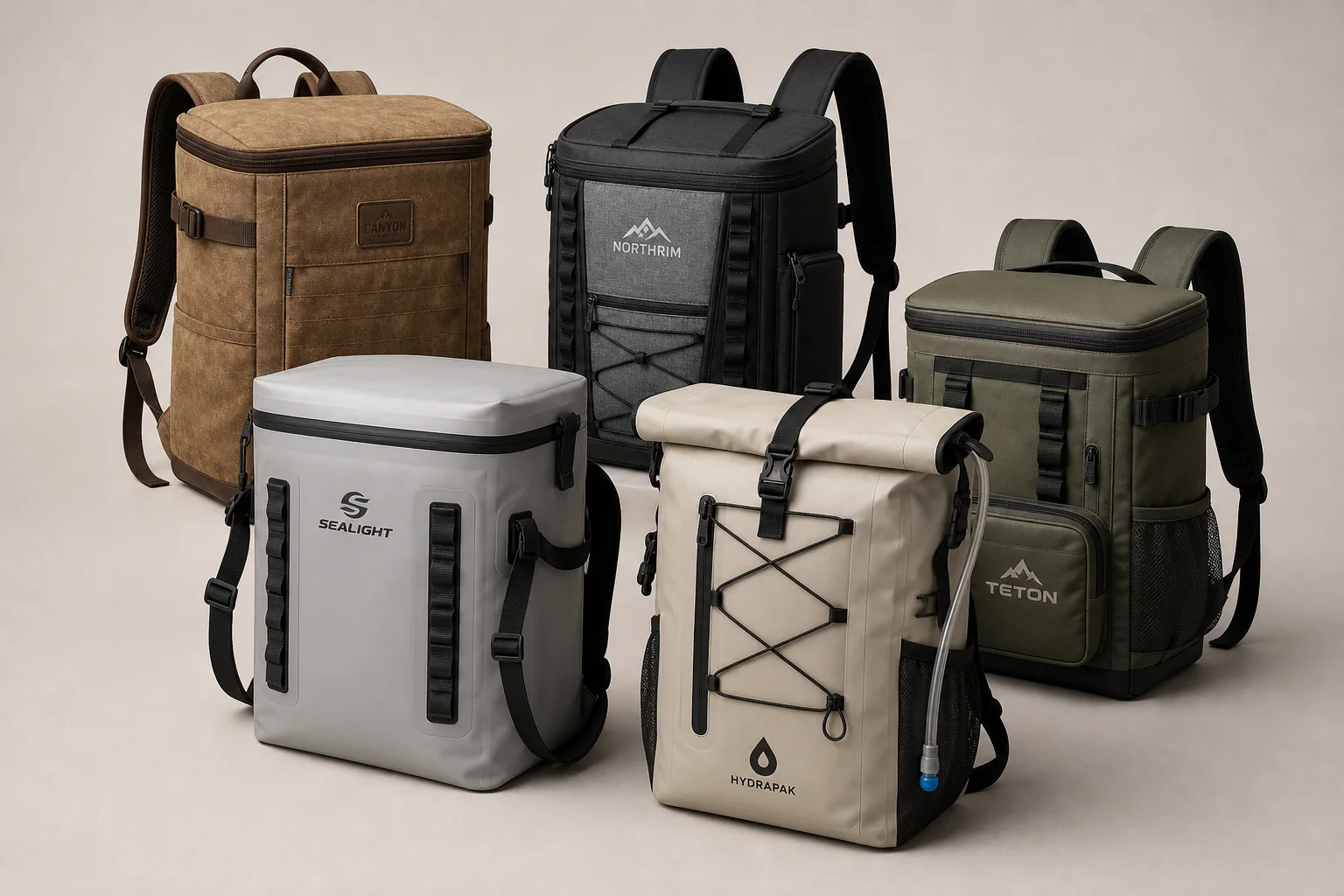
Outdoor Gear
Best Backpack Coolers 2026: Five Practical Options for Outdoor Adventures
Five backpack coolers with distinct cooling capabilities, storage features, and design trade-offs to help you choose the right one for your outdoor needs.