Fountain Pens
Calamus Fountain Pen Review: A Retirement Project That Deserves Attention
An all-black brass fountain pen designed by a retired German pen distributor, with original styling, solid build quality, and a surprisingly fair price.
Introduction
Every so often a pen comes along that breaks the sea of variations on a theme, and the Calamus fountain pen is one of them. The design comes from the retired German distributor of Kaweco, who apparently decided that after years of distributing pens, his retirement project would be to design his own. That backstory alone would be charming, but the pen itself genuinely earns attention.
Alongside the fountain pen, the Calamus line also includes a ballpoint and a rollerball. Interestingly, those two are not simply the same body with a different tip; they each get their own distinct design in a similar style. This review focuses on the fountain pen, which is available for 59.90 euros, with steel nibs in fine, medium, and broad, and a converter included.
Design and Build
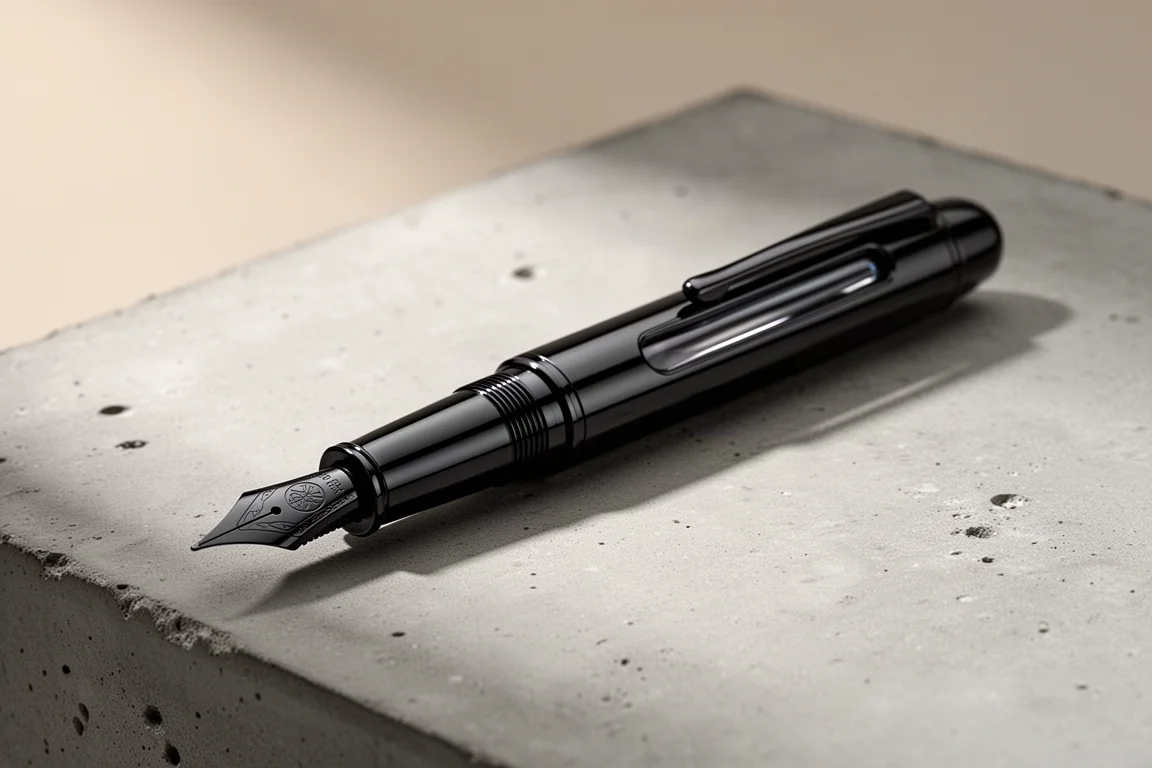
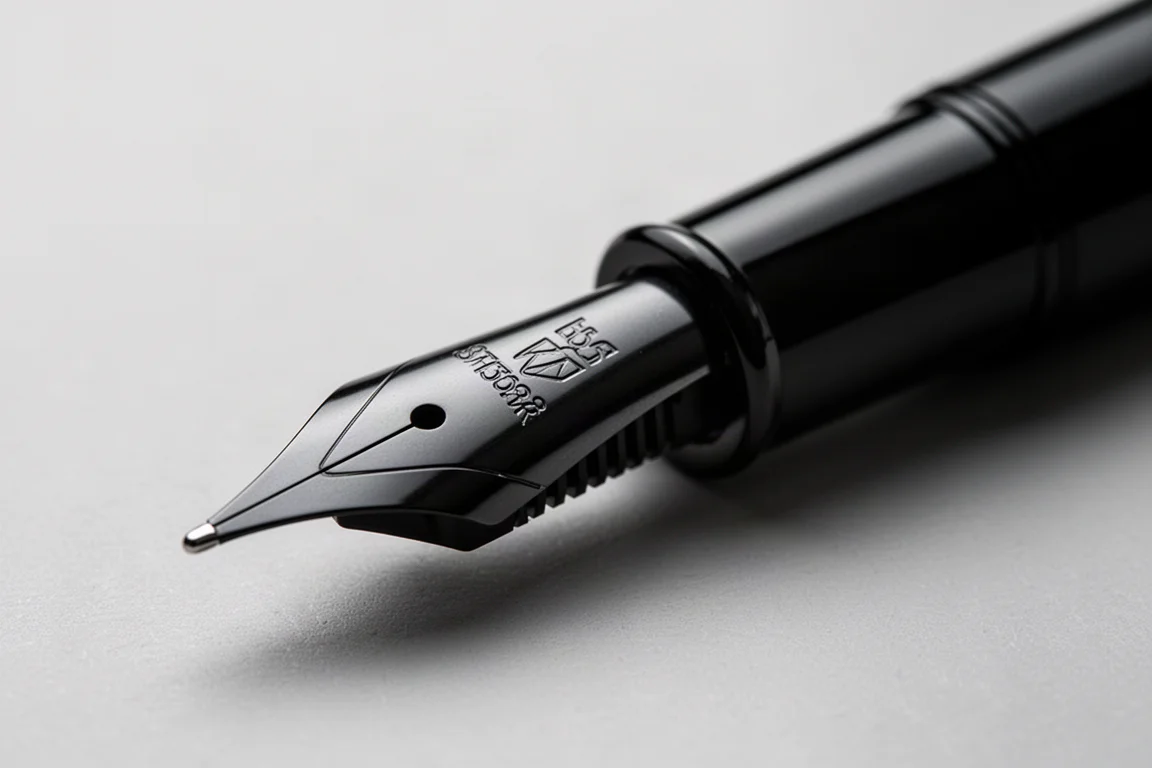
The Calamus is a brass pen with a black chrome covering, giving it a genuinely stealthy look from the engraved logo down to the black coated nib. The cap pulls off with a snap action and features a roll stopper instead of a clip, and there is no option to add a clip at all. On a flat surface the roll stopper does a respectable job of keeping the pen stationary, though on a curved surface it will still want to roll.
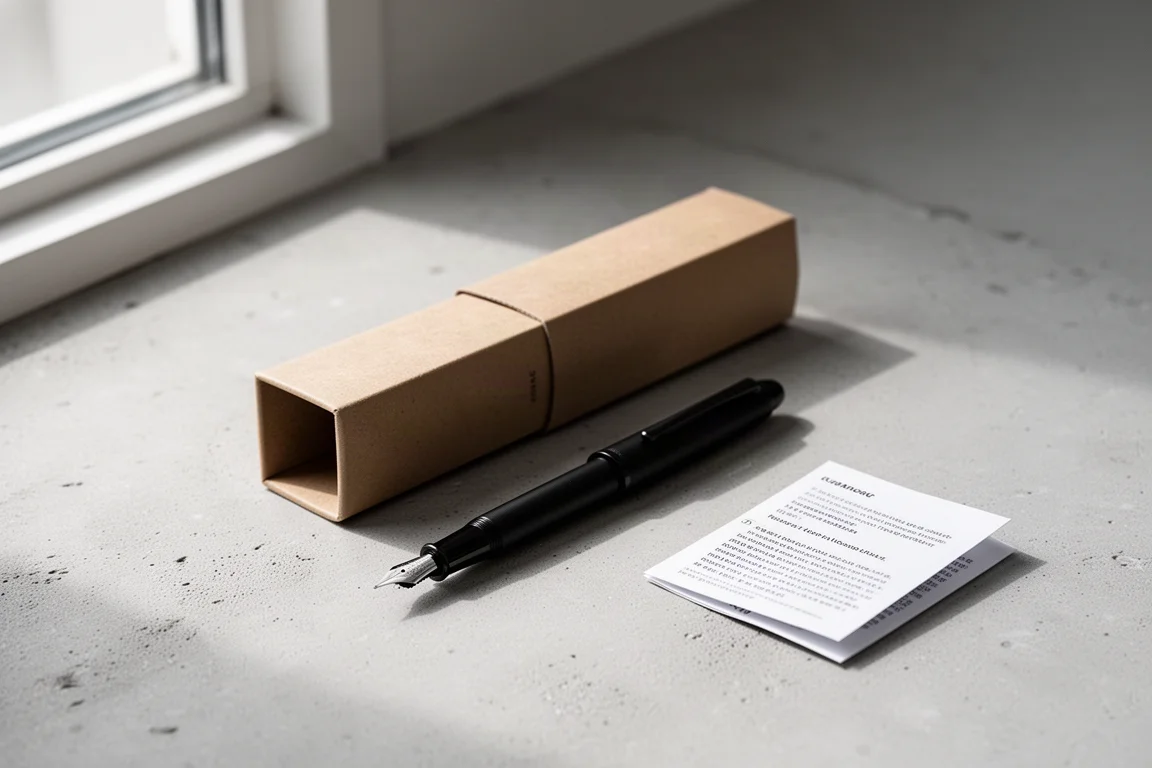
At a glance it sits close in length to a Pilot Metropolitan, just slightly skinnier. Construction quality is impressive: the tolerances are tight, everything works cleanly, and the small details add up. Two grooves on the cap and three on the barrel, a flush cap-to-barrel fit, an ink window along the barrel, and a traditional blind cap at the end hiding the converter mechanism. The packaging is a minimalist cardboard tube that you can simply recycle, with a small booklet of filling instructions for the three writing modes.
Nib and Writing Performance
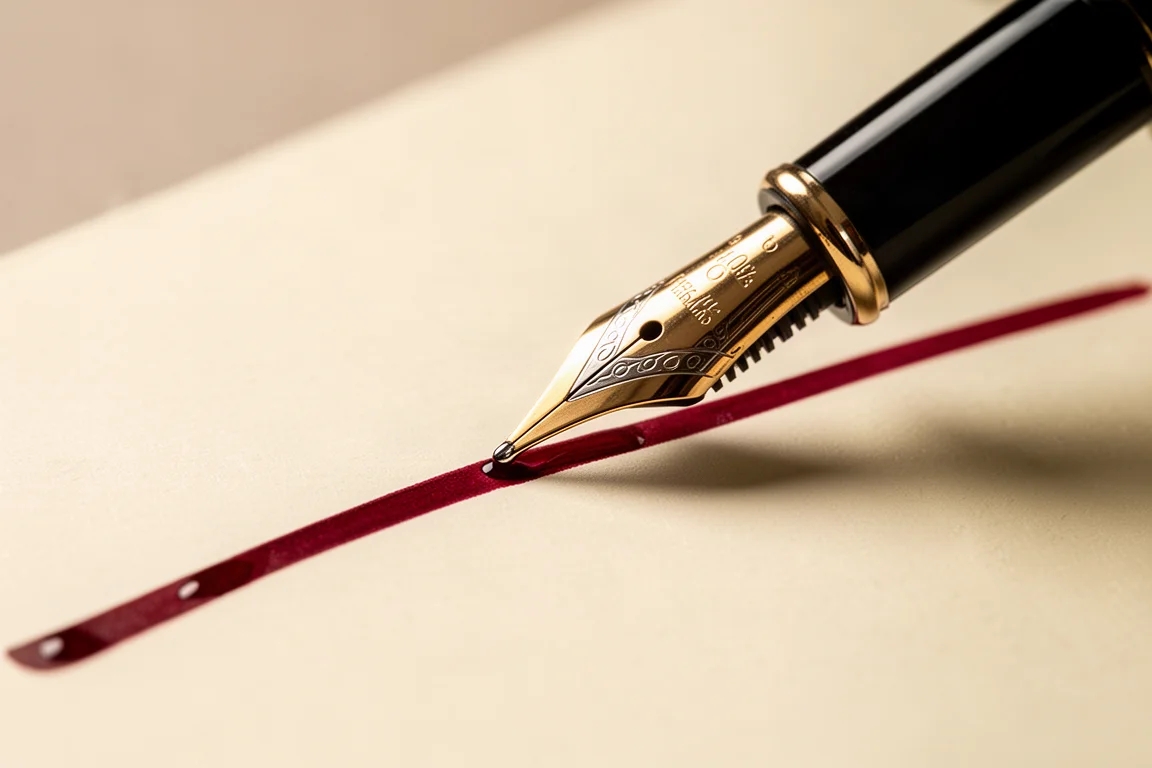
The pen ships with a Schmidt steel nib, size five, in fine, medium, or broad. The test unit carried a broad nib filled with Edelstein Star Ruby red, a combination that suits the all-black body nicely. Writing is smooth with a slight bit of feedback, the kind you typically get from a black coated nib where the tipping is also coated. It is not scratchy, just a touch of texture as you write.
The feed keeps up well even with faster writing, with no running dry. Flow sits in a comfortable middle ground, neither super wet nor super dry, and the nib has a fairly round character. There is a hint of line variation if you press, though it is not a flex nib and forcing it is not recommended. Reverse writing is where it falls down: it becomes scratchier and very dry, so this is not the pen for reverse-writing fans.
Comfort and Daily Use
One honest caveat is the tiny section. It tapers down sharply and there is very little room to grip it; the design clearly assumes you hold the pen on the grooved barrel area instead. For most hands that works, and the brass weight makes it feel solid and comfortable in use, but if it were any shorter it would slip down into the hand. If you have very thin fingers, the section itself may suit you better.
The cap does not post, and there is no way to attach it to the back of the pen, so if posting is essential for your writing style, that is worth knowing. In practice the pen balances well unposted, and the ink window lets you check roughly how much ink remains, especially with a translucent ink.
What We Like and What Could Be Better
The strengths are easy to list. The design is original in a market full of familiar silhouettes, the stealthy all-black execution is genuinely fun, the build quality and tolerances feel like a much more expensive pen, the roll stopper and ink window are small details that matter, and the Schmidt nib is well tuned out of the box. The brass construction gives it a satisfying solidity without becoming too heavy for most people.
On the downside, the section is very small and difficult to hold directly, the cap does not post, reverse writing is scratchy and dry, and the pen runs a little skinny if you prefer girthy writers. A girthier version could also become too heavy for some users, so the slim profile is at least a deliberate trade-off.
Buying Advice
At 59.90 euros the Calamus is remarkably fairly priced. Handling it, the expectation was closer to 110 or 120 euros based on the fit, finish, and overall quality. Buyers outside of Europe would avoid European taxes, making it even more affordable internationally. While cheaper pens always exist, few at this price deliver this level of construction and this degree of originality.
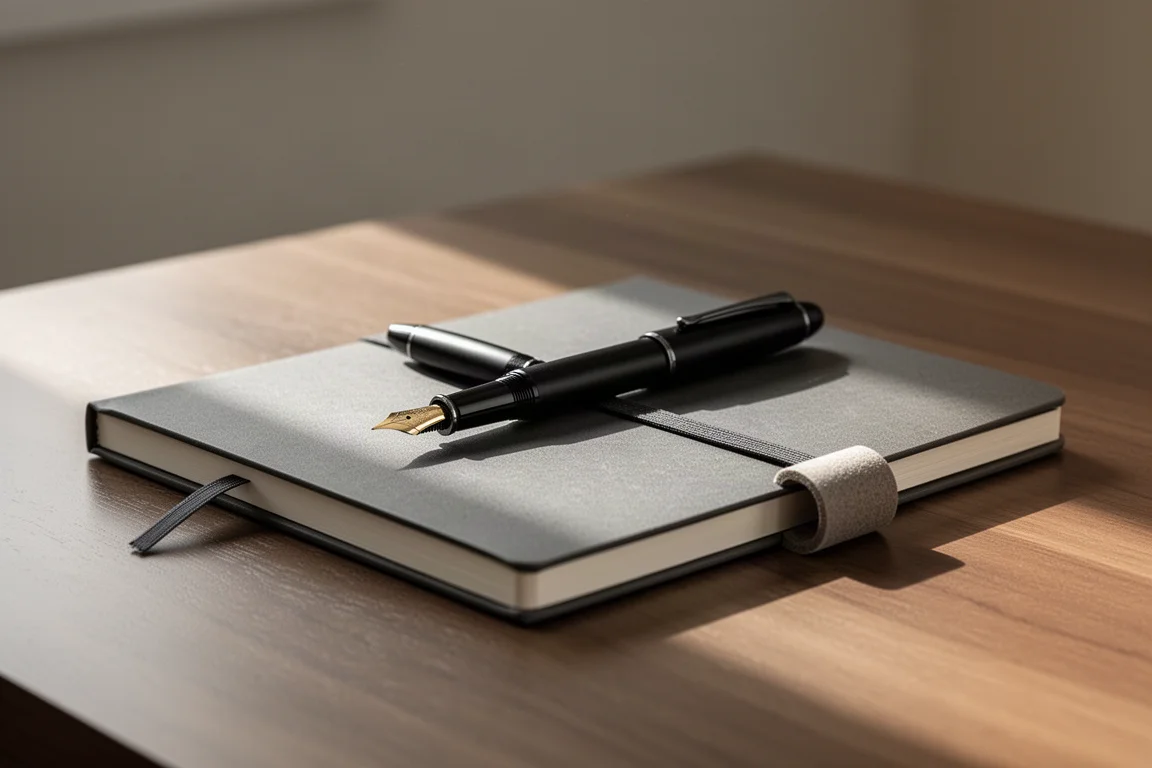
If you want a distinctive all-black everyday writer with a converter, a decent ink window, and a well-tuned steel nib, and you do not need to post the cap or write in reverse, this is an easy recommendation.
Conclusion
The Calamus fountain pen is a solid, thoughtfully detailed, and refreshingly original pen from someone who clearly spent a lifetime around stationery. The small section and non-posting cap will not suit everyone, but the build quality, stealthy design, and fair price make it a strong choice for anyone looking for something a bit different in their rotation.
Product link
View more details for Calamus Fountain Pen
This product is mentioned in the review. Check the specifications, options, and compatibility before buying.
View more details for Calamus Fountain PenFurther reading
Related Reviews
Fountain Pens
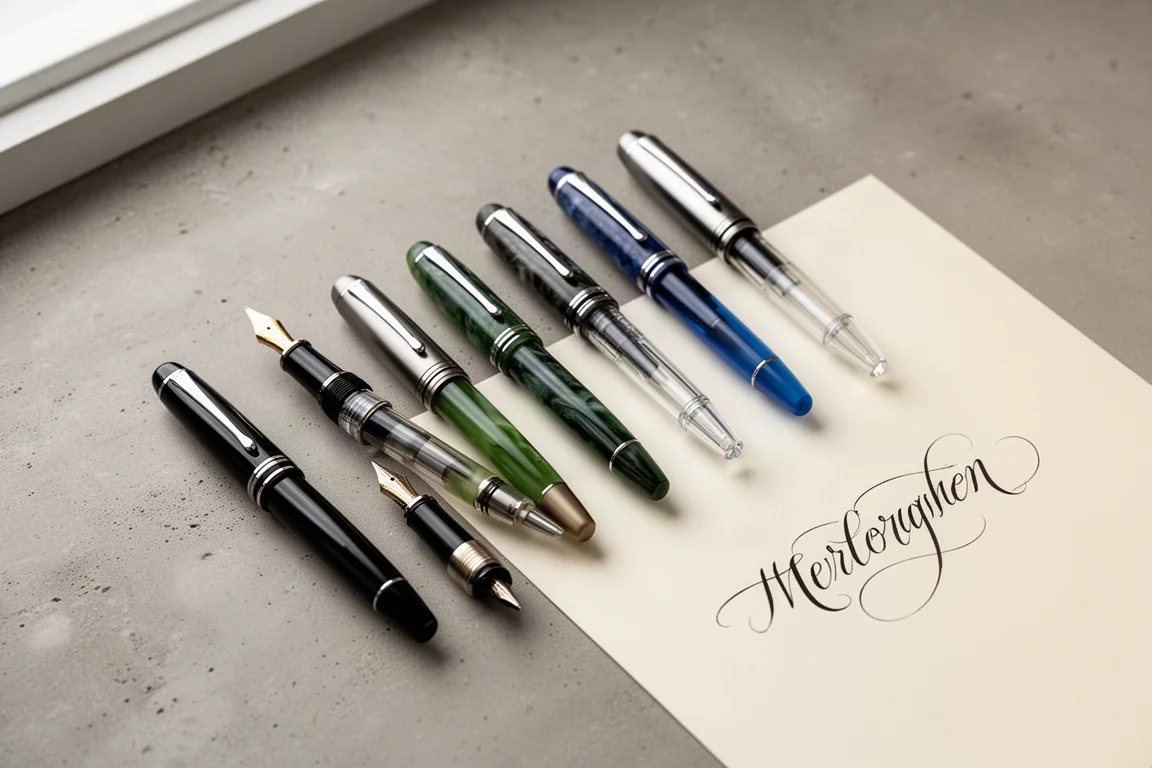
Best Budget Fountain Pens Tested: 9 Pens, One Clear Winner
A hands-on comparison of nine affordable fountain pens for everyday writing, calligraphy, and sketching, with a clear standout for flexible nib fans.
Fountain Pens
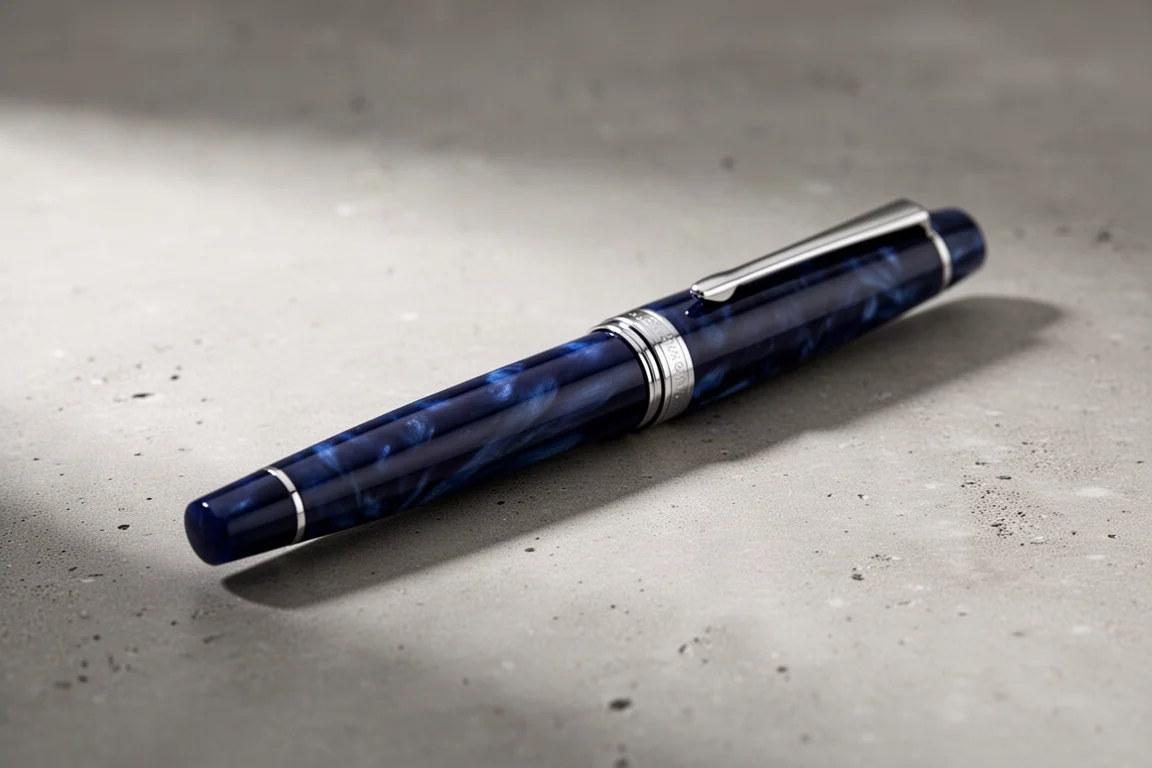
Aurora Optima Review: An Italian Piston Filler That Punches Above Its Price
A 14k gold nib, ebonite feed, and a beautifully deep oraloid body make the Aurora Optima one of the most rewarding piston fillers around.
Fountain Pens
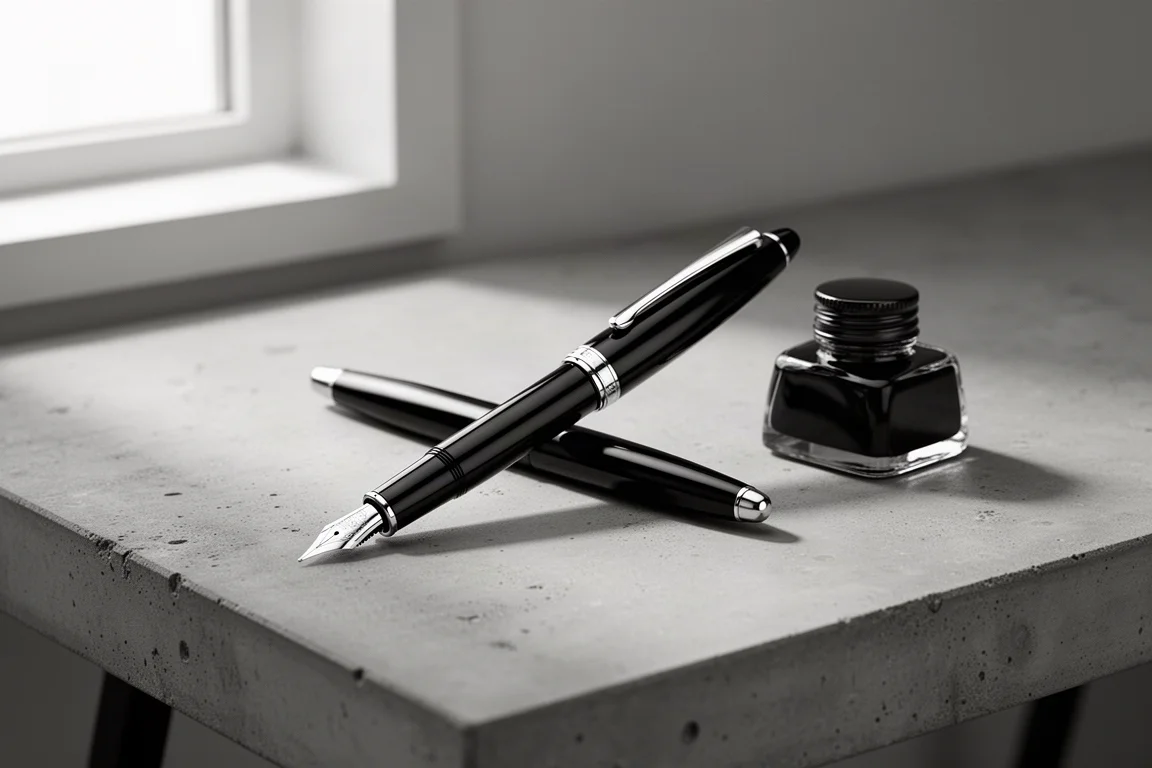
Cross Bailey Light Review: The Entry-Level Fountain Pen Worth Keeping at the Office
A plastic-bodied Cross with a metal clip, snap cap, and famously smooth extra fine steel nib. Around $15, available almost everywhere, and easy to recommend.