Backpacks
C Tactical CT21 3.0 vs 2.0: Is the New Version Worth the Upgrade?
A side-by-side look at the CT21 3.0 and 2.0 rucking and everyday carry backpacks, covering the fabric, strap, and pocket changes that actually matter.
Introduction
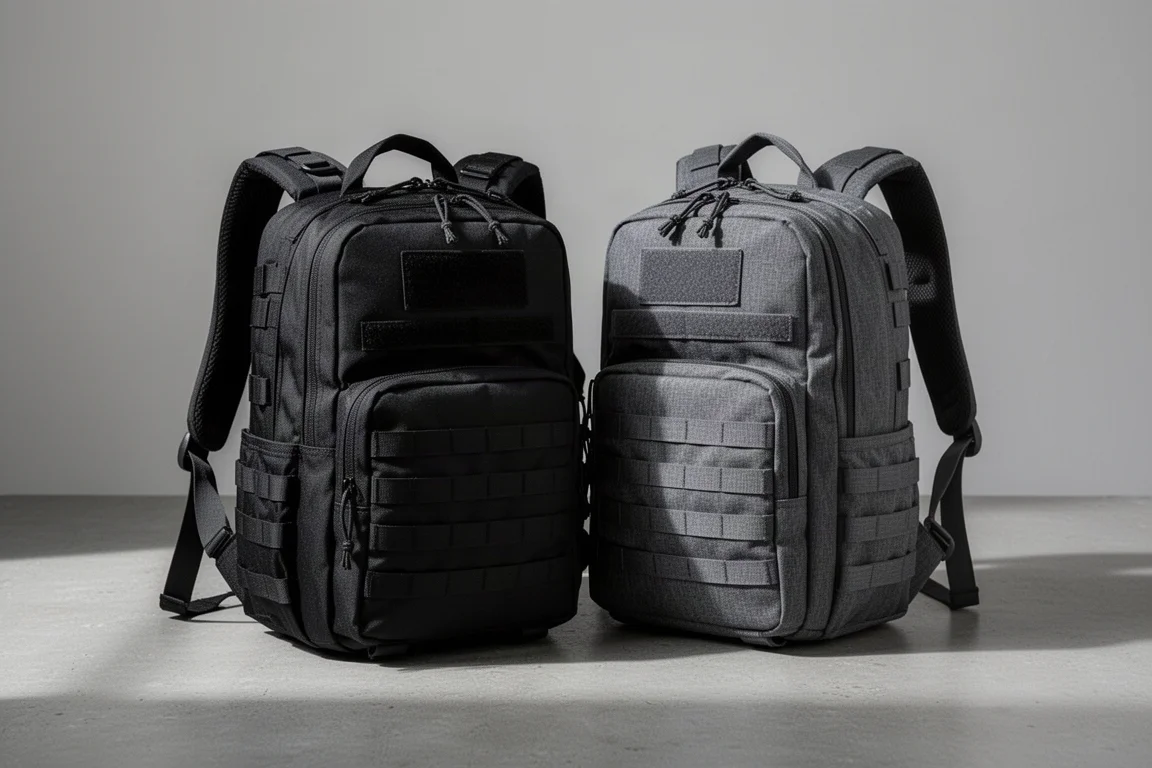
The C Tactical CT21 has quietly become one of the most appealing value picks in the everyday carry and rucking backpack space. After spending around nine months with the 2.0 version, the company has now released a 3.0 update that keeps the same overall design but refines the details that affect comfort most: back panel fabric, shoulder straps, and a long-missing top slash pocket.
One thing worth knowing about C Tactical: this is a locally based company in Ho Chi Minh City, Vietnam, where they handle all of their own design and production. Rather than the typical outsourcing story, you get a well-designed, well-made bag from a company that actively listens to customer feedback and uses it to improve its packs. That shows in how the 3.0 came to be.
Fabric: 500D vs 1000D Cordura
The 2.0 is built from 500D Cordura, while the 3.0 version tested here uses a thicker 1000D Cordura, also referred to as the tanker version. Both are very durable, thick nylon fabrics. The 1000D weave is slightly thicker and feels a touch softer, but in everyday use the difference is barely noticeable.
The more meaningful fabric change is on the back padding. On the 2.0, the fabric covering the back padding is the same rough 500D Cordura as the bag body. On the 3.0, that panel uses a thinner, softer, more breathable weave that is similar to the upgrade seen on GORUCK packs. This is a genuinely needed improvement: the CT21 is a fairly flat bag without much air ventilation, and the new back panel increases comfort and breathability while reducing abrasion against your back.
Built for Weight: Rucking Performance
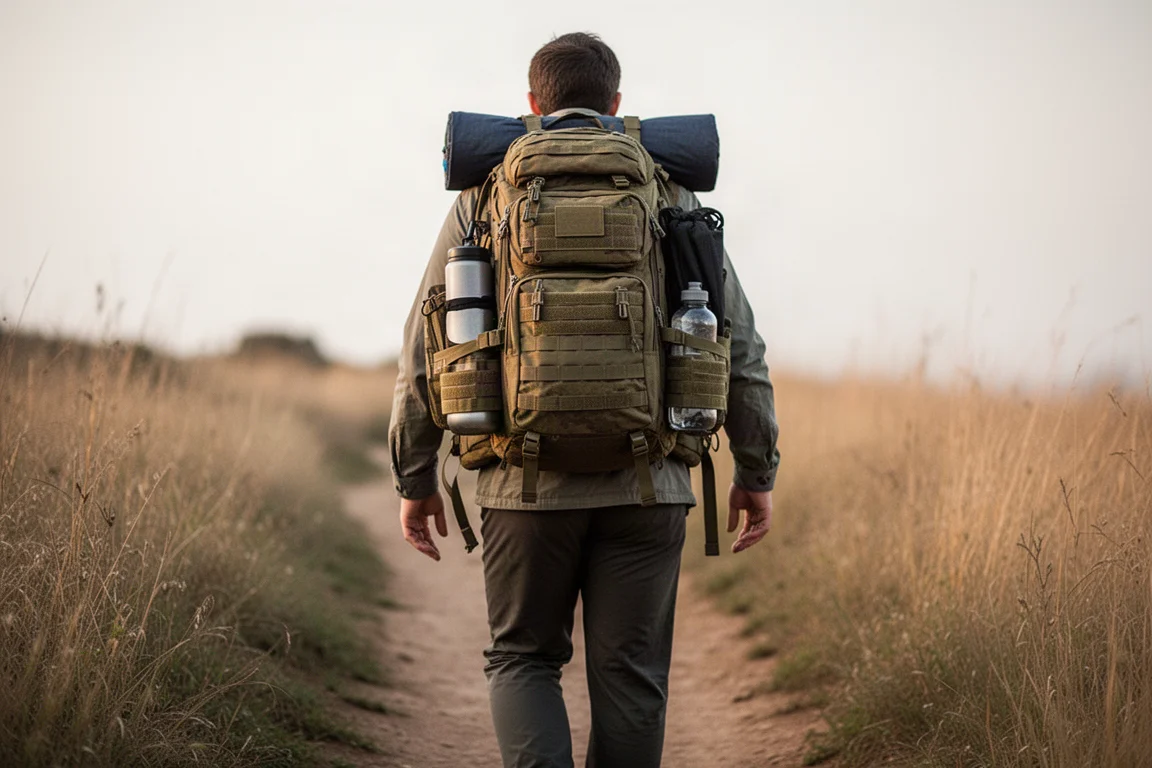
This bag shines as a rucking pack. Both versions have been tested with a 20 lb rucking plate set in two 10 lb increments, which can be strapped together as one set or used separately. The plates can go in an interior sleeve or in the exterior laptop sleeve at the back.
For a single thinner plate, the tighter laptop compartment carries slightly better because the plate does not slide around. For two plates strapped together, the thicker stack carries better in the interior sleeve. Either way, the bag is very durable and holds this amount of weight comfortably on long hikes.
Shoulder Strap Changes in the 3.0
The shoulder straps are where the 3.0 makes its biggest comfort gains. The width and padding look similar, but the 3.0 straps are noticeably wider. More subtly, the padding on the older version runs right up to the connection point with the bag, which limits flexibility at the attachment. On the 3.0, the padding ends higher up, leaving thin webbing at the attachment point and giving the straps more freedom of movement.
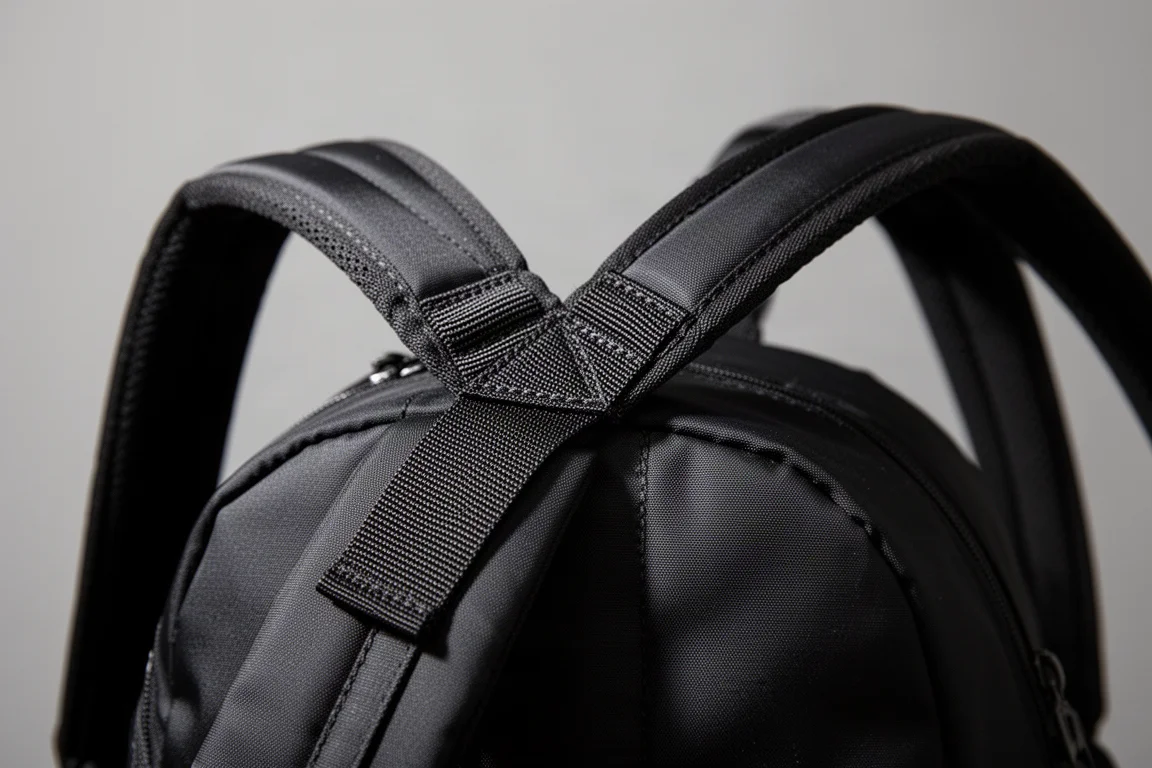
The practical result is that the 3.0 straps conform better to your shoulders and do a better job holding weight, especially when carrying heavy loads or rucking. The sternum strap buckle is also slightly updated: both are Duraflex hardware with whistles, but the 3.0 uses a smaller, slightly lighter buckle. The strap keepers are unchanged.
The New Top Slash Pocket
The 2.0 lacked a top slash pocket, and it was clearly a gap. The 3.0 adds one at the top of the bag: fairly large, made of soft stretchy fabric, and well sized for small everyday gear. Because the bag is so stiff, the zipper can be operated easily with one hand, which makes grabbing quick-access items genuinely convenient.
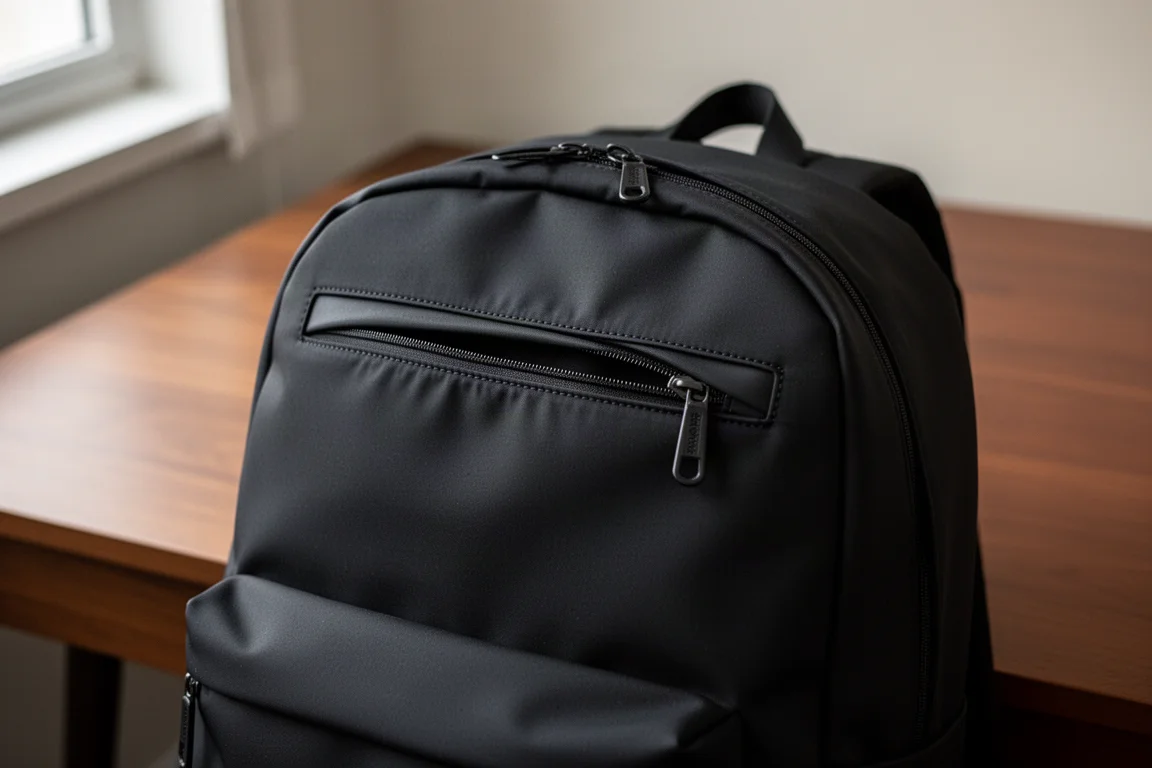
Another small touch: the webbing on the top carry handle has been upgraded to a thicker, seat belt style weave that feels a bit softer in hand.
Interior and Weight Differences
Inside, the two versions are essentially identical. Both feature the same interior stretchy pockets, the same top pocket and large mesh pocket on the lid side, and the same flap layout that works for a water bladder or a ruck plate, with a port for the bladder hose. The 3.0 uses an orange lining fabric, though whether that is tied to the 1000D Cordura version or simply an update, the practical difference is minimal.
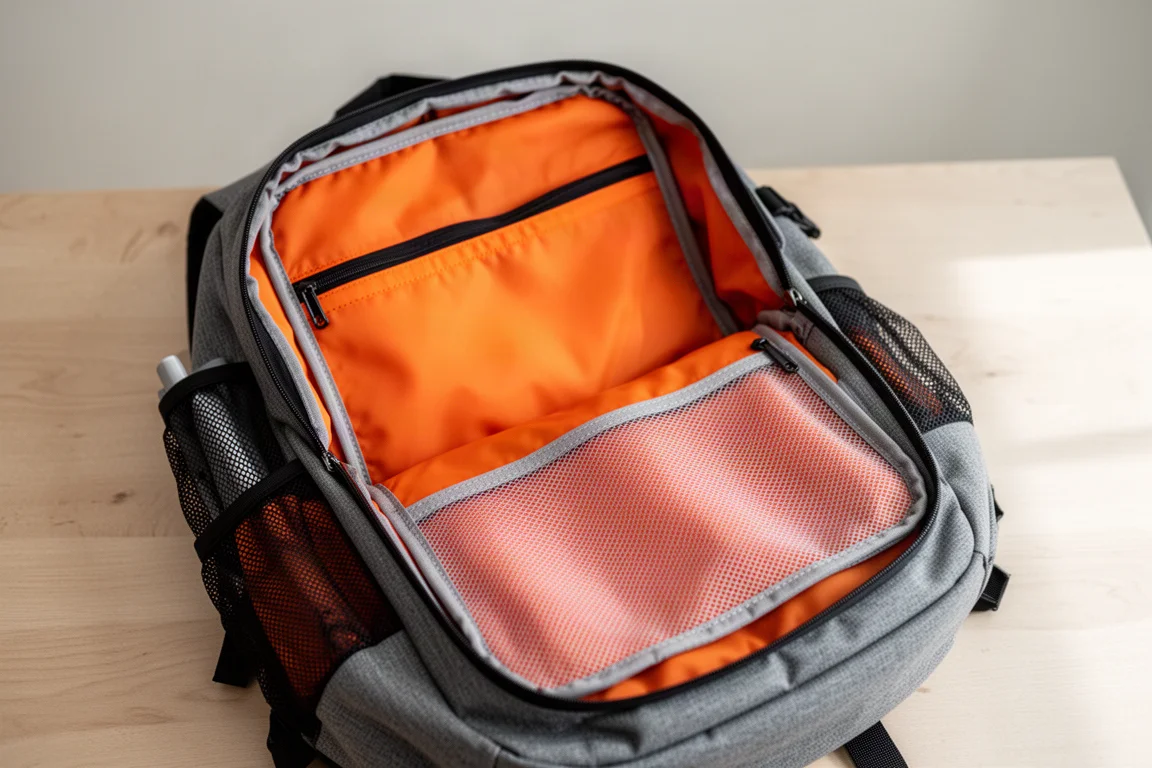
The fabric choice does affect weight. The 1000D version weighs about 2.84 lb (1.29 kg), partly due to the thicker fabric and wider straps, while the 500D 2.0 comes in about 2 lb lighter at 2.64 lb (1.2 kg).
Which Version Should You Buy?
The 3.0 is a solid upgrade to an already great backpack: a more comfortable, more breathable back panel, shoulder straps that carry weight better and fit more naturally, and a much-needed top slash pocket. At roughly $85 for the 500D Cordura version and $97 for the 1000D version on the English website, plus shipping (about $19 to the west coast of the US), the price remains very good for quality comparable to packs two to three times the cost.
If you are buying today, the 3.0 is the version to get. The existing 2.0 remains a fine bag, but the refinements make the newer one the better long-term choice, particularly for anyone carrying heavy loads.
Conclusion
The CT21 works best as an everyday carry pack for use around town, doubles as a workout or rucking pack for adding weight on hikes, and thanks to zippers that run to the bottom, opens fully to work as a shorter weekend travel pack. At 21 L, it is a little small for most people’s long-term travel, but for its intended uses it punches well above its price.
Product link
View more details for C Tactical CT21 3.0
This product is mentioned in the review. Check the specifications, options, and compatibility before buying.
View more details for C Tactical CT21 3.0Further reading
Related Reviews

Backpacks
Best Backpacks 2026: Laptop Protection, Durability, and Comfort Compared
We tested 12 backpacks from $18 to $350 for laptop protection, durability, back padding, comfort, zipper smoothness, and water resistance.
Backpacks
Best Backpacks Under ₹500 in India: Five Practical Options Compared
Five backpacks tested side by side, from budget-friendly to premium Indian brands. Real strengths, trade-offs, and honest buying advice for daily use.
Backpacks
Decathlon Trek 100 70L Backpack Review: Serious Value for Backpacking
A 70-litre backpacking pack with a torso system you can adjust while wearing it, a rigid frame, and a 10-year warranty for $120.