Lawn & Garden
Buying a Used Makita Cordless Mower: What to Check Before You Pay
A practical used-buying guide for battery-powered Makita mowers, built around a real purchase: what to inspect, what to test, and how to spot hidden problems.
Introduction
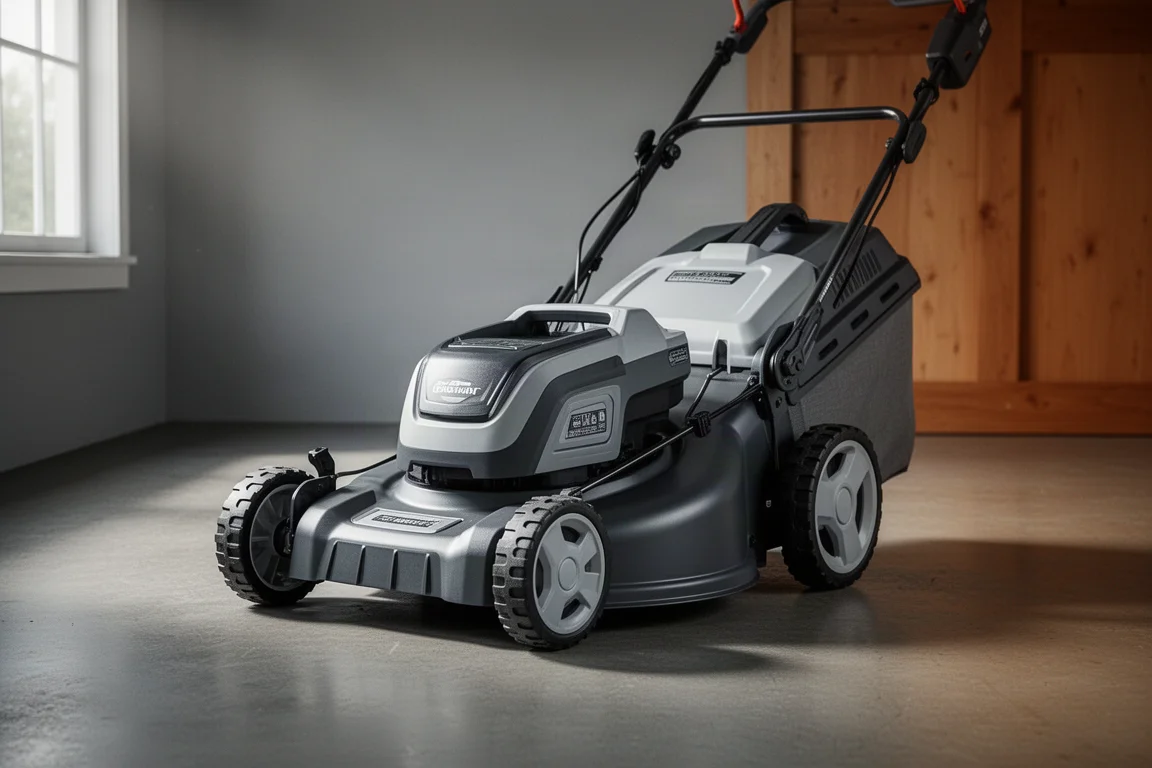
Buying a used battery-powered mower can be one of the smarter purchases for your yard. Compared with a used gas mower, there is simply a lot less to go wrong: fewer moving parts, fewer breakable components, and a much easier inspection process. This guide is built around a real-world example: a Makita cordless mower picked up for around $200 through a local marketplace, complete with two 5.0Ah batteries. The equivalent new kit retails for roughly $400 and includes four 4.0Ah batteries, so the savings on a used unit can easily reach 50%.
The catch is that a used mower hides its condition in a few specific places. Here is how to find them before you hand over the money.
Why Used Makes Sense for Battery Mowers
A cordless mower is a fairly simple machine. You have the batteries, some controls up around the handle, a controller that manages power flow from battery to motor, and then the motor, deck, and blades. Fewer components means fewer failure points, which makes buying second-hand noticeably less risky than with a gas machine.
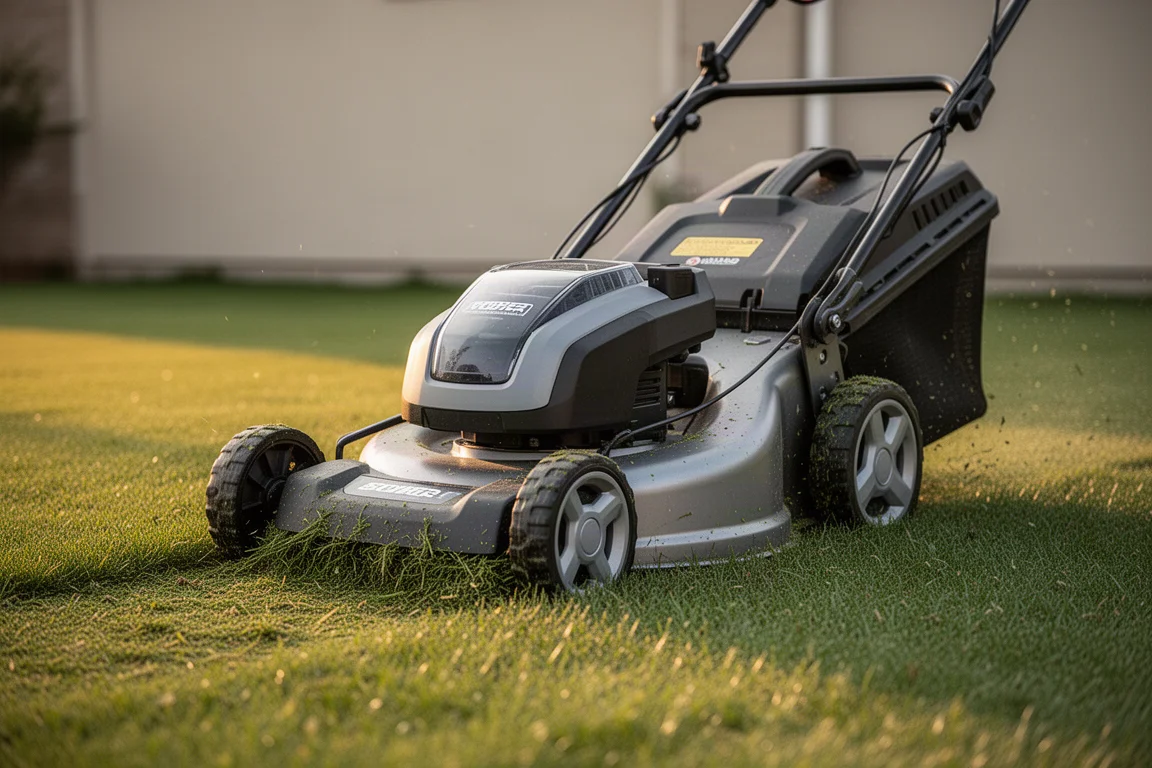
There is also a practical tip worth repeating: go with a mower brand you already own batteries for. If you are buying into a new battery platform from a used unit, you are taking on extra cost and risk, because you should never trust a seller’s batteries alone.
Test It with Your Own Batteries
The single most important move: bring your own batteries to the pickup and ask to mow a bit of the seller’s yard. Take their batteries out, put yours in, and run the mower over real grass. You want to see whether the motor stalls out within a couple of minutes or keeps cutting cleanly.
This eliminates the biggest variable in the purchase. Battery condition is hard to judge on sight, and a mower that struggles may be fine with healthy cells. If you have no batteries of your own for that platform yet, you are entering trickier territory, so every other check below matters even more.
Check the Batteries First
If the sale includes batteries, look for the date code stamped on them. Anything over roughly three years old gets questionable, because you have no way of knowing how many recharge cycles they have been through. That applies to any brand, not just Makita.
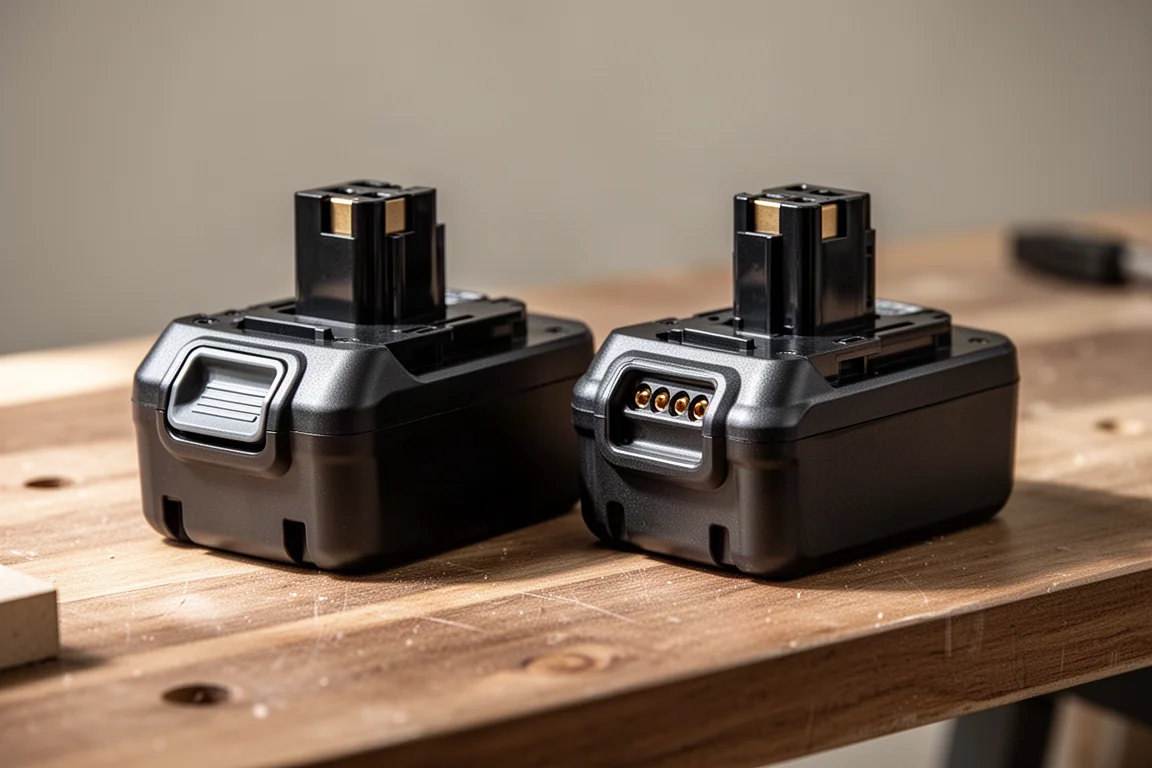
Date codes tell you age, not usage. One mower in this comparison carries a 2017 date code, the other a 2019 code, though the 2019 unit was only bought into use in 2021. The code reflects manufacture date, not when the mower started working, but it still gives you a useful floor on the machine’s age. Note that both of these units are out of warranty, and Makita warranty repairs typically require shipping the mower in or visiting a service center, which makes a cheap used replacement an appealing alternative for many owners.
Look Around the Deck and Wheels
Cosmetics tell a story about storage. Stained wheels, worn paint, and rust around the deck all suggest the mower lived outside or in a damp shed with plenty of moisture exposure. A mower that spent its life in a dry garage usually stays cleaner and less stained.
Check how dirty the deck is and how worn the controls are. Controls on both mowers in this comparison showed essentially no wear and worked well, which is a good sign for any used unit. But do not judge the book by its cover: a clean-looking mower can run far worse than a scruffy one, especially when the motor, batteries, and controller are aging internally.
Listen During the First Test Run
Run every feature you can. The electronic brake is a key one: it should stop the blade quickly and quietly. A mower with years of heavy commercial-style use may have a brake that is shot, producing a harsh, grinding noise when the blade stops.
Even a good used mower may not stop the blade quite as fast as when it was new, but it should stop smoothly and without strange sounds. Smooth and quiet beats fast but noisy. If anything sounds wrong during the test, walk away.
Flip It Over and Inspect the Blade
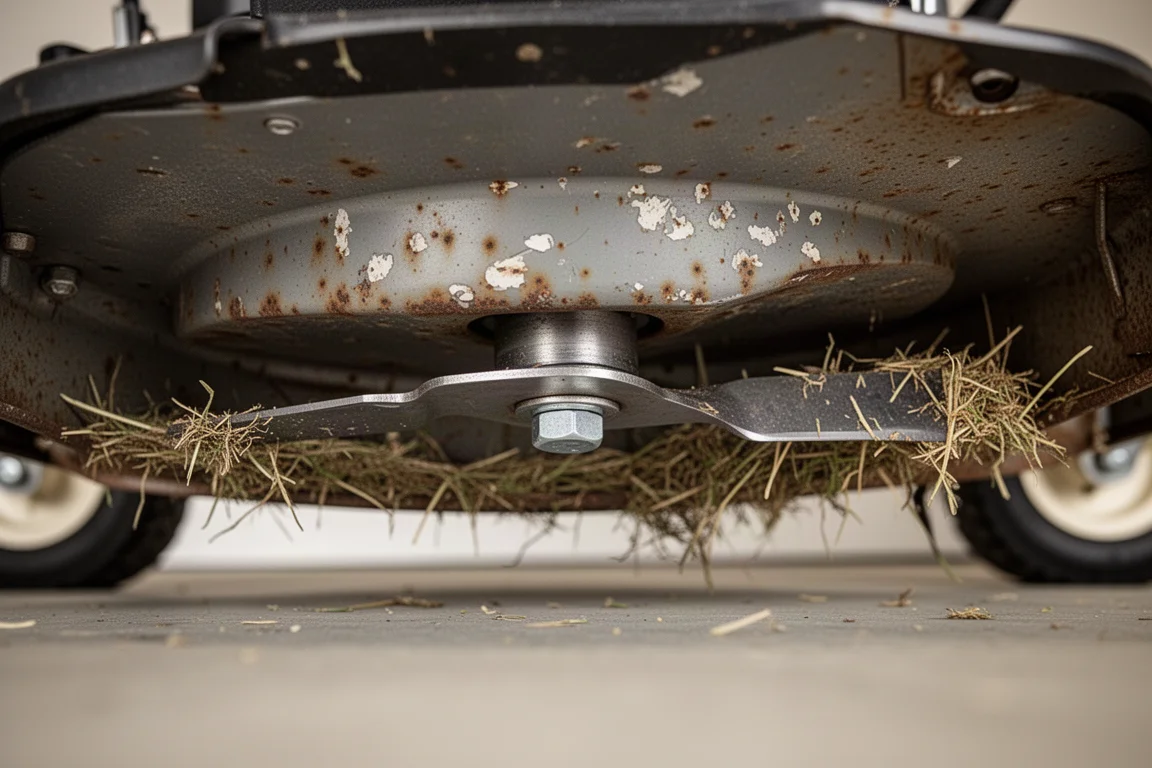
Flipping the mower over reveals a lot. Inspect the blade for damage, deep nicks, and signs of heavy wear and tear. A freshly sharpened blade with no major kinks is a strong sign the previous owner maintained it.
Also note the underside condition: missing paint, light rust, and wet debris buildup point to exposure to rain and moisture. Rust on the underside is not automatically a dealbreaker, but it confirms the mower has seen water. Check whether the blade is a genuine brand blade or a third-party replacement, as that hints at the maintenance history too.
Fold the Handles and Check the Pinch Points
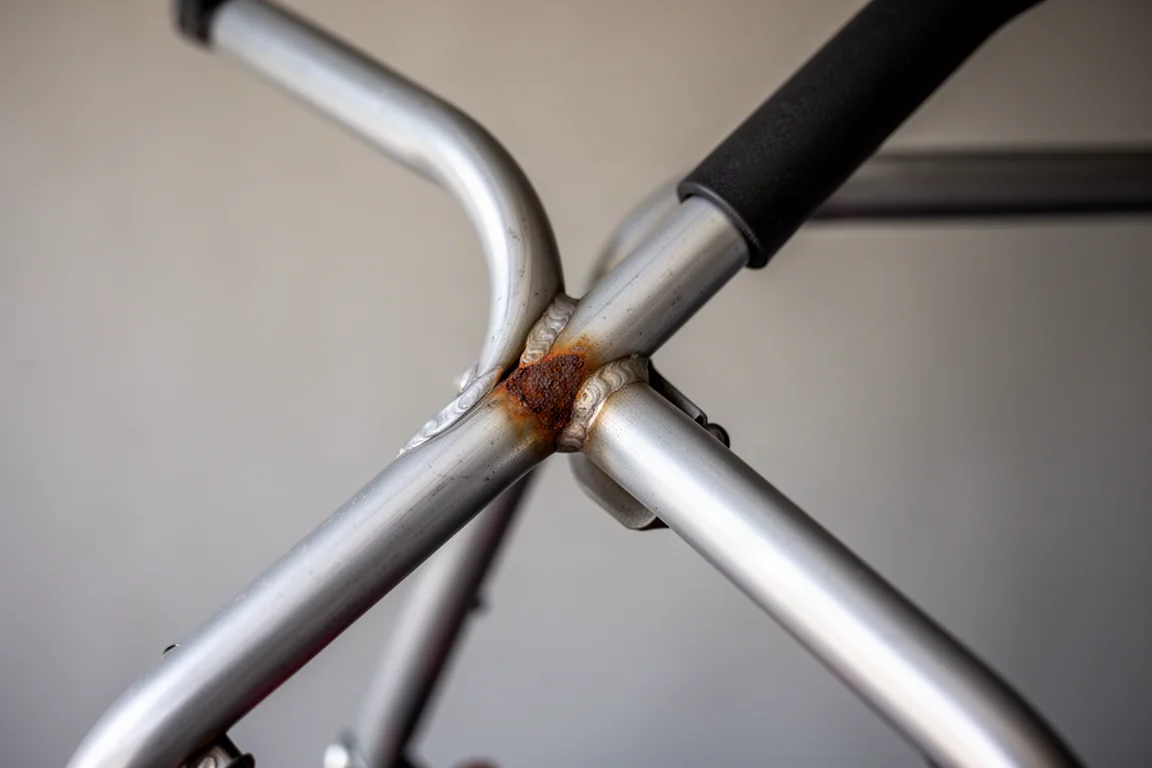
One final and often-missed check: fold the handles. The folding joint is a pinch point between metal parts where water sits and rust develops. A clean, rust-free joint suggests dry storage, while some surface rust there confirms outdoor exposure.
Rust at the handle is not necessarily a fatal flaw, and a mower with minor cosmetic wear can still have a year or more of solid service left in it. Use it as one more data point in the overall picture.
Buying Advice
A used cordless mower is worth the hunt if you do the work. Bring your own batteries, test on real grass, listen to the brake, check the battery date codes, inspect the deck, blade, and underside, and fold the handles to look for rust. A unit with cosmetic wear can still run beautifully, and a spotless one can hide a tired motor. Judge the machine by how it behaves, not how it looks, and you can realistically save around half the price of a new kit.
Conclusion
Buying used is one of the easiest ways to get into a quality cordless mower without paying full retail. The Makita cordless mower rewards careful inspection: fewer moving parts mean most problems are findable with a battery test, a listen, and a quick flip. Do your due diligence, and a $200 marketplace find can serve you just as well as a $400 store kit.
Product link
View more details for Makita Cordless Mower
This product is mentioned in the review. Check the specifications, options, and compatibility before buying.
View more details for Makita Cordless MowerFurther reading
Related Reviews
Lawn & Garden
Best Cordless Lawn Mowers 2026: Ten Flagship Models Compared
We compare ten flagship cordless mowers from top brands to help you find the best value, mid-range, and premium option for your lawn.
Lawn & Garden
Hart Goes Big: New 40V Riding Mower, Self-Propelled Mower, and a Carbon Fiber Trimmer
A fresh wave of battery-powered lawn gear led by a new Hart electric riding mower, plus the walk-behind mower and carbon fiber string trimmer that round out the 40V line.
Lawn & Garden
Best Battery-Powered Lawn Mowers 2026: Three Flagships Compared
Flagship self-propelled battery mowers from Ego, Echo, and Greenworks tested for power, runtime, and value to help you find the right fit for your lawn.