Running Shoes
Buy or Sell: Super Trainers, Super Shoes, and the Running Gear Decisions Worth Making in 2026
A practical buy-or-sell guide covering premium super trainers, marathon racers, short-distance specialists, and the training habits that shape how well they work.
Introduction
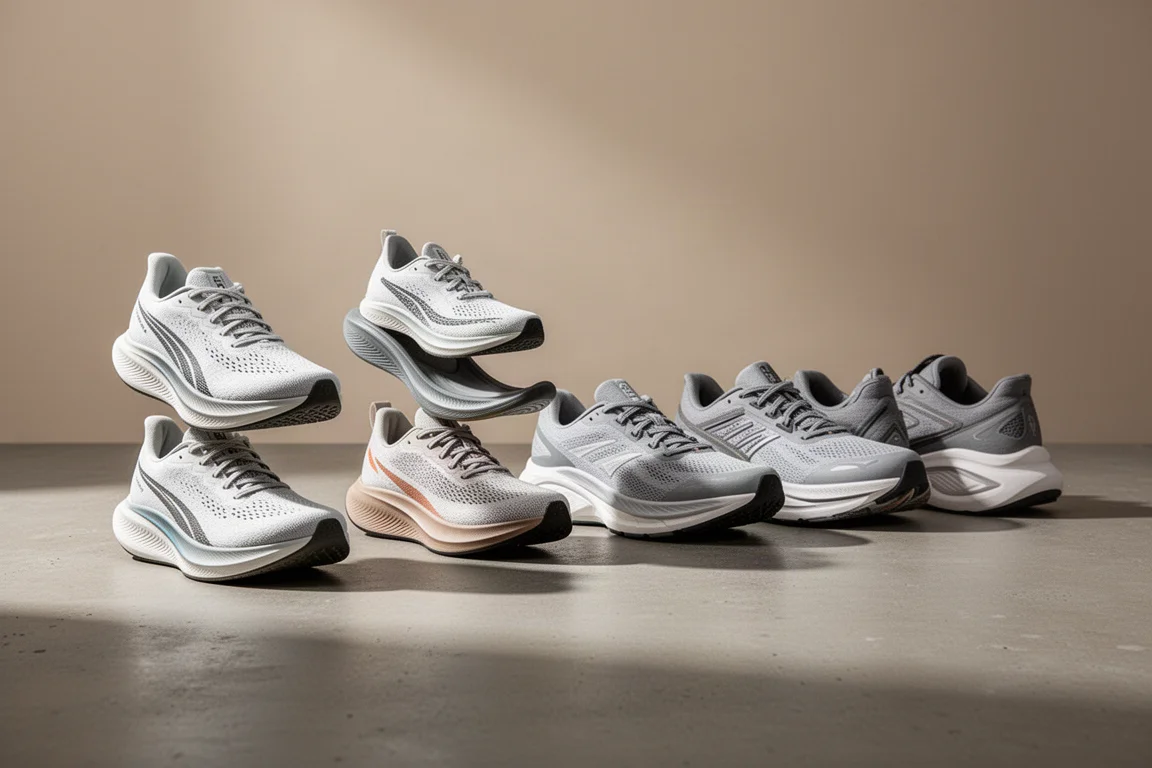
Running gear conversations have shifted from simple comparisons to genuine buy-or-sell decisions. With premium super trainers now sitting at or above the two-hundred-dollar mark and racing shoes fragmenting into marathon, half marathon, and 5K-specific categories, the question is no longer which shoe is fastest, but which purchase actually makes sense for how you train and race. This guide walks through the decisions that matter most, from super trainers and racers to the training habits that determine whether any of these shoes deliver.
Super Trainers: Buy or Sell?
Super trainers priced over $200 are the most divisive purchase in running right now. The appeal is obvious: maximum cushioning, modern foam technology, and a versatile platform that can handle easy days, long runs, and even harder efforts. The counterargument is just as clear. A typical premium trainer still costs around $170, so a shoe at $200 to $250 needs to justify the difference with real durability and versatility.
For a runner who already owns a dedicated racer and a durable daily trainer, adding a super trainer can genuinely expand the arsenal. For someone simply replacing worn-out shoes, two distinct pairs at different price points often makes more sense than two expensive shoes that do nearly the same job.
ASICS Superblast
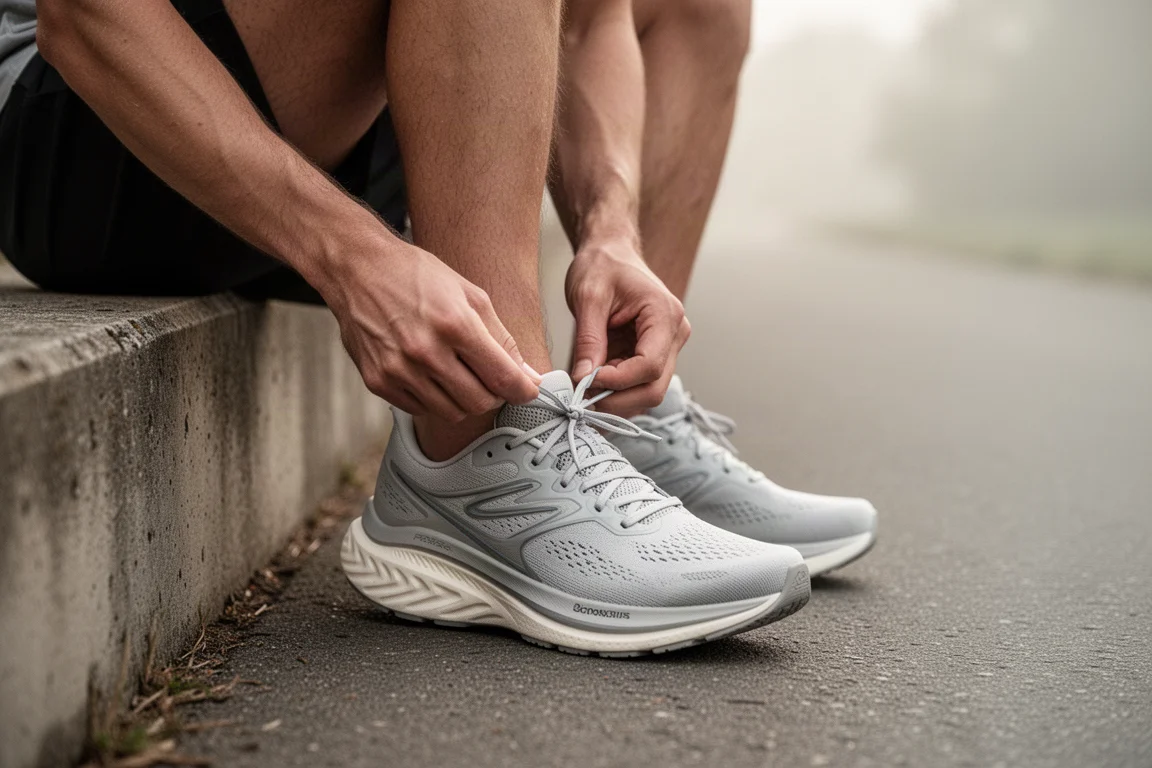
The Superblast is the standout in this category and an easy buy at its $200 price. Weighing roughly 8.4 ounces in a men’s size 9, it still moves despite its stack, and it has proven exceptionally durable, lasting far longer than many other shoes in regular rotation. It is not the fastest shoe available, but it handles everything from long runs to road ultra distances, and it is one of the most versatile platforms on the market.
On Cloudmonster Hyper
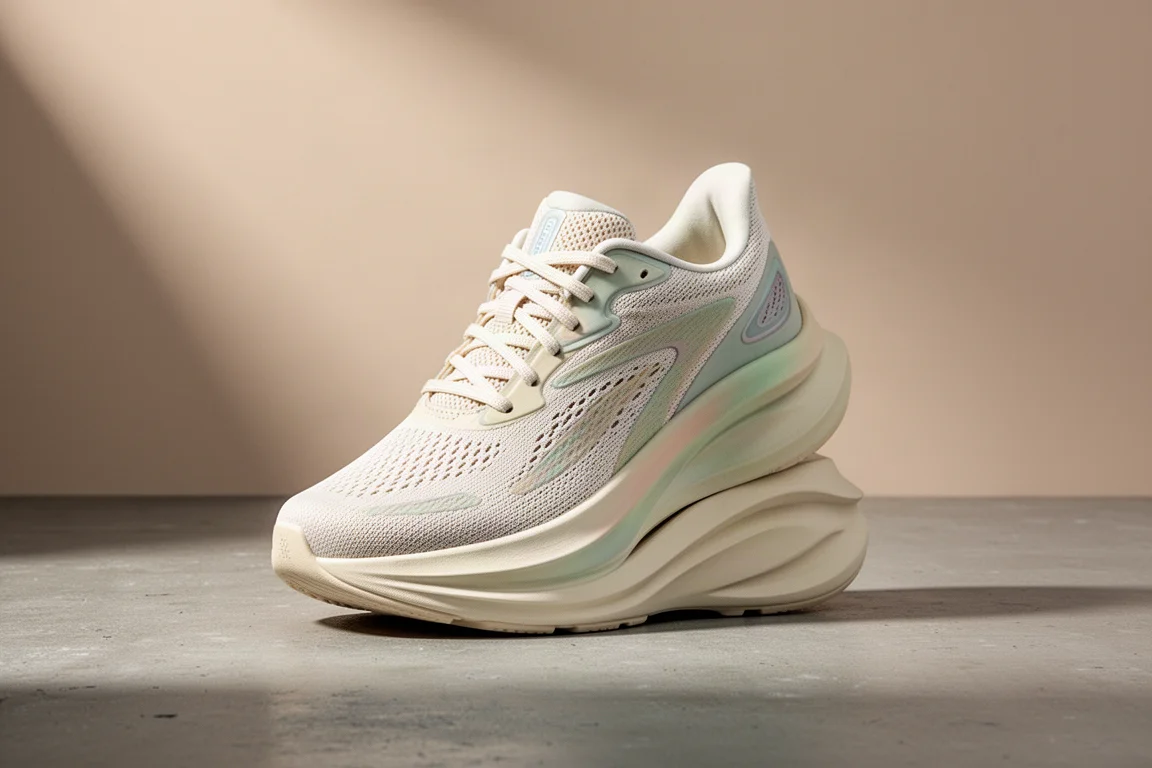
The Cloudmonster Hyper is a fun, distinctive shoe that earns a buy from runners who enjoy its ride. The CloudTec pods around the midsole give it a slightly firmer feel, while the softer, bouncier foam through the center of the foot keeps it cushioned where it counts. It delivers a thick slab of heel cushioning that holds up over big mileage, and it puts a smile on your face in a way few trainers do.
Hoka Skyward X
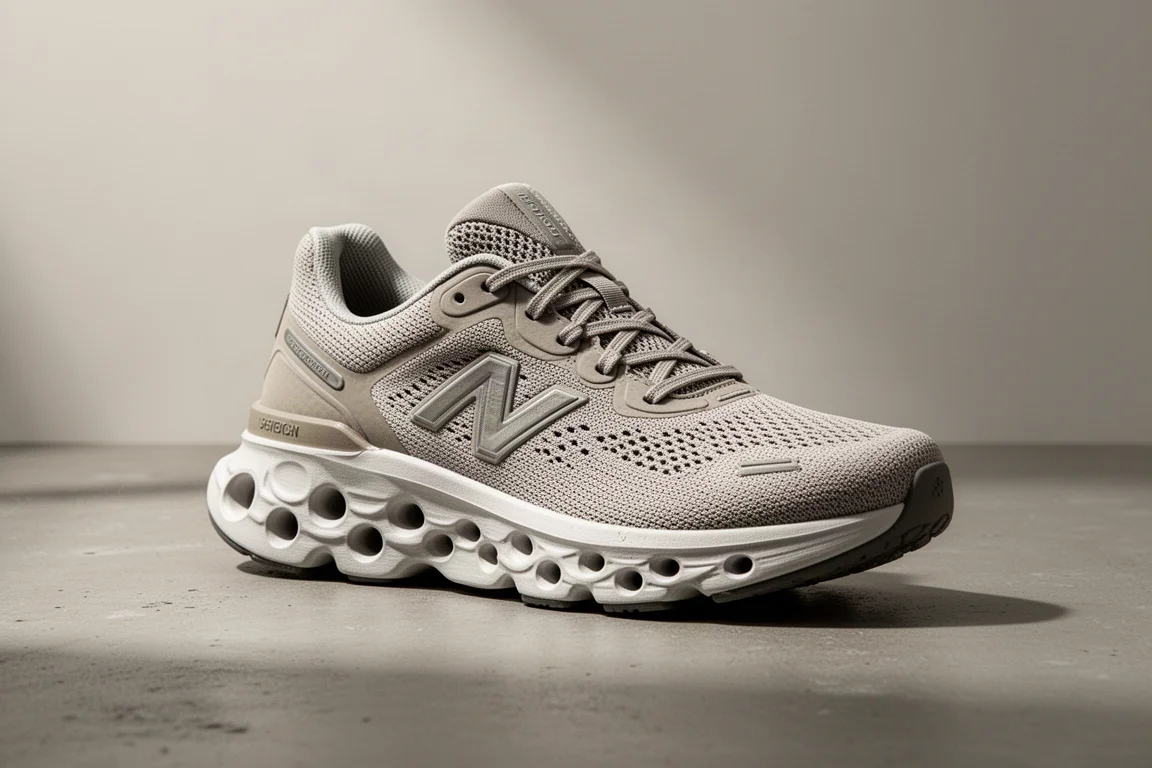
The Skyward X rides well and fits the modern super trainer mold, though it comes with a caveat: the outsole tends to wear faster than expected. At roughly double the price of a standard trainer, buyers reasonably expect double the durability, and this is where some premium trainers still fall short. It is a strong shoe to run in, but durability deserves a hard look before committing.
Trainers Without Rubber Outsoles
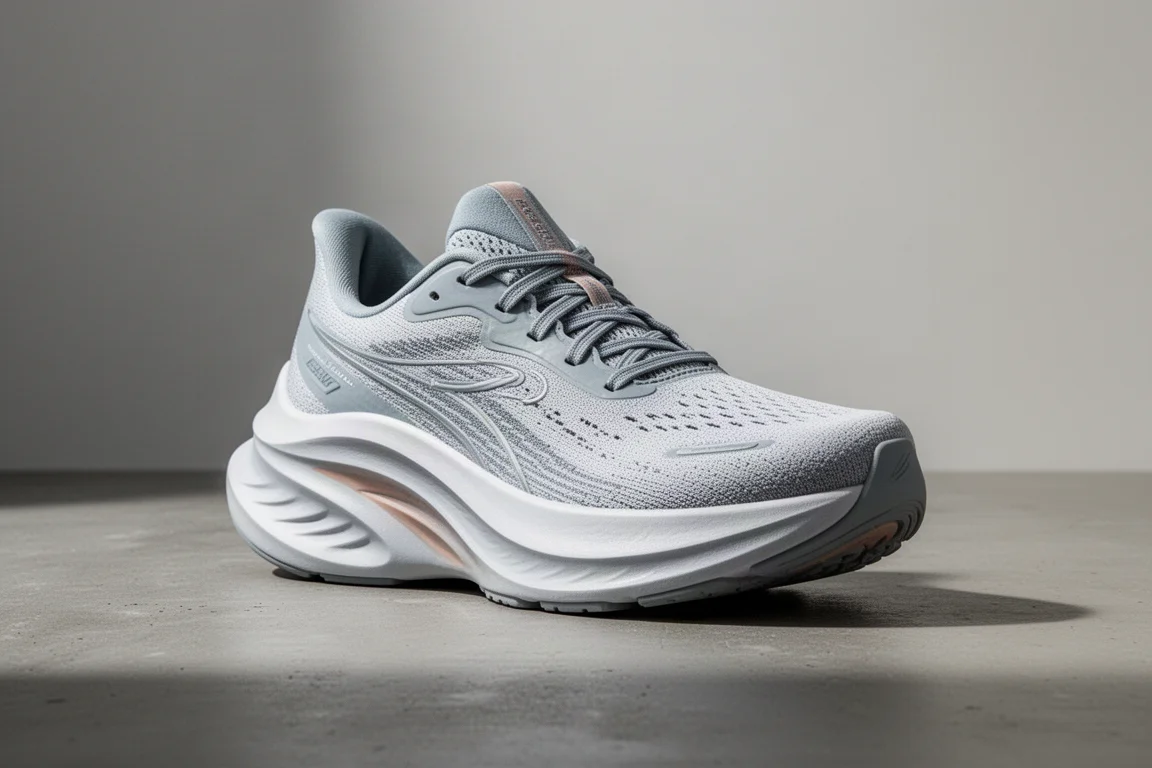
Rubberized EVA outsoles, where the outsole is essentially foam-based rather than traditional rubber, remain a contested design choice. For heavy heel-strikers who shred outsoles in a matter of miles, they are a hard sell: a trainer should fail because the midsole breaks down, not because the bottom of the shoe disappears. For runners with a lighter touch, the trade can work. Rubberized EVA softens the landing and makes the ride noticeably quieter, and shoes like the Carbon X2 have still lasted some runners a full 200 miles.
Hoka Mach 5
The Mach 5 is a good argument for the rubberized EVA approach. Its landing is quiet and soft in a way that made it one of the favorite trainers of its release year, and the traction holds up fine on well-groomed road surfaces. For runners who do not destroy outsoles, it delivers a smooth, forgiving daily ride.
Hoka Mach 6
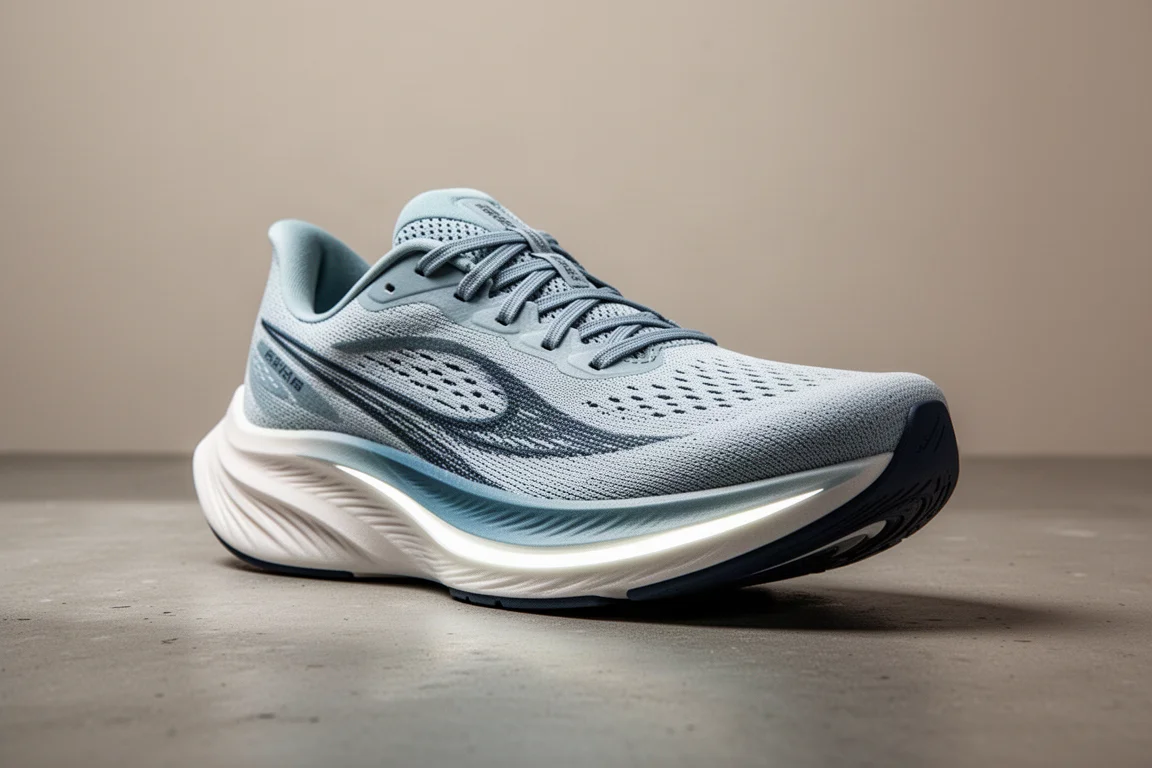
The Mach 6 added rubber to the outsole and moved to a new supercritical EVA foam, making it a noticeably different shoe from its predecessor. For most runners, the addition of real rubber is a welcome change: it removes the durability worry while keeping the quiet, cushioned character that made the series popular. If you liked the Mach 5’s ride but worried about longevity, the Mach 6 addresses it.
Hoka Carbon X2
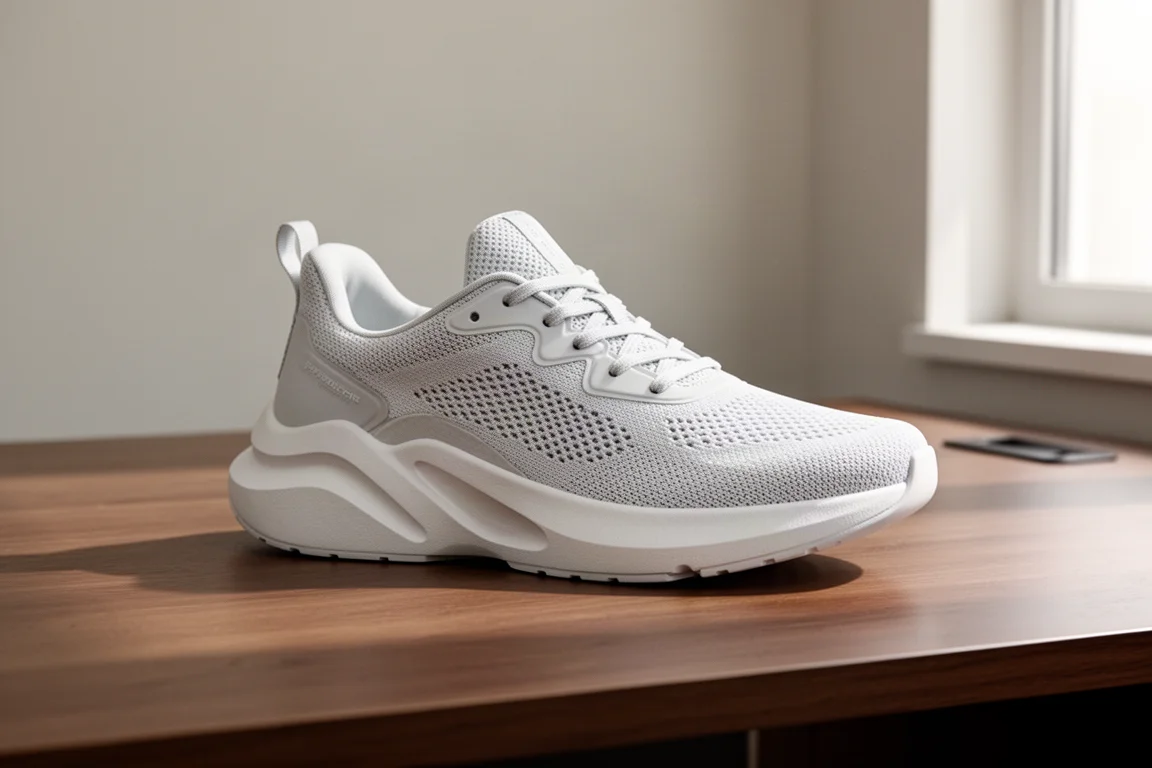
The Carbon X2 occupies a middle ground in this debate. One long-term tester got a full 200 miles out of a pair, which is respectable for a rubberized EVA outsole, while another wore through it quickly. The outsole also gets slightly thickened in places, which helps. It is a buy for careful runners on smooth roads and a pass for anyone who grinds through outsoles.
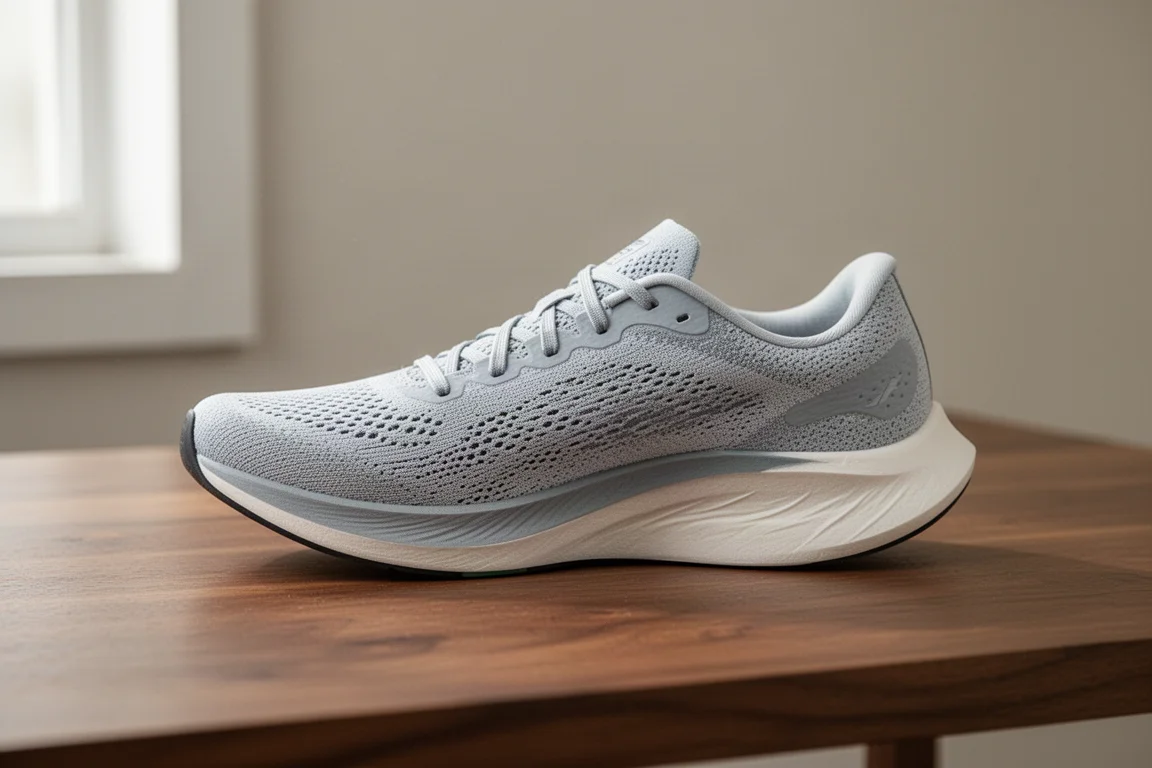
Regular Super Shoes at Shorter Distances
Do marathon-class super shoes like the Vaporfly and Alphafly actually beat 5K and 10K specialists like the Takumi Sen at shorter distances? The honest answer is that they are not better, but they are generally as good. On well-groomed courses with straightaways and minimal cornering, there is essentially no performance loss in wearing a regular super shoe for a 5K or 10K, which is why so many professionals do exactly that.
The decision really comes down to the course and your own mechanics. A low-stacked, agile racer shines when there is a lot of cornering or mixed terrain, while a full-height super shoe is hard to beat on fast, open roads.

Nike Vaporfly
The Vaporfly remains a benchmark regular super shoe that performs fully at the 5K to 10K distance, not just at the marathon. On a well-groomed course with straightaways, there is no meaningful performance penalty compared to shorter-distance specialists. Runners who prefer its ride and geometry over low, flat 5K racers can race short distances in it with complete confidence.
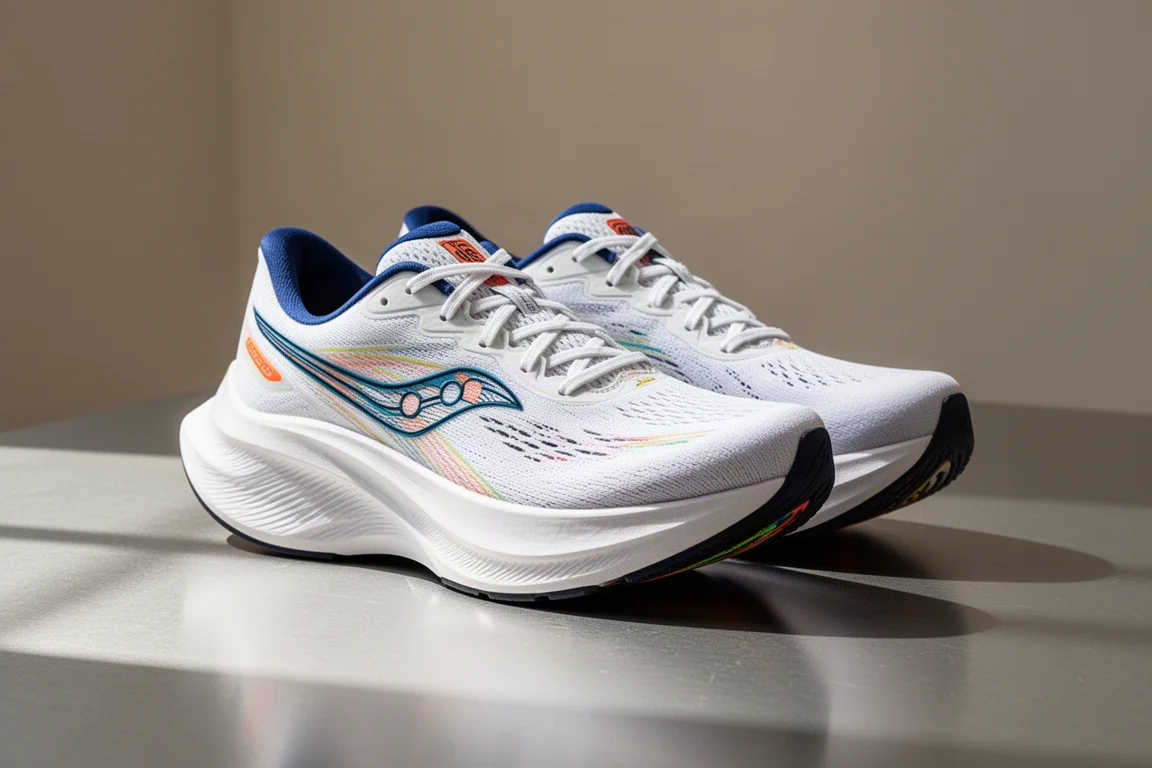
Nike Alphafly
The Alphafly sits at the top of the marathon super shoe stack, and the buy-or-sell question at shorter distances comes to the same conclusion: it is as good as, not definitively better than, a dedicated 5K and 10K racer. The difference in running economy between a marathon super shoe and a short-distance specialist is very small, so comfort, confidence, and course profile should drive the choice.
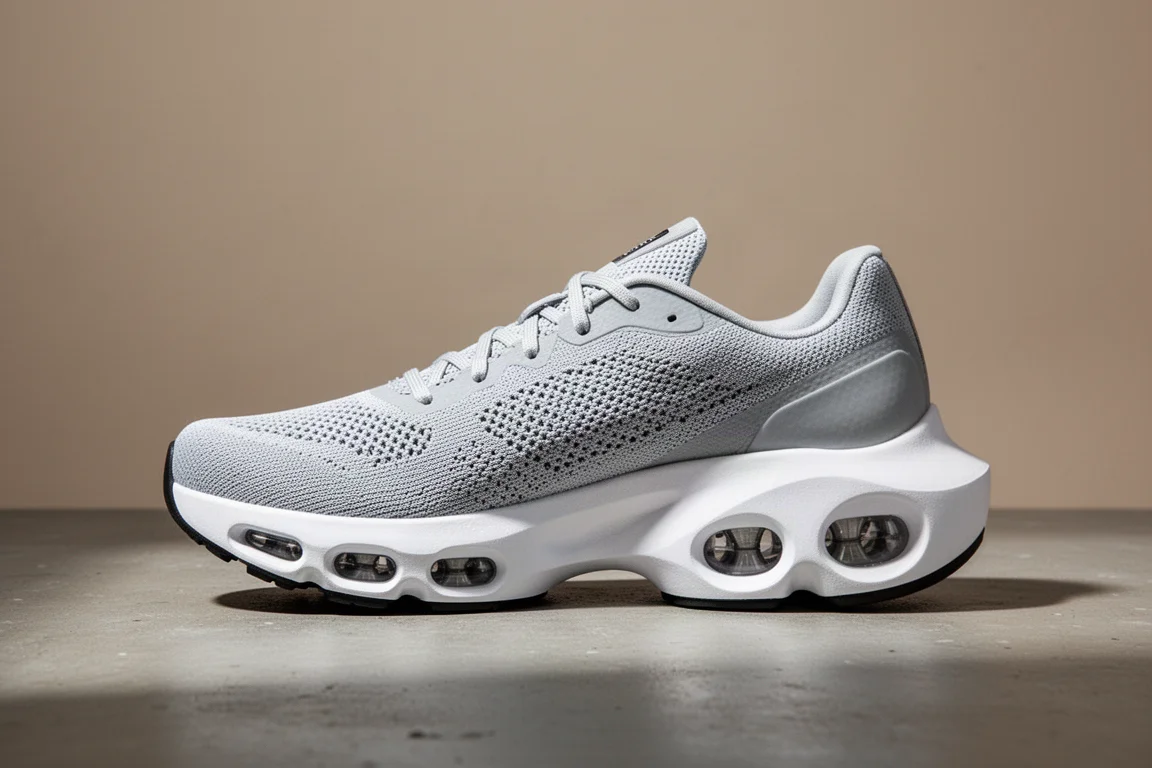
Adidas Takumi Sen
The Takumi Sen is proof that a 5K and 10K specialist can hang with the big stack. At a recent elite road racing event, athletes ran a 3:54 road mile and a 13-flat 5K in the Takumi Sen, with several runners just missing sub-27 10Ks in the same shoe. Its lower profile also makes it the natural pick on twisty courses or races with dirt and runnable grass sections.
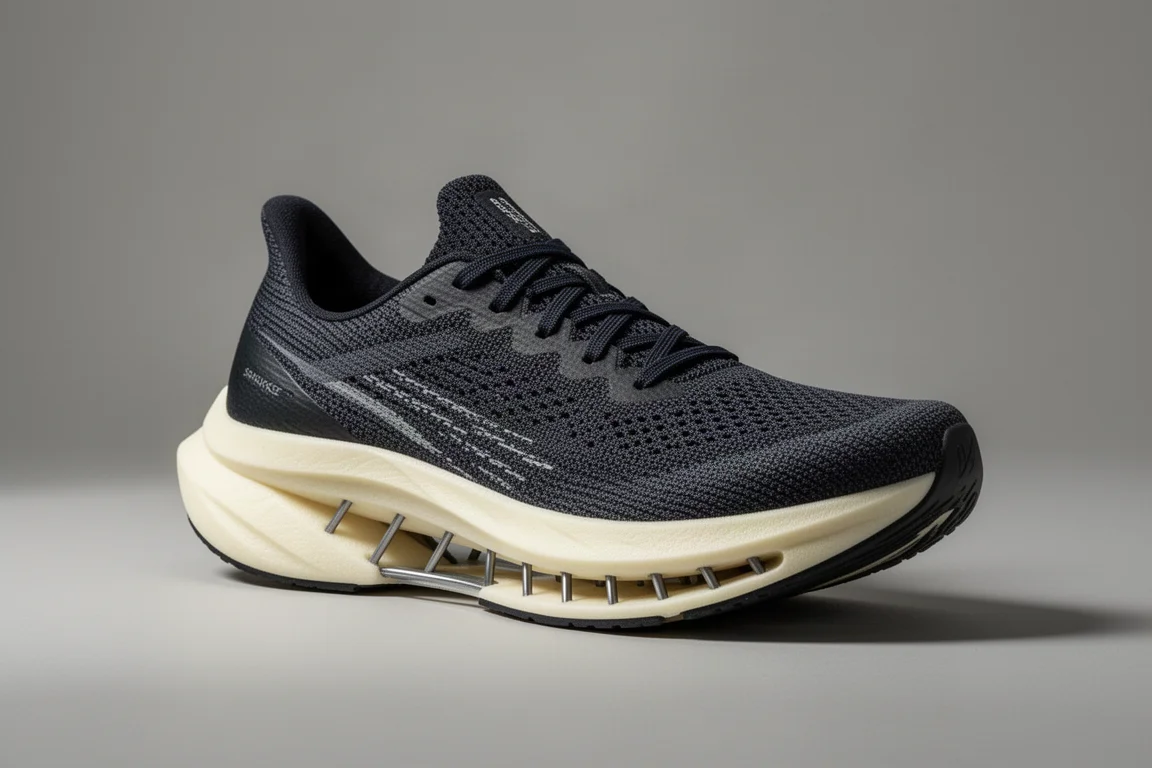
Adidas Adios Pro 3
The Adios Pro 3 is the marathon-class counterpoint in this comparison, and it is the kind of shoe that records are set in. Whether it beats a short-distance specialist at 5K depends entirely on the runner, but as a dedicated marathon racer it remains a top-tier choice. Pairing it with a durable daily trainer is a more sensible setup than buying two similarly expensive premium shoes.
Saucony Endorphin Elite
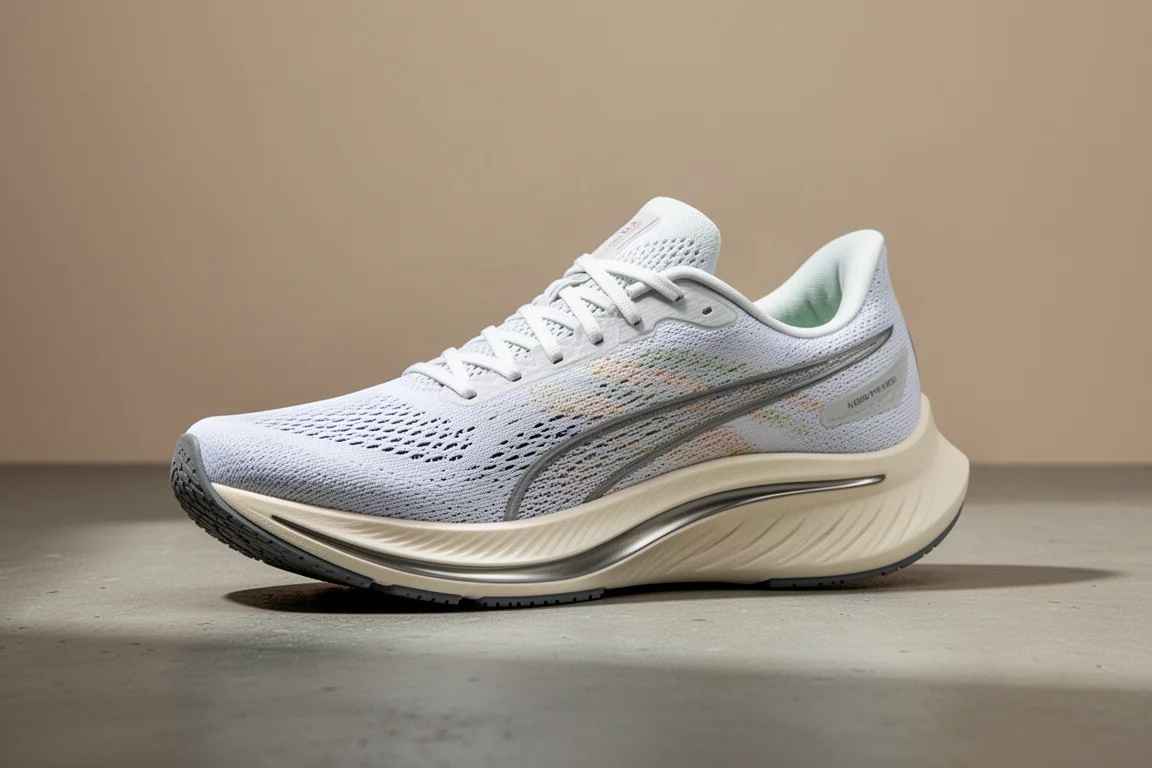
The Endorphin Elite has been a go-to fast-day racer for runners who want a sharp, responsive platform for 5K races. Its low-slung aggressive character suits runners whose mechanics feel comfortable in short-distance specialists. It has since been succeeded in its own lineup, which is worth keeping in mind when comparing current availability.
Youth Racing in Super Shoes
A clear sell for middle school and younger athletes: super shoes have no place on developing feet. The only performance enhancers young runners should be using are good nutrition, good sleep, appropriate strength training, and a variety of sports. The proprioception, balance, and strength needed to handle a soft, compliant super shoe are simply not there yet in younger kids.
High school introduces nuance. Scholarship pressure and championship qualification change the calculus for some athletes, and mid-to-late high school is when development is further along. Still, the developmental-first position holds: train in regular shoes to build the stimulus super shoes would otherwise mask, and treat racing shoes as a tool for older, more developed athletes.
Plyometric Training for Marathon Runners
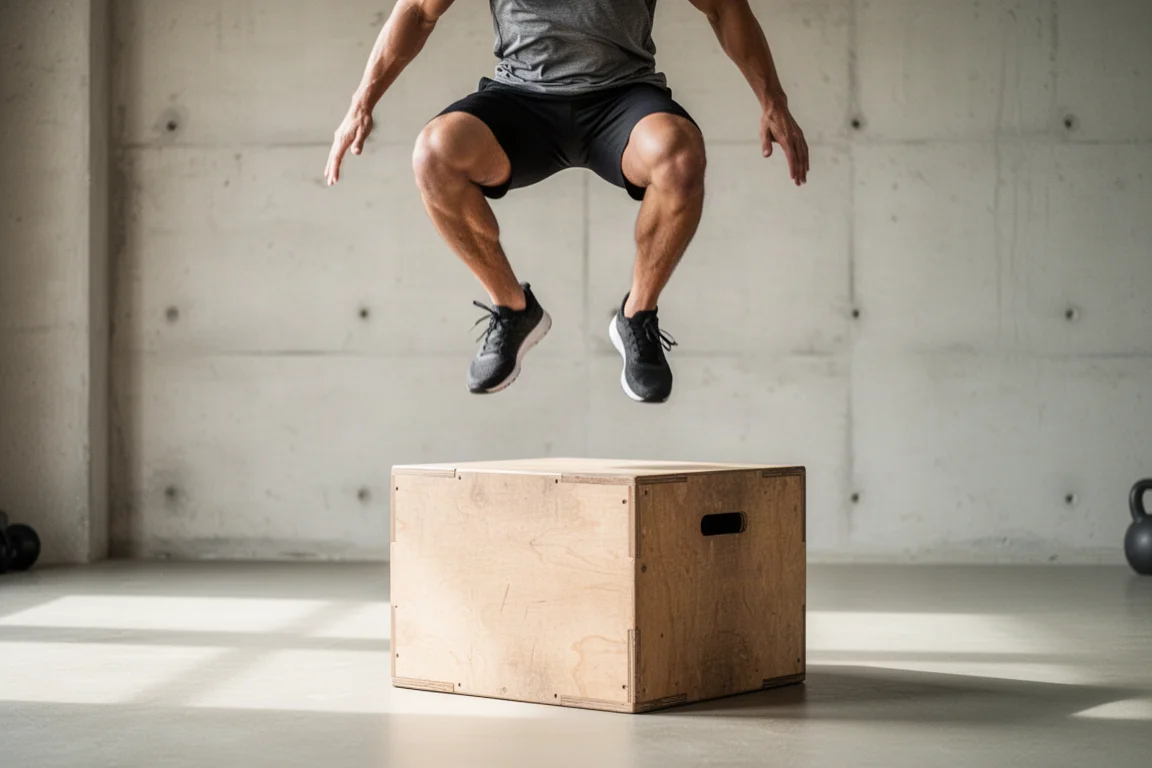
A strong buy, with timing caveats. Research consistently supports two benefits: plyometric programs, even short six-week ones integrated into warm-ups, improve running economy in recreational runners, and a 2022 systematic review found plyometrics outperformed heavy resistance training specifically for running economy gains. Bone health is the other pillar: long-distance running is catabolic, and adding impact work like box jumps, skips, and strides helps build stronger bones.
The caveats matter. If your goal race is a week away, do not start jumping now. Plyometrics are dosed by foot contacts, sometimes as few as 25 to get the benefit, so quality beats quantity. Build a force base with resistance training first, especially for older runners who have naturally lost power and elasticity, and add plyos during a base phase rather than mid-cycle.
Run Slow to Run Fast
A buy on the principle, with a better way to phrase it. Average marathon finishers run paces around nine to ten minutes per mile, yet many run their easy days far too close to race pace. Slowing down on easy days allows you to recover, hit workouts genuinely hard, and build the aerobic adaptations, capillary and mitochondrial density, that endurance running depends on. Consistency over years is what makes runners faster, and you can only be consistent if you stay healthy.
The refinement: learn to run a variety of paces, not just slow and fast. Fast strides at the end of an easy run, moderate tempo efforts, and genuinely controlled recovery runs are all different gears. Runners who only ever go hard or only ever go slow, especially younger athletes chasing paces on social platforms, miss the point. The goal is knowing what effort to use and when.
Minimalist Footwear: Here to Stay
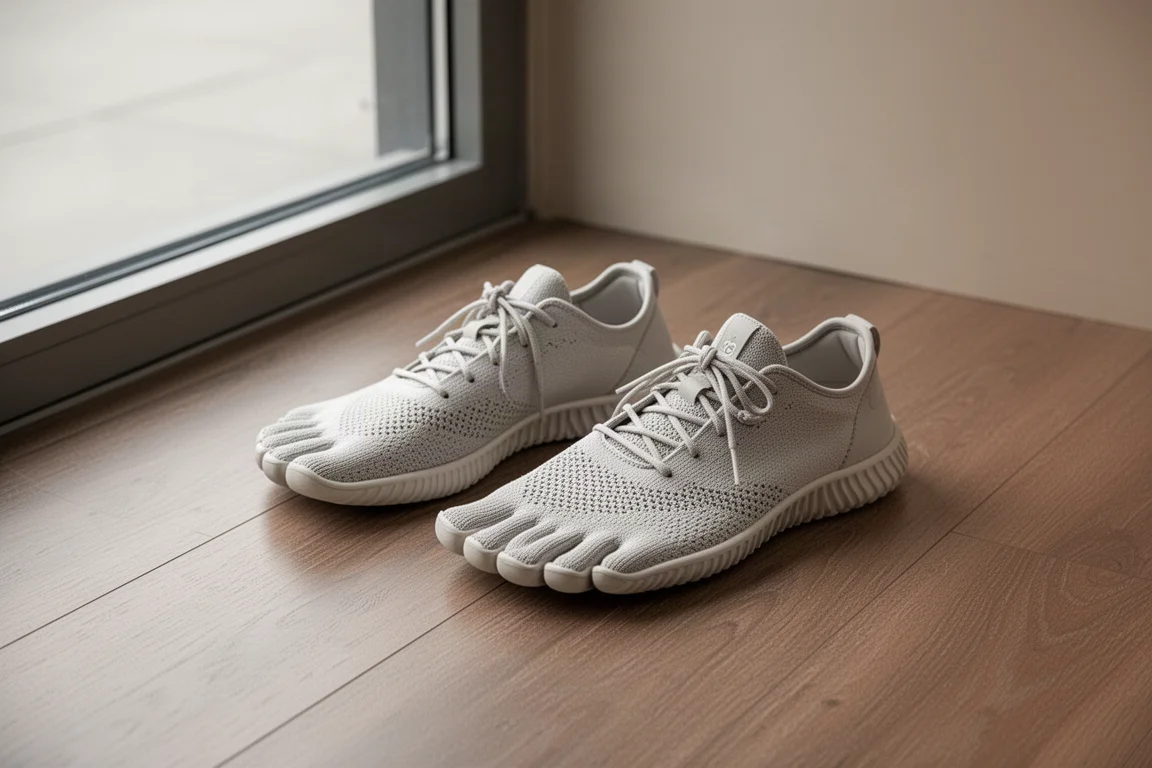
A sell on the idea that minimalist footwear is dying. It is no longer the dominant trend, but it has settled into a stable, appropriate category. Interest is arguably rising again as a counter-reaction to extreme maximalism, with more low-profile, flexible designs visible in everyday wear, not just running. Zero-drop and barefoot-style shoes have earned genuine followings for walking and as a supplemental training stimulus.
Not everyone is a candidate, and using minimalist shoes appropriately requires background work and patience. But the niche philosophy behind them is not going anywhere, and the companies doing it well continue to sell strongly online even when running retail shelves favor max cushion.
Overall Buying Advice
The throughline across these decisions is intent. Buy a super trainer when you want a third distinct stimulus and can verify the durability justifies the premium. Buy a marathon racer and a durable daily trainer as your core two-shoe rotation, rather than two expensive shoes that overlap. Treat short-distance racing shoes as a preference question: if your mechanics love a low racer, use it, and if you race fast open courses, a regular super shoe is just as fast. And time any new training stimulus, plyometrics included, to your base phases, not your race buildup.
Conclusion
Most of these buy-or-sell calls resolve the same way: match the purchase to a specific need rather than the hype cycle. The Superblast and Cloudmonster Hyper prove premium super trainers can be worth it when durability and character are there. Marathon racers remain buys for race day, while the 5K question is one of taste. And the habits around the shoes, varied paces, smart plyometrics, and patience, will do more for your racing than any single purchase.
Further reading
Related Reviews

Running Shoes
Best Road-to-Trail Running Shoes: Three Versatile Options for Mixed Terrain
A practical guide to three road-to-trail running shoes that handle both pavement and mild trails, with clear strengths and trade-offs for different runner types.

Running Shoes
Best Running Shoes for Achilles Tendonitis: Three Options Explained
Three running shoes with different heel drops and support features designed to help reduce Achilles tendon pain during walking and running.

Running Shoes
Best Running Shoes for Women: Five Top Choices Ranked
A ranked guide to five women's running shoes, from versatile daily trainers to high-performance racing options, with real strengths and trade-offs for each.