Snowboards
Burton Yeasayer vs Burton Feelgood: Which Women's Snowboard Should You Choose?
Two Burton women's boards built on the Flying V profile: one tuned for easy, catch-free progression, the other for stability as your skills grow.
Introduction
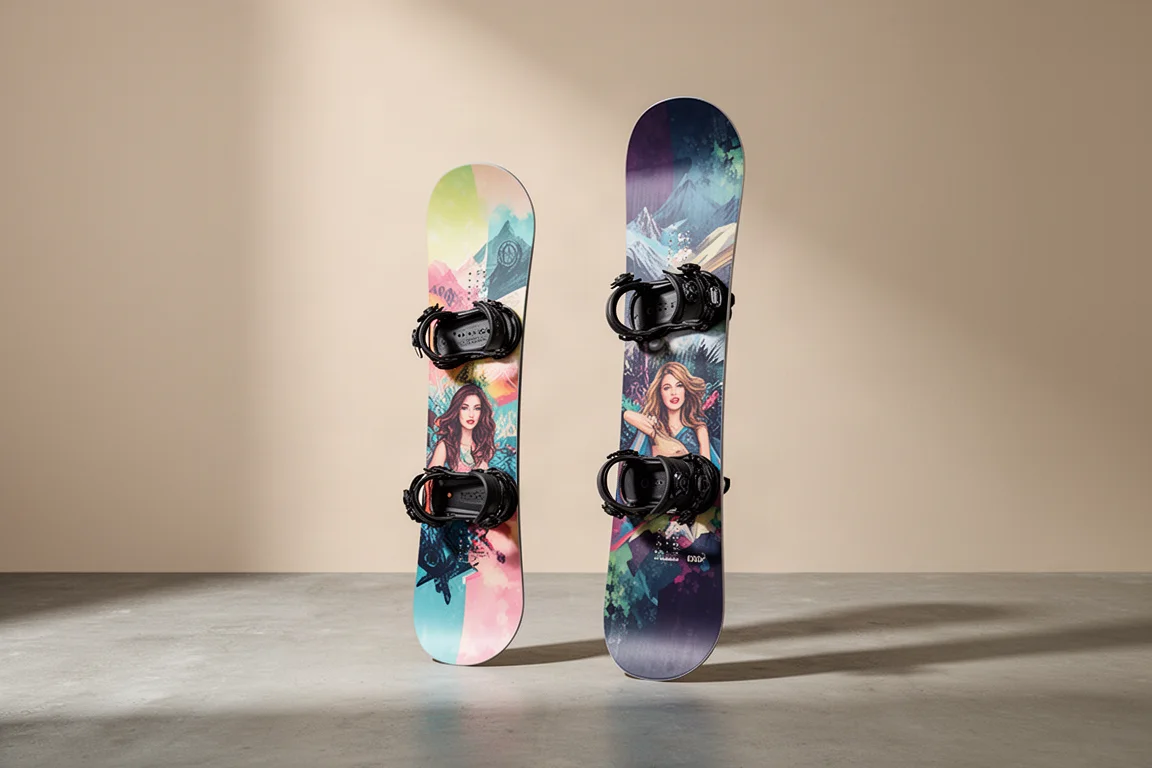
Burton’s women’s lineup includes two boards that share a lot of DNA but serve noticeably different riders: the Yeasayer and the Feelgood. Both use Burton’s Flying V profile, a reverse camber shape that makes turning easier right from the first run. That shared foundation makes them a natural comparison for anyone shopping for a women’s snowboard.
Meet the Contenders
Because both boards ride on the Flying V profile, they are forgiving, easy to maneuver, and well suited to beginners and intermediate riders. Neither is the board you will reach for when you want high-speed, high-intensity carving, but both are genuinely great boards for progressing your skills.
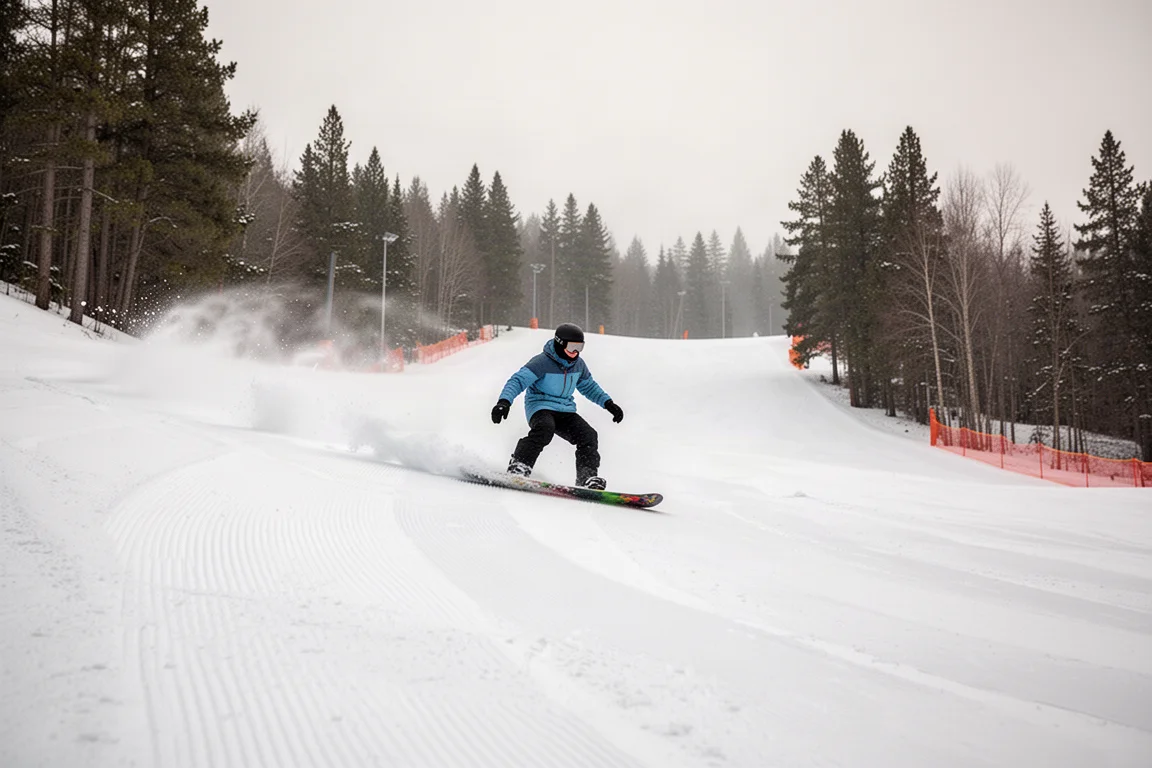
The real difference comes down to how each board flexes and where it sits in the progression curve.
Burton Yeasayer: The Easy, Catch-Free Ride
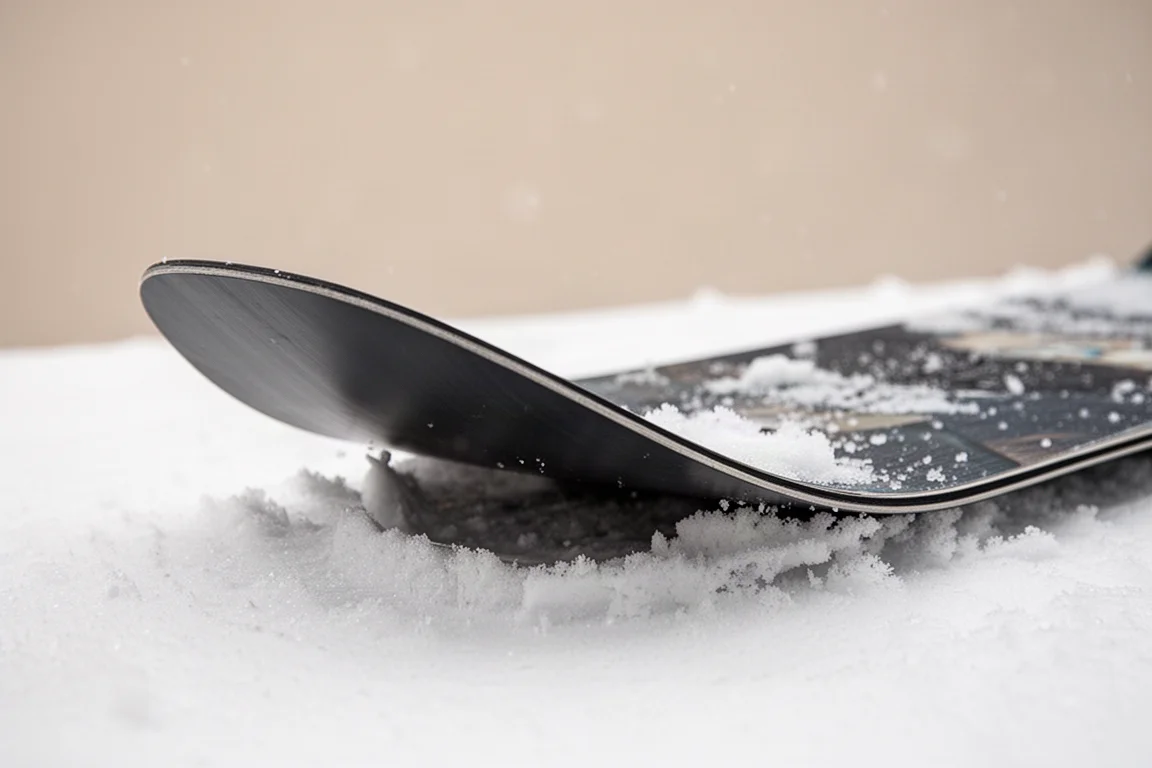
The Yeasayer rolls the contact points at the tip and tail up slightly, which creates a more catch-free ride. For anyone learning to balance on a snowboard for the first time, that makes it much easier to stay in control without the board unexpectedly biting into the snow.
It is also a particularly soft flexing board. When you are using your feet to make those first heel-side and toe-side turns, the Yeasayer flexes with you more intuitively, helping you get past the awkward early phase and link your turns a little faster.
Burton Feelgood: Power and Stability for Progression
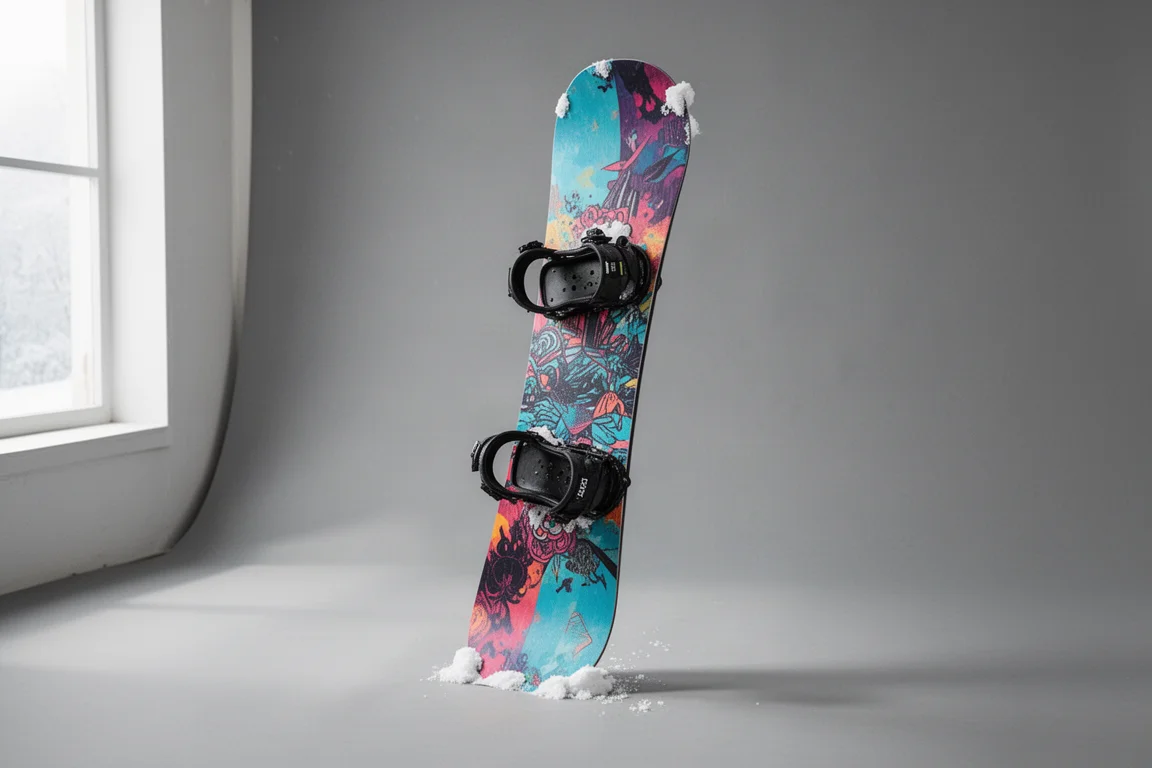
The Feelgood is a slightly directional board that feels a bit stiffer than the Yeasayer. It still carries the Flying V profile, so it remains easy to maneuver and easy to turn, but that stiffer profile gives it noticeably more power underfoot.
As your riding picks up speed, a softer board can start to feel like it is holding you back. The Feelgood’s stiffer build delivers more stability and power, which makes it a strong choice once you are getting more adventurous on the mountain.

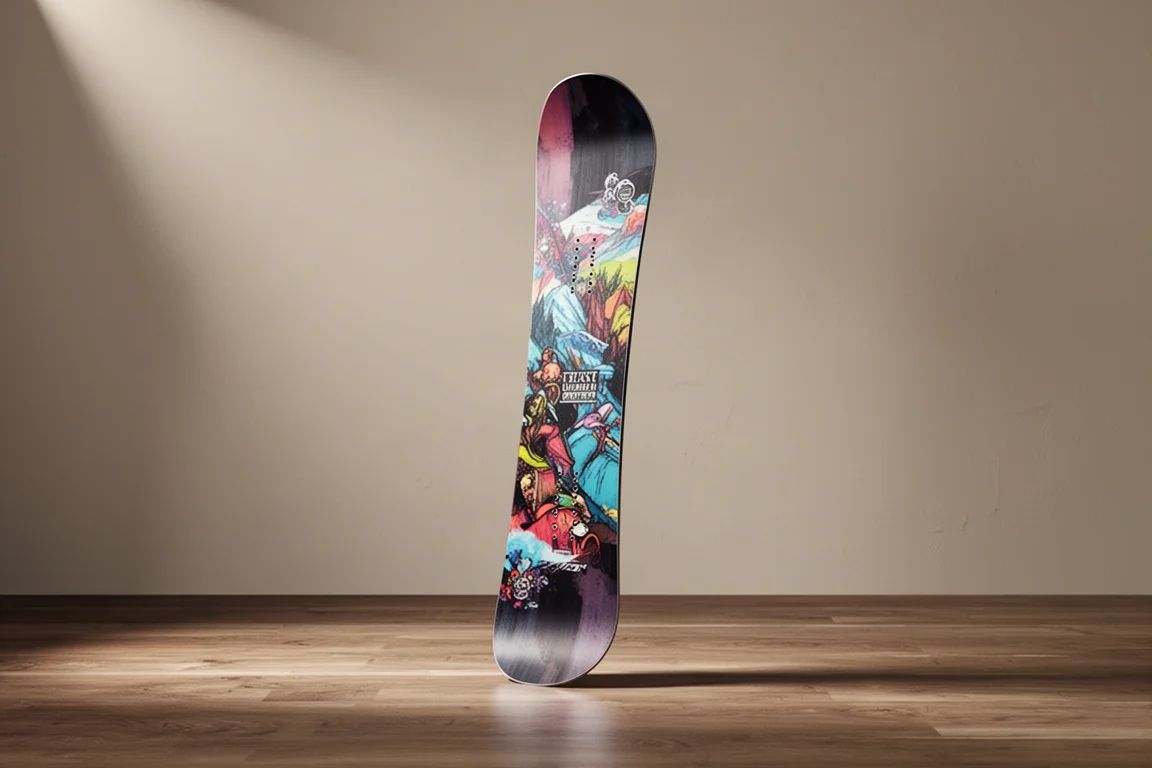
Which Board Fits Your Riding?
If you are a beginner or someone who just wants a relaxed, low-effort cruising day, the Yeasayer is the easier and more forgiving pick. If you are an intermediate rider whose skills are progressing and who wants more stability and power as you get adventurous, the Feelgood is the better match.

Both are excellent snowboards and you can progress on either one. The Feelgood simply offers more stability and power, while the Yeasayer offers more ease and flexibility.
Conclusion
The choice comes down to where you are in your riding. Pick the Yeasayer for a catch-free, intuitive ride that makes learning smoother. Pick the Feelgood when you need a stiffer, more powerful board to keep up with your improving skills.
Further reading
Related Reviews
Snowboards
32 Middle Earth Scott Stevens Pro Model Snowboard Review: A Park Board With a Reversed Flex
A medium traditional camber park board with carbon V reinforcement that is stiffer in the tips and more playful between the feet. Here is how it rides and who it suits.
Snowboards
32 Snafu Review: A Directional All-Mountain Freestyle Board with Serious Pop
The 32 Snafu pairs a directional camber-rocker profile with a stiffening tail for powerful carves, big ollies, and a surprisingly damp ride.
Snowboards
32 XXX Pat Fava Pro Snowboard Review: A Stiff Camber Beast for Hard-Charging Riders
A full-width traditional camber deck that rewards aggression with stability and edge power, but demands effort everywhere else.