Snowboard Bindings
Burton Step On X Bindings Review: Strapless Performance for Strong Riders
Burton's stiffest step-on binding drops the straps entirely and delivers a snappy, responsive ride, with a few practical quirks worth knowing before you buy.
Introduction
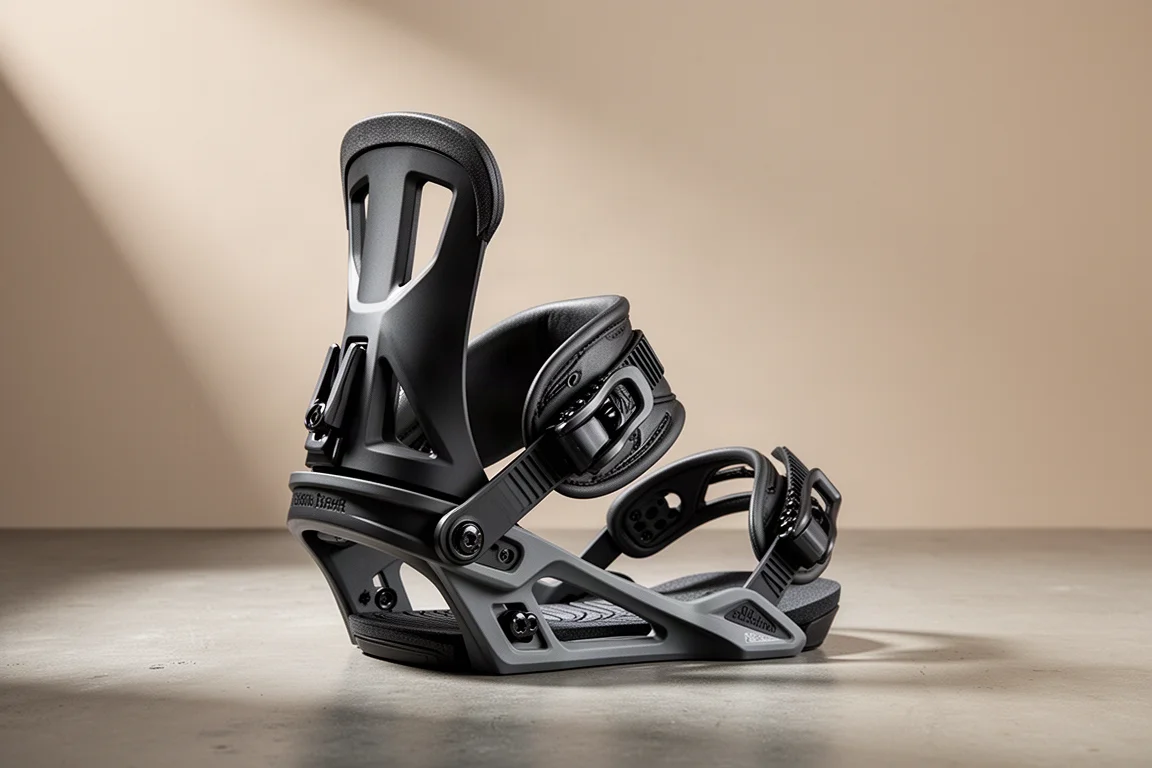
Burton’s step-on bindings have divided opinion over the years, but make no mistake: they are here to stay. The line keeps expanding and its popularity keeps growing with it. The Step On X was a newcomer last season and stood out as one of the favourite snowboard products of the year, and it is the most performance-focused model in the range. This review covers how the system works, how it rides, and some of the common skepticism around it.
Who this product is for
Burton rates the Step On X at around six to nine out of ten on their flex scale, making it the stiffest flex rating in the step-on line. The baseplate and high back are both made with a 50/50 carbon nylon composite, giving a snappy and reactive feel underfoot. That responsiveness is exactly why these bindings are best suited to stronger intermediate and advanced riders who want maximum drive from their board.
They are designed to work in all conditions on every corner of the mountain, whether you are riding park, bigger lines in the backcountry, or simply charging around the resort. If you want something a little more mellow and forgiving, the Step On Genesis bindings are the better match instead.
How the Step On X System Works
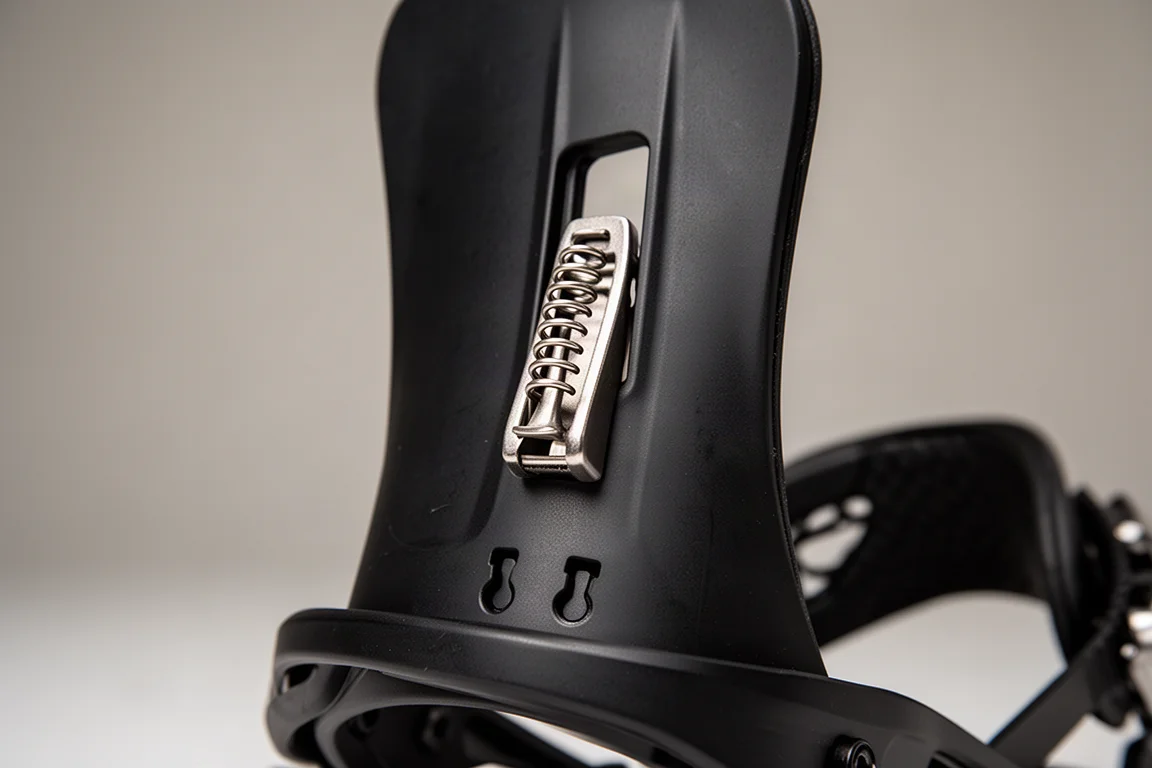
The first thing everyone notices is the complete absence of ankle and toe straps. Instead, Burton’s step-on interface takes over: a spring-like cleat on the high back connects to the backstay of your step-on boots, and two notches near the front of the binding connect to hooks at the front of the boots.
Getting locked in is straightforward. Connect into the high back cleat first, and you will hear it click. Then push down through the toes so the boot hooks engage at the front. To release, simply pull on the lever and step out. It might take a couple of laps or a day or two to get the hang of it, but after that it is hard to argue with the simplicity and convenience of the system.
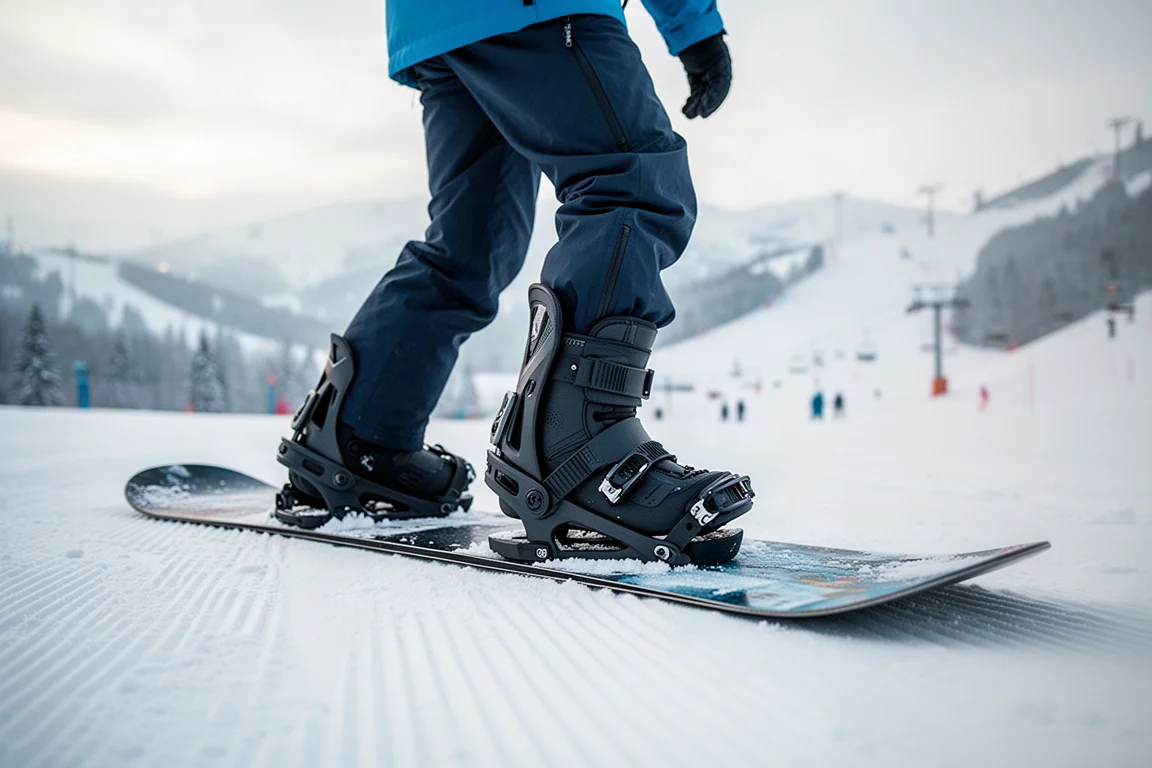
Once you are riding, there is really no noticeable difference from the absence of straps.
Main Strengths
The headline feature is the stiff, snappy carbon nylon composite construction, which rewards aggressive riding with razor-sharp precision. Think of pairing these with a strong performance board where you want the most drive possible.
Underfoot comfort has not been sacrificed for stiffness. The bindings come with a full EVA footbed to soak up bigger landings and absorb underfoot vibrations. The toe ramp can also be pulled forward to give you the perfect footprint size for whatever boots you are wearing.
The high back comes equipped with forward lean adjustment, though it is tucked away, so you will need a screwdriver handy if you want to change the angle. On the topic of adjustability, you cannot change the angle of the high back relative to the sidecut of your board, but Burton has pre-rotated the high back angle so it should line up nicely for most stance options.
Things to consider before buying
Bindings that break away from convention attract a healthy dose of skepticism, so it is worth addressing the common questions directly.
The most frequent concern is ice buildup: do the bindings become difficult to step into, or release unexpectedly? Testing across a range of conditions found no issues. There are actually two different levels you can click into at the back, so even if some snow builds up, you can always find a secure engagement. One click means you are absolutely locked in, and if possible you can go down for the second click.
Because the cleat is positioned higher up on the high back rather than at the base of the binding, it tends to stay clear of snow and ice. As long as you keep the footbeds clear and listen for a firm click when you step in, you should have no trouble getting locked in. They do not come out until you pull the lever.
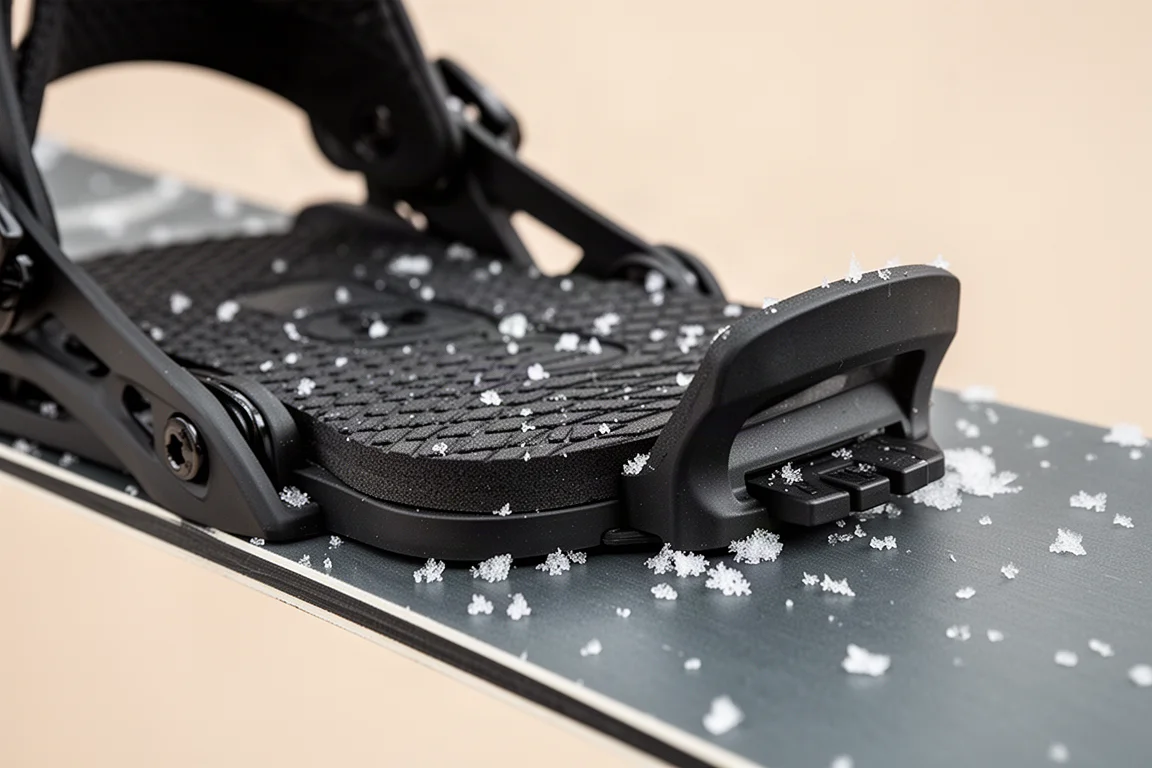
On compatibility, you will not have issues with other snowboards: Burton’s reflex disc works with all channel and 4x4 insert patterns. You do, however, need a step-on compatible pair of boots to go with them, which is a genuine cost to factor in if you do not already own a set.
Buying Advice
If you are a stronger intermediate or advanced rider looking for uncompromising performance and razor-sharp precision, the Step On X is a solid addition to your quiver this year. The strapless convenience is genuinely quick and simple once learned, and the stiff carbon nylon construction delivers a notably reactive ride.
The main things to check before buying are that you have or plan to buy step-on compatible boots, that you are comfortable with the fixed high back rotation, and that you are happy carrying a small screwdriver if you want to tweak forward lean. For riders who prefer a more forgiving feel, stepping down to the softer Genesis model in the line is the sensible move.

Conclusion
The Burton Step On X proves that strapless bindings can be both convenient and genuinely high-performance. With the stiffest flex in the step-on line, a snappy carbon nylon build, and an interface that has proven reliable in varied conditions, they are an easy recommendation for confident riders, provided you pair them with step-on compatible boots and match them to your riding style.
Product link
View more details for Burton Step On X Bindings
This product is mentioned in the review. Check the specifications, options, and compatibility before buying.
View more details for Burton Step On X BindingsFurther reading
Related Reviews
Snowboard Bindings
2024 Union Ultra Snowboard Bindings Review: A Cushy, Freestyle-Focused Favorite
Two seasons on the 2024 Union Ultra: a lightweight, tweakable freestyle binding with standout comfort, a damp molecular bushing, and thoughtful hardware fixes.
Snowboard Bindings
32 Team Phase Binding Review: A Fast Entry Binding Built for Freestyle Laps
The first binding from 32 uses the Phase chassis for quick step-in entry with a softer, freestyle-leaning flex. Here's how it performed on the snow.
Snowboard Bindings
Arbor Cypress Snowboard Binding Review: A Laid-Back Cruiser That Can Charge
A closer look at the Arbor Cypress binding's adjustability, strap feel, and that oddly tall highback before you decide to buy.