Snowboard Bindings
Burton Step On vs Nidecker Supermatic: Which Step-In Binding Makes More Sense?
We compare two popular step-in snowboard binding systems across ease of entry, exit, riding performance, and build quality.
Introduction
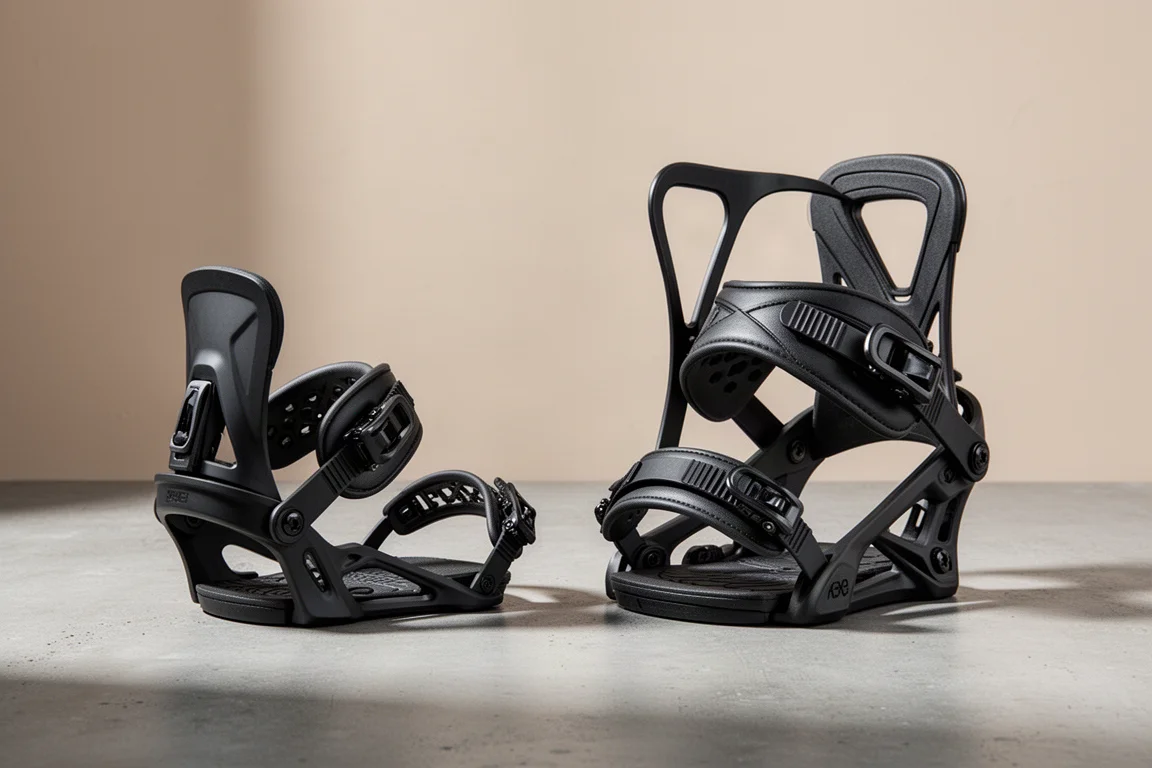
Step-in snowboard bindings promise the same thing every rider wants at the top of the lift: click in and go, without sitting down and fussing with straps. Two systems dominate that conversation right now, the Burton Step On and the Nidecker Supermatic. After riding both over several days, clear differences emerged across four areas: how easy it is to step in, how easy it is to step out, how they ride, and how well they are built.
For context, traditional strap bindings were also tested alongside both systems, since that is the baseline most riders already know.
Ease of Stepping In
Traditional strap bindings require undoing the straps, inserting your foot, and ratcheting everything back up. It works for beginners through experts, and it earns a solid 4 out of 5 for convenience.
The Supermatic is designed around fast entry, and in most situations it delivers. On the slope, getting into the binding was quicker than riders using traditional straps. There are two caveats: you have to be standing to use the step-in function, and you need to press down on your heel to lock it in, which can be awkward in soft snow. It scores 4 out of 5.
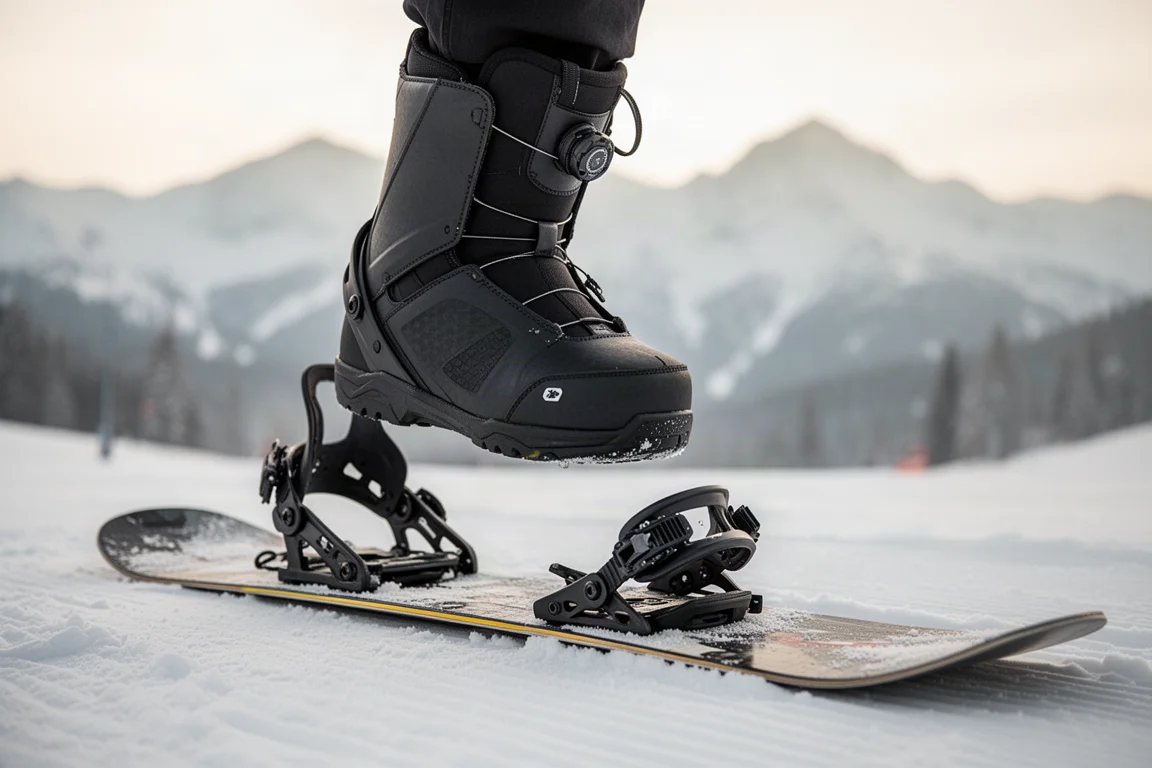
The Step On is similarly quick on a firm slope, and it also beats riders fiddling with straps. In soft snow, though, stomping your heel down to get that click takes extra effort. The bigger limitation is for beginners: because you must be standing to step in, they are hard to recommend as a first binding. It also scores 4 out of 5.
Ease of Stepping Out
This is where traditional bindings shine. Flip the latches and your foot comes out immediately, a 4.5 out of 5.
The Supermatic is the weakest here at 2.5 out of 5. Releasing the foot means reaching all the way to your heel and pressing firmly on the lever. When stopped on your toes in deep snow, that reach becomes genuinely difficult, and even after the latch opens you still have to wiggle the boot free. Riders on strap bindings were consistently out of their bindings sooner and with far less effort.
The Step On sits in between at 3.5 out of 5. The release lever is also placed at the heel and requires a reach, but the lever is easier to pull than the Supermatic’s. Still, riders on traditional bindings were out faster.
Riding Performance
Traditional strap bindings earn a 5 out of 5 here because straps let you dial in exactly how locked-in you feel. At the top of a steep run you can add a couple of extra clicks, or ride looser and compensate with strap tension.
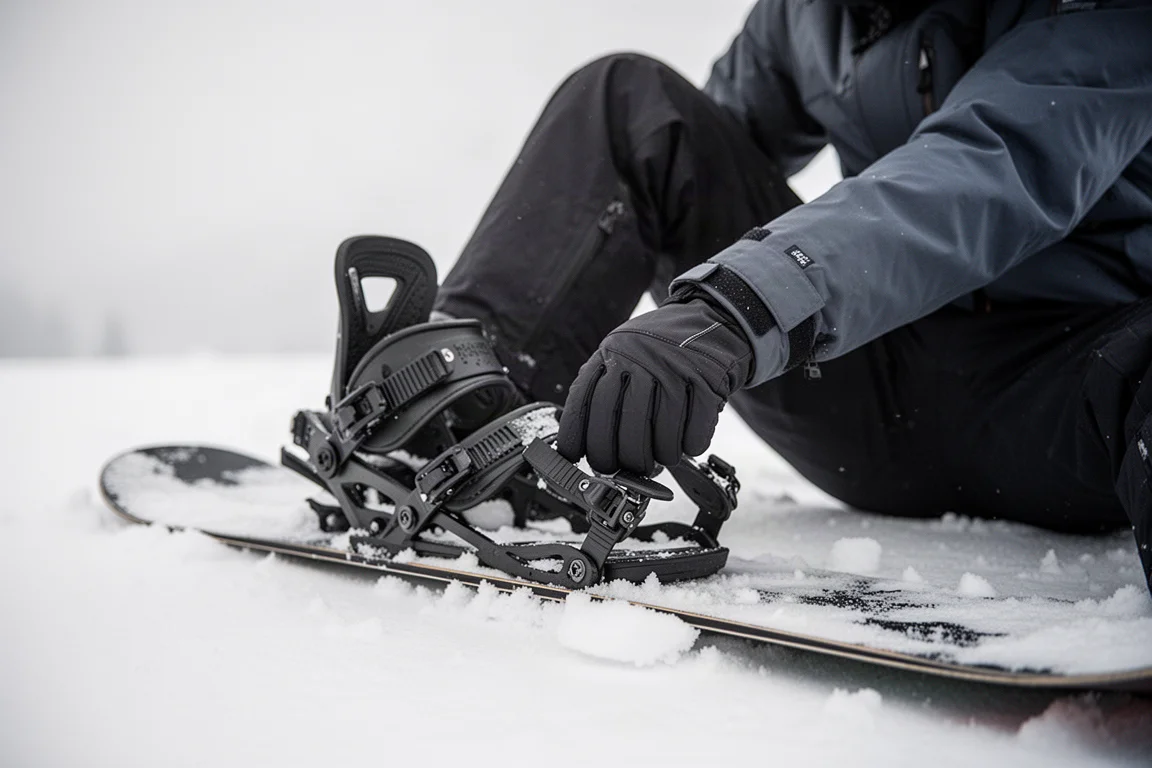
The Supermatic feels secure while riding, and the straps genuinely add that supported, locked-in sensation. The trade-off is that you cannot run the straps very tight, or the boot becomes difficult to get in and out of the step-in mechanism. That means riding slightly less secure than you might want, since tightening them at the top of the run defeats the purpose of the system. It scores 4 out of 5.
The Step On also grew on the tester. The matching boot is designed to be more rigid, and with the heel fully clicked in you get strong response and a locked-in feel. But there is no way to add extra clicks mid-day, and the overall ride feel lands around 85 percent of full potential. Also 4 out of 5.
Build Quality and Design
Traditional bindings benefit from a mature design: huge variety across stiffnesses, weights, and price ranges. That flexibility earns a 4 out of 5.

The Supermatic is innovative, with genuinely interesting engineering behind it. But it is on the heavier side, adding weight to the binding-and-board combination, the straps are tough to adjust, in one case requiring a tool, and the release lever is simply too firm. Despite the innovation, it also scores 4 out of 5.
The Step On wins on simplicity. Fewer moving parts make it very lightweight compared to both traditional bindings and the Supermatic, so the whole board-and-binding setup feels noticeably light. That clean design earns it a 4.5 out of 5.
Overall Buying Advice
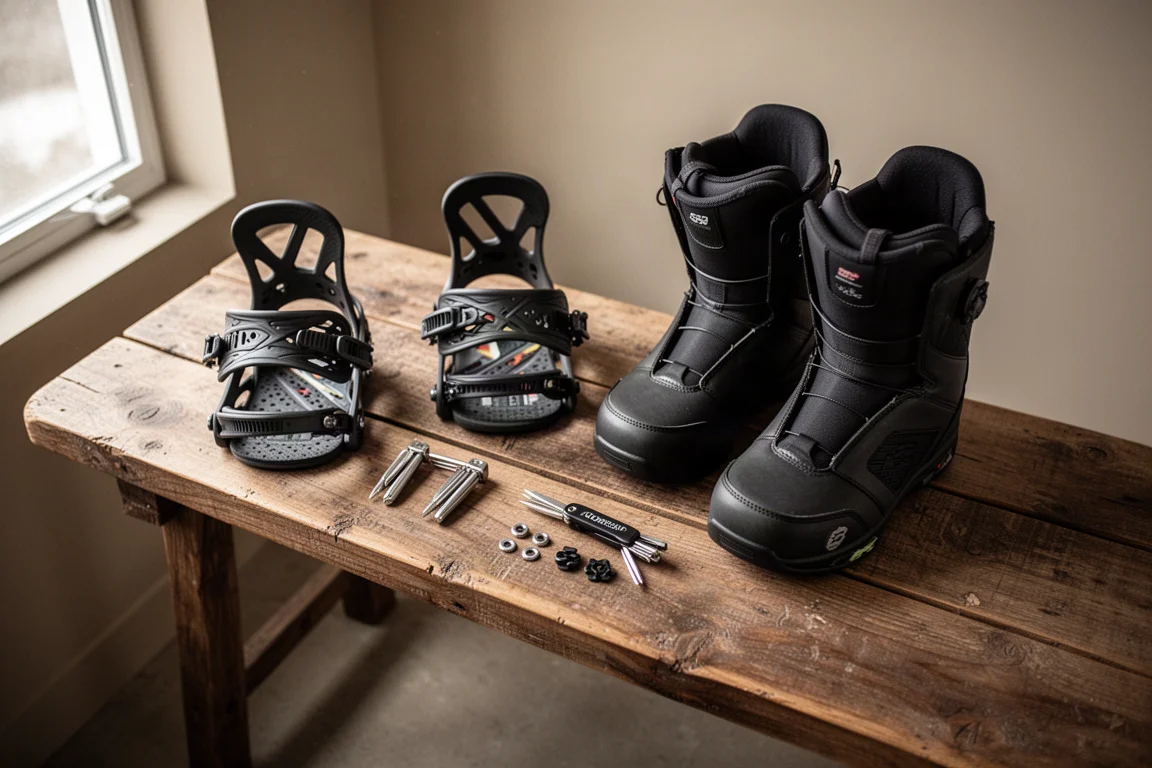
A few practical points worth weighing before you decide. Both step-in systems cost more than entry-level traditional bindings, and the Step On additionally requires compatible Burton boots. Traditional bindings also have the widest price range, from inexpensive to premium, and replacement parts are easier to source if something breaks. With the step-in systems, a failure usually means a warranty claim or a hunt for the right replacement part.
Conclusion
Between the two step-in systems, the Burton Step On comes out ahead, scoring 16 versus the Supermatic’s 14.5. Its simplicity and light weight pushed it over the edge, while the Supermatic’s difficult heel release lever held it back. Interestingly, the traditional strap binding still takes the overall win at 17.5 out of 20, thanks to full riding performance, the easiest exit, and the broadest choice of bindings and prices. If convenience is your priority, the Step On is the step-in binding to get; if maximum control matters more, traditional straps remain hard to beat.
Product link
View more details for Burton Step-On
This product is mentioned in the review. Check the specifications, options, and compatibility before buying.
View more details for Burton Step-OnFurther reading
Related Reviews
Snowboard Bindings
2024 Union Ultra Snowboard Bindings Review: A Cushy, Freestyle-Focused Favorite
Two seasons on the 2024 Union Ultra: a lightweight, tweakable freestyle binding with standout comfort, a damp molecular bushing, and thoughtful hardware fixes.
Snowboard Bindings
32 Team Phase Binding Review: A Fast Entry Binding Built for Freestyle Laps
The first binding from 32 uses the Phase chassis for quick step-in entry with a softer, freestyle-leaning flex. Here's how it performed on the snow.
Snowboard Bindings
Arbor Cypress Snowboard Binding Review: A Laid-Back Cruiser That Can Charge
A closer look at the Arbor Cypress binding's adjustability, strap feel, and that oddly tall highback before you decide to buy.