Splitboard Bindings
Burton Step-On Splitboard Binding Review: Convenience Meets the Backcountry
Burton's first Step-On splitboard binding brings the step-in system to the skin track. Here's how it performs and who it suits best.
Introduction
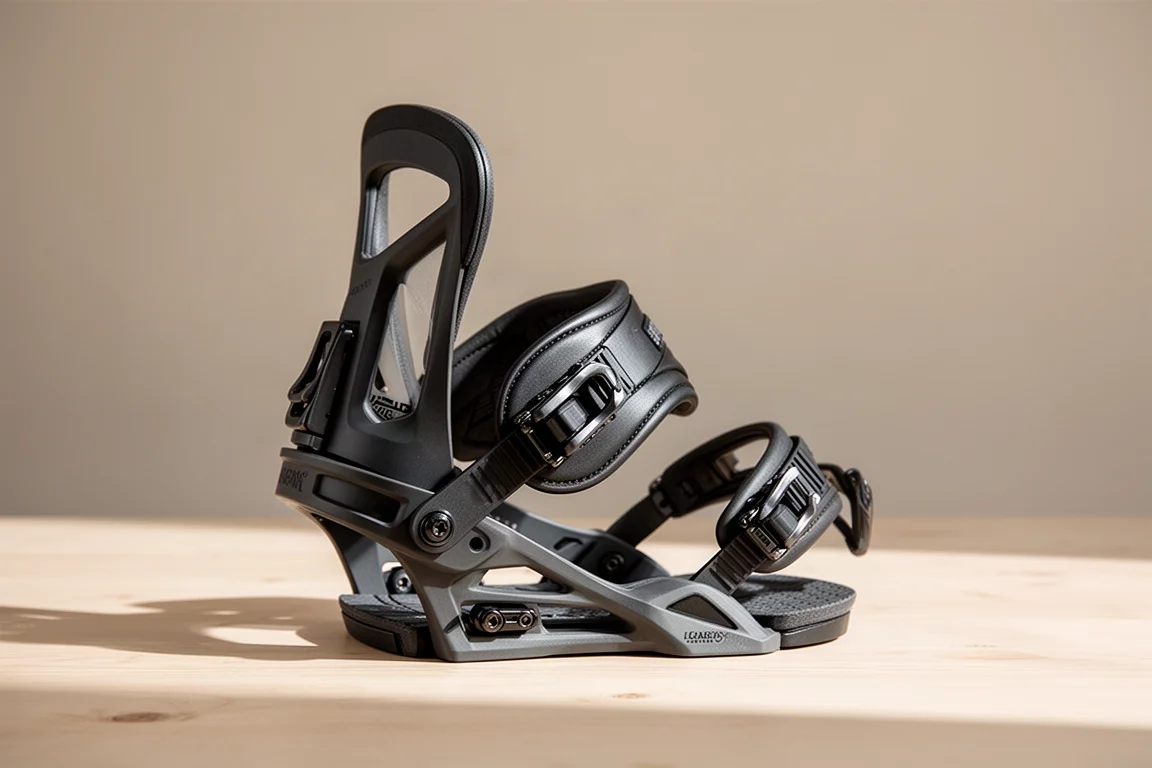
New for the 2024 season, Burton released the first Step-On splitboard binding, and it immediately raises a fair question: is this the binding that changes the splitboard game, or just a gimmick? We spent an afternoon with the Step-On split bindings on snow to see how they ride and feel, and the short answer is that they get the job done, with a few trade-offs worth understanding before you buy.
How the Step-On Split System Works
For anyone already familiar with the Step-On line, these operate the same way. You get the same heel lock, updated toe hooks, and release lever, and the bindings are only compatible with Step-On boots. That last point is the foundation of the whole idea: if you already ride Step-On on your solid board, you no longer need a separate pair of boots for your splitboard.
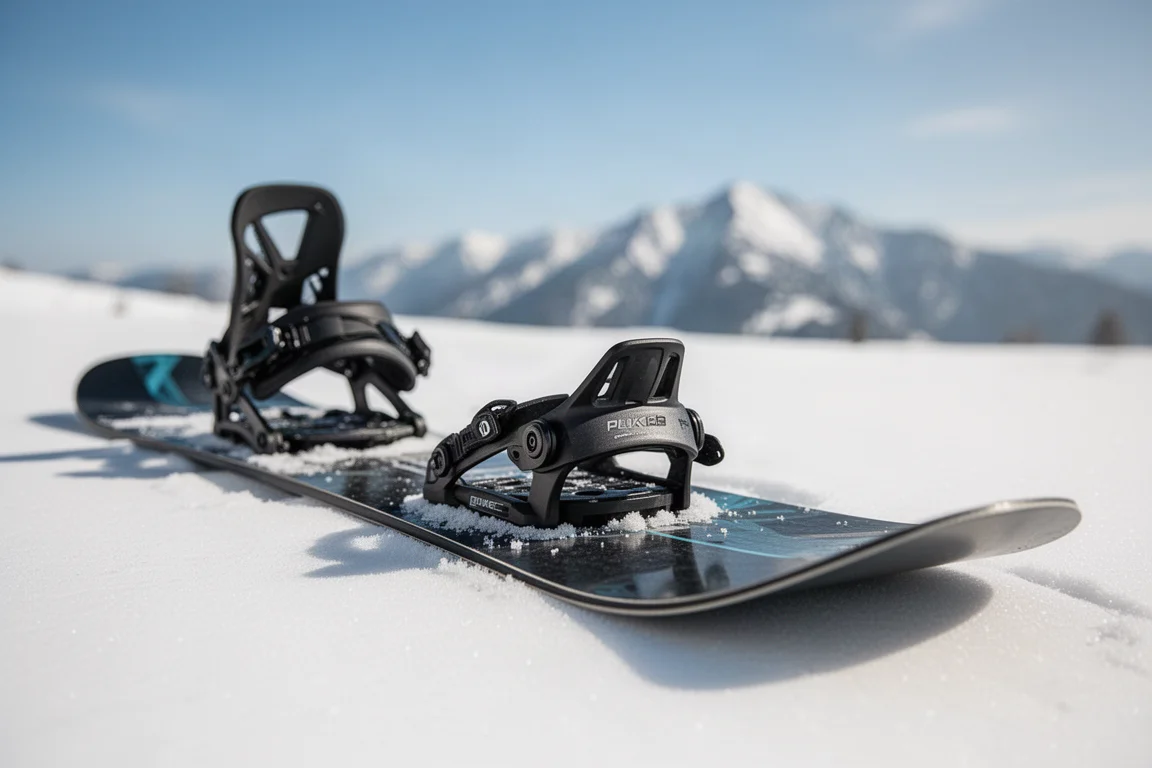
Mounting is puck-based, so you can use Spark or Voile pucks. Burton splitboards come with their own pucks and work fine with these bindings too. To mount them, open the toe ramp, slide the binding onto the pucks, and lock the toe ramp down. For touring, you lift the toe ramp, align the toe pegs with the uphill hardware, and lock the toe ramp back down.
Touring Performance
While touring, you can switch between two levels of heel risers on the binding depending on whether you are travelling on flats, uphill, or through steep terrain. That flexibility matters on long approaches.
To allow for proper touring mobility, the Step-On split uses a different highback than the standard Step-On binding. On the skin track you keep the highback dial in tour mode, which lets the highback flex backwards toward the tail. That gives you a more comfortable, longer stride as you climb. For the descent, you simply turn the dial to set your desired amount of forward lean, and you get a solid highback to support your ride down.

There is one quirk to know about. Because your heel is not locked down while touring, stepping out of these bindings can be a little tricky. Holding the highback down does the trick, but it can feel a bit awkward in practice.
The Highback Question
The adjustment of forward lean is intuitive, but on our test pair the furthest adjustment did not provide quite enough forward lean for the way we like to ride. It is worth noting that Burton has since updated these bindings with a taller highback, which could account for a more pronounced forward lean than what we experienced.
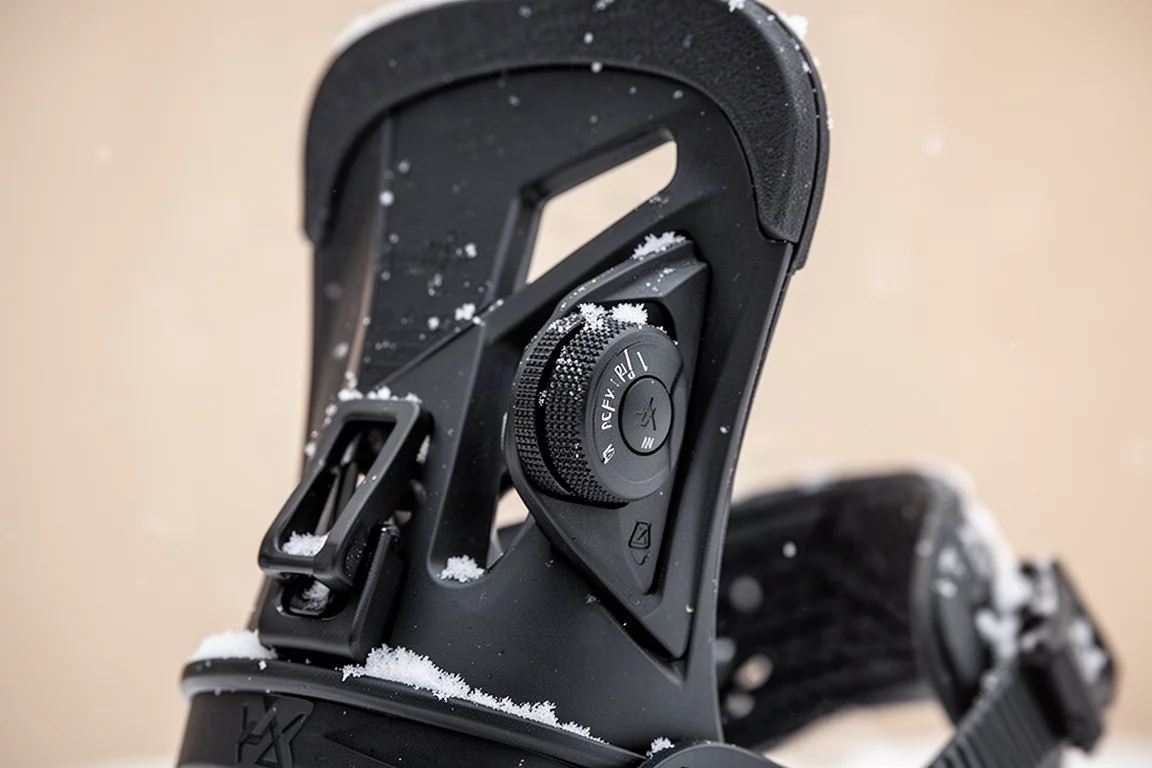
The bigger limitation involves touring efficiency. Because of the heel lock mechanism, you can only get so much rear angle on the highback to elongate your strides when touring. The tour mode helps, but other bindings allow considerably more reverse forward lean. That is the main reason aggressive splitboarders, the ones going deep into the backcountry and travelling through very technical terrain, may find better efficiency with alternative bindings.
Who These Bindings Are For
These bindings are primarily designed for the snowboarder who is already invested in the Step-On line. Before they existed, riding Step-On on your solid board meant carrying a different pair of boots if you also wanted to splitboard. Problem solved.

For riders just getting into splitboarding, or for anyone who simply enjoys going uphill at their local resort, these bindings work great. If you already own Step-On boots and bindings on your solid board and you are looking to get into splitboarding, diving straight into the Step-On splits is an easy call.
Conclusion
The Burton Step-On Splitboard Binding solves a genuine problem for Step-On riders and makes splitboarding far more accessible if you are already in that ecosystem. Deep backcountry travellers chasing maximum touring efficiency may still prefer other bindings, but for everyone else, this is a capable and convenient way to get into the skin track game.
Product link
View more details for Burton Step-On Splitboard Binding
This product is mentioned in the review. Check the specifications, options, and compatibility before buying.
View more details for Burton Step-On Splitboard BindingFurther reading
Related Reviews
Splitboard Bindings
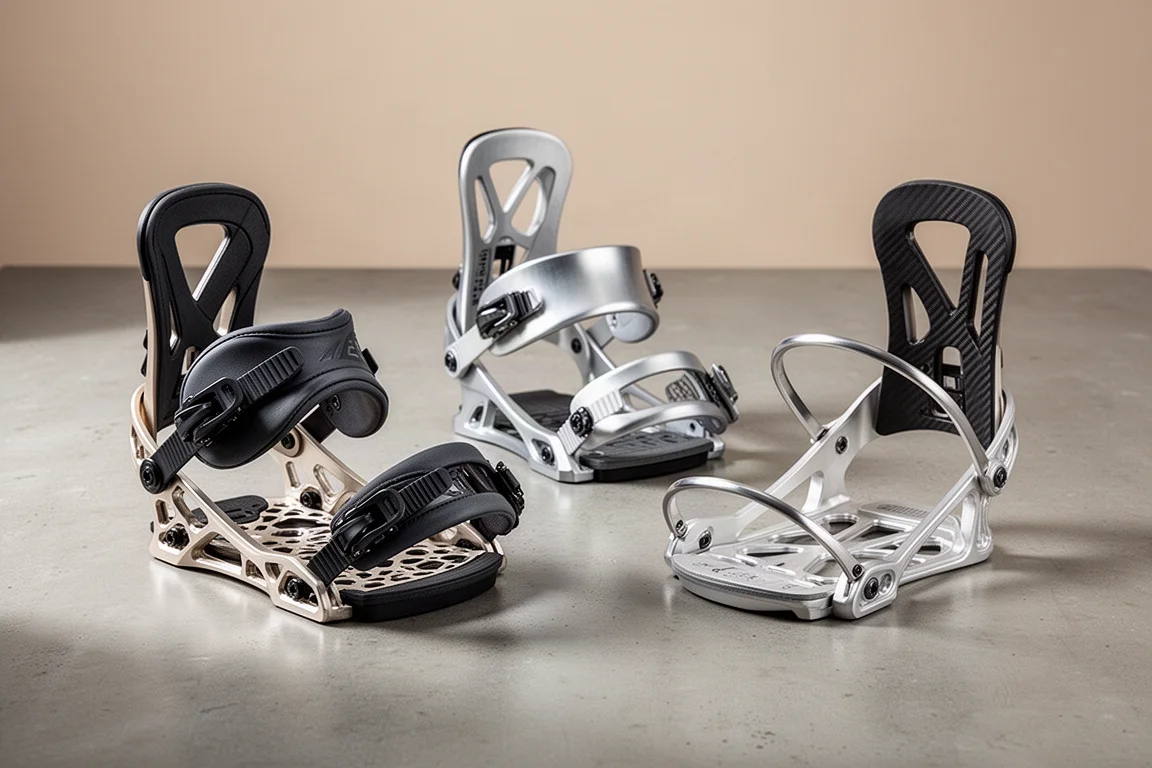
Spark R&D Splitboard Bindings 2023: Arc ST vs Surge ST vs Pro Series
A closer look at Spark R&D's upgraded 2023 splitboard binding lineup, with the ST over-moulding changes, and how the Arc ST, Surge ST, and Pro Series models compare.

Snowboard Bindings
2024 Union Ultra Snowboard Bindings Review: A Cushy, Freestyle-Focused Favorite
Two seasons on the 2024 Union Ultra: a lightweight, tweakable freestyle binding with standout comfort, a damp molecular bushing, and thoughtful hardware fixes.

Snowboard Bindings
32 Team Phase Binding Review: A Fast Entry Binding Built for Freestyle Laps
The first binding from 32 uses the Phase chassis for quick step-in entry with a softer, freestyle-leaning flex. Here's how it performed on the snow.