Snowboard Bindings
Burton Re:Flex vs Burton EST Bindings: Which Mounting System Makes Sense for You
Both Burton binding systems deliver solid on-snow performance, but they suit very different boards and riding styles. Here is how to choose.
Introduction
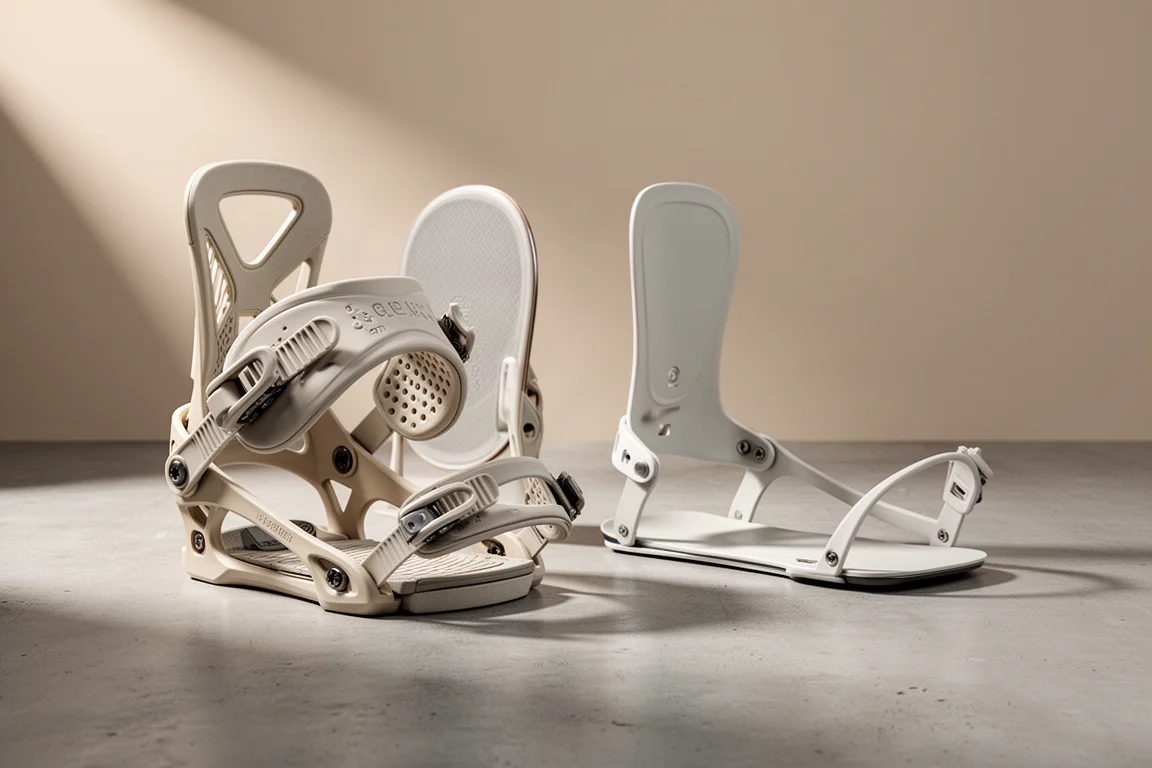
When shopping for Burton bindings, one decision matters more than almost anything else: the mounting system. Burton offers two main approaches, the Re:Flex system and the EST system, and the right pick depends largely on the board you ride. Both connect the same core binding to the snow, but they differ in stance adjustability, board feel, and flexibility. This guide breaks down the practical differences so you can buy with confidence.
Burton Re:Flex Bindings
Re:Flex bindings are the more traditional option, using a disc plate to connect the binding to the board. Stance adjustment works in three-degree increments, which covers the vast majority of riders who simply want a reliable, repeatable setup.
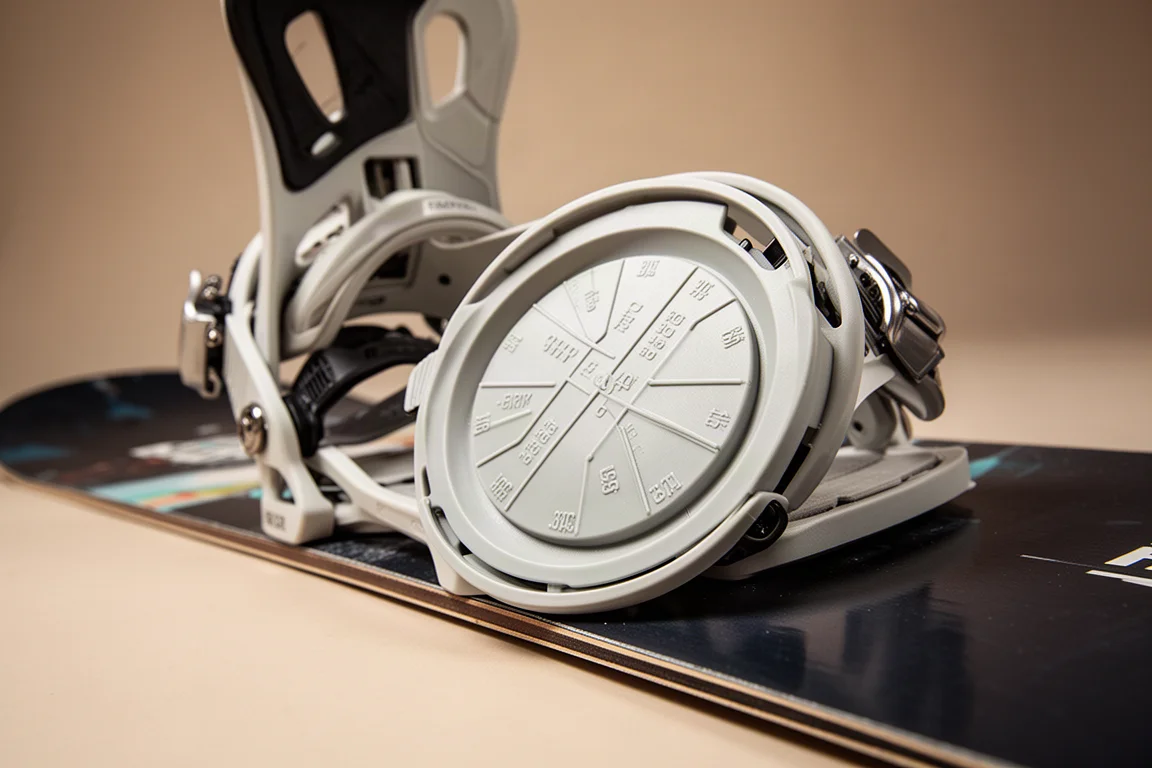
The biggest advantage is compatibility. Because the disc plate uses a standard mounting approach, Re:Flex bindings are not limited to any single board. If you have a board, these bindings will fit on it, including boards from other brands. That makes Re:Flex the safest choice if you own multiple boards or expect to swap bindings between them.
Burton EST Bindings
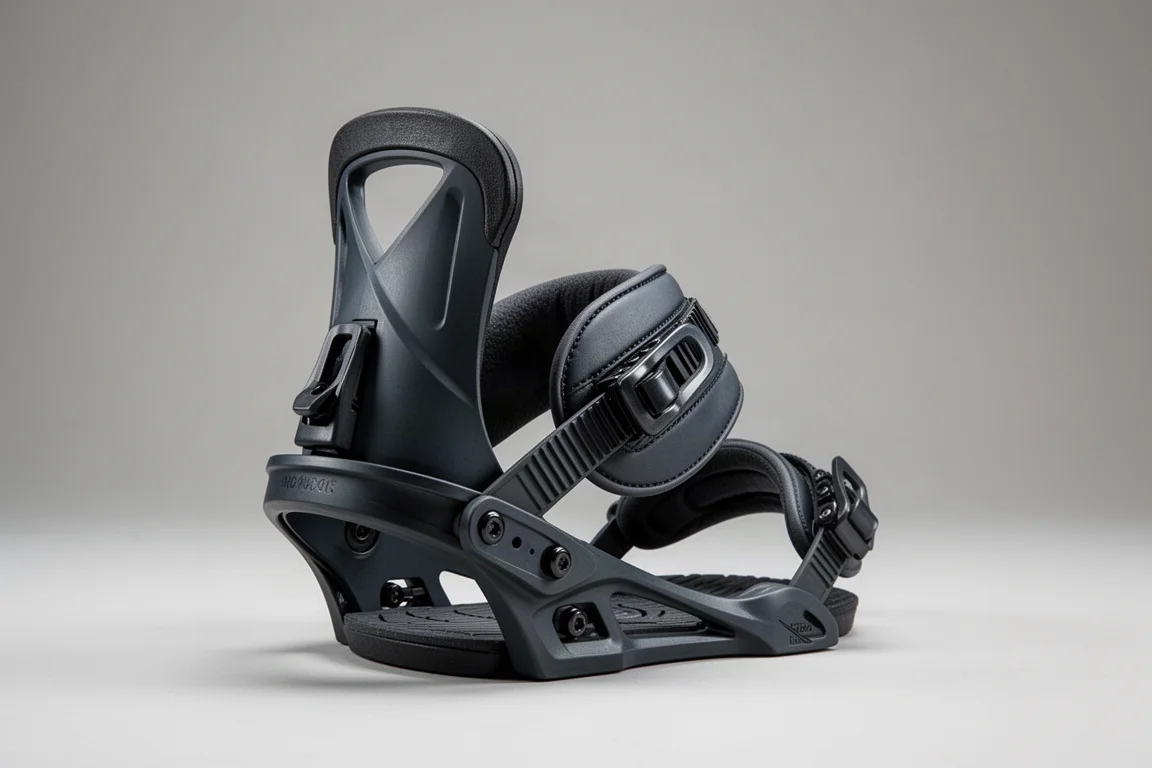
EST bindings offer a lot more flexibility, but they are exclusive to boards featuring Burton’s channel system. That exclusivity is the trade-off: if your board does not have the channel, EST will not mount to it.
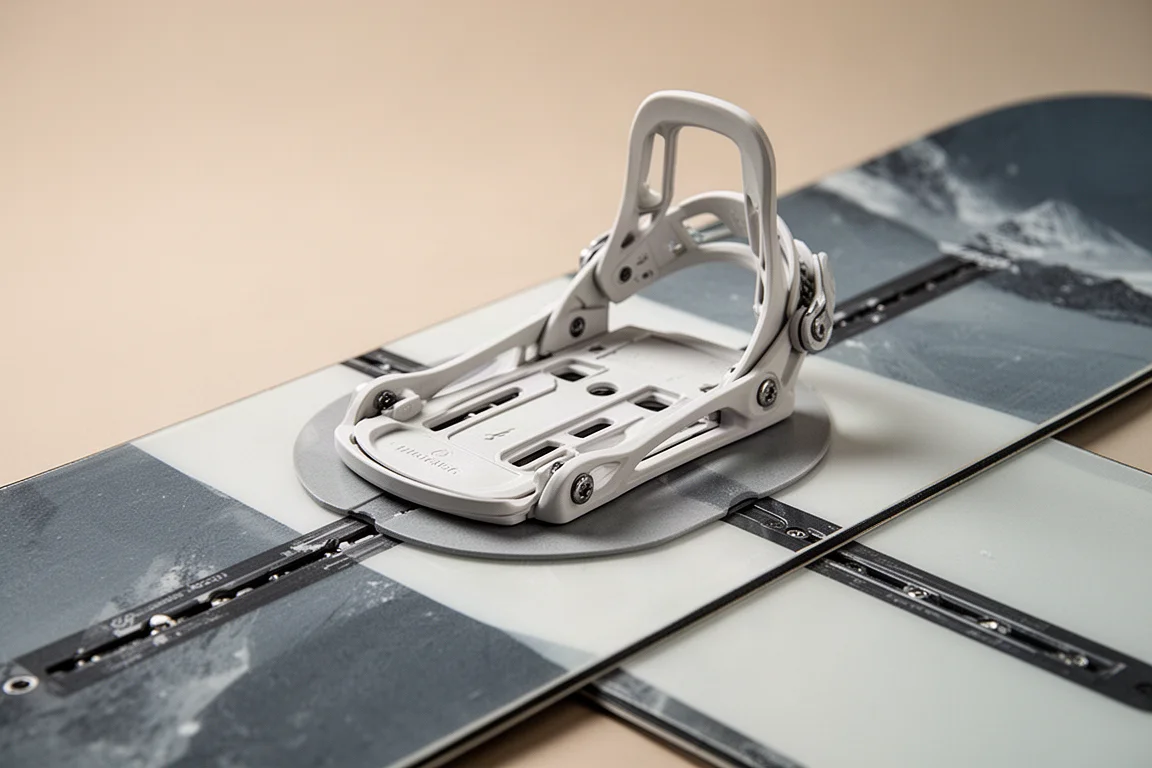
The upside is significant for riders who want precision. You are not bound to any preset degree, so you can get really flexible and specific about the stance you like to ride. Because there is no plastic disc between the binding and the board, you also get a much more natural board feel, and it can even reduce a bit of vibration underfoot.
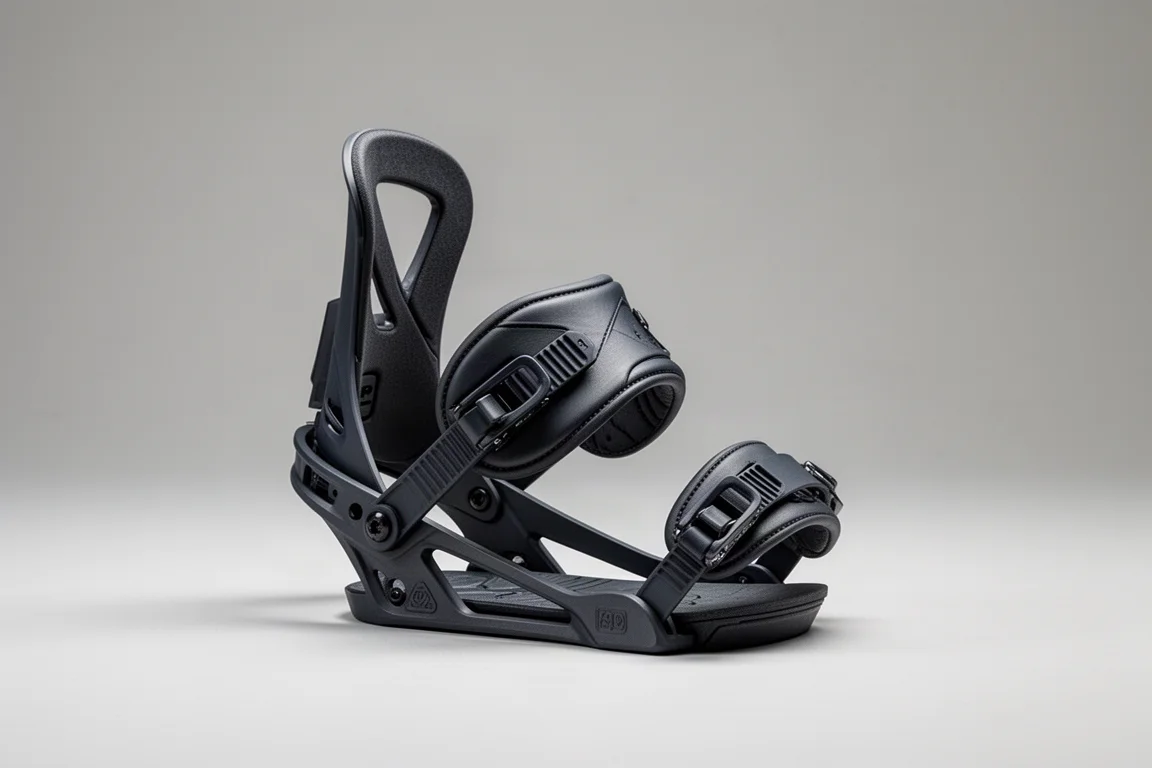
Flex and Board Feel: The Hidden Difference
One more difference sits at the connection point itself. EST bindings use a hinge system where the upper half connects to the bottom half, which really helps with flex. On many typical bindings there is a small dead spot in the flex pattern; the hinge design helps smooth that out, giving a more consistent and connected feel edge to edge.

For riders who care about how the board responds underfoot, this is a genuine reason to look at EST if they already ride a channel board.
Overall Buying Advice
The decision is simpler than it looks. If you ride a board with a standard hole pattern, the Re:Flex series is the way to go. It is universally compatible, dependable, and adjusts in sensible three-degree steps.
If you are already on a board featuring the channel system, or you are considering making that switch, EST is well worth checking out for its stance precision and cleaner board feel.

Which One Should You Choose
Choose Re:Flex if flexibility across boards matters most, or if your current board uses a standard insert pattern. Choose EST if you ride a Burton channel board and want maximum stance customization, a more direct board feel, and smoother flex. If possible, try both in person before committing; the difference in underfoot feel is easy to appreciate once you handle them side by side.
Conclusion
Both binding systems are well built, and neither is objectively better than the other. Re:Flex wins on universal compatibility, while EST wins on stance precision, natural board feel, and refined flex. Match the system to your board, and you will get the performance Burton designed into each one.
Further reading
Related Reviews
Snowboard Bindings
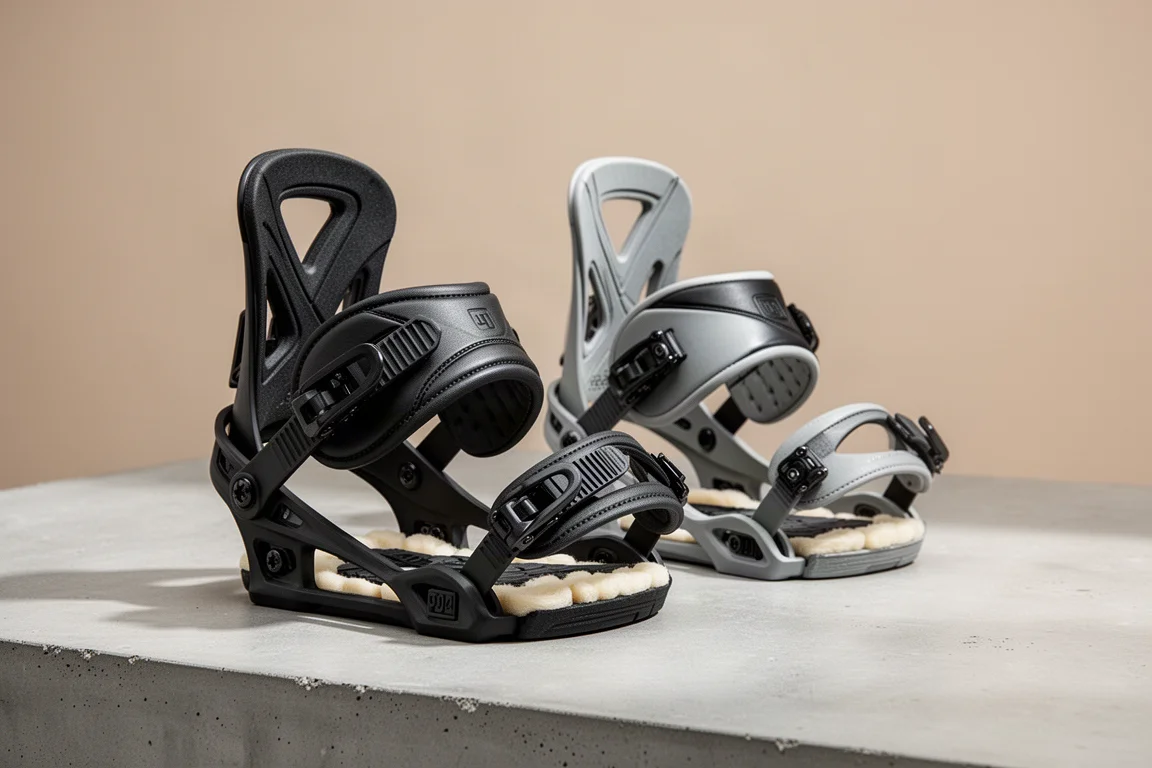
2024 Union Ultra Snowboard Bindings Review: A Cushy, Freestyle-Focused Favorite
Two seasons on the 2024 Union Ultra: a lightweight, tweakable freestyle binding with standout comfort, a damp molecular bushing, and thoughtful hardware fixes.
Snowboard Bindings
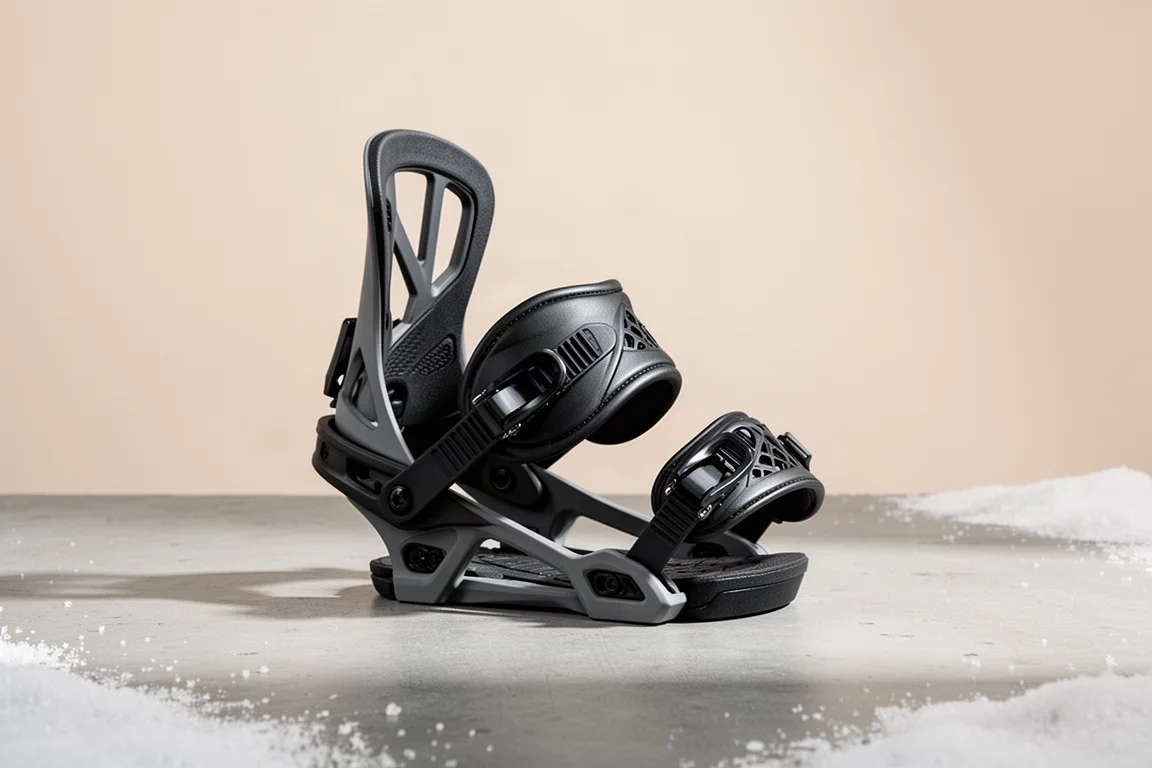
32 Team Phase Binding Review: A Fast Entry Binding Built for Freestyle Laps
The first binding from 32 uses the Phase chassis for quick step-in entry with a softer, freestyle-leaning flex. Here's how it performed on the snow.
Snowboard Bindings
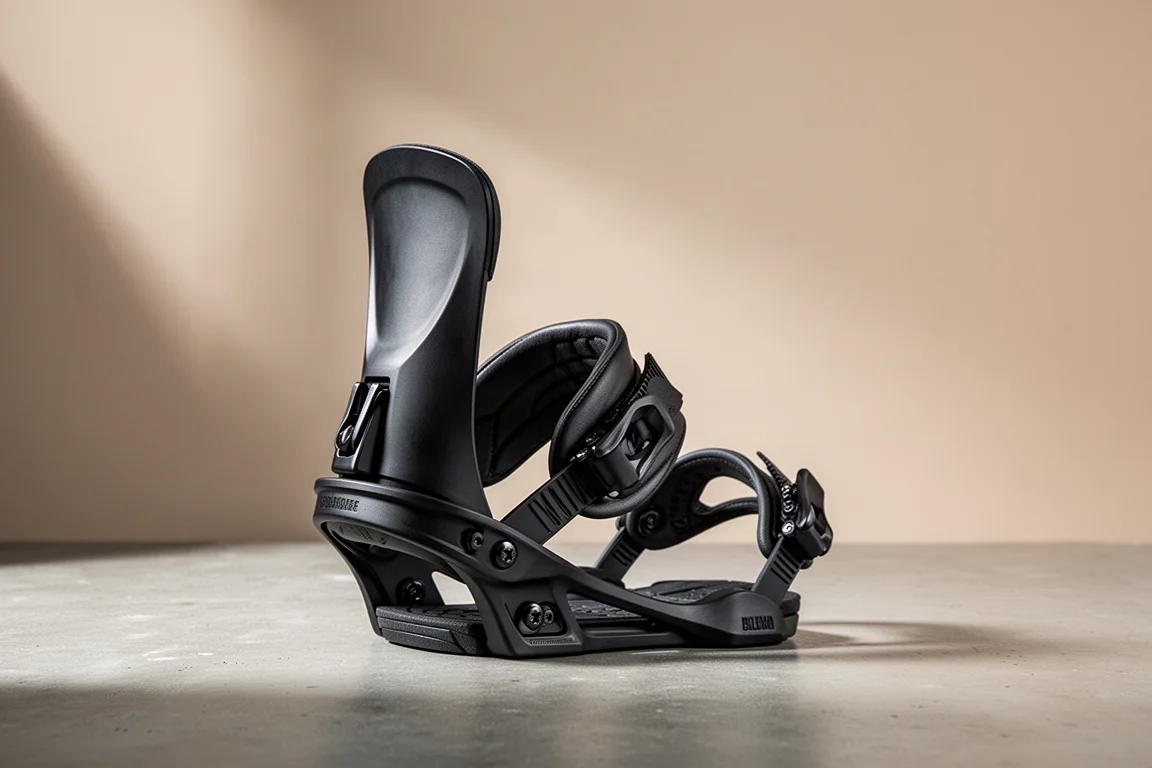
Arbor Cypress Snowboard Binding Review: A Laid-Back Cruiser That Can Charge
A closer look at the Arbor Cypress binding's adjustability, strap feel, and that oddly tall highback before you decide to buy.