Snowboards
Burton Good Company Review: A Classic Camber Park Twin Done Right
The Burton Good Company blends true twin convenience, traditional camber pop, and a playful medium flex at an accessible $450 price point.
Introduction
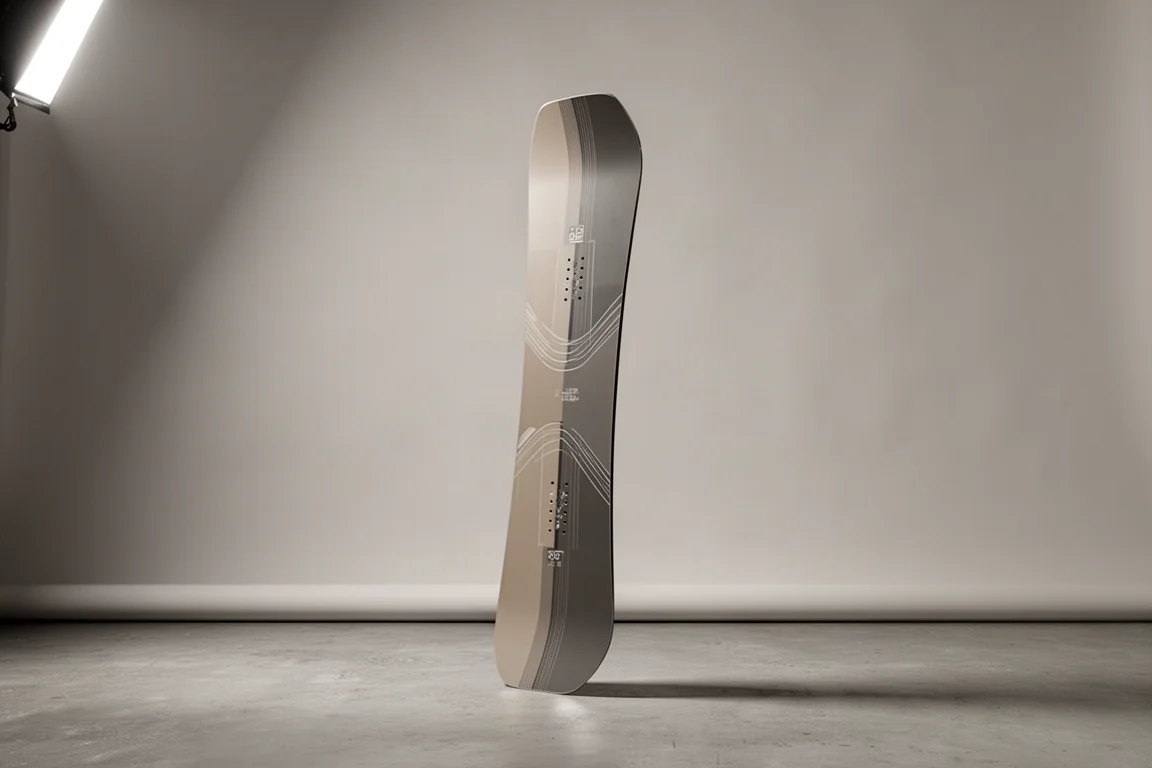
The Burton Good Company is a freestyle-focused board built to be accessible in two ways: how it feels on snow and how much it costs. At $450, it pairs a straightforward, easy-to-understand construction with a classic cambered true twin shape, aiming squarely at riders who want one board they can genuinely maximize in the park and around the resort.
For reference, this board was tested in a size 155 by a rider around 5’10” and roughly 155 lbs, which gives a good sense of how the flex and feel translate for average-sized riders.
Construction Overview
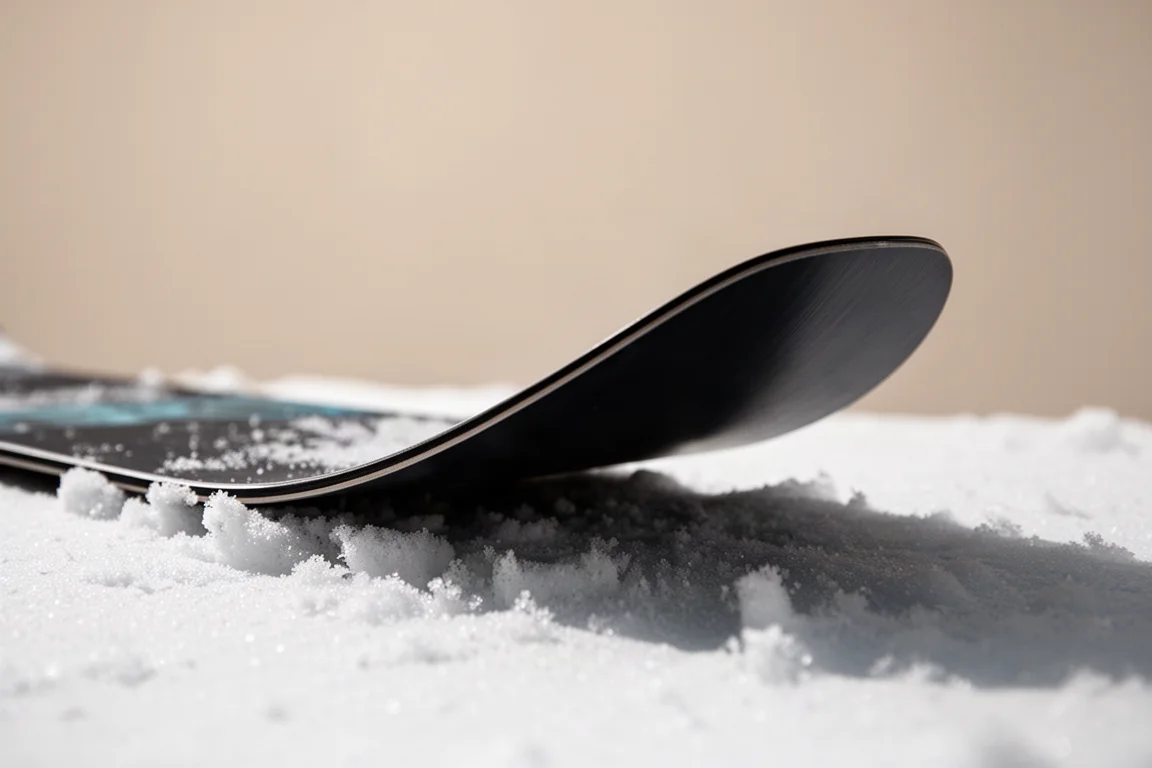
The Good Company keeps its construction refreshingly simple. It is a true twin, so it rides exactly the same in either direction, which pays off immediately in switch stance versatility around the terrain park. The profile is full traditional camber from contact point to contact point, delivering the energetic, precise feel of an old-school camber bend. It is not a super aggressive camber, but there is enough spring here to notice.
Other build details include a triaxial fiberglass layup, with fiberglass running in three directions both above and below the core, which makes the board more energetic and responsive. The Channel system provides unlimited stance width options while staying compatible with every major binding out there. A centered base uses a higher-end, dense and durable sintered-style material that is faster than an extruded base, though it does need regular waxing to stay quick through the season.
Flex and Butter Feel
Burton set out to design an accessible and versatile park board, and the flex lands just a tad on the softer side of medium. That balance gives you good stability while still keeping the board easy to control, especially combined with the full traditional camber profile.

For butters and ground tricks, this board gives up a good-looking tail press and the balance point is easy to find. Swiveling around on the snow, hopping between nose and tail to stay pressed out, feels comfortable and consistently buttery. You will still notice the camber until you reach that balance point, so there is a little bit of a battle to get through at first, but once you figure it out the board becomes a lot of fun. The tip shape also helps with sliding around, though full traditional camber does carry some precision, so getting too loose and sketchy can catch you out.
Pop is another highlight here. It is a springy kind of pop, noticeable enough to show up in footage, and it sits above average considering the relatively playful flex of the board.
Park Performance
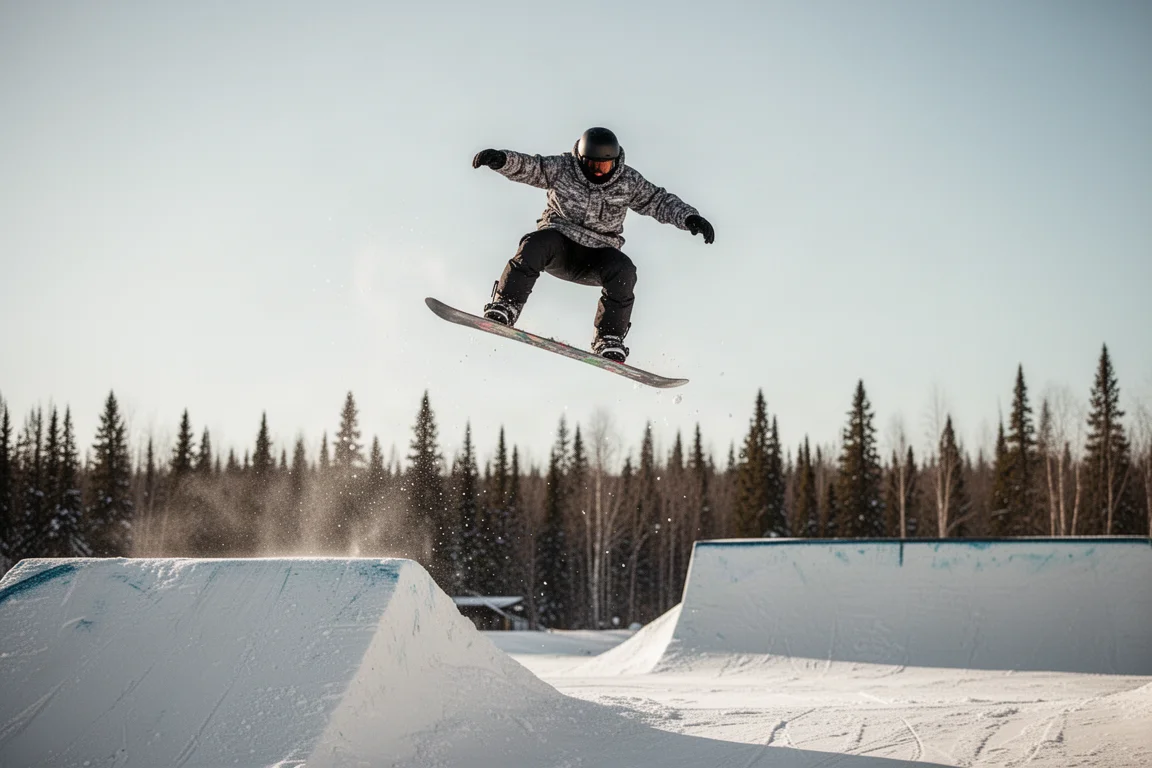
Park laps are where the versatility of the Good Company really stands out. Flex-wise it leans playful, but for the majority of riders it works as a genuine all-arounder. It is super comfortable on jibs, has a nice maneuverable feel, and delivers pop for days when getting onto features. The board locks in confidently and, thanks to the true twin shape, rides switch exactly the same.
The testing took place in the park at Copper, where the jump line runs from roughly 15 to 30 or 35 feet, with the biggest jump big enough for riders pushing larger tricks. The Good Company felt super comfortable through that whole range, and there is room to push bigger jumps without the board feeling washy. It is one of those boards you can really get a hold of: press it, jump it, jib it. A genuinely fun park board.
Carving and Resort Cruising
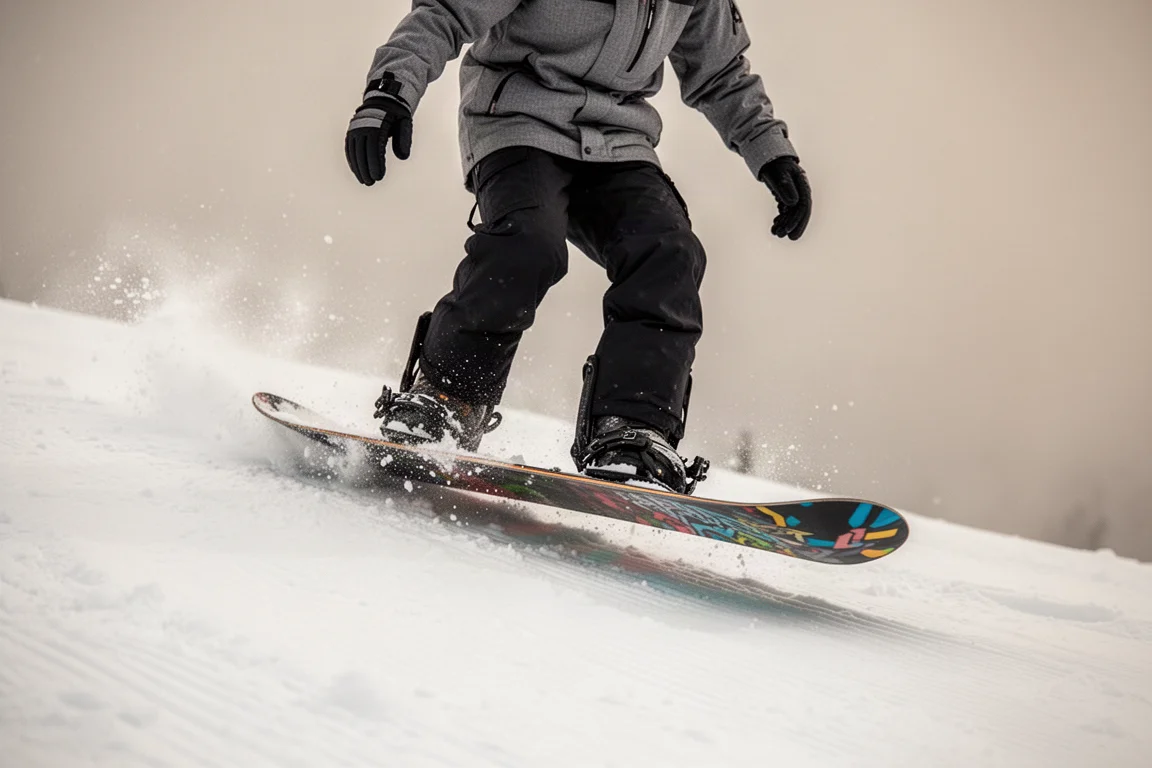
In the 155 size you get a 25.2 cm waist, which sits in a very versatile window, perhaps just a touch on the narrower side of it, giving quick, nimble edge-to-edge transitions that feel natural underfoot. The 7.8 m sidecut is equally average and versatile, feeling good across a wide range of speeds without being particularly remarkable either way.
It is worth being clear: this is a park board, so in freeride terrain you will be able to find its limits. Even so, the testing day featured slushy, heavier snow, and the Good Company held up surprisingly well, hanging onto carves even as speed increased. Aggressive turns with big edge angles and full weight commitment felt solid, including swiveling reverts and 360 reverts. At higher speeds there is some flutter in the tips, particularly driving through carves, but at no point during the day did the board feel like it was losing its edge or being pushed around by the snow. As a general cruiser it is comfortable, if a little mellower, and still capable.
Buying Advice
If you are on the market for a classic cambered twin park board with a versatile feel, something you can really get a hold of and get the most out of, the Good Company hits a fun sweet spot between playfulness and precision. Wax the sintered-style base regularly, pair it with any major binding via the Channel system, and you have a board that will stay fast and lively all season.
Conclusion
The Burton Good Company is that classic cambered park twin done right. It butters well, pops above its flex class, handles a wide range of park jumps with confidence, and still carves respectably for a board of this type. For $450, it is one of the strongest options out there for riders chasing exactly this kind of accessible, versatile freestyle deck.
Product link
View more details for Burton Good Company
This product is mentioned in the review. Check the specifications, options, and compatibility before buying.
View more details for Burton Good CompanyFurther reading
Related Reviews
Snowboards
32 Middle Earth Scott Stevens Pro Model Snowboard Review: A Park Board With a Reversed Flex
A medium traditional camber park board with carbon V reinforcement that is stiffer in the tips and more playful between the feet. Here is how it rides and who it suits.
Snowboards
32 Snafu Review: A Directional All-Mountain Freestyle Board with Serious Pop
The 32 Snafu pairs a directional camber-rocker profile with a stiffening tail for powerful carves, big ollies, and a surprisingly damp ride.
Snowboards
32 XXX Pat Fava Pro Snowboard Review: A Stiff Camber Beast for Hard-Charging Riders
A full-width traditional camber deck that rewards aggression with stability and edge power, but demands effort everywhere else.