Snowboards
Burton Family Tree Sketch Artist Review: A Resort Carving Board with a Twist
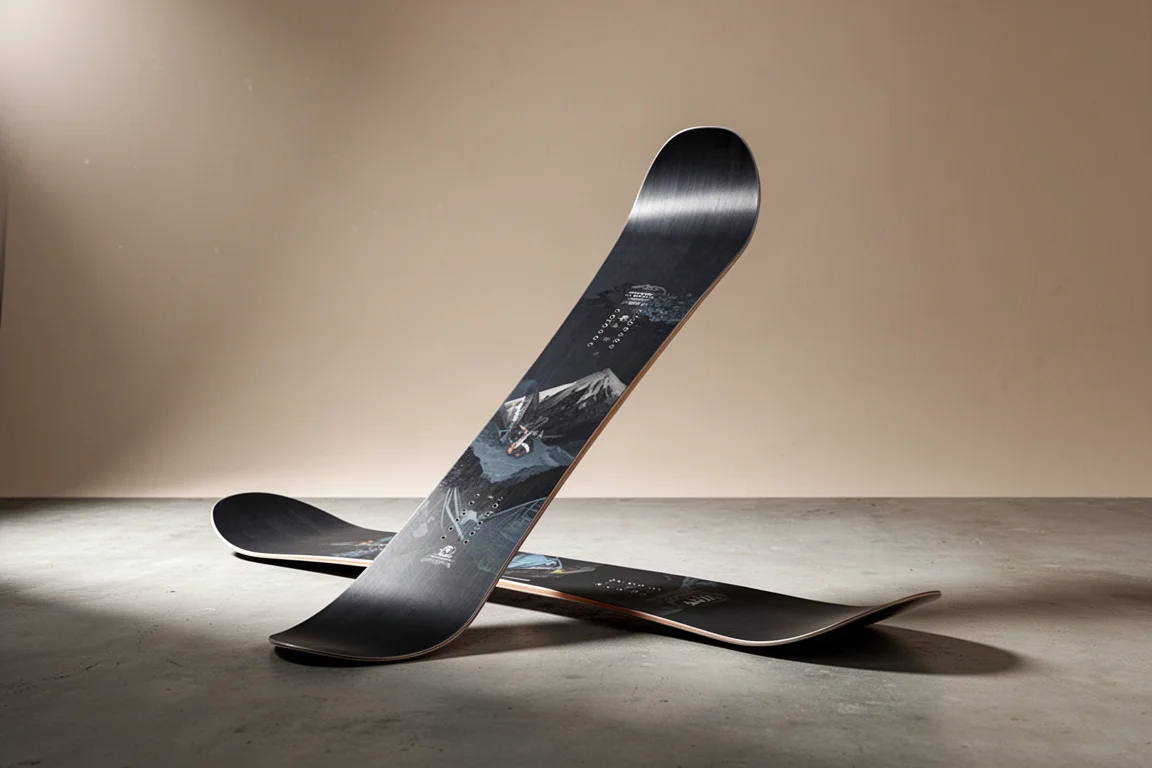
Burton's new Sketch Artist combines traditional camber, a tapered directional shape, and a progressive sidecut that speeds you up through the turn exit. Here is how it rides.
Introduction
The Burton Family Tree Sketch Artist is a new addition to Burton’s collection for riders who want to have fun and paint their lines onto the resort canvas. It promises powerful resort riding and very dynamic turns, and after spending time on it in the north of Sweden as part of the upcoming season’s gear lineup, it makes a clear case for itself as a dedicated carving and cruising board.
This review covers what the board is designed to do, how it actually feels on snow, and who should consider adding it to their quiver.
Design and Key Features
The Sketch Artist uses a directional shape with a taper and a setback stance, paired with a traditional camber profile. That combination alone points to a board built for confident, edge-driven resort riding rather than park laps or freestyle tricks.
The twist is the progressive sidecut, with the radius narrowing towards the tail. In practice, this means that as you move through a turn, the board tightens and speeds up on the exit, pushing you out of the turn and back onto your base line. It is a shape that actively works with you to keep momentum flowing from one turn into the next.
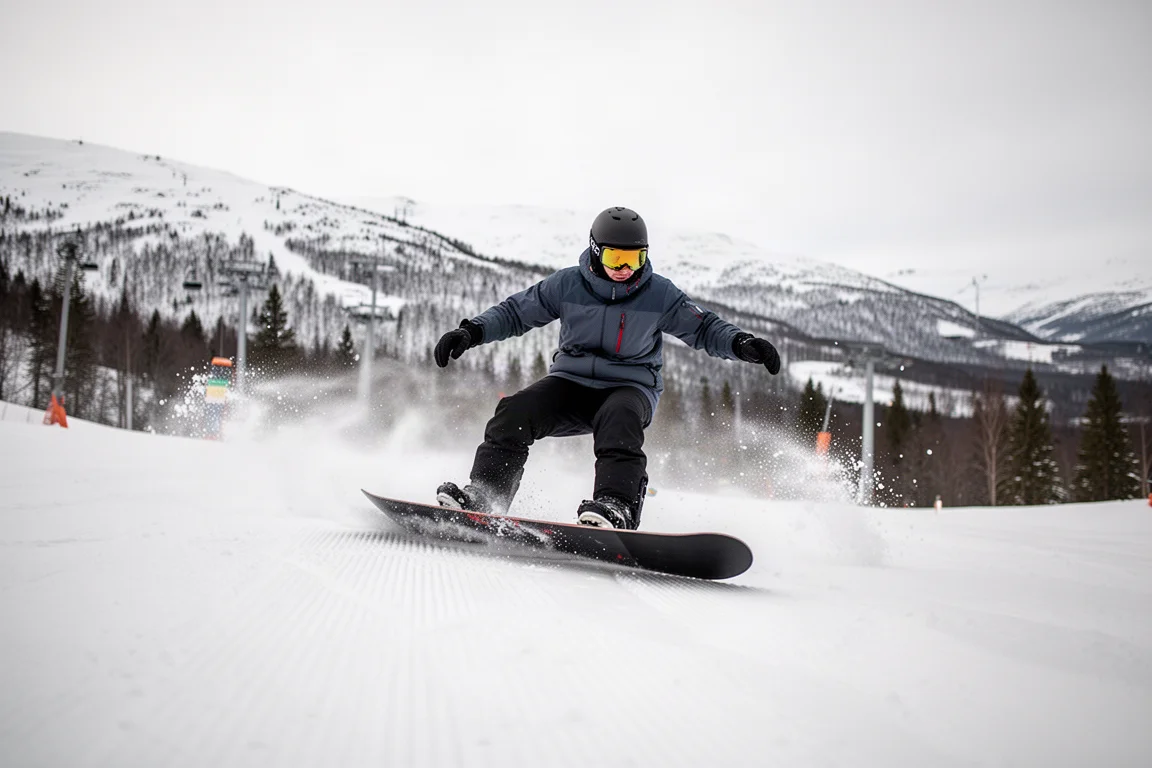
For riders who love linking carve after carve down groomed runs, that accelerating exit feel is the headline feature of the board.
How It Rides on the Slope
Tested across a full week of riding, the Sketch Artist quickly showed its character. The taper is easy to feel the moment you lean into a carve: the board rolls onto edge readily and holds there, making carving feel almost effortless once the turn is initiated.
The progressive sidecut delivers exactly what it promises. Once the board is up on edge and the turn is underway, it genuinely pushes you out of the turn and sets you up for the next one. It takes a little understanding to get the most from it, but once it clicks, the sensation is genuinely fun and keeps the rhythm of a run flowing.
Flex, Edge Hold, and Handling
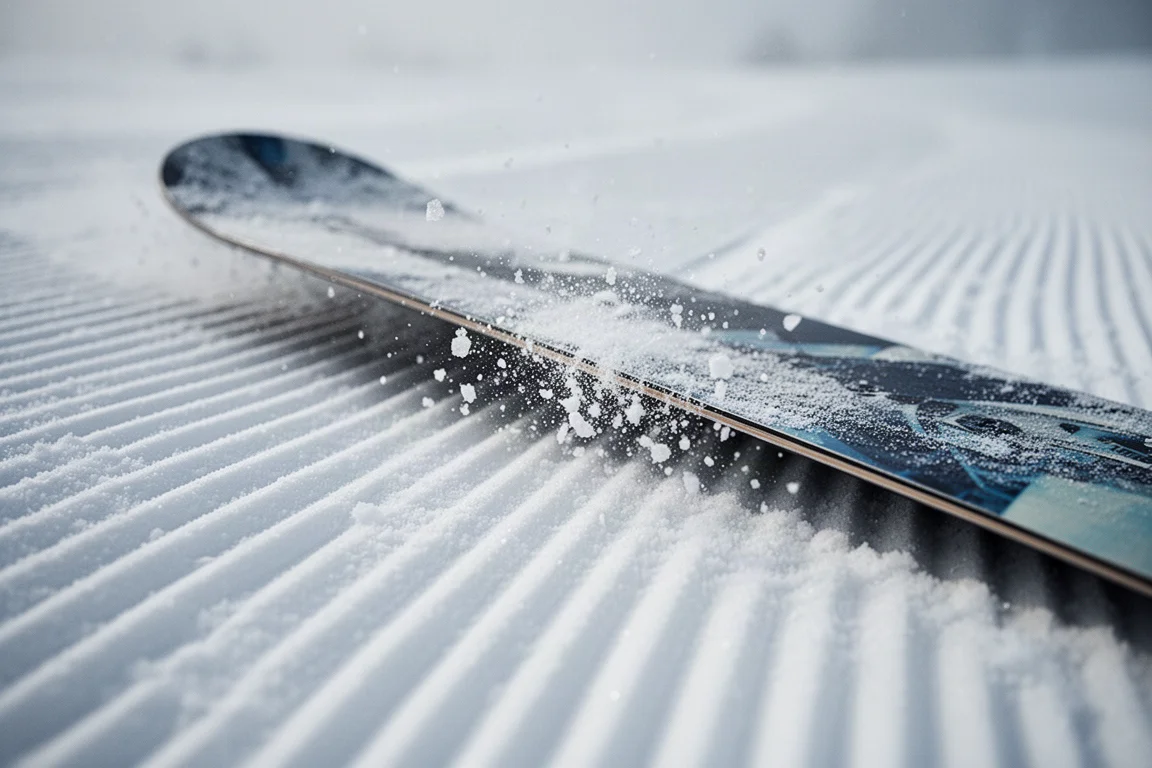
Burton rates the flex on a medium to aggressive scale, and the board rides toward the stiffer end of that range. It is not a noodle by any means, and that stiffness is a real asset when transitioning in and out of carves. The board holds its edge confidently, which is exactly what you want from a carving-focused shape.
The stiffness does mean this is not the most forgiving board for casual sliding around. Riders who understand carving technique will get the most out of it, and the trade-off is worth it for that target audience.
Who This Board Is For
The Sketch Artist is firmly aimed at intermediate to advanced riders. It is not necessarily a beginner’s board, because getting the most from the progressive sidecut and the stiffer flex requires some understanding of carving technique.
It suits the rider who wants to spend the day at the resort hitting the groomers, exploring all the different areas of the mountain, carving, and cruising. If a straightforward, fun-oriented cruising snowboard for full resort days is what you are after, this fits the brief well.
Things to Consider Before Buying
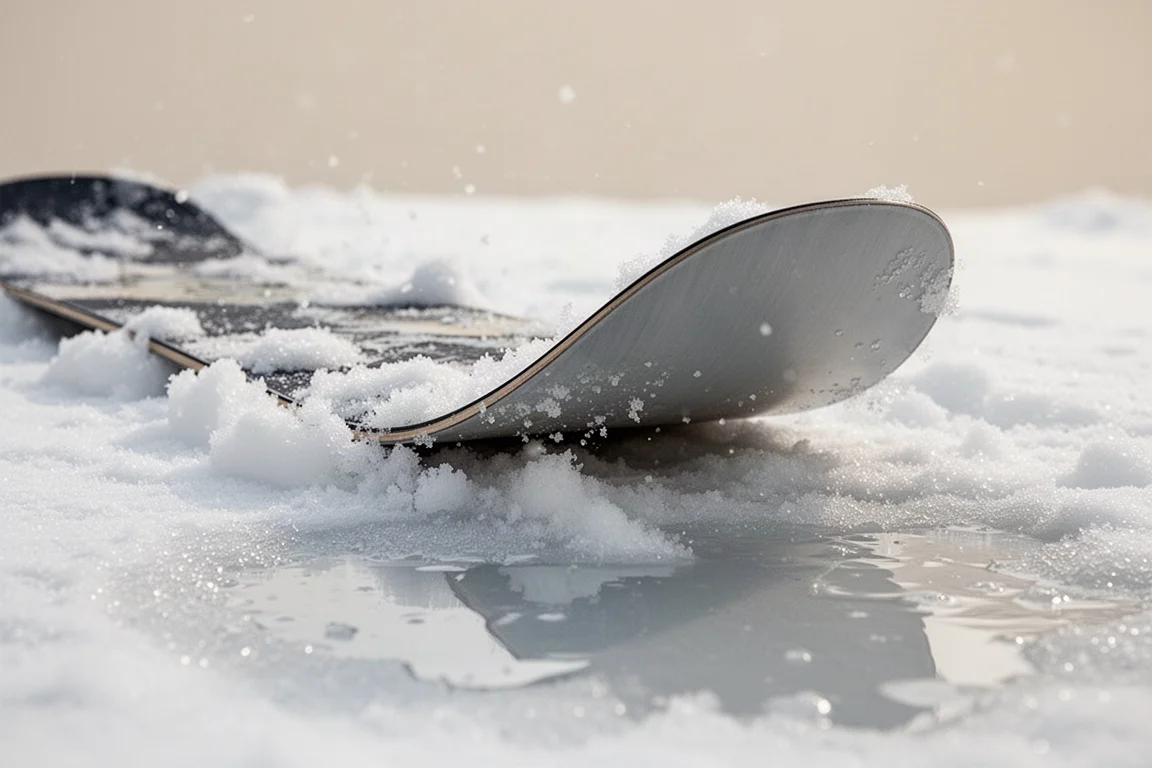
This is not a powder-specific board. That said, the bigger scoop nose suggests it would sit on top of soft snow better than a pure carve board, so it should not feel helpless when conditions soften.
Other points to weigh up:
- The stiffer end of the flex range rewards technique and punishes lazy input.
- The progressive sidecut takes a few runs to understand before it becomes an advantage.
- If your riding is centered on park or deep powder, this likely is not the right tool.
Buying Advice
If you are an intermediate or advanced rider who spends most of your time carving groomers and cruising the whole resort, the Sketch Artist deserves a spot on your shortlist. Its combination of traditional camber, a tapered directional shape, and a tail-tightening progressive sidecut makes turns feel dynamic and keeps speed flowing through linked carves.
If you are newer to snowboarding or your days are mostly spent off-piste, look elsewhere in the Burton Family Tree range for something more forgiving or more powder-focused.
Conclusion
The Burton Family Tree Sketch Artist delivers on its promise of powerful resort riding and dynamic turns. It rides stiffer than its rating suggests, carves easily once you understand its progressive sidecut, and rewards riders who want to spend full days painting lines across the resort. For the intermediate-to-advanced carver, it is a genuinely fun and distinctive board.
Product link
View more details for Burton Family Tree Sketch Artist
This product is mentioned in the review. Check the specifications, options, and compatibility before buying.
View more details for Burton Family Tree Sketch ArtistFurther reading
Related Reviews
Snowboards
32 Middle Earth Scott Stevens Pro Model Snowboard Review: A Park Board With a Reversed Flex
A medium traditional camber park board with carbon V reinforcement that is stiffer in the tips and more playful between the feet. Here is how it rides and who it suits.
Snowboards
32 Snafu Review: A Directional All-Mountain Freestyle Board with Serious Pop
The 32 Snafu pairs a directional camber-rocker profile with a stiffening tail for powerful carves, big ollies, and a surprisingly damp ride.
Snowboards
32 XXX Pat Fava Pro Snowboard Review: A Stiff Camber Beast for Hard-Charging Riders
A full-width traditional camber deck that rewards aggression with stability and edge power, but demands effort everywhere else.