Snowboards
Burton Family Tree High Fidelity Review: A Freeride Board Built for Speed and Control
A camber-dominant, carbon-laid-up freeride snowboard designed for big mountain exploring, with precise control and serious stability in variable terrain.
Introduction
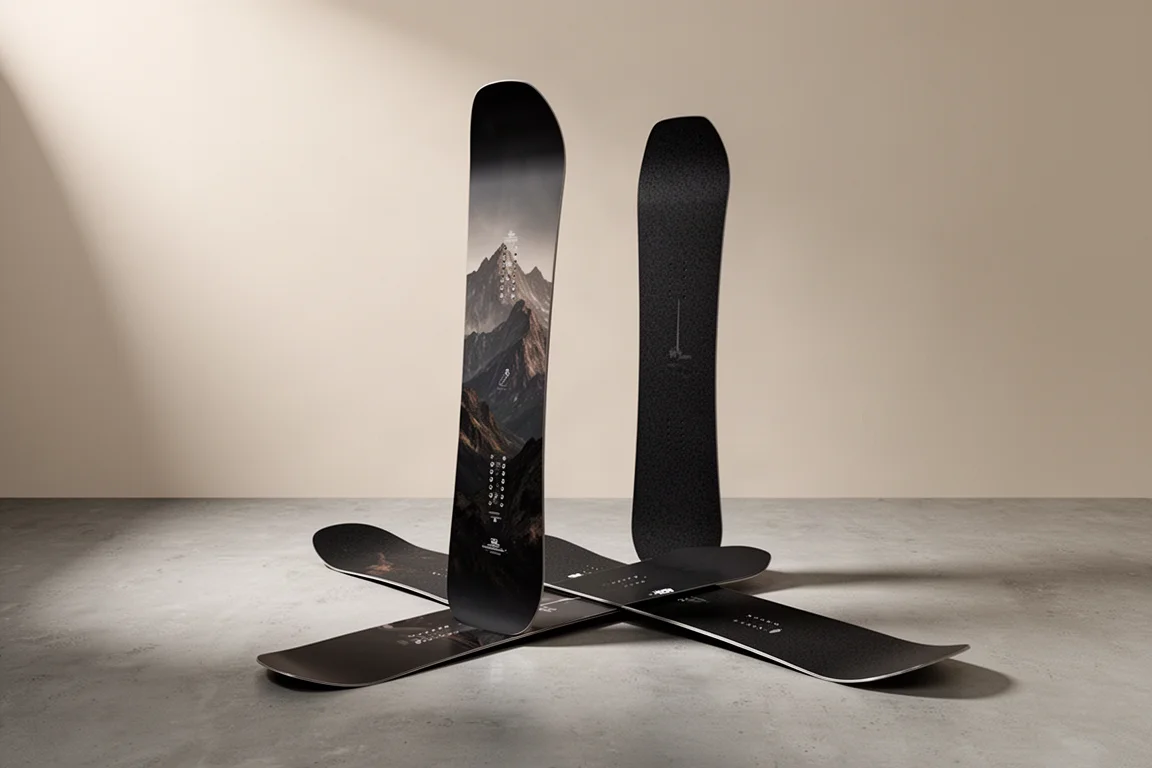
The Burton Family Tree High Fidelity sits in Burton’s lineup as a freeride-focused board, ridden by Burton team riders like Ben Ferguson. Its design is inspired by big mountain riding that prioritizes speed, power, and control for exploring alpine terrain, and after spending time on it in a range of conditions, it comes across as a genuinely high-performance option for riders who value precision over playfulness.
Who This Board Is For
This is a board for more experienced riders who value precise control and want something with a lot of stability. It is a directional snowboard built for exploring: steep ungroomed lines, technical zones, and variable snow are where it feels most at home. If your ideal day involves scouting new zones rather than lapping the terrain park, this design philosophy will make sense to you.
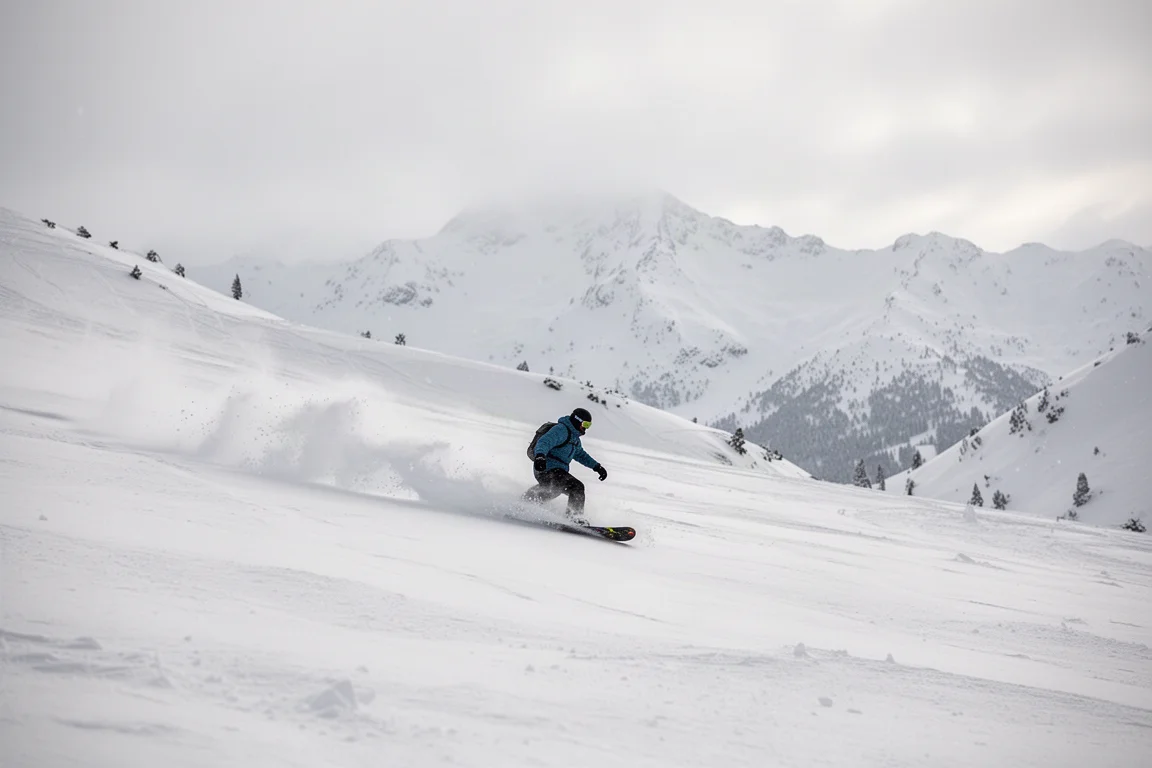
The High Fidelity is not a buttery, freestyle-oriented board. It is locked in, precise, and at its best during high-speed maneuvers and powder turns. If that sounds like the kind of riding you actually do, keep reading.
The Profile: Shifted Camber with a Reverse Camber Nose
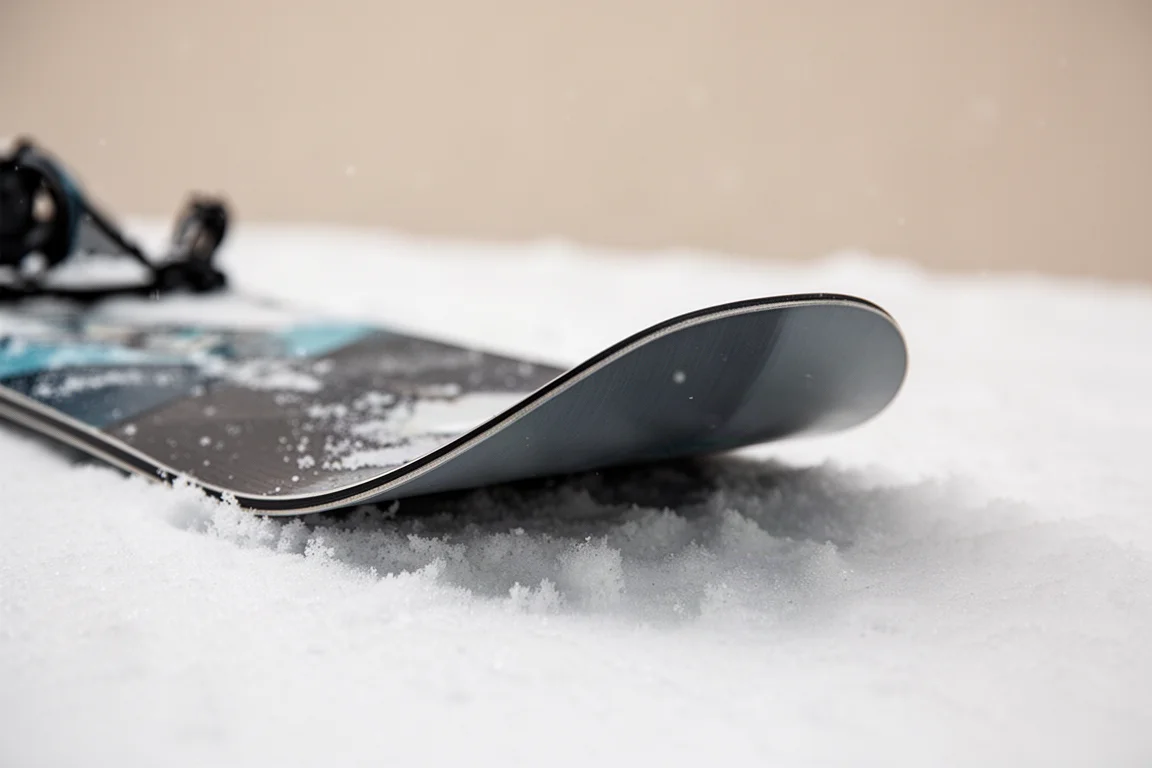
The High Fidelity runs a camber-dominant profile that behaves like what is best described as a shifted camber. Positive camber runs through the body of the board, starting right outside your front foot and continuing all the way back to the tail. That gives you plenty of stability underfoot and the powerful, energetic feel you would expect from positive camber.
The nose, however, uses reverse camber, which helps in softer snow conditions. One clever detail: any time you put weight on the board, such as on a powder landing, that reverse camber activates even more and amplifies the benefit. Burton pairs this with its balanced freeride geometry, which gives the board a slightly twinish feel on hardpack and makes it a touch more freestyle friendly than a pure camber stick.
Construction: Carbon Everywhere
There is a lot of carbon fiber built into the layup. The board runs a full carbon fiber layer underneath the core, plus tip-to-tail 45-degree carbon highlights built into the fiberglass. The result is a more responsive, snappy feel while keeping the board lightweight.
Burton’s usual staples are here too. The Channel system gives you unlimited stance width options and works with pretty much every major binding out there. Infinite Ride pre-breaks in the board, so it should hold a consistent feel for the life of the snowboard. The sintered WFO base is a high-end, dense, durable material that is tougher and faster than an extruded base, though as with any sintered base, regular waxing is needed to maintain optimal performance through the season.
Flex and Feel on the Mountain
The flex sits on the stiffer side of medium, with a high-performance, responsive, stable feel. The powerful tail backs you up on steeper, variable terrain, and the solid torsional flex keeps you from getting bucked around when things get rowdy.
You can get some flex out of this board, but the stiffer overall feel and camber make you work for it. There is a bit more leverage in the nose, but presses require real commitment. This is not a board for buttering. It is precise, locked in, and most fun at speed.
Carving and Handling
Carving is where the High Fidelity really shines, and it is all about quick turns. The 154 sizes up with a 24.8 cm waist, which is on the narrower side, getting you edge to edge fast with a nimble feel. The versatile 7.6 m sidecut delivers energetic carves and a confident feel at any speed. It is cruisy at low speeds and holds firm when you are bombing hills.
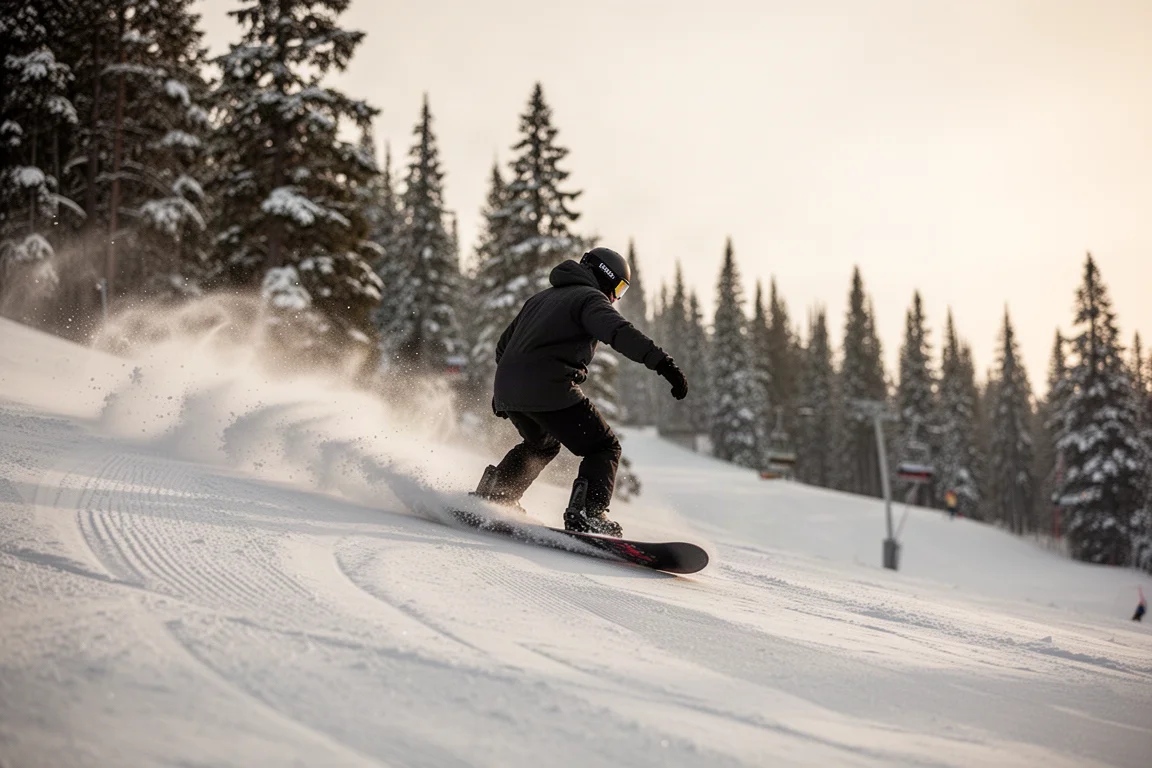
This is not the board for laid-out carves where extra width helps. It is better suited to exploring, having something sturdy underfoot, and getting into more technical zones. It holds a great edge, offers a lot of precision, and stays strong through variable snow.
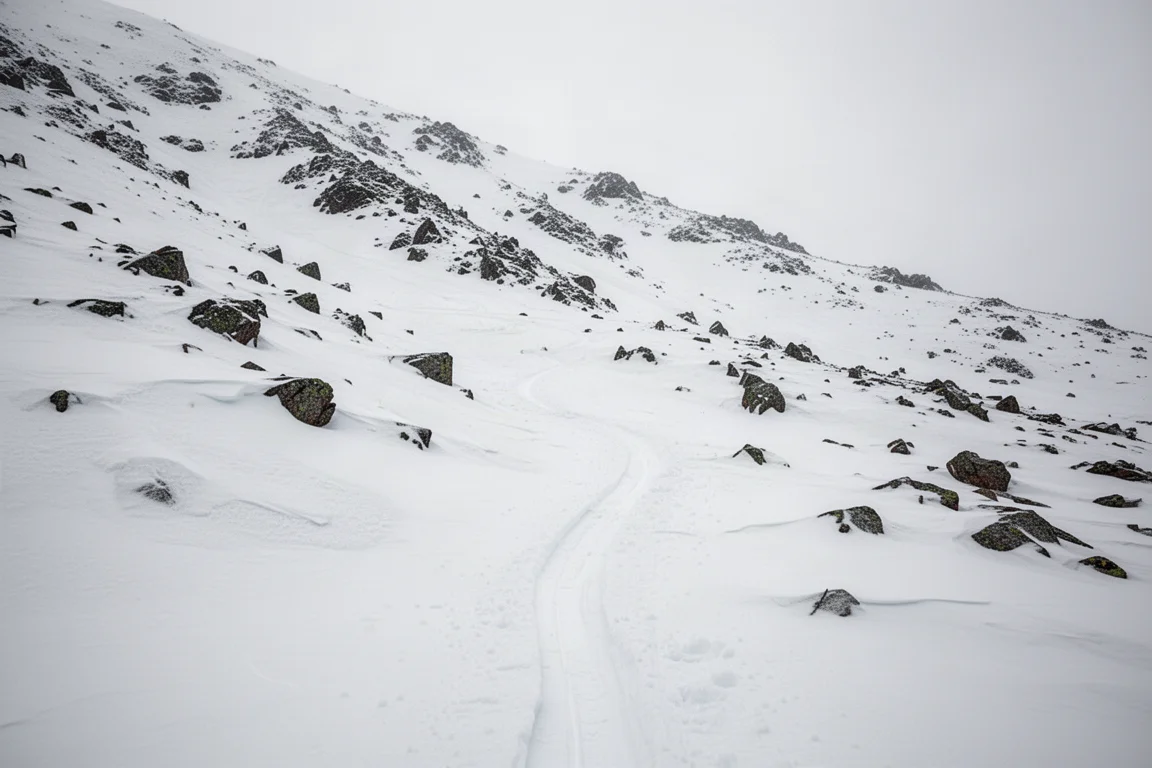
On steeper ungroomed alpine terrain with genuinely sketchy, variable conditions switching between soft pockets and hard pockets, the High Fidelity felt right at home. The camber profile chews up bumpy sections, and stability was never an issue.
Things to Consider Before Buying
The terrain park is where this board is more of a novelty. Can you jib it? Sure, but it is stiff and the precision is noticeable. If you do take it in the park, it leans toward jumps: it has plenty of stability to step up to larger gaps and can power through sketchy landings. But in practice, this is more of a resort explorer than a park board.
The directional outline features noticeably more nose outside the front contact points for extra surface area up front, 7 mm of taper so the tail is narrower than the nose, and a 25 mm setback at the reference stance. All of this is geared toward softer snow conditions, which means it is a specialized tool rather than a do-everything deck.
Buying Advice
If you buy this board, sizing up is worth considering, with the 158 being a sensible pick for exploring bigger terrain. Think big alpine objectives in Whistler, exploring BC and Washington, technical zones in Colorado, or even riding the gates in Japan. The High Fidelity rewards riders who treat the whole mountain as their playground.
Conclusion
The Burton Family Tree High Fidelity is a high-performance freeride board with plenty of power for any situation. It is geared toward experienced riders who value precise control and stability, and it is built for exploring rather than jibbing. If exploring the mountain is your vibe, this is a very capable snowboard to do it on.
Product link
View more details for Burton Family Tree High Fidelity
This product is mentioned in the review. Check the specifications, options, and compatibility before buying.
View more details for Burton Family Tree High FidelityFurther reading
Related Reviews
Snowboards
32 Middle Earth Scott Stevens Pro Model Snowboard Review: A Park Board With a Reversed Flex
A medium traditional camber park board with carbon V reinforcement that is stiffer in the tips and more playful between the feet. Here is how it rides and who it suits.
Snowboards
32 Snafu Review: A Directional All-Mountain Freestyle Board with Serious Pop
The 32 Snafu pairs a directional camber-rocker profile with a stiffening tail for powerful carves, big ollies, and a surprisingly damp ride.
Snowboards
32 XXX Pat Fava Pro Snowboard Review: A Stiff Camber Beast for Hard-Charging Riders
A full-width traditional camber deck that rewards aggression with stability and edge power, but demands effort everywhere else.