Snowboards
Burton Deep Thinker Review: A Powerful All-Mountain Freeride Board
A directional, camber-dominant freeride board with explosive energy and precision. Here's how the Burton Deep Thinker performs in powder, the park, and on hard carves.
Introduction
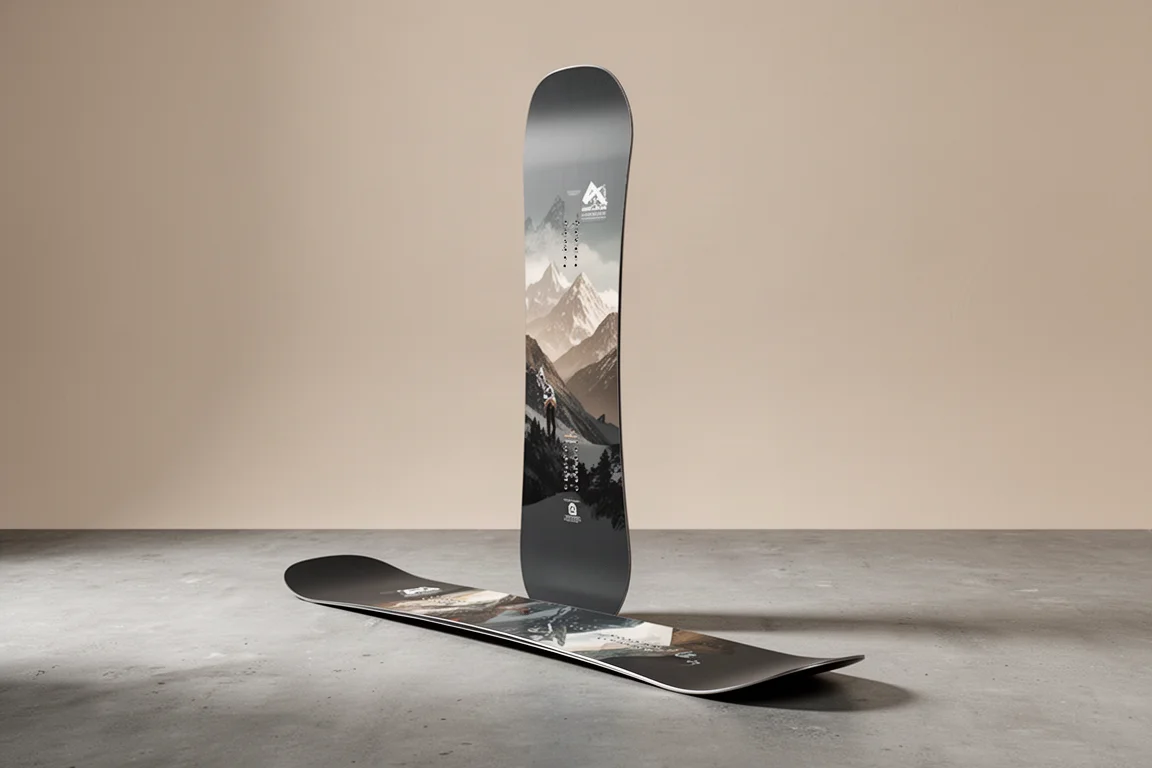
The Burton Deep Thinker is the board Danny Davis rides, positioned in Burton’s lineup as an all-mountain freeride snowboard. After putting laps in on soft snow and firm resort runs, the short version is this: it is a powerful, precise, energetic board aimed at experienced riders who want one setup for exploring the mountain and riding powder, not a dedicated park or butter board.
Who This Board Is For
For reference, the board tested was the 154cm ridden by someone 5’10” and around 150 lb. That sizing felt appropriate for an aggressive, directional freeride board at this length.
The Deep Thinker is built for riders who want a situation-specific board, or a one-board solution focused on exploring the mountain and riding powder. It suits experienced riders who value stability, power, and precision over freestyle playfulness. If your priority is buttering on flat ground or freestyle progression, this is not the right tool.
The Tech Breakdown
The Deep Thinker is a fully directional snowboard, with a longer nose and tail outside the contact points for more surface area up front. It also runs a setback and a taper, plus a directional camber profile: camber dominant with positive camber running from the front foot out to the rear contact points, and rocker outside the front foot through the nose to help with float in soft snow.
Burton rates the flex on the stiffer side of medium, with a directional flex that adds stability in the tail and a more playful feel toward the nose. Carbon is built in at a 45° angle, adding energy and response both lengthwise from tip to tail and torsionally.
Other notable features include Burton’s Frostbite edges, which add mellow contact points in the sidecut to help the board bite on icy or firm conditions. It also runs Burton’s centered WFO base, a high-end sintered-style material that is harder, faster, and more durable than an extruded base. The trade-off: you should wax it regularly to maintain consistent glide.
The matte top sheet finish also deserves a mention. It grips your boot well when you are one-footing off the chairlift, essentially acting as a built-in stomp pad.
Powder Performance
Burton markets this board as an all-mountain freeride board rather than a powder specialist, and that is accurate. The directional outline, shifted camber, taper, and significant setback give it a noticeably better powder experience than a twin or directional twin.
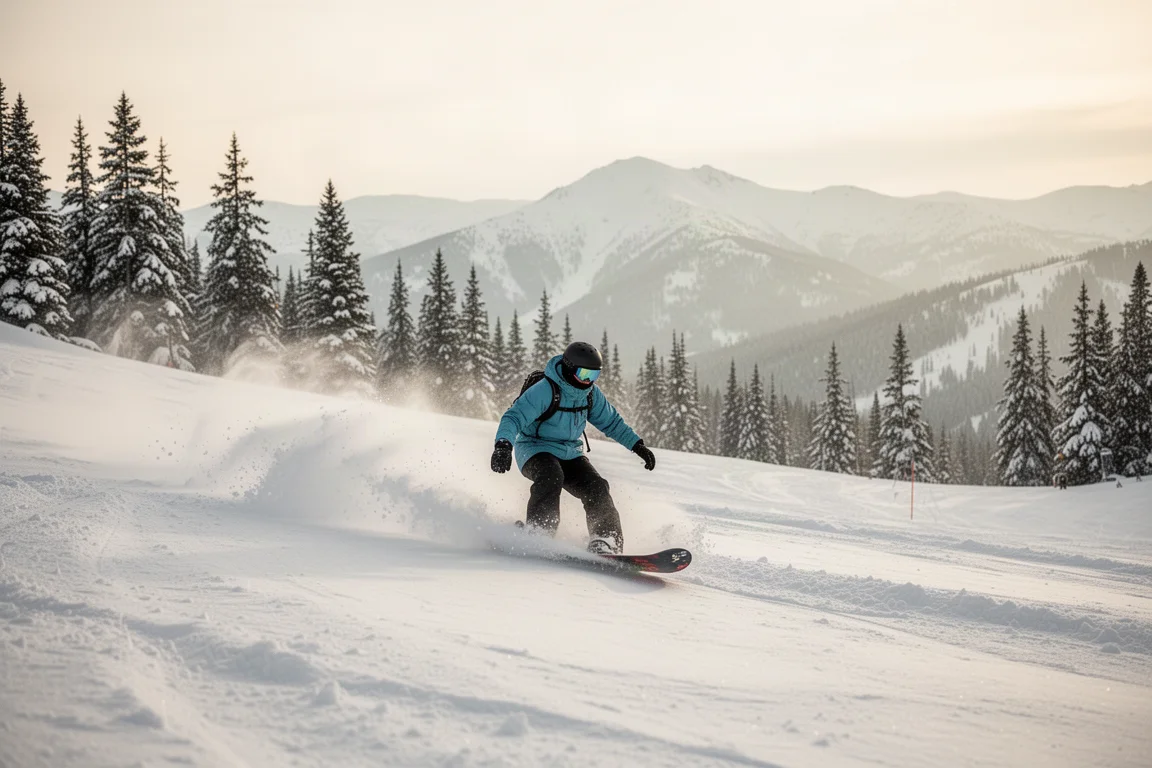
It is geared more toward freeriding and powder, meaning alpine hikes in the resort and steeper, more rugged terrain on powder days, rather than low-angle powder where you rely on the board for float. In soft snow it feels good: maneuverable through the trees, noticeably more float, and it helps save your back leg on deep days. Just do not buy it as a dedicated powder board.
Flex, Pop, and Overall Feel
This is an aggressive snowboard. The flex is consistent and firmly on the stiffer side of medium, and the overall feel is aggressive, precise, and very energetic. Loaded tension comes back with explosive energy, giving excellent pop whether you are hitting park jumps, natural features, or rollers around the mountain.
The flip side is that butter and flat-ground tricks are more difficult. The stiff flex and camber profile work against you when you lean into the nose or tail, and finding balance points takes more effort. It can also feel slightly catchy because of how precise it is.
Park Performance: Surprisingly Friendly
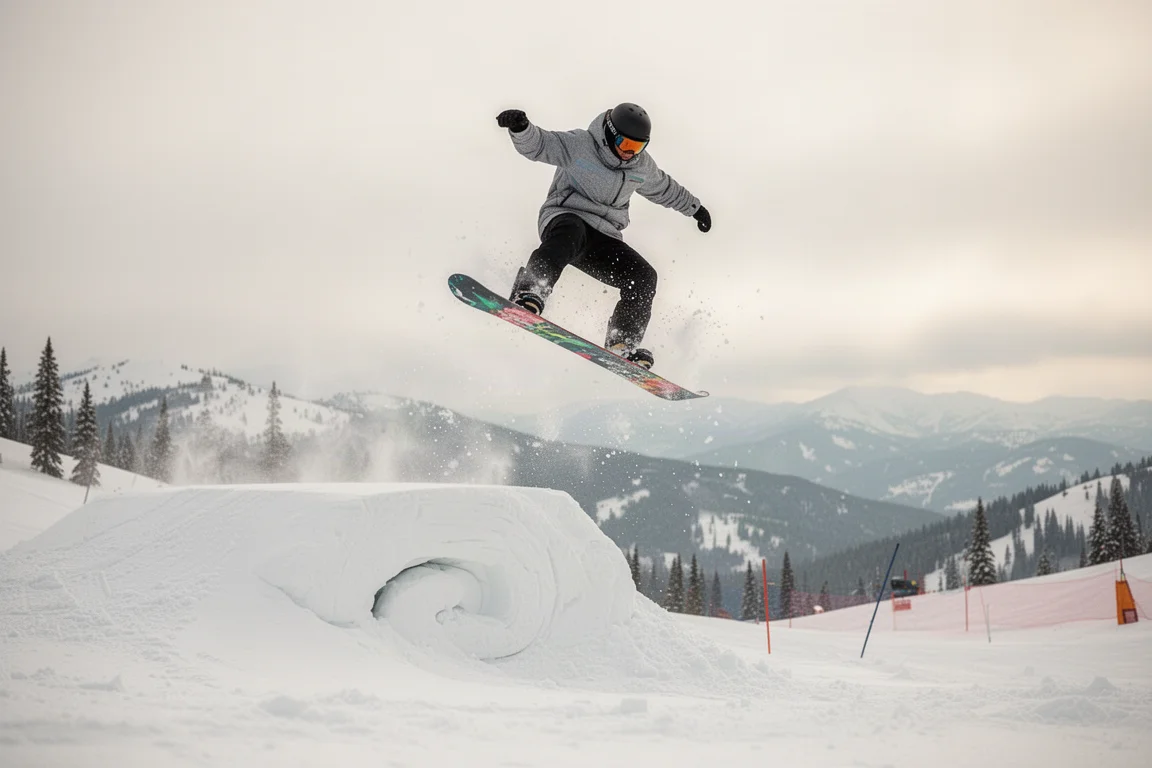
Despite the directional design, the Deep Thinker is quite park friendly, though it leans toward jumps. The stiffness gives plenty of stability for larger jumps and features where you need speed and stable landings, and it powers through higher-impact situations. When you need to put the landing gear down, the board helps bring you back down instead of washing out.
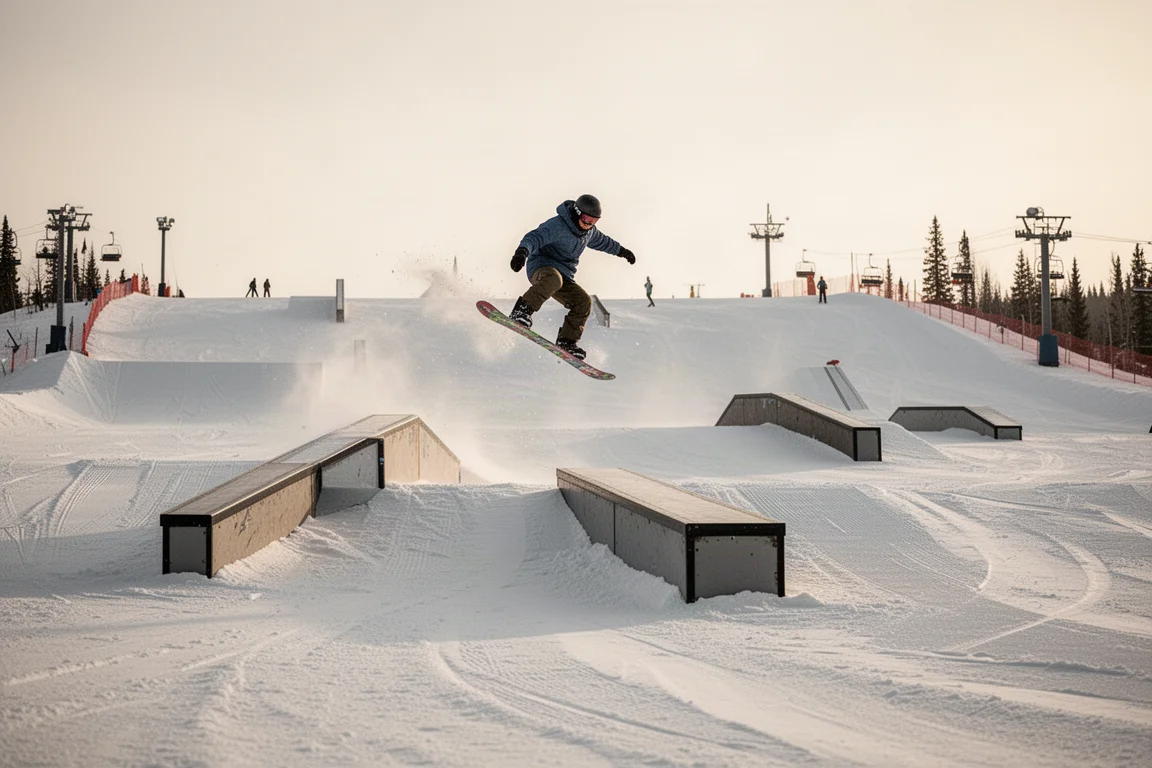
One thing that makes it more park friendly than many directional boards: it still has a fairly natural feel riding switch. Switch landings on jumps and rails felt natural enough that most riders would adjust within the first day. Just keep in mind it will not help your freestyle progression the way a true freestyle board would.
Carving: The Standout Strength
Carving is a highlight. The directional features, shifted camber, taper, and setback combine to give an excellent feel for initiating and driving through a turn, and the powerful, energetic character makes it feel locked-in and precise. You can trust the board as you lay into turns, even at high speed, and you can feel the camber load up and spring you from edge to edge.
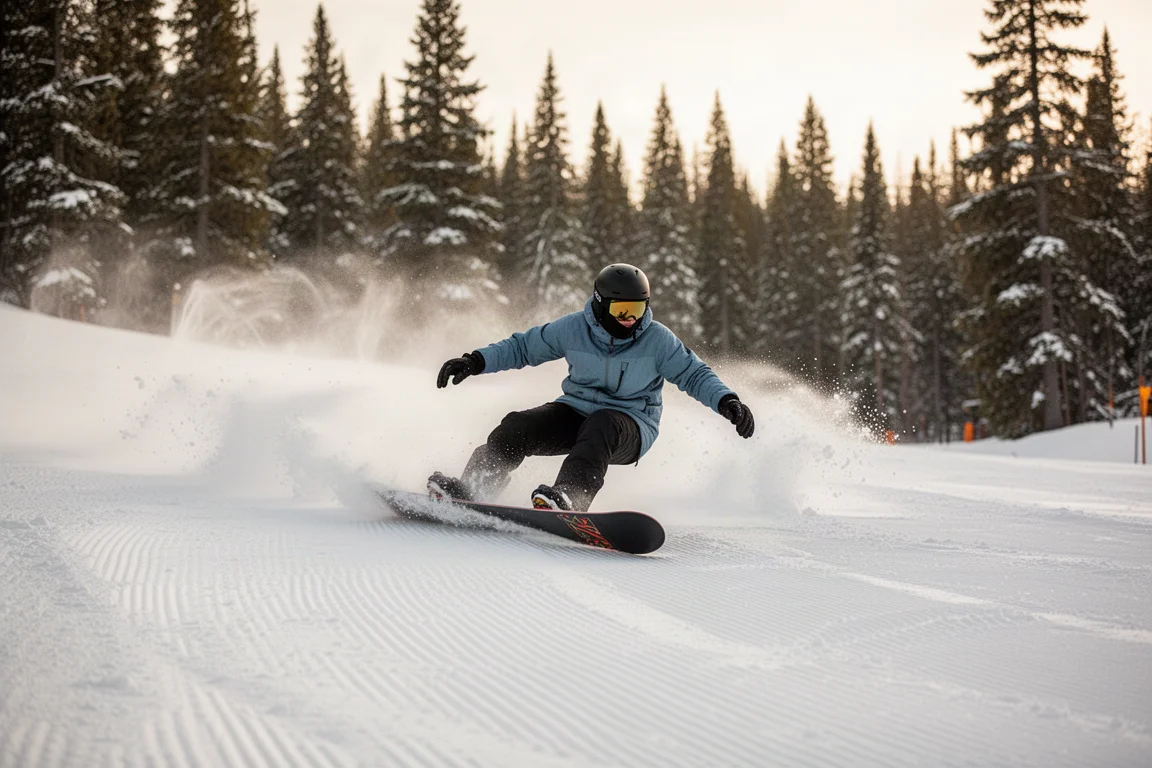
The one limiting factor is width. The Deep Thinker is fairly narrow, so if you lay into aggressive Euro-style carves, watch out for heel and toe drag at high edge angles. On the positive side, the narrower waist means quick heel-to-toe edge changes.
Buying Advice
Buy the Deep Thinker if you are an experienced rider looking for a powerful, stable, energetic board focused on exploring the mountain and riding powder. Skip it if you want a buttery freestyle board or a low-angle powder specialist. Check current sizing and specs before ordering, and keep a regular waxing routine to maintain the base.
Conclusion
The Burton Deep Thinker delivers on its freeride promise: excellent stability, explosive pop, trustworthy carving, and genuinely good performance in soft snow. Its limits, stiff flex, catchy precision, narrow width, and limited buttering ability, are exactly what you would expect from a board this directional and aggressive. For the right rider, those limits are features, not flaws.
Product link
View more details for Burton Deep Thinker
This product is mentioned in the review. Check the specifications, options, and compatibility before buying.
View more details for Burton Deep ThinkerFurther reading
Related Reviews
Snowboards
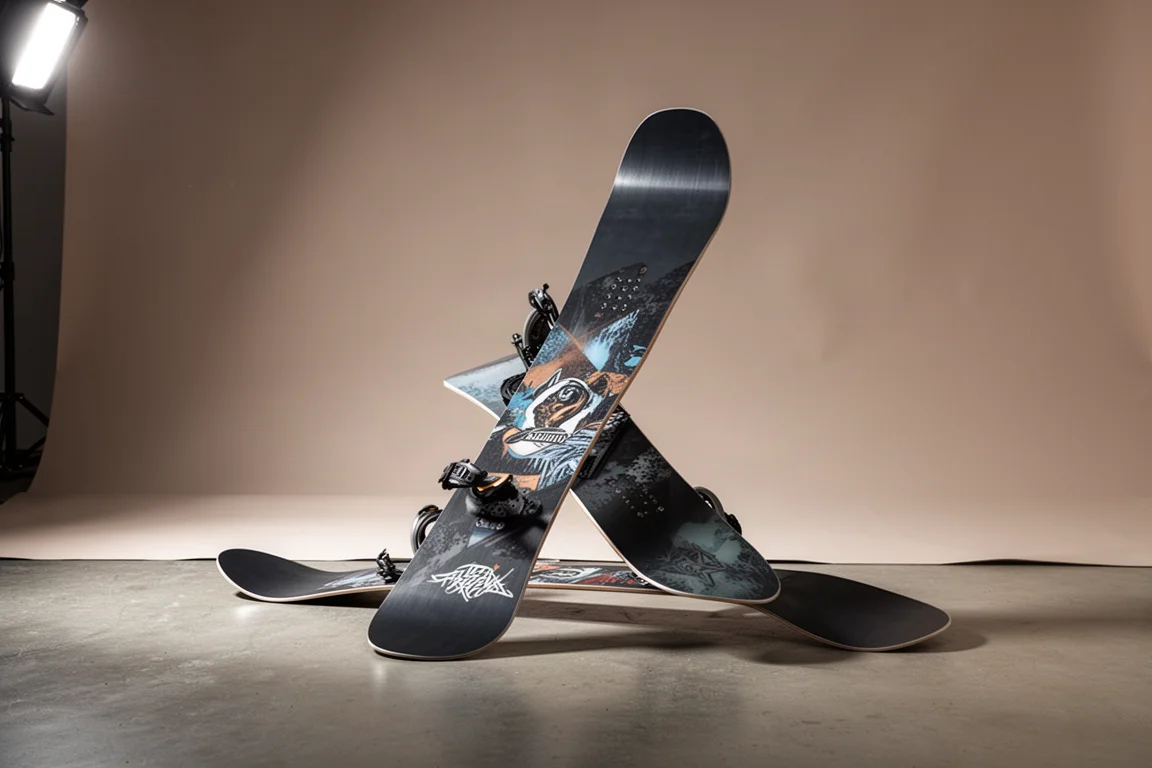
32 Middle Earth Scott Stevens Pro Model Snowboard Review: A Park Board With a Reversed Flex
A medium traditional camber park board with carbon V reinforcement that is stiffer in the tips and more playful between the feet. Here is how it rides and who it suits.
Snowboards
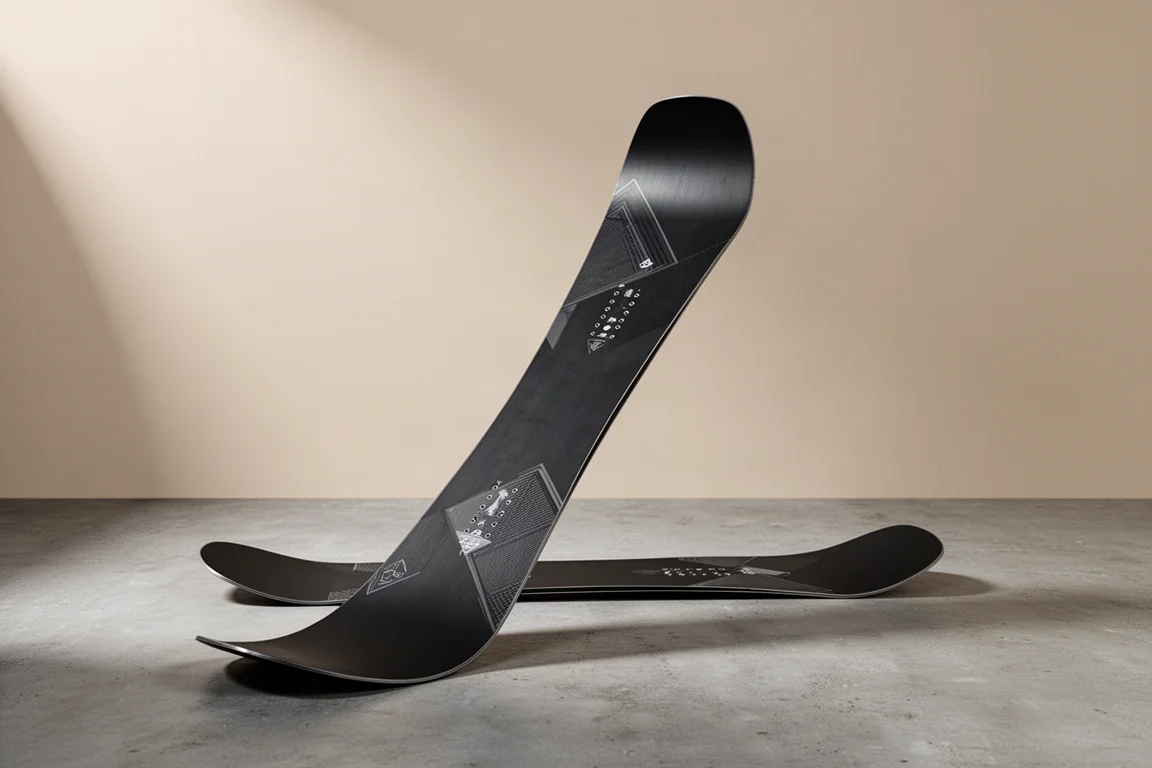
32 Snafu Review: A Directional All-Mountain Freestyle Board with Serious Pop
The 32 Snafu pairs a directional camber-rocker profile with a stiffening tail for powerful carves, big ollies, and a surprisingly damp ride.
Snowboards
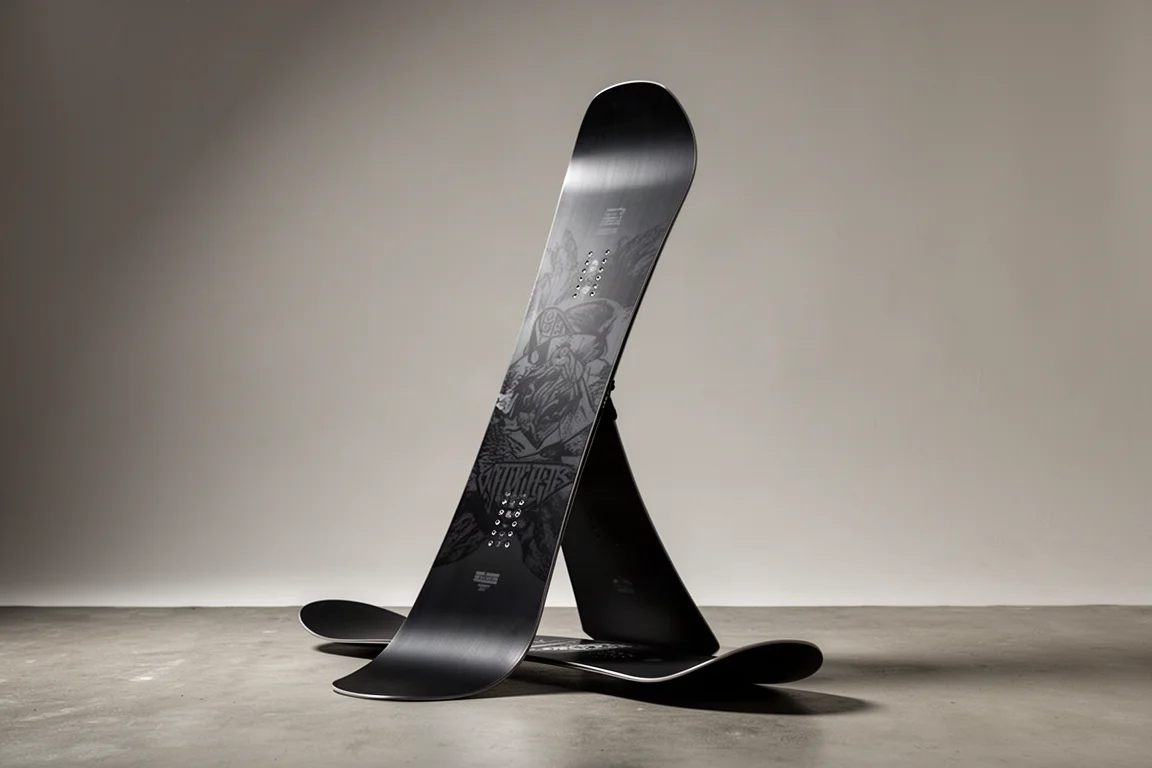
32 XXX Pat Fava Pro Snowboard Review: A Stiff Camber Beast for Hard-Charging Riders
A full-width traditional camber deck that rewards aggression with stability and edge power, but demands effort everywhere else.