Ski Gear
Building a Ski Quiver in 2026: Ten Pieces of Gear That Cover Every Slot
A practical guide to a complete ski setup, from low-volume 130-flex boots and a moldable liner to carving skis, park twin tips, and a wide powder platform.
Introduction
A quiver only works when every piece has a job. Ten pairs of skis with overlapping personalities is just a collection. Ten pieces of gear that each cover a different slot is a system you can actually make decisions with on a cold morning.
That is the logic behind this roundup. It starts with boots, because boots drive everything else that happens on snow, then works through the skis that handle carving, park, all-mountain days, and deep snow. A few of these overlap on paper. What matters is that each one wins in a specific set of conditions, so choosing what to click into becomes a quick decision instead of a debate.
How a Quiver Actually Gets Built
The starting point is honest self-assessment. Most skiers ride the same handful of terrain types over and over: groomers close to home, a handful of soft-snow days, the occasional trip west, and whatever the terrain park offers on a low-tide afternoon. Build around those realities rather than around the conditions you hope to ski twice a season.
The second principle is deliberate specialization. Once one ski covers carving well, the next purchase does not need to carve at all. It can be softer, surfier, wider, or more playful. That freedom is what separates a functional quiver from a stack of similar skis competing for the same days.
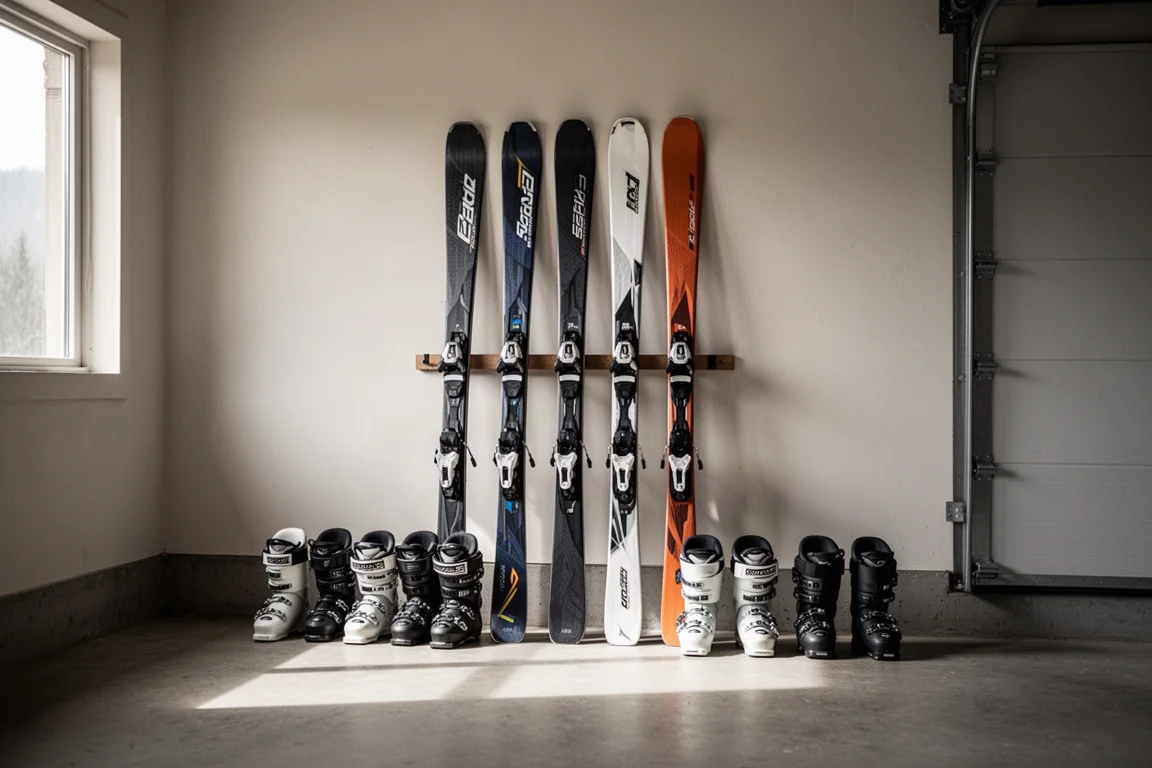
Footbeds and liners belong in this conversation too, even though they are not skis. A custom footbed changes how a boot transfers pressure, and a worn liner is often the first thing to give out, well before a shell is finished. Replacing a liner is frequently cheaper than replacing a boot, and it can alter how a shell flexes and holds the foot. Treat the boot as a system, not a single purchase.
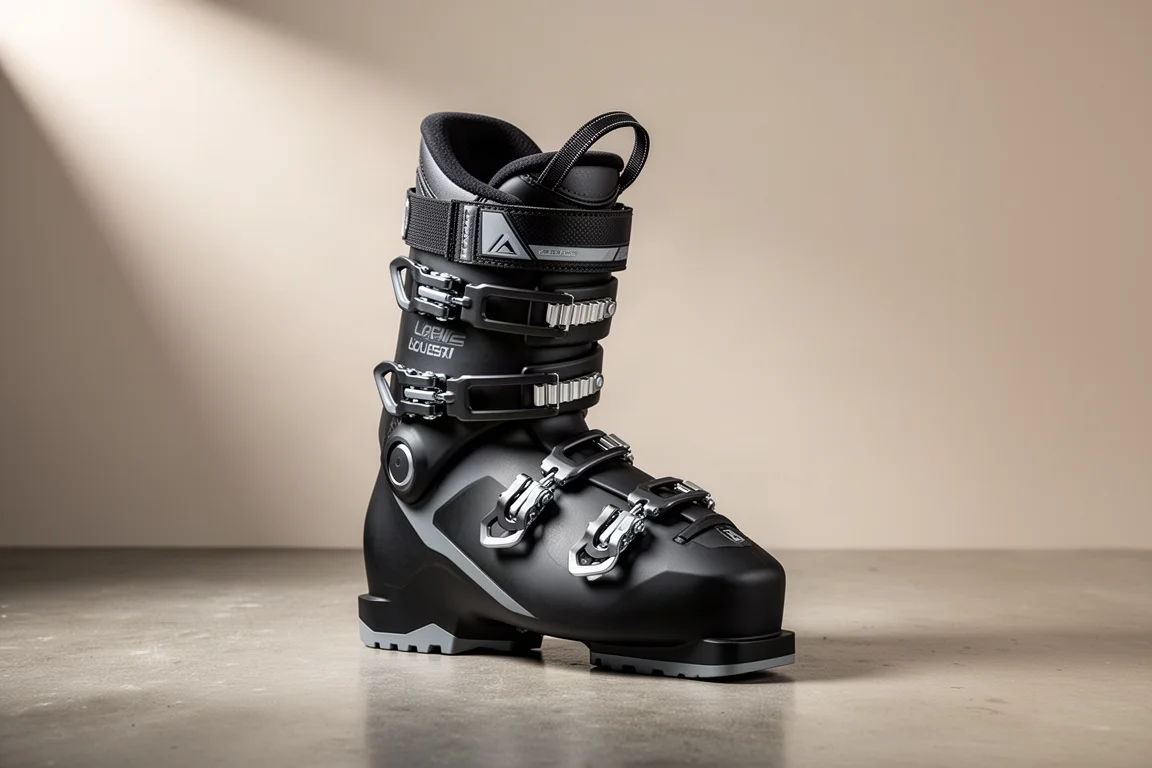
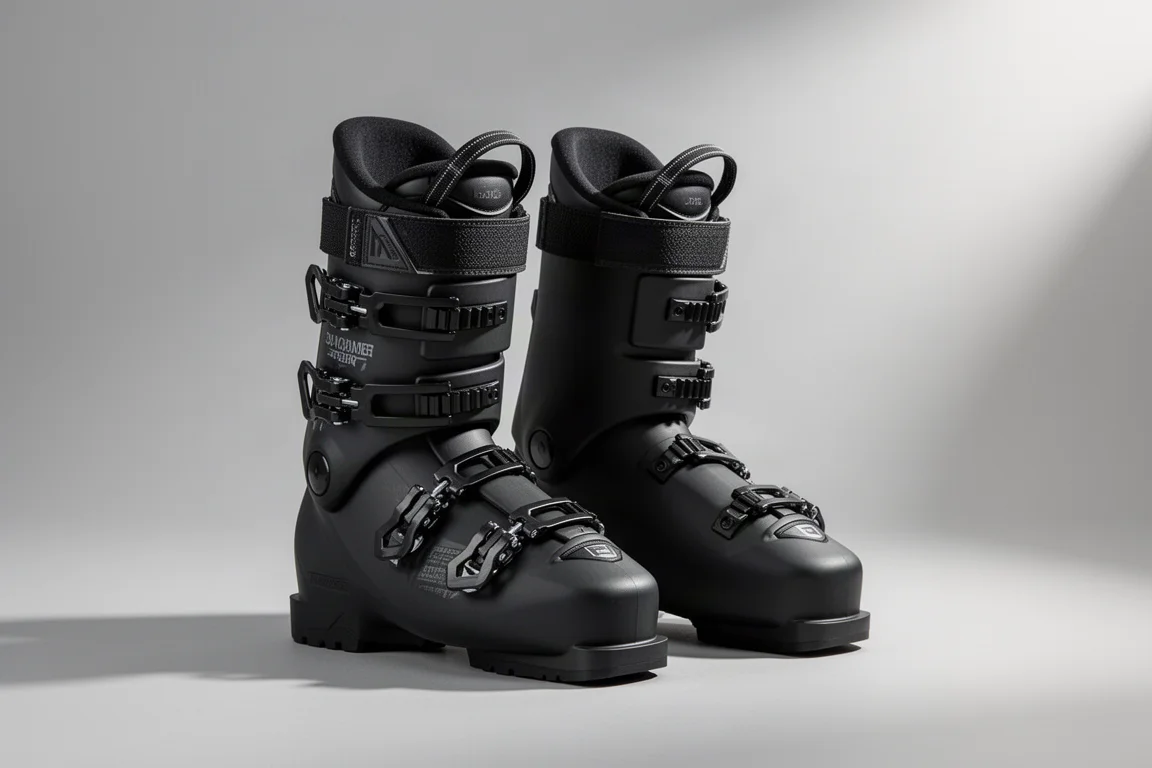
Best Low-Volume Boot: Lange Shadow 130 LV
The Shadow 130 LV is a low-volume alpine boot built around a 130 flex, and its defining trait is how forgiving that flex feels. The suspension blade in the spine gives it a supple, progressive character rather than the brick-wall stiffness many skiers associate with a 130 rating. Strong skiers who want support without a punishing ride tend to get along with it well.
It is also an accommodating low-volume fit, which is a meaningful distinction. Low volume does not have to mean painful, and this shell manages to hold a narrow foot firmly without requiring heroic boot work. That combination of a firm hold and a flexible, damp feel is what makes it a long-season boot rather than a race-day-only option.
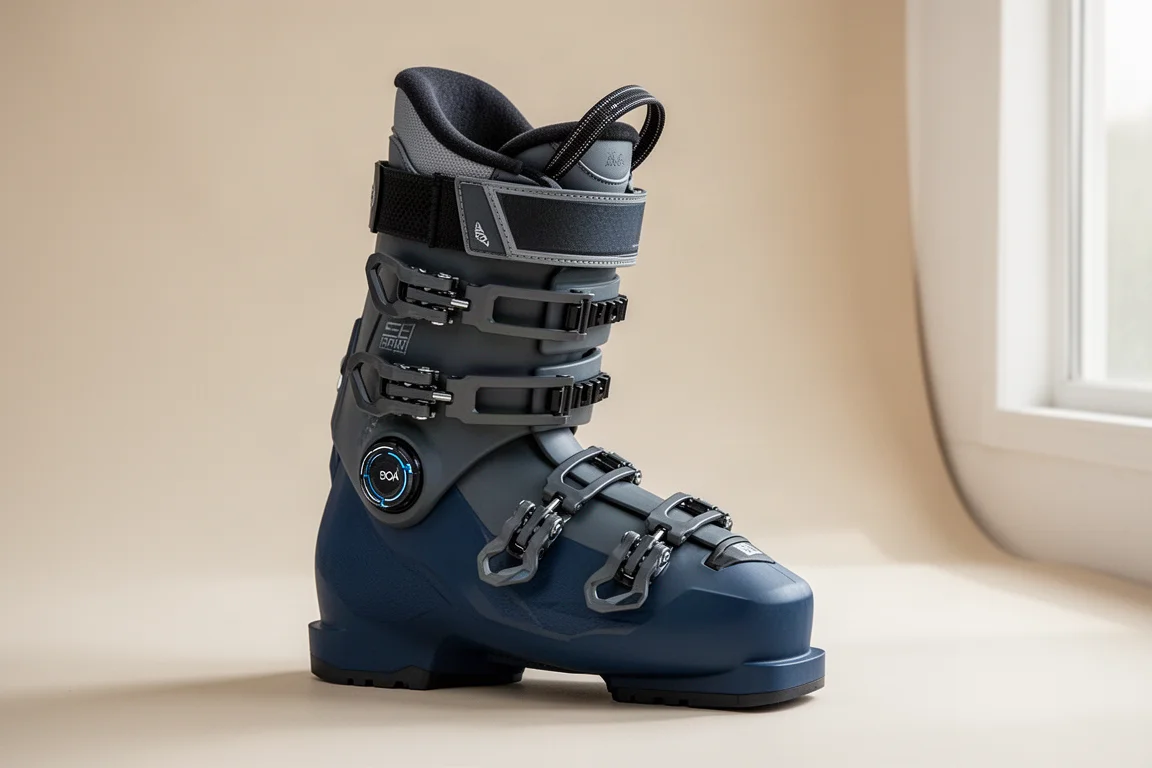
Best Mid-Volume Boot With BOA: Nordica Speedmachine 3 130
The Speedmachine 3 130 pairs a 130 flex with a 100mm last and a BOA closure system, which puts it in a different category from the low-volume race-adjacent shells. A 100mm last suits a broader range of feet, and that matters if you spend long days standing around coaching, teaching, or waiting at the bottom of a lift line.
The BOA dial changes how the lower shell wraps the foot, tightening evenly across the instep rather than pulling from a single point. It takes a run or two to calibrate how much tension you actually want, but the payoff is a consistent hold with fewer pressure points. The Speedmachine platform has a well-established reputation for predictable downhill performance, and this version keeps that character intact.
Best Touring Boot for Downhill Feel: Atomic Hawx Ultra XTD 130
The Hawx Ultra XTD 130 is the boot to look at if you are willing to trade some uphill efficiency for downhill composure. It has an extremely close fit, among the smallest-feeling boots in this lineup, and it skis with the kind of authority that usually belongs to a dedicated alpine shell. On softer days it is easy to forget you are on a touring-capable boot at all.
That trade-off is the whole point. Riders who tour primarily for the descent, or who want a single boot that handles lift-served days and sidecountry laps without compromise, will find the balance appealing. Anyone chasing minimum weight on long approaches should look elsewhere, because the performance here comes from construction that is not trying to be a featherweight.
Best Aftermarket Liner: ZipFit Gara LV
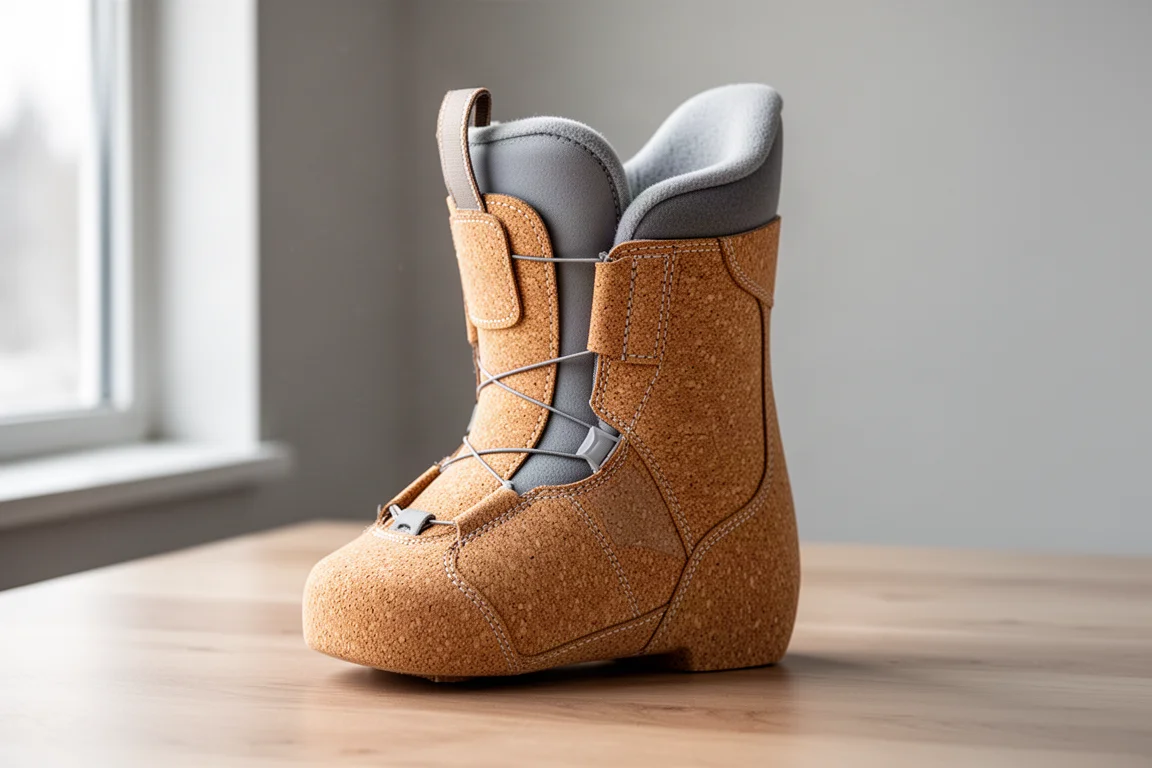
The Gara LV is a low-volume aftermarket liner, and it addresses a problem most skiers eventually run into: the liner packs out long before the shell wears out. A moldable liner can restore a precise hold in a boot that still has plenty of life left, and it can also change how that boot flexes, sometimes stiffening it noticeably.
That second effect is the interesting part. Moving a fresh liner into a softer shell is a legitimate way to reshape a boot’s personality without buying new boots. It does require the full molding process and a proper fit session, so budget time as well as money. For skiers whose fit has gone vague but whose shells are structurally sound, it is one of the highest-value moves available.
Best Versatile Carving Ski: Stockli Montero AX
The Montero AX is an 80mm-underfoot all-mountain ski in a 178cm length with a 16.5m turn radius. That combination produces a ski that feels supple underfoot, easier to bend than a dedicated frontside carver, and still confident enough to be raced in a local league. It has become a go-to for skiers who spend most of the day on edge.
Part of the appeal is how natural the flex feels directly underfoot, particularly when paired with a binding that keeps a low, connected stand height. That setup preserves a smooth, continuous arc through the turn. A newer version of this ski exists with a revised tip construction and a slightly altered mount point, but the current shape remains a benchmark for riders who want carving performance without a demanding, race-stiff chassis.
View more details for Stöckli Montero AX
Best Playful Twin Tip: Black Crows Mirus Cor
The Mirus Cor is a genuinely unusual ski: a twin tip with a swallow tail and a 13m turn radius. Those numbers describe a ski that makes tight, slalom-style turns at almost any speed, and it stays entertaining on groomers even when you are cruising slowly. It is a natural pick for coaching days, when you are moving at the pace of a group rather than your own.
It is capable in the park without being a dedicated park ski, and it flicks to switch easily. The trade-off is edge care. Because the shape is so much fun to carve, edges wear quickly if you spend time on rails, so many owners keep theirs off features to preserve the tune. Used as a groomer and cruiser, it rewards a light touch and a willingness to play.
Best All-Mountain Daily Driver: Blizzard Anomaly 88
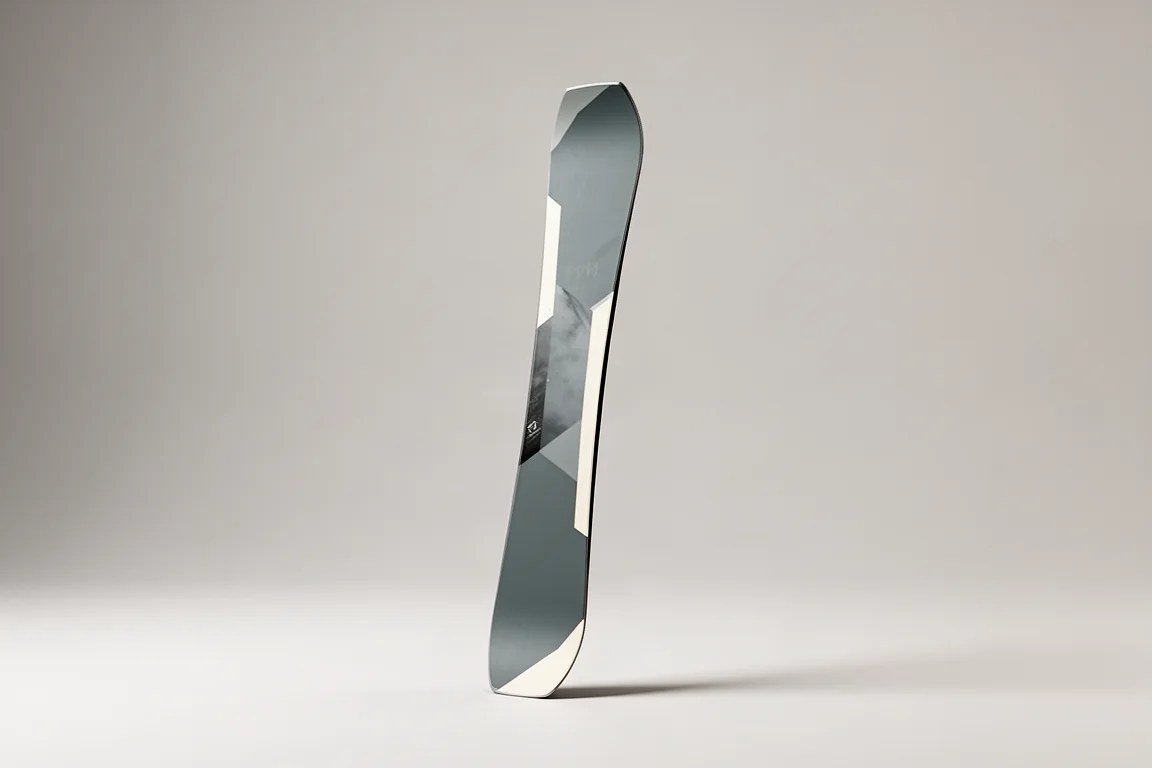
The Anomaly 88 is an 88mm-underfoot all-mountain ski with a layered metal build. Rather than running a single continuous sheet, the construction breaks the metal into sections with a fiberglass layer between them and a strip running down the middle. The result is a ski that keeps the damp, planted feel of metal while staying manageable across a wide range of conditions.
It is the closest thing in this group to a true one-ski answer for a mixed season. It carves with real authority, holds up on softer days, and replaces the outgoing Brahma in the lineup, which means it inherits a well-understood role. Skiers who want one pair to handle most of their days will find the 88 waist the sweet spot, while the narrower 84 version suits anyone who rarely leaves groomed terrain.
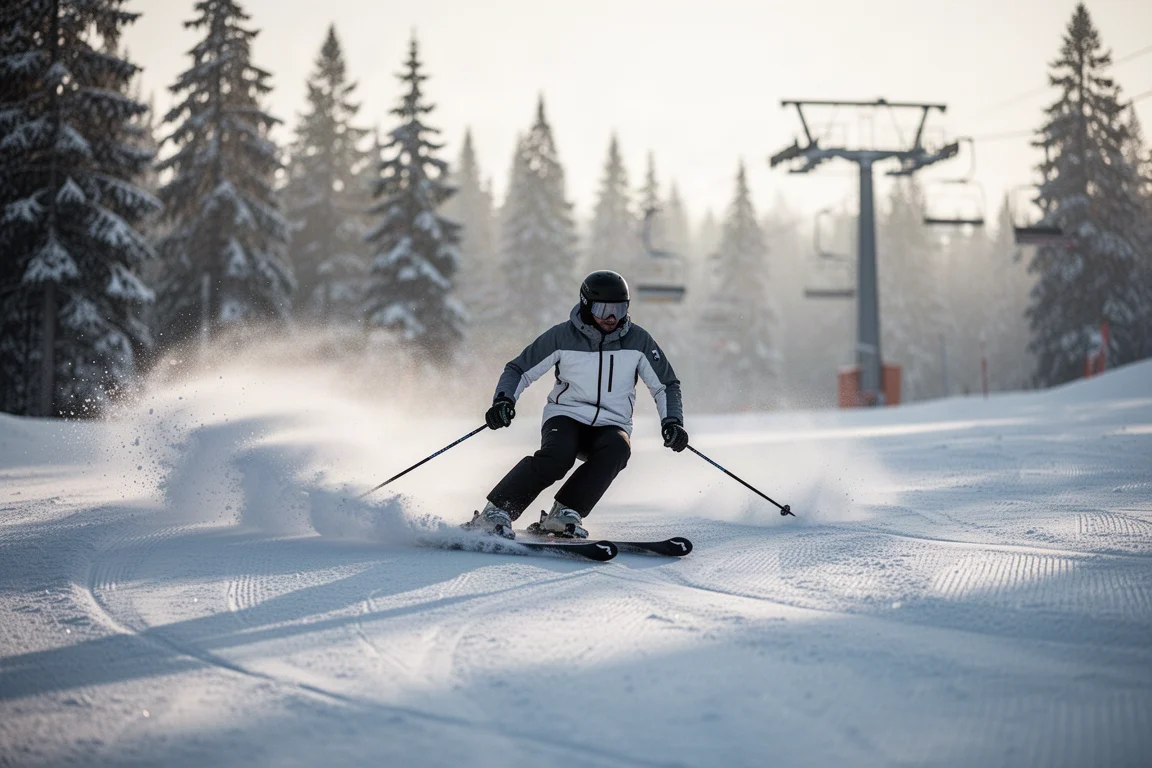
That metal content does mean the ski wants an assertive pilot. It rewards pressure and a forward stance, and it gives back a stable platform at speed. Pair it with a dependable binding that suits a carving-oriented all-mountain ski, and it becomes the pair you grab when you have no idea what the day will throw at you.
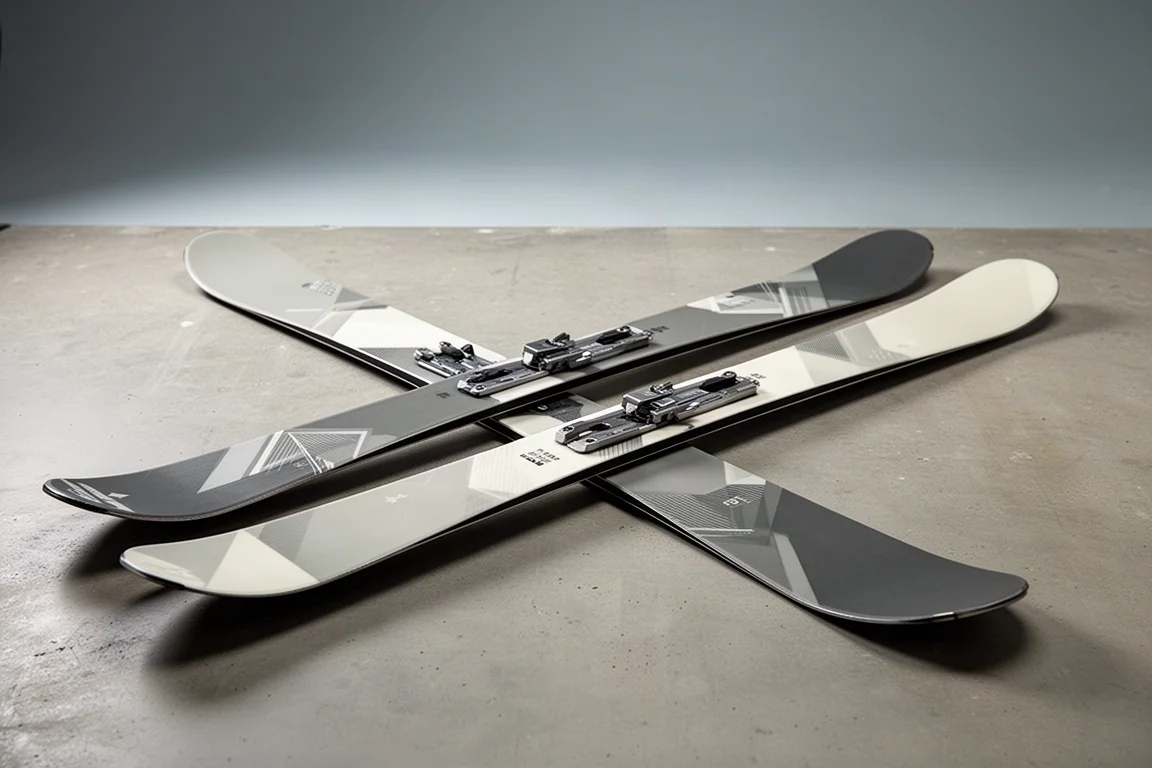
Best Park-Friendly All-Mountain Ski: Faction Prodigy 1
The Prodigy 1 is an 88mm directional twin tip, and it slots in as an early-season workhorse. It is not a symmetrical park specialist, but the directional shape still handles switch and landings comfortably, and it makes a surprisingly good mogul ski. Mounted on the forward new school line, it feels quick and responsive without becoming twitchy.
The 88mm waist keeps it lively on hardpack and in bumps, which is exactly what you want in November and December when the base is thin and the terrain is limited. It is not a deep-snow ski, and it is not trying to be. Treat it as the pair that covers low-tide days, park laps, and bumps, and it earns its place in the rack.
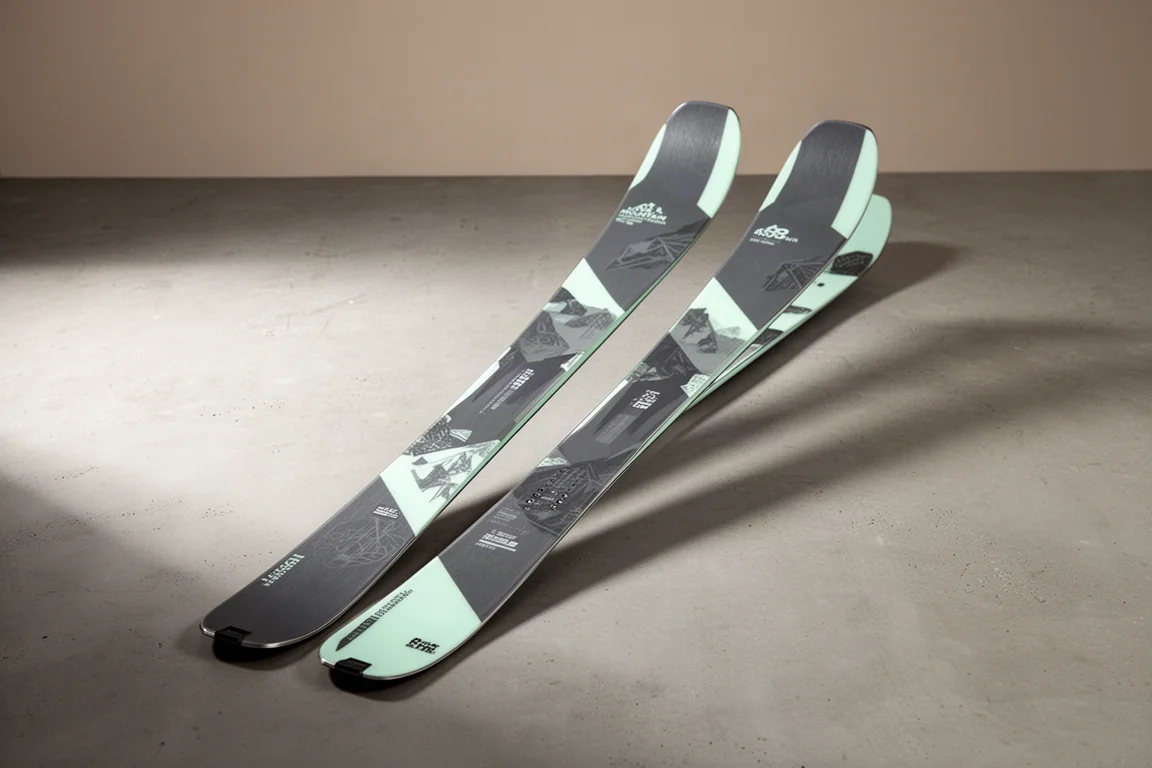
Best Soft-Flexing Park Ski: K2 Reckoner 102
The Reckoner 102 is a 102mm park ski with a notably soft flex, and that softness is the entire argument for it. A forgiving flex is kinder on landings and on your body, which matters more as seasons accumulate. It also produces a surfy, buttery smear in the park that stiffer twin tips simply cannot match.
The trade-off is precision elsewhere on the mountain. As an all-mountain twin tip it gives up some accuracy to a ski like the Prodigy 1, so it makes the most sense for days when the park is the actual destination. Durability has improved compared with earlier generations, and the ski holds up well to repeated rail sessions, though any park ski has a finite lifespan under that kind of use.
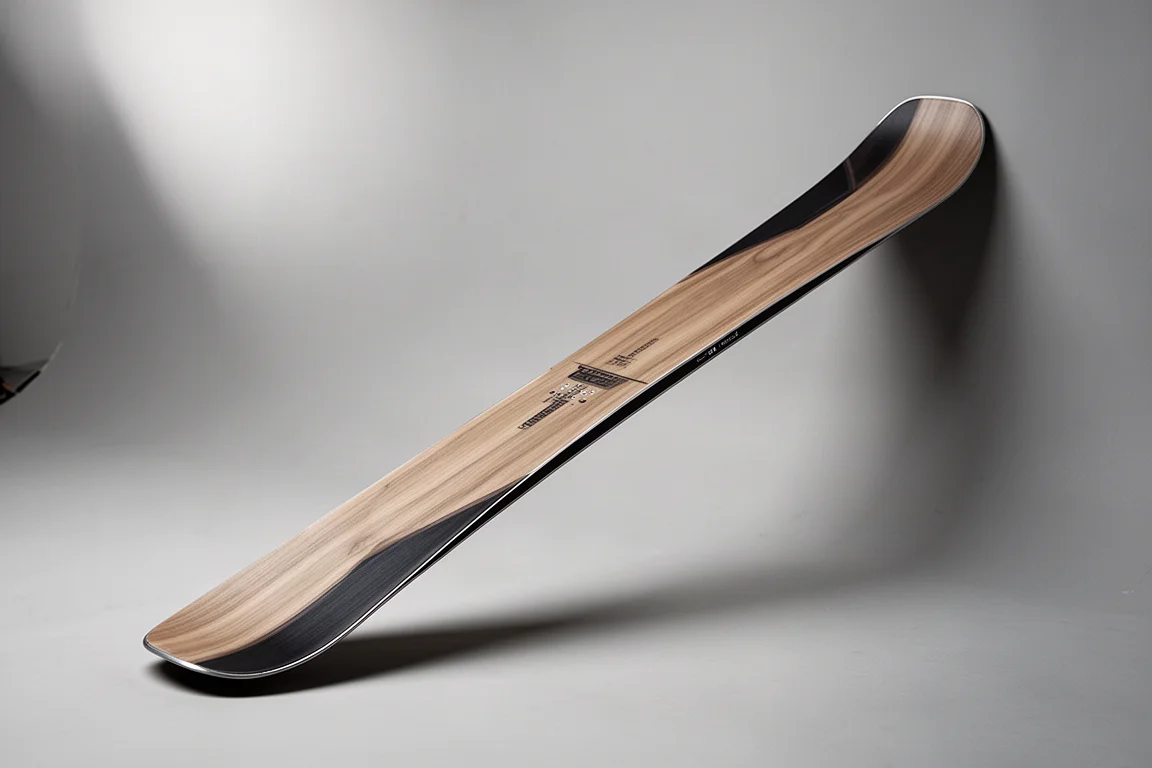
Best Powder and Touring Ski: Salomon QST X
The QST X is a 116mm-underfoot powder ski with a 25m turn radius and a construction that keeps it on the lighter side for its width. That combination makes it stable in variable snow and easy to maneuver in tight terrain, and the long radius means it holds a predictable line rather than hooking up unexpectedly.
It is also set up for touring, which broadens its usefulness considerably. A light build keeps it manageable in a travel bag, and the wide platform floats well enough that it can serve as the dedicated deep-day ski in a quiver. Skiers who want one pair to cover powder days at home and the occasional trip west will find it a sensible anchor for the soft-snow end of the collection.
View more details for Salomon QST X
Buying Advice: Matching Gear to Terrain and Ability
The most common mistake when building a quiver is buying the second ski before the first one is understood. Ski twenty or thirty days on a single pair, note which conditions frustrate you, and let that gap dictate the next purchase. If you never leave groomers, the answer is a carving-focused ski. If you spend your season chasing storms, it is a wide platform with rocker and float.
Boots deserve priority over everything else. A 130 flex is not automatically the right choice, and the difference between a forgiving 130 and a race-stiff 130 is enormous. Match the flex to your weight, stance, and the terrain you actually ski, and get the fit dialed before you spend money on skis. A moldable liner and a custom footbed are inexpensive ways to improve the boot you already own.
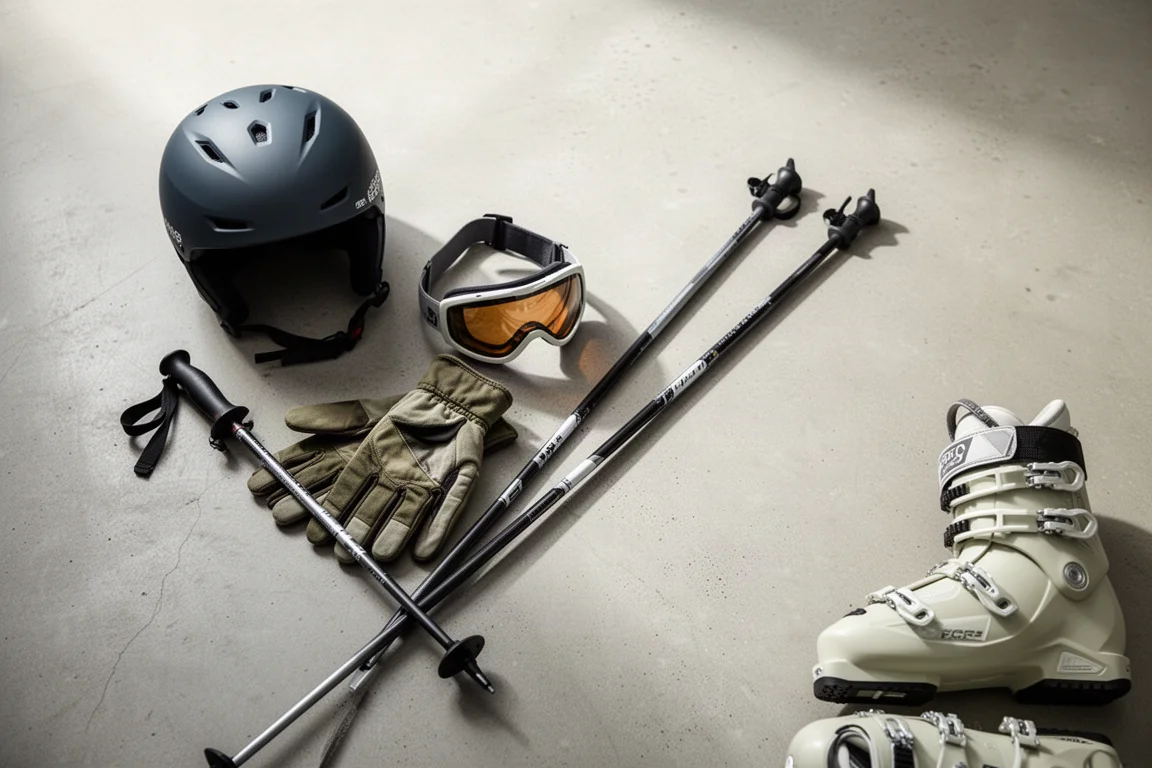
Budget discipline matters too. Overlap is acceptable when each ski does something distinctly better than its neighbor, but two skis that perform identically in the same conditions is money sitting in a garage. Aim for coverage: a frontside carver, an all-mountain daily driver, a playful twin tip, and a wide soft-snow ski covers the vast majority of resort days for most skiers.
Conclusion
A good quiver is defined by clarity, not quantity. Each of the ten pieces here earns its spot by handling a specific slot: a low-volume 130 boot for precision, a mid-volume boot with BOA for all-day comfort, a hybrid touring boot for riders who prioritize the descent, a moldable liner to refresh what you already own, a supple carving ski, a playful swallow-tail twin tip, an 88mm metal-laminate daily driver, a park-friendly all-mountain twin, a soft-flexing park specialist, and a wide powder platform that tours.
Buy the slot you are missing, not the ski that looks best in a shop. That approach keeps a quiver useful, keeps spending sensible, and makes every morning’s decision an easy one.
Further reading
Related Reviews
Ski Gear
2023 Blizzard Hustle vs Rustler: Six Freeride Skis Compared
Blizzard's 2023 Hustle collection rebuilds the Rustler shape with a lighter core and no metal. Here is how all six skis differ, and which one suits your riding.
Ski Gear
2023 Skis of the Year: Atomic Maverick 88 TI, Salomon QST 106, and Look SPX 12 Pro
Three standout ski picks for all-mountain carving, powder days, and reliable binding performance, with practical buying notes for 2023 models.
Ski Gear
2025 Nordica Enforcer 104 Review: A Directional Charger Replaces the 104 Free
The 2025 Nordica Enforcer 104 drops the Free name and the twin-tip personality, gaining weight, stiffness and composure in rough snow. Here is what changed and who it suits.