Ski Gear
Building a Ski Quiver: 10 Picks for Every Kind of Day
A ten-piece ski quiver that runs from a 130-flex boot and a narrow carver to a 110mm powder ski, with notes on where each piece earns its place.
Introduction
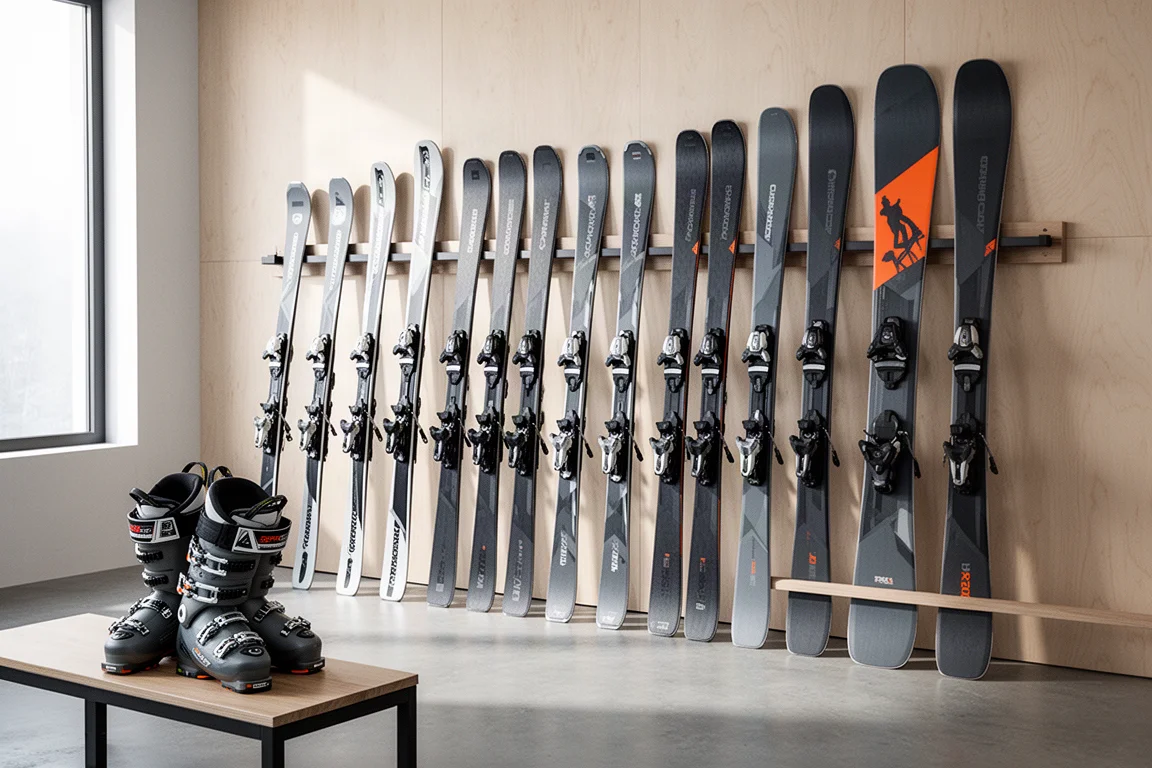
A quiver is not a shopping list. It is a set of decisions about the conditions you actually ski, and it only works when the skis inside it are genuinely different from one another. The collection below runs from a 130-flex boot and a very narrow carver at one end to a 110mm powder ski at the other, with a pair of lightweight park twins and a single touring setup in between.
The interesting part is where the overlap sits. Two skis of similar width can behave completely differently once camber, rocker, taper and metal content come into play, and a few of these pairs sit close enough that a skier with a smaller budget could pick either one and be happy.
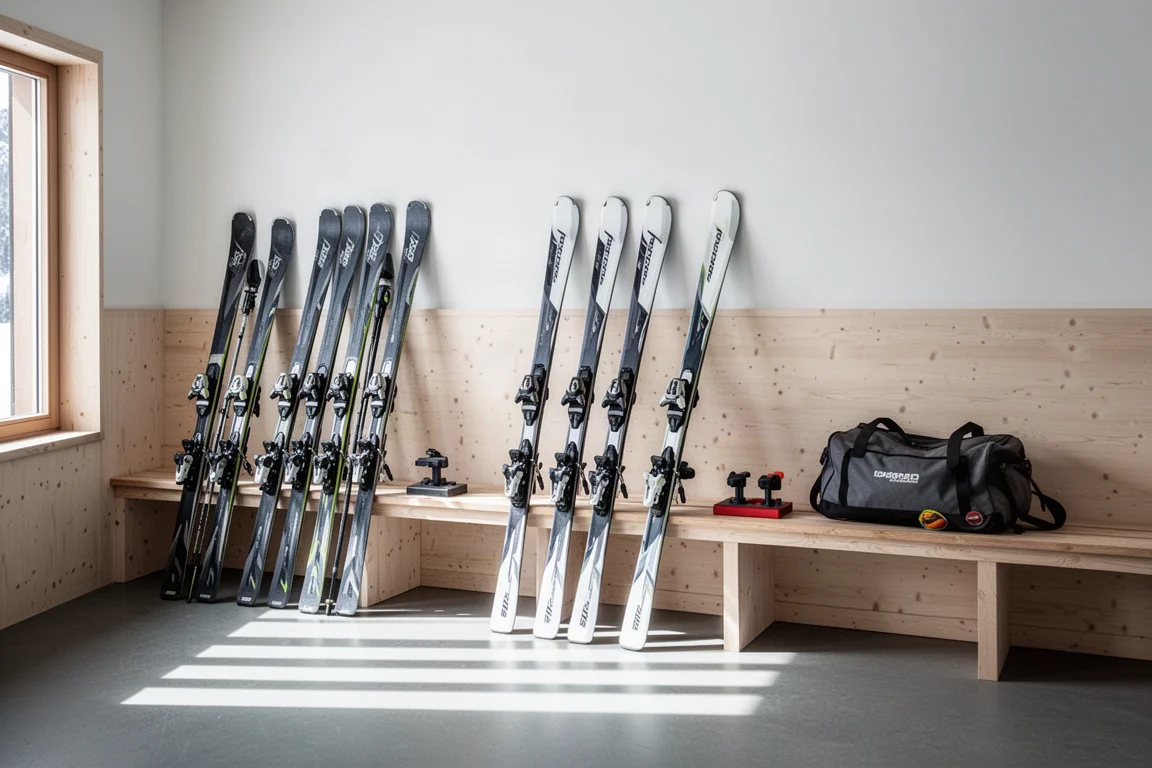
What makes the set worth studying is that it is honest about trade-offs. The narrowest skis here are superb on firm snow and unrewarding when it softens. The widest are stable and planted in deep snow and tiring everywhere else. The park skis are light, snappy and not built for a firm groomer at speed. Every choice accepts a limitation in exchange for a strength.
That is the real lesson for anyone assembling their own lineup: buy for the days you ski, not for the days you imagine.
How to Think About Building a Quiver
Start with the days you actually ski. If most of your season happens on groomers, a narrow, cambered carving ski will earn its place far more often than a wide powder board. If you spend your time in the park, weight and flex matter more than edge grip.
Boots come first. A 130-flex boot built on a 100mm last is a stiff, supportive platform that can be skied aggressively, and a slightly softer liner keeps it more forgiving than a full race shell. That balance matters when you spend long days in boots, whether you are lapping the park, coaching or running gates.
Width is only the beginning. Turn radius, camber profile and the amount of metal in the ski change how a ski feels far more than a few millimetres of waist. A 13m turn radius behaves nothing like a 23m radius, even when the two skis sit only a few millimetres apart.
Three skis is a realistic quiver for most people. One carving-focused ski, one mid-width all-mountain or park ski, and one wider soft-snow ski covers the majority of a season without forcing a decision every morning.
Nordica Speedmachine 130: The Boot Everything Else Sits On
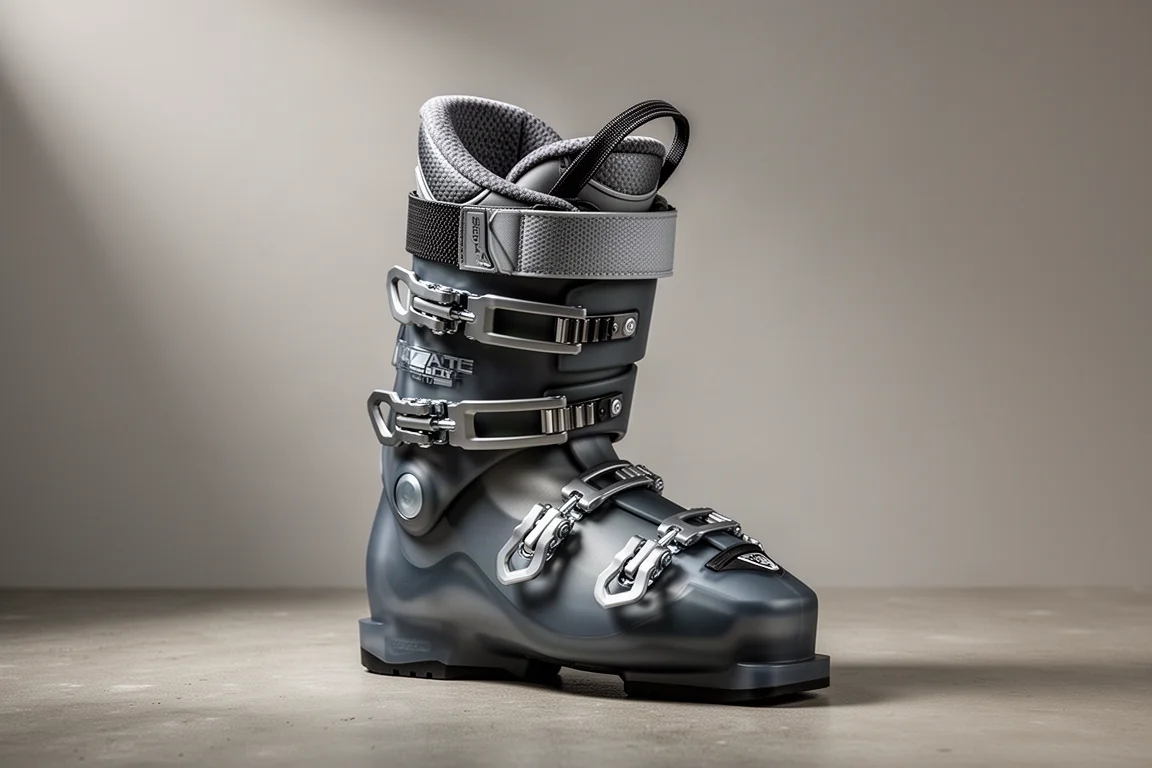
The Speedmachine 130 is a 130-flex boot on a 100mm last, which puts it in stiff, supportive territory without going all the way to a punishing race shell. The flex is strong enough to drive a carving ski hard, and the liner is a touch softer and friendlier than a full competition boot, which pays off on park landings and long days.
That combination is what makes it a sensible anchor for a mixed quiver. A boot this stiff can still be skied in the park, in gates and while working through new skis, which is more than can be said for a dedicated race boot. Shells do eventually give up after heavy use, so plan on replacing a high-mileage pair rather than nursing them through another season.
K2 Disruption Ti2: Firm-Snow Speed
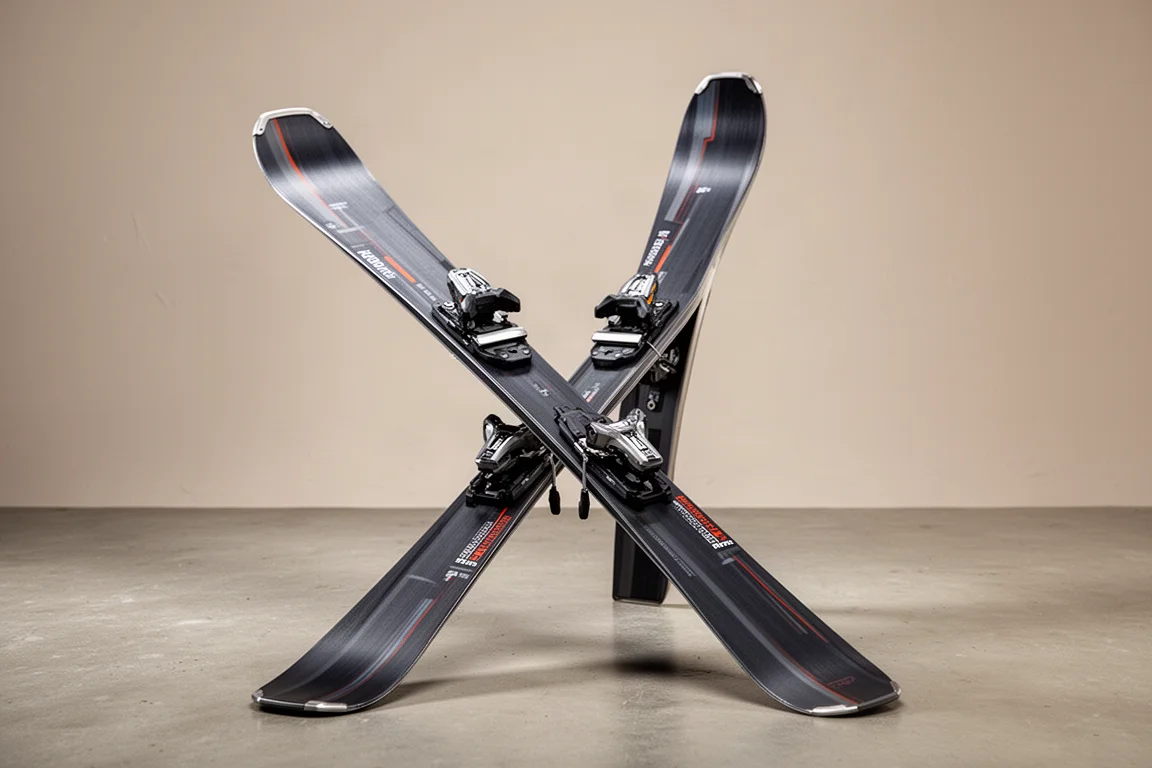
The Disruption Ti2 here is a limited edition built in Seattle in the United States, part of a run of 50 pairs, and it is the closest thing in this collection to a race ski. The waist is extremely narrow, well under 80mm, and the flex is very stiff.
That stiffness is the whole story. On firm, borderline icy snow it is the fastest ski in the set and it rewards a strong, committed turn. On softer snow it will not bend enough to feel rewarding, and it starts to feel catchy and bogged down. If the snow is even slightly soft, a 78mm carving ski or an 80mm all-mountain ski is the better pick on the same day.
Head Supershape e-Rally: Precise Carving Without the Punishment
The Supershape e-Rally is a 78mm carving ski with a 15.3m turn radius, and it sits a clear step below the stiffest ski here in terms of what it demands. It is still precise and rewarding, but it works across a wider range of snow conditions and does not need flat-out speed to come alive.
A long effective edge and a large tip carry it across the fall line quickly, which makes short-radius turns feel easy and controlled. Compared with a race-focused ski, it is the more comfortable choice once the snow softens, and it is easier to bend at moderate speeds. The short radius is worth thinking about if your local course is a longer GS-style set, though it still works there.
Stöckli Montero AX: Smooth All-Mountain Carving
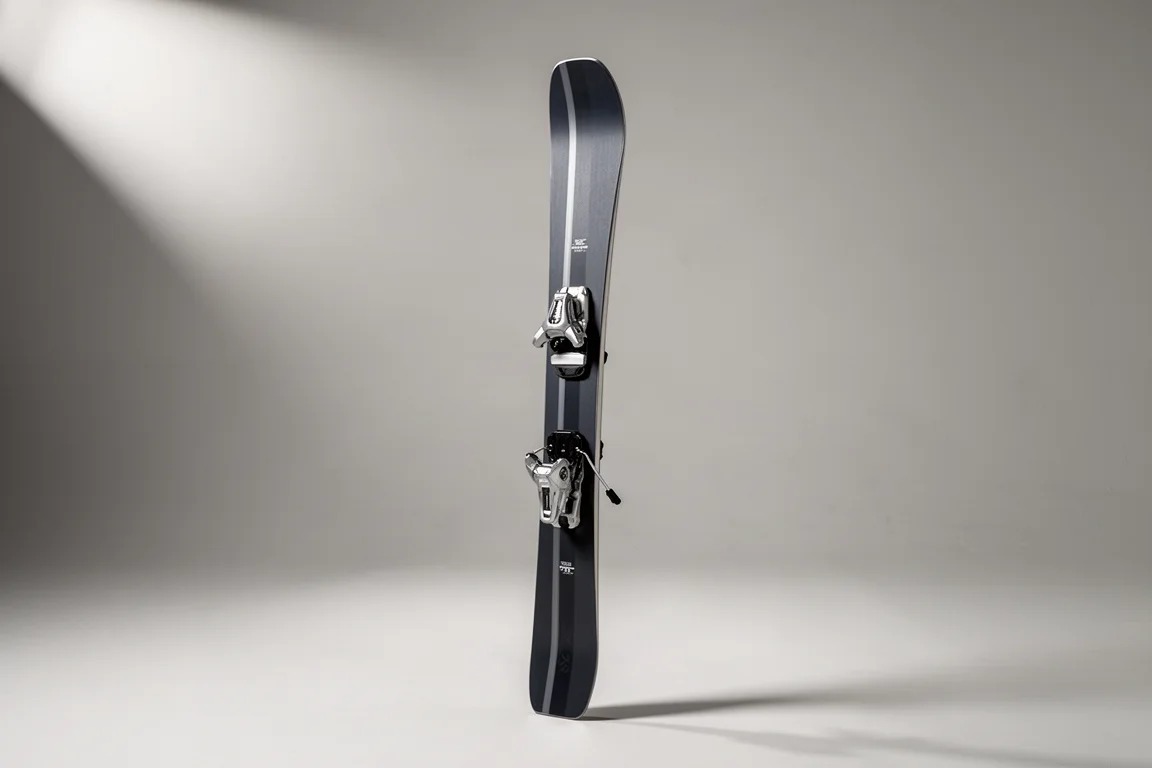
At around 80mm underfoot with a turn radius in the region of 16.5m, the Montero AX is best described as an all-mountain ski that gets used mostly on the trail. Its defining trait is a round, natural flex pattern that stays rewarding without demanding much from the skier.
Vibration damping is excellent and the ride is noticeably smooth. For a high-end ski it is remarkably forgiving, which is why it can be raced one day and cruised the next. It is available flat or with an integrated binding, and mounting it flat preserves the flex pattern the ski was designed around. A wider platform that is easy to bend can be more confidence-inspiring than a stiff narrow ski, particularly at moderate speeds.
View more details for Stöckli Montero AX
Black Crows Mirus Cor: The Short-Turn Wildcard
The Mirus Cor is 87mm underfoot with a 13m turn radius, a twin tip and a swallow tail. In orange it is also the most distinctive-looking ski in the collection. The short radius makes it the closest thing here to a slalom ski, and it is genuinely dynamic at low speed, which is rare.
That low-speed performance is what makes it so useful. It carves hard, it can be thrown sideways and skied switch, and it is fun in the park, where its carving character makes moving between features unusually easy. It is not a ski for every day, since a 13m radius is a very specific mood, but inside a larger quiver it earns its place.
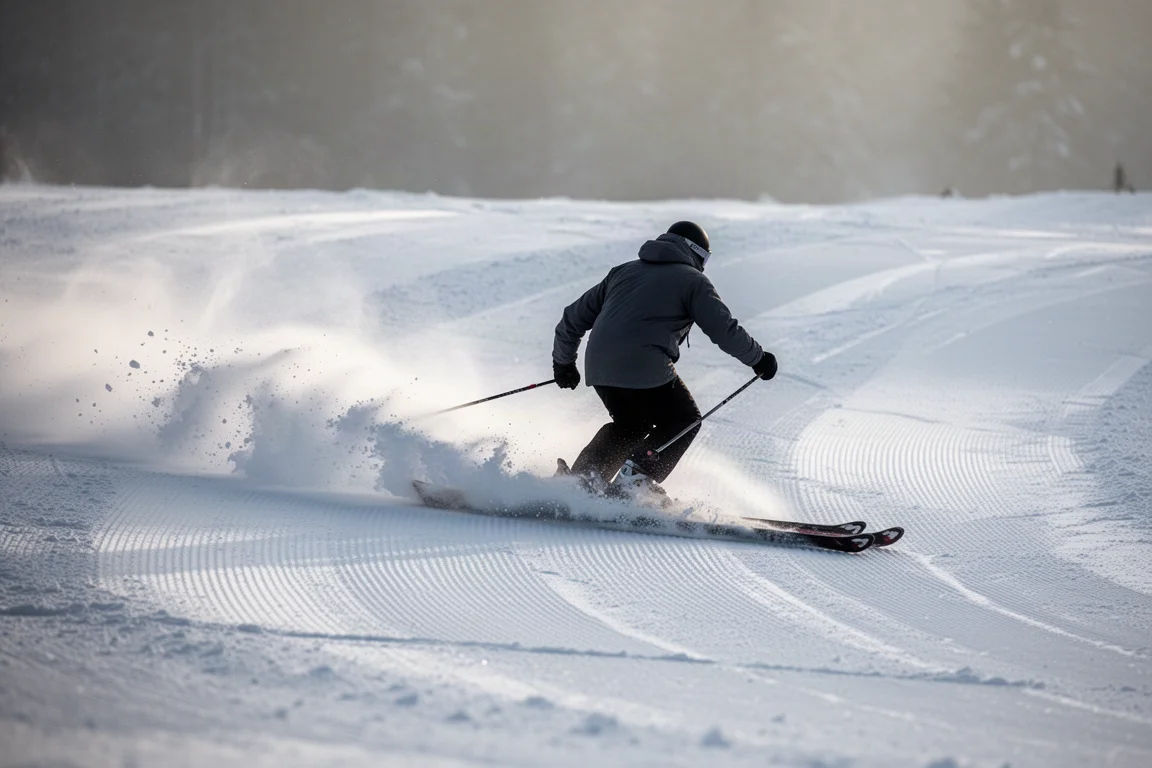
The same shape that makes it playful also makes it a good ski for coaching and for days with slower skiers, because it delivers a lot of feedback without requiring speed. Skiers who already own a couple of pairs will get the most out of it.
Elan Playmaker 91: Light and Snappy in the Park
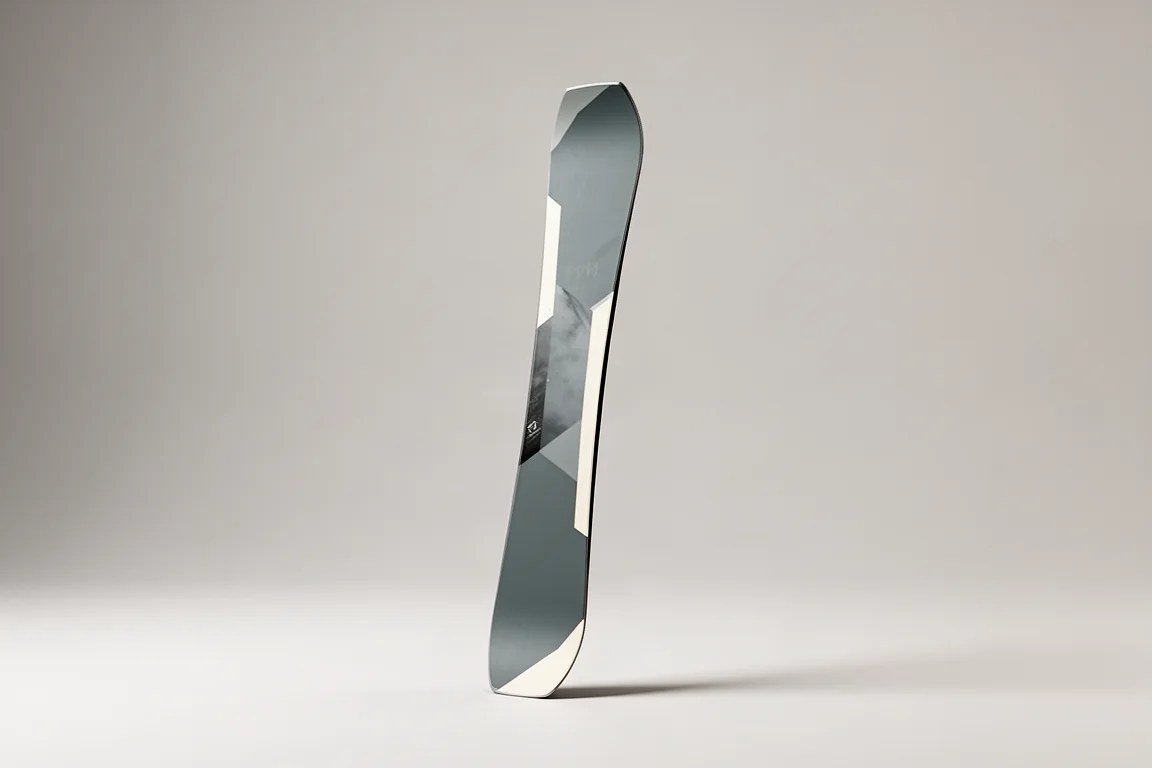
The Playmaker 91 is the lightest and most playful ski in this collection, and the closest thing to a dedicated park ski. It uses a high-end construction for a twin tip, with a soft flex and a low swing weight, and it is mounted at the forward recommended position to suit freestyle skiing.
It is a strong mogul ski as well, and its light, snappy feel makes it easy to throw around. The trade-off is stability: there is not much of it, and the ski is not built for a firm groomer. Think of it as the ski you take when the plan is park laps and playful skiing rather than speed.
Nordica Unleashed 98: The Carving Twin Tip
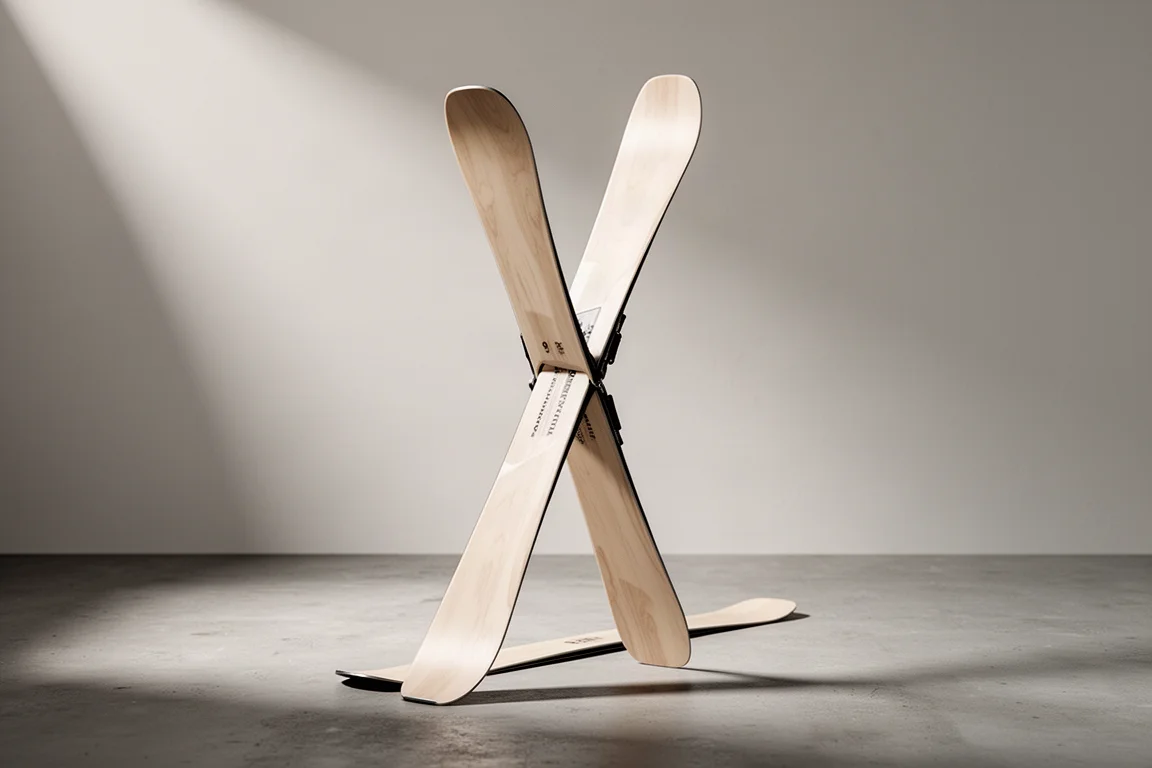
At 98mm underfoot, the Unleashed 98 is the best carving twin tip in this collection. A lot of camber and an extended sidecut create a long effective edge, and the flex pattern is supportive enough to hold that edge at speed. It skis fast and aggressively in a way most twin tips do not.
It is also lighter and carries less metal than the brand’s Enforcer 104 Free, which makes it a better fit for skiers coming from a freestyle background. The trade-off shows up in tight terrain: with that much camber and comparatively little rocker, it is less playful and less smeary in the trees than a more heavily rockered ski.
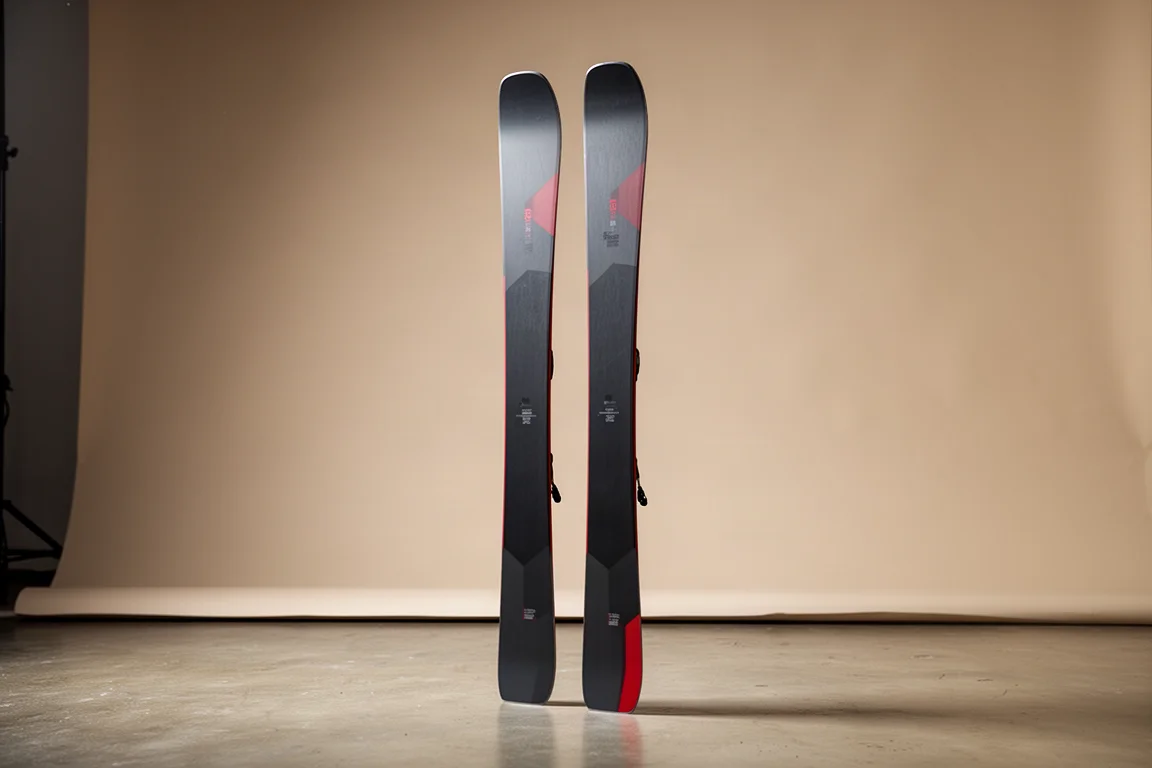
Elan Playmaker 101: Surfy Soft-Snow Play
The Playmaker 101 is the wider version of the 91, and it takes the same lightweight, playful philosophy into soft snow. Where the 98mm twin tip above is cambered and precise, this one carries far more rocker, which makes it surfy, smeary and very easy to flick around in tight trees.
It handles soft snow well and still works in the park, which makes it a genuine two-role ski: a lightweight powder option for smaller snowfalls and a capable freestyle twin for everything else. Like its narrower sibling, it is not the ski to reach for on a firm groomer.
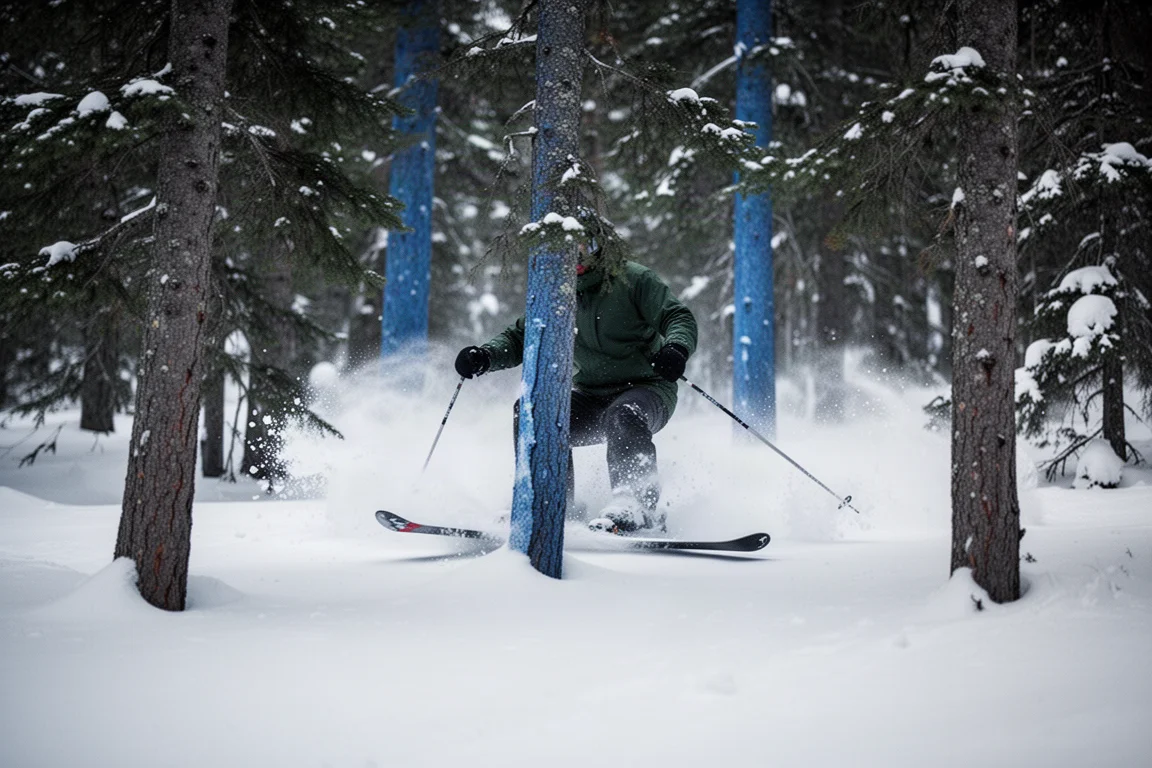
Its shaping draws on a wider, more heavily rockered touring design, and that influence shows in how quickly the tip and tail release when you want them to.
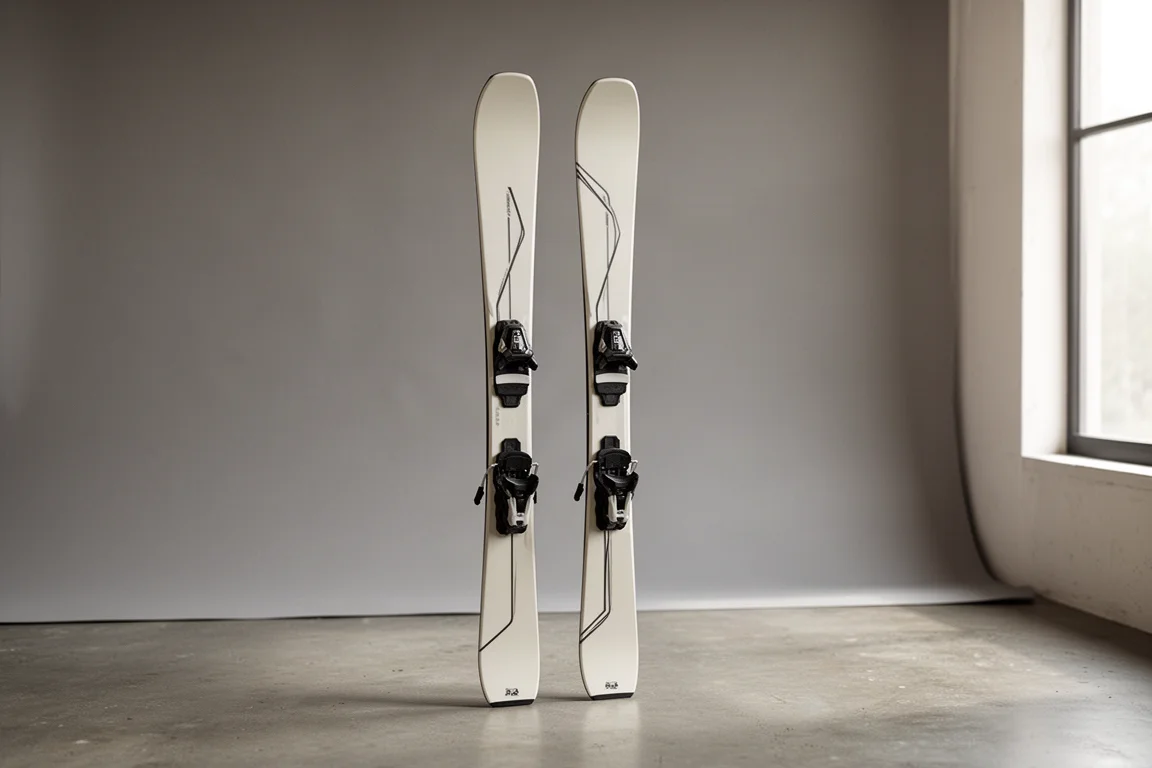
Milan RipStik Tour 104: The One Touring Setup
The RipStik Tour 104 is the only touring ski in the collection, and it is a good example of how a touring ski can double as a resort powder ski. It has a 23m turn radius and generous tip and tail rocker, which gives it a very surfy, easy-going feel.
The tail rocker is worth calling out. There is enough of it to create a freestyle-inspired, playful character, but not quite enough to make skiing switch comfortable, so it stays a directional ski. Paired with a touring binding that has worked without issues on and off piste, it is a versatile setup, and the only real complaint is that the binding halves can stick together.
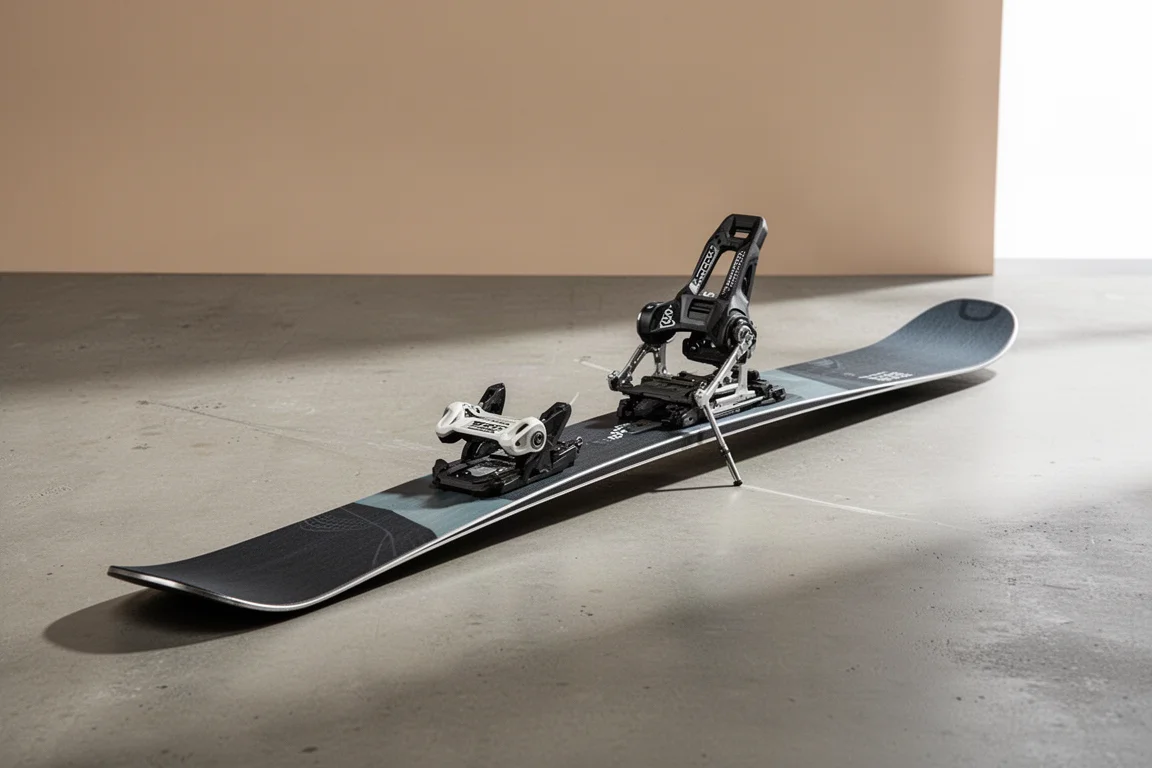
Nordica Enforcer 110: Deep-Snow Stability
The Enforcer 110 is the widest ski in the collection: 110mm underfoot at a 185cm length, with a lot of rocker and two sheets of metal. It is heavy, and that weight is exactly what produces its endless stability and its easy edge release in deep snow.
It is a travel ski rather than an everyday ski. In tight terrain it is a lot of ski to manoeuvre, and the weight makes it tiring after a few runs, which is why a lighter, more rockered option usually takes over once the open terrain is tracked out. If a stretch of good snow is coming, it is the pair worth packing.
Buying Advice: Match the Ski to the Days You Actually Ski
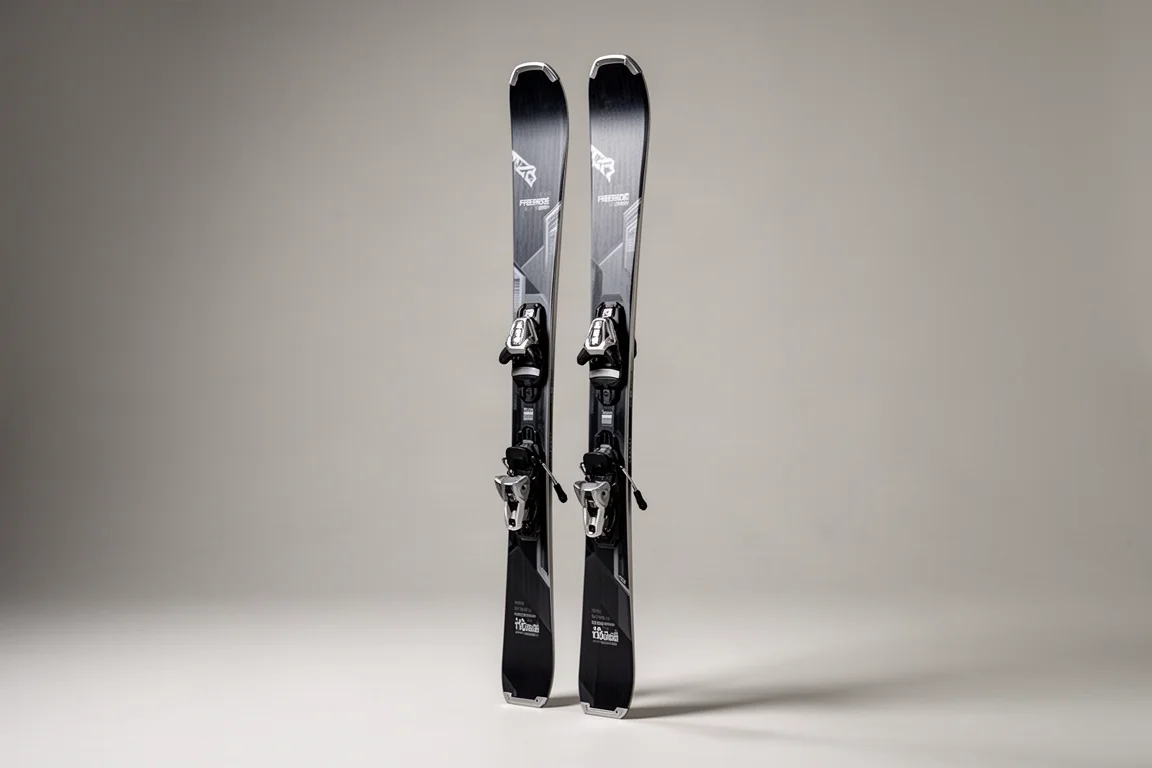
Spend the money in order of how often you will use it. Boots first, because fit and flex affect every day on the hill. Then the ski that matches your most common conditions. Most skiers do not need ten pairs. Two or three well-chosen skis cover a season comfortably, and a fourth only makes sense when it fills a gap the others genuinely cannot.
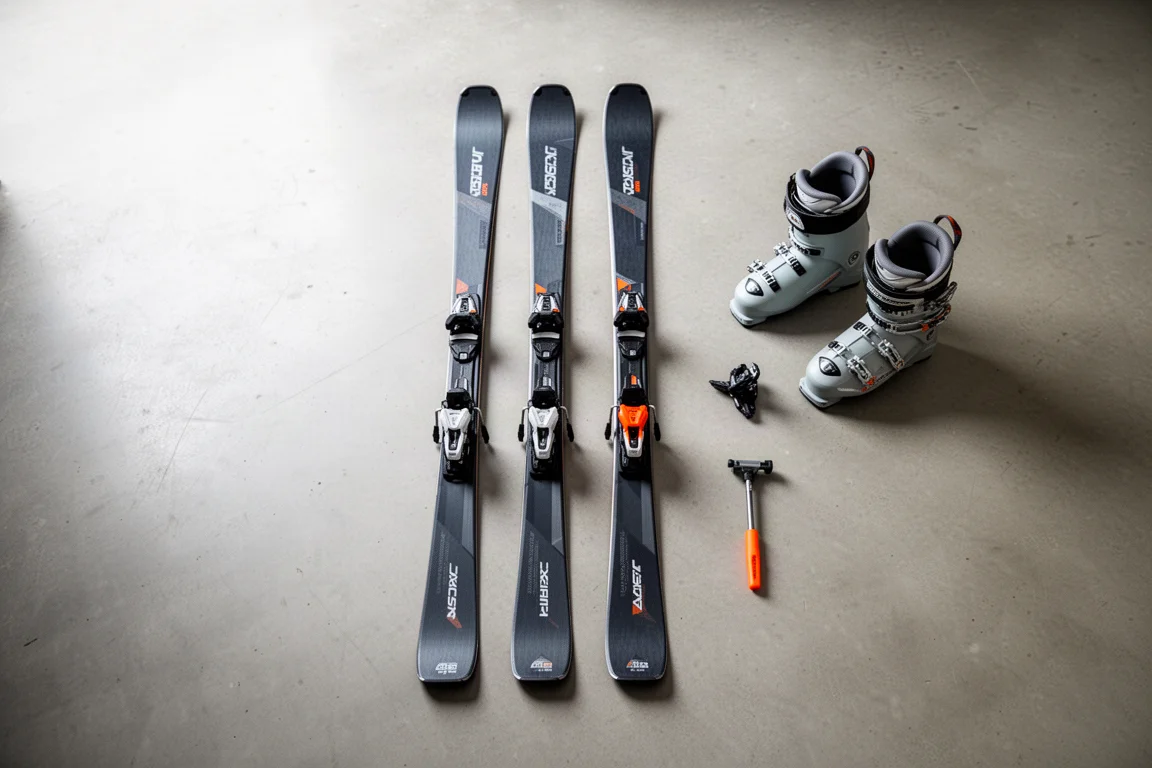
When you compare options, look past the waist width. Turn radius, camber profile, rocker, taper and metal content decide how a ski behaves, and they are the reason a 91mm park twin and a 98mm carving twin can feel like completely different tools. Decide which of those two personalities you want before you settle on a number.
Bindings matter too. A flat mount preserves the natural flex pattern of a ski that was designed to be skied that way, which is why several skis in this collection are mounted flat rather than with an integrated system. If you are unsure, ask how the ski was meant to be set up before you buy the binding.
Conclusion
A quiver works when every ski has a job. This collection covers firm-snow carving, precise all-mountain carving, short-radius play, park laps, soft-snow surfing, touring and deep powder, and the gaps between the skis are deliberate.
If you are building your own, take the same approach at a smaller scale: pick the ski that matches the majority of your days, add one playful option, and add a wider soft-snow ski only if you actually get the snow to justify it. The right number of skis is the number you will use.
Further reading
Related Reviews

Ski Gear
2023 Blizzard Hustle vs Rustler: Six Freeride Skis Compared
Blizzard's 2023 Hustle collection rebuilds the Rustler shape with a lighter core and no metal. Here is how all six skis differ, and which one suits your riding.

Ski Gear
2023 Skis of the Year: Atomic Maverick 88 TI, Salomon QST 106, and Look SPX 12 Pro
Three standout ski picks for all-mountain carving, powder days, and reliable binding performance, with practical buying notes for 2023 models.

Ski Gear
2025 Nordica Enforcer 104 Review: A Directional Charger Replaces the 104 Free
The 2025 Nordica Enforcer 104 drops the Free name and the twin-tip personality, gaining weight, stiffness and composure in rough snow. Here is what changed and who it suits.