Running Shoes
Building a Running Shoe Rotation: 19 Shoes Worth Knowing About
A practical guide to building a running shoe rotation for everyday miles, speed sessions, long runs and race day, with 19 models worth a closer look.
Introduction
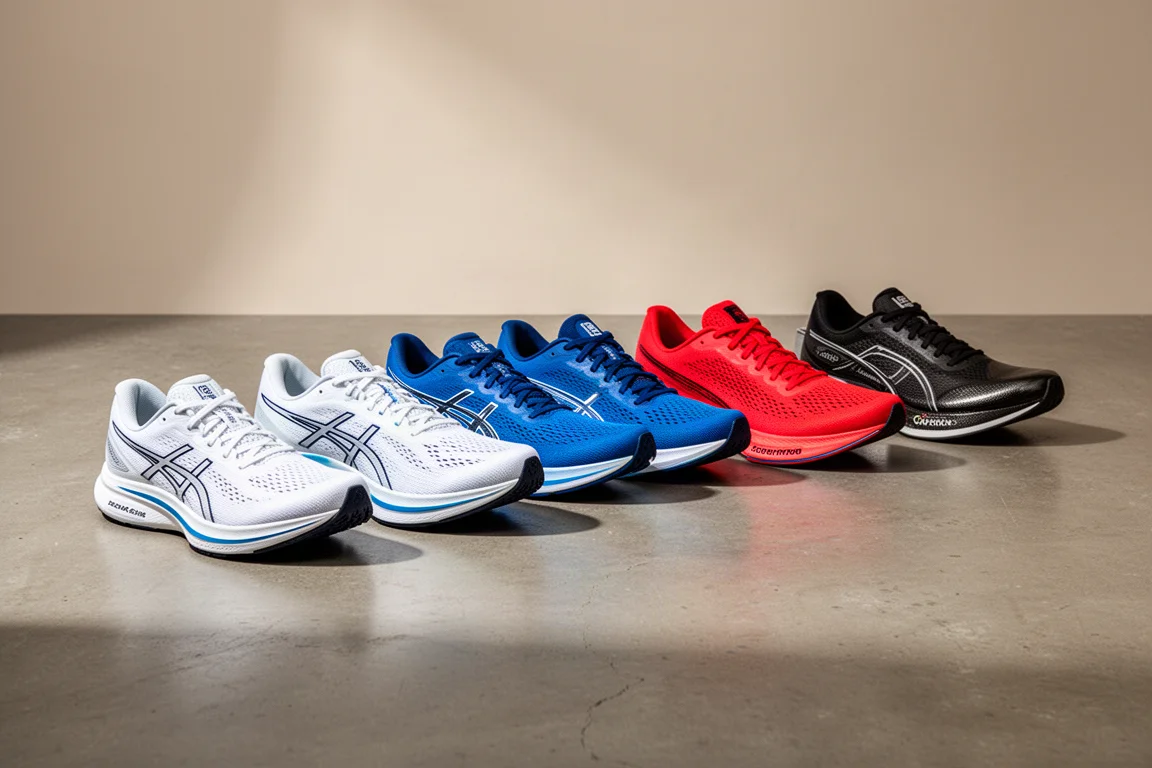
If you have recently got into running, or you simply cannot stop collecting shoes, you have probably wondered how many pairs you actually need. The endless stream of new models from the major brands does not make it any easier. This guide breaks down a running shoe rotation by job: everyday miles, speed sessions, long runs and race day. It also asks an uncomfortable question along the way: whether most runners really need a rotation at all.
Why Bother With a Rotation?
The core argument is simple. If you run in one pair day in and day out, that pair will wear out quickly. Midsole foam compresses and loses its fresh, responsive feel. Spreading your weekly miles across two or three pairs gives each midsole time to decompress, which can extend the life of your favorite shoe.
Not all running shoes are designed for the same job either. Some models bring extra benefits for specific run types. That said, if you are only running a few kilometers a week, you probably do not need a large rotation at all. Most runners can cover their needs with two or three well-chosen pairs.
Everyday Trainers
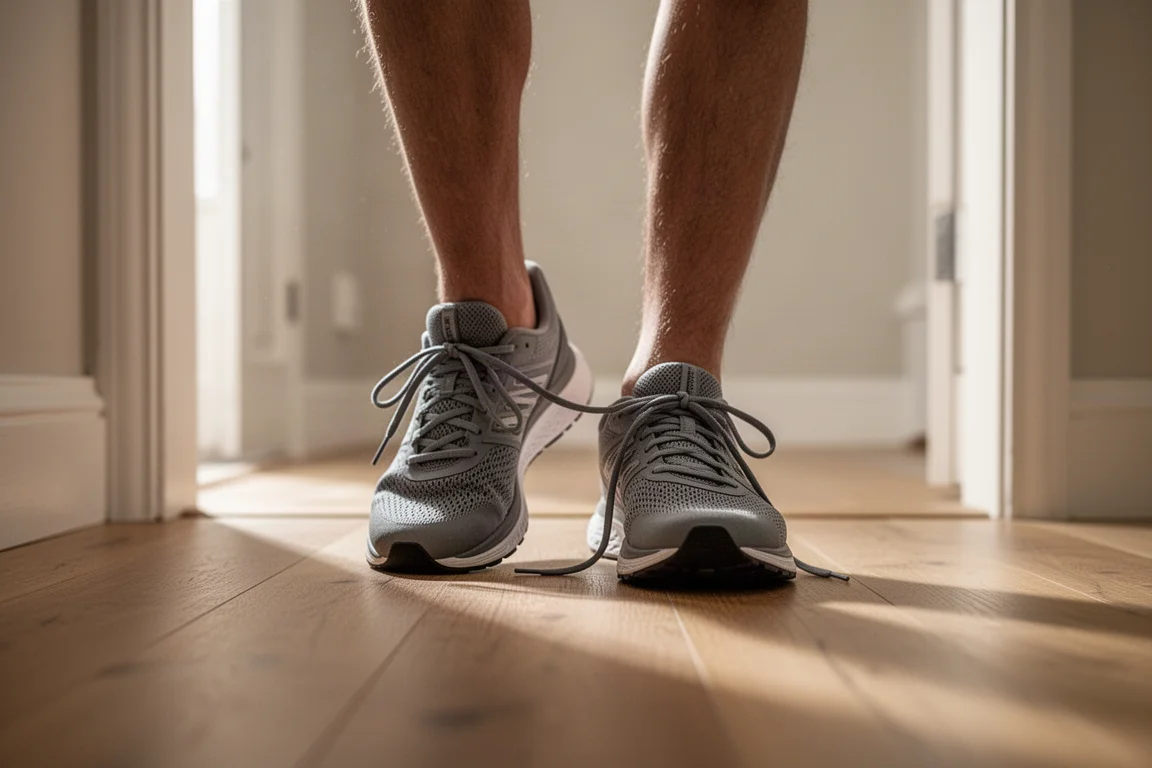
For most runners looking to improve, the bulk of weekly miles happen at an easy pace. That calls for an all-rounder: stable enough, medium in weight, with some padding and cushioning, protection around the heel and Achilles, and a reasonable pace range. Think of it as the shoe that munches up those everyday miles on a cold Tuesday afternoon.
The Nike Pegasus 38 is a classic pick here, a dependable daily shoe that soaks up miles with relative ease.
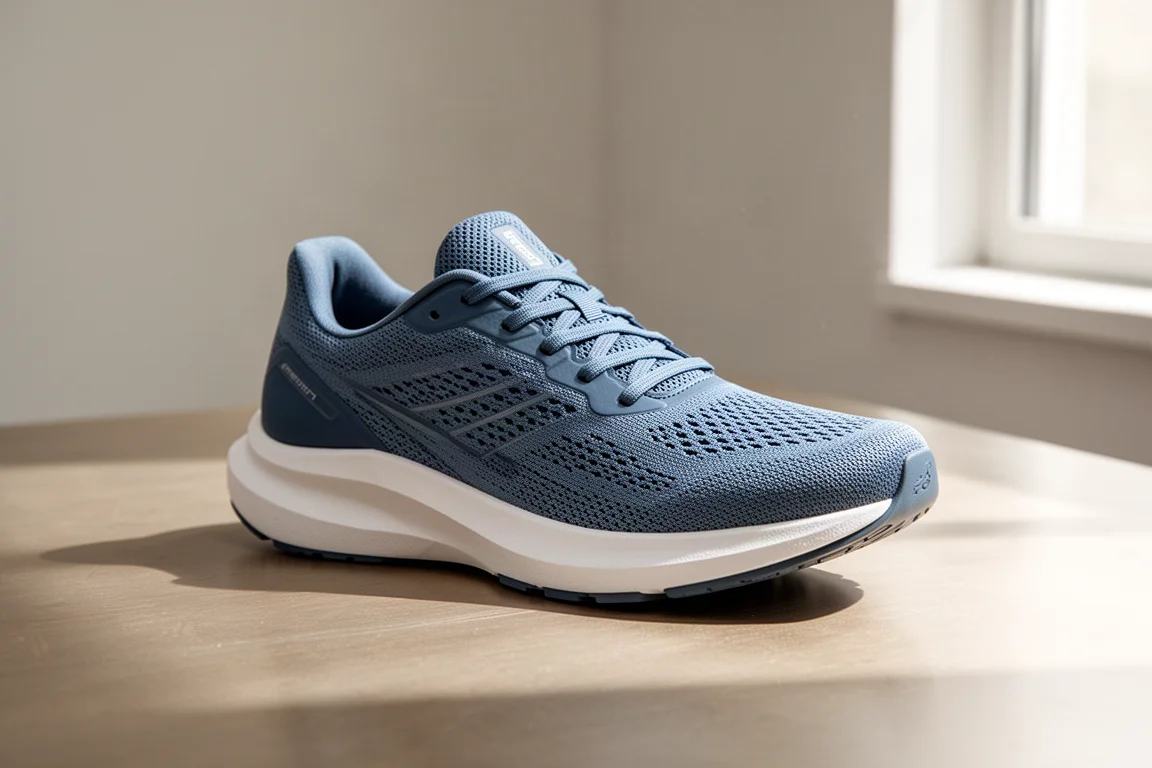
The Reebok Energy 3 is another strong option, frequently discounted and widely regarded as a fantastic everyday shoe.
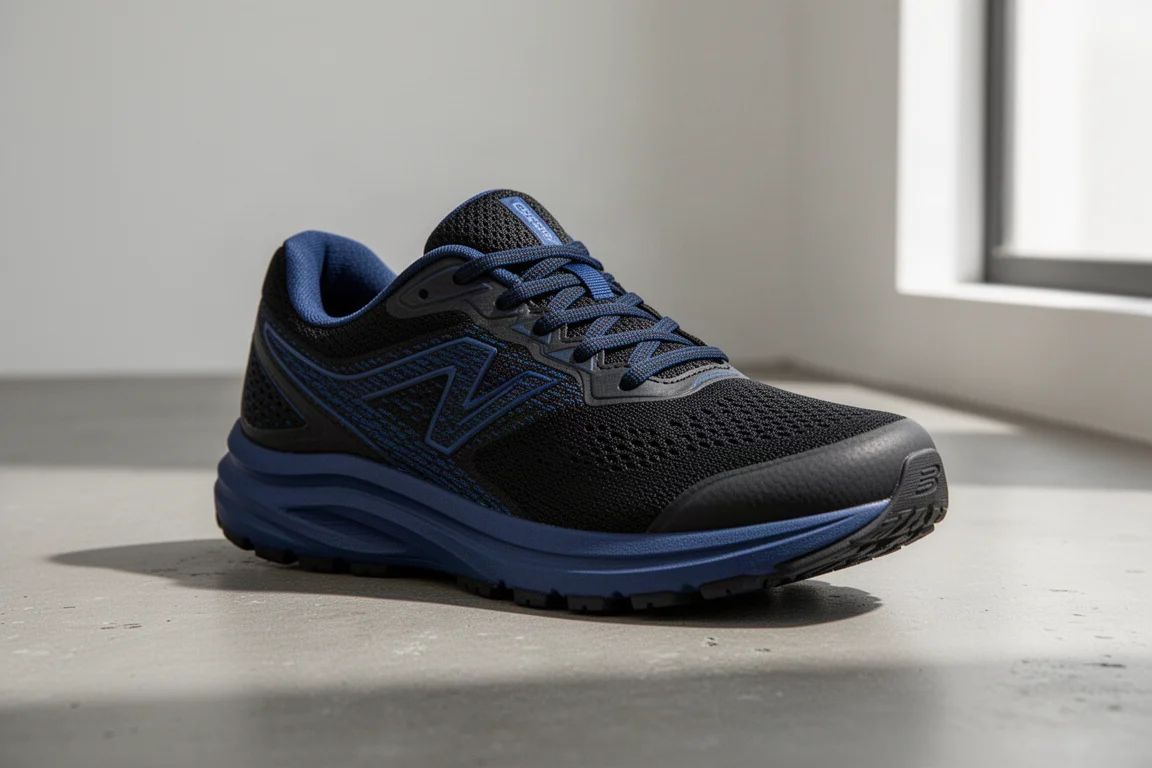
The Adidas Adios 6 can also slot into the everyday category for some runners, offering a middle-of-the-road ride with a little extra protection from overlays.
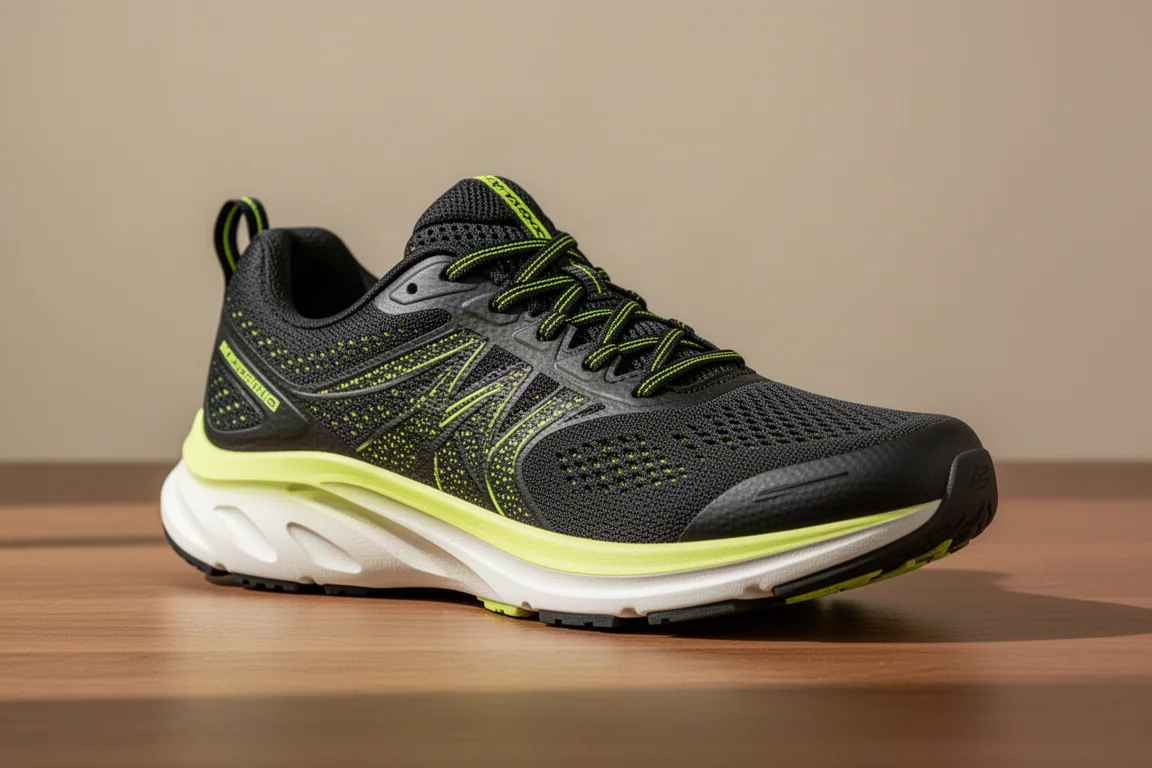
Stack height comes down to personal preference. Lighter or taller runners often prefer a bit less stack in their daily trainer, prioritizing simplicity, comfort and stability over weight. The Nike Vomero 16 fits this brief well and has been available on discount for around 80 pounds, which makes it excellent value as a rotation anchor.
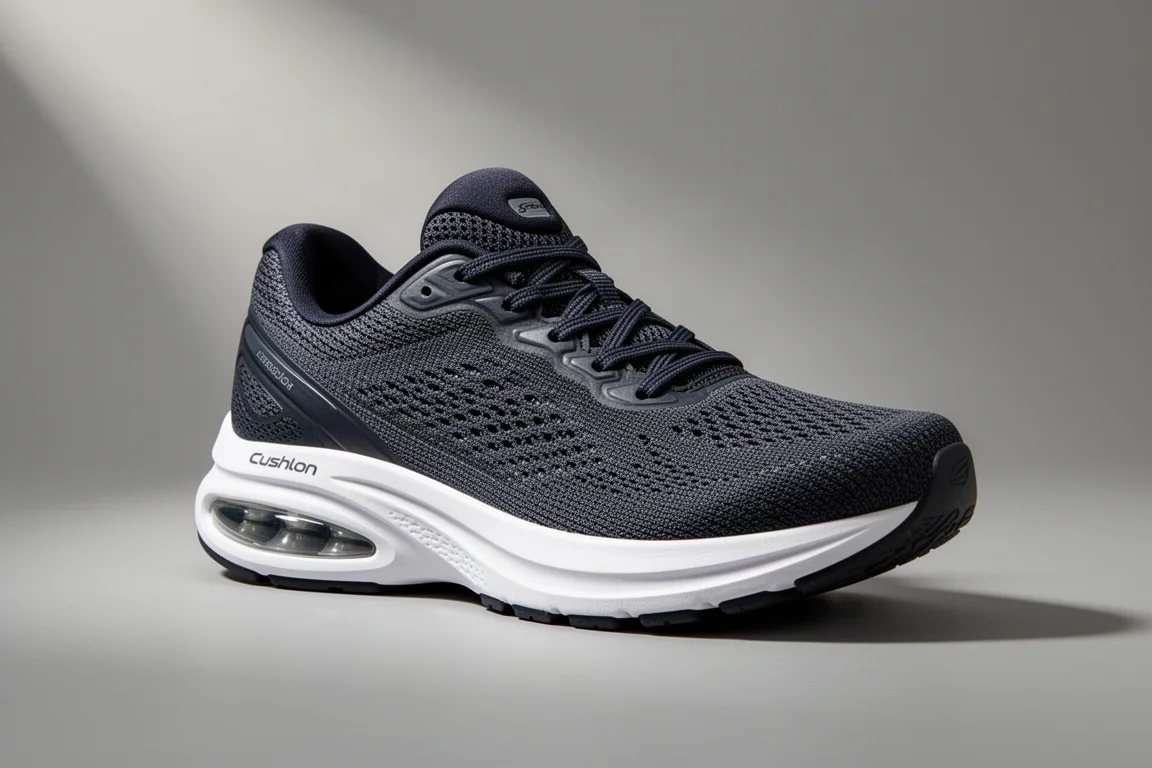
Tempo and Speed Shoes
A week should include some faster-paced miles alongside the easy ones, pushing from aerobic work toward anaerobic effort. That is where a lighter, nimbler shoe can help. A word of caution though: shoes do not make you fast. Your legs do the fast running. A pace shoe may facilitate faster paces, but it will not hand them to you, so never be fooled by claims that one shoe alone will drop your times.
Look out for a midsole with a plate, possibly a nylon plate, which many runners find a little more forgiving. The Saucony Endorphin Speed hits the spot here: light, nimble and forgiving, with a slightly less rigid plate than full race models.
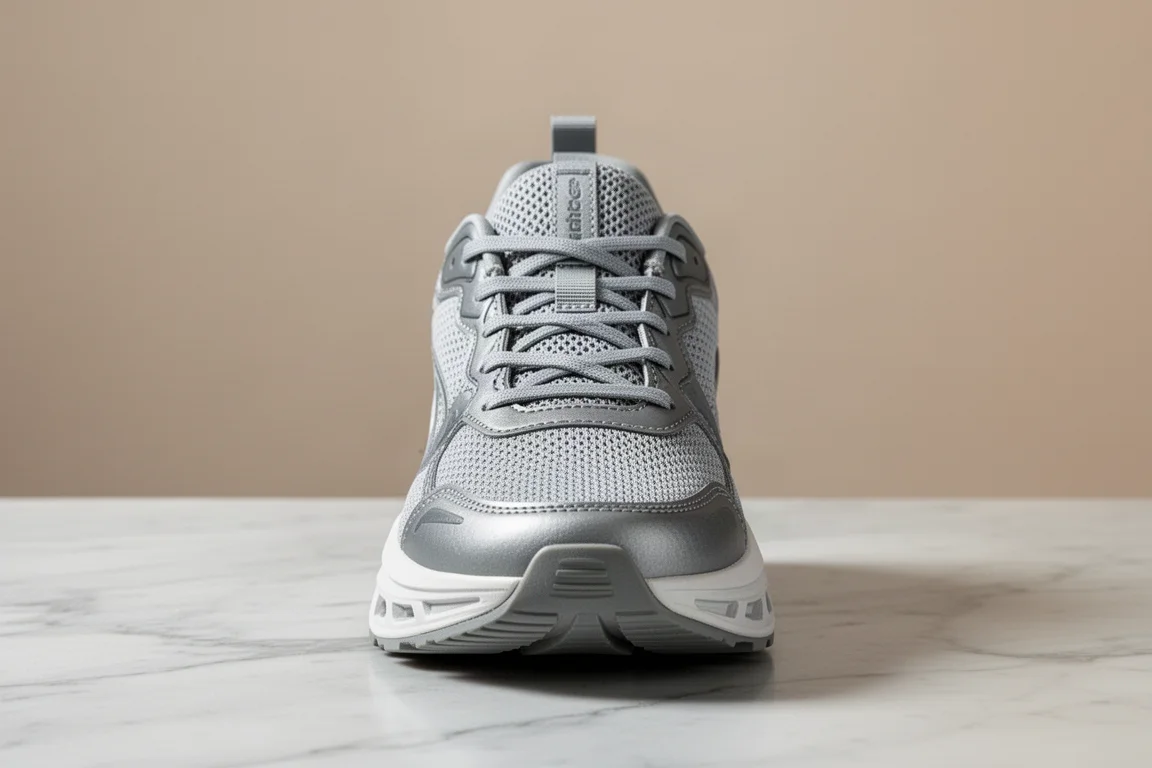
The Hoka Rocket X is a more affordable route to a carbon plate, making it a tempting option for structured speed work.
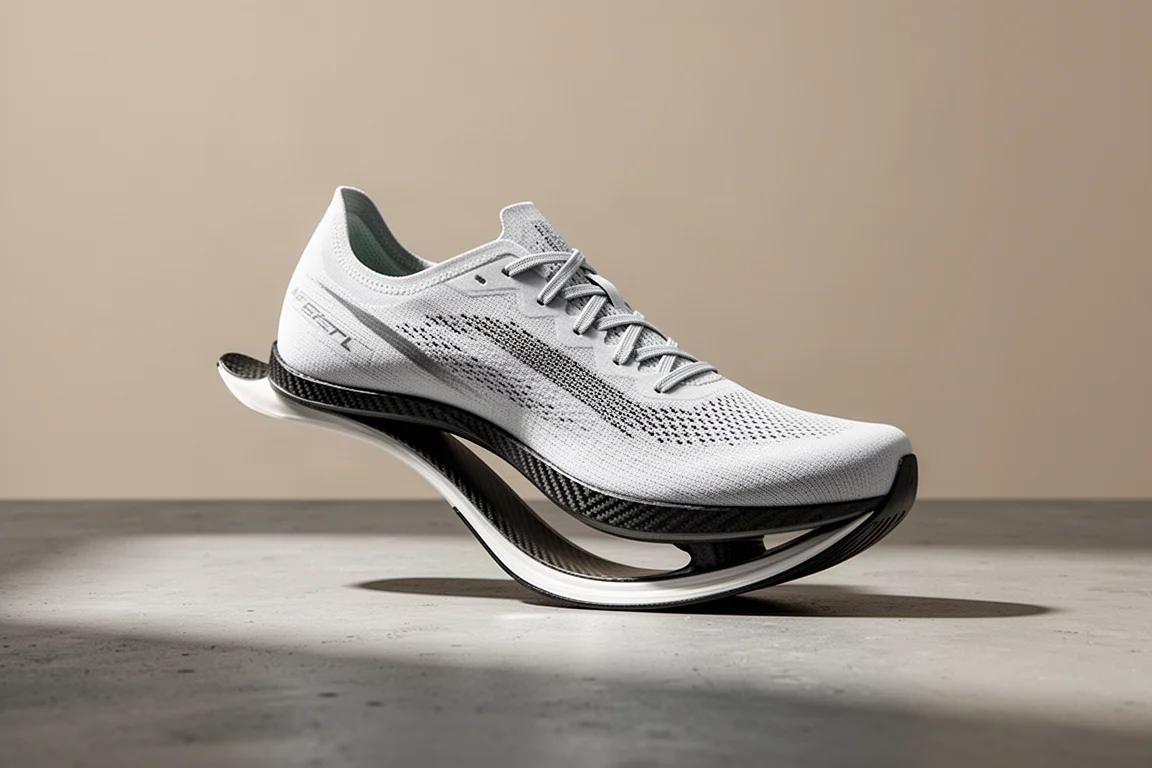
You do not need to go crazy on price either. The Hoka Rincon 3 is light and nimble and relatively cheap, and it can absolutely serve as a pace shoe.
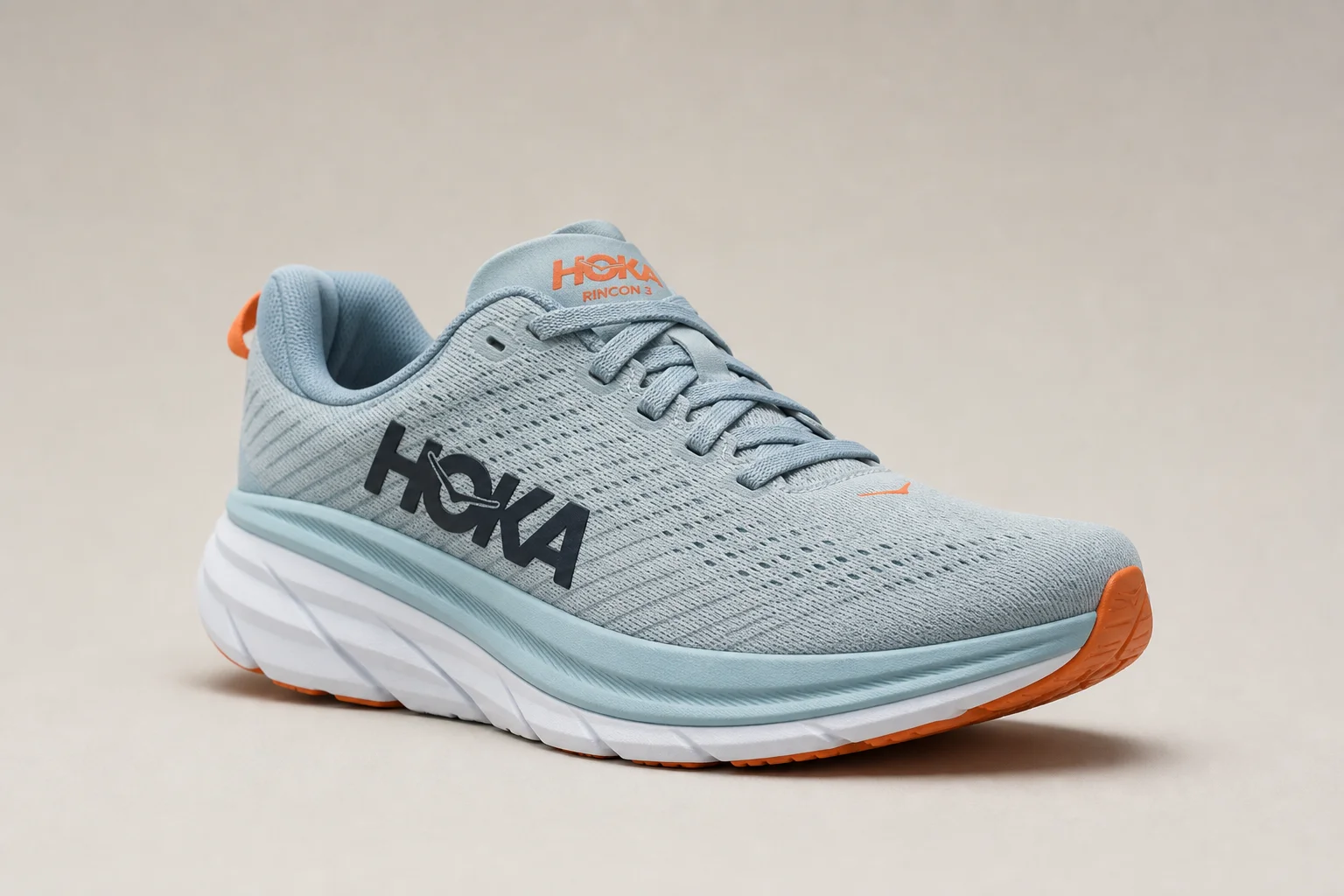
The New Balance FuelCell Rebel 2 is another option in this space, offering a lively feel without a plate.
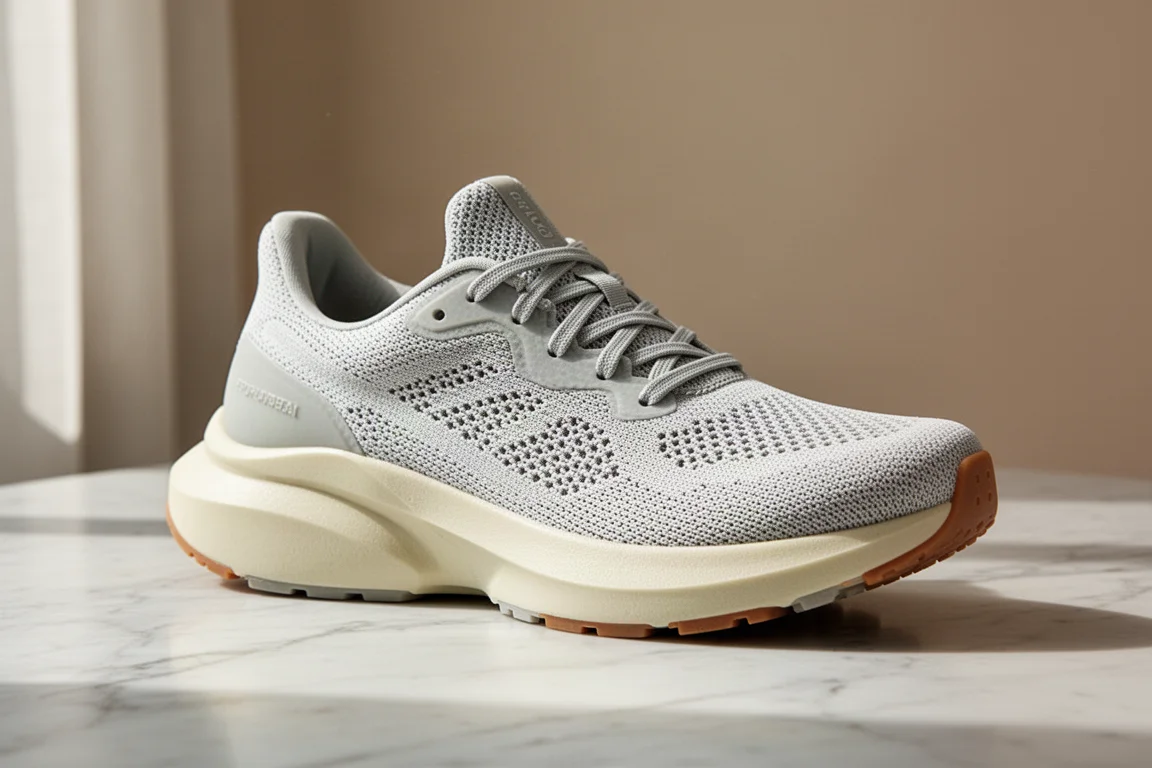
Then there is the Brooks Hyperion Tempo, an often overlooked cult classic. A shoe worth taking for a spin if you can still find one.
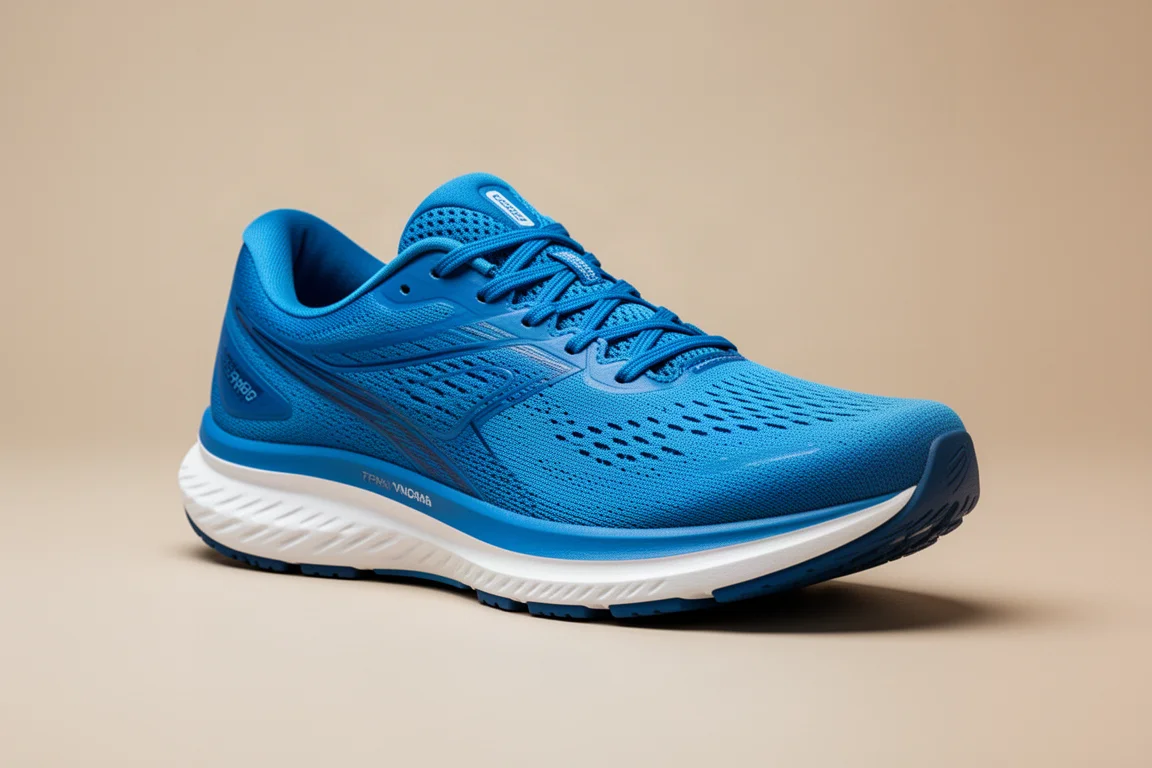

One thing to remember: pace ranges are personal. If a review says a shoe is good between certain paces, those are that reviewer’s paces. There is always somebody quicker and somebody slower than you, and everyone’s expectation of fast is different.
Long Run and Max Cushion Shoes
Long runs, those anxiety-inducing 15-mile-plus efforts, build mental toughness, leg strength and endurance. A long-run shoe, or a max cushion shoe, offers a more forgiving, padded ride with extra midsole foam and a plush upper to reduce strain over longer distances.
In practice, the distinction between a long-run shoe, an easy-day shoe and a max cushion shoe is blurry, and it can feel like a way for manufacturers to sell extra models for very little real difference. The Puma Deviate-style category aside, the Puma Magnify Nitro stands out as genuinely different from the rest of its lineup.
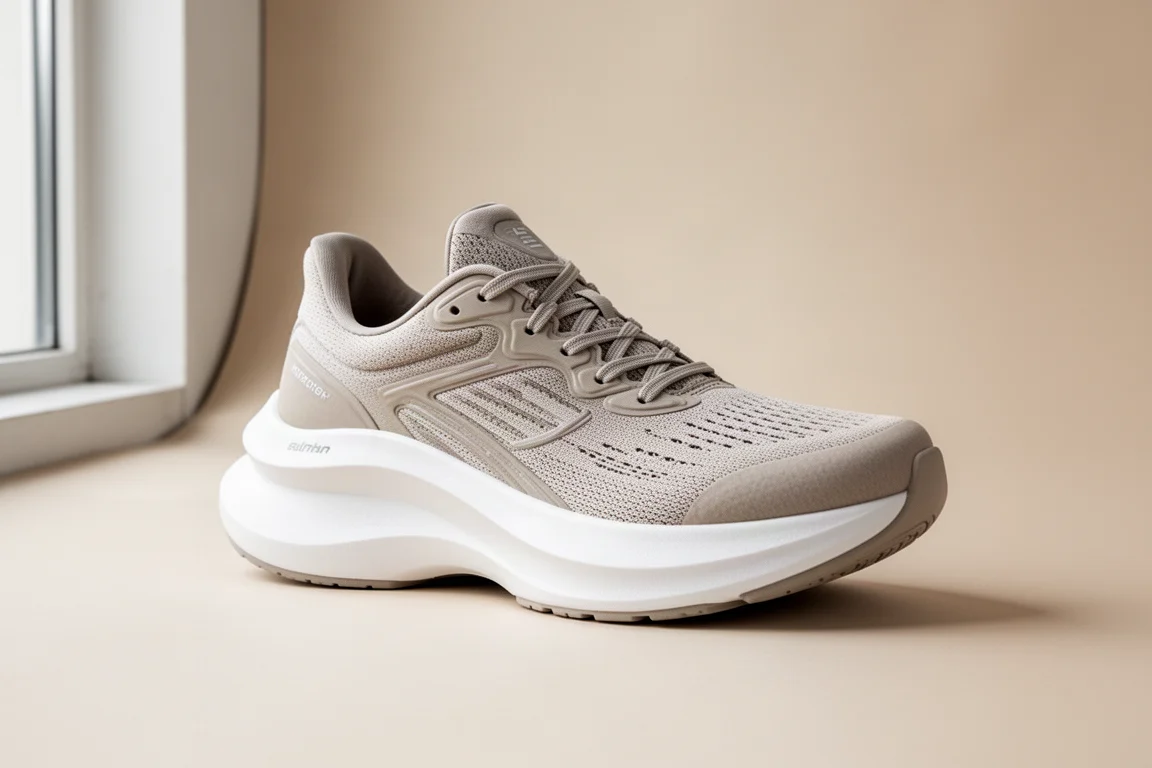
The Adidas GlideRide 2 is another candidate, built around a rolling, cushioned ride for long efforts.
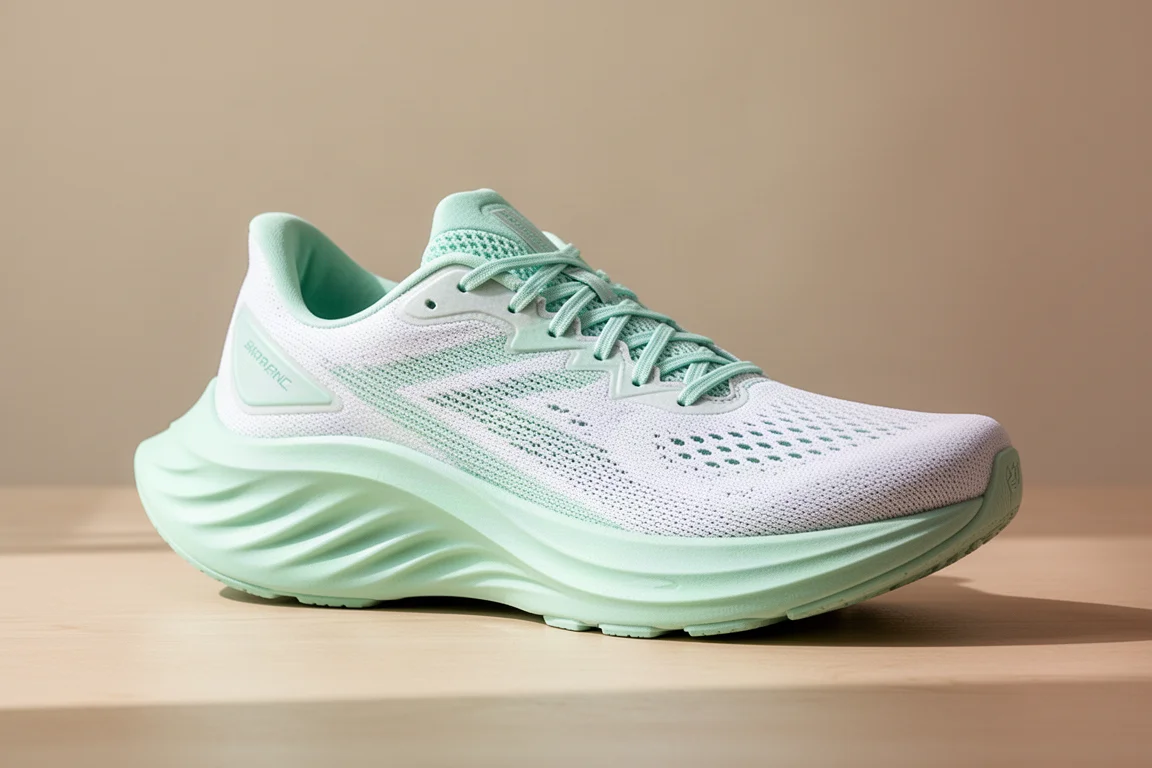
The Adidas Solarboost 3 can also fill this role with its generous cushioning.
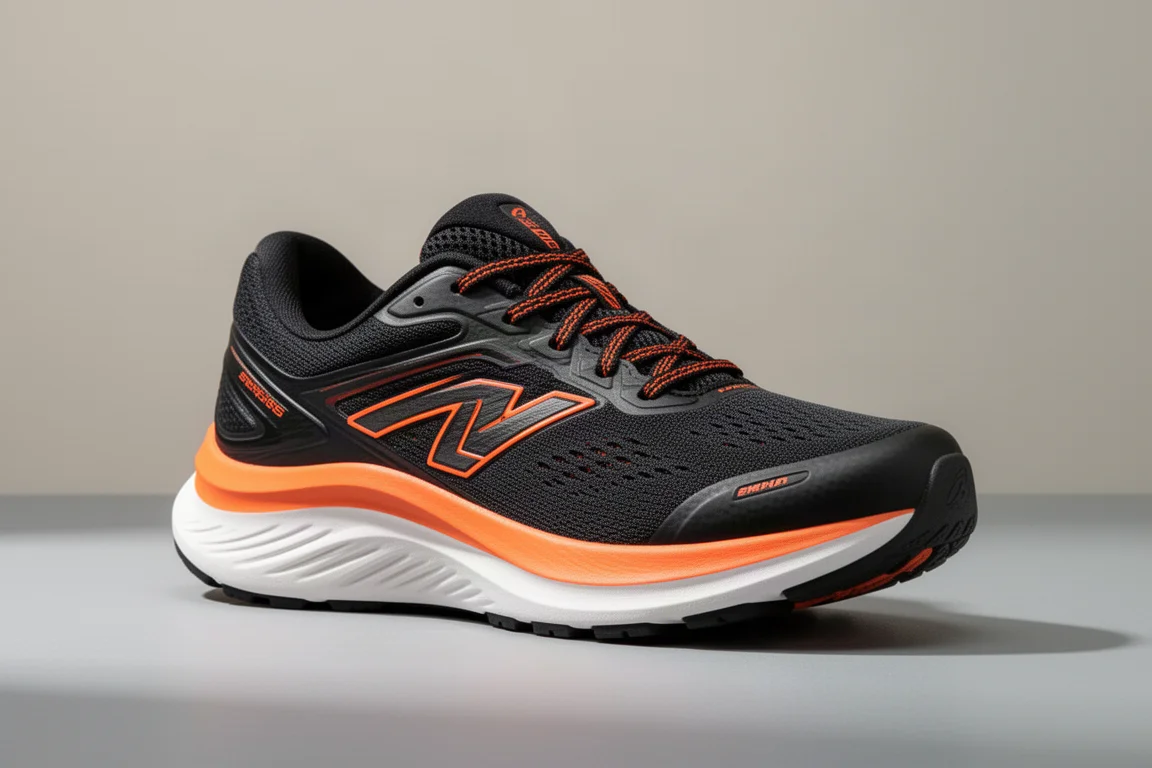
Honestly, the Vomero 16 could fit here too for many runners. If you are racing only 5Ks and 10Ks occasionally, you probably do not need a dedicated long-run shoe at all. If you are training for a half marathon or beyond, then it starts to make sense. Think hard before adding a fourth category to your rotation.
Race Shoes and Super Shoes
This is where the whole rotation idea starts to fall apart. Modern super shoes, with their high energy return midsole foams, have minimized the need for multiple training shoes. Recent research suggests the plate itself adds very little performance and that the midsole foam is what really improves a runner’s efficiency. That makes several super shoes usable far more frequently than the old race-day-only rule would suggest.
The Nike Zoom Fly is the accessible entry point to plated riding, though many runners pick it up expecting instant speed and find the ride takes some getting used to.
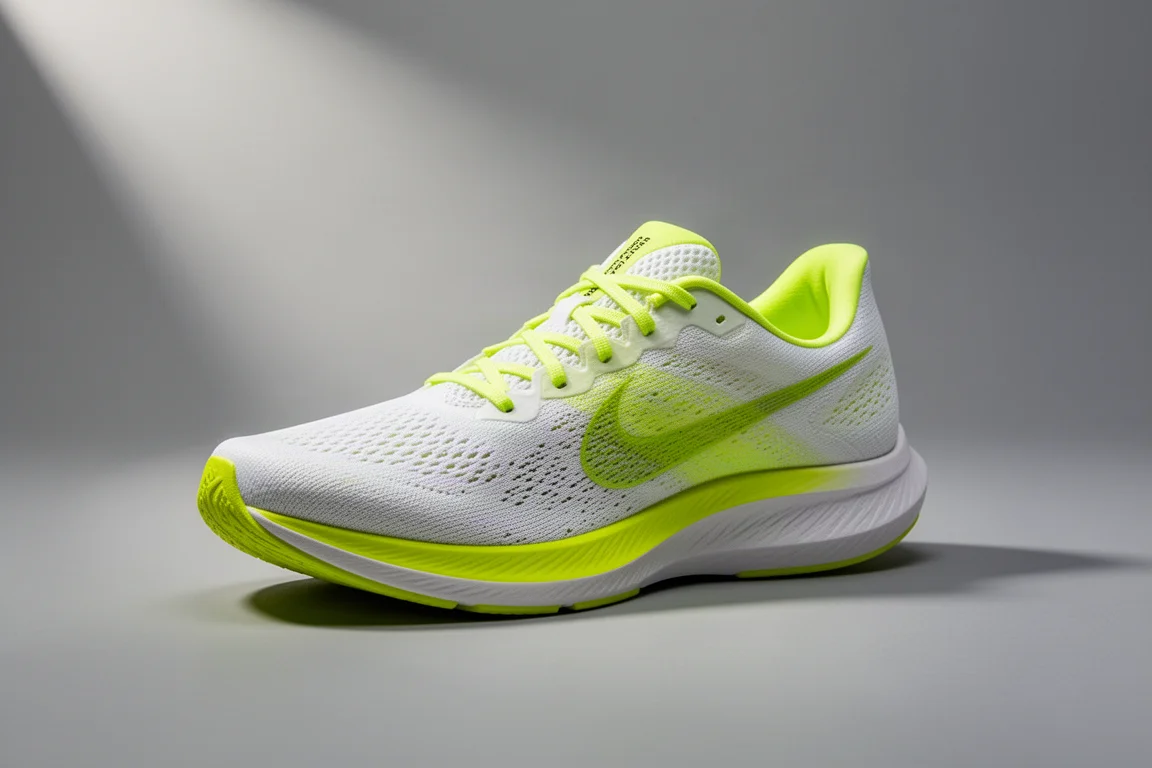
The Nike Next% has proven surprisingly durable in training. Run carefully, you can take a pair to 100 miles with hardly any damage, and elite runners famously use them on dirt roads for hundreds of miles.
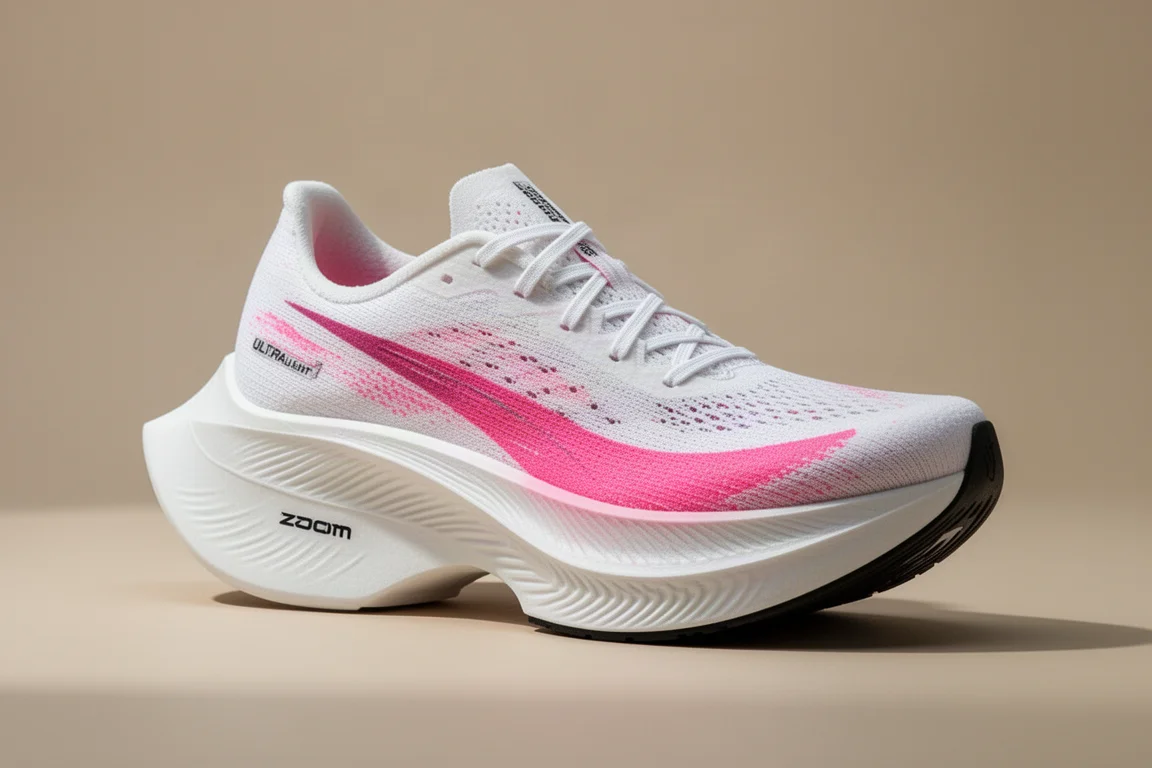
The Nike Alphafly, with its max-cushioned Zoom X setup, is also more robust than its looks suggest.
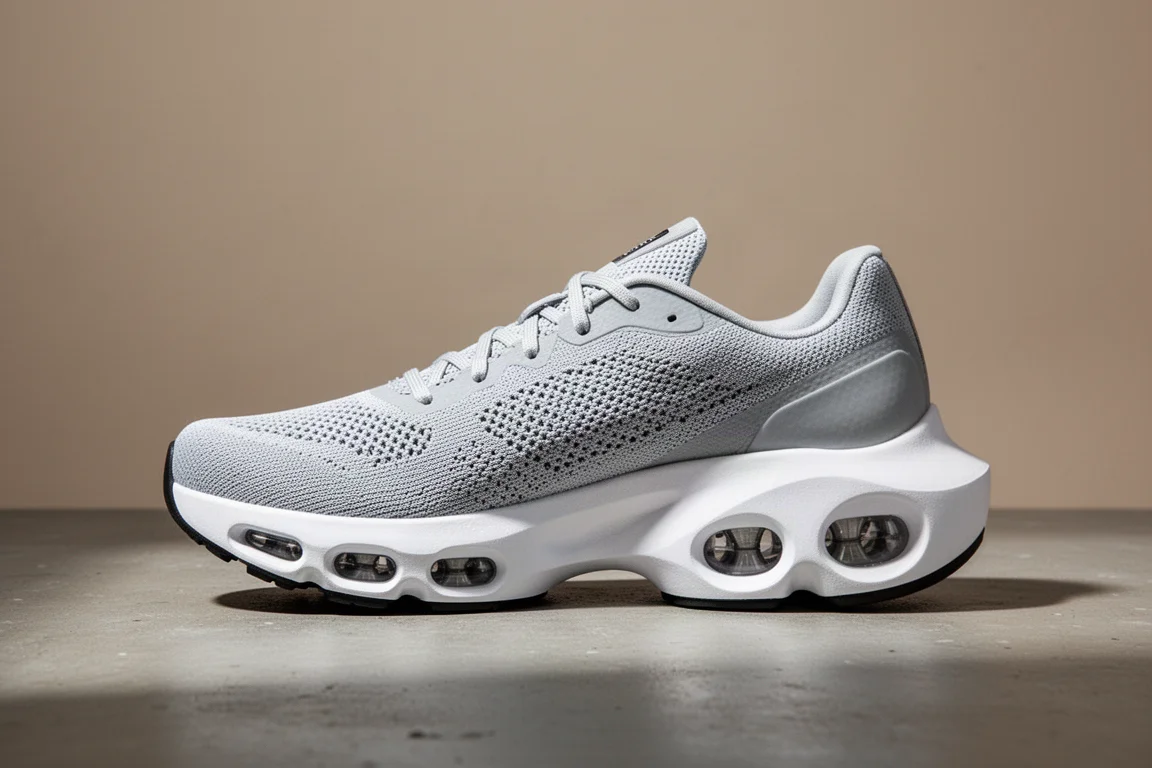
The shoe that started it all, the Nike Vaporfly 4%, once seemed to disappear under your feet, but the category has moved on and the latest models last far longer.
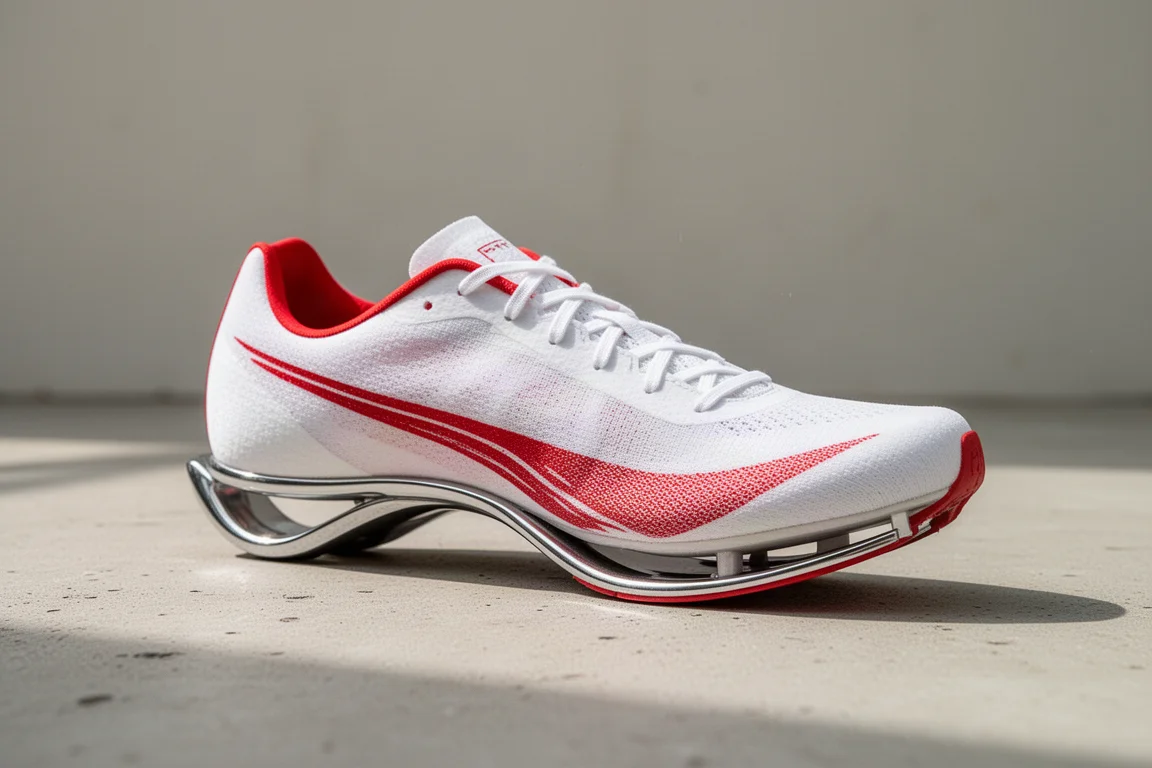
The New Balance RC Elite 2 is a great example of a plated shoe you can use more frequently, giving you more value back from the purchase.
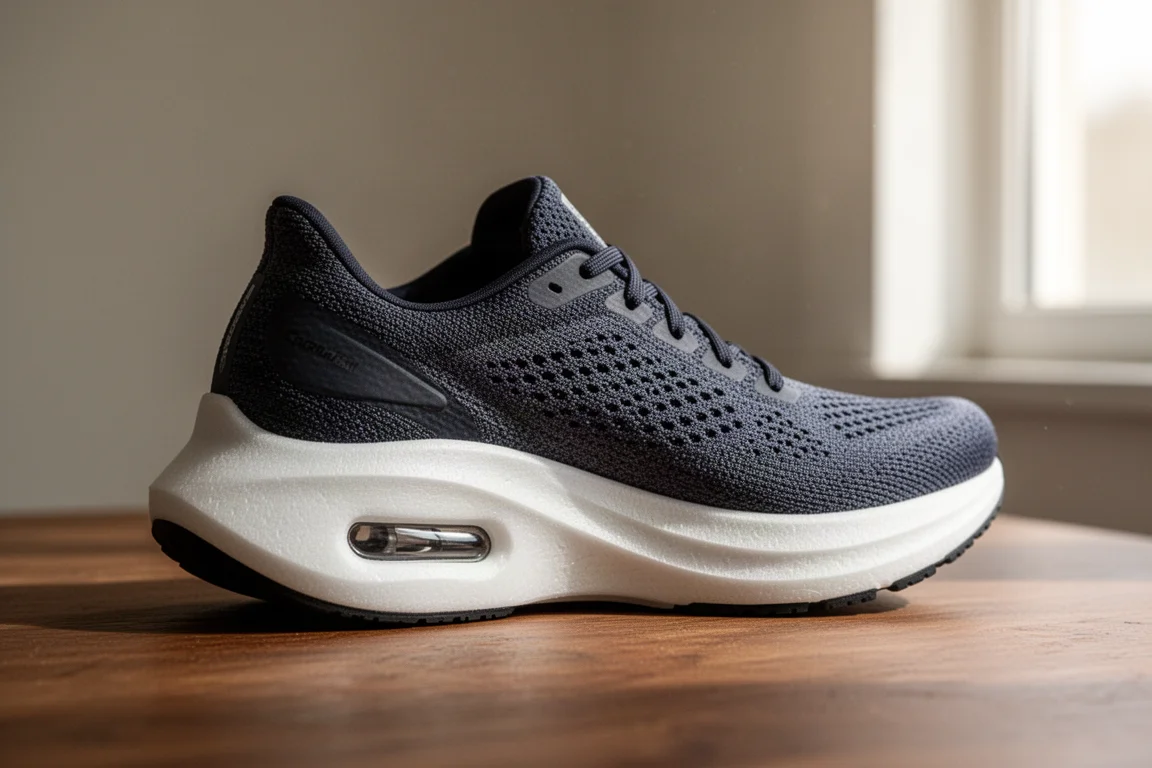
The Adizero Adios Pro 2 makes for a similar everyday-capable super shoe.
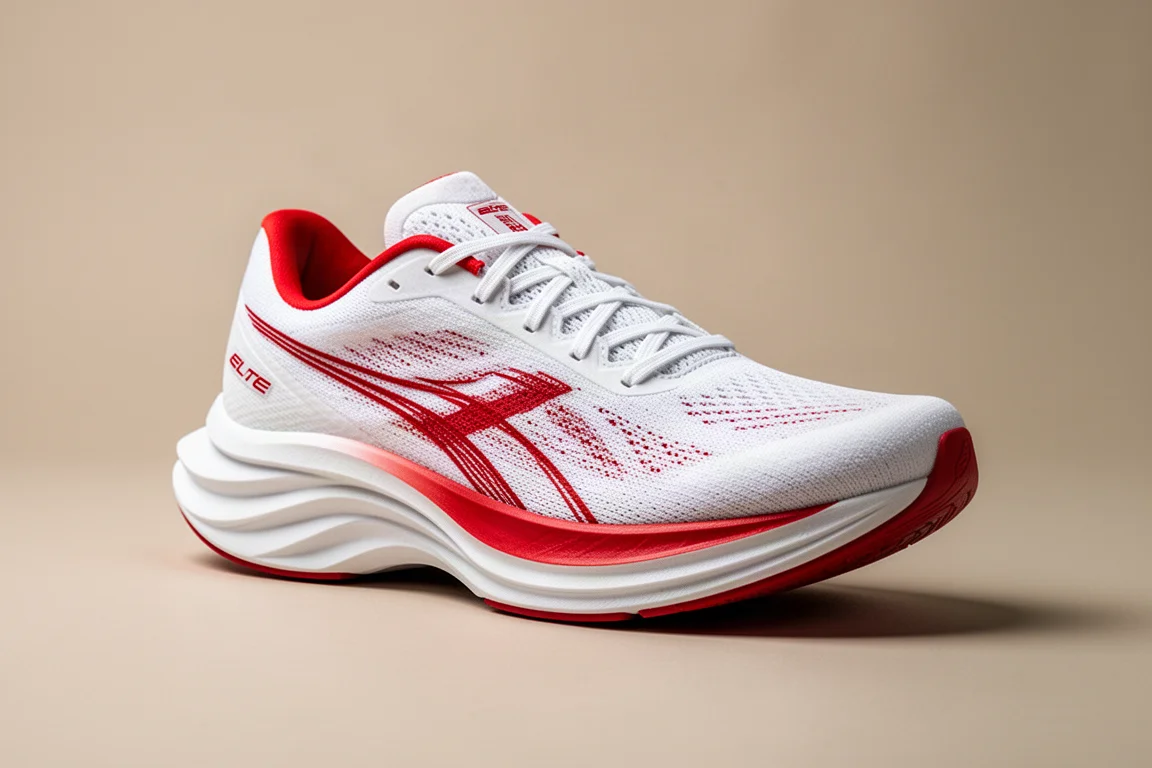
And if you had to pick just two shoes for a rotation, an easy pair and a race pair, the Vomero 16 plus the Adizero Adios Pro 3 would be a very sensible duo.
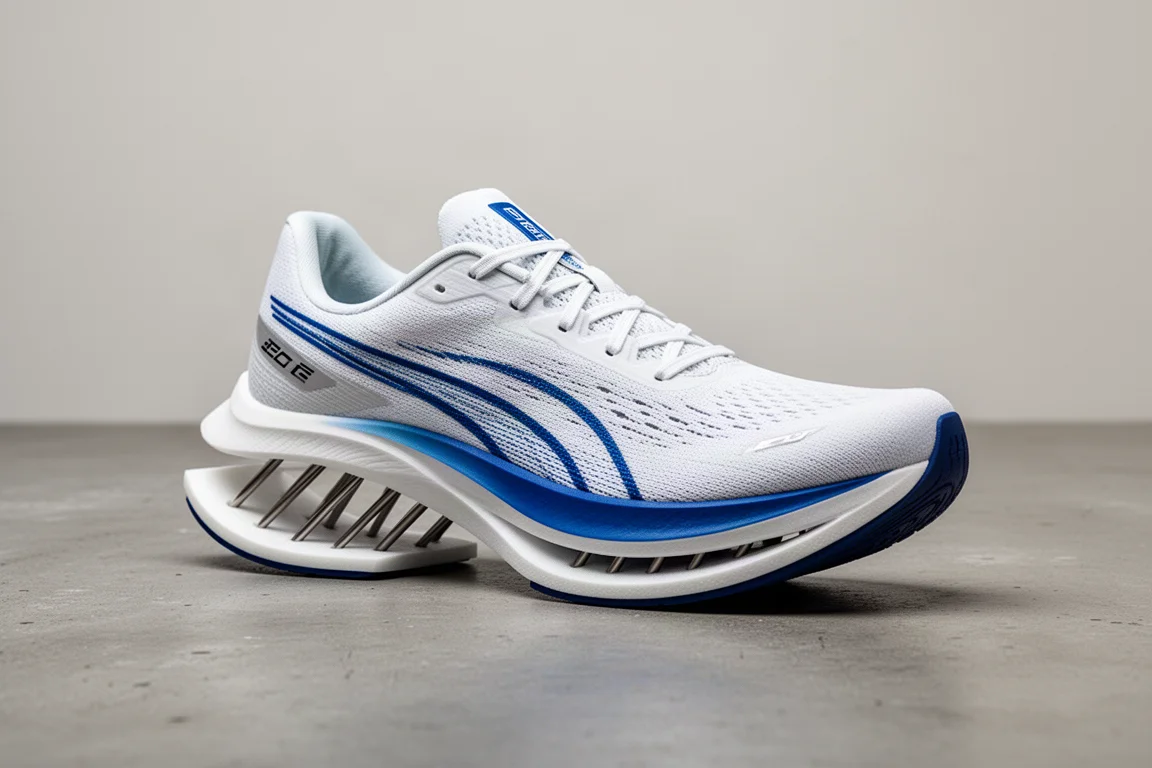
One rule above all: never race any distance in a brand new shoe. Try it out in training first. You would not use a brand new guitar at a gig, so get to know your tools before race day.
Do You Really Need a Rotation?
There is a real risk of FOMO here. Someone holds up a brand new shoe and suddenly your perfectly good rotation feels inadequate. Resist it. Giving your shoes a break across the week is a good idea, and a smaller rotation can extend the life of a favorite pace shoe by alternating it with a daily trainer.
The honest verdict is that running shoe rotations do not make as much sense as they used to. Super shoes with high energy return midsoles have blurred the lines between training and racing footwear. A few well-chosen pairs, rather than a large collection, will cover most runners comfortably.
Conclusion
Build your rotation around real needs: a comfortable everyday trainer, a lighter shoe for faster sessions, and a race shoe only if you actually race. For many runners, two or three pairs, such as an everyday workhorse paired with a durable plated shoe, will do the job far better than a shelf full of singles-use models.
Further reading
Related Reviews

Running Shoes
Best Road-to-Trail Running Shoes: Three Versatile Options for Mixed Terrain
A practical guide to three road-to-trail running shoes that handle both pavement and mild trails, with clear strengths and trade-offs for different runner types.

Running Shoes
Best Running Shoes for Achilles Tendonitis: Three Options Explained
Three running shoes with different heel drops and support features designed to help reduce Achilles tendon pain during walking and running.

Running Shoes
Best Running Shoes for Women: Five Top Choices Ranked
A ranked guide to five women's running shoes, from versatile daily trainers to high-performance racing options, with real strengths and trade-offs for each.