Running Shoes
How to Build a Running Shoe Rotation: A Practical Guide for 2026
A simple, use-case-driven way to build a running shoe rotation, from one workhorse daily trainer to a full three-shoe marathon setup.
Introduction
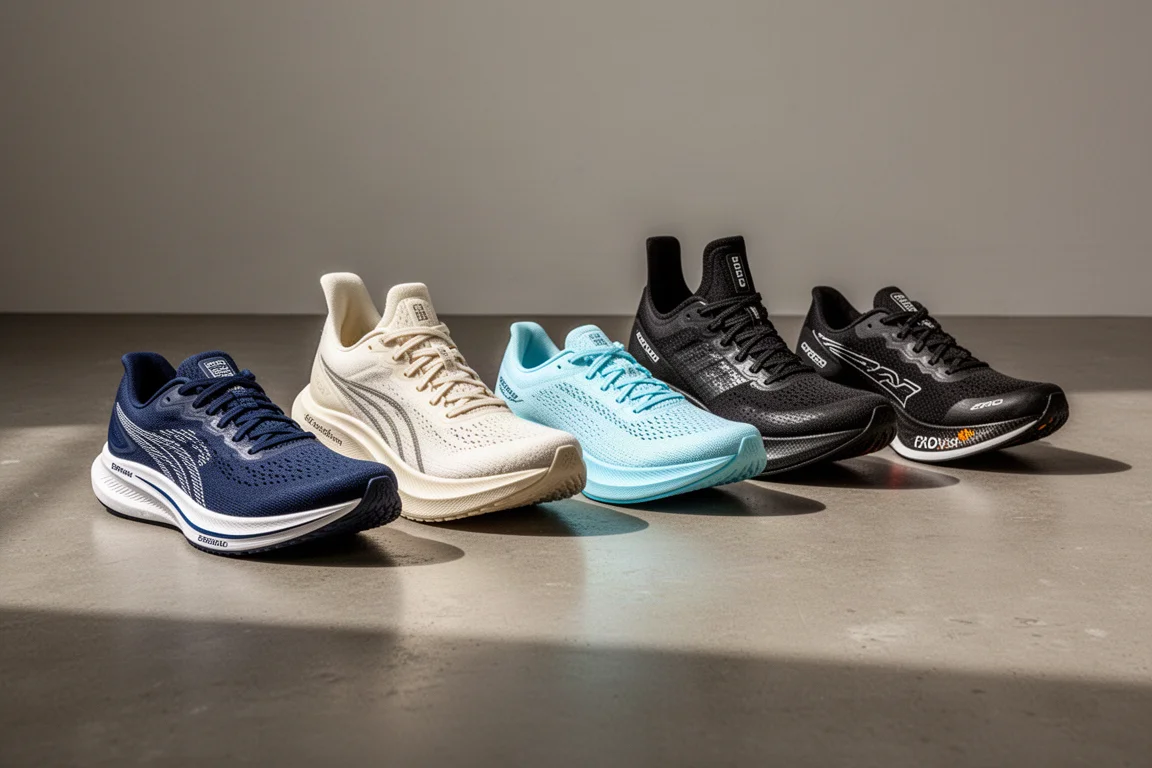
Most runners do not need a wall of shoes. They need a small, deliberate set of shoes that covers the actual runs on their calendar. This guide breaks running shoes down into three core use cases, everyday, comfort, and speed, and shows how to build a rotation step by step, starting with a single pair and expanding only when your training demands it.
The guiding idea is a minimum viable rotation: the smallest number of shoes that genuinely covers what you do. Run three or four days a week and one good shoe may be enough. Add a fifth day and a second shoe earns its place. Start stacking recovery runs and two-hour long runs, and a comfort shoe becomes the next logical purchase. Train for a marathon, and a race day shoe completes the trio.
The Three Types of Running Shoes
Strip away the marketing and there are really only three types of running shoes. Everyday shoes are the versatile do-it-all options that handle short, long, slow, and reasonably fast runs. Comfort shoes are built to provide the utmost in cushioning and underfoot softness, ideal for recovery days and tired legs. Speed shoes are for fast workouts, races, and any day you want to rip.
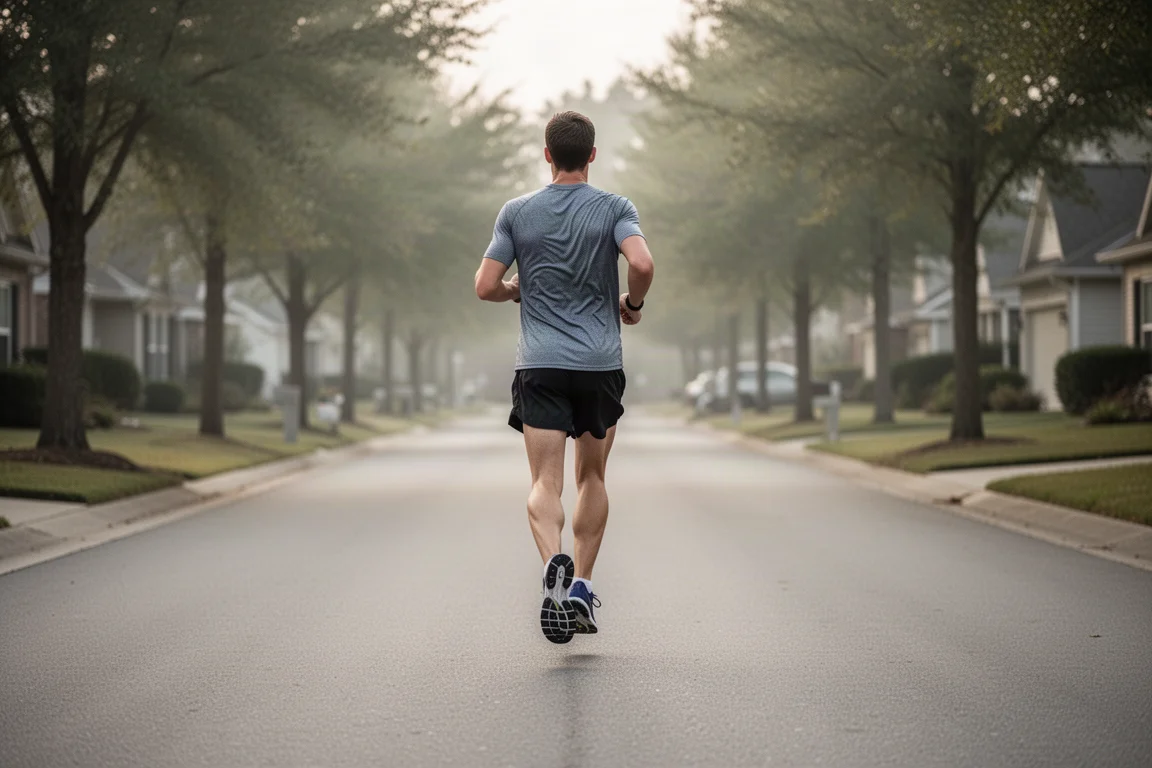
Brands love to slice the market into far more categories than that, with a shoe for every conceivable run of the week, but the use cases collapse back to everyday runs, fast runs, and relaxed runs. A race is a fast run. A recovery run is a relaxed run. Everything in between lives in the everyday zone, which is why a three-shoe rotation is such a strong target. Good daily trainers, in particular, let you run slow in them, fast enough in them, long in them, and short in them.
Start With a Workhorse Daily Trainer
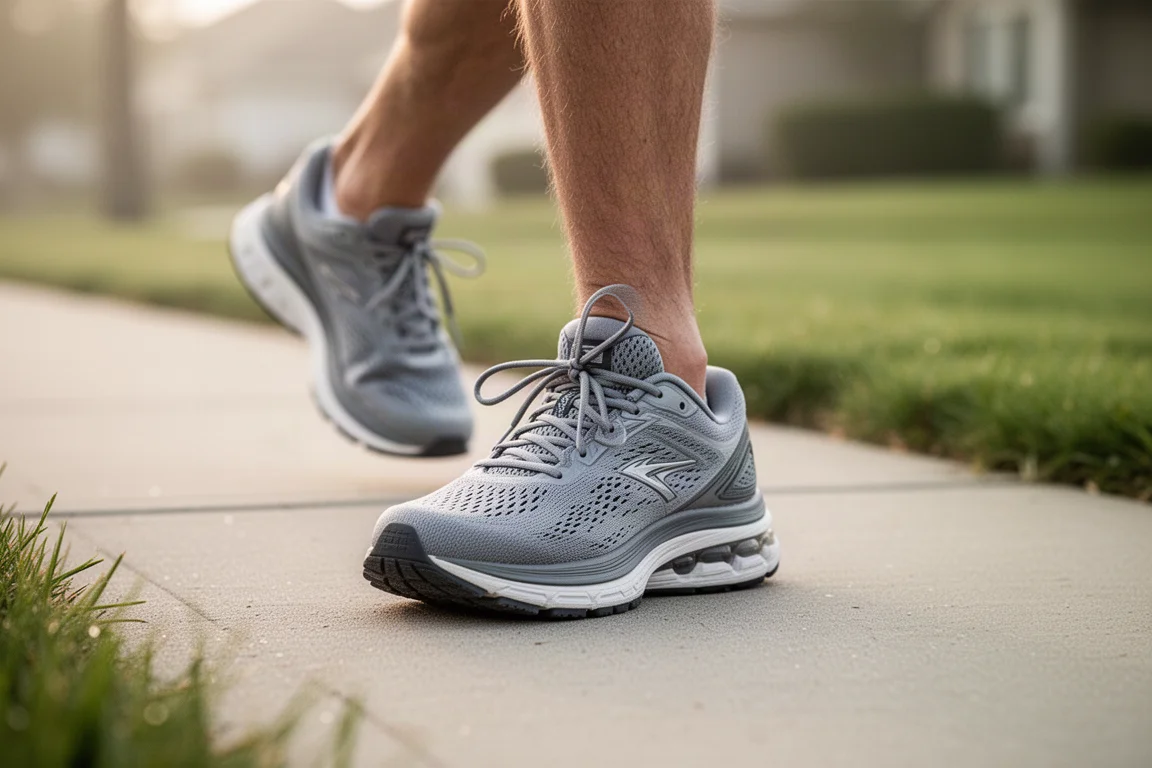
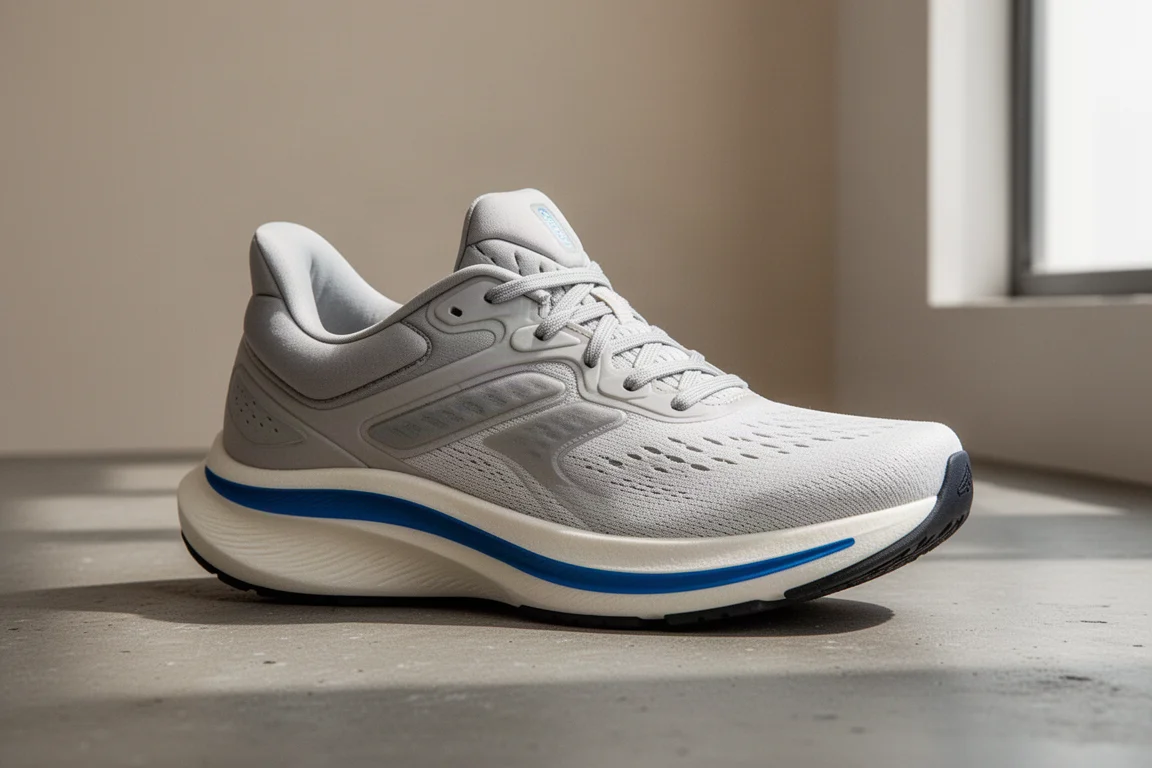
The foundation of any rotation is a workhorse: a comfortable, supportive shoe you can train in for almost any type of run. If you are only going to own one pair, this is the category to get right.
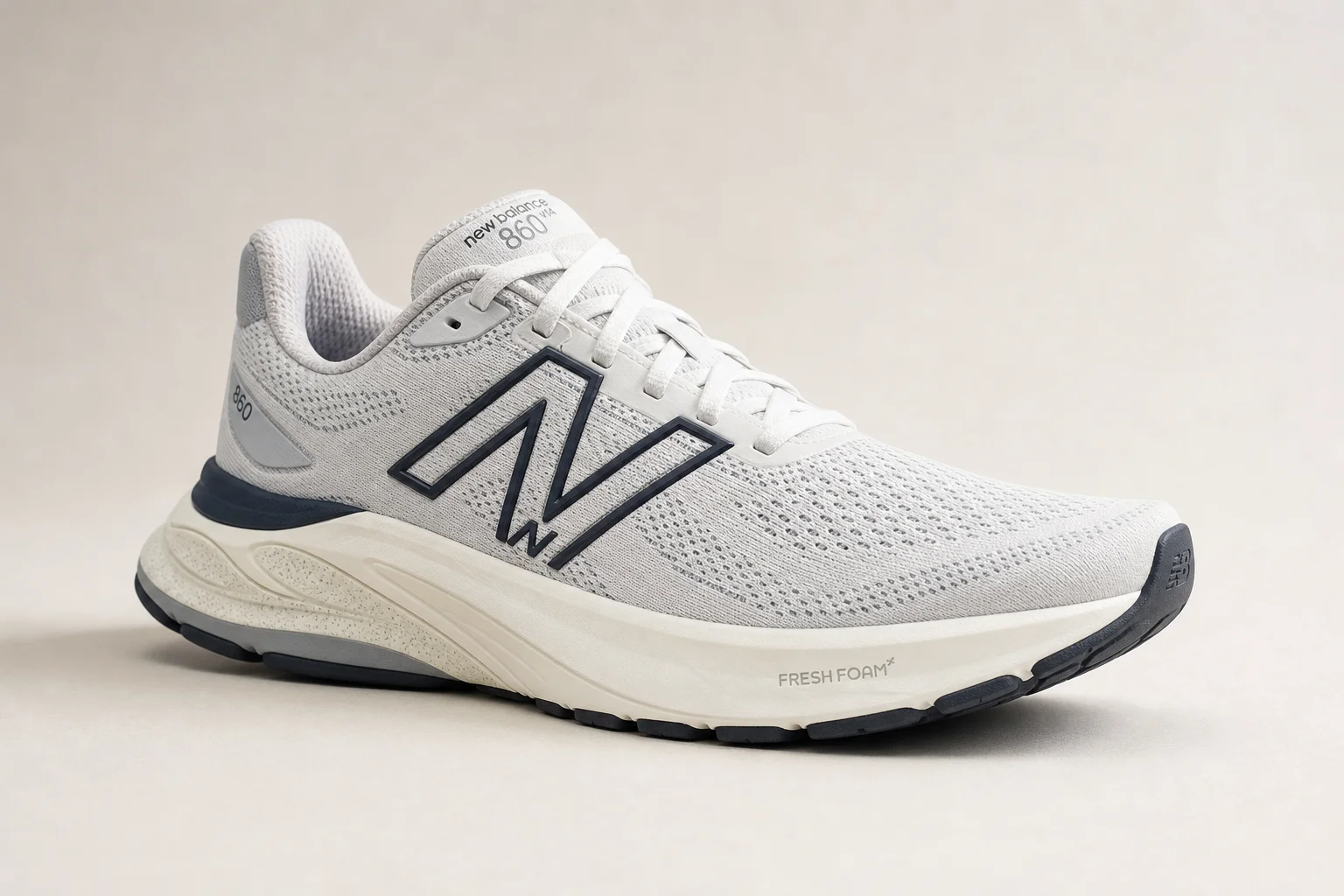
The New Balance 860 v14 stands out as one of the best beginner shoes and one of the best daily trainers of the year because it can do both sides of the job. It feels just as comfortable on recovery runs as it does on faster runs, and it has been taken up to 21 miles. It is stable, supportive, and comfortable, and very few runners will find it does not work for them. Its specs sit deliberately in the middle of the market: a mid-to-high 30s stack height at the heel, an 8 mm drop, foam that is neither too soft nor too firm, and a semi-plated midsole with a flexible plastic film. That middle-of-the-road character is a feature, because nearly any other shoe you add will bring a genuinely different stimulus.
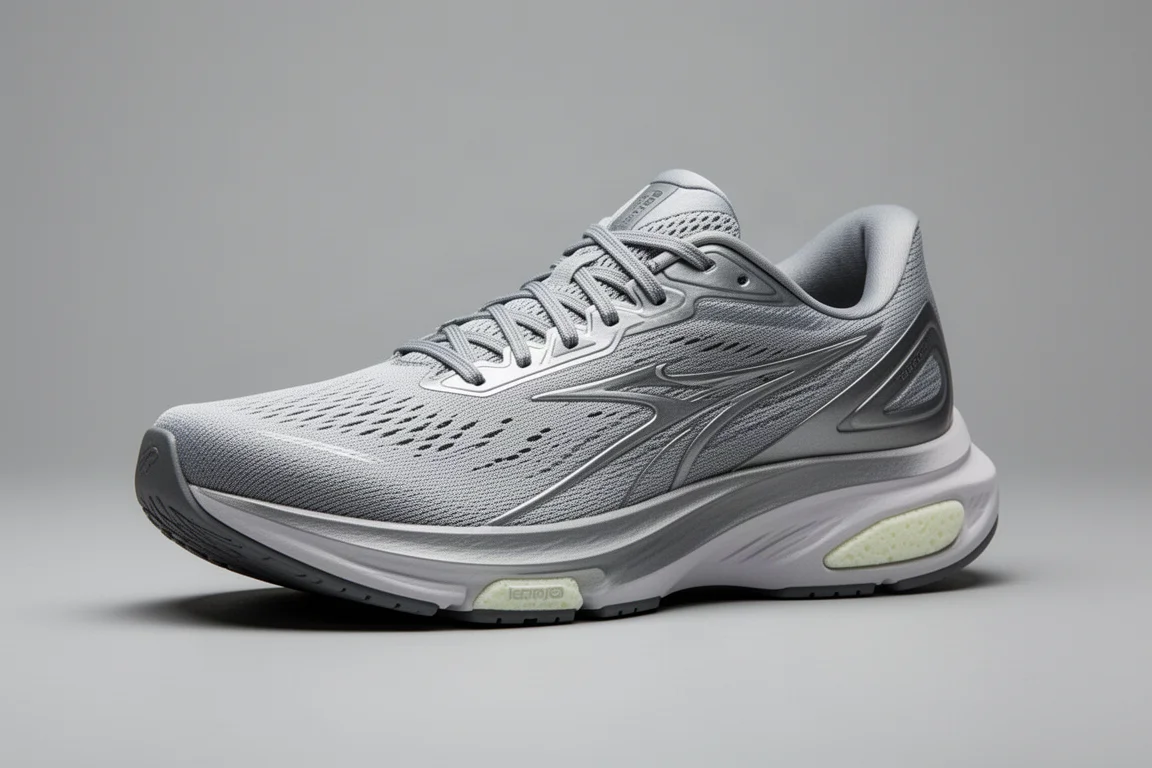
The Diadora Nucleo 2 is another comfortable everyday option worth a look. The padded upper and padded tongue make it exceptionally comfortable out of the box, with a wide base, a big stack of EVA-blend foam, and a soft, bouncy ride that recalls a Nimbus 25, only with more style. At $160 it leans softer, which makes it a great pick if you run up to 30 or 45 minutes a day and want one shoe you can also wear around town. Solid rubber coverage adds everyday durability, and it is the kind of shoe you could build a rotation around, though runners who prefer a firmer midsole may find the forefoot too plush.
Add a Comfort Shoe
You earn your second shoe when training volume climbs, typically around 40 to 50 miles per week, and the goal shifts partly toward injury resistance. If your daily trainer already handles workouts well but you want more cushion and protection the day after a hard session, this is where a max-cushion comfort shoe comes in.
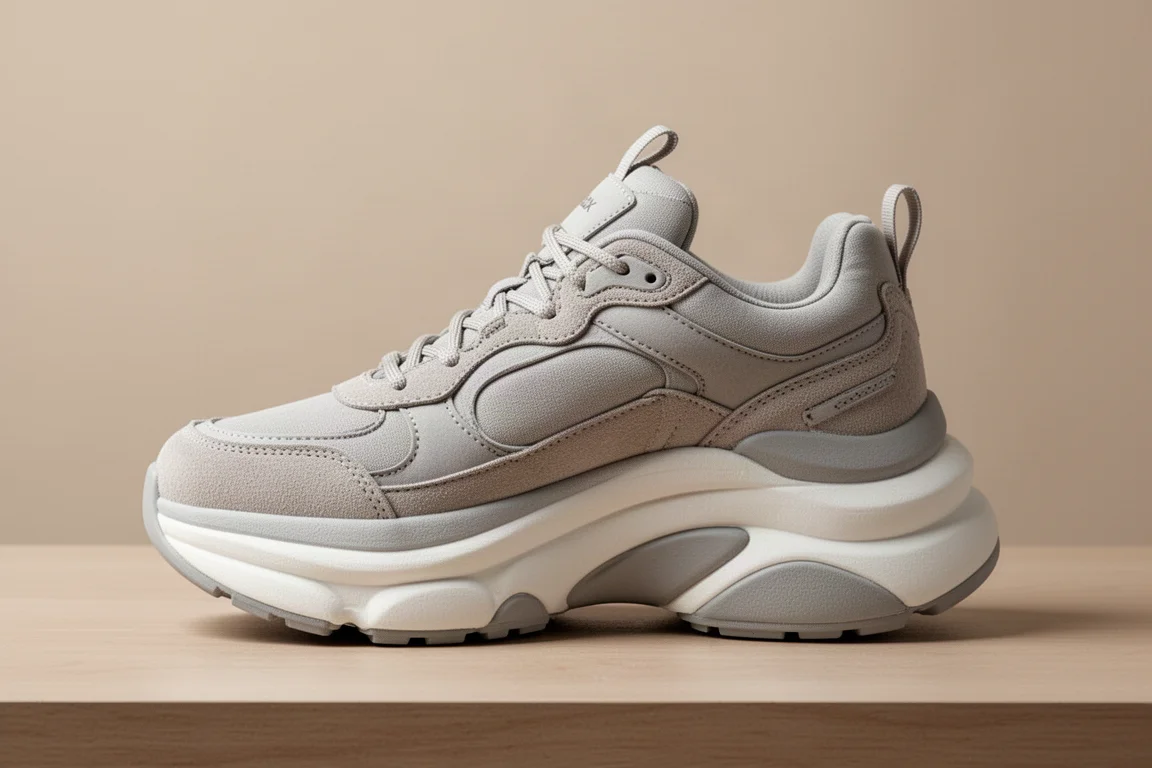
The Brooks Glycerin Max is the headline example in the $200 super max stack category. Its huge heel stack, well above 45 mm, delivers noticeably more bounce and protection than a standard trainer, and that difference shows up on tired days when a normal shoe fades with you and a super max shoe helps you fight back. It is a soft-feeling max stack shoe with a 6 mm drop and essentially no forefoot flex, so it delivers a completely different experience from a conventional daily trainer. If you start here, balance the rotation later with something lower to the ground. Shoes like the New Balance More v5 or Saucony Hurricane 24 fill the same comfort slot if you want a slightly more conventional option.
Add a Speed Shoe
Once intervals and tempo work enter the week and your comfort-first shoe starts feeling sluggish, a faster, more streamlined shoe earns its slot. The goal is contrast: a lower stack, more ground feel, and a lighter weight.
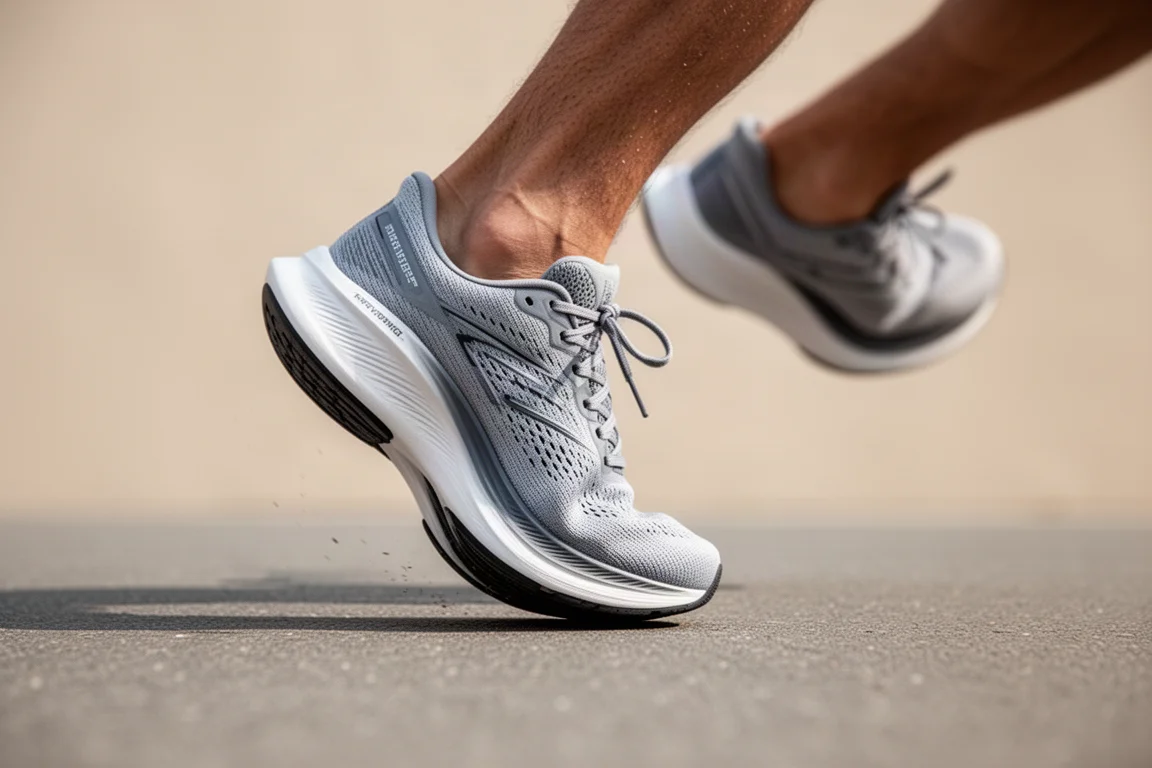
The Adidas Adizero SL2 is a smart pick here, especially if your daily shoe is a max stack comfort model. Its 9 mm drop and much lower stack give you genuine ground feel and forefoot flexibility, exactly the contrast a Glycerin Max owner should want from a second pair. If your everyday shoe is something like the Hurricane 24 or More v5 and you want a different flavor of speed shoe, options like the Nike Pegasus Plus on sale, the Brooks Hyperion 2, or the Topo Cyclone 2 are also worth a look.
View more details for Adidas Adizero SL2
Plated Trainers: The Optional Bridge
Not everyone wants to spend carbon racer money, and not every runner needs to. A plated trainer can cover fast long runs and tempo days while keeping the miles off your race shoe.
The Hoka Mach X2 is the example to know. It is a speed training shoe designed for distance, and it performs well, but note the overlap: its stack height is similar to the Glycerin Max, and both sit in a similar drop range. That means pairing them gives you different pace capability but not the full muscular variety a rotation is meant to provide. A smarter move is to pair the Mach X2 with a lower, lighter everyday shoe. It is also the last type of shoe most runners should buy, and a sensible alternative if you would rather not go full carbon.
Race Day Shoes
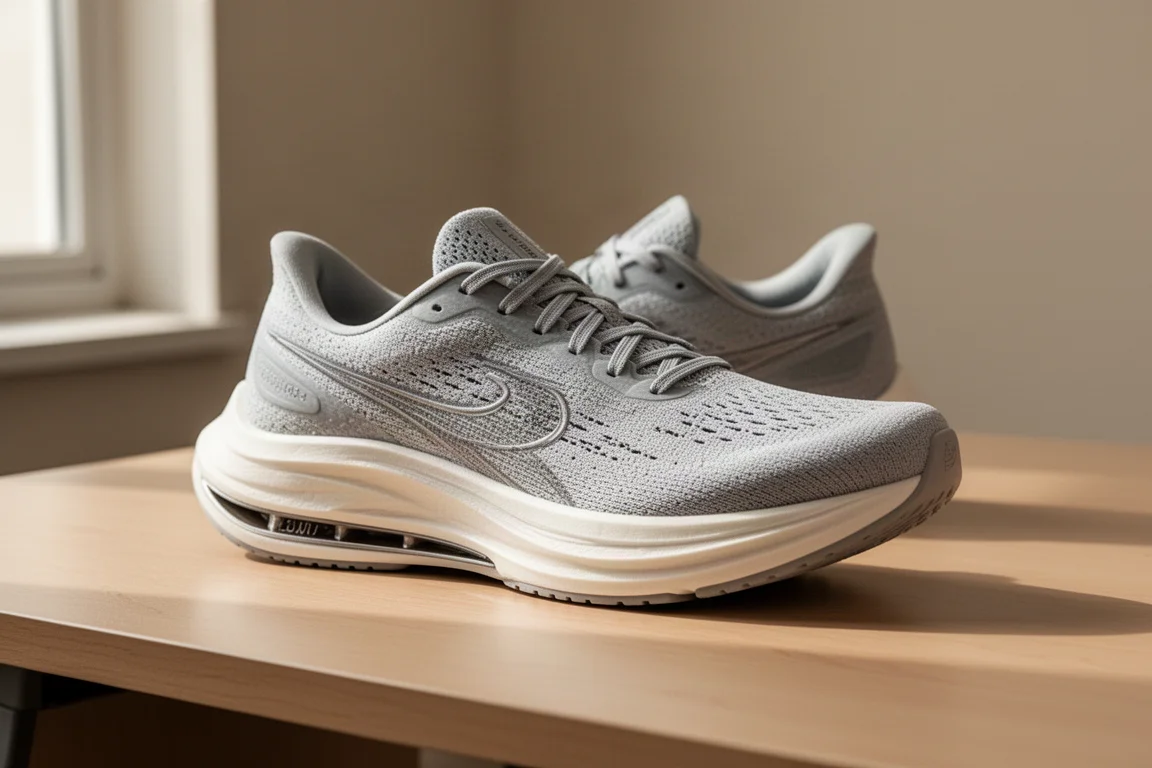
The third shoe in a minimum viable marathon rotation is a durable race shoe. If you pick quality brands across the three slots, you can genuinely run a 100-mile week on just a workhorse, a comfort shoe, and a racer.
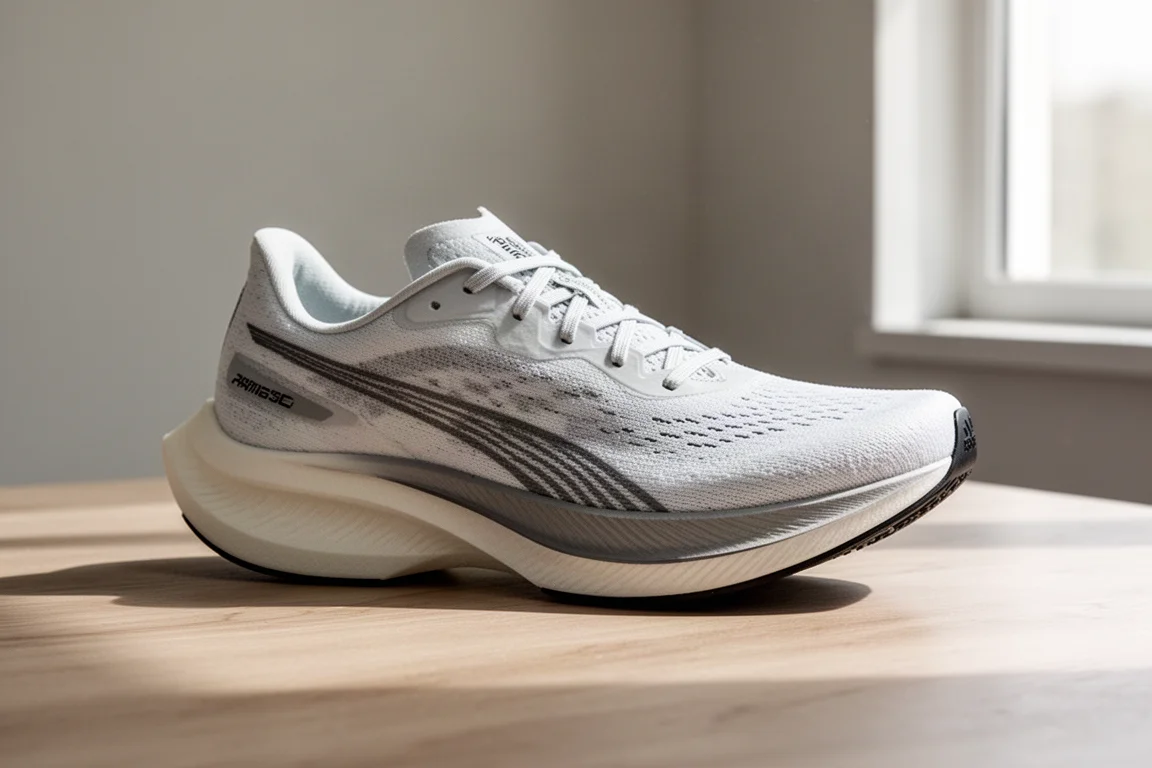
The Puma Deviate Nitro Elite 3 is a standout because race shoes historically have not been durable, and this one is a tank. It has held up well on a 20-mile run, offers strong wet weather grip, and sits in a middle ground on specs and materials while delivering excellent performance. Think of it as the fast shoe that will not fall apart over a full training block.
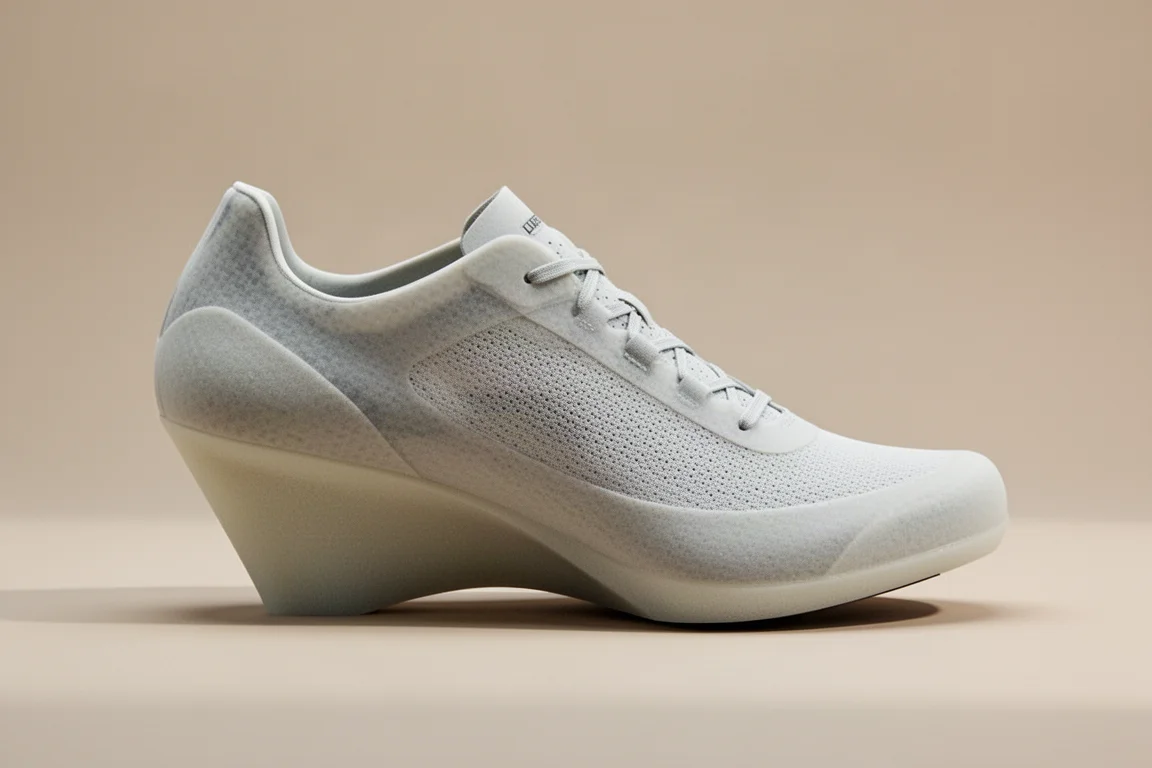
The Saucony Endorphin Elite represents the other approach: maximum race-day pop. The key with any race shoe is to practice in it. Get at least one, two, or three quality workouts in your race shoe before race day so you know how it feels at goal pace. That is exactly how a 2:39 marathon was run at Chicago, with 16 of the race miles executed at sub-6-minute pace in the Endorphin Elite, a shoe chosen because it delivered pop without feeling like it was pushing too hard.
Building Your Minimum Viable Rotation
Here is the whole system in one place. Run three to four days a week? One shoe, and a great daily trainer covers it. Bump to five days a week consistently? Add a second shoe, and that is when the comfort slot usually arrives, because five-day weeks are when recovery runs start appearing. Once two-hour long runs show up on the calendar, you are probably marathon training, and that is when the taller stack and the race shoe come into play.
Two sample three-shoe rotations cover most runners. If you started with the 860 v14 as your workhorse, add the Glycerin Max for recovery days and the Deviate Nitro Elite 3 for race day. If you started with the Glycerin Max instead, add the Adizero SL2 for a low, light contrast shoe, and the Mach X2 for race day if you would rather skip full carbon pricing. And if carbon money is not on the table at all, the ASICS Magic Speed 4 gets you a plated race option for under $100.
A fourth shoe, if you ever add one, is usually another daily trainer, so you can alternate between two everyday pairs depending on how beat up you feel. Vary the drop, the firmness, the stack height, the materials, and even the brands, since different brands use different lasts and foot shapes. Working different muscles of the body is the entire point of a rotation.
Conclusion
Start with one excellent daily trainer, add a comfort shoe when your volume grows, add a speed or race shoe when your goals demand it, and resist the urge to buy beyond what your training actually uses. A workhorse, a max-cushion cruiser, and a durable racer cover nearly everything a serious recreational runner will throw at a training block, and they cover it well.
Further reading
Related Reviews

Running Shoes
Best Road-to-Trail Running Shoes: Three Versatile Options for Mixed Terrain
A practical guide to three road-to-trail running shoes that handle both pavement and mild trails, with clear strengths and trade-offs for different runner types.

Running Shoes
Best Running Shoes for Achilles Tendonitis: Three Options Explained
Three running shoes with different heel drops and support features designed to help reduce Achilles tendon pain during walking and running.

Running Shoes
Best Running Shoes for Women: Five Top Choices Ranked
A ranked guide to five women's running shoes, from versatile daily trainers to high-performance racing options, with real strengths and trade-offs for each.