Running Shoes
Build a Three-Shoe Running Rotation for the Price of One Pair of Asics MetaSpeed Sky
The Asics MetaSpeed Sky costs around £225. Here is how a full training and racing rotation of three shoes can be assembled for roughly the same money.
Introduction
The Asics MetaSpeed Sky has transformed what the brand offers at the very top end of the racing market. Its Flight Foam Turbo midsole is matched, in the eyes of many runners, by the lightness and energy return of the very best super shoes. The catch is the price: around £225 at retail, which is enough to put a lot of people off.
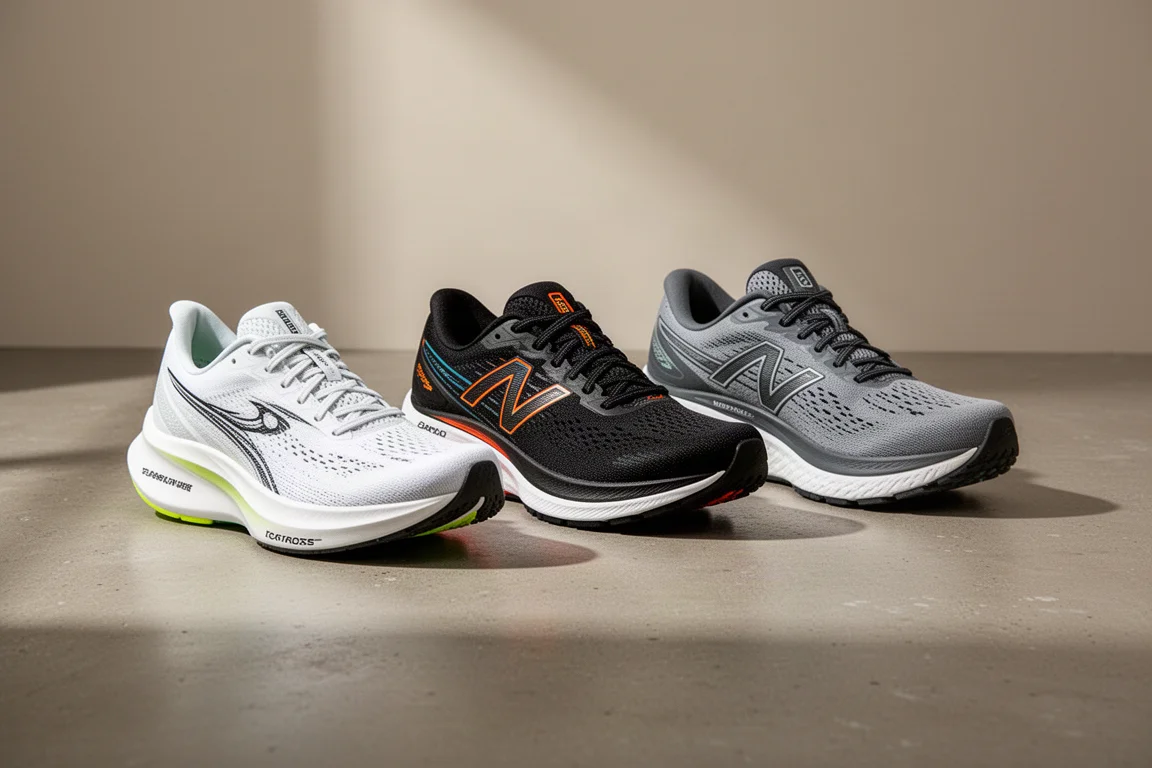
That raises an interesting question. Instead of one pair of MetaSpeed Sky, could you build a full training and racing rotation of three shoes for the same money? With about £225 to spend, the answer is yes, and the resulting rotation arguably covers more ground than a single race-day shoe ever could.
The Benchmark: Asics MetaSpeed Sky
The MetaSpeed Sky is a genuine top-tier racing shoe. Flight Foam Turbo is Asics’ finest midsole material and appears only in the brand’s flagship models, delivering a level of bounce and energy return that nothing else in the range quite replicates. It is a shoe most runners will reserve for faster efforts: 5K parkruns, 10K and half marathon racing, or premium tempo sessions.
The trade-offs are real, though. Beyond the £225 price tag, the outsole rubber has proven a little fragile under repeated use, which makes it a shoe you naturally want to save for race day rather than grind out daily miles in.

The Tempo and Race Shoe: Asics Magic Speed
Any three-shoe rotation needs a fast option for intervals, reps, and racing. The Magic Speed fills that slot at around £87 on discount, and it carries clear MetaSpeed lineage. It uses Flight Foam Blast rather than Turbo, so the ride is a touch firmer and bouncier rather than quite as lively, but the family resemblance is unmistakable.
A partial plate runs from midfoot to forefoot instead of a full-length carbon plate, and there is notably more rubber coverage, wrapping around to the heel. That makes it a more durable model in an area where the MetaSpeed Sky can feel fragile. The midsole drop is about 5mm, matching the MetaSpeed Sky, and the fit of the upper is not all that dissimilar. In hand it is still a very light shoe, and for a race or faster tempo slot in a rotation, it is an easy selection.
View more details for Asics Magic Speed
The Daily Trainer: Reebok Floatride Energy 3
With £87 committed, roughly £138 remains for two more shoes: a daily trainer and a long run shoe. The daily slot is almost impossible to fill more convincingly than the Reebok Floatride Energy 3. Deals vary, but pairs have been spotted well under £50, and Reebok’s own site lists the Floatride Energy 3 Adventure just under £60. With a discount code, the price can drop to around £51.
The Adventure version adds a more trail-light upper while keeping the tried and tested Floatride foam midsole and outsole setup. The ride is forgiving and the construction durable, making it ideal for easy runs and multi-surface scenarios. It is a genuinely versatile daily shoe, and it leaves plenty of budget for the final piece.

The Long Run Shoe: Asics GlideRide 2
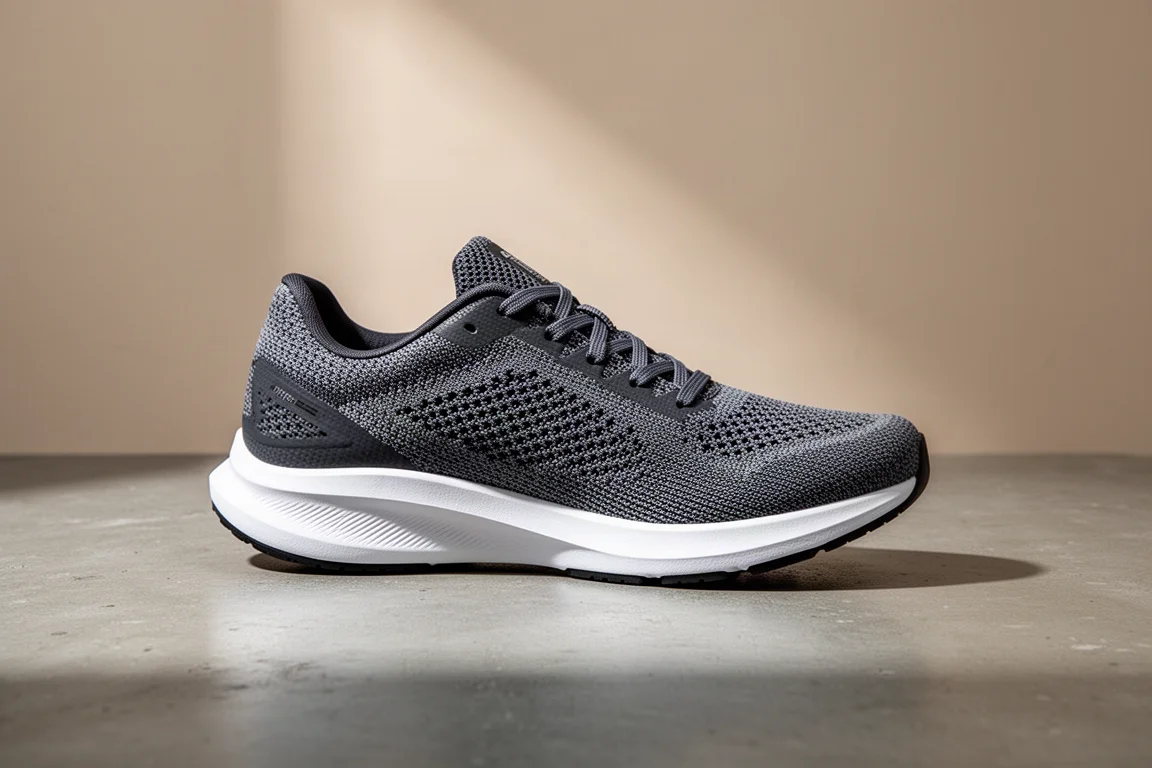
For the long run slot, plushness is the priority. The GlideRide 2, at around £89, fits the bill with a softer upper and far more cushion underfoot than the MetaSpeed Sky’s relatively trim upper. It shares the Asics high-abrasion rubber and delivers a similar rolling sensation off the forefoot, with a rigid, rocker-like feel that some describe as a more robustly built cousin of the racing shoe.
The differences matter, though. The foam is Flight Foam Propel rather than Turbo, and it is noticeably denser and heavier. For a race model that would be a problem, but the GlideRide 2 was never meant to be one. For the longer efforts that are vital to half marathon and marathon training, a slightly denser, more substantial platform is arguably exactly what you want.
Overall Buying Advice
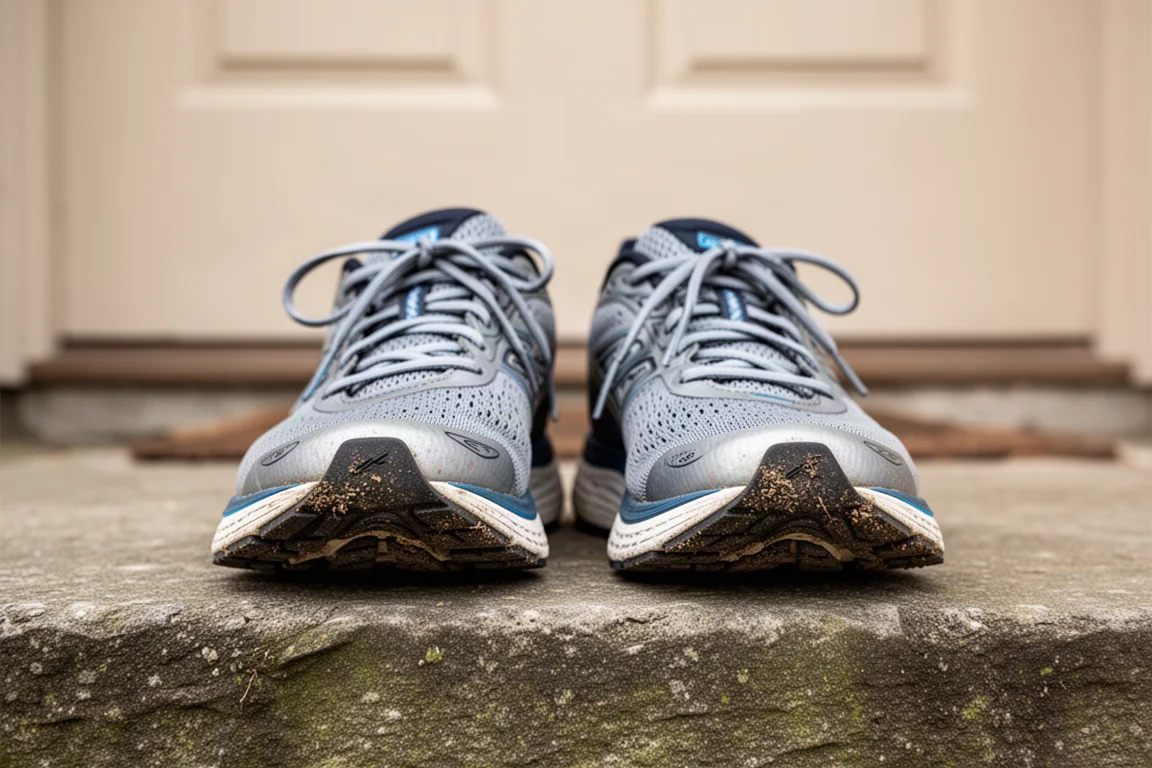
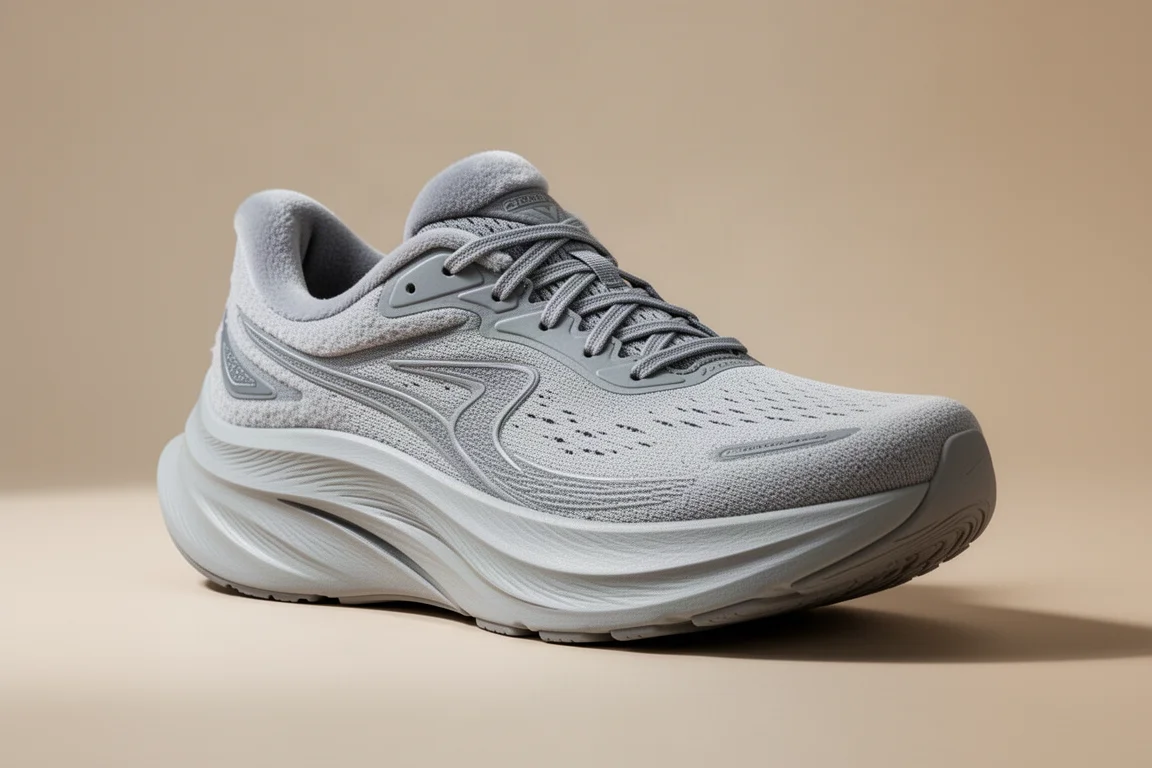
Tally it up and the three-shoe rotation comes to roughly £227: £87 for the Magic Speed, around £51 for the Floatride Energy 3, and £89 for the GlideRide 2. That is a couple of pounds over the price of one pair of MetaSpeed Sky, which is close enough to make the point. One premium racing shoe, or an entire rotation covering tempo, daily miles, and long runs.

There are other ways to stretch the budget further. Discount retailers have also offered plush, forgiving trainers from other brands at around £81 in a wide range of sizes, leaving a couple of pounds to spare for an energy gel or two. The principle stays the same: look for the discounted, proven models rather than chasing flagship prices, and let each shoe do one job well.
Conclusion
It is remarkable what is available for the money once you start combining discounted models. A Magic Speed for fast work, a Floatride Energy 3 for daily miles, and a GlideRide 2 for Sunday long runs make a genuinely useful rotation that covers pretty much every eventuality, all for roughly the cost of one pair of Asics’ flagship racer. If you have built a better three-shoe rotation for the same budget, it is worth working out your own version before buying anything at full price.
Further reading
Related Reviews

Running Shoes
Best Road-to-Trail Running Shoes: Three Versatile Options for Mixed Terrain
A practical guide to three road-to-trail running shoes that handle both pavement and mild trails, with clear strengths and trade-offs for different runner types.

Running Shoes
Best Running Shoes for Achilles Tendonitis: Three Options Explained
Three running shoes with different heel drops and support features designed to help reduce Achilles tendon pain during walking and running.

Running Shoes
Best Running Shoes for Women: Five Top Choices Ranked
A ranked guide to five women's running shoes, from versatile daily trainers to high-performance racing options, with real strengths and trade-offs for each.