Laser Levels
DeWalt 20V vs DVO H3 360G: Two Laser Levels, Two Very Different Budgets
One costs over $699, the other targets the DIY market. A side-by-side look at what you actually get, how the lines perform, and where the extra money goes.
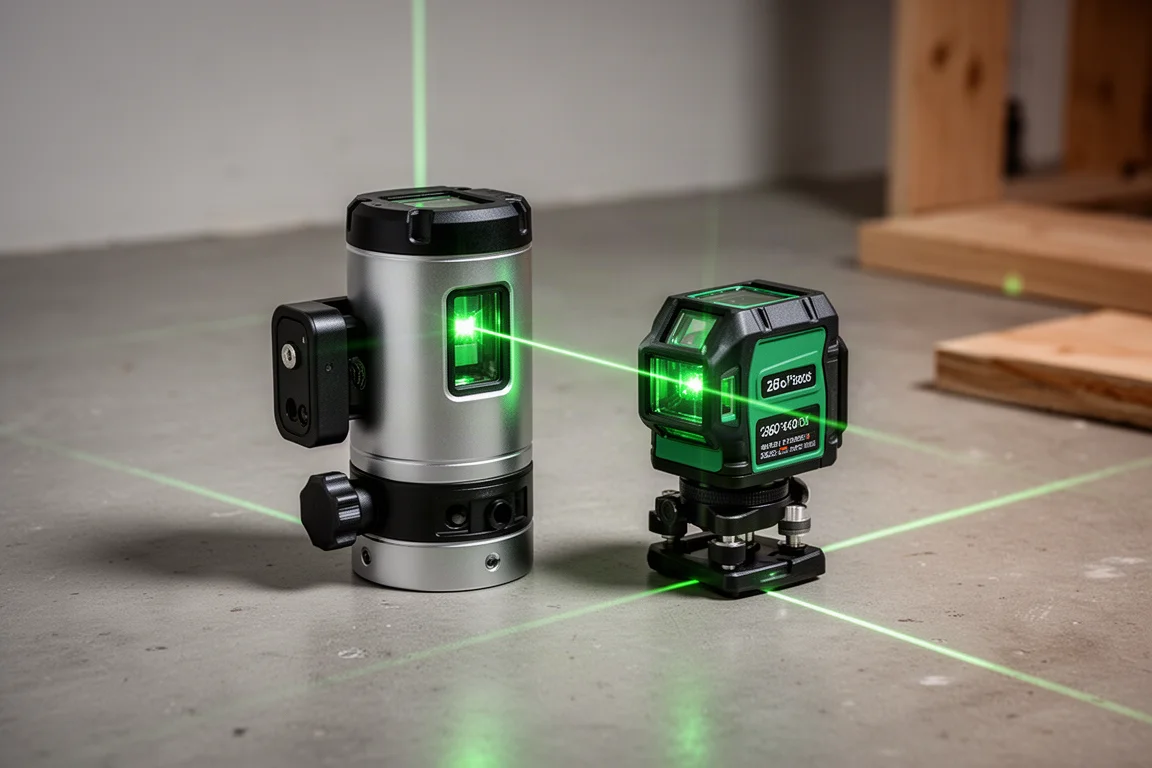
Introduction
Laser levels are one of those tools that quietly change how you work once you own one. The catch is the price. A flagship kit like the DeWalt 20V laser level can run over $699, and for plenty of buyers that is simply more tool than they need or want to pay for. The DVO H3 360G has become a popular alternative on Amazon, promising much of the same functionality at a friendlier price.
This comparison is not about declaring one better than the other. It is about showing what each kit includes, how the lines actually perform side by side, and where the price difference matters. If you are shopping on a budget, this should help you know exactly what you might, or might not, be getting.
What You Get in the Case
The DeWalt 20V kit runs on the DeWalt 20V or 12V battery platform and includes a charger, which is a real advantage if you already own DeWalt batteries. The DVO kit instead ships with two small camera-style lithium-ion battery packs and a wall charger connected by a USB-C cable. A nice touch: the DVO can charge a battery while it is still inside the unit, and a second battery can charge on the dock at the same time.
Runtime is where the two diverge. The DeWalt delivers roughly 8 hours on a 2Ah battery, while the DVO manages around 4 hours with one line on and only about 2 hours with all three lines running. That is a significant gap if you plan on long workdays.
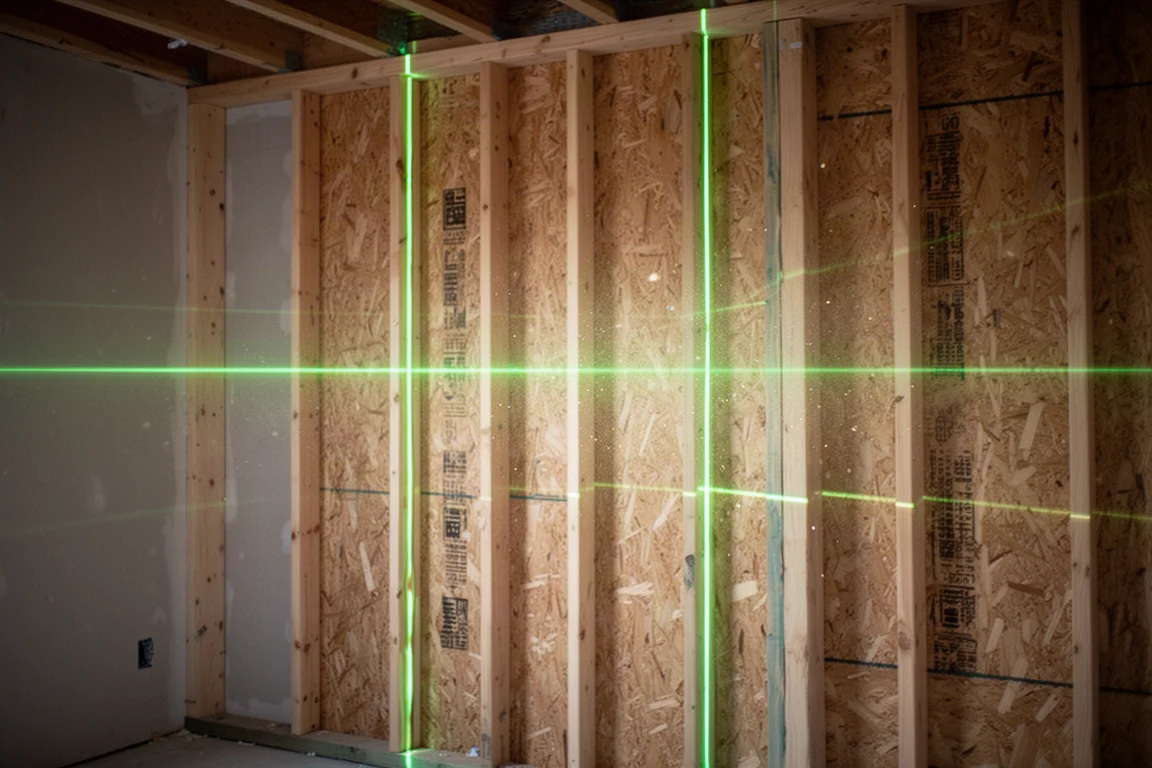
Both kits include targets for drop ceiling work, and both have magnets on top of the unit. The DeWalt also includes a laser detector slot on its mount, but the receiver itself is not included. The DVO does not include a receiver either, though it is compatible with one.
Mounting and Everyday Handling
The DeWalt mount is thoughtfully designed: it clamps onto drop ceiling rails, screws to a wall, and then the laser connects magnetically so you can slide it up and down. The magnet is strong and it works well.
The DVO mount takes a different approach. It uses a two-screw clamp style for drop ceilings, which works but is not as refined. It also offers a forward tripod mount plus a larger rear tripod mount for sideways or angled setups. The back plate pulls out to reveal magnets and a keyhole slot, so you can hang or stick it much the same way as the DeWalt.
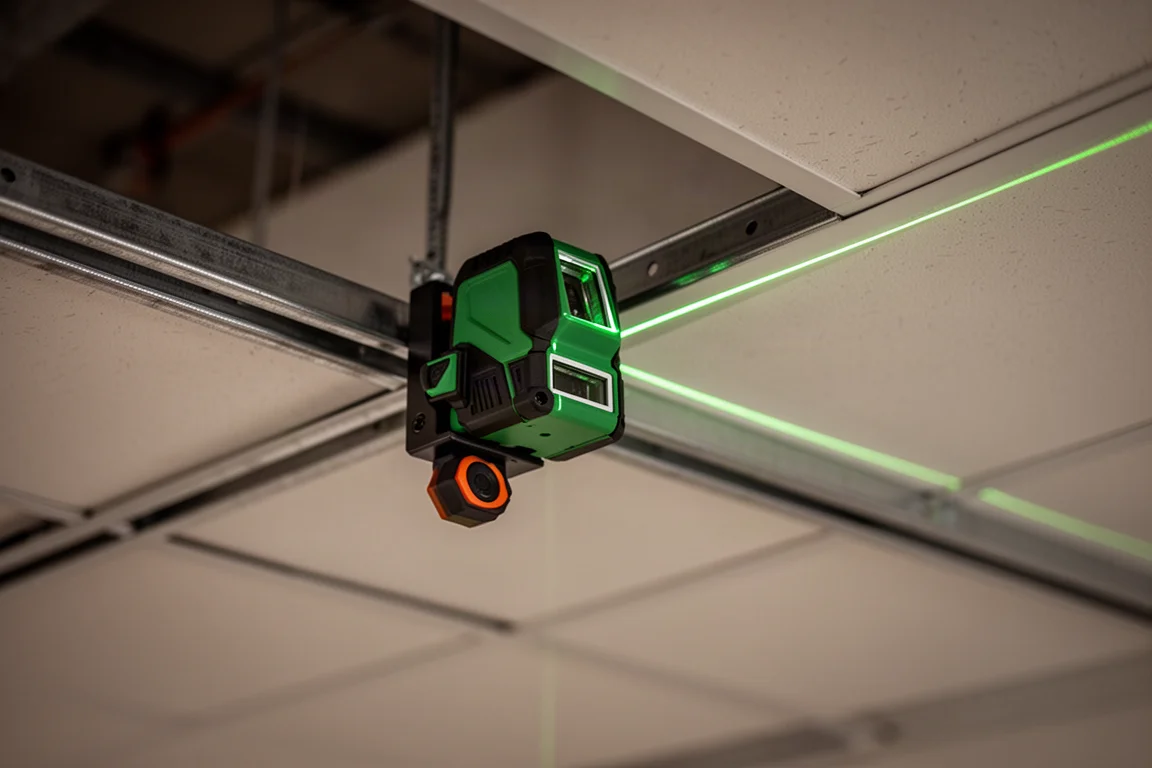
Where the DVO arguably does more than the DeWalt is fine adjustment. Its mount lets you nudge the laser up and down in small increments even when locked in tight, then tighten the screw to lock in your target. The screw mechanism itself is fairly basic, but the fine-tune control is genuinely useful.
Accuracy and Line Quality
With the locks disengaged, both units self-level and operate with a single button per line, so switching horizontal and vertical lines on and off is simple on both. In side-by-side testing at close range, the two sat spot on level with each other, with matching spacing between lines up and down the wall. Accuracy is not a deciding factor here.
Line quality is interesting because the two trade blows. The DVO projects a brighter, slightly thicker line that is easier to see in many indoor conditions. The DeWalt reads thinner, but as distance grows, the relationship flips: the DVO fades while the DeWalt stays bright.
Distance and Brightness: Where the Money Goes
This is the core difference. Around 30 feet apart, both lines still show well on most surfaces, though the DVO reads brighter and thicker on dark and colored backgrounds like black battery cases or blue cabinetry. Push past 50 feet and things change dramatically. The DeWalt is rated up to 270 feet, and its line remains crystal clear across large spaces. The DVO is rated at about 66 feet, and while the line is still visible at that range without assistance, it has clearly started to fade.
The DVO has a pulse mode, activated by a dedicated button, that pairs with a laser detector and claims usable range upwards of 250 feet. With pulse mode engaged, the detector picks up the DVO line reliably, which extends its reach beyond what the naked eye can manage. Both units are rated for indoor and outdoor use, though neither line shows up well on camera outside.
Out-of-Level Warnings and Safety
Both lasers warn you when they are not level. The DVO blinks and beeps continuously until it is brought back to level, and it also activates lines and beeps if the unit is moved while switched off. The DeWalt blinks in a pattern that indicates how far off level it is, with distinct behavior past 10 degrees.
Both are Class 2 lasers. That means eye safety matters with either one: avoid looking into the beams directly or placing them where they can hit eyes. With the less established brand especially, treat safety seriously.
Which One Should You Buy?
If you work commercial jobs or regularly need long-range lines, the DeWalt 20V kit justifies its price with its 270-foot reach, platform batteries, longer runtime, and refined mount. If you need a laser once a year or for a single project, the DVO H3 360G does the same job in a single room, offers fine-adjust mounting, swappable batteries with convenient USB-C charging, and carries a 5-year warranty on accuracy, meaning it will be fixed or replaced if it drifts.
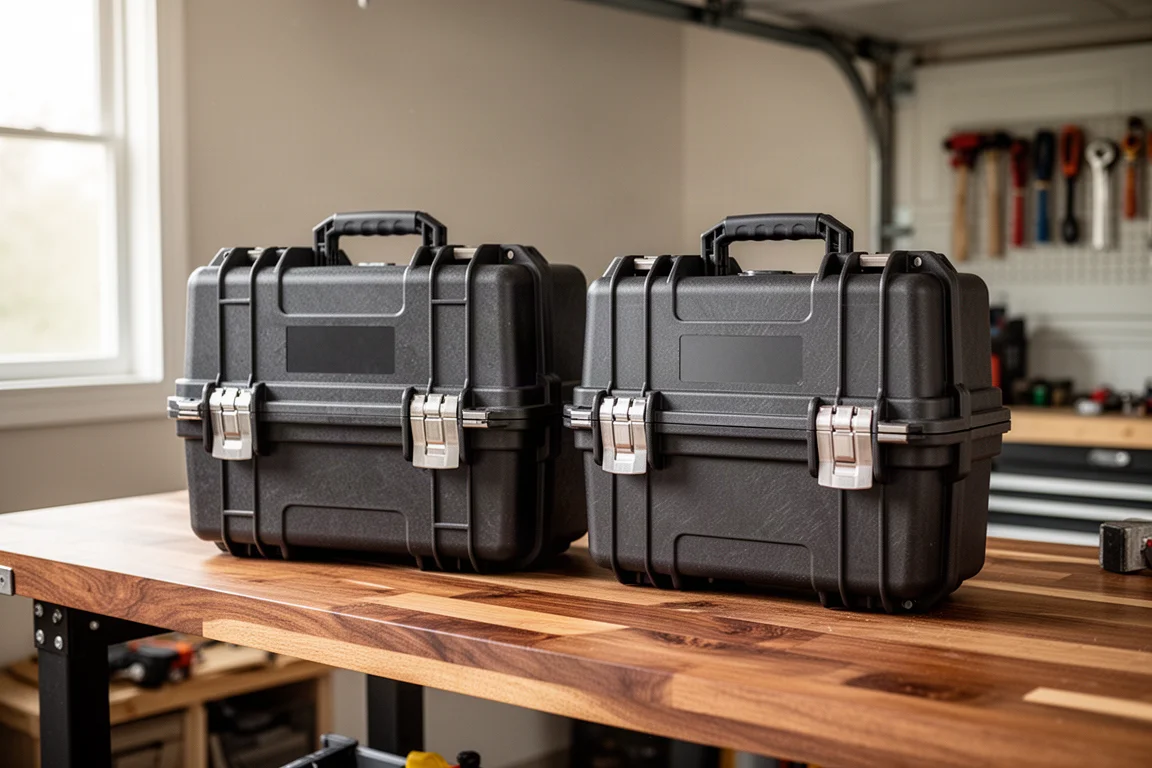
The DVO case uses plastic hinges, which is a minor downside, but for DIY-level use it is serviceable. In the end, it comes down to a simple question: how much money do you want tied up in a tool you may only use occasionally?
Conclusion
In a small room, both of these lasers effectively do the same job, and the DVO is often the brighter line up close. In a large space, the DeWalt pulls away thanks to its much longer range. Buy for the size of the spaces you actually work in, and neither choice is a bad one.
Product link
View more details for DeWalt 20V Laser Level
This product is mentioned in the review. Check the specifications, options, and compatibility before buying.
View more details for DeWalt 20V Laser LevelFurther reading
Related Reviews
Laser Levels
Best 3-Plane Laser Levels: Lasgoo LG30S vs Huepar vs Lasgoo 2-Plane
Three laser levels compared on beam brightness, build quality, case design, and battery practicality to help you pick the right one for your projects.
Laser Levels
DeWalt DW4360G Four-Plane Laser Level Review: Bright, Fast, and Well Equipped
A close look at DeWalt's upper-tier green four-plane laser level, covering brightness, self-leveling, runtime, and what is actually in the case for around $300.
Laser Levels
Dovo K4 360G Laser Level Review: A Four-Plane Green Laser That Handles Real Job Sites
A close look at the Dovo K4 360G four-plane laser level, covering its included accessories, dual charging options, magnetic stand, remote control, and 360-degree green line coverage.