Laser Levels
Best 3-Plane Laser Levels: Lasgoo LG30S vs Huepar vs Lasgoo 2-Plane
Three laser levels compared on beam brightness, build quality, case design, and battery practicality to help you pick the right one for your projects.
Introduction
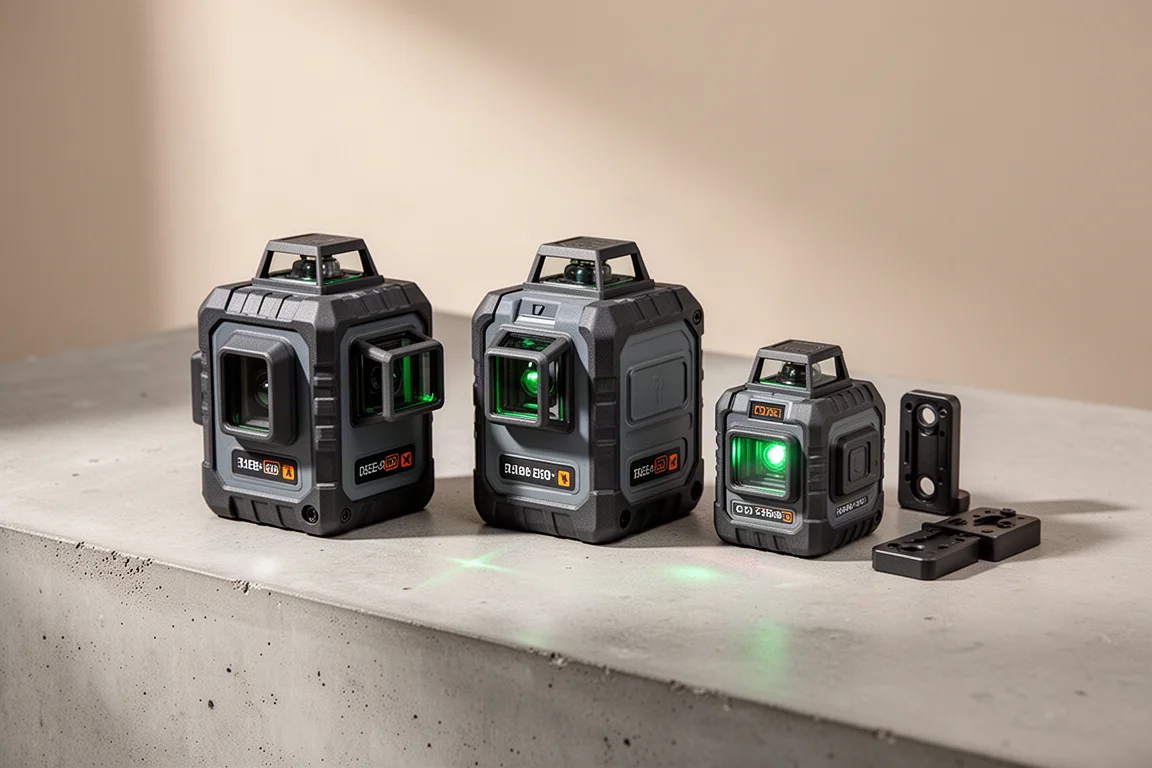
Laser levels have become one of those tools that quietly earn their place in a kit. Once you have used a good three-plane unit that throws bright horizontal and vertical lines around a room, going back to a tape measure and pencil feels slow. In this comparison we look at three units: the newer Lasgoo LG30S three-plane laser level, a Huepar three-plane model, and Lasgoo’s smaller two-plane laser that handles everyday jobs.
What to Look For in a Laser Level
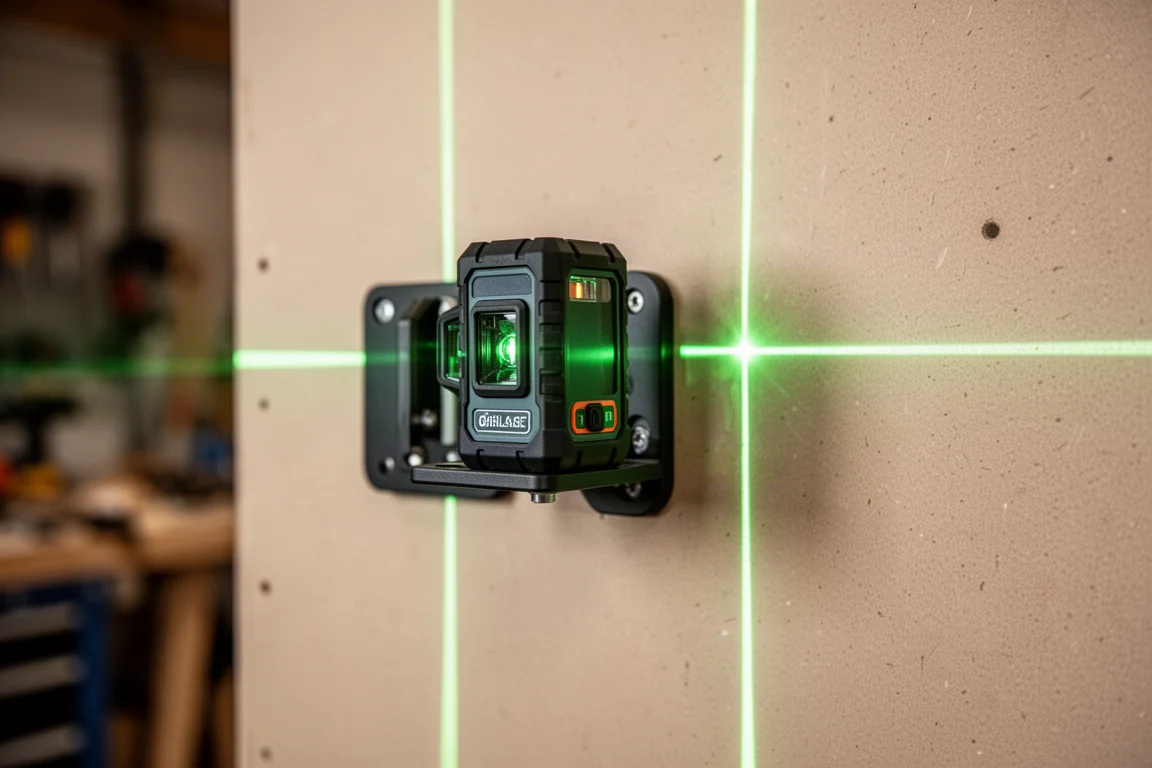
A few details separate a genuinely useful laser level from a frustrating one. Battery design matters more than most people expect: an external, swappable battery pack with a fuel gauge tells you exactly how much runtime remains and makes replacements easy. A remote control lets you toggle lines on and off from across the room instead of walking back to the unit every time. Case quality determines whether the tool survives a truck bed, and beam intensity decides whether the lines stay visible in daylight.
None of the units here nails every one of those criteria, which is exactly why comparing them side by side is worthwhile.
Lasgoo LG30S: The Rugged All-Rounder
The Lasgoo LG30S is the newest of the three and immediately stands out for build quality. The housing feels rugged and tough, with a finish that looks like it can take job site abuse even though it reads as plastic rather than metal. Controls sit on the top of the unit, including beam intensity settings, and the overall attention to detail feels a step above many competing brands at this price point.
The kit includes a magnetic stand that grips firmly in place yet peels off easily from the side when you are done. The remote works straight out of the box with no setup: you can switch off vertical one, vertical two, or the horizontal line independently, which is exactly what you want when adjusting lines on a wall from twenty feet away.
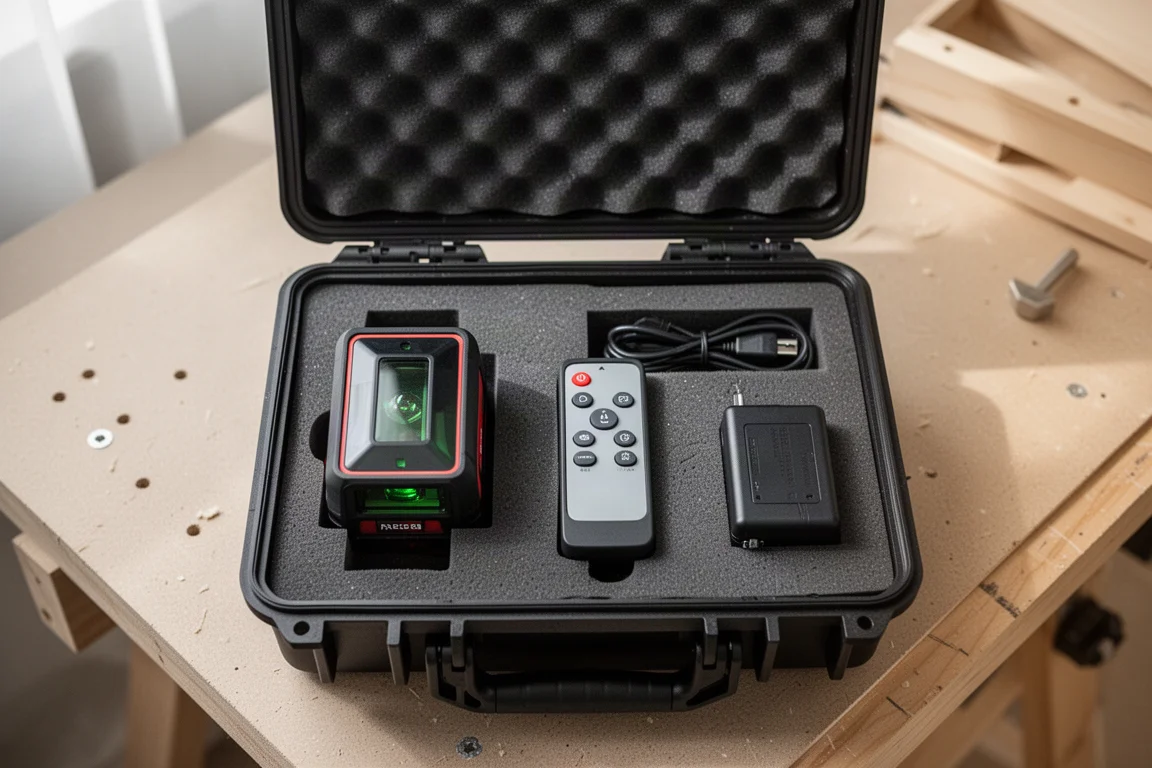
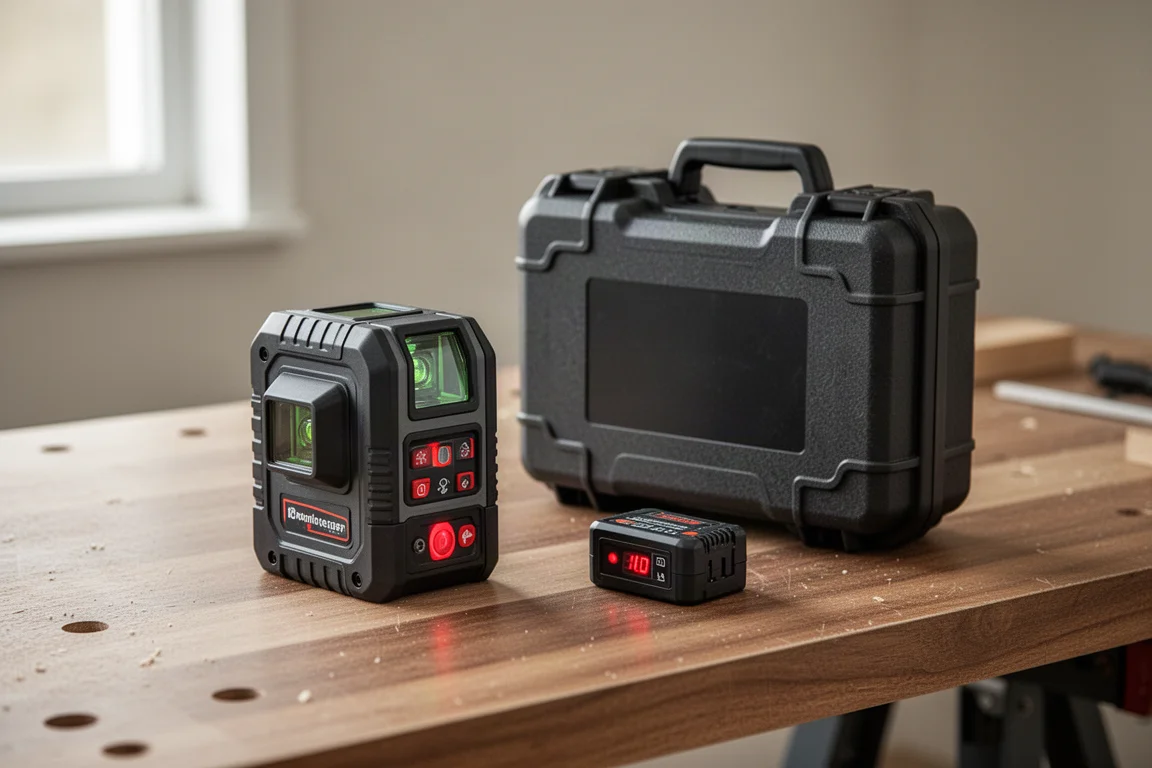
The main compromises are the soft case and the internal battery. The case uses a clever shadow-foam style layout with the laser protected dead center and accessories organized around it, but soft fabric gets dirty fast in a truck and offers far less crush protection than a hard case. The battery is not external and has no fuel gauge, so you never quite know how much charge is left, and finding replacements can be difficult.
Huepar 3-Plane: The Practical Alternative
The Huepar three-plane laser level takes a different approach to the same job. Its biggest strengths are the two things the LG30S lacks: a hard case and an external battery pack with a fuel gauge. Being able to see remaining charge at a glance and swap in a spare battery is genuinely practical for longer workdays, and the hard case shrugs off dirt and crushing far better than fabric.
In side-by-side brightness testing, the Huepar’s beam sits within roughly five percent of the LG30S. The lines look very similar in intensity, though the LG30S beam appears slightly thicker and a touch bolder. On raw brightness the two are nearly neck and neck.
Beam Brightness Comparison
With all three units set to maximum intensity and placed about a foot apart, the two three-plane lasers clearly outshine the smaller two-plane model. The Lasgoo LG30S and the Huepar look very close to each other, with the LG30S appearing slightly brighter and with a marginally thicker beam. The difference is small enough that most users would struggle to notice it in real conditions.
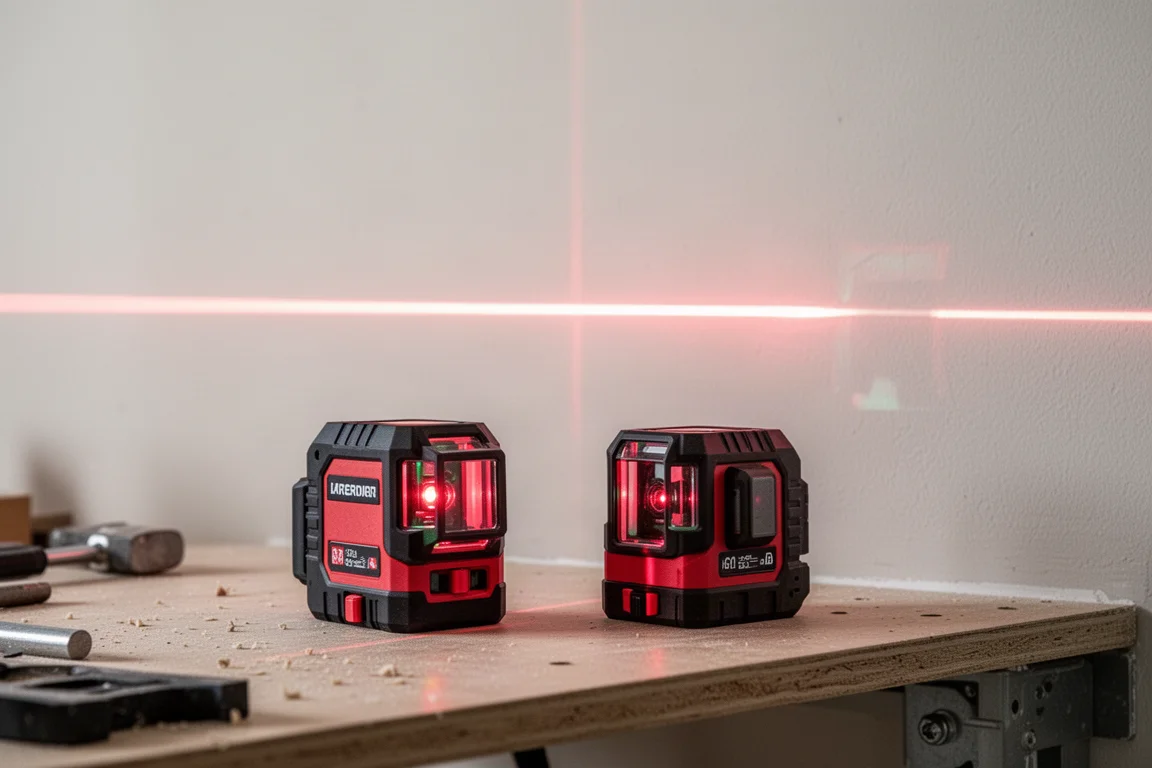
The two-plane unit, by contrast, projects a noticeably thinner line that is nowhere near as bright as the larger three-plane units. That is expected at its price, and for indoor work in controlled lighting it remains perfectly usable.
Best Budget Option: Lasgoo 2-Plane Laser Level
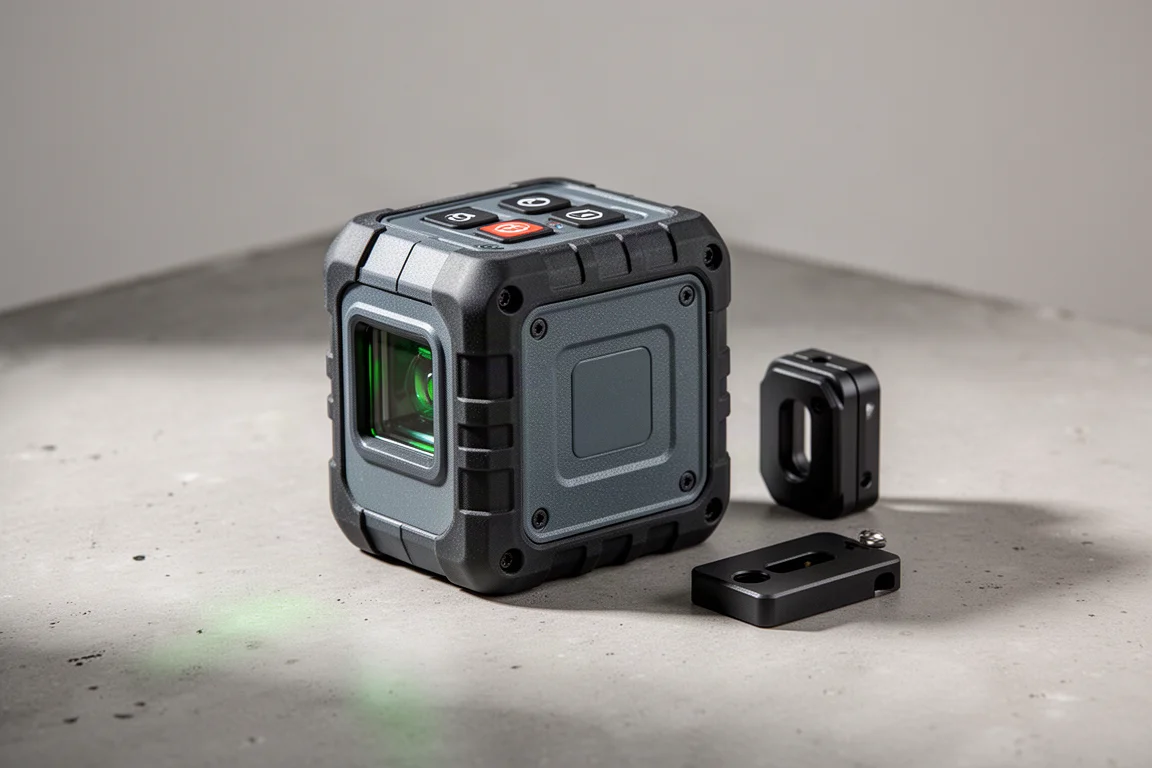
The Lasgoo two-plane laser level sells for around fifty dollars and has proven itself over roughly a year of regular use. It is not trying to compete with the three-plane units on brightness or line count, but for smaller projects around the home or workshop it does the job with the same easy operation that makes the brand appealing.
If your needs are simple horizontal and vertical lines for indoor tasks, this is the value pick of the group.
Buying Advice
If you want the brightest beams and the best overall build quality, the Lasgoo LG30S is the stronger pick, with the caveat that you accept a soft case and an internal battery without a fuel gauge. If external batteries, a fuel gauge, and a hard case matter more to you than a marginal difference in beam boldness, the Huepar three-plane is the smarter buy. Both sit around the same price depending on sales and discount codes, so the decision comes down to which trade-offs suit your workflow.
The ideal laser level would combine a hard case, an external fuel-gauged battery, and high beam intensity in one unit, but until one brand ships exactly that, both of these three-plane options are well worth a look.
Conclusion
Lasgoo has built a reputation for solid construction and straightforward operation, and the LG30S continues that with slightly brighter, thicker beams than the comparable Huepar. The Huepar counters with better battery practicality and a hard case. And for lighter duty at a fraction of the cost, the Lasgoo two-plane remains one of the best small-project lasers around. Match the trade-offs to your projects and any of the three will serve you well.
Further reading
Related Reviews
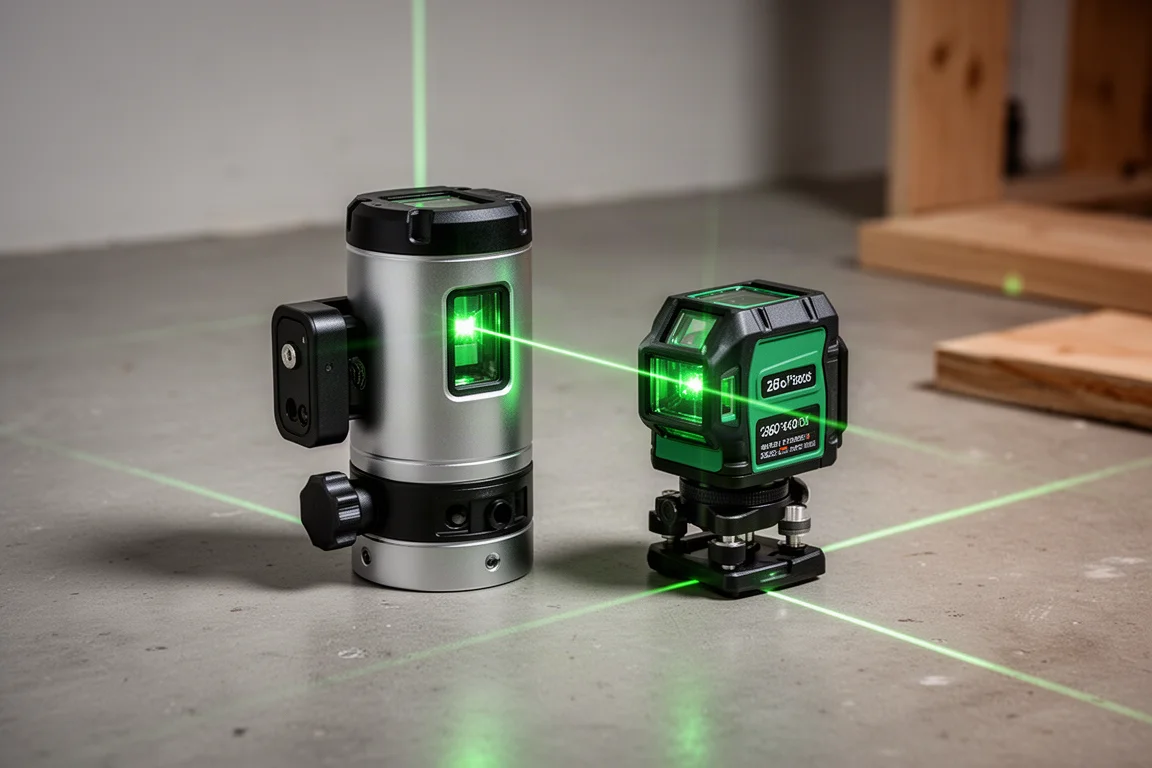
Laser Levels
DeWalt 20V vs DVO H3 360G: Two Laser Levels, Two Very Different Budgets
One costs over $699, the other targets the DIY market. A side-by-side look at what you actually get, how the lines perform, and where the extra money goes.
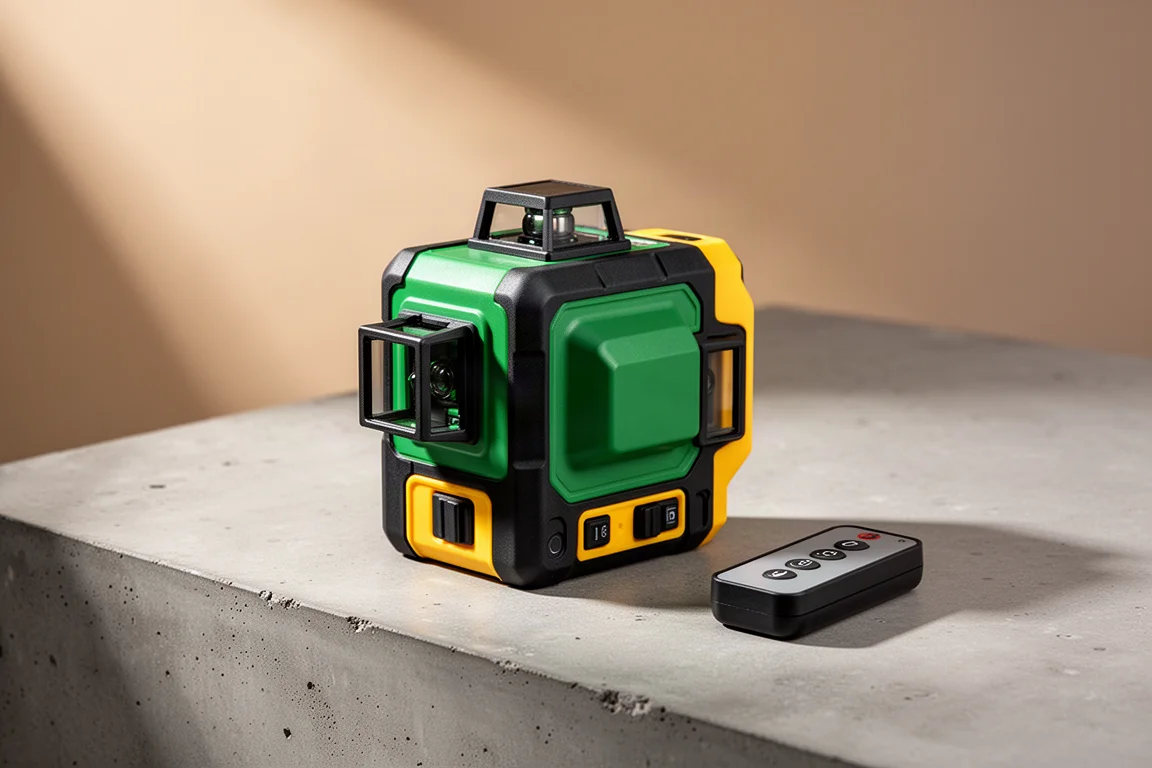
Laser Levels
DeWalt DW4360G Four-Plane Laser Level Review: Bright, Fast, and Well Equipped
A close look at DeWalt's upper-tier green four-plane laser level, covering brightness, self-leveling, runtime, and what is actually in the case for around $300.
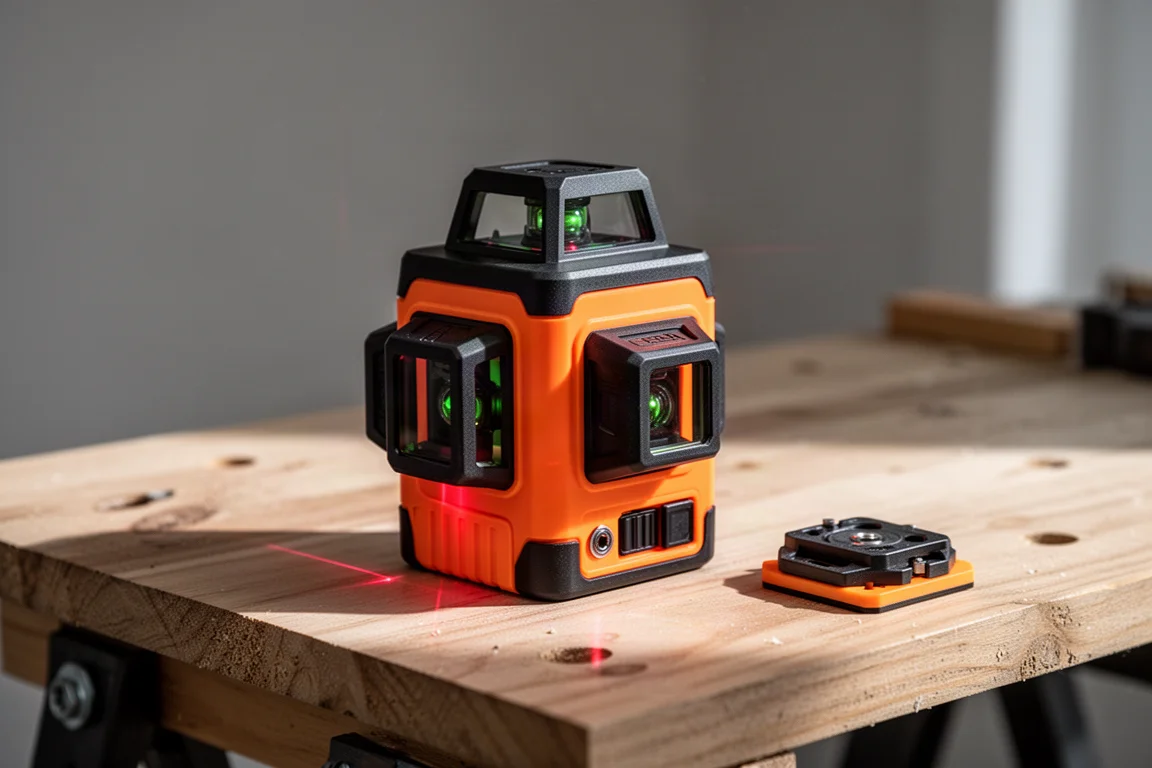
Laser Levels
Dovo K4 360G Laser Level Review: A Four-Plane Green Laser That Handles Real Job Sites
A close look at the Dovo K4 360G four-plane laser level, covering its included accessories, dual charging options, magnetic stand, remote control, and 360-degree green line coverage.