Outdoor Gear
Budget vs Premium Down Jackets: Decathlon MT 100 and Montbell 1000-Fill Compared
A practical comparison of a $100 duck down jacket and a $479 goose down jacket, covering fill power, loft, fabric, fit, and how to decide which one is worth the money.
Introduction
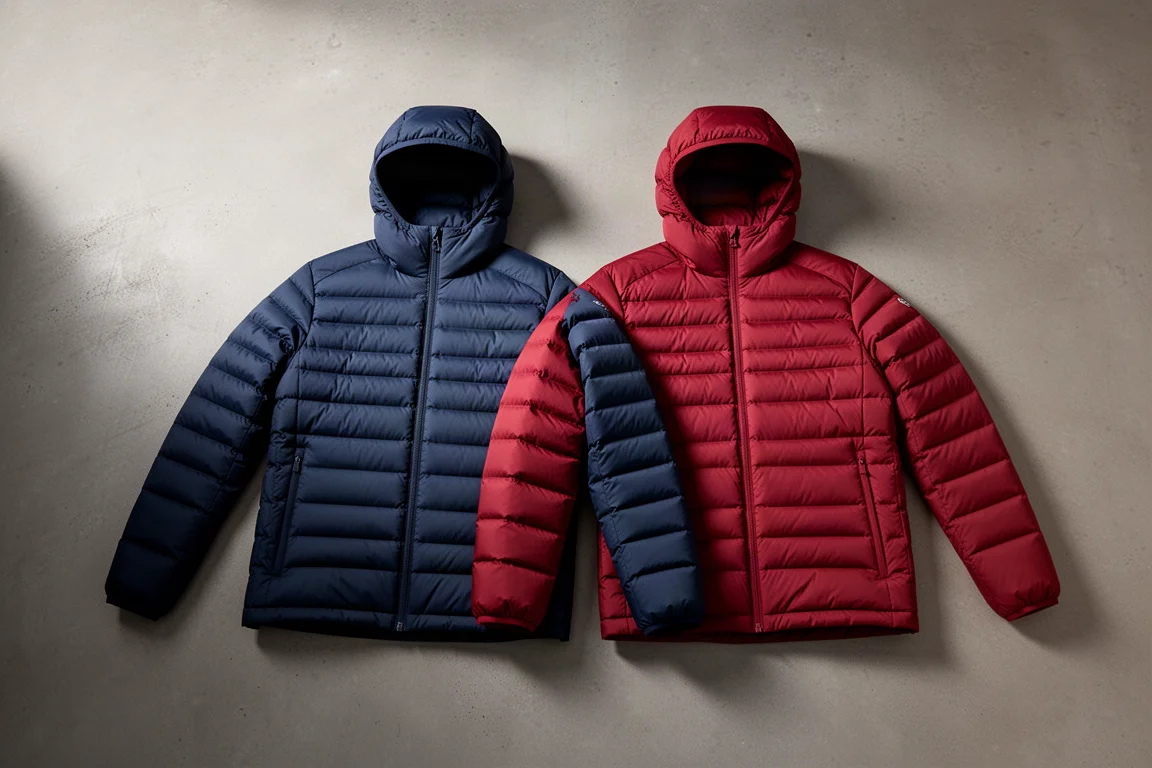
Down jackets sit at two very different ends of the price spectrum, and the gap between them can be enormous. One well-known budget model costs about $100. A premium 1000-fill jacket costs around $500 once shipping and taxes are added. Both can be genuinely excellent, but they are not interchangeable, and the difference is not simply a case of cheaper versus better.
This comparison looks at what each jacket actually delivers: the fill, the fabric, the loft, the fit, and the small design decisions that shape how a jacket feels on a cold morning. The aim is straightforward, which is to help you work out which one earns its place in your pack.
What Actually Matters in a Down Jacket
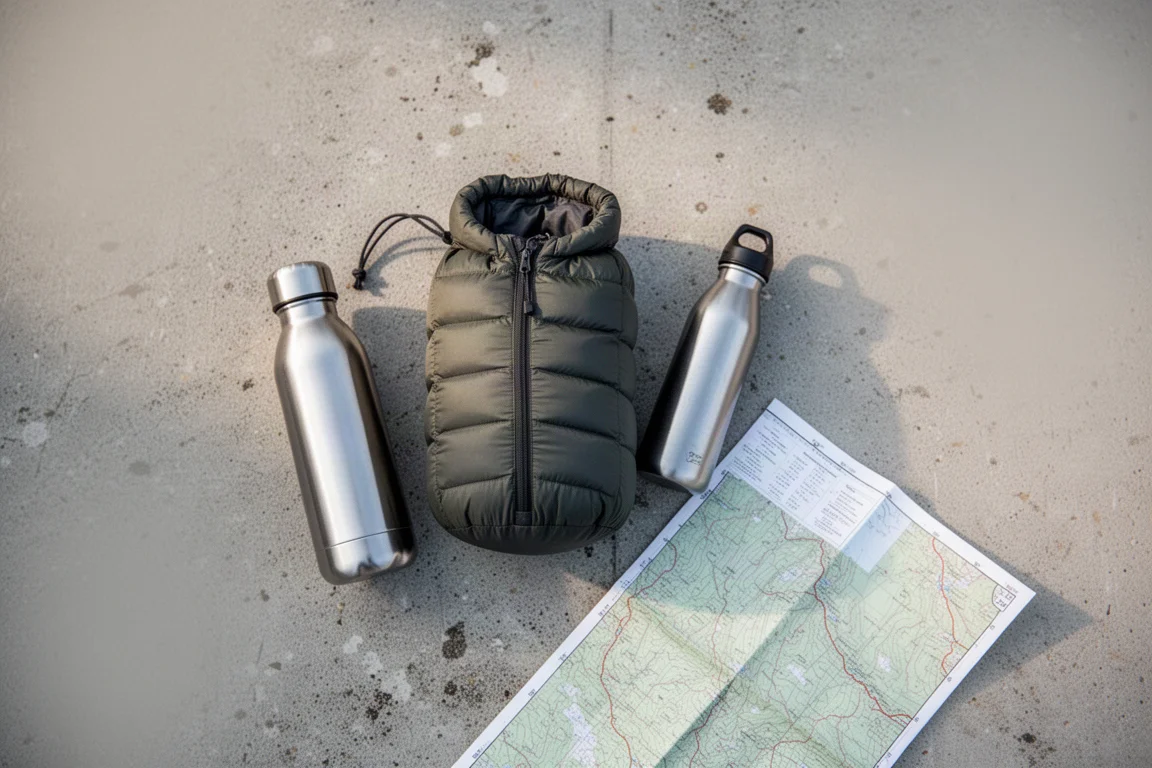
Three qualities matter more than anything else in a down jacket. It has to be light, it has to be warm, and it has to pack down small. Pockets, zippers, hoods and every other feature come second. A jacket that nails those three priorities is already doing the important work.
There is one more consideration that is easy to overlook. A puffy jacket is one of the few pieces of backpacking gear you will also wear in everyday life, right through autumn and winter, so it has to look good as well. A jacket that only works on the trail is a harder purchase to justify than one you reach for constantly.
Everything else, from the number of pockets to the style of the zipper pull, is a preference rather than a requirement. Those details are worth weighing only after the core three have been satisfied.
Best Budget Pick: Decathlon MT 100
The Decathlon MT 100, previously sold as the Trek 100, has moved from around $80 to around $100. Even at the higher price it remains one of the most convincing budget down jackets available, and it is the kind of jacket that has quietly earned a reputation over several seasons.
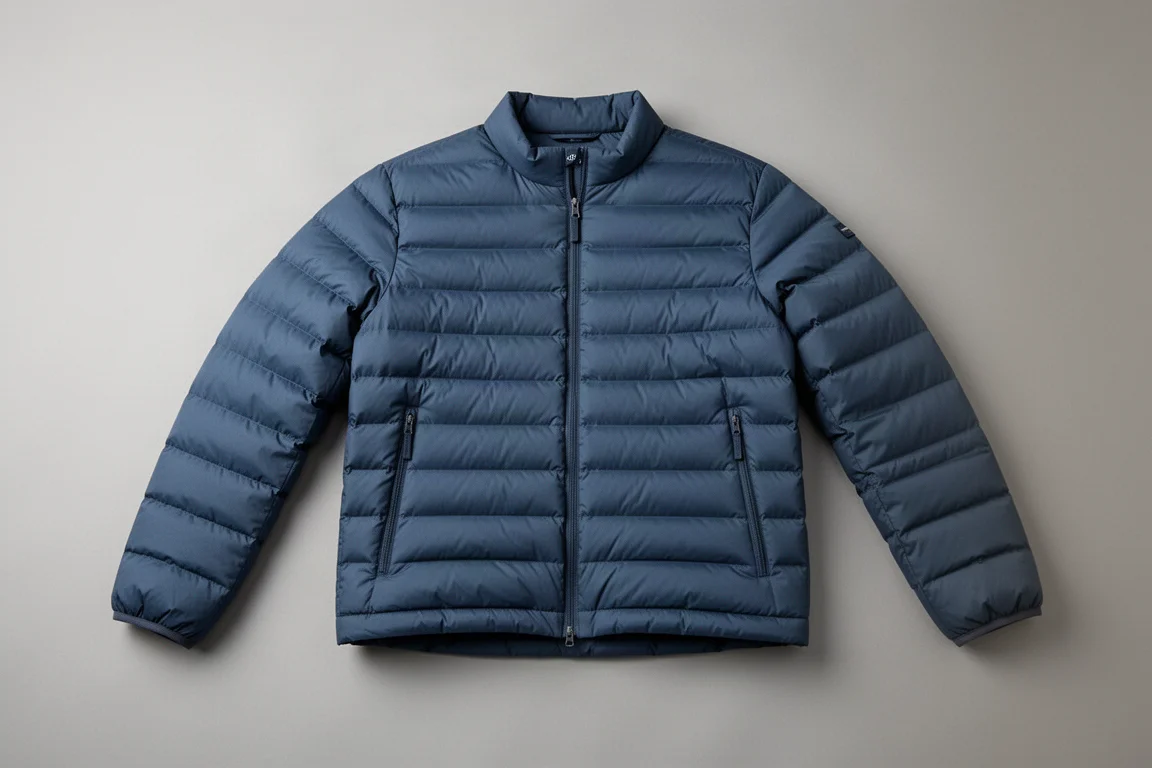
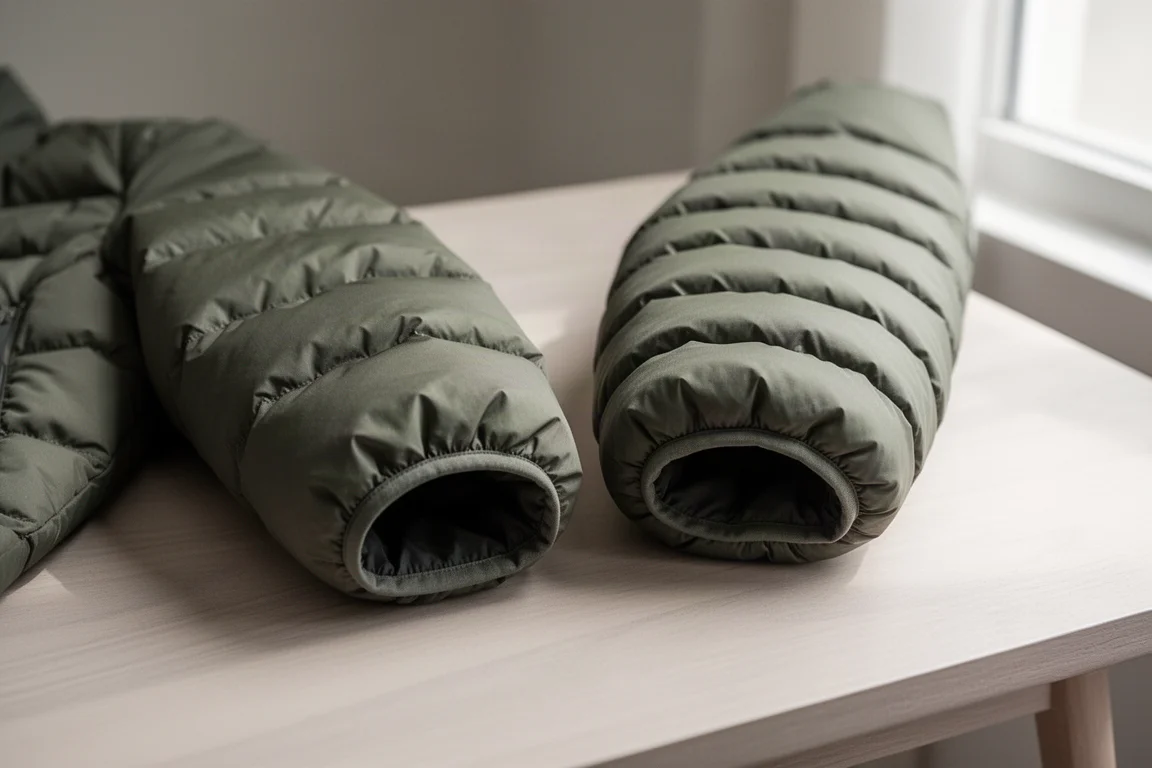
It uses RDS-certified 800 fill duck down, with 3.07 oz of fill in a size large, and it weighs 10.2 oz (290 g) in that size. The shell and lining are both 15 denier nylon, and the jacket stuffs into its own pocket. The feature set is complete for the money: a hood, hand pockets, a hem drawcord to keep drafts out from underneath, and cuffs with roughly 1.5 to 2 inches of elastic folded inside so air does not travel up the sleeve. The hood edge is elastic rather than adjustable, which keeps it snug without a drawcord.
Two details are worth knowing before you order. The baffles run straight across and are sewn through, which is standard at this price and can create the occasional cold spot. The zipper is also left-handed, a common layout on European-made garments, which takes a moment or two to get used to.
Warmth is better than the price suggests. With only a t-shirt underneath, the MT 100 is comfortable down to around freezing as long as you are moving. The fit runs slim, so it is worth checking the US size chart and considering one size up. Durability has held up well, and after two years of use that includes long hikes and plenty of scrapes and scratches, the jacket still looks essentially new.
Best Premium Pick: Montbell 1000-Fill Down Jacket
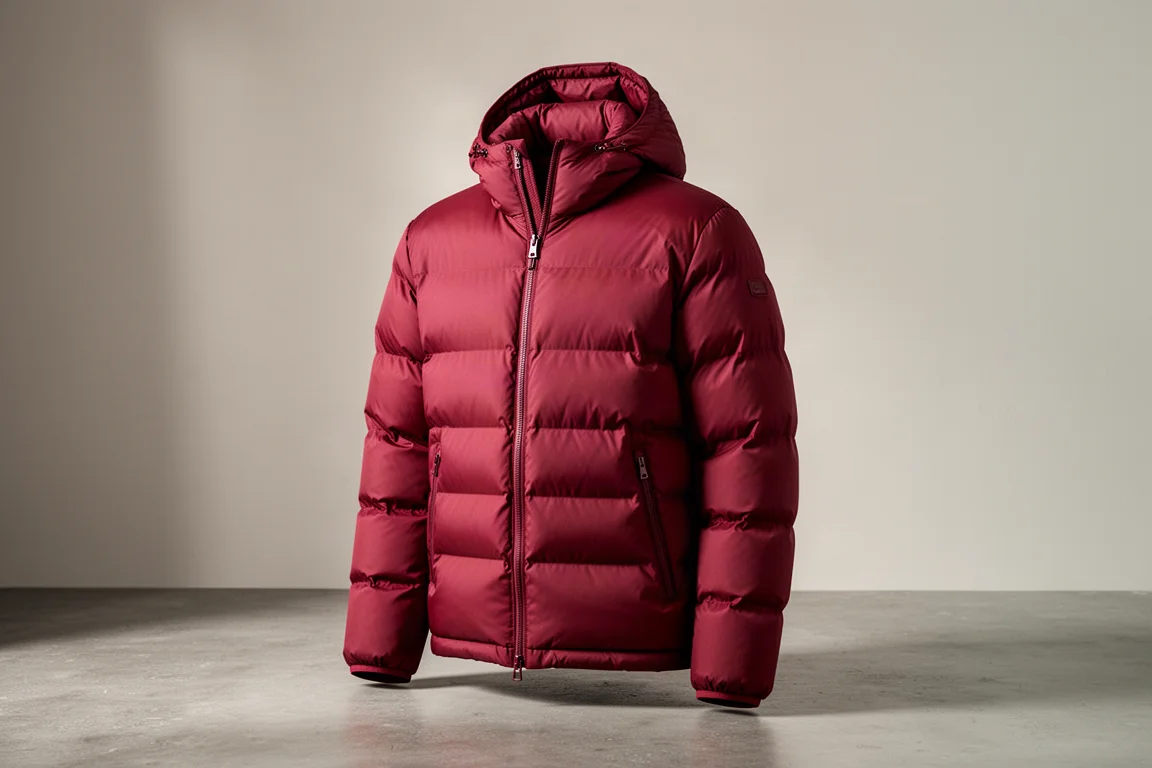
At $479, or roughly $500 once shipping and taxes are included, this jacket sits in a different tier altogether. It weighs 237 g (8.4 oz) in a large and is filled with 3.4 oz of RDS-certified 1000 fill goose down inside a 7 denier nylon shell.
The quilting is the most visible difference. Instead of straight sewn-through baffles, the boxy quilt pattern lets the down wrap around, so any colder spots alternate rather than concentrating in one line. The result is warmth that feels even across the whole jacket rather than patchy. The hood has a drawcord you can adjust, the pockets are zippered, the hem has a drawcord, and the cuffs use elastic at the very end rather than folded inside. Fit is closer to true to size, and a large genuinely feels like a large.
The performance trade-off is loft. Placed side by side, the difference in loft between the two jackets is dramatic, and the 1000 fill model is visibly puffier. In practice it is warm enough that it can feel like too much in fringe seasons. The other trade-off is fabric. A 7 denier nylon shell is roughly half the denier of the budget jacket’s fabric, so it can tear more easily. In real use it has come through multiple backpacking trips without a single rip, but it does ask for more care around rock and brush.
For anyone who wants the warmest and lightest jacket in this comparison and is willing to pay for it, this is the one that delivers the most warmth for the least weight.
Fill Power, Fabric, and Loft: How the Two Compare
Fill power is widely misunderstood. It describes the size and puffiness of the down plume rather than acting as a simple quality score. A 1000 fill plume is larger and puffier, while an 800 fill plume is smaller but still a genuinely high-end feather. Because smaller plumes fill less space, more of them are needed to create the same loft inside a baffle.
That explains the numbers here. The budget jacket carries 3.07 oz of 800 fill duck down, while the premium jacket carries 3.4 oz of 1000 fill goose down. More fill, in larger plumes, produces a loftier and warmer jacket, which is exactly what the side-by-side comparison shows.
There is also a limit to how much down helps. Overfilling a baffle can compress the down and reduce insulation, so the right amount matters more than the maximum amount. Goose down is generally a more expensive feather than duck down and a marginally better insulator, but the practical difference between the two is small next to the difference in fill weight and loft.
Fit, Features, and Real-World Warmth
Fit is where the two jackets diverge most in daily use. The budget jacket runs slim, so ordering up is often the safer choice, while the premium jacket fits true to size and feels roomier in the same nominal size.
Both jackets cover the essentials. Each has a hood, pockets, a hem drawcord and elastic at the cuffs, and each packs down into a small space. The premium jacket adds an adjustable hood drawcord, which makes it easier to dial in the fit around your head, and its zipper closes right-handed in the conventional layout.
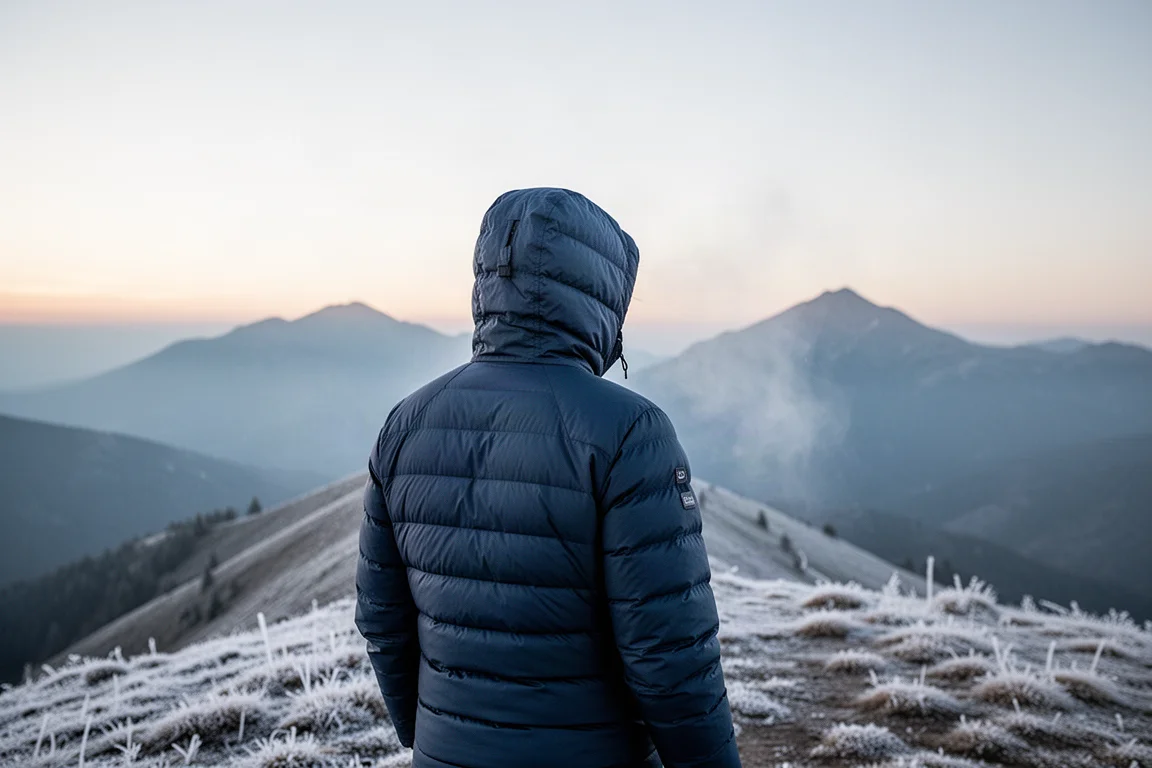
Warmth is the clearest split of all. The budget jacket is comfortable down to around freezing with a t-shirt underneath while you are moving. The premium jacket is warmer still and better suited to genuinely cold conditions, to the point where it can feel excessive in milder shoulder-season weather.
Packability and Weight: What You Notice on the Trail
Weight differences between down jackets are often smaller than the price gap suggests. The budget jacket weighs 10.2 oz (290 g) in a large, and the premium jacket weighs 237 g (8.4 oz) in the same size. That is a real saving, but it is not the kind of gap most people notice on every trip.
Both jackets compress well and pack into a small volume, which is what makes them practical for backpacking in the first place. If you are counting grams over long distances or moving fast, the lighter jacket has a clear advantage. If you are carrying a normal load on weekend trips, the difference is unlikely to be the deciding factor.
Which Jacket Makes Sense for You
The honest answer depends on what you value most. If cost is not a concern and you want the warmest and lightest option here, the premium 1000 fill jacket is the stronger choice. It has the loft, the warmth and the low weight that dedicated backpackers look for, and its only real weakness is a more delicate shell fabric.
If you would rather keep money available for the rest of your kit, the budget jacket is remarkable value. It is warm enough for three-season use, durable enough to still look new after two years of hard wear, and it costs roughly a fifth of the premium model. The money saved could go toward other gear, or toward the costs of a trip itself.
A middle path also exists. Buying the budget jacket and layering it with a mid-layer gives you more control over heat regulation as conditions change, and it often works out cheaper than the premium jacket on its own.
Conclusion
These two jackets represent the best of what their respective price points can offer. The Decathlon MT 100 proves that a $100 down jacket can be warm, well equipped, packable and durable enough to last years. The Montbell 1000-fill jacket proves what more money buys: higher loft, more fill, less weight and warmth that feels even across the whole garment, along with a shell fabric that rewards careful handling.
If you want maximum warmth for minimum weight and the budget allows it, the premium jacket is the one to choose. If you want dependable three-season warmth, a full feature set and money left over for the rest of your gear, the MT 100 is an easy recommendation.
Further reading
Related Reviews
Outdoor Gear
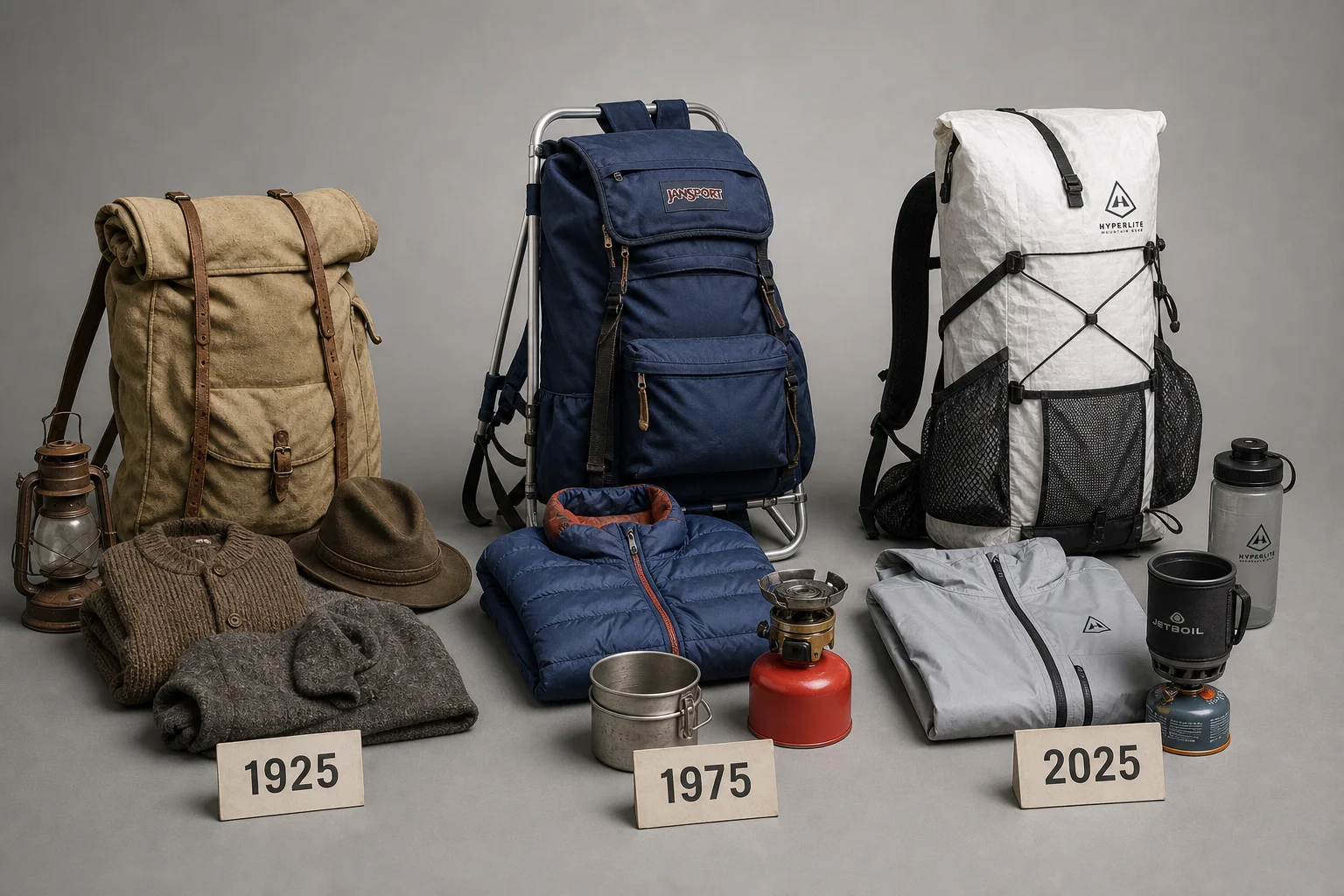
Backpacking Gear Evolution: 100 Years of Technology Compared
We tested backpacking gear from 1925, 1975, and 2025 across a three-day hike in Yosemite. Here's how technology has transformed comfort, weight, and the outdoor experience.
Outdoor Gear
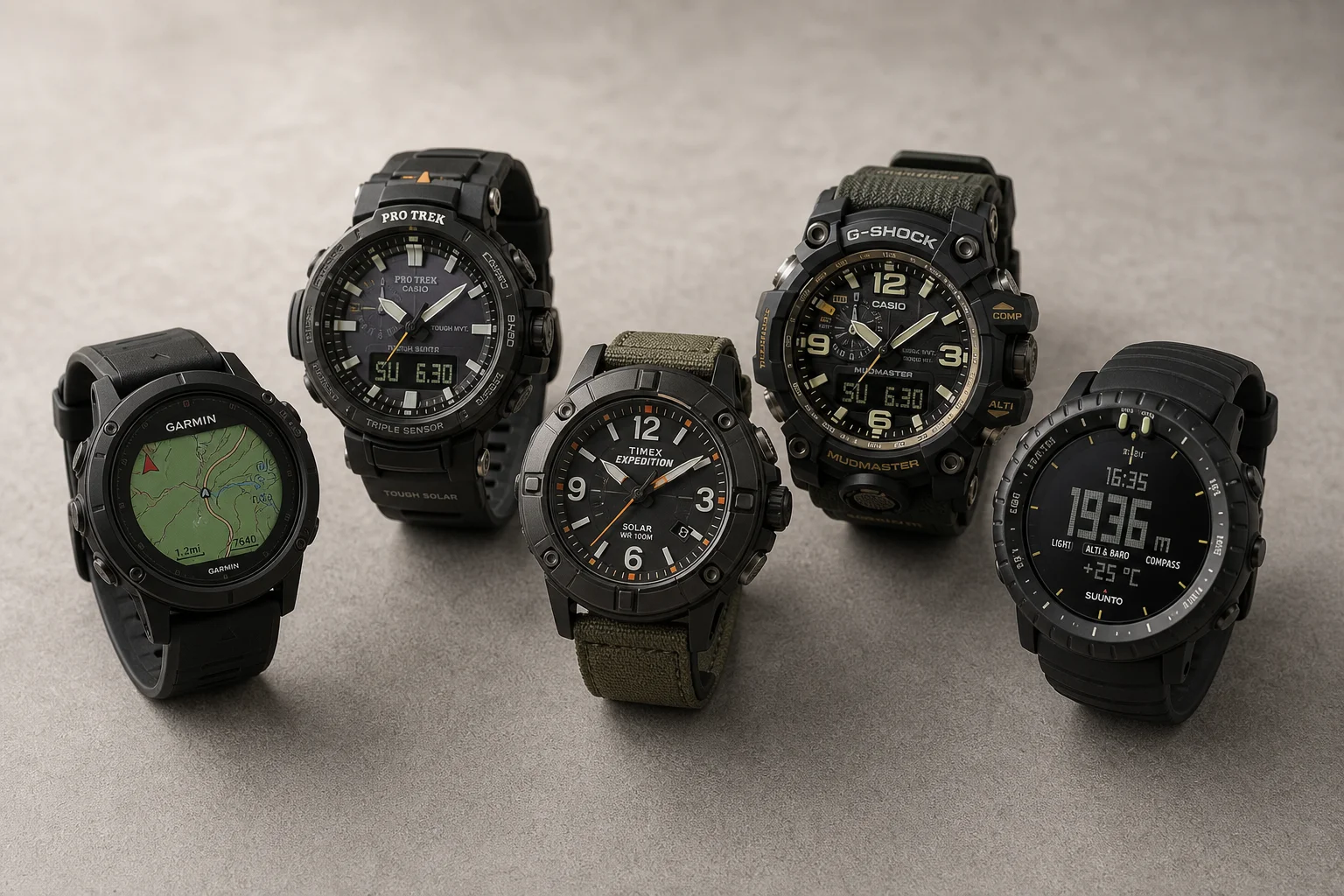
Best Affordable Hiking Watches: Five Rugged Options for Outdoor Adventures
Five durable hiking watches that balance ruggedness, functionality, and value for outdoor enthusiasts who need reliable GPS tracking and weather resistance.
Outdoor Gear
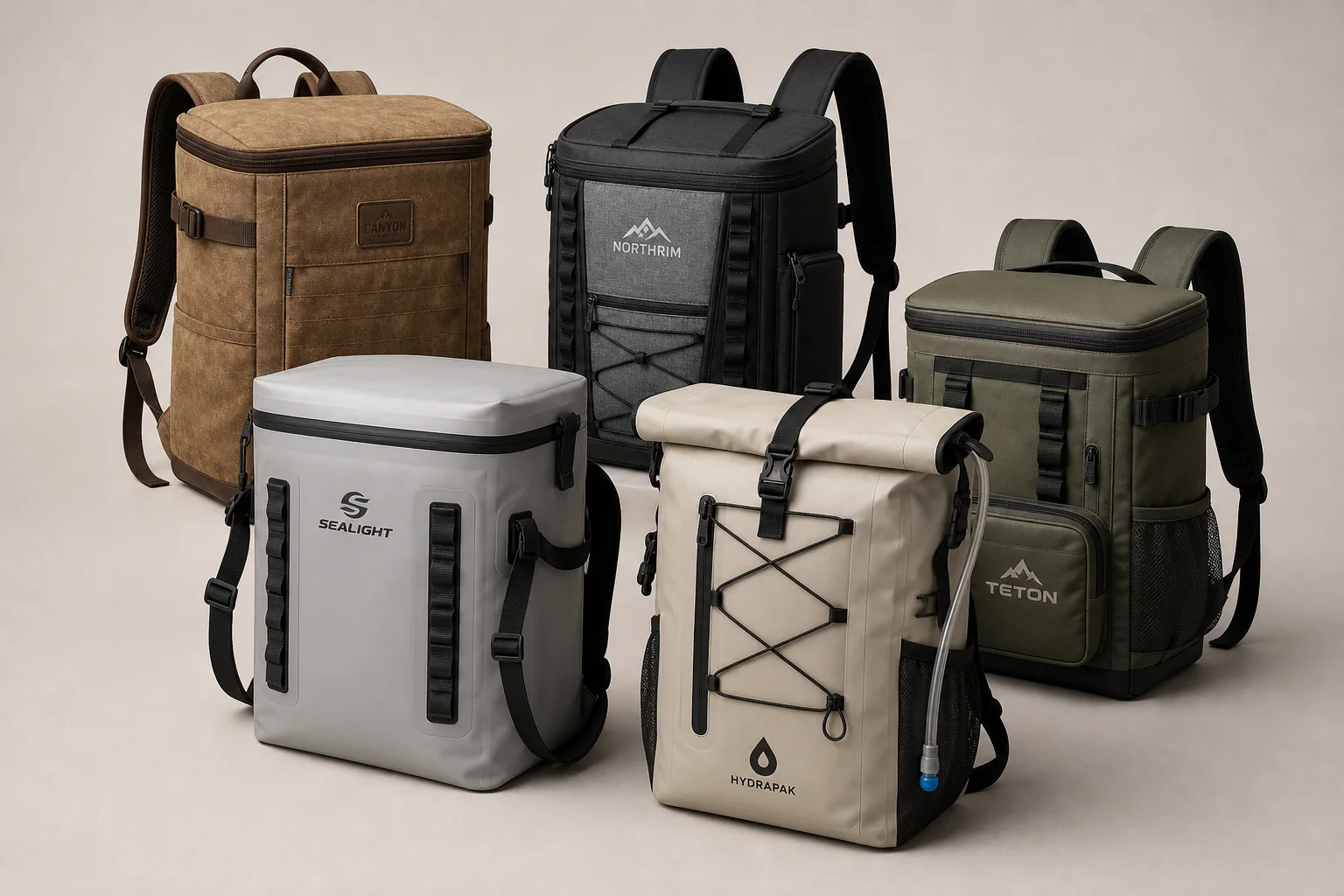
Best Backpack Coolers 2026: Five Practical Options for Outdoor Adventures
Five backpack coolers with distinct cooling capabilities, storage features, and design trade-offs to help you choose the right one for your outdoor needs.